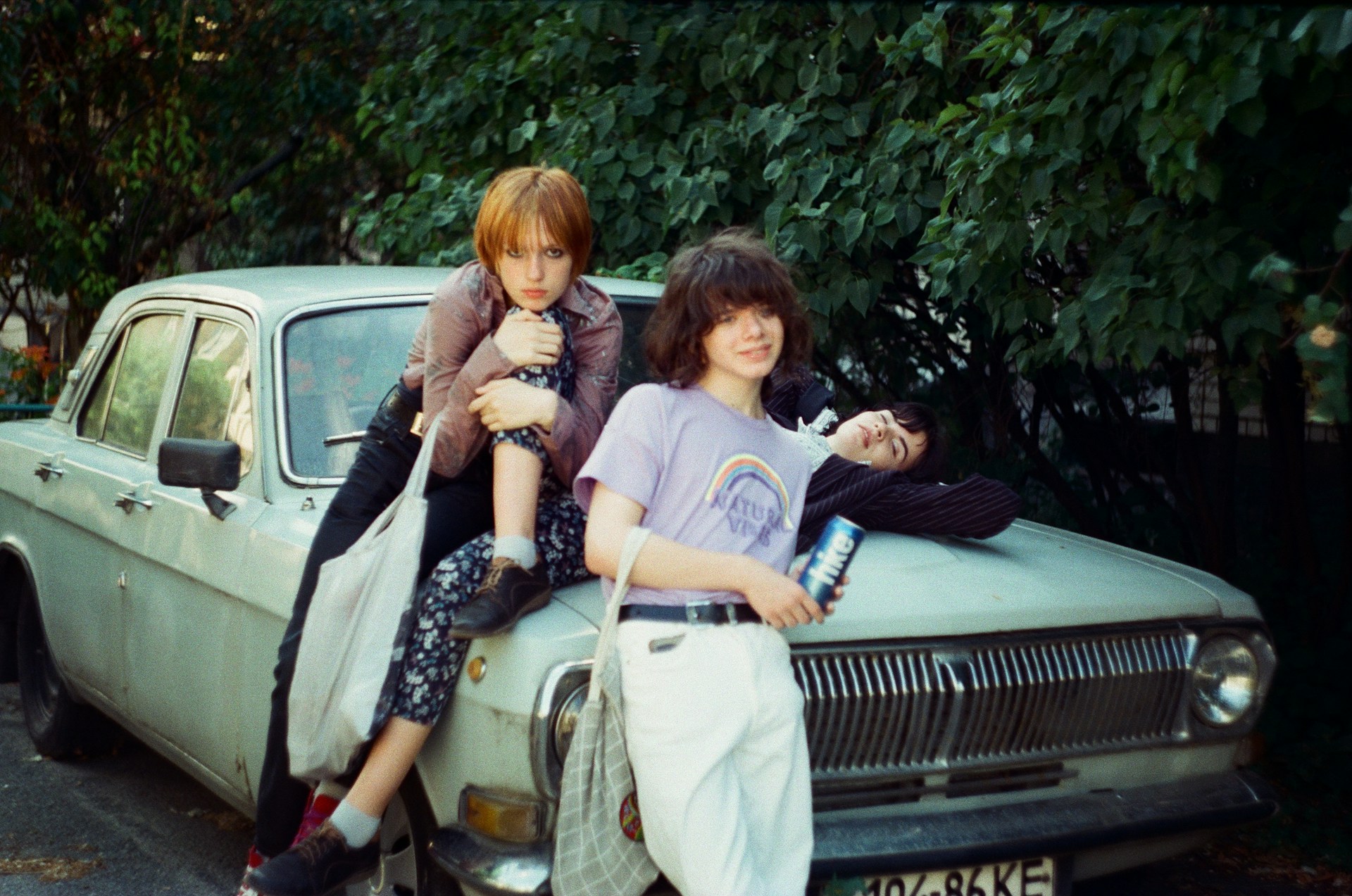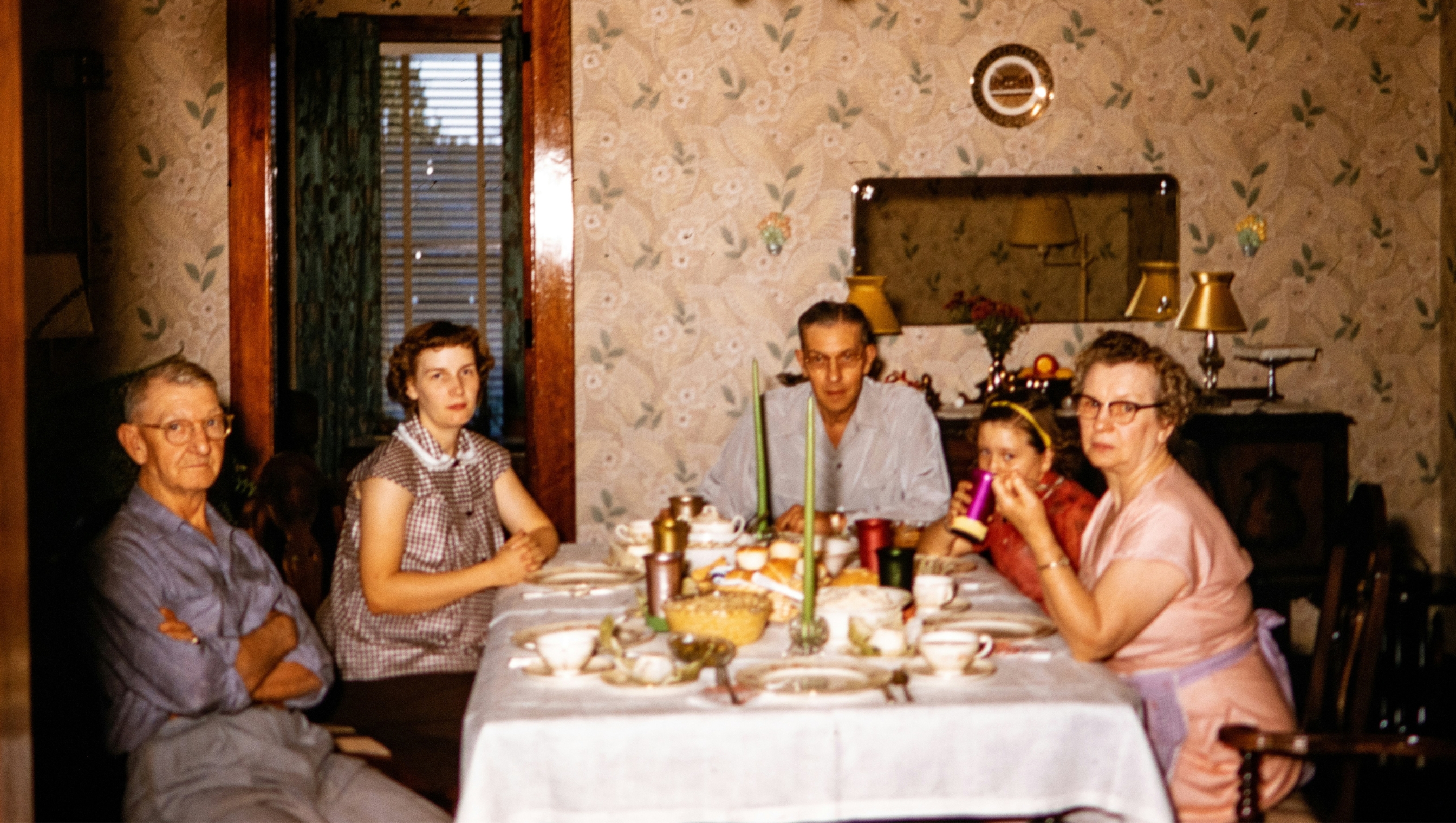
Growing up in the 1960s often meant long afternoons with no adult hovering, no pocket-sized entertainment, and no instant rescue when a plan fell apart. Boredom became a prompt, not a problem, and the neighborhood was both playground and classroom. Household rules were clear, money was stretched, and mistakes carried consequences even when nobody made a speech about them. Out of that mix came habits that feel rare now: patience, grit, self-control, and the quiet pride of figuring things out, then showing up the next day a little steadier. Those lessons were not always gentle, but many stayed useful for life for decades.
Entertaining Themselves Without Screens
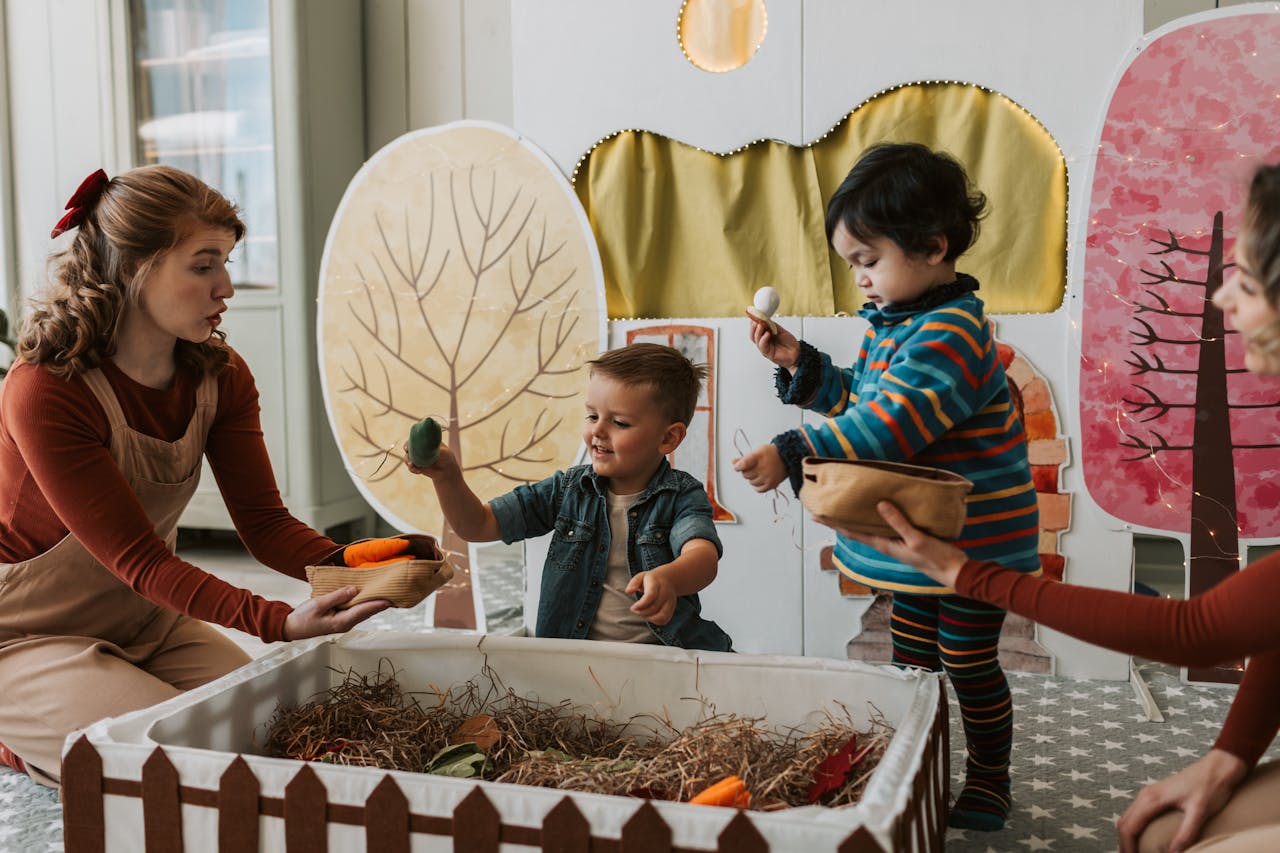
Screen-free time was not framed as deprivation in many 1960s homes. It was simply the air kids breathed, with bikes, sidewalks, vacant lots, card decks, and kitchen-table crafts doing the heavy lifting. When parents were busy, play had to organize itself, rules and all.
That long, unstructured time trained attention and emotional range. When boredom hit, imagination had to move first, and small frustrations had to be managed without a quick escape. The result was a steadier kind of creativity, the sort that helps adults begin projects, finish chores, and find joy without being constantly prompted. It made friendships feel earned.
Learning That Work Can Feel Uncomfortable
In the 1960s, effort often showed up in ordinary ways: walking to school, helping with younger siblings, mowing lawns, shoveling snow, or taking on chores that were not negotiable. Paper routes, babysitting, and odd jobs were common introductions to responsibility. Comfort was nice, but it was not treated as a right.
The lesson was simple: work can feel awkward, slow, or tiring, and still be worth doing. Learning to push through discomfort built a work ethic without needing constant applause. It also taught pacing, because burning out was a real risk when tasks piled up and time still had to be shared with friends and daylight.
Realizing Nobody Is Automatically Coming To Save Them
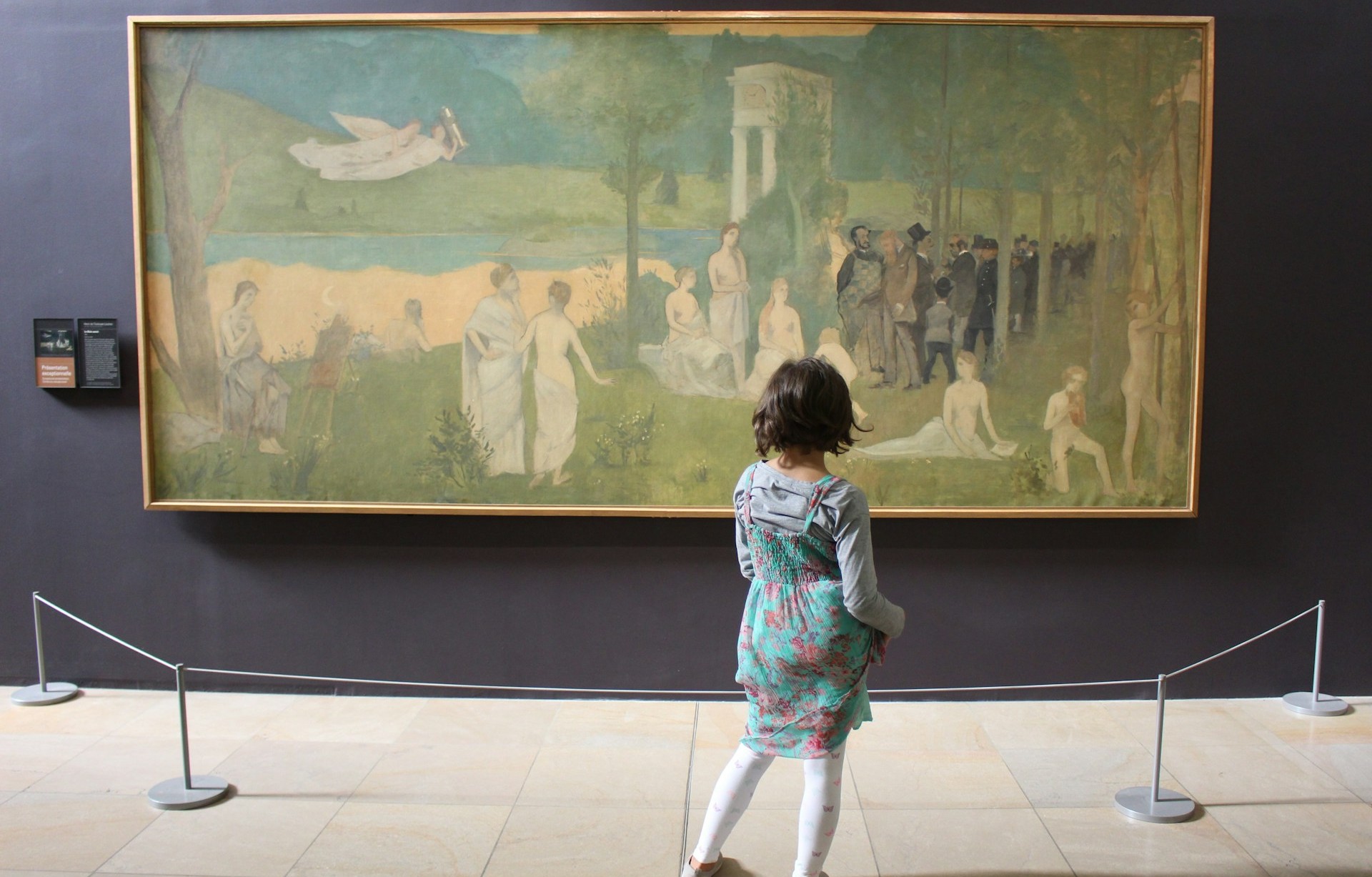
Many 1960s kids became early experts in being alone for a while. A key under the mat, a note on the counter, and a short list of rules could mean hours of self-management before adults returned from work. Neighbor names and phone numbers were memorized for real emergencies.
That routine taught self-reliance: snacks were made, homework was started, small problems were solved, and siblings were watched without a running commentary. It was not always ideal, yet it built a calm competence. When help did arrive, it was appreciated, but it was not the first plan, and that mindset still carries adults through rough patches.
Understanding Freedom Requires Responsibility
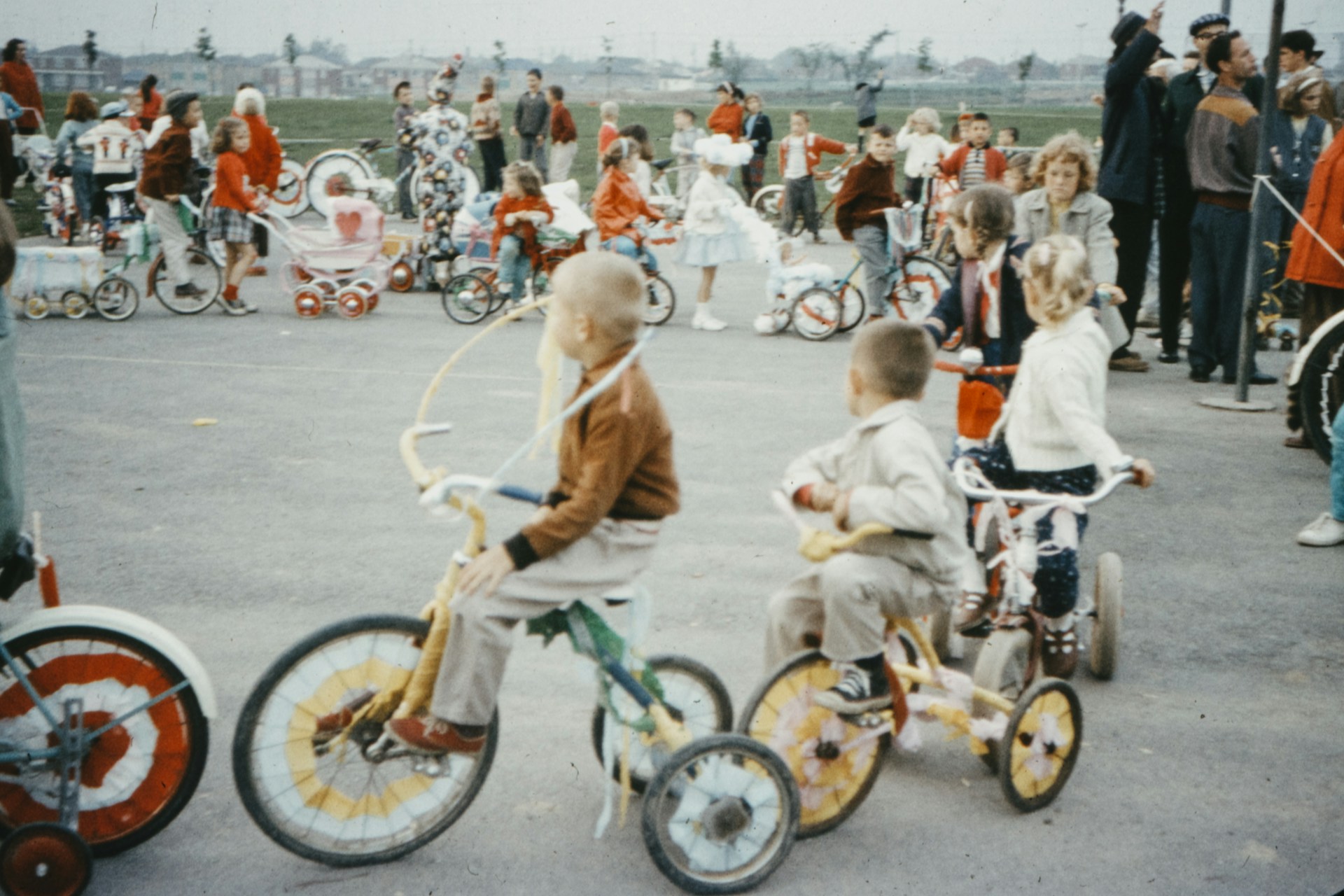
Freedom in the 1960s often looked like roaming further from home, riding a bike across town, and staying out until the streetlights, all without a parent translating every consequence. Independence came in big, unsupervised chunks, with a simple expectation to check in and be where promised.
With that freedom came responsibility, earned through trial and error. Kids learned to keep promises, respect limits, and fix the mess when a plan went sideways. The lesson was practical: autonomy is not a gift that stays forever, it is a skill maintained by effort, honesty, and the willingness to own mistakes before someone else has to.
Building The Habit Of Assessing Risk

Risk in the 1960s was not always announced with a warning label. Kids judged distance, weather, strangers, and dares in real time, often with friends as the only sounding board. Arguments, scraped knees, and wrong turns became part of learning.
That constant assessment built decision-making muscles. The lesson was not to chase danger, but to notice it, weigh it, and choose accordingly. Adults who grew up that way often read rooms quickly, sense when a situation is shifting, and set limits without needing a script. It is a quiet competence that feels rare in a world of constant guidance. Even small errands taught judgment.
Accepting That Resilience Grows Through Adversity

The 1960s were not uniformly easy, and many families carried leftovers from war years, tight budgets, social change, or sudden moves that rearranged everything. Kids met disappointment early, then had to keep going because the day did not pause for big feelings.
That does not make hardship romantic, but it explains a lesson: resilience is practiced, not granted. When challenges show up, coping skills grow through repetition, small resets, and the decision to try again. Many adults from that era still rely on simple tools, like routine, humor, and steady work, because they were built in moments that demanded endurance.
Managing Disappointment Without Falling Apart

Disappointment in the 1960s arrived in plain clothes: a cancelled game, a broken toy that was not replaced, a friend choosing someone else, or a teacher not budging. There was often no group text, no instant comfort, and no promise that every feeling would be processed out loud.
So kids learned to carry it, name it privately, and move on without pretending it never happened. The lesson was emotional self-control, not emotional silence. Many adults who learned it can feel let down and still stay functional, keeping perspective, returning to relationships, and avoiding the spiral that comes from treating every setback as a crisis.
Treating Failure As Part Of Life
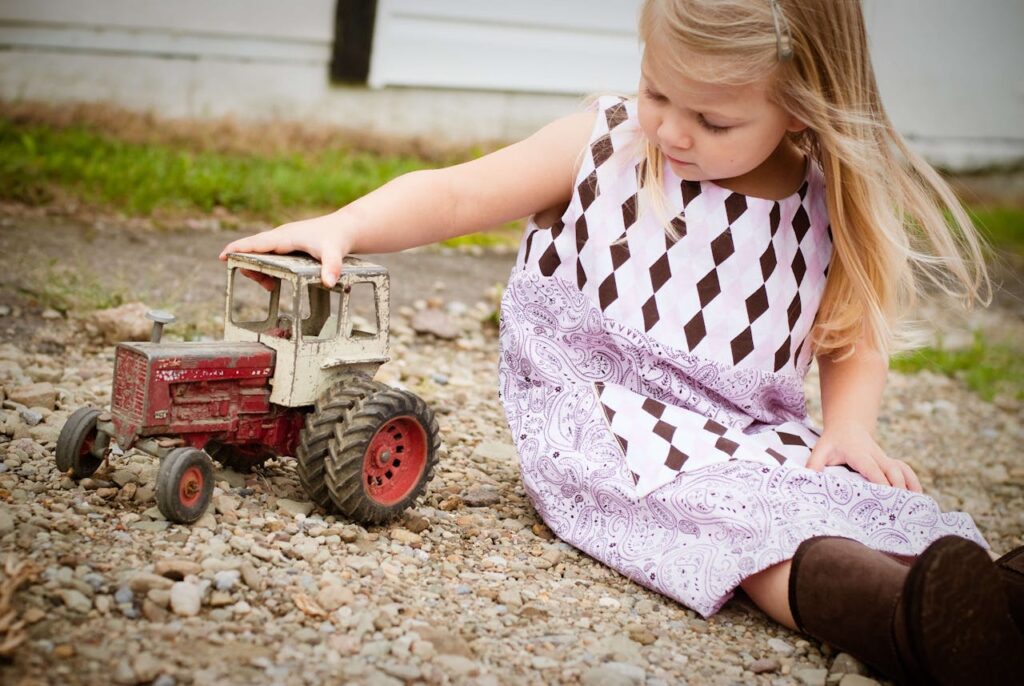
Failure in the 1960s was ordinary and visible. A science project flopped, a test score came back low, or a baseball throw went wide, and life went on without a safety net of edits. Trying again was expected, not treated as a special event.
That normalcy made mistakes less terrifying. The lesson was that setbacks are information, not identity, and improvement is a process. Adults shaped by that mindset often stay curious after a misstep, adjust plans, and keep practicing. It supports ambition too, because risking failure becomes tolerable when it is framed as part of getting better. Humor often helped take the sting out.
Practicing The Art Of Waiting

Waiting in the 1960s was built into daily life. Phones were shared, letters took time, and a favorite show arrived at a set hour. If a friend was late, there was no live location dot. Patience was practiced on porches, in lines, and at the diner counter.
That habit grew into delayed gratification. The lesson was that desire can be held without panic, and good things still come after pause. Adults raised with that rhythm often tolerate slow progress better, save for what matters, and make fewer impulsive choices. In a world of instant taps, the ability to wait reads almost like a superpower. Boredom did not win. It was tolerated.
Learning To Deal With Consequences

Consequences in the 1960s were usually immediate and predictable. Break a rule, miss a curfew, or skip a chore, and the response was clear. Adults were not trying to be best friends, and kids understood where authority started and ended.
That clarity shaped accountability. The lesson was that choices land somewhere, and repair matters more than excuses. Adults who grew up with firm boundaries often accept feedback without collapsing, pay attention to details, and make amends when they mess up. When rules feel fuzzy now, that older sense of cause and effect can look almost comforting. Privileges were earned back. Over time.
Valuing Resourcefulness Over Convenience

Resourcefulness was woven into many 1960s households, especially when budgets were tight and replacement was not automatic. Clothes were mended, leftovers were reused, and tools were shared among neighbors, and libraries were used like treasure room. Making do carried dignity, not embarrassment.
That mindset trained practical creativity. The lesson was to solve problems with what is on hand, to repair before replacing, and to respect materials. Adults who learned it often waste less, cook smarter, and keep a small toolkit of skills that saves money and stress. In a culture built on convenience, thrift can feel like a lost language.