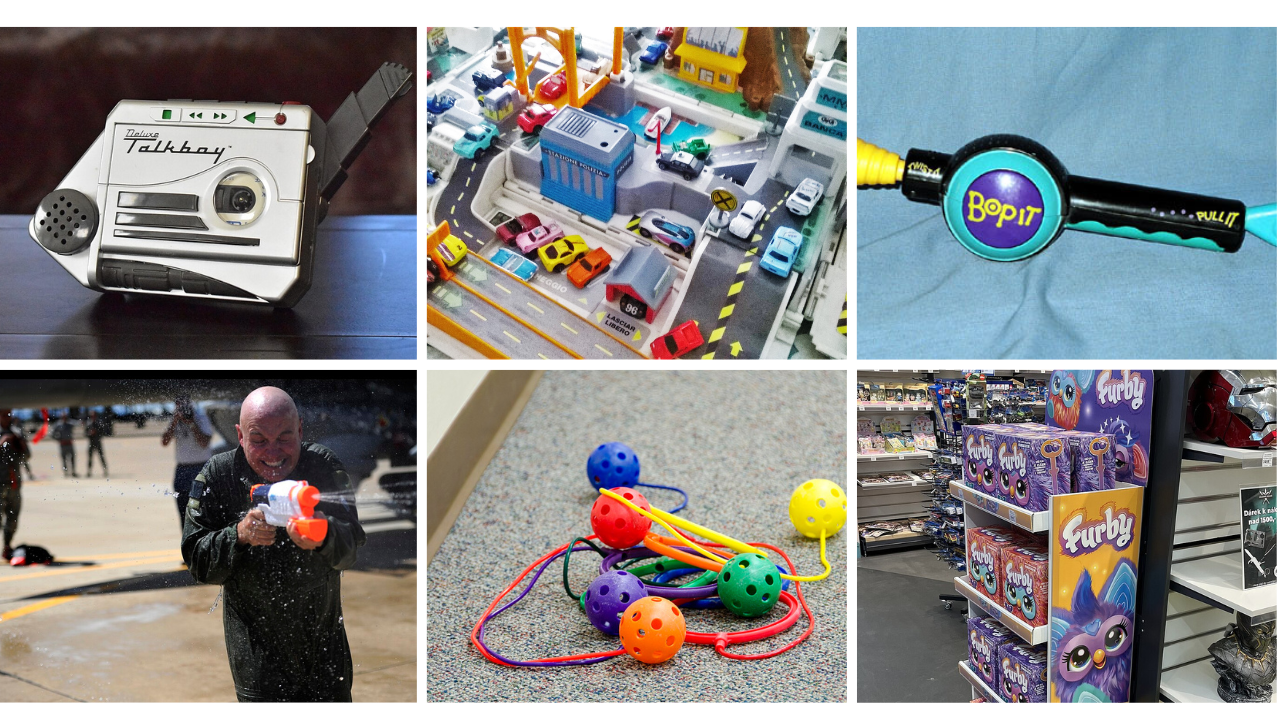
Basement birthdays and backyard cookouts once still ran on pure improvisation: a stack of paper plates, a cassette mix, and rules invented mid-laugh. Those party games felt harmless because everyone made it through them, and because adults were looser about risk, germs, and bruised feelings. Today, the same ideas collide with allergy alerts, phone cameras, and the kind of liability talk that makes a host quietly hide the duct tape. Some games also land differently now, as families pay more attention to consent, comfort, and who ends up as the punch line. What remains is the sweet memory of chaotic fun, plus the relief that modern gatherings can be just as loud without the hazards.
Chubby Bunny

The room went quiet as kids crammed marshmallows into their cheeks and tried to say chubby bunny clearly, daring one another to add one more while cousins counted, clapped, and howled at the slurred syllables. What started as harmless comedy often ended with frantic chewing, a frantic reach for napkins, sticky hands pressed into couch pillows, and a tense pause when a cough or watery eyes reminded everyone how quickly fun can flip. Between choking risk, food-allergy awareness, and hosts who do not want a medical scare on a Saturday night, it is the kind of “classic” that gets shut down instantly, often before dessert.
Dizzy Bat Relay
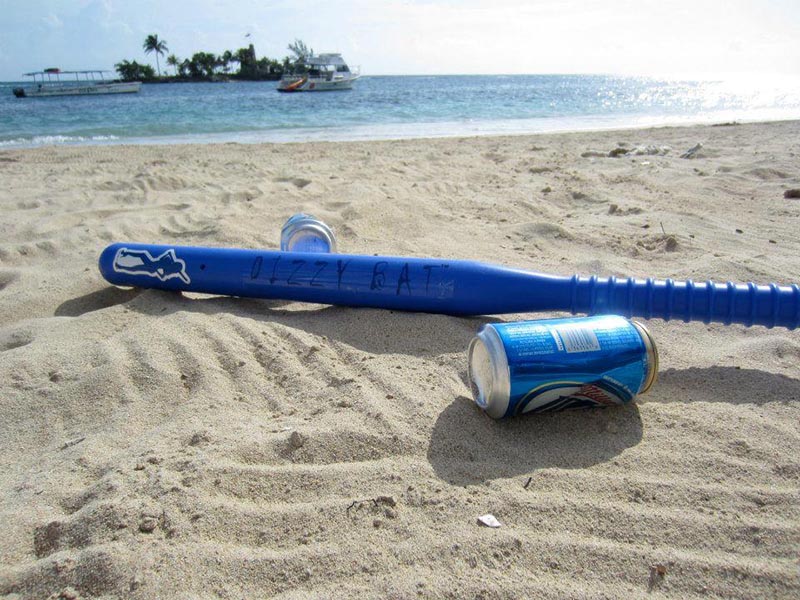
A bat on the grass, a forehead pressed to the knob, and ten spins later each player launched into a sprint that looked like a cartoon wobble, arms windmilling toward a cone while friends screamed directions that made it worse. The crowd loved the chaos because the finish line got missed, someone ran in a circle, and laughter peaked right before a stumble into lawn chairs, a slide, or a patio edge that left a souvenir bruise, and adults started checking for scrapes. With smaller yards, harder surfaces, and real liability worries, hosts tend to replace it with safer relays that still feel fast, competitive, and hilarious.
Bob for Apples
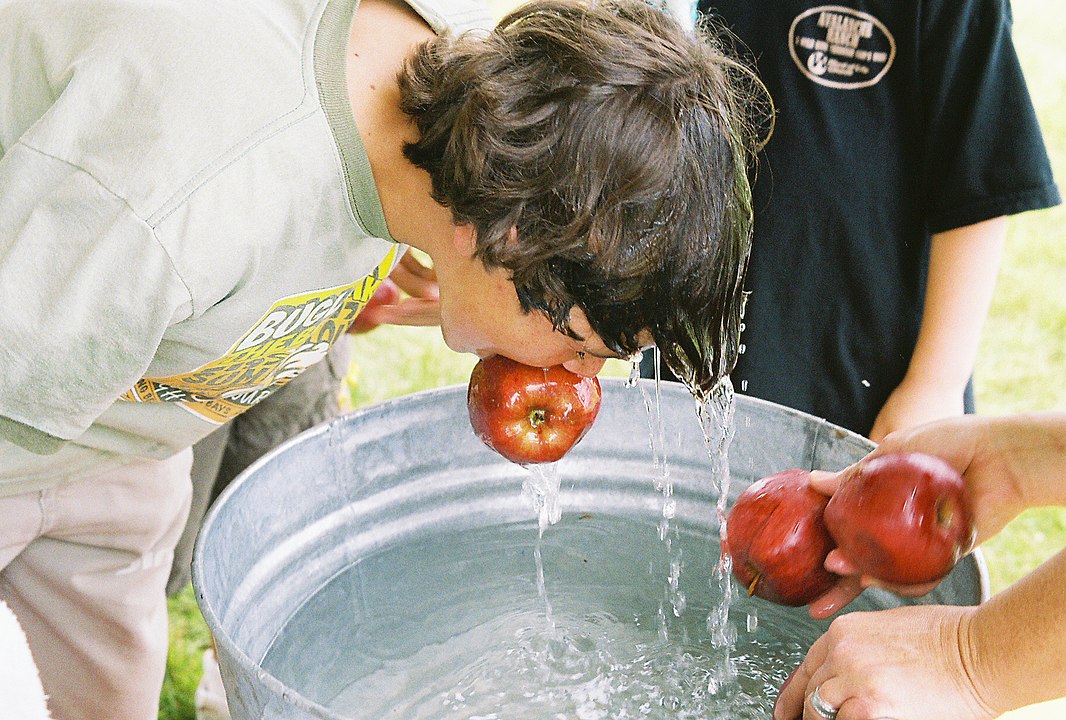
A tub of cold water with apples bobbing on the surface once felt like peak party theater, with soaked bangs, dripping sleeves, and a triumphant bite held up like a trophy before someone wiped their face on a paper towel. Now the same dunking line reads like a shared-germs experiment, especially when flu season, sensitive immune systems, and basic hygiene are top of mind, and nobody wants a dozen mouths in the same water. Add makeup, orthodontics, and phones recording every splash, and the tradition usually stays as a story told later, not an activity, with wet towels and nobody volunteering to dump the tub all at once.
Sardines in the Dark

Sardines took hide-and-seek into dim basements where one person hid and everyone else hunted, then piled into the same cramped spot, trying not to giggle, sneeze, or breathe too loud as bodies stacked behind coats. It was thrilling until a lamp toppled, a closet door pinched fingers, or someone clipped a shelf and discovered how loud a house can be at 10 p.m. on a weeknight when adults want quiet. With alarms, fragile décor, and safety anxiety, many hosts choose games that keep players visible, upright, and away from corners, stairs, and breakables, especially in basements with low ceilings and narrow hallways, too.
Balloon Stomp

Balloons tied to ankles turned the living room into a tiny arena, with squeaks, sudden pops, and competitive footwork that never matched the space between coffee tables, scattered toys, and a lamp cord nobody noticed. Latex scraps made the floor slick, toes took accidental hits, and the noise traveled through walls to neighbors who did not sign up for an indoor stampede that sounded like fireworks. When a game can trigger slips, scares, or complaints in minutes, modern parties often swap it for gentler challenges that still feel loud, quick, and social, without sending pets hiding under chairs, or scaring little kids.
Truth-Or-Dare Circle
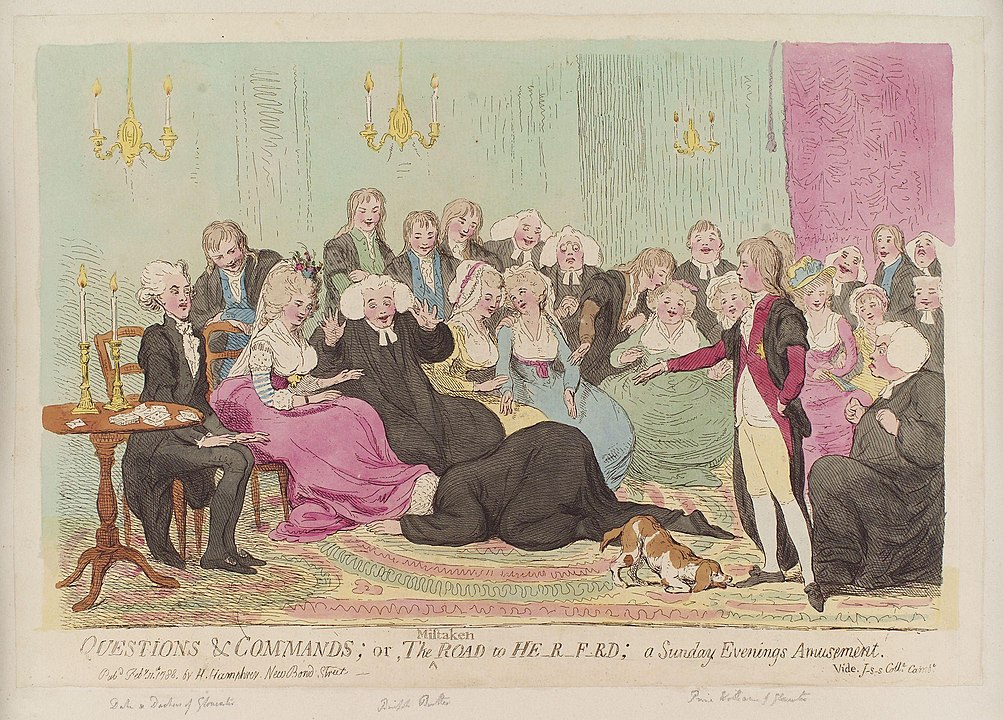
Truth-or-dare circles ran on peer pressure disguised as friendship, with questions that lingered, dares that pushed past comfort, and laughter that could swing from warm to sharp without warning. Someone played the instigator, someone played the brave one, and someone quietly hoped the spinner would not land their way, especially once phones appeared and the room felt less private. In an era of clearer boundaries and permanent clips, many groups choose prompt games that stay playful, not personal, and keep everyone’s dignity intact, and keep the room from turning into a spotlight on one person for the rest of the night.
Shaving Cream Pie Face

A plate piled with shaving cream and a hidden coin once passed for harmless birthday comedy, especially when the timer made everyone rush, cheer, and dive in face-first while siblings banged on the table. Then eyes stung, skin reacted, or foam migrated onto carpets, curtains, and framed photos, turning one joke into an hour of cleaning, a change of clothes, and a grumpy ride home. With allergies, sensitivities, and cleanup math taken seriously now, the same gag usually gets vetoed before the first plate hits the table, especially when the rug was cleaned that morning and skin is unpredictable for some guests today.
Human Knot

Human Knot asked everyone to grab two random hands and untangle without letting go, turning a party into a puzzle made of elbows, apologies, and awkward body angles as people tried to step over arms and keep smiling. It worked with a close group, but it could quickly become stepped-on shoes, strained wrists, and polite laughter masking real discomfort when personal space disappeared and the room got too warm. With consent and comfort discussed more openly today, many gatherings pick cooperative games that build connection without constant close contact or forced closeness, and keeps parties moving without getting stuck.