
Licensing policy has moved from committee rooms into kitchens, workplaces, and town halls, where rule changes feel personal. A proposed zone model links some renewals to roads drivers use most, especially work corridors with quick merges, narrowed lanes, and shifting patterns. Supporters call it targeted prevention built on clusters.
Critics see a framework that could spread faster than public understanding, adding cost and stress to routines stretched thin. The fight is no longer about whether safety matters. It is about whether safety can improve without turning daily mobility into a recurring test of paperwork, timing, and access.
What The Zone Model Is Actually Trying To Measure
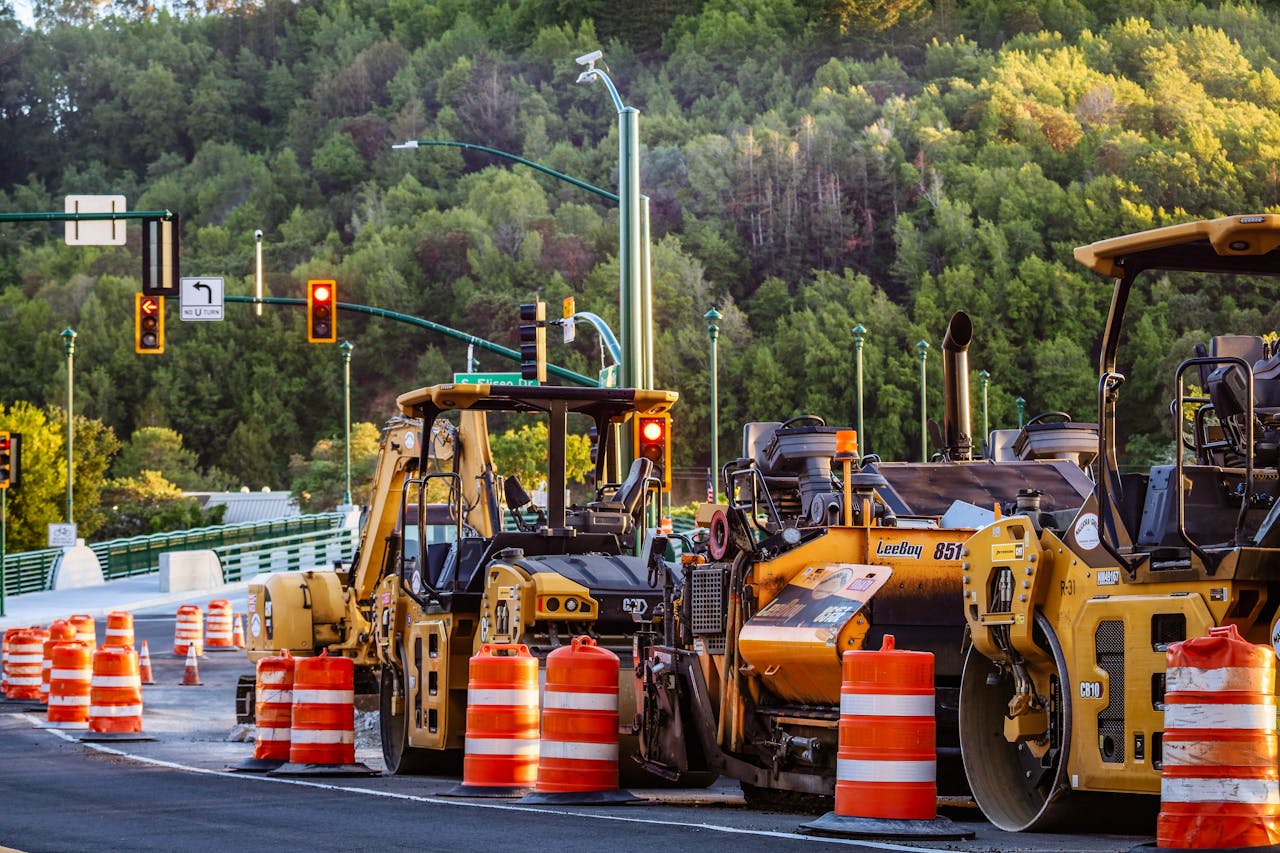
Zone proposals focus on contexts where errors escalate quickly: work corridors, tight merges, abrupt lane shifts, and dense pedestrian crossings near fast traffic. The aim is not to retest every driving habit, but to assess whether drivers can read temporary patterns, manage speed transitions, and stay composed when familiar routes suddenly change.
Supporters call this a practical update to current road conditions. Critics argue broad maps can slowly convert selective checks into routine burdens, especially when criteria are revised often. The policy challenge is clear: targeted safety must remain targeted as programs scale.
Why Work-Zone Training Is Moving From Optional To Required

Work-zone instruction was once framed as a reminder campaign, yet several states now tie it to licensing steps for specific applicants or violations. Policymakers say traffic setups require skills many drivers were never formally taught, including merging discipline, reduced-speed control, and response to worker direction in lanes.
Resistance grows when training is linked to fees, short deadlines, and conditional outcomes. A brief course looks small in policy text, but burden rises when scheduling, travel, and repeat steps stack together. Most communities accept learning. They resist when administration feels heavier than the risk addressed.
Who Could Feel The First Wave Of Retesting Pressure

Early impact is likely to fall on new applicants, drivers cited in work zones, and people reaching stricter renewal checkpoints where expanded criteria are being tested. Frequent commuters and some fleet workers may face higher exposure because more miles in active corridors increase the chance of flagged events, retraining orders, or added review steps.
That pattern explains why backlash is uneven across communities. One household may notice no change, while another faces repeated friction in a single year. A rule can look moderate at policy level and still feel intense for workers, caregivers, and families with little schedule flexibility.
Age Checkpoints And The Independence Question

Age-linked retesting remains the most sensitive part of the debate because it touches dignity as much as safety. Supporters argue shorter renewal cycles and added screening can identify risk earlier in complex traffic settings where reaction time, visual processing, and judgment under pressure matter more than long driving history alone.
Opponents say age is a blunt proxy that can overshadow strong individual performance. Families worry that license loss can mean reduced access to care, groceries, and social connection, not only reduced driving freedom. Any framework that ignores that reality will keep meeting resistance.
DMV Capacity Could Decide Whether Policy Succeeds
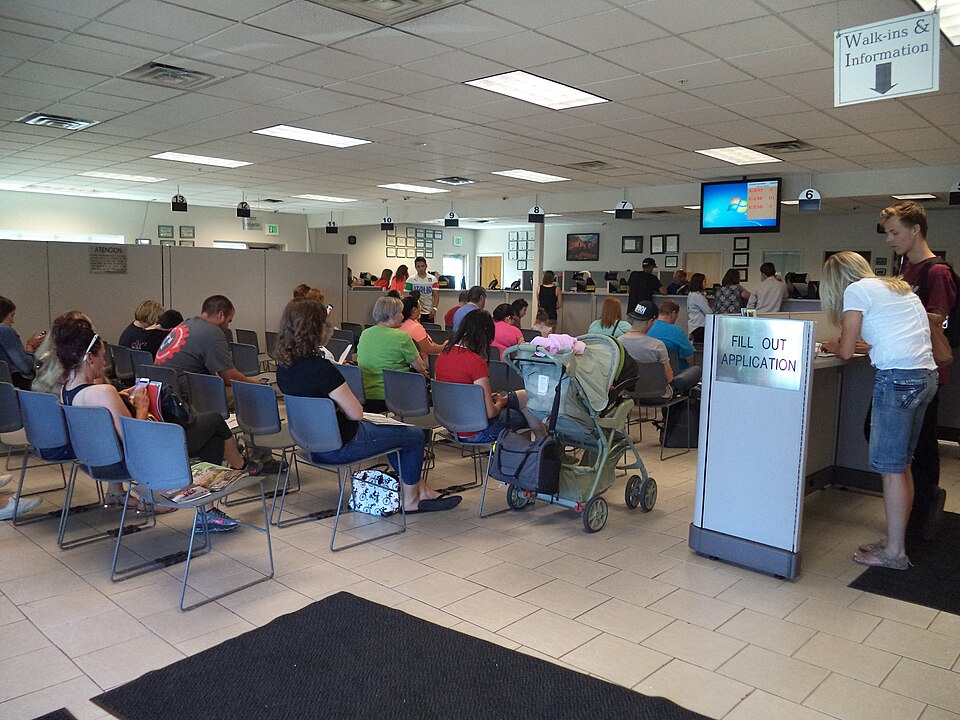
Even smart safety design can fail if licensing offices cannot absorb new demand. Retests, screenings, and extra documentation increase appointment volume, and delays appear quickly when examiner staffing, digital systems, and review workflows are not scaled before rollout. Bottlenecks then spread across counties and turn policy debate into daily scheduling stress.
Execution quality shapes trust as much as legal intent. When timelines are clear and standards stay consistent, people adapt. When notices arrive late and outcomes differ by location, frustration hardens into opposition. Administrative readiness is part of the safety result.
Rural Areas Face Different Risks Than Urban Corridors
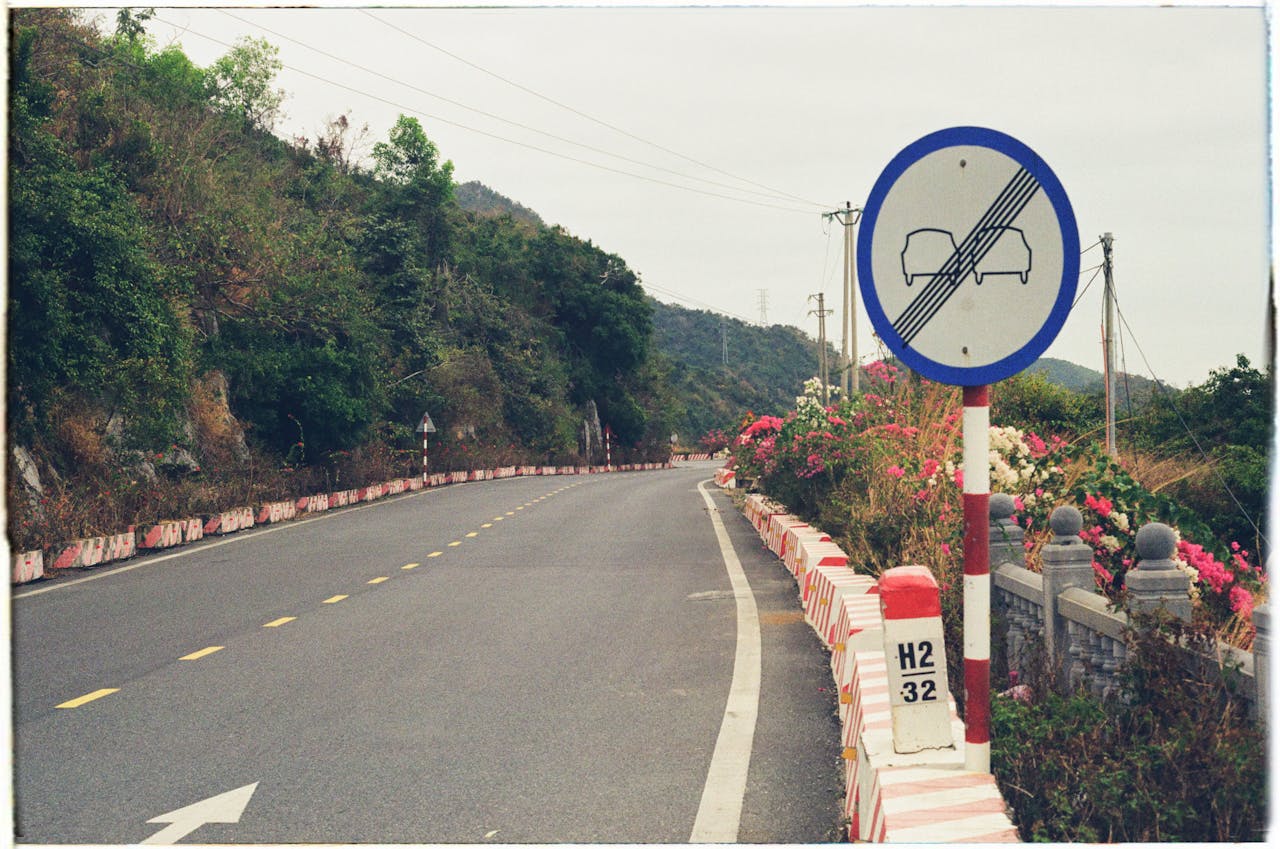
A missed appointment in a transit-rich city is inconvenient. In rural regions, the same delay can block clinic visits, work shifts, and errands because alternatives are limited and testing sites may be far away. Distance converts compliance into cost measured in wages lost, rides arranged, and care routines disrupted for households.
Fair policy requires more than equal wording on paper. It requires equal feasibility across geography, including flexible scheduling, local testing access, and mobility options during review periods. Without those supports, reform can unintentionally deepen isolation in communities already managing thin services.
Fairness Depends On Clear Scoring And Real Appeals

No retesting framework keeps confidence without transparent scoring and timely appeals. Drivers need to know what is measured, how mistakes are weighted, and which evidence can challenge a disputed outcome. If standards stay opaque, even accurate decisions can look arbitrary to families facing immediate consequences and limited legal support.
Appeals also need speed, not only formal availability. A delayed review can cause harm long before correction arrives. Independent oversight, written rationale, and consistent examiner training are essential safeguards, not optional additions. In this debate, safety and fairness reinforce each other.
What A Balanced Rollout Could Look Like

A workable rollout starts narrow, measures outcomes, and expands only where evidence supports broader scope. That means clear triggers, phased implementation, public reporting, and stable definitions that do not shift every renewal cycle. When agencies explain what changed, why it changed, and results, rumor loses power and debate gets clearer.
Support systems matter as much as test design. Affordable training, plain-language instructions, and transport options during review periods reduce fear and improve compliance. Strong policy can protect roadside workers while preserving independence for capable drivers. Balance makes reform durable.