National parks usually feel above the news cycle, but a 2026 policy shift pulled them straight into it. The National Park Service is changing which days are free, and the new calendar drops some familiar holidays while adding others that read more like political signals. At the same time, non-resident entry costs are set to rise sharply, reshaping trip math for international visitors. Supporters call it taxpayer fairness. Critics call it messaging. Either way, the impact shows up at the gate.
Free Entry Days Rewritten for 2026
Fee-free days have worked like a small public thank-you, giving families a predictable window to enter without paying at the gate and helping schools, scouts, and seniors plan around it. For 2026, the Park Service still lists 10 free-entry dates, but it drops several long-running choices and replaces them with new ones that point in a different direction. These days are not just discounts; they are a public calendar of what gets honored, so when the lineup shifts from park-focused milestones to civics-heavy anniversaries, the change feels like a message as much as a schedule, and people notice.
Martin Luther King Jr. Day Dropped
Martin Luther King Jr. Day had become a winter anchor for free entry, tying public lands to a national story about rights, dignity, and shared space at a time of year when budgets can feel tight. The 2026 calendar removes it, and critics argue the symbolism is hard to ignore after years of consistency, while supporters call it routine reshuffling with no hidden meaning. Either way, for communities that built a January tradition around that open-door invitation, the change lands as a concrete loss, because it removes an easy way to gather outdoors without weighing fees against groceries and gas.
Juneteenth Removed From the Free Days

Juneteenth had been one of the fee-free dates, and its removal in 2026 is a major reason the update drew immediate pushback from visitors who saw the day as both celebration and reflection. Because the holiday centers on freedom and its long aftermath, many observers read the cut as pointed, especially paired with the loss of Martin Luther King Jr. Day. It also changes real trip math: June is peak season, entrance lines are long, and costs stack quickly for groups, so a single free day can decide whether a reunion picnic, history visit, or first-ever park trip feels doable for everyone, this summer.
Public Lands Day and Park Week Lose Their Slot

National Public Lands Day often carries a stewardship tone, pairing free entry with volunteer work and a reminder that access and care go together, not one without the other. The 2026 calendar also drops the anniversary of the Great American Outdoors Act and the first day of National Park Week, both modern touchpoints for outreach, repairs, and welcoming new visitors. To many park supporters, those removals look like a pivot away from celebrating conservation policy and participation, toward a lineup that leans more into broad civic symbolism than into the parks’ own story on the ground in practice.
Flag Day and a Presidential Birthday Become a Free Day (June 14, 2026)
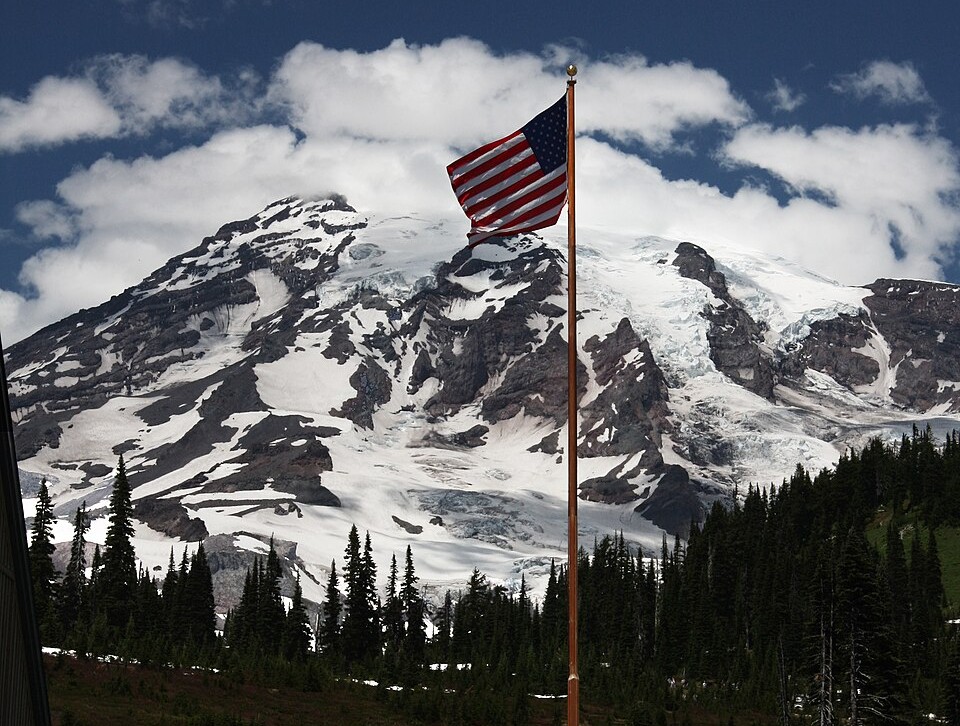
June 14, 2026, appears as a free-entry date tied to Flag Day and also President Trump’s birthday, and that overlap is where the controversy spikes and headlines sharpen. Critics say it reads personal and political, especially after civil-rights holidays were removed, while supporters argue Flag Day is the focus and the timing is simply how the calendar falls. Optics still matter because free days function like cultural markers, and when one marker points to a living political figure, the conversation shifts from access and crowds to intent, symbolism, and who feels seen at the entrance right away.
Constitution Day Joins the Park Calendar (Sept. 17, 2026)
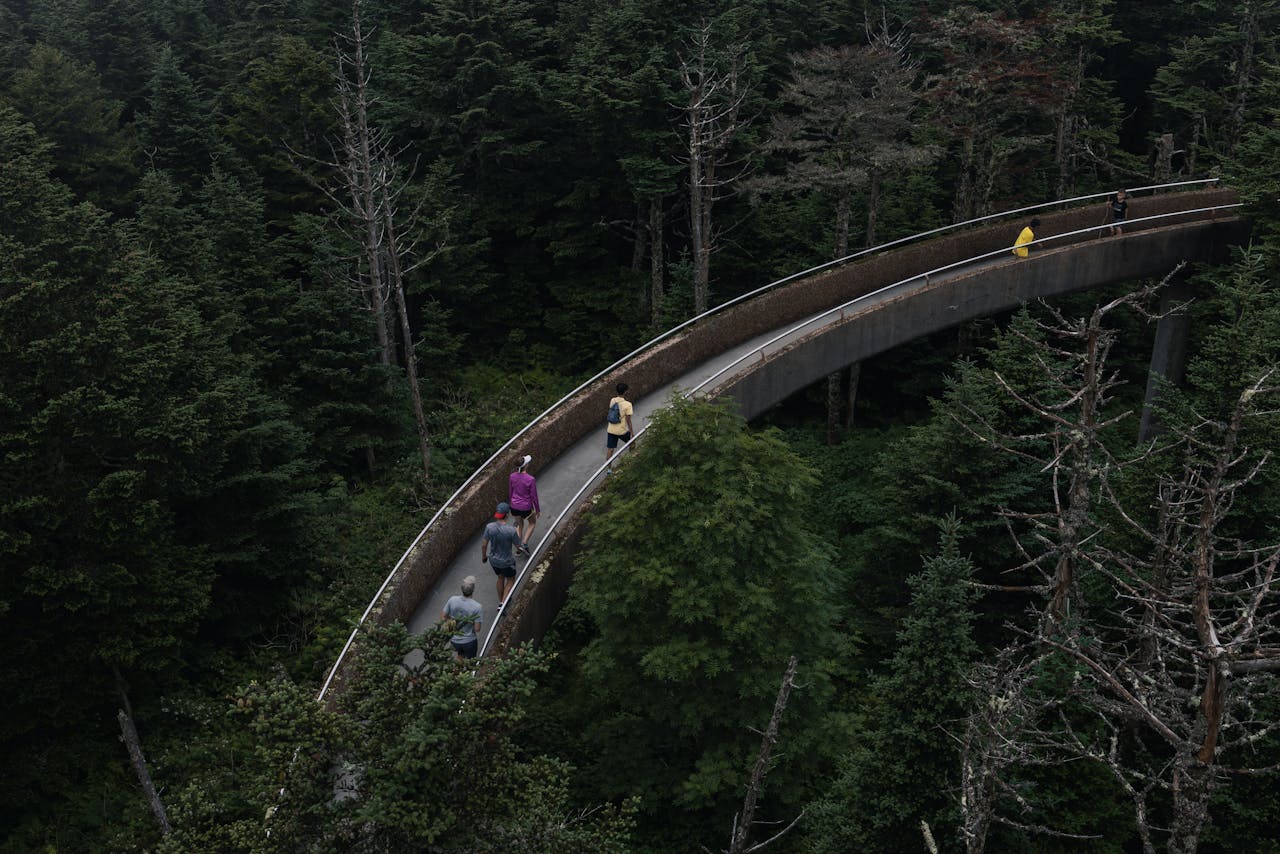
Constitution Day joins the 2026 free-entry lineup on Sept. 17, bringing a civics-first theme to the gate and a date that fits well with school programming and shoulder-season travel. It is easy to defend on paper, since it is widely recognized and arrives after summer crowds thin out, when rangers can breathe and campgrounds finally open up. Still, the choice nudges the story away from parks as ecosystems and toward parks as patriotic stage, and some visitors would rather see the agency spotlight stewardship, science, and welcoming policies, along with hands-on education about the land itself.
Theodore Roosevelt’s Birthday Gets a Spotlight (Oct. 27, 2026)
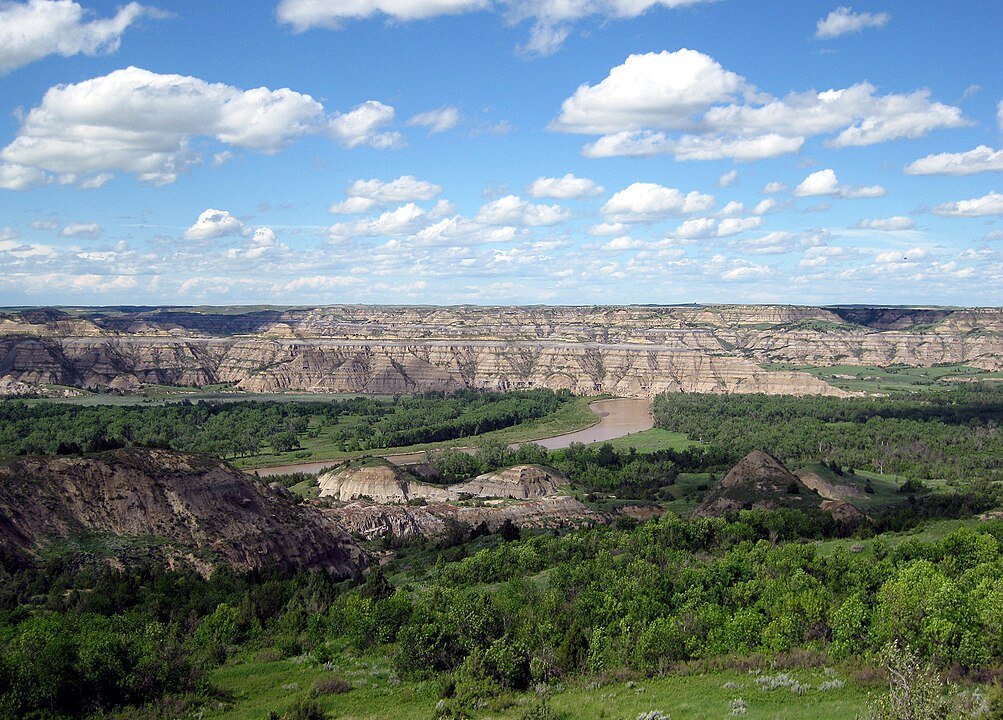
The 2026 calendar adds Theodore Roosevelt’s birthday on Oct. 27, nodding to a president closely associated with conservation, national monuments, and the expansion of protected lands. As symbolism, it makes sense, because Roosevelt is often treated as shorthand for the idea that preservation is part of the American project, not a luxury reserved for the wealthy. Yet it is another personality-driven choice, and that changes the feel of the program by shifting attention from the parks themselves to the leaders credited with shaping them, even when visitors mainly want trails, wildlife, and clean water.
A Two-Tier Annual Pass Price Resets the Math
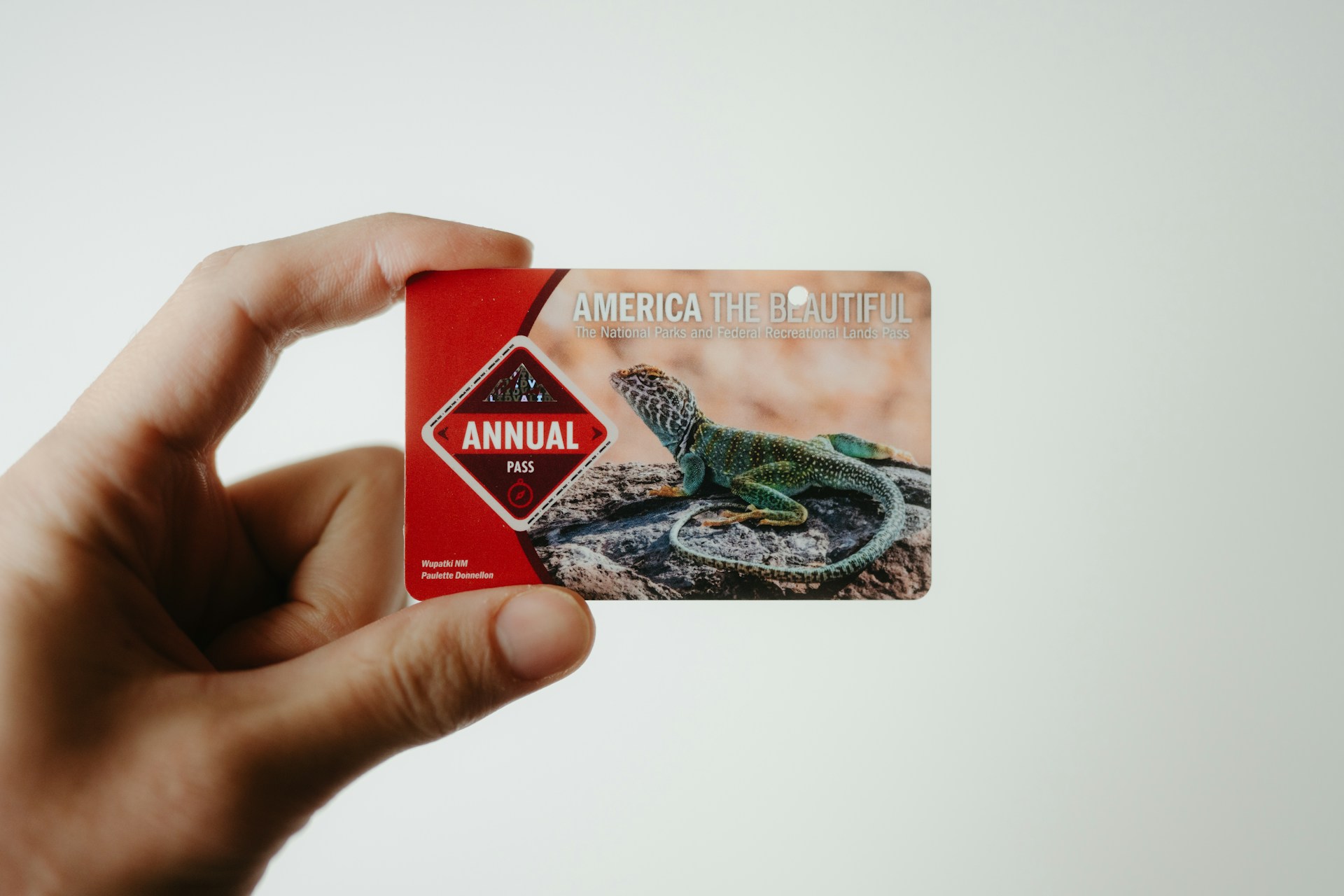
The schedule change would be noisy on its own, but the pricing shift raises the stakes starting Jan. 1, when annual pass costs split by residency and the difference becomes impossible to miss. Under the new structure, non-residents pay $250 for an annual pass, while U.S. residents pay $80, framed as fairness because taxpayers already support staffing, roads, and preservation work. The counterpoint is practical: the jump is steep enough to change travel plans for international families and students, especially on multi-park routes where the pass used to be the clean, predictable way to keep costs from snowballing.
A New $100 Per-Person Surcharge Targets Peak Parks
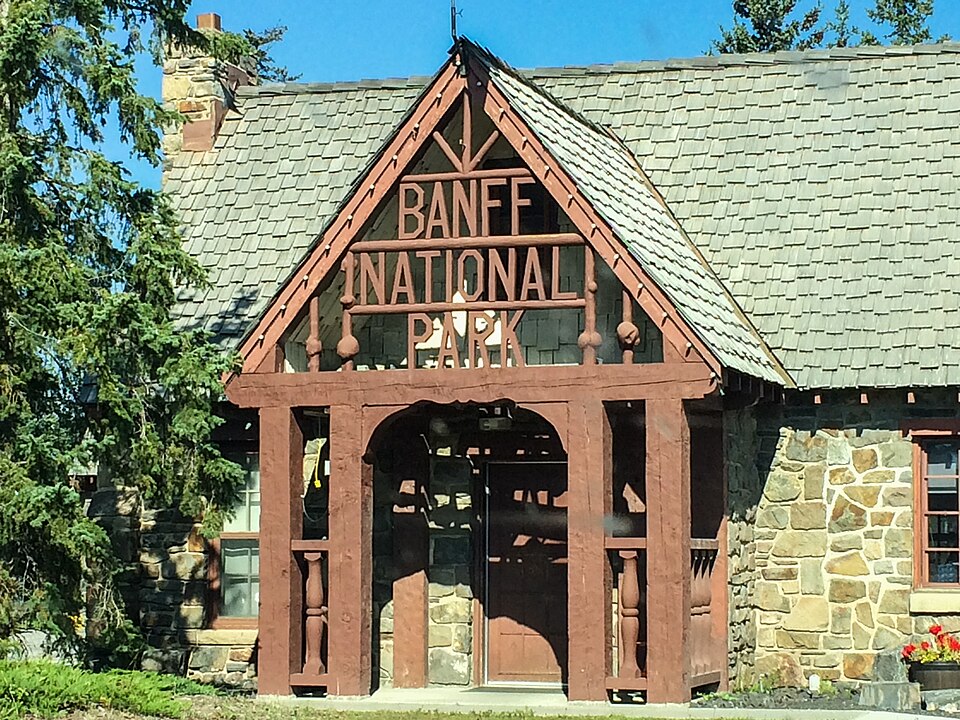
Beyond the higher pass, the plan adds a $100 per-person fee for non-residents entering 11 of the most visited parks without an annual pass, on top of standard entrance fees. That turns the gate into a layered bill, and it hits group travelers hardest, where each additional person multiplies the surprise and turns a day trip into a serious line item. Supporters frame it as a way to fund maintenance where crowds are heaviest, while critics see a blunt tool that risks turning iconic landscapes into premium attractions defined by budget comfort, especially once lodging, shuttles, and meals are added.
Which Parks Get the Added Non-Resident Fee
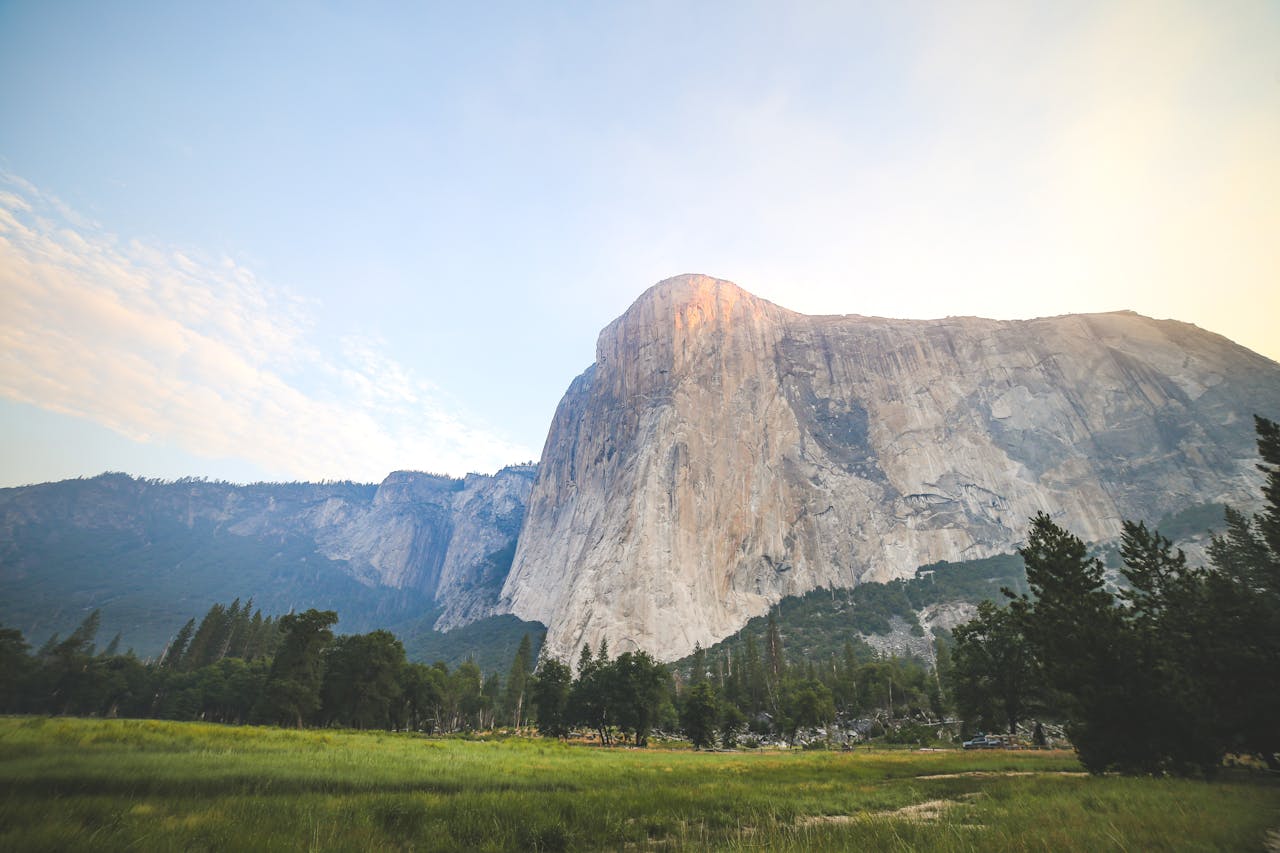
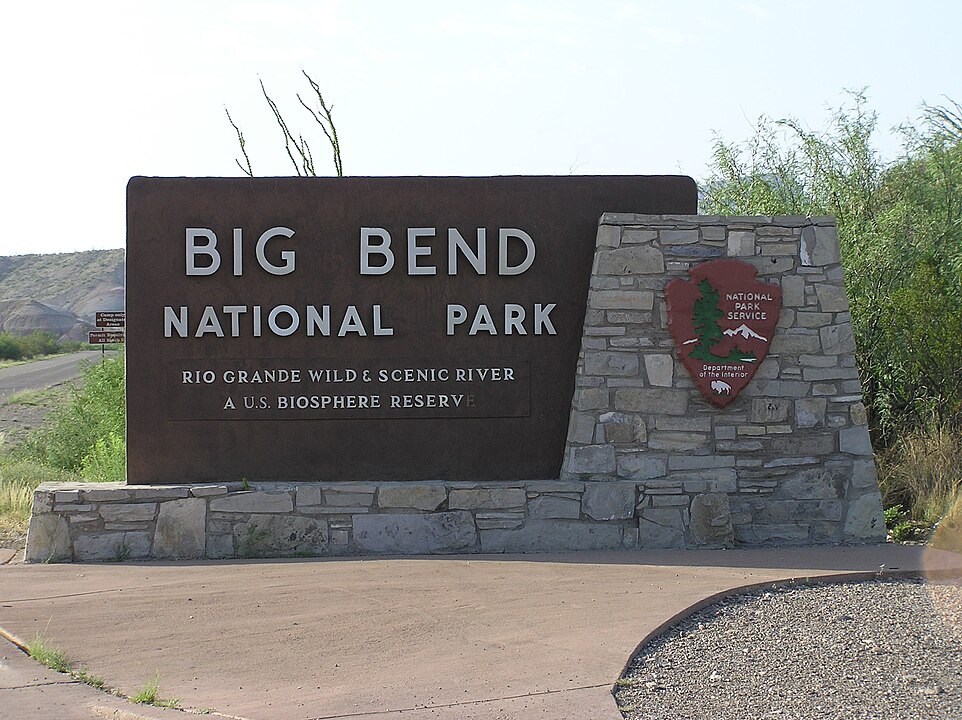
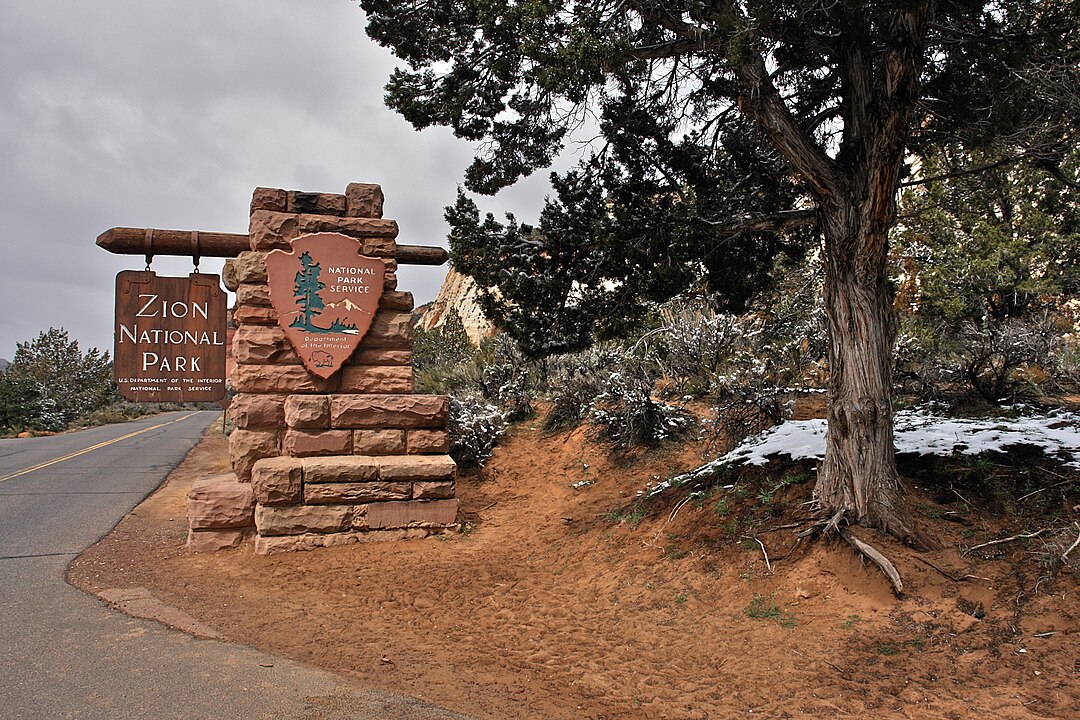
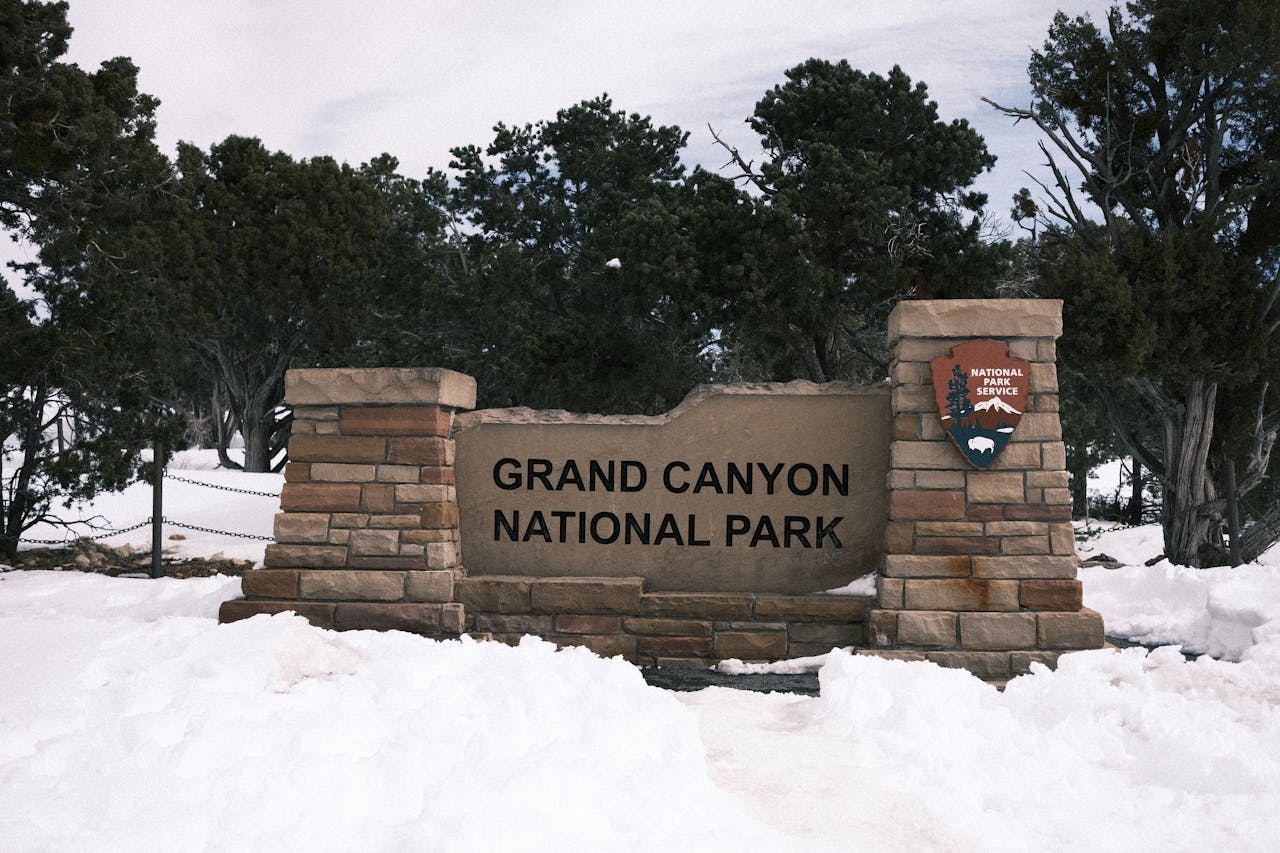
The 11 parks named for the added non-resident fee include Acadia, Bryce Canyon, Everglades, Glacier, Grand Canyon, Grand Teton, Rocky Mountain, Sequoia and Kings Canyon, Yellowstone, Yosemite, and Zion. The list spans coasts, deserts, wetlands, and high country, and it overlaps with places already managing timed entry, parking limits, shuttle lines, and peak-season pressure. By concentrating the surcharge on the most visited sites, the policy targets real crowd strain, but it also concentrates the controversy because these parks shape many travelers’ first impression of the U.S. park system and what it stands for.