Crossing 100,000 miles can feel like a win, until a minor quirk turns into a repair bill that changes the mood fast. Mechanics see a familiar pattern in busy commuter corridors and on long interstate runs: a car that behaved for years starts asking for transmissions, electronics, or suspension work once it clears that mark. Some models are more prone to those late-mileage headaches because a few key components tend to age early, and the fixes are rarely cheap. The goal is not panic, just clarity that keeps expectations realistic and purchases calm, especially when used-car prices make every decision heavier. Right now.
Nissan Altima
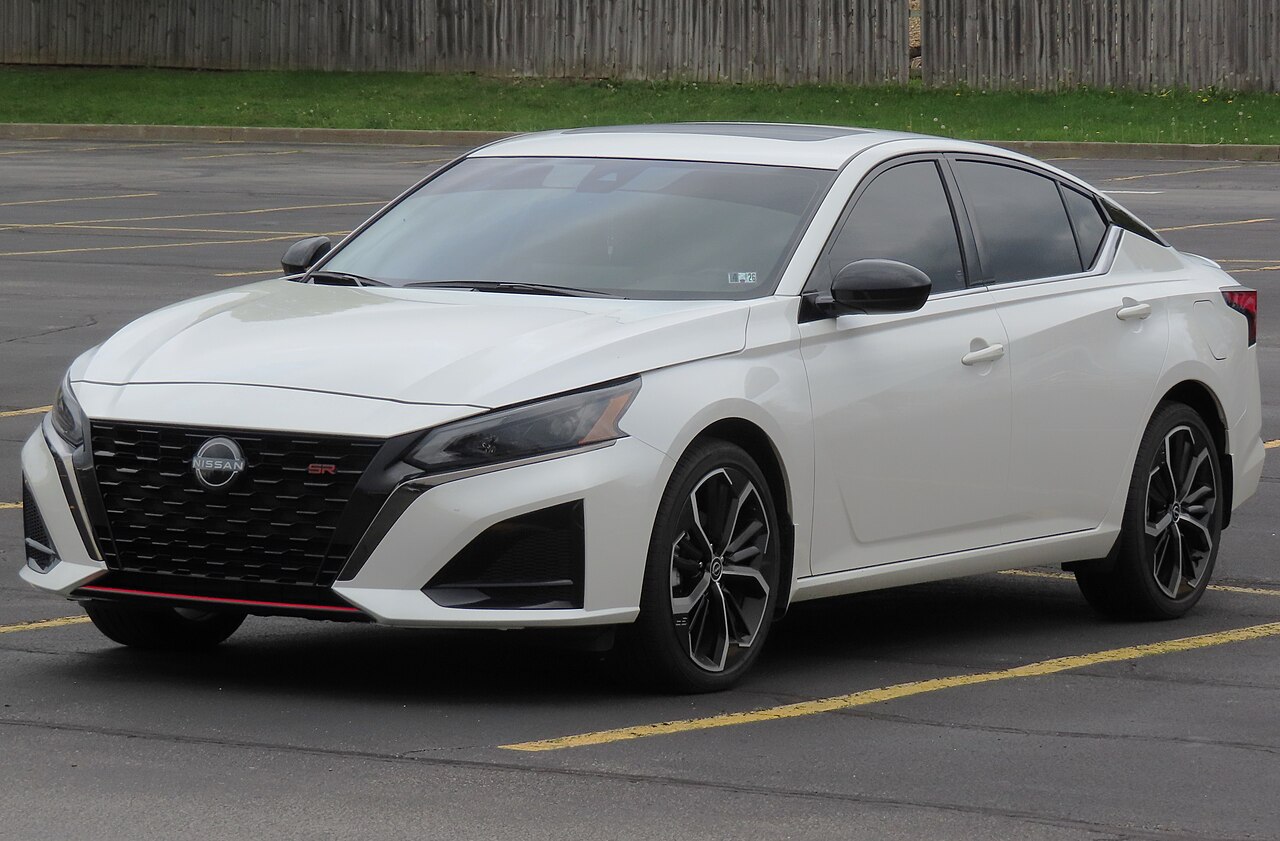
The Nissan Altima is a comfortable midsize sedan, but Jacob Carter points to the continuously variable transmission as its common breaking point. After 100,000 miles, some units begin to shudder, slip, or flare on gentle acceleration, and the fix can jump straight to a rebuild or replacement.
What makes it tricky is timing. The car may drive smoothly for weeks, then develop a delay when shifting from reverse to drive or a faint vibration at steady speed. Strong maintenance records, especially for fluid service, often separate the quiet, dependable examples from the ones that become an expensive surprise at any stoplight.
BMW 3 Series
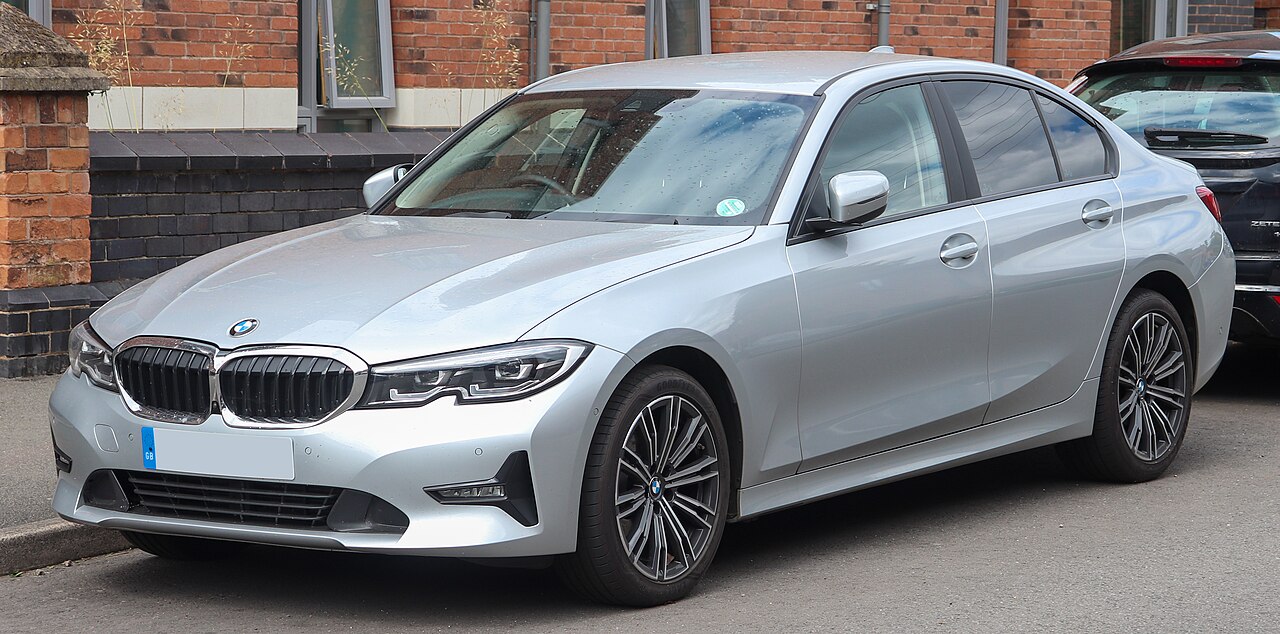
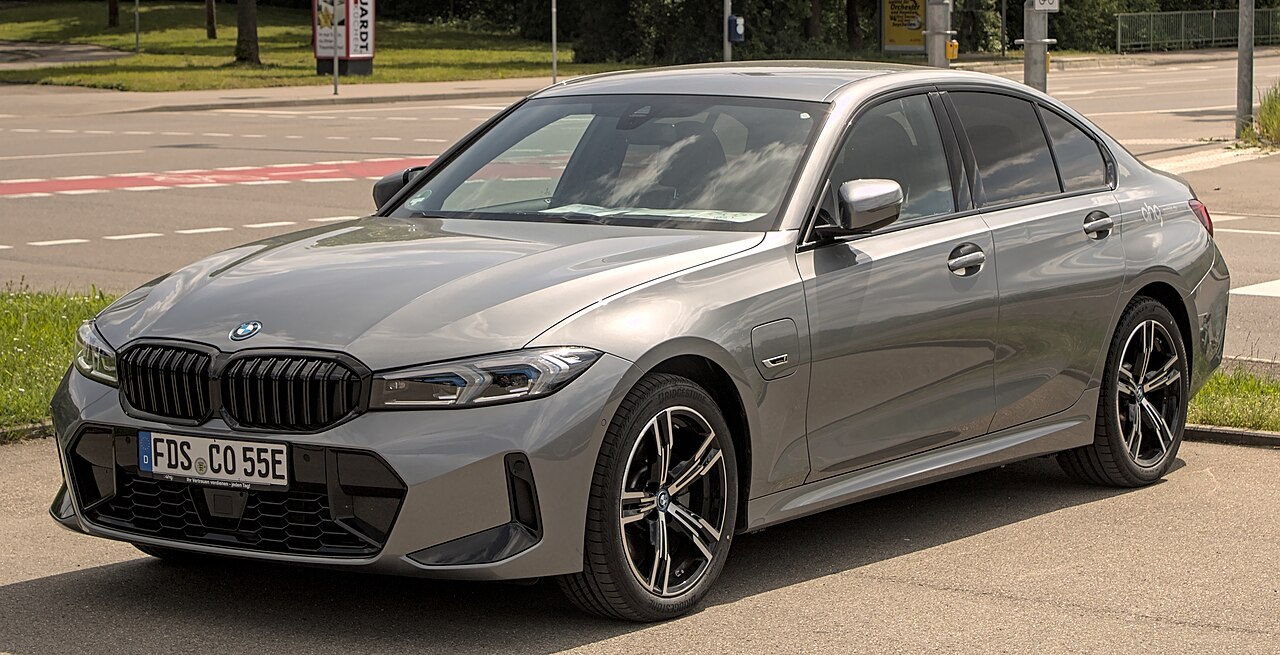
The BMW 3 Series is praised for sharp handling and a refined cabin, yet Carter notes that many examples become costly projects around 100,000 miles. Engine-related repairs and electrical faults tend to appear, and even small issues can snowball because parts and labor are priced like luxury.
The frustration is rarely one dramatic failure. It is the steady drip of sensors, modules, and cooling or oil-seep problems that erode the bargain. When a used 3 Series has thin service history, the risk is not just repair cost, but the time lost to repeated diagnostics and return visits. That pattern is what mechanics remember. Most.
Land Rover Discovery
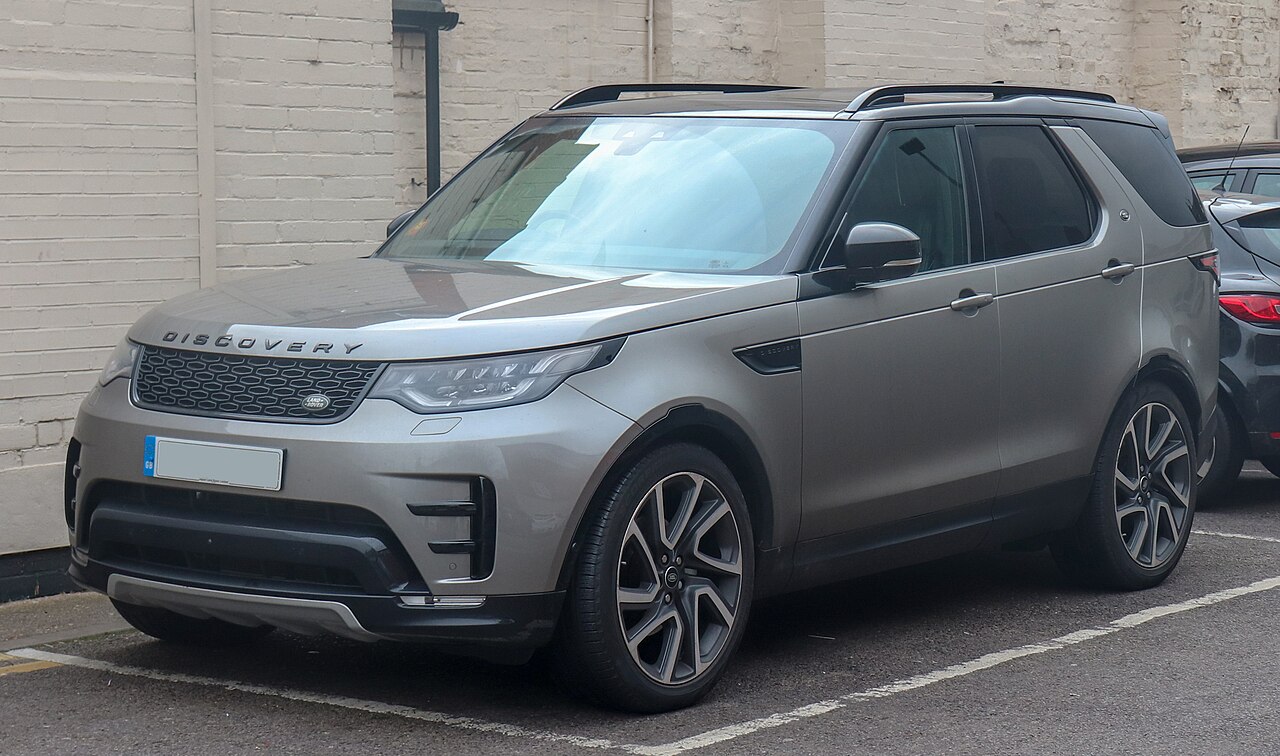
The Land Rover Discovery looks built for long trips and bad weather, but Carter says its reputation after 100,000 miles is shaped by pricey system failures. Air suspension problems, electrical anomalies, and premature transmission trouble show up as warning messages, uneven ride height, or rough shifting.
The real headache is how connected everything is. One fault can trigger another, so diagnosis takes time and the bill can climb before the root cause is confirmed. In areas with potholes and winter salt, the Discovery can feel like a gamble between a great day on the road and a sudden, expensive visit to the shop for weeks.
Fiat 500
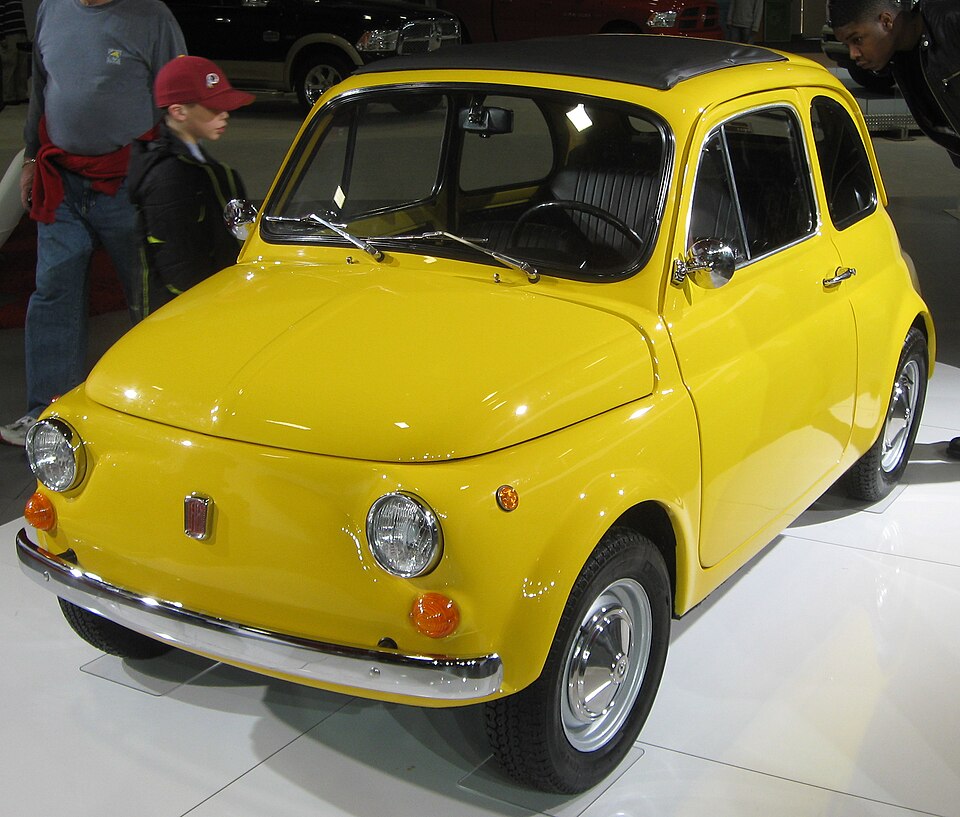
The Fiat 500 wins fans with compact charm, but Carter flags frequent engine issues that can become hard to ignore after 100,000 miles. Oil leaks are a recurring theme, and the tight engine bay makes access awkward, which pushes labor costs up even for fixes that sound simple.
When seepage turns into regular top-offs or burning-oil smells, ownership stops feeling carefree. Many repairs are not impossible, just frequent, and the stop-and-go city life that suits the 500 can also accelerate wear on small components. That combination makes high-mileage examples feel more fragile than their cheerful styling suggests over time.
Jeep Wrangler
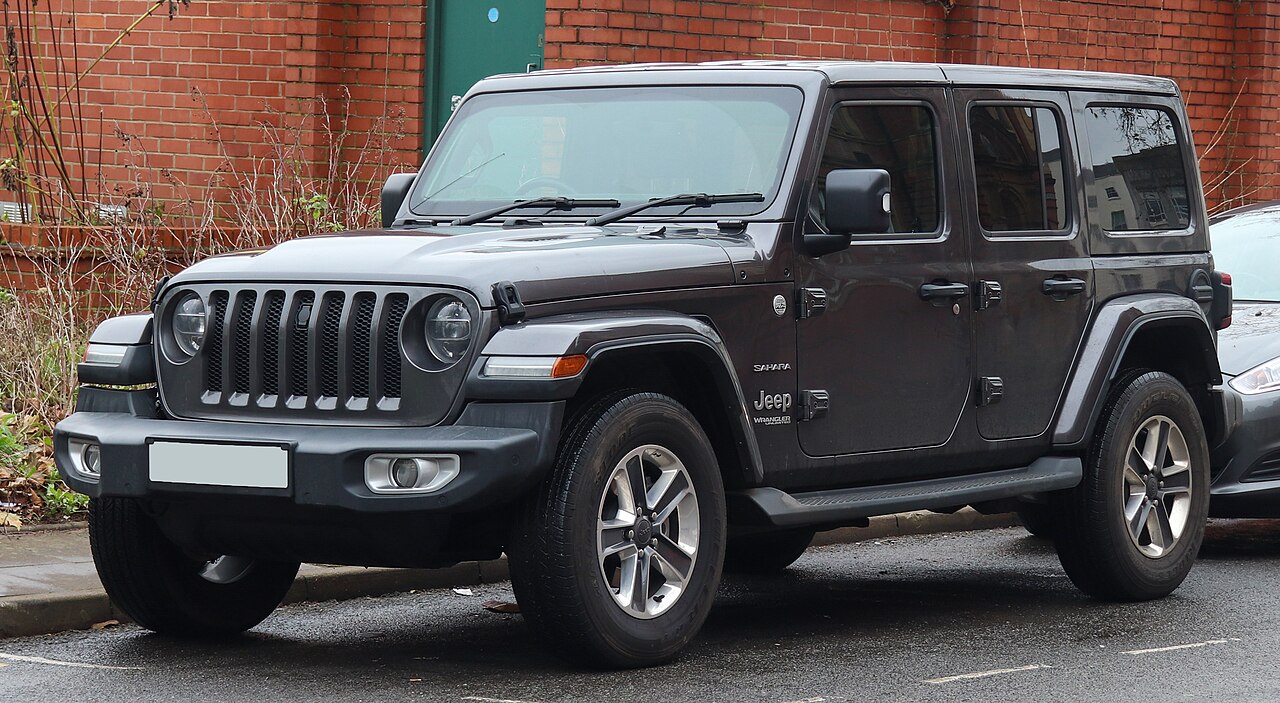
The Jeep Wrangler is built for dirt roads and weekend escapes, yet Carter says many start demanding attention after 100,000 miles. Rust is a frequent problem in salt states, and steering and suspension wear can creep in until the wheel feels loose, the ride clunks, or alignment will not hold.
The mileage number can be misleading. A Wrangler that spent years on trails may have more strain on joints, bushings, and linkages than its odometer suggests. Some owners stay ahead of it with diligent upkeep, but neglected examples can turn into a steady sequence of repairs that dull the fun and drain the budget. Mechanics see it often.
Ford Fiesta
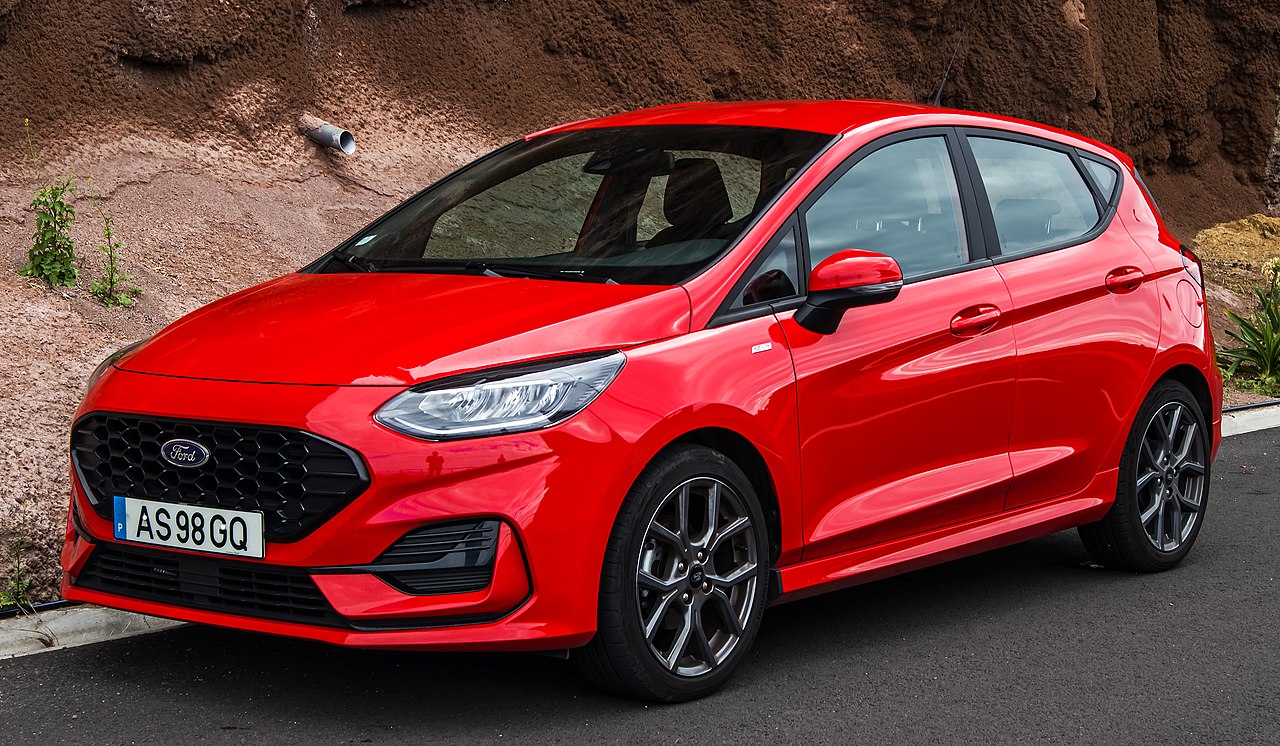
The Ford Fiesta feels nimble and economical, which is why it stays popular as a used commuter even past 100,000 miles. Carter says its weak spot is a track record of transmission troubles paired with electrical issues that can appear as warning lights, rough shifts, or odd accessory behavior.
Intermittent problems are the tough ones. A car may act fine during a quick test drive, then hesitate in stop-and-go traffic or throw a light that disappears by morning. That uncertainty adds diagnostic time, and repeated small visits can cost more, emotionally and financially, than one clear repair. It is a common story in shops.
Chrysler 200
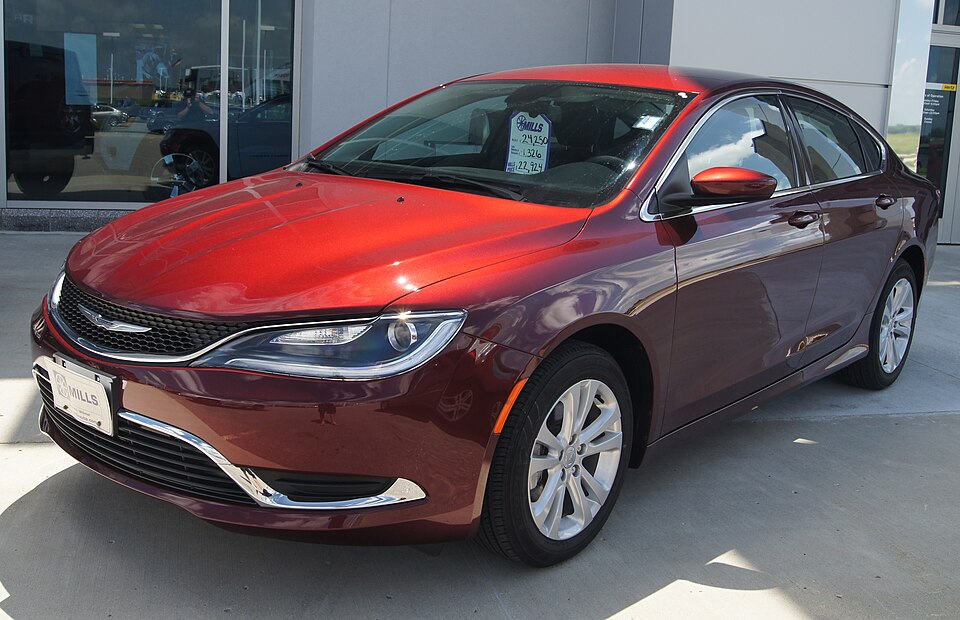
The Chrysler 200 can look like a smart buy, with a quiet ride and clean styling, but Carter notes a notable frequency of repairs at relatively low mileage. Engine, transmission, and electrical problems are all mentioned, so the risk can feel amplified once the car is past 100,000 miles and wear accelerates.
The issue is spread, not focused. One month the car runs smoothly, and the next it can need a major fix that changes the entire ownership equation. When multiple systems have a history of trouble, a bargain price often reflects uncertainty, not generosity, and the best examples are the ones with proof of careful service.
Volkswagen Tiguan
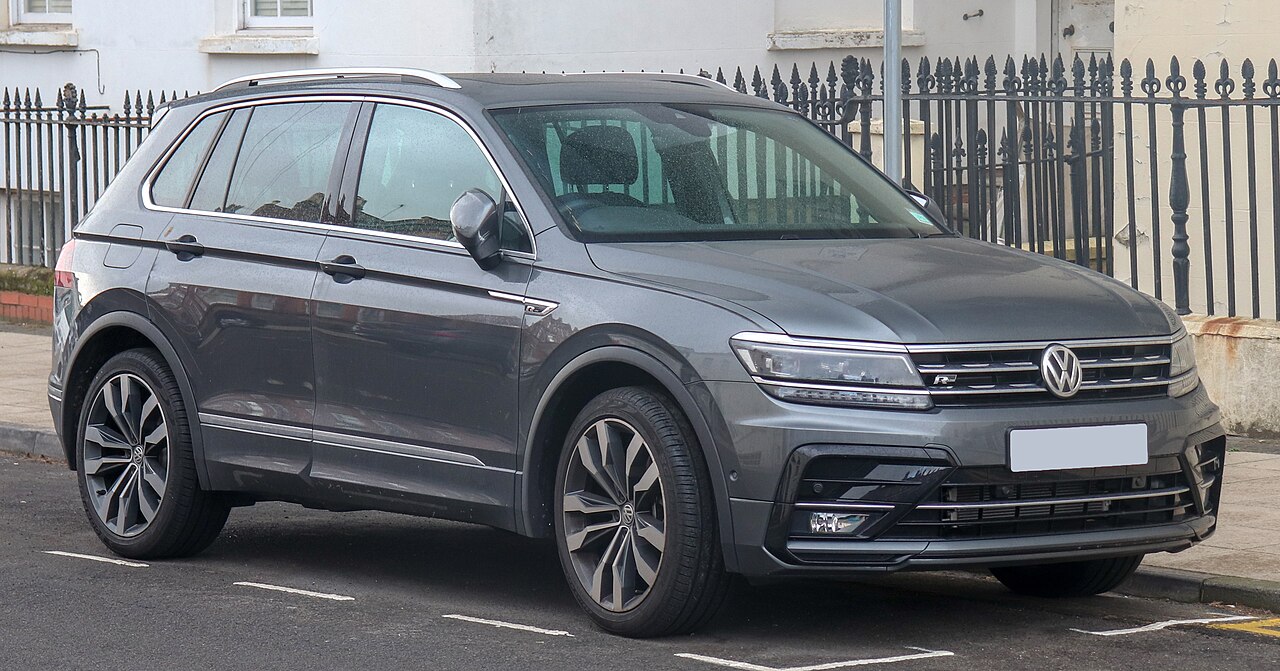
The Volkswagen Tiguan has a solid, composed feel and an interior that holds up well, which can make a high-mileage one seem like an easy yes. Carter points to costly transmission issues that often surface shortly after 100,000 miles, sometimes starting as hesitation off the line or rough, uncertain shifting.
Because the early symptoms can be subtle, owners may chalk them up to cold weather or bad fuel. Then the problem grows, and the repair bill arrives fast. A Tiguan with detailed service records and no driveline quirks is the exception mechanics like to see, not the rule they expect. That is why many buyers pause. First.
Mini Cooper
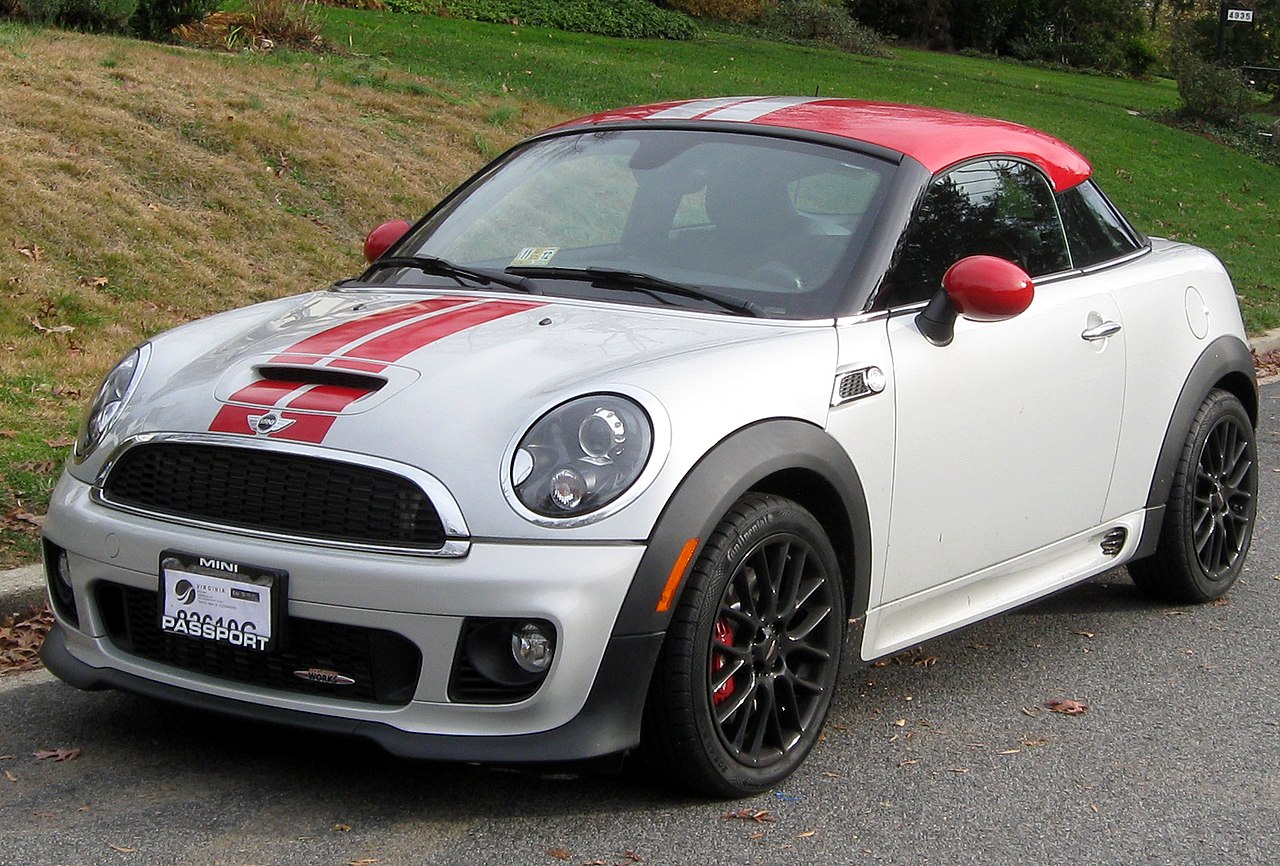
The Mini Cooper is loved for its playful handling and distinctive look, but Carter says trouble spots can stack up after 100,000 miles. Oil leaks, turbo failures, suspension wear, and electrical glitches are common themes, and the tight packaging can make repairs feel fussy and time-consuming.
High mileage does not ruin every Mini, yet patterns matter. A small leak becomes a recurring appointment, and a suspension rattle can turn into a bigger parts order. When multiple issues land close together, the car’s charm is still there, but it starts competing with shop schedules and repair invoices that arrive too often in a year.
Tesla Model S
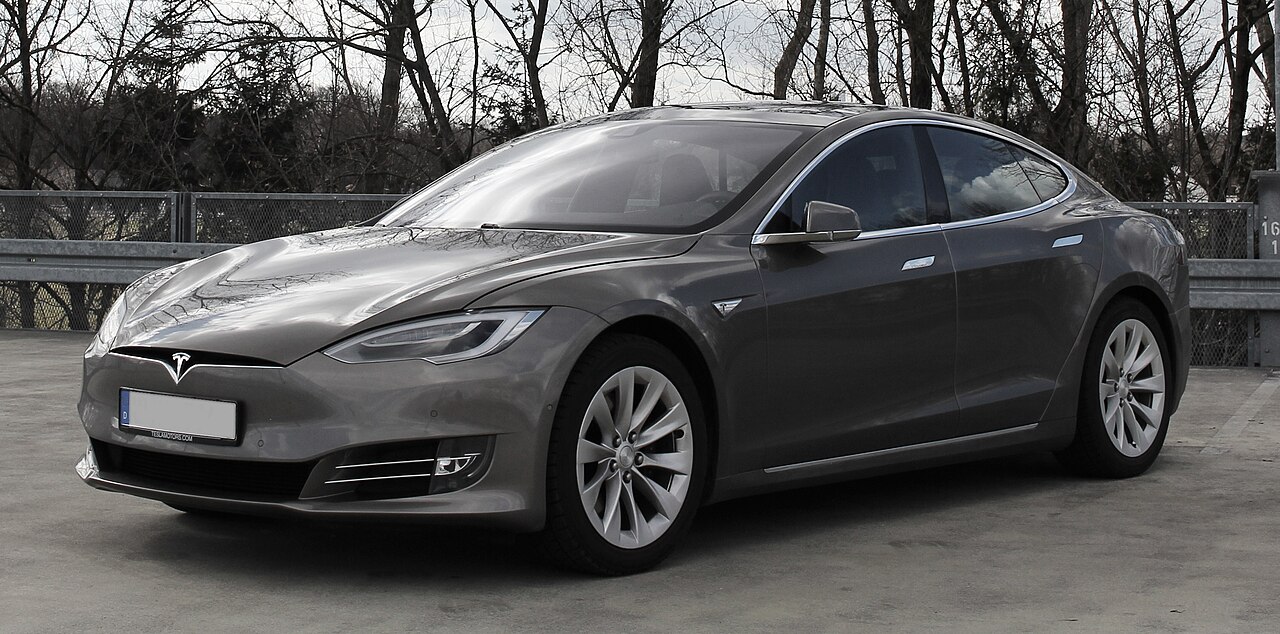
The Tesla Model S can feel effortless at speed and surprisingly low-maintenance day to day, but Carter highlights a high-stakes cost that often arrives around 100,000 miles. Battery pack replacement can be the big one, and the price is large enough to outweigh years of quiet, smooth driving.
What stands out is the contrast. Many owners report few routine issues, then face a single, expensive decision that changes the car’s value overnight. With older Model S examples, the real question is not small upkeep, but whether that major component stays healthy long enough to justify the purchase. That uncertainty is the whole point.