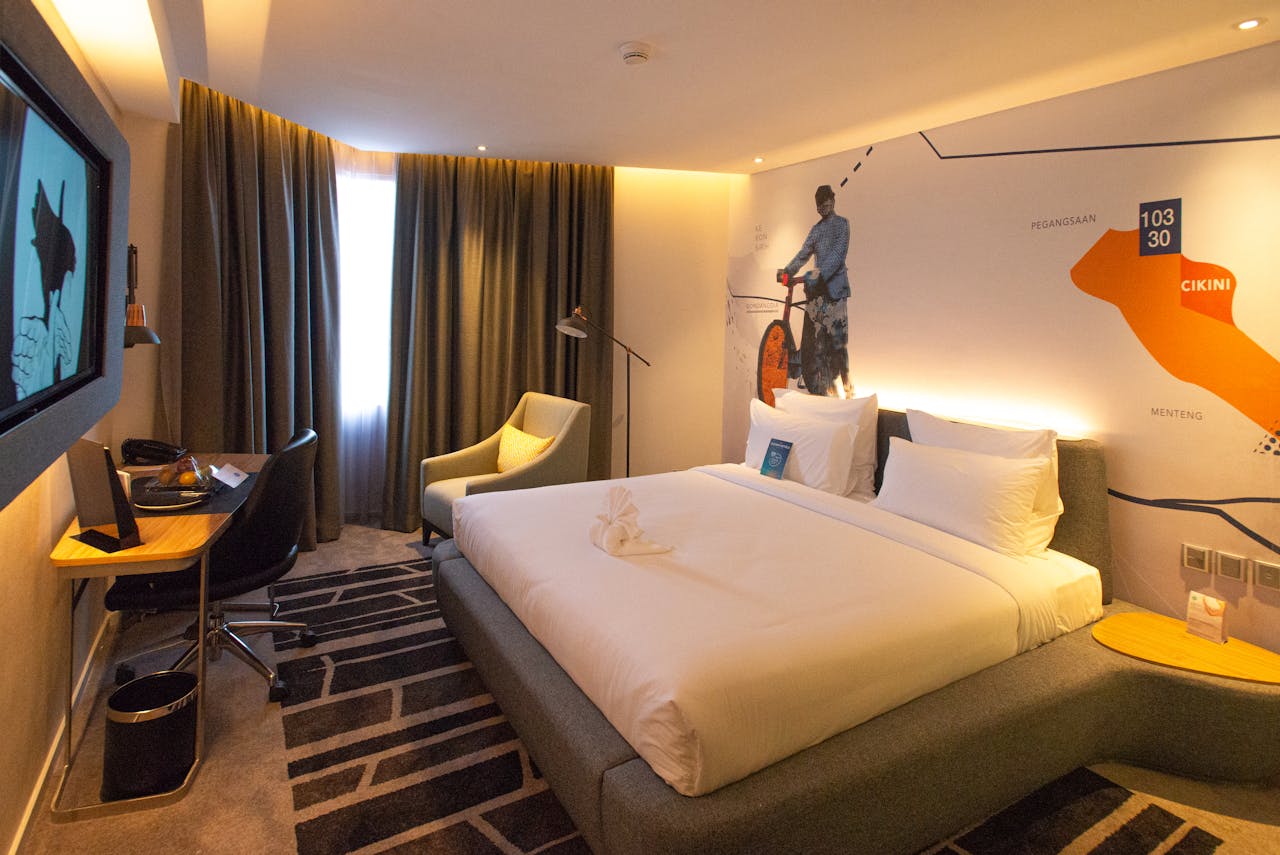
A hotel can look polished in photos and still wear a guest down within an hour. The trouble often starts with small design choices: a lamp that lights the wall instead of the face, a shower that floods the floor, or a thermostat that feels like a puzzle. None of it sounds serious at check-in, which is why these flaws keep getting repeated. By midnight, they shape the whole stay, turning a beautiful room into a place that feels strangely hard to use.
Good hotel design rarely announces itself. It helps people rest, move, and settle in without effort. When the basics are missed, comfort leaks away in quiet, frustrating ways.
Bedside Controls In All The Wrong Places
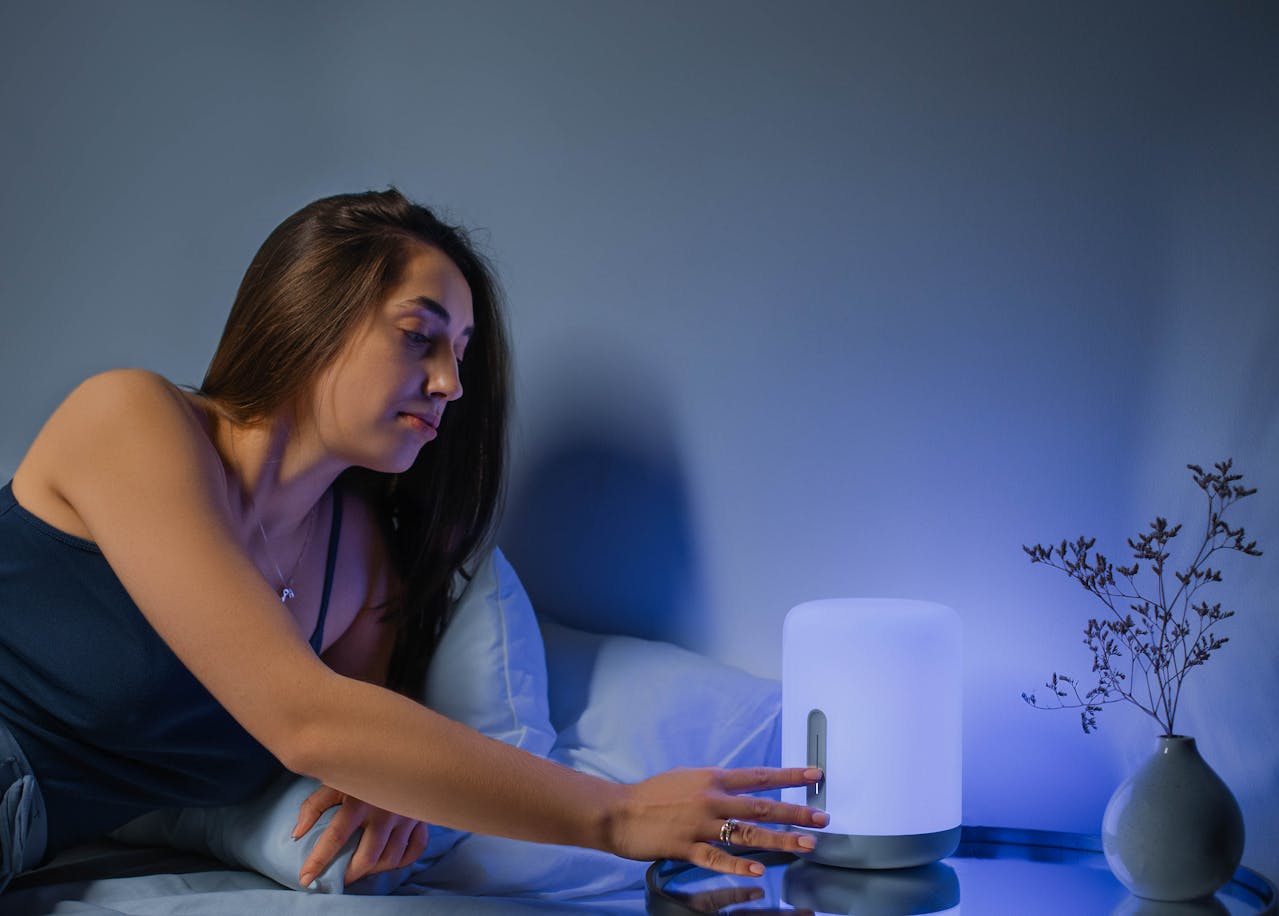
Nothing feels more outdated than a room that treats charging, lighting, and temperature as separate scavenger hunts. A guest settles into bed, then realizes the outlets are behind a heavy headboard, the master switch sits near the entry, and the thermostat glows across the room. Federal accessibility guidance groups outlets, switches, and thermostats as basic operable parts, which shows how essential these controls are to daily use.
Good rooms make common controls feel obvious. When they do not, every small task turns into extra movement, half-sleep fumbling, and irritation that lingers longer than the decor.
Beautiful Lighting That Fails At Human Faces
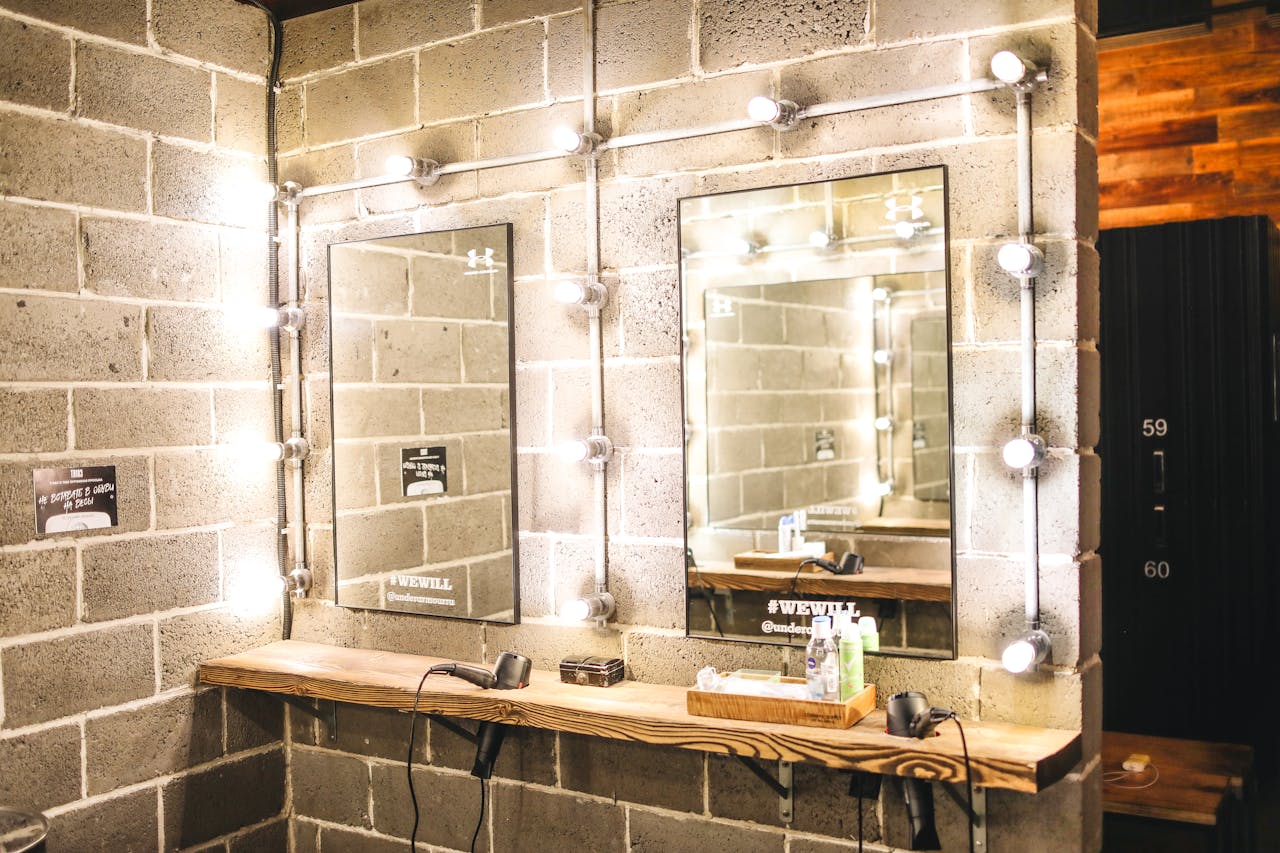
Many hotels now favor moody lighting because it photographs well, but guests often pay for that mood in the mirror. Dim vanity areas, backlit mirrors without front light, and amber bulbs can make shaving, makeup, contact lenses, or skin care harder than they should be. The room looks cinematic in evening photos, yet basic routines feel strangely imprecise before breakfast, especially on work trips or early departures.
This flaw gets tolerated because it reads as style at first glance. By morning, the shadows around the sink, the missed spots, and the squinting reveal a room designed for atmosphere first and daily comfort second.
Bathroom Doors That Trade Privacy For Aesthetic
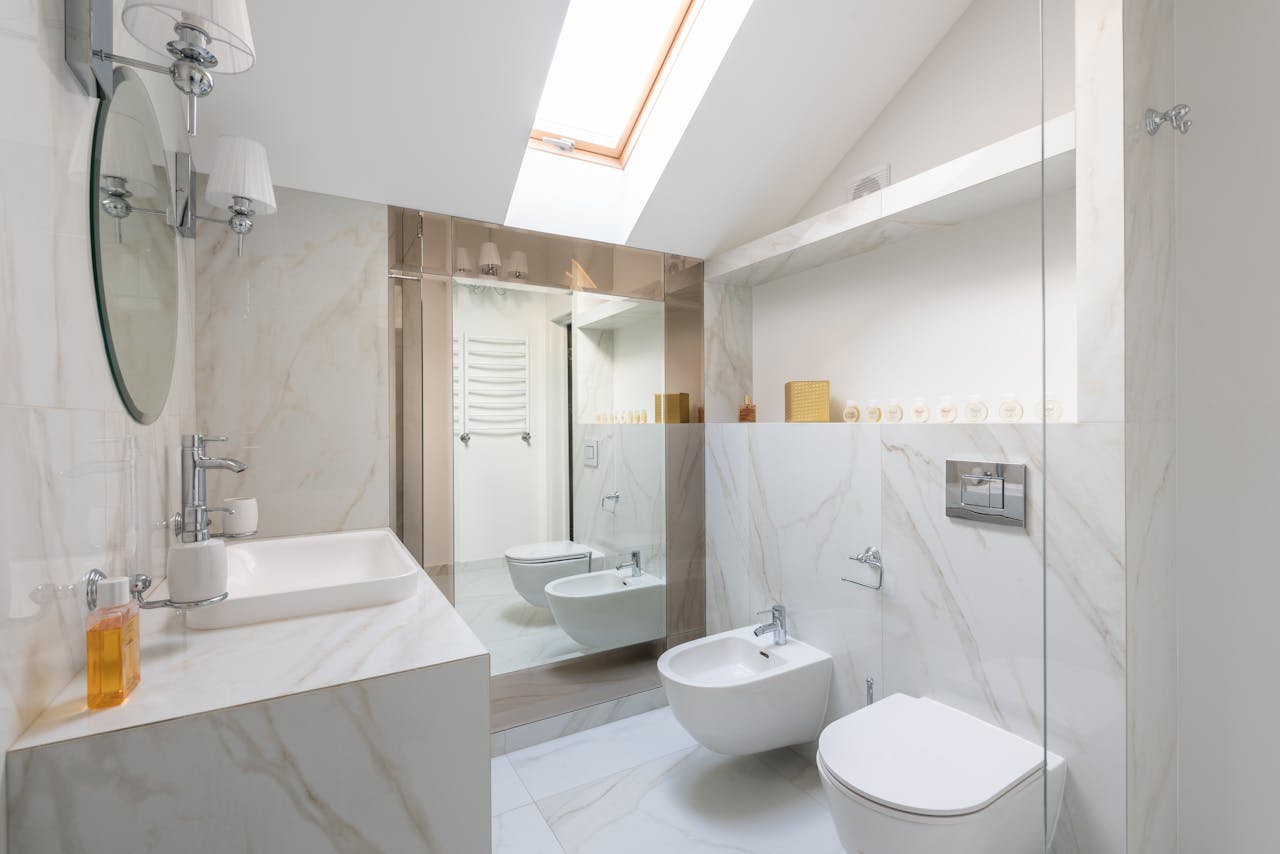
Sliding barn doors and frosted glass panels keep showing up in hotels because they save space and add a trendy look. They also leak sound, light, and privacy at exactly the moments guests want calm. In shared rooms, that choice can make even friends or family members feel awkward, especially when one person wakes earlier, uses the bathroom at night, or returns late from dinner.
A bathroom door does not need to be dramatic. It needs to close fully, latch well, and buffer noise. That privacy changes how settled a room feels. When a hotel skips those basics, the whole room feels less restful, no matter how expensive the finishes look.
Showers That Soak The Whole Bathroom
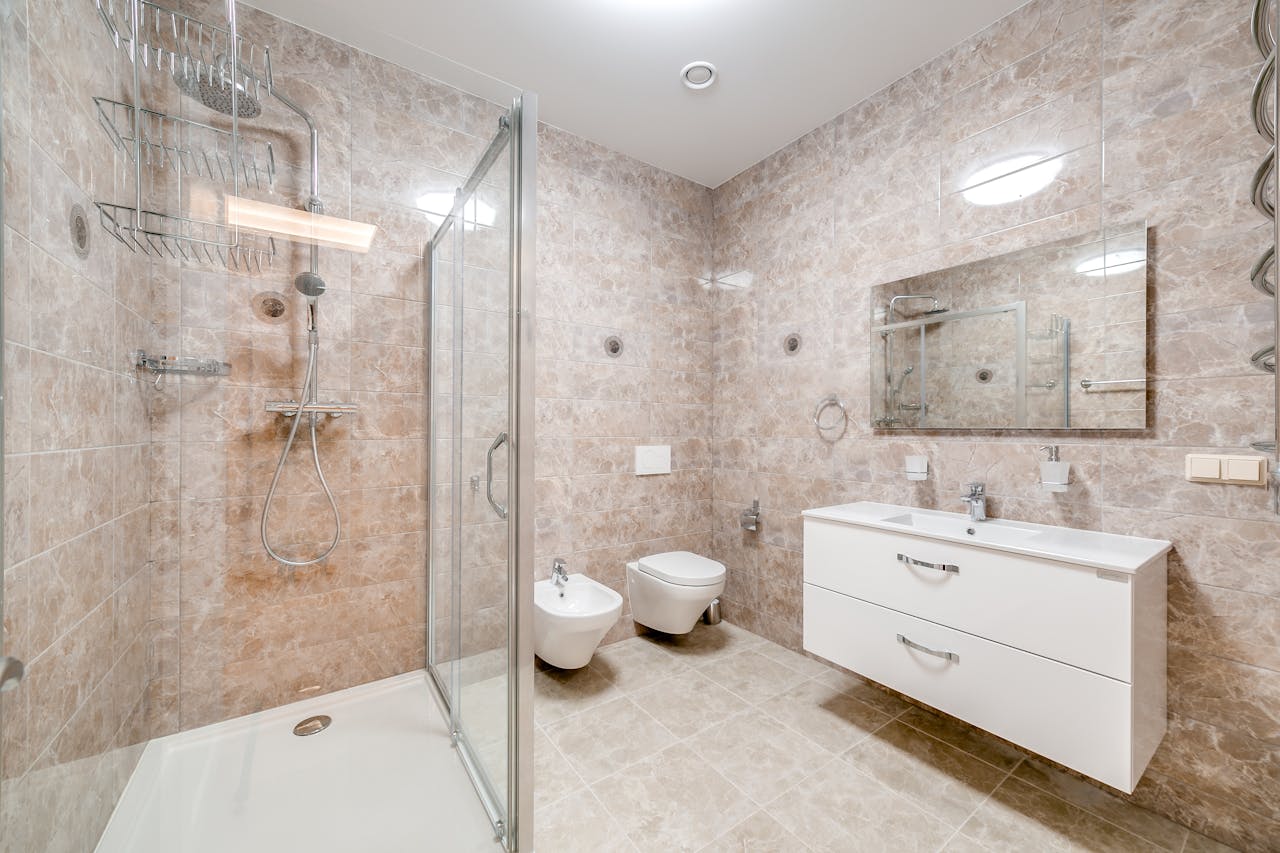
Half-glass partitions and shallow shower zones are common in stylish hotels, especially in renovations squeezed into older footprints. They can look airy, but they often send water across the tile and into the main bathroom area. Wet bathroom floors matter more than many properties admit, since a CDC analysis found falls caused most bathroom injuries among adults.
The regret builds fast because the problem repeats every day. Towels become barriers, bath mats stay damp, socks get sacrificed, and bare feet track water out. The room keeps that humid, freshly-showered feeling for hours instead of minutes.
HVAC Systems That Are Loud, Weak, Or Both

A room can have premium bedding and still fail if the air system whines, rattles, or blasts at random intervals. Guests usually notice it after lights-out, when every compressor kick and vent hiss feels louder than it did earlier. CDC sleep guidance is blunt about the basics: people rest better in rooms that are dark, quiet, cool, and comfortable.
The worst version is a thermostat that pretends to offer control but barely changes anything. The settings move, the display glows, and the room stays stuffy, cold, or oddly damp through the night. Even great bedding cannot compensate for that.
Thin Walls And Hallways Built Like Echo Chambers
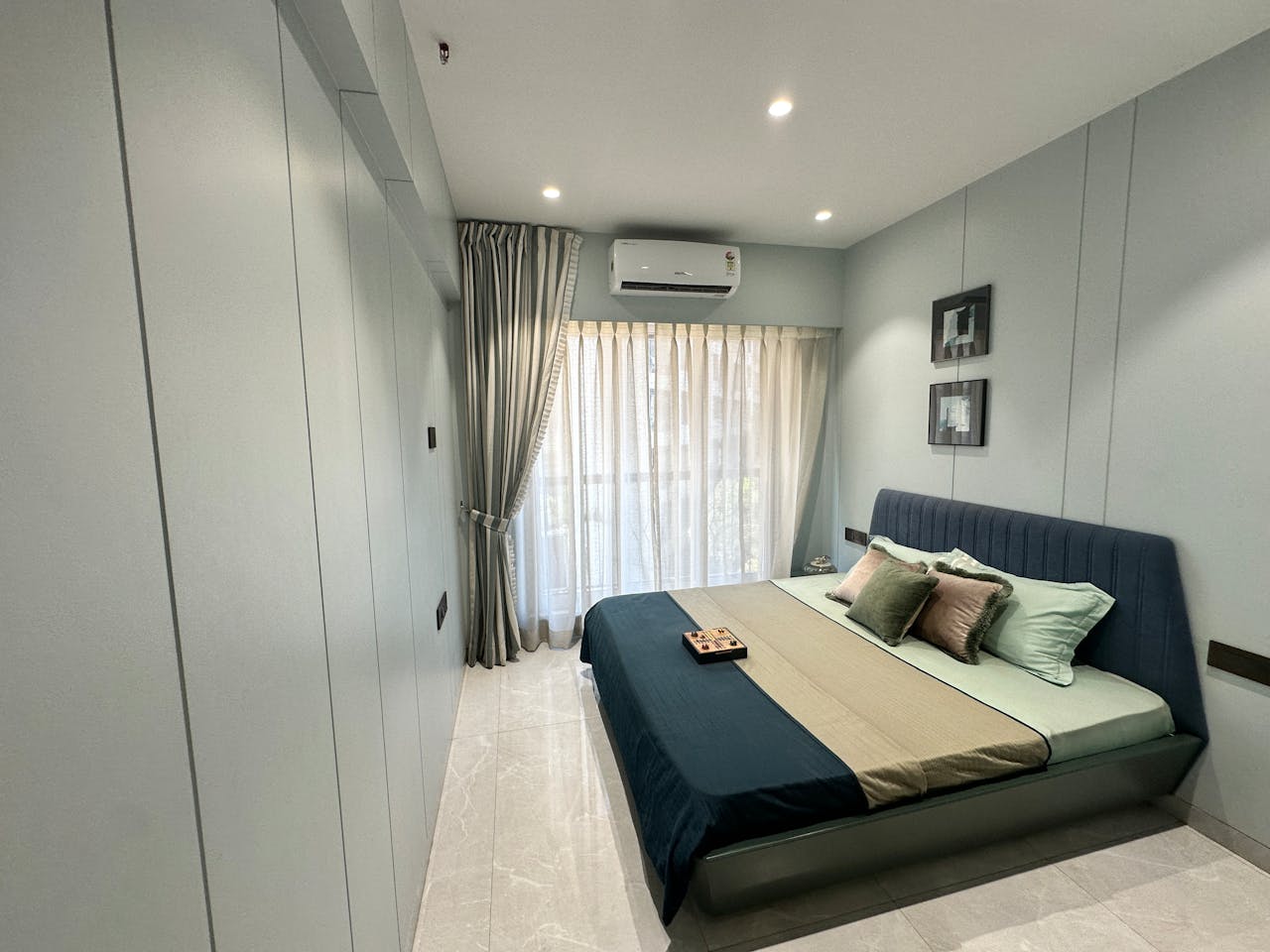
Some hotel rooms are quiet only when neighboring guests are asleep, no doors are closing, and no elevator is nearby. Thin walls, hard hallway surfaces, and poorly sealed room doors let footsteps, voices, rolling suitcases, and late returns travel much farther than they should. WHO guidance on environmental noise also flags sleep disturbance as a real health effect, not just a nuisance.
Noise problems are often dismissed as part of travel, which is why hotels get away with them. But when a room never feels acoustically settled, the stay becomes tiring in a way guests remember long after checkout.
Bathrooms With Weak Ventilation And Nowhere To Dry
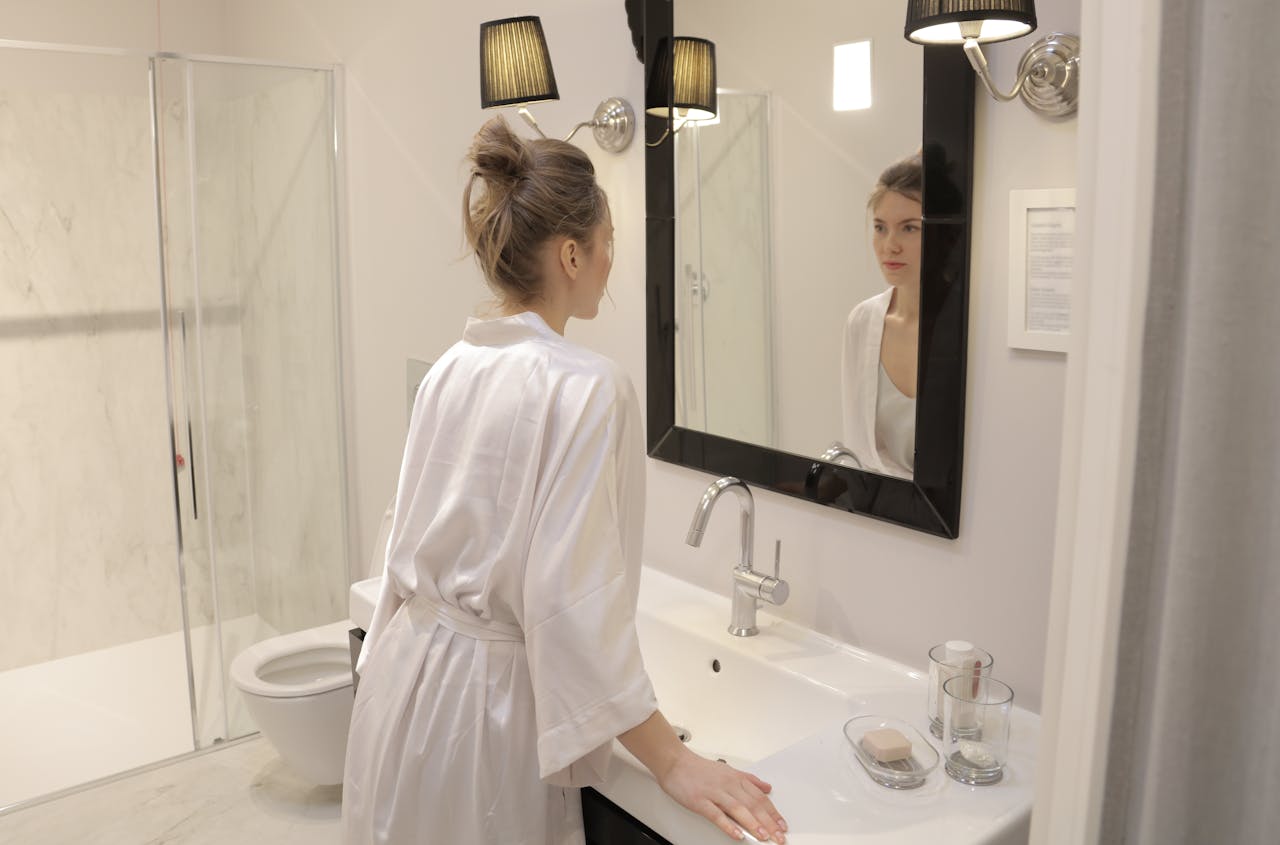
A bathroom can be spotless at check-in and still feel unpleasant by the second shower if moisture has nowhere to go. Weak exhaust fans, no fan at all, and poor air flow leave mirrors fogged, towels damp, and tile joints wet for too long. EPA mold guidance stresses moisture control, including keeping indoor humidity below 60 percent and using a fan or open window while showering.
Guests tolerate this because it seems minor compared with bed comfort or location. Yet lingering dampness changes how the whole room feels, from air quality to the sense of cleanliness, freshness, and comfort.