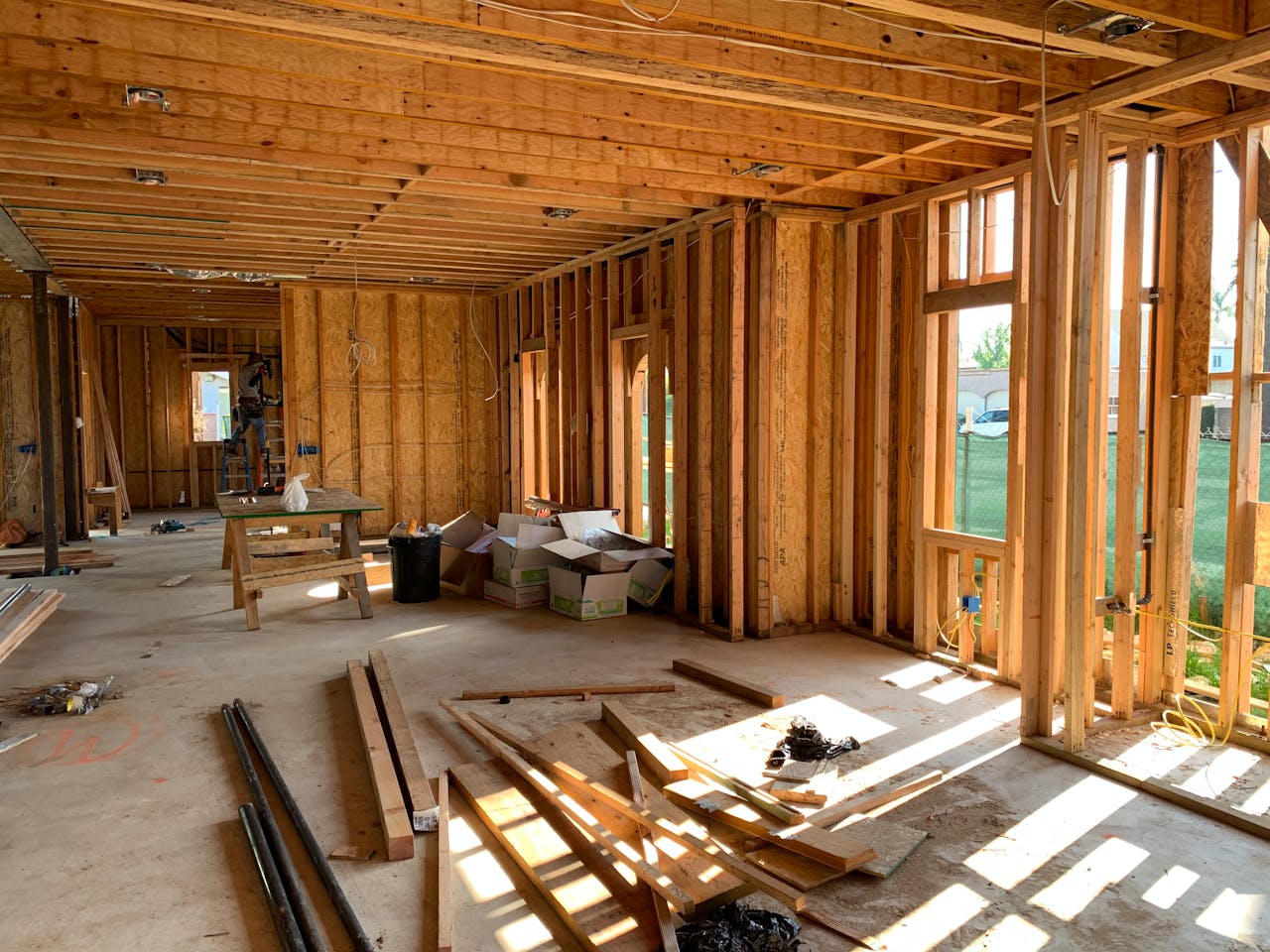
Some building materials once marketed as modern miracles now read like cautionary chapters. Their problems rarely showed up on day one; they surfaced years later as coughing fits, peeling paint dust, slow leaks behind walls, or fires that moved faster than anyone expected. As codes tightened and health data sharpened, regulators began drawing hard lines around what could be installed, sold, or specified in new work. The result is a quiet shift in what homes are made of, and why. Older buildings still carry many of these products, often hidden in paint layers, pipe chases, and ceiling cavities, waiting for a remodel to stir them up. Remediation is rarely simple, because removal can create new exposure.
Asbestos Insulation and Fireproofing
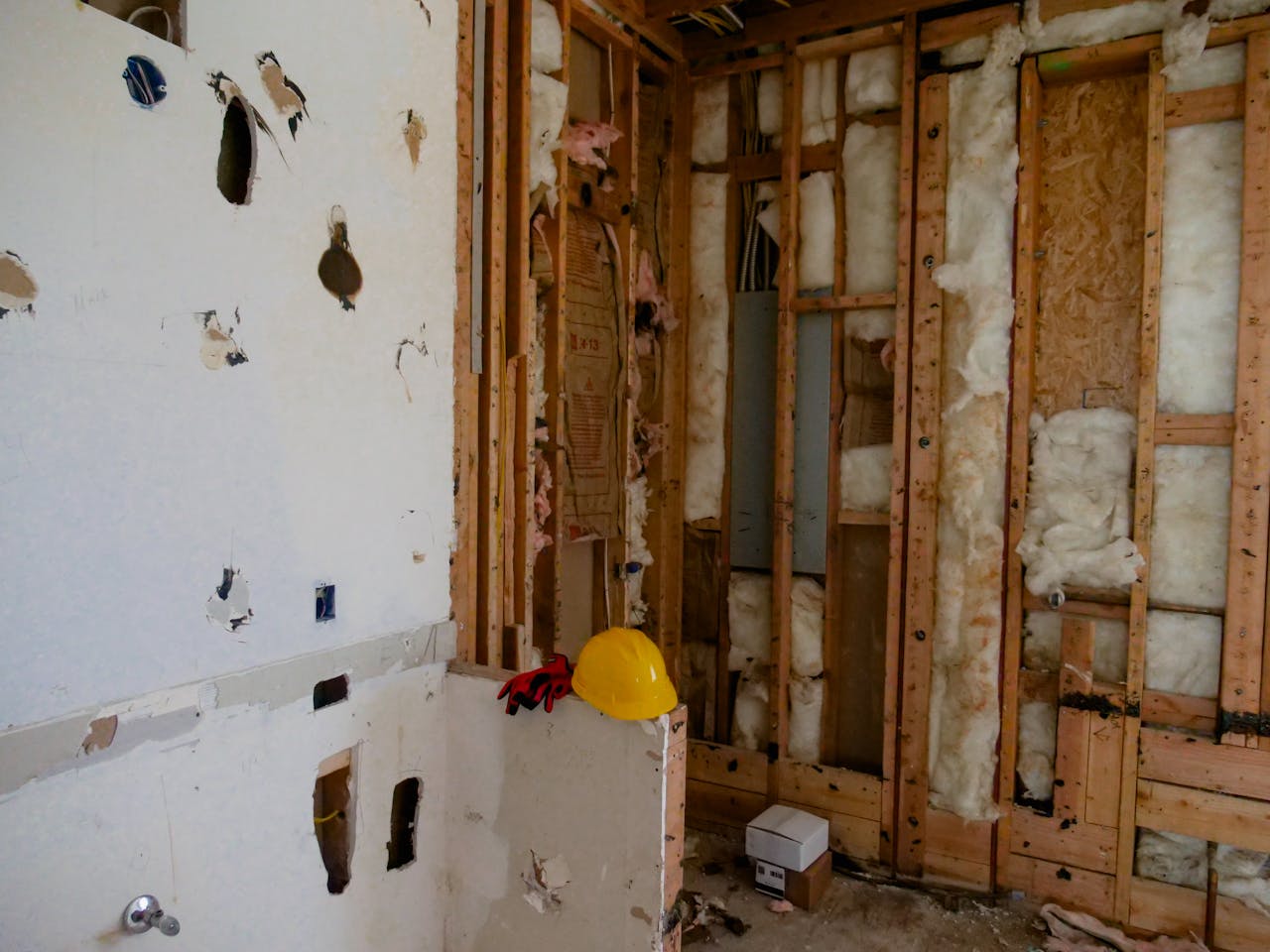
Asbestos earned a reputation as a heat-stopping wonder, then proved to be a long-term hazard when fibers became airborne and lodged deep in lungs. Many countries now ban asbestos in new construction, and even where it is not fully banned, new uses are tightly limited, labeled, and tracked through strict workplace rules. The legacy remains in older pipe wrap, boiler rooms, ceiling textures, siding, and resilient flooring, where a simple cut can release invisible dust and turn a remodel into a regulated job with negative-pressure containment, clearance testing, licensed crews, and disposal manifests to approved landfills.
Lead-Based Interior Paint
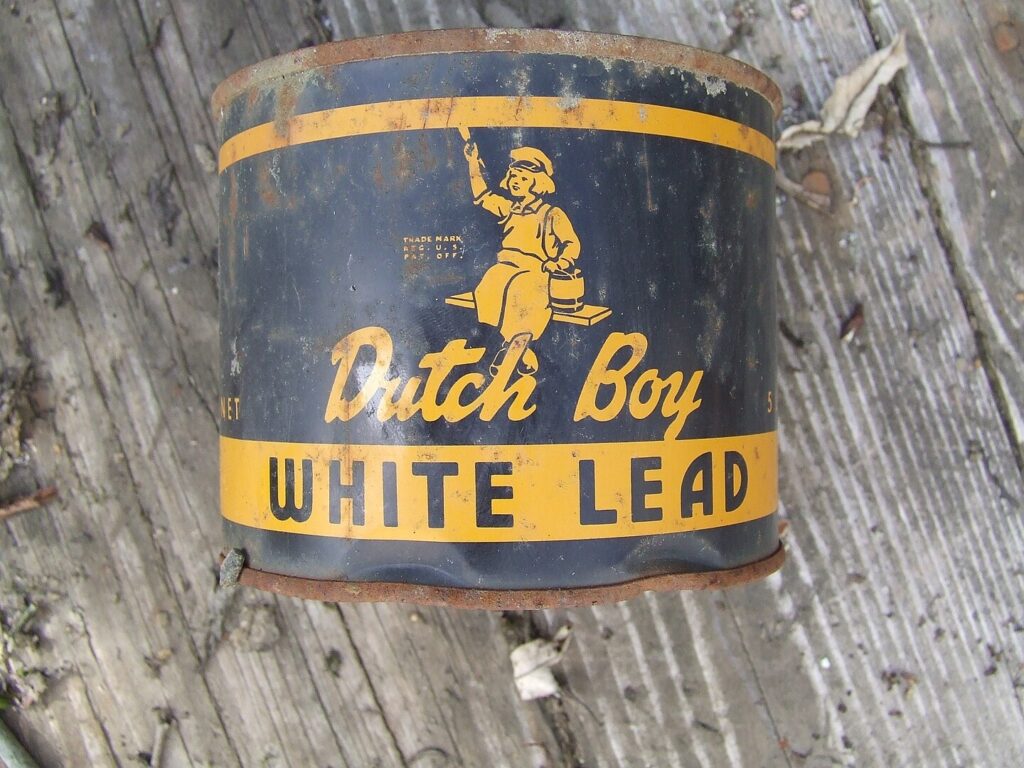
Lead paint was prized for durability and smooth coverage, but the dust from chipping, sanding, or window friction can harm developing brains and raise blood-lead levels. In the U.S., consumer uses of lead-based paint were banned in 1978, and many other jurisdictions set similar limits that pushed manufacturers toward safer pigments and coatings. It still lingers on trim, doors, stair parts, radiators, and porch rails in older homes, making repainting and demolition a lead-safe process with testing, sealed work zones, HEPA cleanup, and written clearance steps, plus careful disposal of chips, filters, and dust on every job.
PCB-Containing Caulk and Sealants
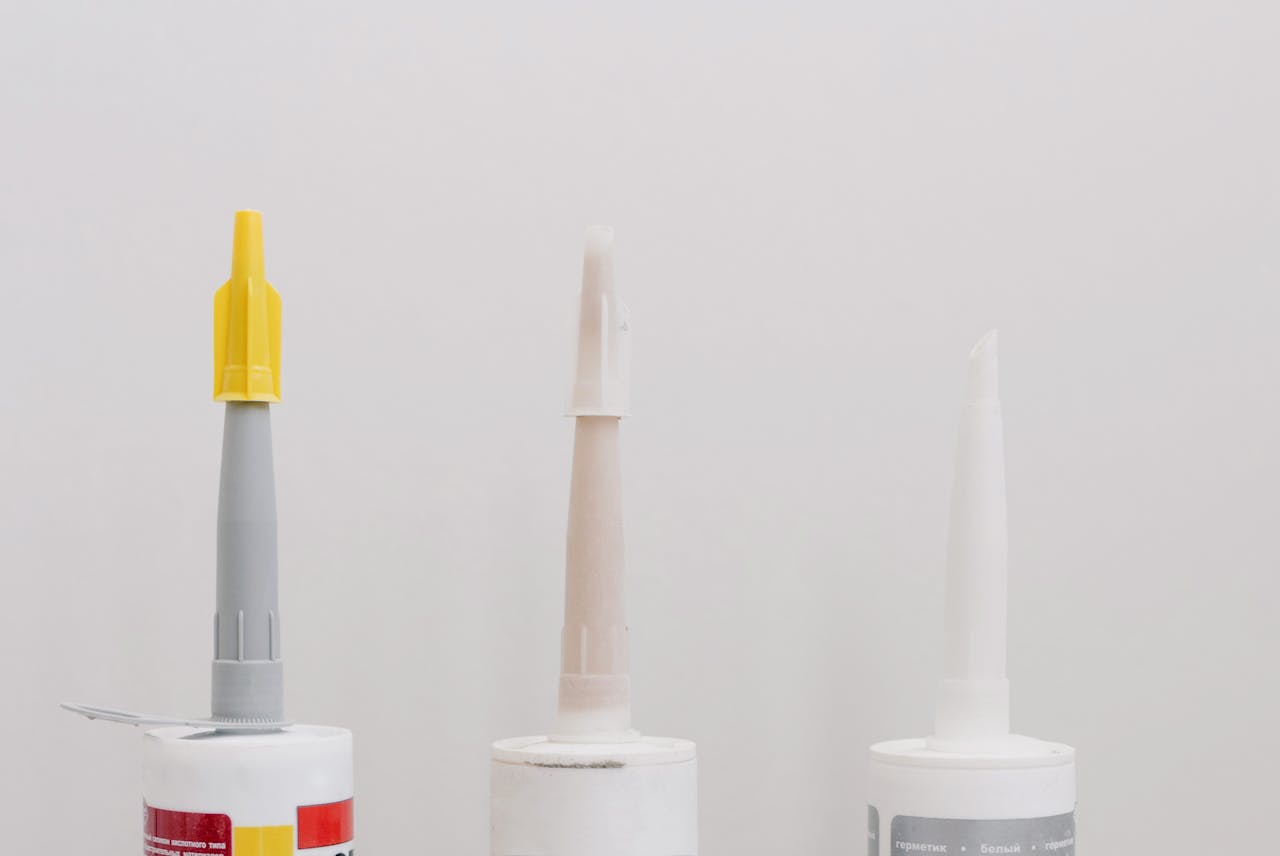
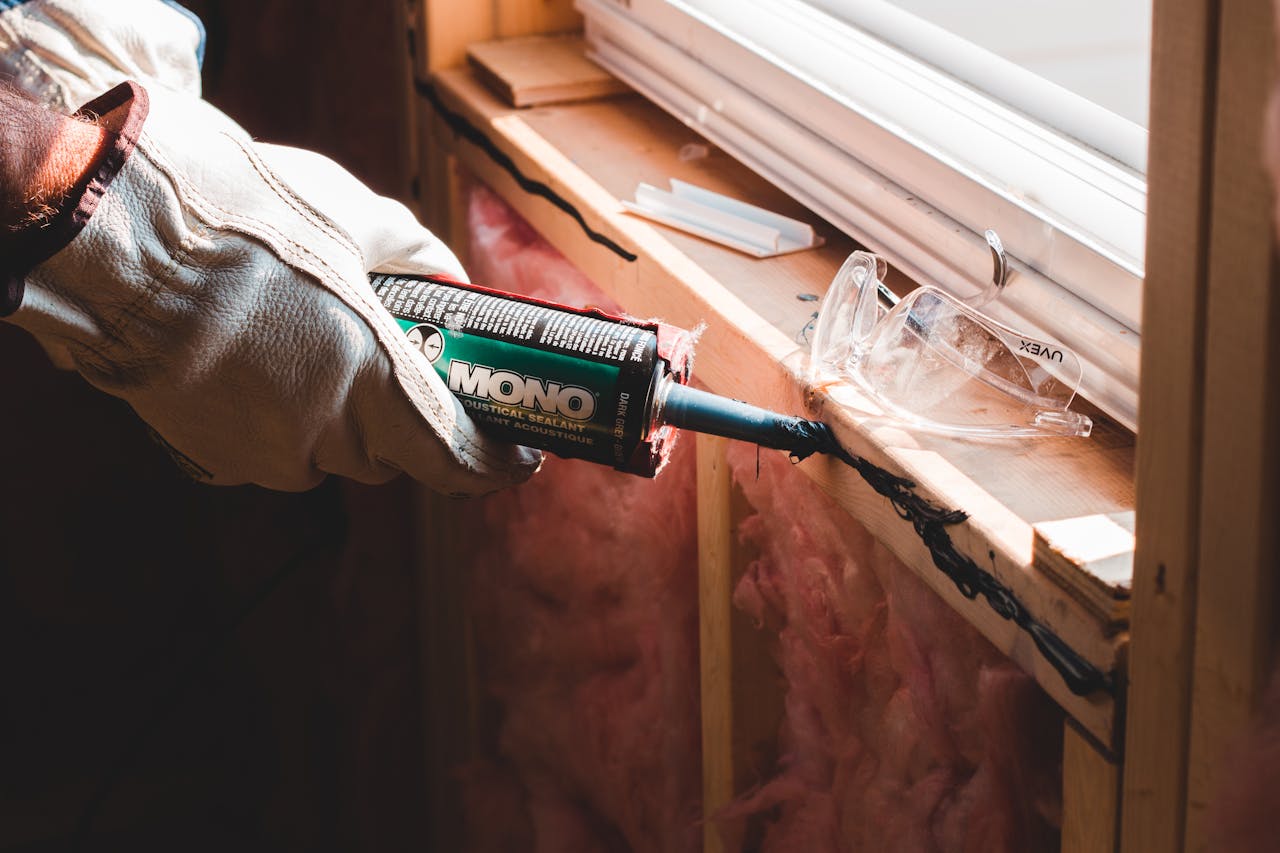
From the 1950s through the late 1970s, some caulks and sealants used PCBs to stay flexible, waterproof, and long-lived in sun, salt air, and freezing weather. PCBs were banned from manufacture in the U.S. in 1979, yet buildings from that era can still hold contaminated joints that release chemicals into indoor air and settled dust over time. When façades are repaired or windows replaced, that old seam may require sampling, specialized removal, and regulated disposal, and adjacent brick or wood can absorb contamination, expanding a small repair into careful remediation with hazmat protocols and extra labor planning.
Urea-Formaldehyde Foam Insulation
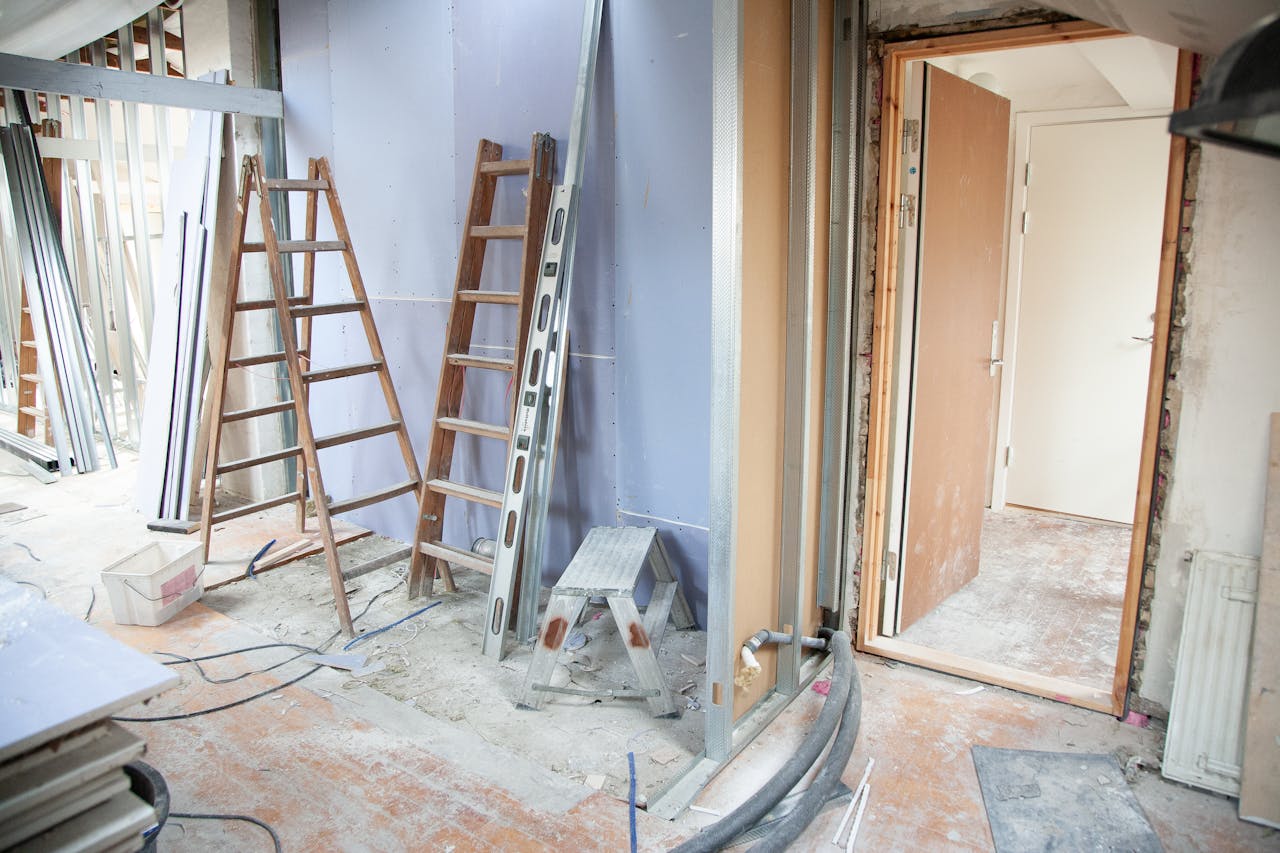
UFFI was injected into wall cavities as a fast fix for drafts, but it could off-gas formaldehyde and trigger irritation, sensitization, and other health concerns. The U.S. CPSC banned UFFI for use in residences and schools in 1982, reflecting how quickly confidence in the product collapsed once complaints mounted. In older houses, telltale foam in cavities can complicate energy retrofits, because disturbance may spike emissions, and replacement decisions balance comfort upgrades against indoor-air chemistry, while odor complaints often prompt testing and controlled removal to protect workers and occupants indoors.
Chromated Copper Arsenate Treated Lumber for Residential Uses
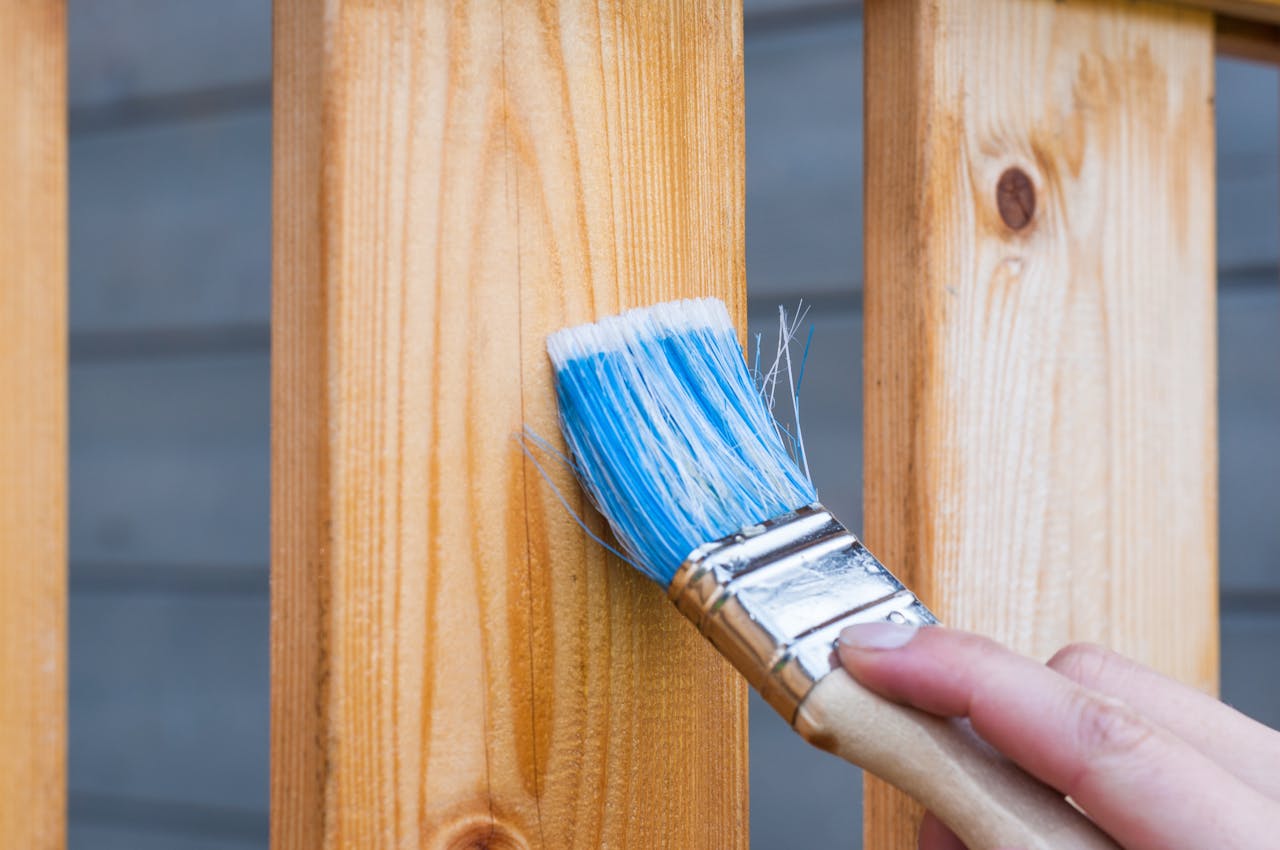
CCA pressure-treated wood resisted rot and insects, but it relied on arsenic and chromium compounds that raised exposure concerns around decks, picnic tables, and play structures. In the U.S., manufacturers voluntarily moved away from most residential uses, and EPA actions made many applications illegal to treat after the early 2000s. CCA still appears in industrial and specialty settings, while homes shifted to alternative preservatives, clearer labeling, and stricter rules about cutting, sanding, and disposal, because sawdust and scrap can spread the chemistry into soil, hands, and backyard fire pits if mishandled.
Pentachlorophenol Treated Wood
Pentachlorophenol helped protect utility poles and heavy timbers from decay, but its toxic profile and worker risks pushed it toward cancellation and replacement in modern practice. The U.S. EPA issued a registration review decision in 2022 requiring cancellation of pentachlorophenol, citing viable alternatives and an unfavorable risk-benefit balance. Residential construction rarely used it directly, yet it shaped treatment markets for decades, and its phaseout signals tighter expectations for storage yards, transport, and runoff controls near communities that have lived with the smells and stains for generations.
HBCD Flame-Retardant Polystyrene Insulation
HBCD was widely used to flame-retard expanded and extruded polystyrene insulation, especially in exterior wall systems, roofs, and below-grade applications. It was listed for elimination under international controls, and European regulation pushed strict authorization and a shift away from HBCD-containing products in common foam lines. That matters because insulation stays sealed behind cladding for decades; changing the chemistry reduces persistent pollutants, simplifies end-of-life handling, and forces designers to rely on assemblies, barriers, and fire-stopping details rather than additives alone for fire safety.
Polybutylene Water Supply Piping
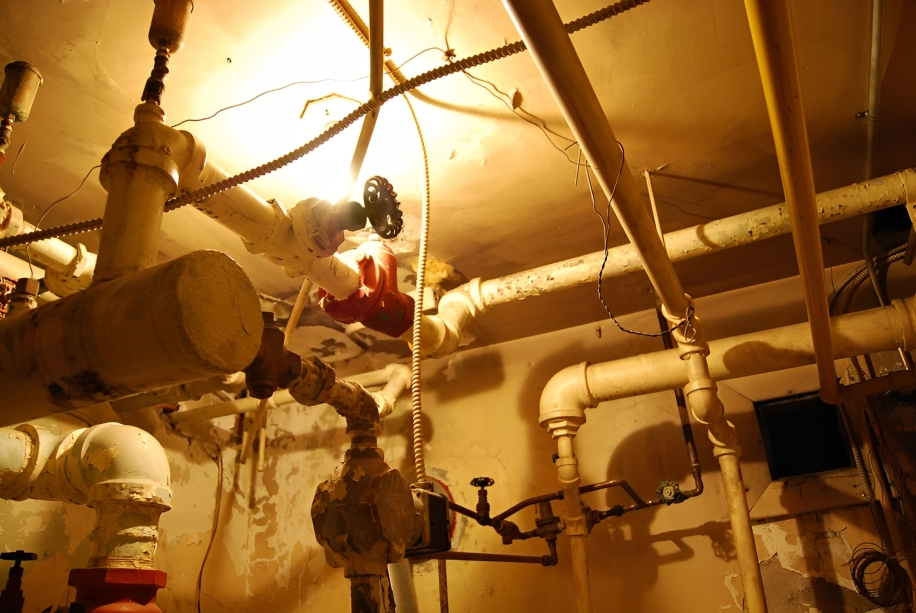
Polybutylene piping spread quickly because it was cheap, flexible, and fast for contractors to run through framing. Many systems later failed when pipe walls and fittings degraded under typical water conditions, leading to leaks, property damage, and waves of litigation that poisoned confidence. In many places it is no longer accepted for new installations, yet it still hides behind drywall in late 1970s to mid-1990s homes, where failure arrives as sudden staining and invasive re-piping, and inspectors and insurers often push replacement before broader coverage or renewals at closing, even without visible damage.
Combustible Aluminum Composite Cladding Panels
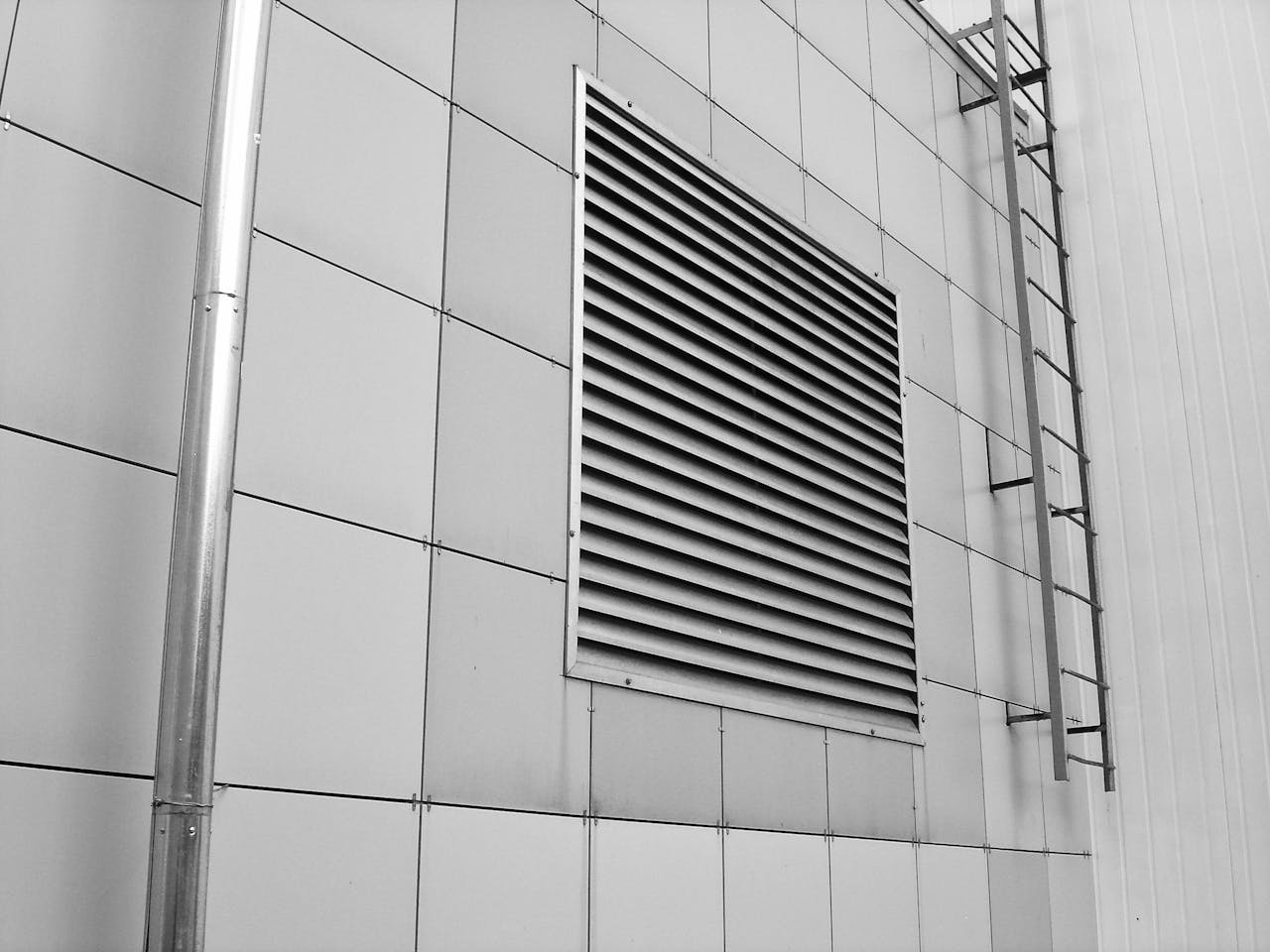
Aluminum composite panels with combustible cores offered sleek façades at low weight, but high-rise fires showed how flames can race up an exterior wall and leap past floor breaks. In the U.K., the government banned combustible materials on new high-rise homes after Grenfell, and other regions issued bans or tight limits on similar PE-core panels. Codes now demand clearer testing, documented cores, and safer wall build-ups, and fire engineers review the whole assembly, including insulation, membranes, cavities, and fixings because interactions between layers can accelerate heat and smoke spread upward in minutes.
Mercury-Added Thermostats and Switches
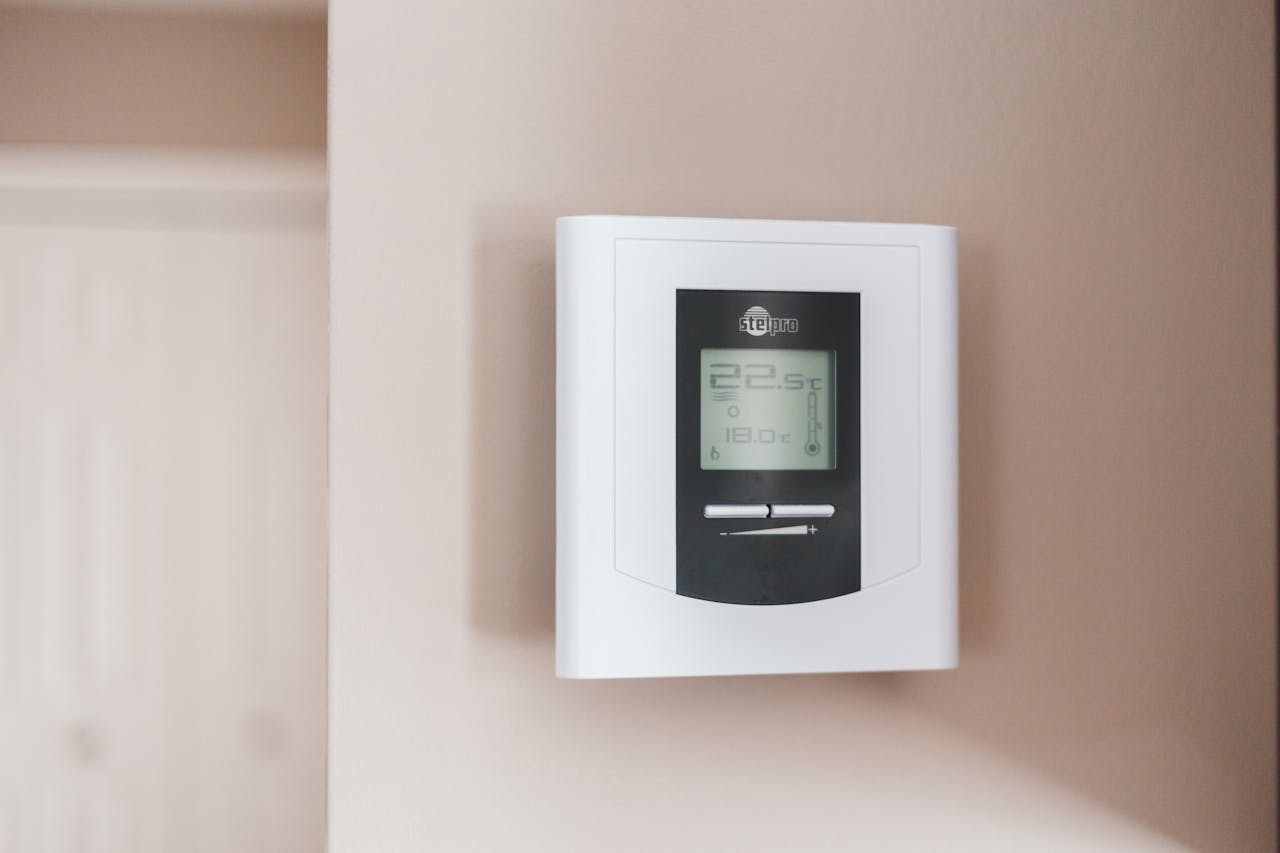
Mercury-switch thermostats once felt precise and durable, but they turned routine demolition into a spill risk that can contaminate indoor spaces and waste streams. Several U.S. states, including California, prohibited the sale of new mercury-added thermostats, and disposal rules steer old units into take-back programs instead of dumpsters. In retrofits, these devices require careful removal and collection, plus spill awareness on job sites, because a small ampule can turn a tidy upgrade into a regulated cleanup with sealed bags, labeled containers, and sulfur powder cleanup kits so beads do not hide in floor cracks.