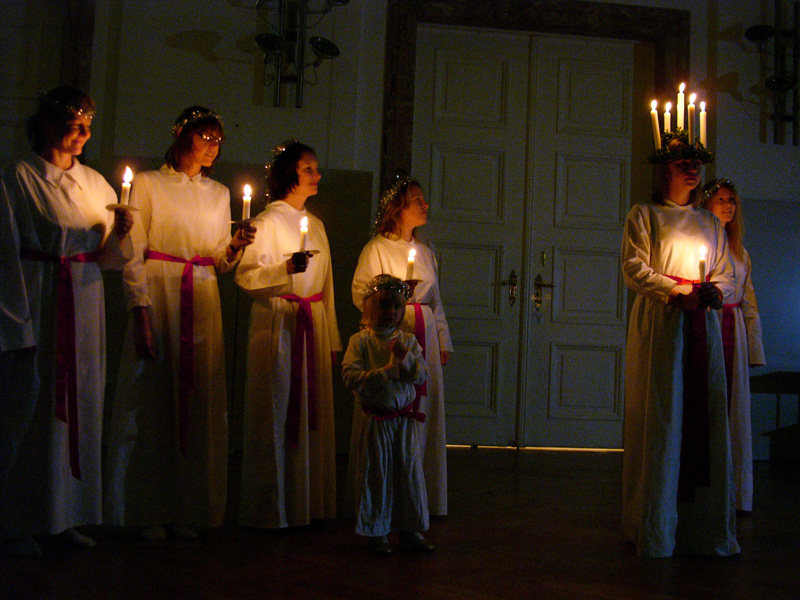
Santa Lucia Day arrives in mid-December like a small flame held against the year’s darkest stretch. In places shaped by long nights, the tradition leans into light: singing in stairwells, candles in windows, coffee poured before dawn. Elsewhere, devotion takes the lead, with relics carried through old streets and kitchens turning out dishes tied to local legends of hunger and relief. Across these variations, the through line is gentle and practical, communities making brightness something that can be shared, carried, and tasted. It is a holiday that feels intimate even when it fills a cathedral or a town square, because it asks for attention, not spectacle. For many families, it marks the real start of the season’s quieter rituals.
Sweden’s Dawn Processions And Saffron Buns
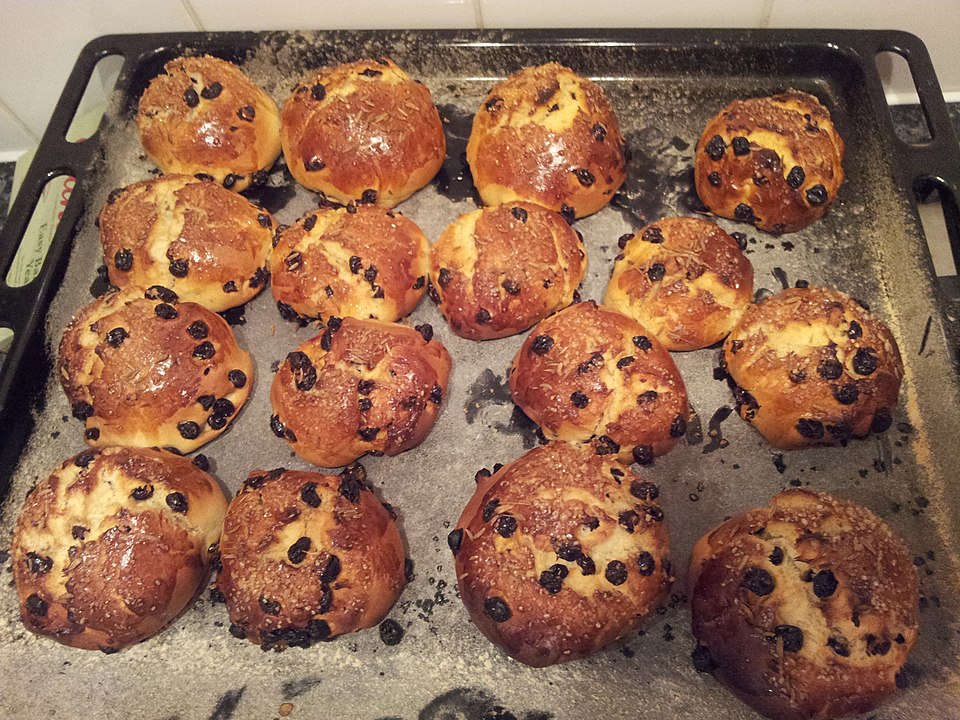
In Sweden, Luciadagen starts before sunrise with a Lucia in white and a red sash, often wearing a crown of candlelight, leading attendants and star boys through halls and stairwells while the same song repeats like a spell. Schools, choirs, offices, and TV broadcasts stage their own processions, so the tradition shows up in tiny classrooms, big arenas, and quiet apartment courtyards, all built around the same careful pace. Coffee is poured early, glögg may be warmed, and saffron buns called lussekatter appear with ginger snaps, turning a dark morning into something sweet, orderly, and shared before work and school take over.
Norway’s School Processions And Quiet Giving
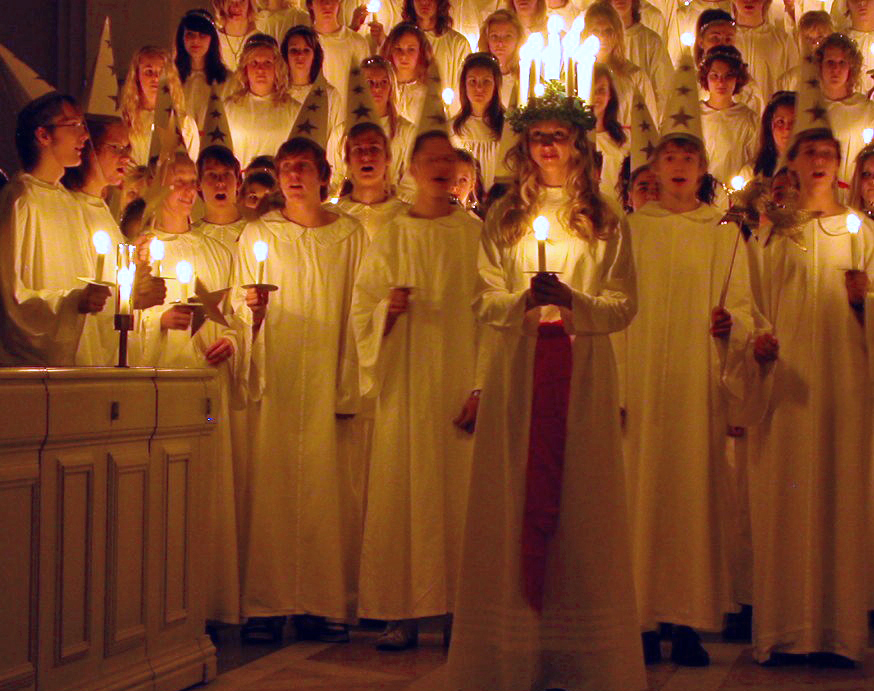
In Norway, Santa Lucia Day leans practical and child-led, with kindergartens and schools forming small processions that move through classrooms, lobbies, and neighborhood halls before the day fully starts and before winter light arrives. A Lucia wears a crown of lights, and the group sings briefly, then delivers baked treats and coffee to adults in offices, hospitals, or elder care homes, keeping the exchange simple, direct, and a little ceremonial. The ritual is short, but it sticks because it asks for nothing complicated: a song, a warm bite, a small visit, and a reminder that mornings can feel generous even in the coldest weeks.
Denmark’s Evening Luciaoptog In Single File
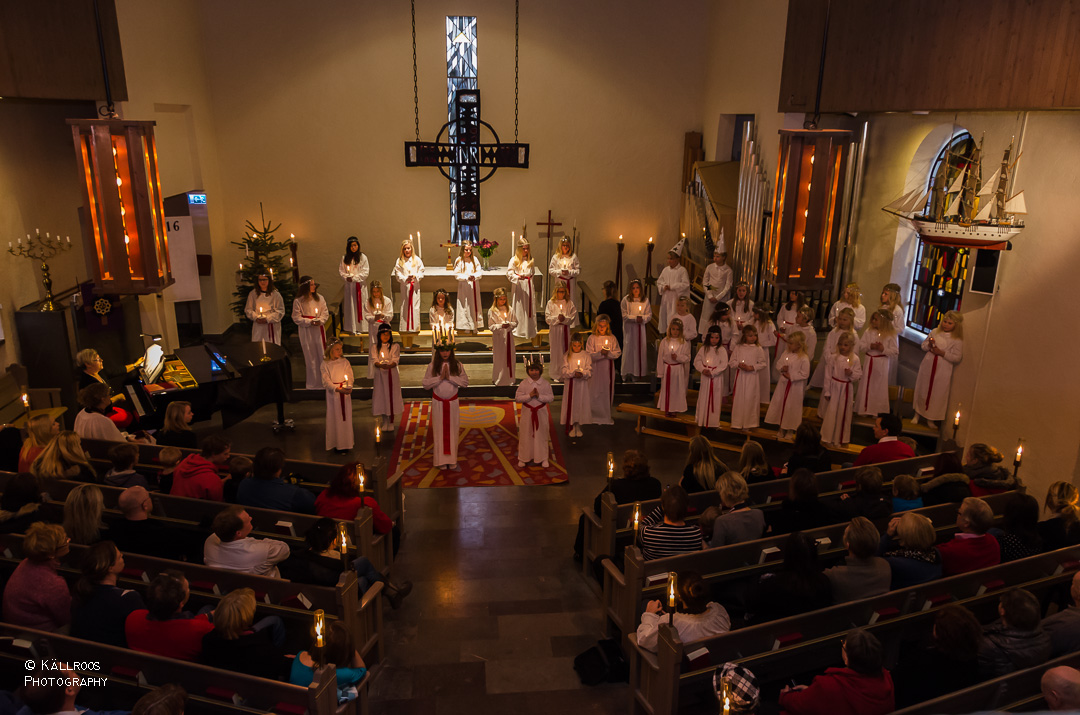
In Denmark, the Luciaoptog often happens after dark, which makes the candlelit line feel more concentrated as it moves through churches, schools, and local venues in single file, with faces lit from below. The singing stays soft and steady, and the pace is slow enough to let the glow do the work, but quick enough to avoid turning the moment into a performance or a photo stop. Afterward, people gather for hot drinks and seasonal baking, keeping the social part warm but contained, with white gowns, a red ribbon, careful steps, and light that seems to travel from room to room and settle into the quiet for a few minutes.
Finland’s Cathedral Crowning And Charity Tradition
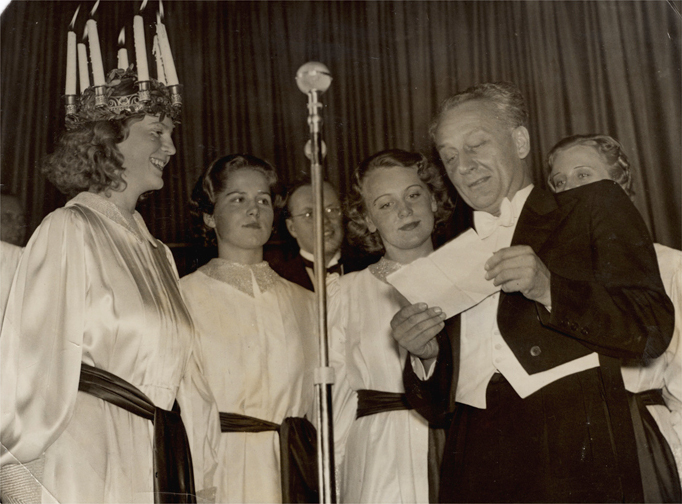
In Finland, a national Lucia is crowned in Helsinki Cathedral on Dec. 13, followed by a candlelit procession that draws people into the cold for a shared, quiet spectacle that still feels personal and close. The celebration is closely tied to fundraising and charity, so the symbol of light is paired with concrete support for families and communities that need it most during the season. Beyond the capital, Swedish-speaking regions crown local Lucias in schools and choirs, keeping the songs, the white robes, and the sense that winter can be met with calm purpose, not noise, even on the smallest streets and school stages.
Syracuse’s Relic Procession Through The City
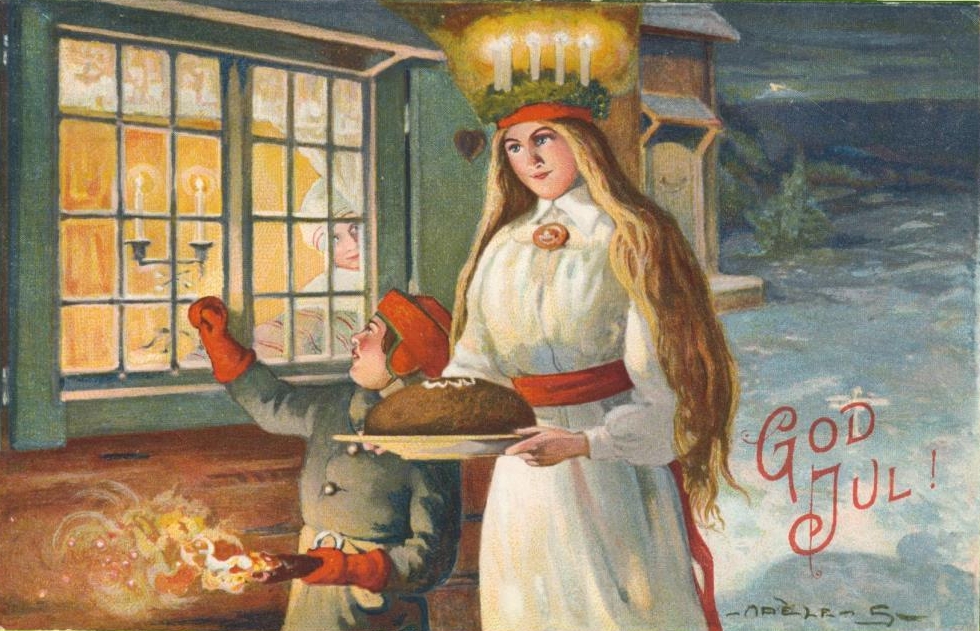
In Syracuse, Sicily, Santa Lucia is honored as the city’s patron with a Dec. 13 procession that feels like a vow rather than a seasonal show, heavy with memory, gratitude, and local pride. A silver statue and relics are carried from the cathedral through packed streets toward a basilica, while devotees follow in a slow current of candles, prayers, and bells, shoulder to shoulder in tight lanes. The mood is serious, the sound is more footsteps than music, and the statue’s traditional return days later stretches the devotion beyond one night, giving the feast a longer rhythm that lingers in the streets afterward for days.
Sicily’s Grain Vow And Cuccìa Traditions
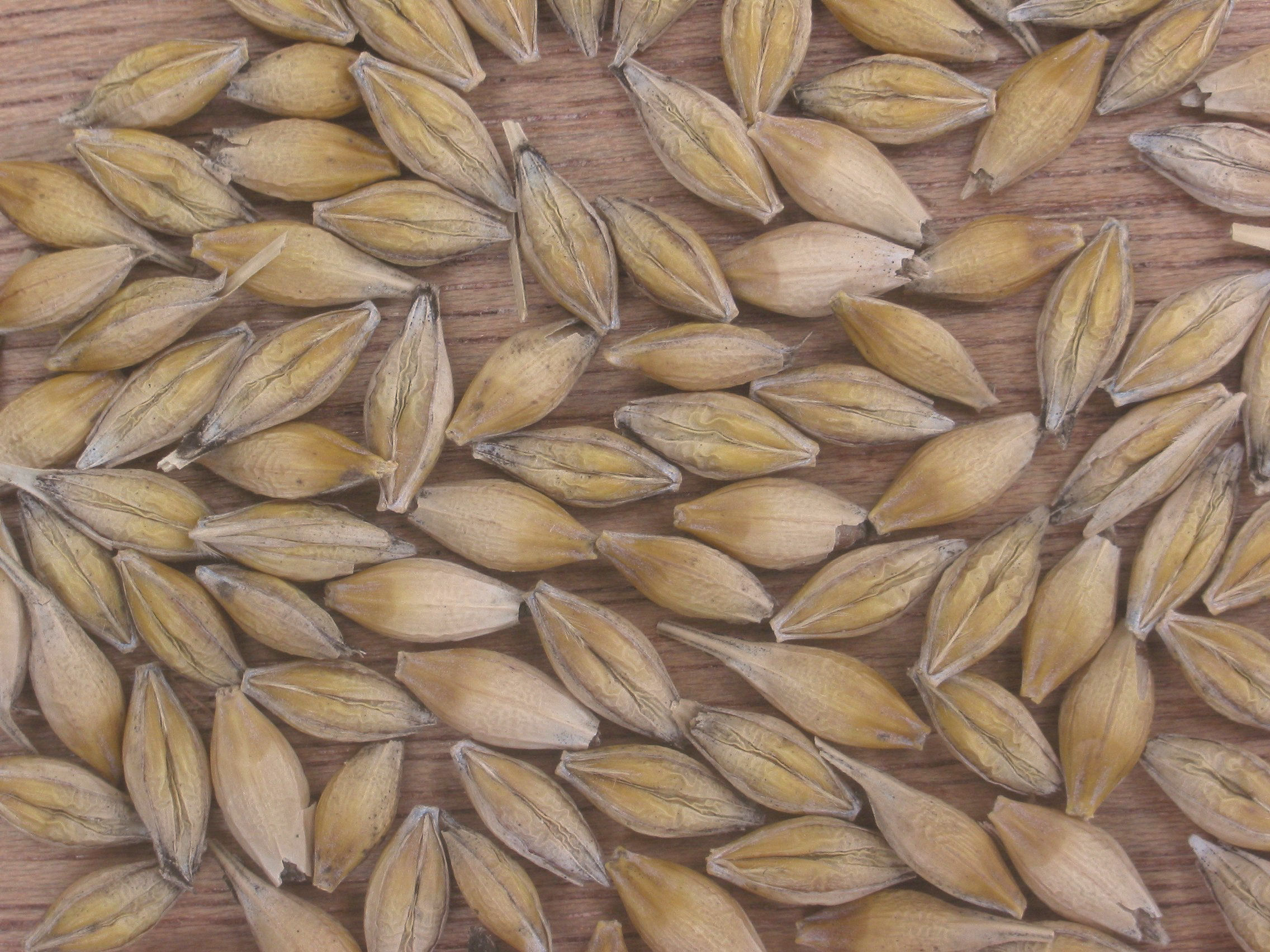
Across Sicily, Santa Lucia Day is remembered through food shaped by a legend of famine relieved by ships arriving with grain, a story that still guides the menu and the mood at home. Many families avoid bread and flour on Dec. 13, choosing whole grains instead as a simple act of gratitude and restraint, even when tables are otherwise full and festive. Cuccìa, boiled wheat served sweet with ricotta and honey or prepared savory, is the classic dish, while in Palermo arancini dominate bakery counters, and families often eat early, talk about the old story, keeping history alive through taste, routine, and repetition.
Northern Italy’s Overnight Gifts And Donkey Lore

In parts of northern Italy, Santa Lucia arrives overnight between Dec. 12 and 13 as a gift-bringer, giving children their big moment before Christmas begins and shifting excitement earlier in the month. Families may leave a note, a snack, or hay for her donkey, keeping the story rooted in ordinary kitchens and living rooms instead of grand displays, and adding a gentle sense of suspense. Morning brings the quick search for presents and the playful warning of coal, and many towns treat the tradition as local identity, so it survives even as other holiday customs change around it, year after year, without apology, even now.
Malta’s Parish Observances And Prayers For Sight
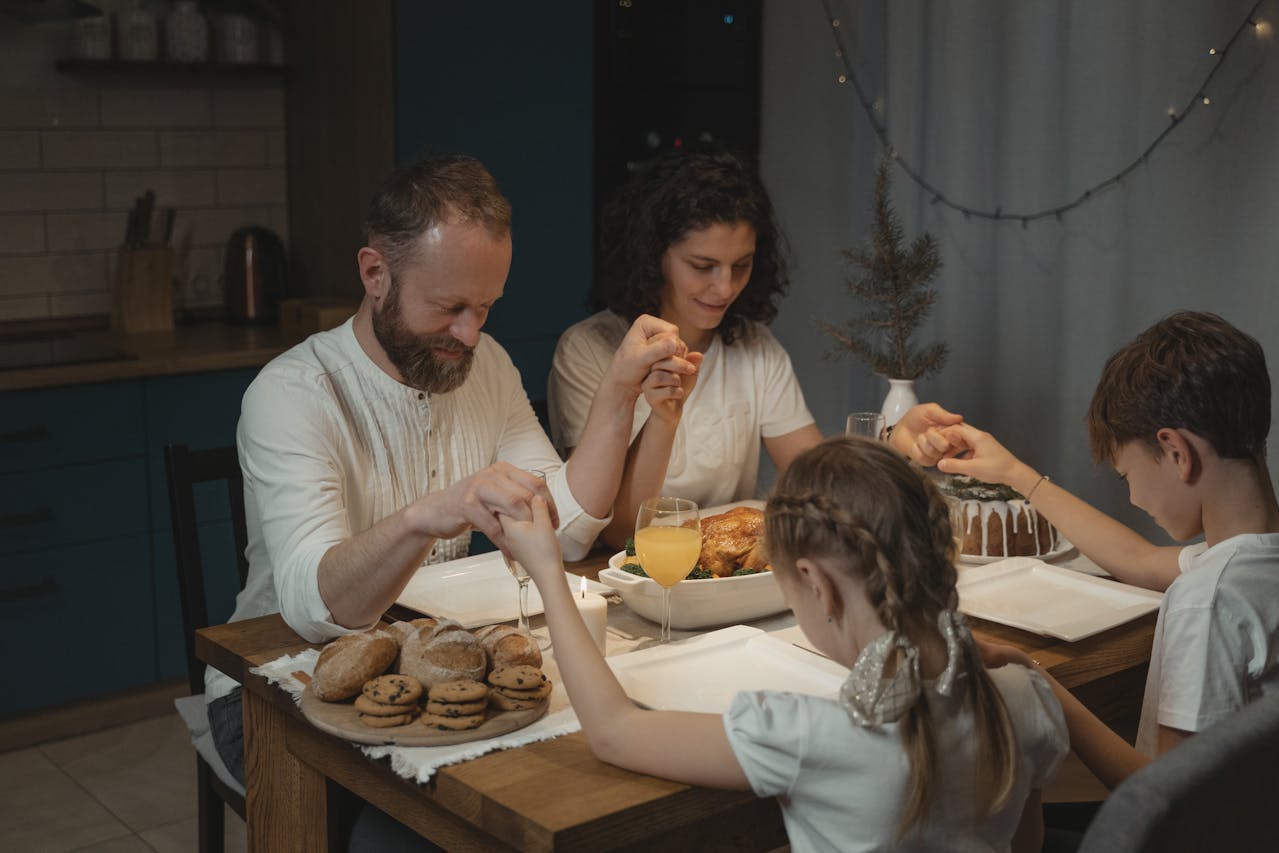
In Malta, Santa Lucia Day is shaped by parish life, especially on Gozo, where services and processions place the feast firmly inside Advent and keep the tone reverent and steady. The rhythm is clear: Mass, hymns, candlelight, and community turnout, with less emphasis on costumes and more on devotion that feels grounded, familiar, and shared across generations. Because Lucia is linked to eyesight and healing, prayers often focus on clarity, health, and protection, tying the theme of light to care in a direct way, then carrying that intention home quietly afterward to the dinner table and the week ahead without fanfare.
Diaspora Celebrations That Blend Songs And Suppers
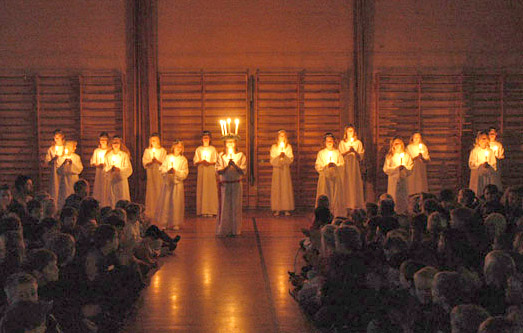
In diaspora communities, Santa Lucia Day survives through choirs, churches, and cultural associations that rehearse for one winter night when candlelight and song can gather everyone under the same roof. A Swedish group may stage a procession in a community hall, while Italian families keep food traditions, adapting ingredients without losing the point or the memory behind it, and inviting friends to join. These events often welcome newcomers and neighbors who do not know the lyrics, proving the holiday travels well when it stays simple: shared light, shared time, a small program, and a table that makes room for more people.