In December, a Christmas tree can look like a tidy symbol from afar, yet up close it becomes a scrapbook of local jokes, family rituals, and borrowed folklore. Across continents, people tuck meaning into the branches with objects that feel oddly specific: a hidden pickle for luck, a spiderweb that nods to hardship and miracles, or a paper heart meant to hold candy. Some ornaments started as practical pantry décor, others as handmade crafts that outlasted the century that invented them. Together they turn evergreen needles into a stage where memory, humor, and hope hang side by side, catching light and starting conversations, especially when guests lean in and ask, quietly, Why that one? Every year.
The Hidden Christmas Pickle

A glossy pickle ornament is tucked deep into the branches, half prank and half treasure hunt. On Christmas morning, the first person to spot it often earns a small bonus gift, a sweet, or the right to open the first present, turning the tree into a quiet scavenger game. Despite the German nickname Weihnachtsgurke, the custom is widely described as German-American, and some histories tie its rise to the era when glass fruit-and-vegetable ornaments were marketed and imported in the late 1800s, making the “old tradition” feel like a story that became real through repetition. Families keep it, because the laugh is the point.
Spider Webs That Glitter Like Tinsel

In parts of Ukraine, web ornaments and spiders called pavuchky appear among the lights, a nod to a folktale in which a poor family wakes to a tree covered in webs. Versions of the legend connect that miracle to the rise of tinsel, as if silver strands are the afterimage of silk turned bright overnight. The spiders are often handmade from beads, paper, or wire, then placed where they catch the first glint of morning, so the tree holds both beauty and a quiet gesture of protection. Finding a spider or web on the tree is treated as good luck, turning an everyday creature into a holiday guardian. Too.
A Straw Yule Goat on the Branches
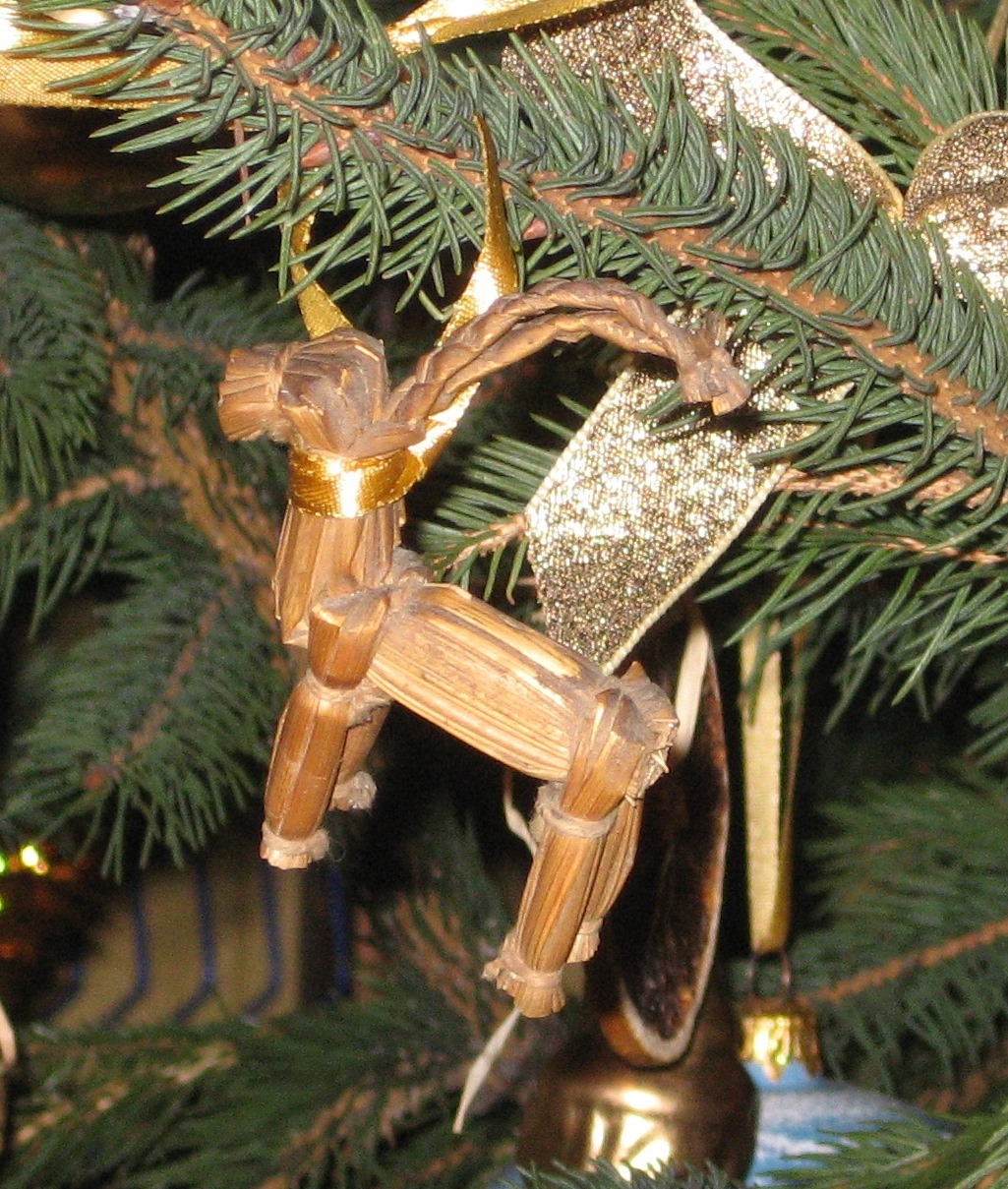
Across Scandinavia, a straw goat called the Yule goat shows up in Christmas décor, often small enough to hang from a tree. Twisted from pale straw and cinched with red ribbon, it carries older winter symbolism tied to pre-Christian Yule, then reshaped into a friendly household mascot. In some places it sits by the gifts; in others it perches in the branches like a watchful farm spirit. Either way the goat reads like a tiny harvest charm: rustic, slightly odd, and stubbornly cheerful beside shiny glass. Its handmade texture matters because it looks as if it could have come straight from a winter field, not a factory shelf.
Finnish Himmeli Geometries
A himmeli looks like a floating crystal, but it is built from simple straw segments threaded into crisp, repeating angles. In Finland, these airy mobiles are traditional holiday decorations, prized for the way they cast shifting shadows as warmth and drafts move through a room. Older belief treats the form as a promise of abundance, with folklore suggesting a bigger himmeli signals hopes for a bigger rye harvest. Scaled down to tree size it becomes a tiny piece of architecture on a branch, turning needles into a minimalist winter gallery. The surprise is how something so plain straw and thread, can look almost weightless.
Woven Paper Hearts Filled With Candy
In Denmark and nearby parts of Northern Europe, pleated paper hearts are woven from two colored strips and hung as Christmas ornaments. Many are made with a pocket, so the heart can hold candy, nuts, or a tiny note, turning decoration into a quiet act of hospitality. The oldest preserved heart is associated with Hans Christian Andersen in 1860, and later depictions show trees dressed with these woven shapes by the early 1900s. On a branch, the heart reads as both craft and container, sweetly practical in a way modern baubles rarely are. The best ones look slightly imperfect, proving a human hand was part of the holiday.
Mini Piñatas as Tree Ornaments
Mini piñatas, bright with tissue fringe, show up as ornaments in Mexican-inspired holiday decorating, bringing party energy to the tree. The larger tradition of the seven-point star piñata is closely tied to the Christmas season, especially around posadas, where it is filled with fruit and sweets. Accounts of the custom often describe the points as symbols of temptation, with the breaking representing a victory of shared joy over darker impulses. Scaled down for branches, the tiny shapes keep the same message: color, sweetness, and the promise that celebration belongs to everyone. Even still, they look delightfully noisy.
Dried Orange Slices and Bay Leaves

Some households skip glass entirely and hang dried orange slices, lemon wheels, cinnamon sticks, and bay leaves that perfume the room as they warm near the lights. The look is half botanical specimen, half pantry display, with translucent fruit catching a candlelike glow and spices reading like ornaments borrowed from the kitchen. Because the materials are meant to be used up, the tree carries a gentle, practical mindset: beauty can be temporary, and fragrance can be part of the décor, not an afterthought, especially when the whole room smells like citrus peel and winter markets, long after the lights go off. At night.
Walnut Shell Boats With Tiny Candles
A split walnut shell, sealed with wax, becomes a miniature boat that can be hung from a branch or set near the base as a tiny lantern. Some versions carry a stubby candle, others a bead, a coin, or a scrap of foil that mimics a sail, turning pantry leftovers into something storybook and bright. Because the materials are humble, the craft feels like a quiet lesson in winter thrift, yet it still reads as luxury when the shell’s ridges catch the light and throw small shadows onto the needles, as if the tree is carrying a fleet rather than ornaments, each one ready to sail into the next year with a private wish. Quietly.
Gingerbread People That Eventually Disappear
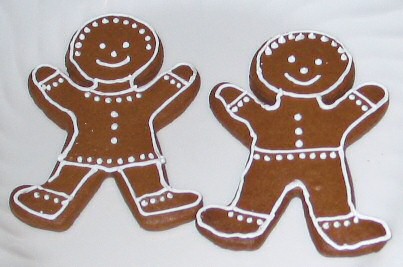
Some trees carry gingerbread people, iced stars, and spice cookies tied on with ribbon, so the décor literally smells like a bakery. At first the biscuits read as quaint ornaments, then they slowly lose their gloss as the room dries them out, and that gentle fading becomes part of the ritual. Families sometimes bake extra for nibbling, but the ones on the branches serve a different purpose: they mark time, catching crumbs on the skirt below and hinting that even the prettiest traditions are meant to be consumed, not preserved forever just remembered, like the first bite of something warm. It is festive and slightly messy.
Seashell Ornaments in Beachy Summers
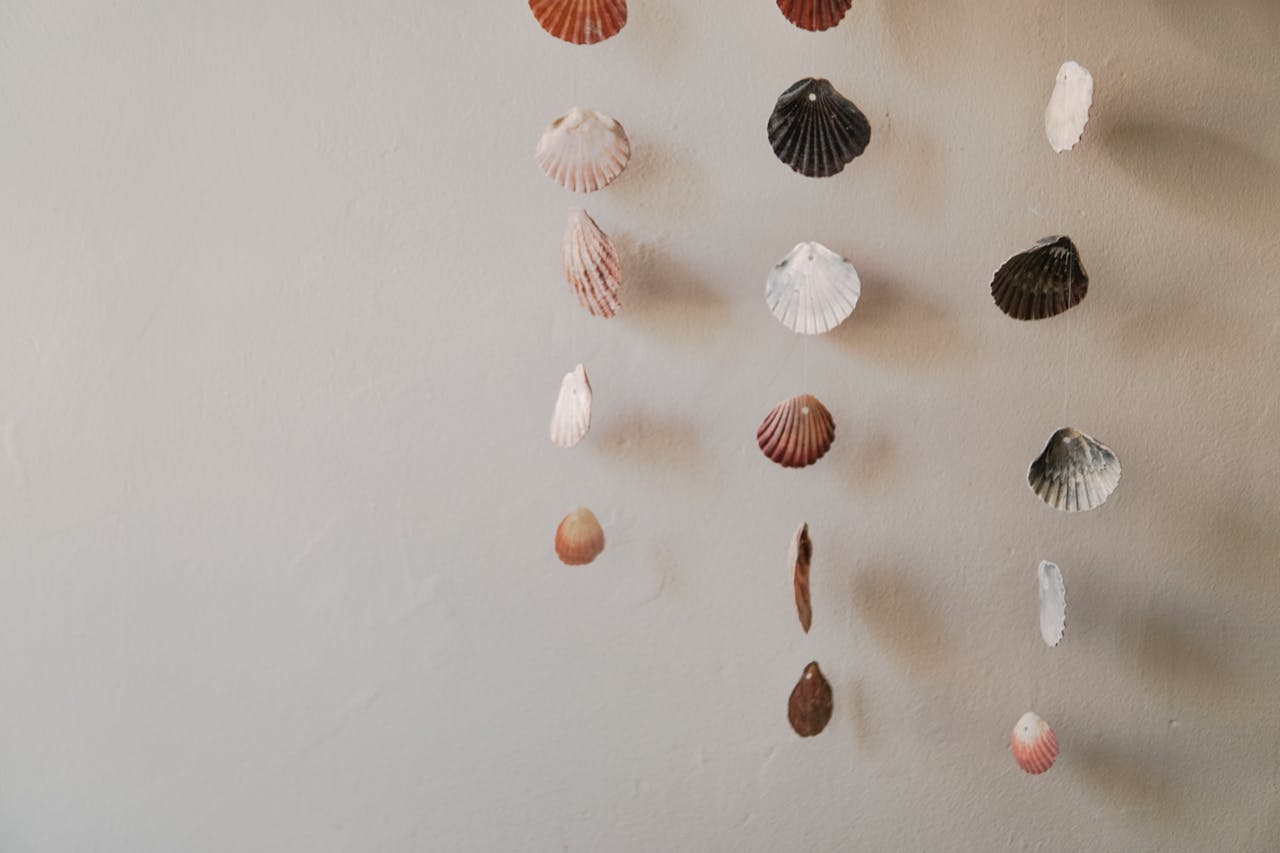
In places where December lands in summer, shells, starfish shapes, and bits of driftwood often replace snowflakes and icicles. The tree becomes a coastal postcard, with pearly spirals and sun-bleached textures that look almost out of place next to twinkle lights and metallic garland. Instead of pretending winter exists, the décor leans into local reality: sand still clings to memories, sea air drifts through open windows, and a shell on a branch reads like proof that the season can be festive without ever turning cold. The oddness is exactly the appeal, like holiday music playing under bright noon light. Outside.
Red Envelopes for New-Year Luck

Red envelopes, real or decorative, sometimes get slipped onto branches in Chinese and Chinese diaspora homes, blending Christmas décor with lunar new-year symbolism. They look striking against green needles, like tiny flags, and they point toward prosperity, gratitude, and fresh starts without turning the tree into a lecture. In some families, the envelopes hold a small note, a chocolate coin, or a token bill for children, linking the season’s generosity to a wider calendar of celebration. Even when the envelopes are empty, the gesture feels full: a wish for fortune made visible, hung where it can quietly do its work.