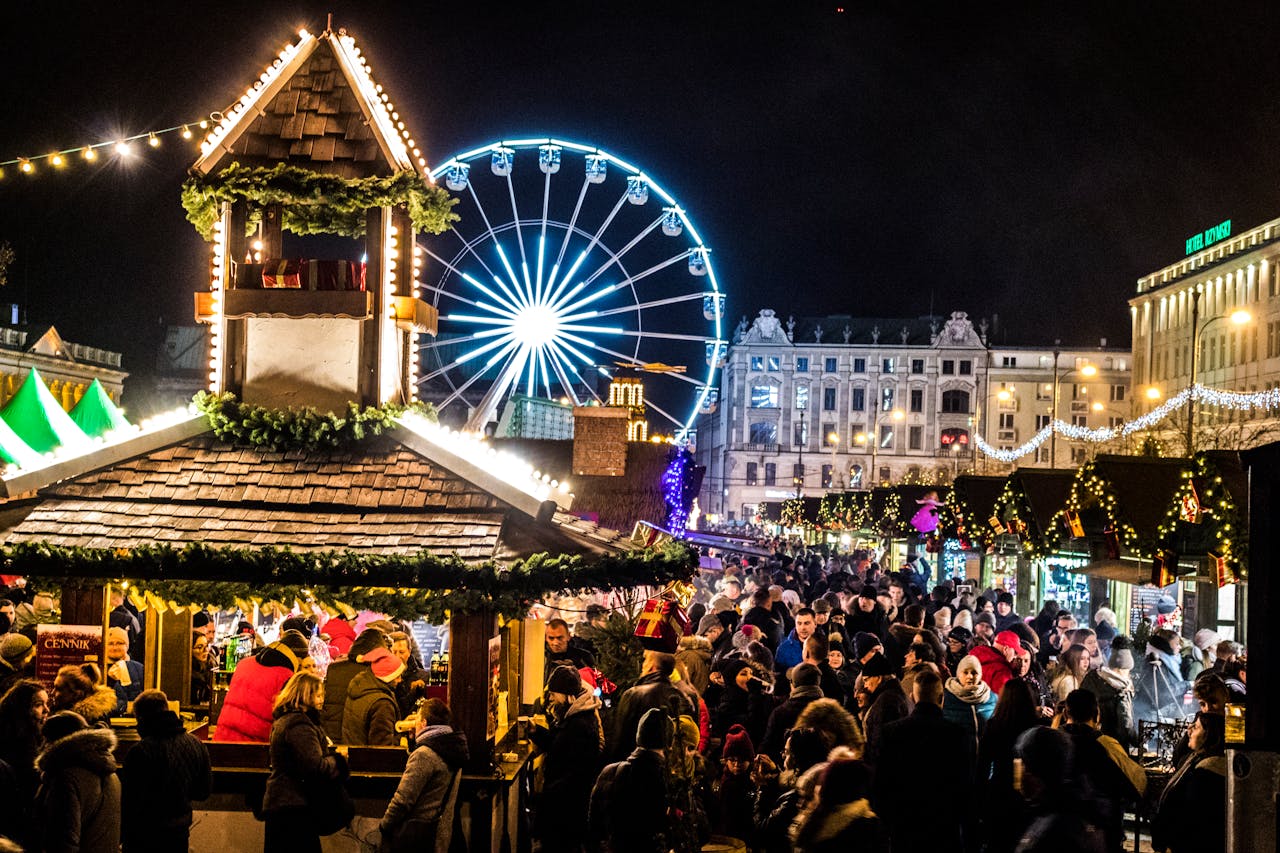
Christmas travel marketing often treats Dec. 25 as the universal peak, but the calendar tells a richer story. Across countries shaped by Orthodox liturgy, old village customs, and modern secular habits, the biggest moments land elsewhere. In some places, the anticipation builds through fasting, midnight services, and processions that arrive in early, bright January. In others, the real heart beats on Dec. 24, when tables fill, candles are lit, and gifts appear before anyone sleeps. And in a few countries where Christmas is mostly a mood, New Year rites carry the deeper family meaning. These traditions do not diminish the season. They widen it, stretching celebration across days that feel personal, local, and fiercely remembered.
Russia
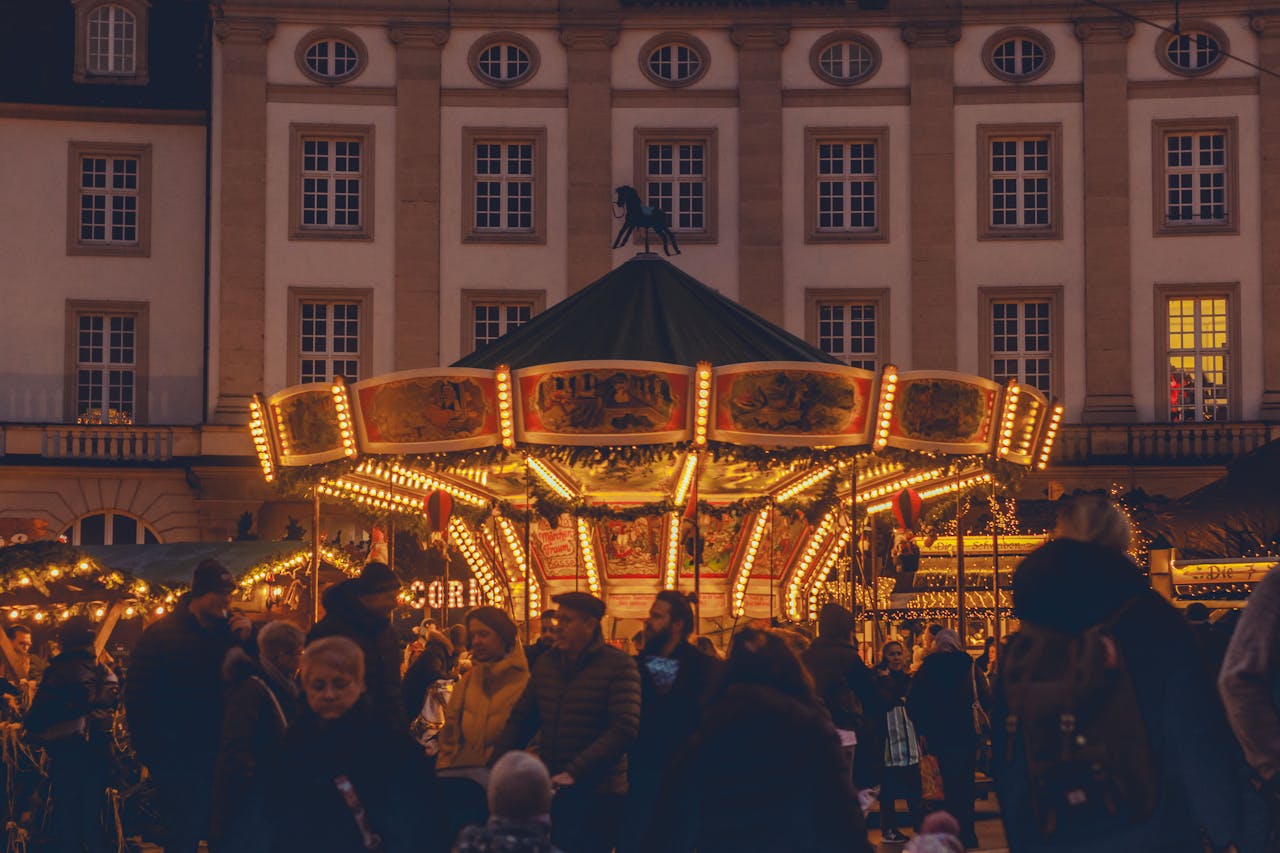
In Russia, the emotional crest comes in early January, when Orthodox Christmas lands on Jan. 7 rather than Dec. 25. Christmas Eve on Jan. 6 leans into candlelit services and a quieter, reverent pace, and Jan. 7 is treated as a national holiday, so daily life deliberately slows. Late December can feel like a warm-up, but after New Year the country pivots toward choirs in gilded churches, frosted streets, and long family meals; in many years, the public holiday stretch runs right through this week, leaving fewer errands and more time for visits, and letting the season linger into mid-January instead of ending overnight.
Georgia
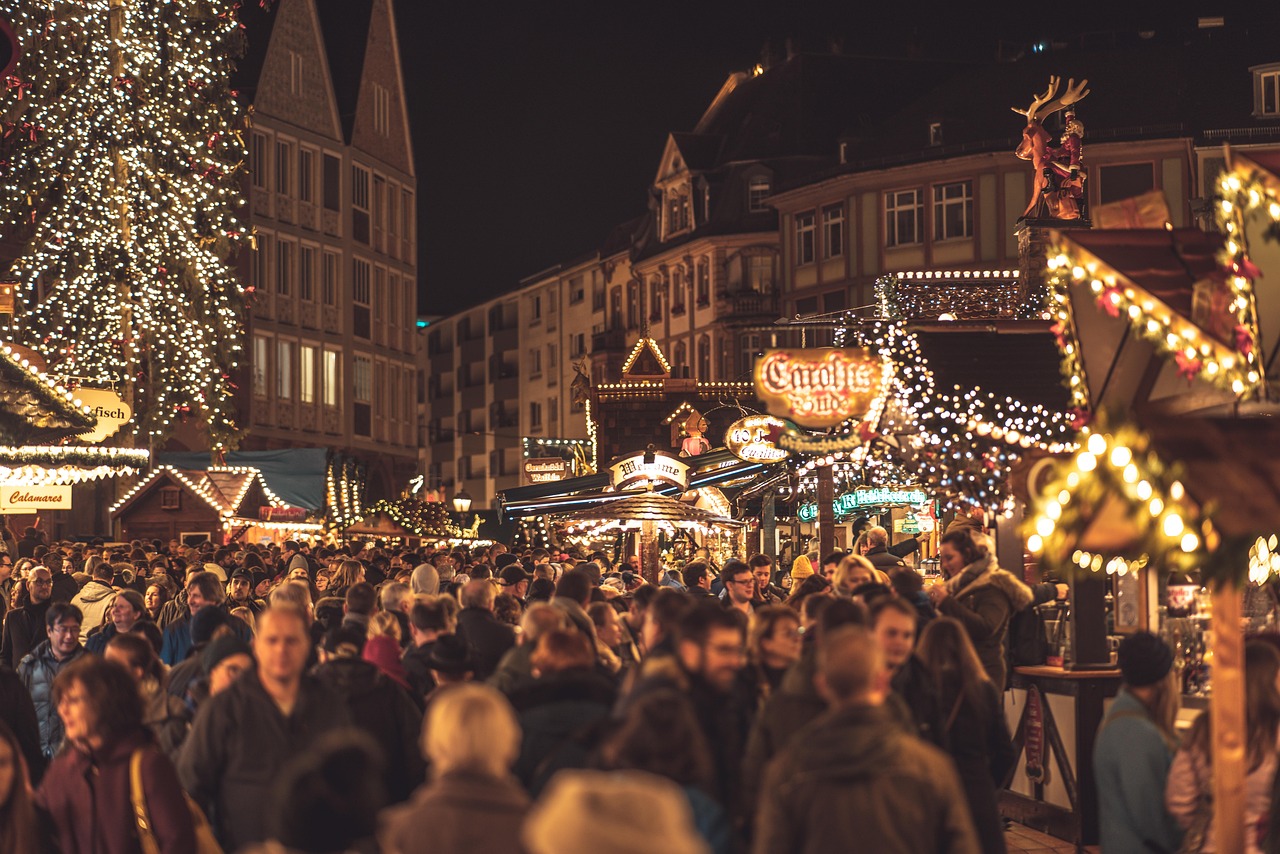
Georgia’s Christmas season peaks on Jan. 7, a date tied to the Georgian Orthodox Church’s old-calendar tradition and listed as a public holiday. Morning services and the Alilo procession, where people walk with icons and carols while collecting gifts for those in need, set a tone that is communal rather than commercial, and even big cities feel briefly village-close. Because the date arrives after New Year, the country gets a second wave of meaning: lights stop being decoration, travel slows, and the holiday feels freshly claimed, with homes lingering over meals long after midnight. Dec. 25 passes almost like a prologue.
Ethiopia
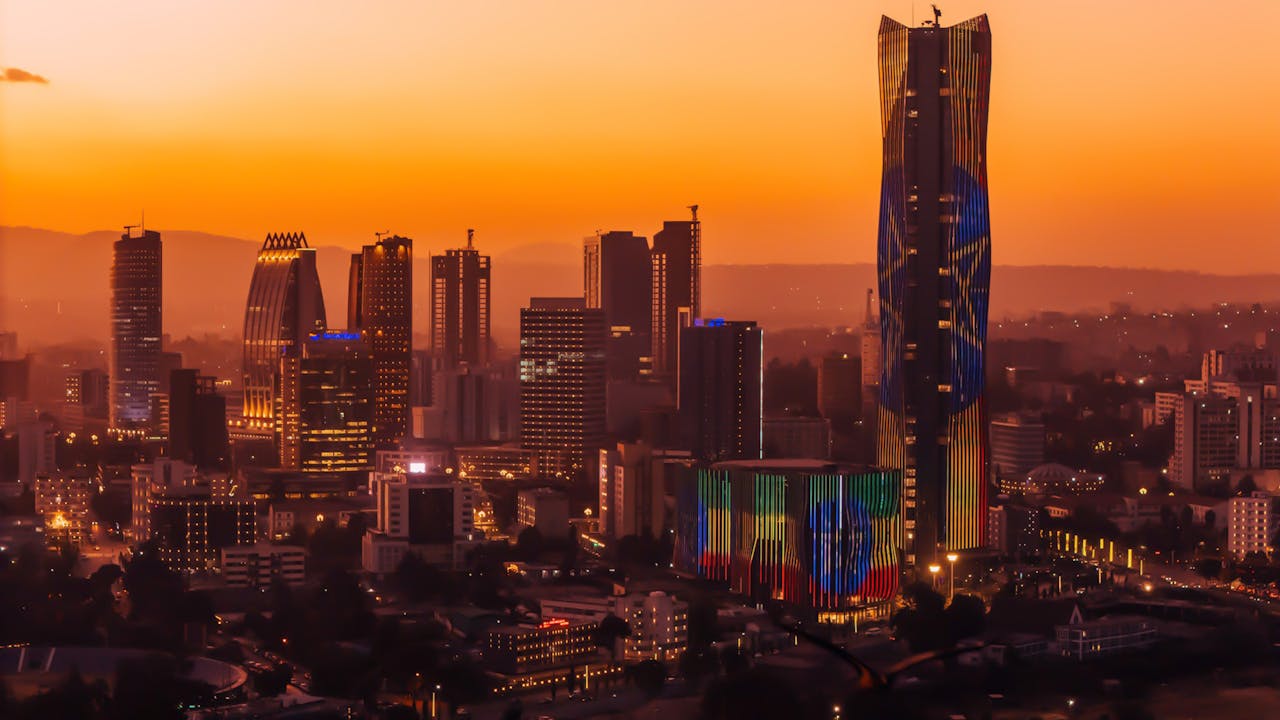
In Ethiopia, Christmas arrives on Jan. 7 as Gena, and in the Ethiopian Orthodox Tewahedo tradition the build-up can feel as meaningful as the day itself. Many observers follow a 40-day fast leading into the holiday, then gather for services that run through the night and break into dawn, when white garments, drums, and chanting make the morning feel luminous. Afterward, families shift into feasting and outdoor movement, and some places keep the name alive with a traditional game also called genna, so late December reads as preparation while early January delivers the true release. It is winter’s most unhurried celebration.
Spain
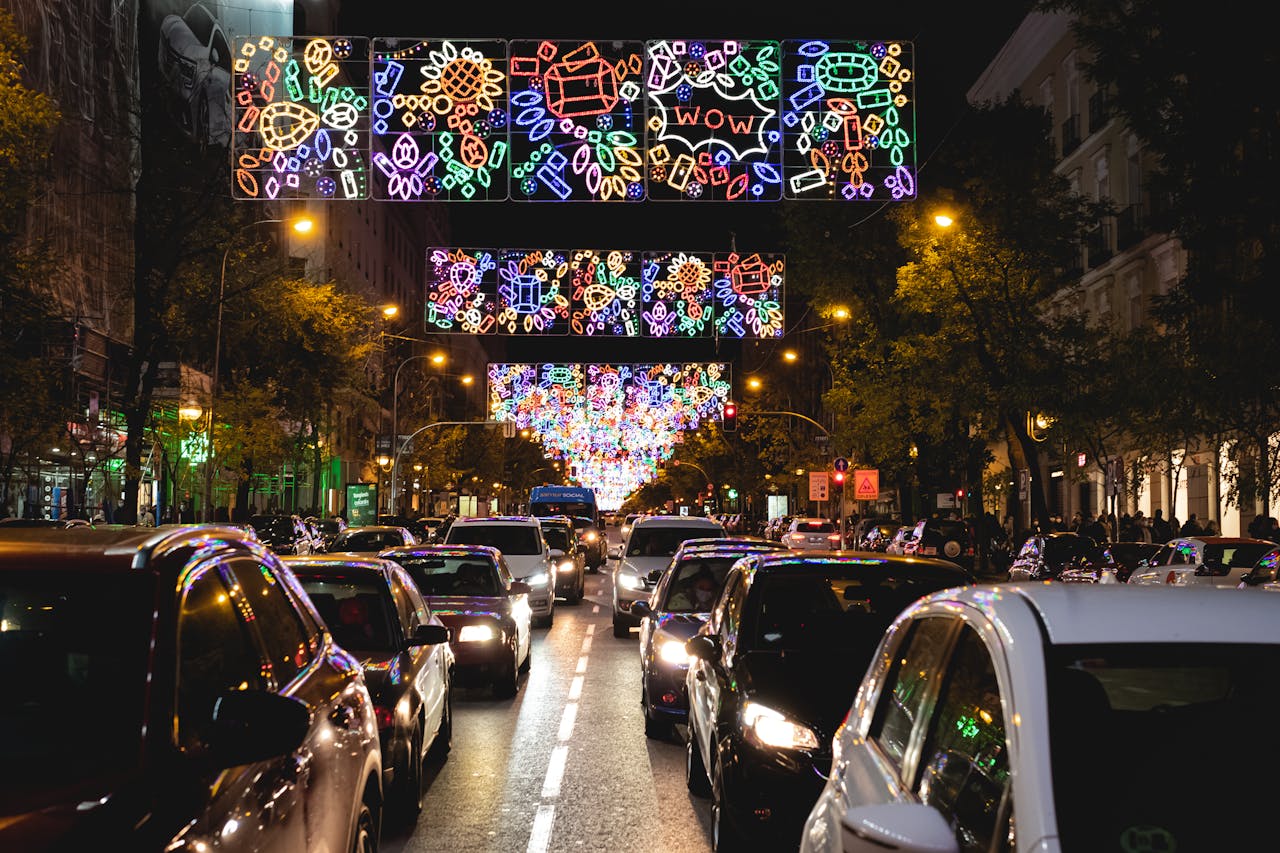
In Spain, the season’s loudest magic often saves itself for Jan. 6, Three Kings Day, when many children traditionally receive their gifts instead of treating Dec. 25 as the finale. On Jan. 5, the Cabalgata de Reyes parades roll through towns with floats, music, and showers of sweets, and children’s letters to Melchior, Gaspar, and Balthazar suddenly feel real in the cold night air. The morning that follows leans sweet and ceremonial, often with roscón de Reyes shared at breakfast, and the holiday’s emotional peak lands on Epiphany, where anticipation lasts longer and celebration feels shared by the whole bright street.
The Netherlands
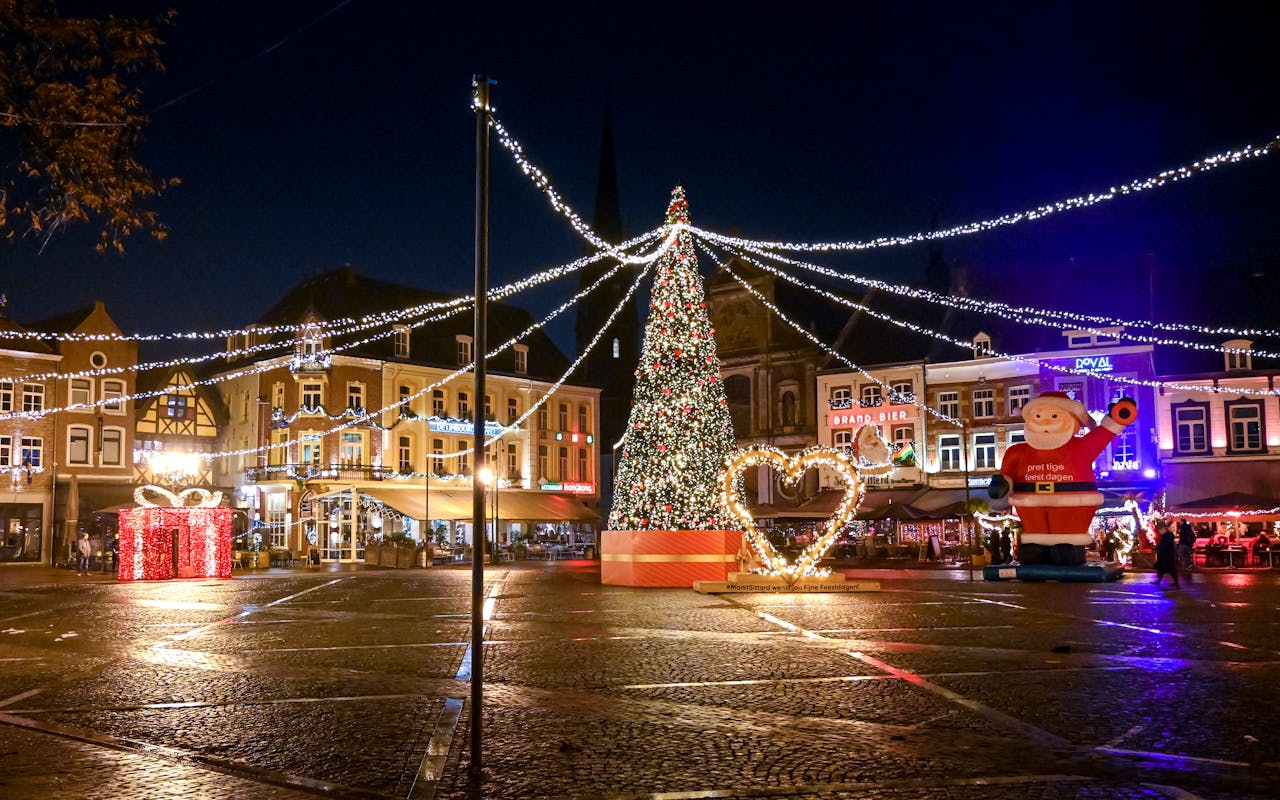
In the Netherlands, winter gift drama belongs to Sinterklaas, not Dec. 25. Pakjesavond on Dec. 5, Saint Nicholas’ Eve, turns living rooms into stages of rhyming poems, playful roasting, and piles of packages, and for many children it is the moment the whole season has been building toward since the saint’s arrival festivities began. By the time Christmas arrives, the energy shifts from spectacle to comfort: quieter churchgoing, long meals, and a notably calm Christmas Day, with fewer wrapping-paper explosions, as if the country already opened its best surprises weeks earlier. Dec. 25 feels like a soft landing afterward.
Sweden

In Sweden, Christmas is a Dec. 24 story. Families gather for Julafton, lay out a julbord smorgasbord, and exchange gifts while the country settles into a cozy hush long before midnight. For many households, the rhythm feels almost scripted: candles, company, and a living-room tradition of watching “Kalle Anka” before the evening turns toward dessert, wrapping paper, and slow conversations. Dec. 25 becomes the afterglow, more reflective than festive, because the real heart of the holiday was already spent on Christmas Eve, when winter felt briefly softened by togetherness. That timing surprises many first-timers, too.
Germany
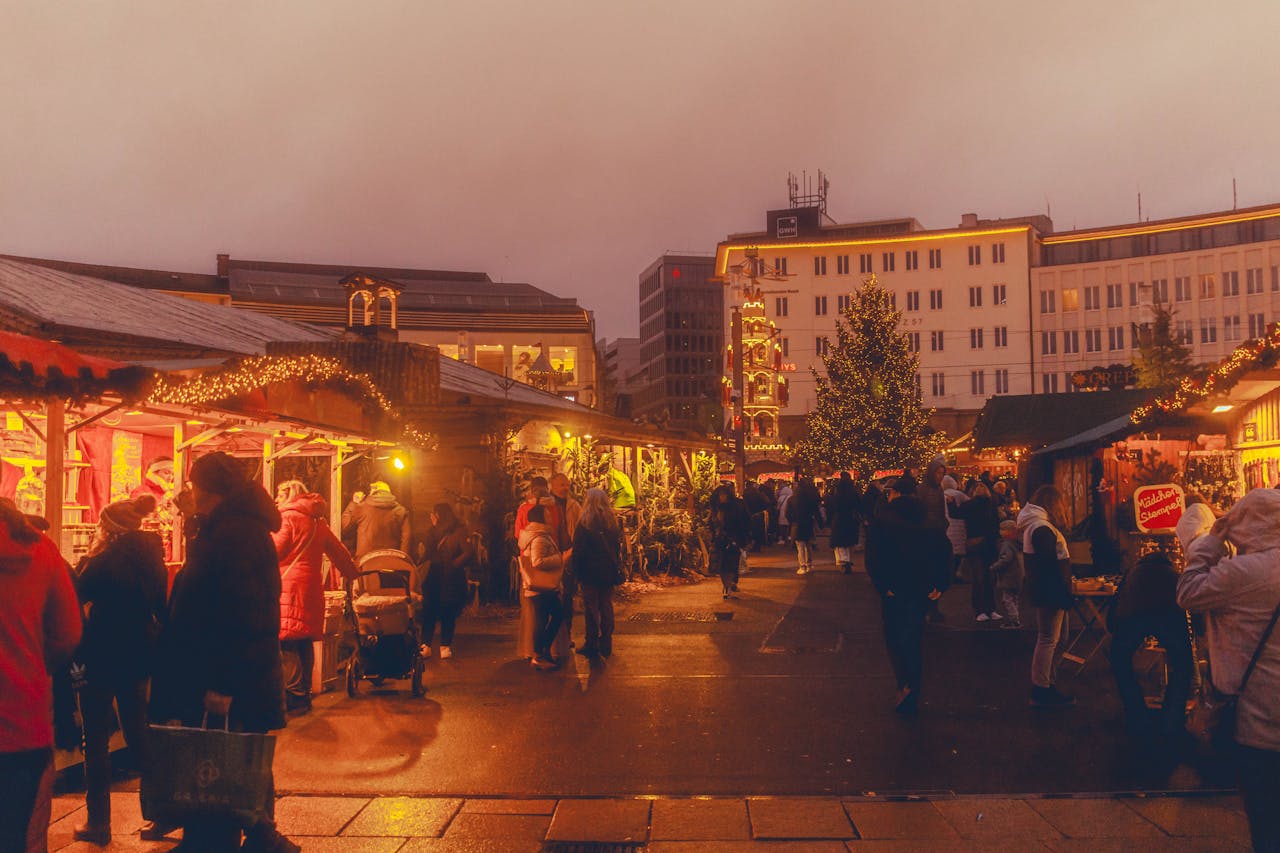
In Germany, the holiday heartbeat is Heiligabend, Dec. 24, when trees get trimmed, candles come out, and gifts are often exchanged that evening. The day can feel brisk and practical, with last errands and packed shops, and then it flips into something quieter: a simple supper, lights on the tree, the Bescherung moment of unwrapping, and the first real pause of the season. Dec. 25 and Dec. 26 remain public holidays for longer meals, churchgoing, and visiting, but the emotional charge belongs to the night before, making Dec. 25 feel less like a climax than a wide exhale into family time. Kitchens stay busy, and streets stay quiet.
Poland
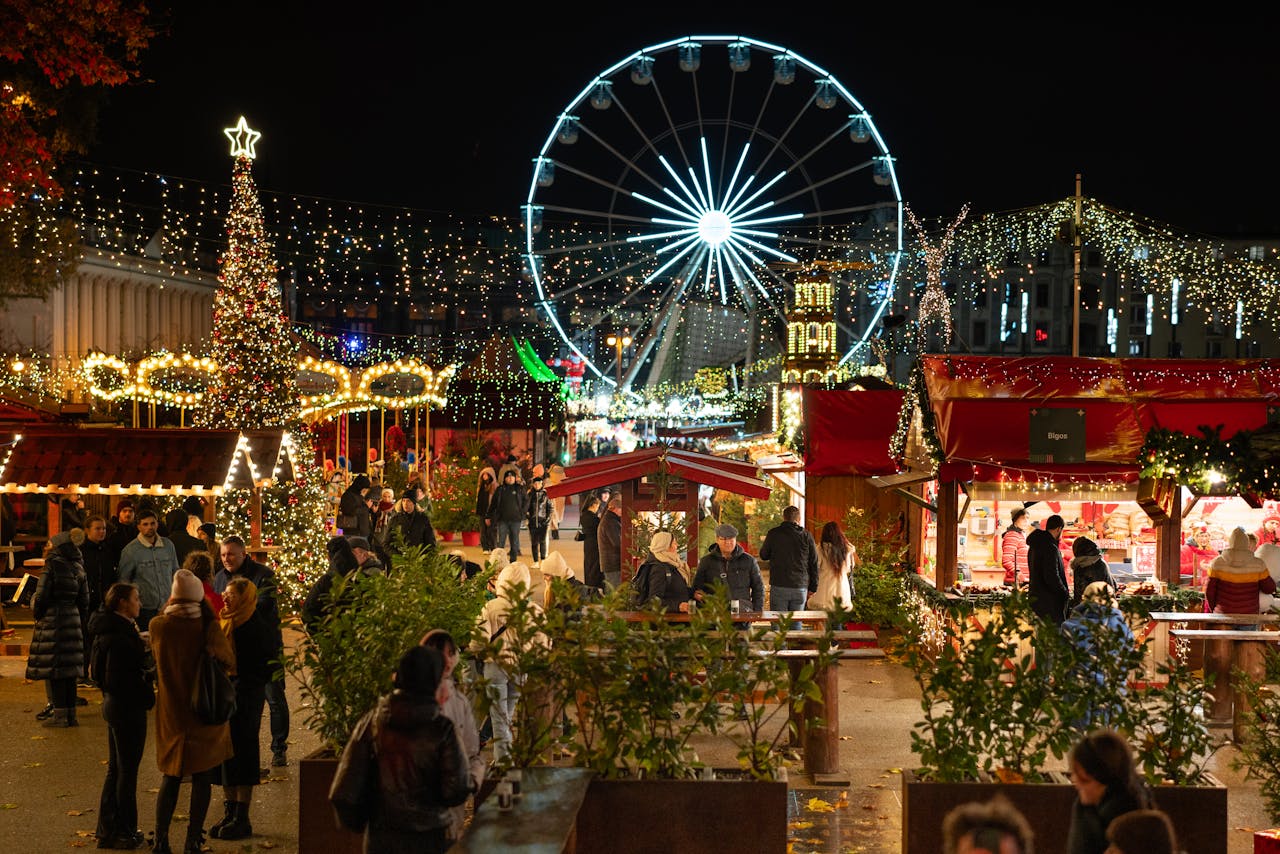
In Poland, Christmas begins with Wigilia on Dec. 24, and the evening carries a reverence that can feel almost theatrical. Supper traditionally starts after the first star appears, with opłatek wafer sharing, an extra place setting for a stranger, and even hay under the tablecloth, turning the meal into a living story about humility, memory, and welcome. Many families continue into Pasterka, the midnight Mass, so by the time Dec. 25 arrives the biggest emotional scene has already played, leaving the next day to unfold as a calmer continuation rather than the main event. Dec. 25 feels like the quiet epilogue for many homes.
Czechia
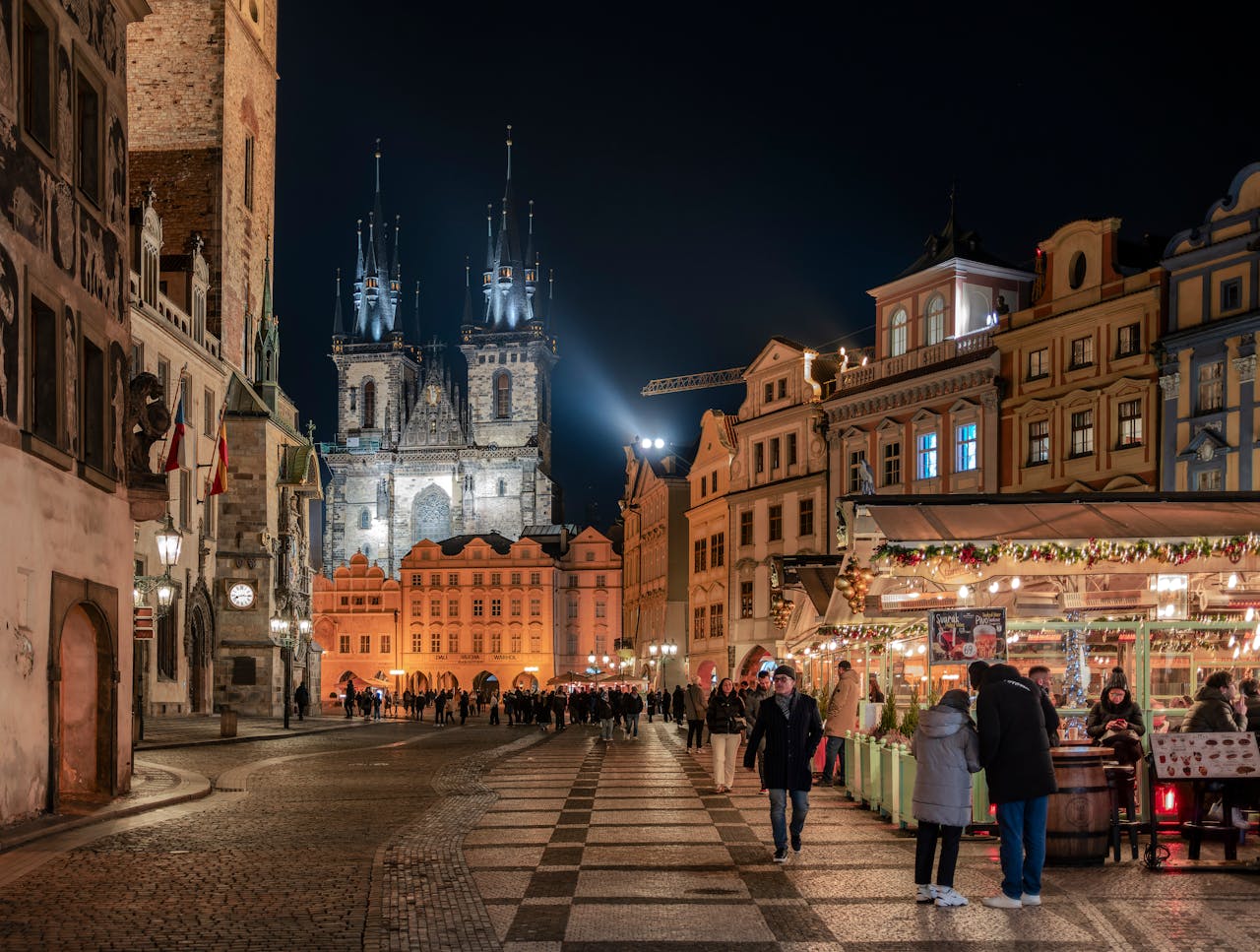
In Czechia, Dec. 24 is Štědrý den, the Generous Day, and it holds the season’s main reveal. Many families keep a daytime fast tied to folk belief, then break it with a festive dinner often featuring carp and potato salad, and afterward a bell rings to announce that Ježíšek, the Baby Jesus gift-bringer, has delivered the presents. Because the unwrapping happens on Christmas Eve, Dec. 25 arrives softer and slower, a day for visits and walks, while the suspense and warmth belong to the night before, when tradition still feels like a live performance. Even city streets quiet early, as families head home before dark, too.
Japan
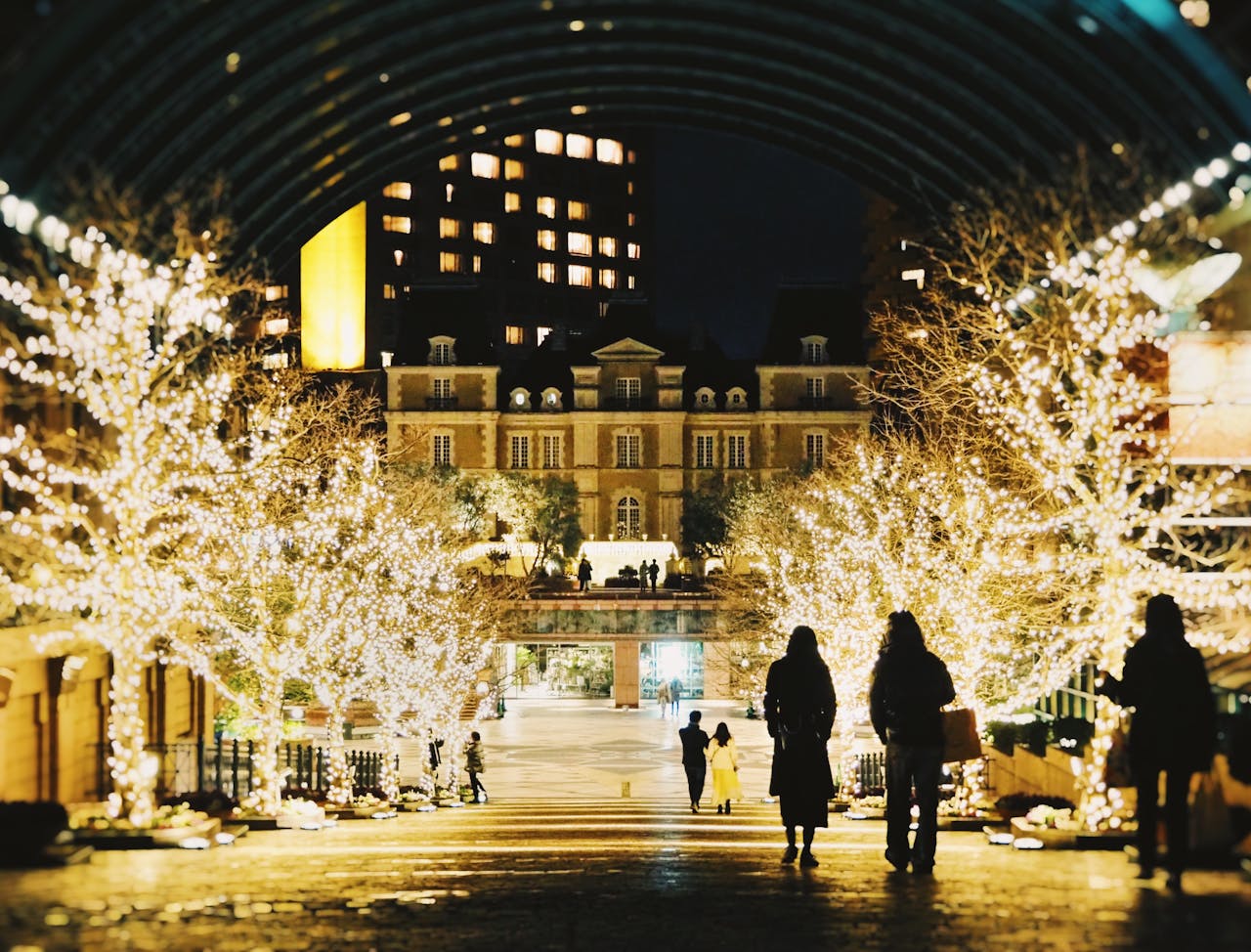
In Japan, Dec. 25 is more pop culture than holy day, and Christmas is not a national holiday. The date leans romantic and playful, with illuminations, strawberry shortcake, and the famous habit of reserving KFC meals, but the deeper family gravity belongs to Shōgatsu, the New Year period when many businesses close from Jan. 1 to Jan. 3 and relatives return home. Temples ring bells at midnight, homes set out auspicious foods, and greetings arrive timed for Jan. 1, so late December reads as a glittering prelude while early January carries the rituals treated as truly consequential. Dec. 25 simply borrows the sparkle.