
Traveling can feel easy until a familiar habit crosses an invisible cultural line. Some countries protect tradition, privacy, or public order with rules that may feel unexpected to outsiders, yet they make perfect sense to the people who live with them every day. What seems harmless at home can take on a different meaning in a new setting, and the consequences can be more serious than a polite warning. Understanding these customs offers more than safety; it opens a clearer window into how different communities shape everyday life.
Public Displays Of Affection In The UAE

In the United Arab Emirates, local expectations around modest behavior set a quieter tone for public spaces. Brief handholding is usually fine, but longer kisses or close embraces can draw attention from authorities, especially in crowded areas where families gather. Officials view these boundaries as part of maintaining comfort for everyone, not as an attempt to judge visitors. Travelers who notice how local couples move through plazas and malls often find it simple to match that rhythm and enjoy the country without awkward encounters or misunderstandings.
Wearing Camouflage In Certain Countries

In several Caribbean and West African nations, camouflage is reserved for the military, and wearing it casually can create confusion or suspicion. A traveler might see camo shorts as a fashion choice, but in places like Barbados or Ghana, the pattern signals authority and is protected by law. Police may confiscate the clothing or hold someone briefly while checking intentions. Leaving anything patterned like military gear at home becomes an easy way to avoid delays and show respect for a system designed to keep uniforms meaningful.
Photographing Sensitive Sites Or Strangers

Not every country treats photography as a casual hobby, and a quick snapshot can carry more weight than expected. Airports, government buildings, and military sites often sit under strict rules, and some regions also protect residents from being photographed without consent. What feels like curiosity to a traveler can feel intrusive to someone trying to live a normal day. A moment spent checking posted signs or asking a guide often prevents serious trouble and reminds visitors that a camera records more than scenery; it records people and their sense of safety.
Bringing Everyday Medicine Into Japan

Japan’s medication rules surprise many first-time visitors because they restrict items that feel perfectly ordinary elsewhere. Certain stimulants, decongestants, and prescription medications require advance approval or are not allowed at all. Customs officials take the regulations seriously, and a simple mistake can lead to long conversations that derail a trip. A traveler who checks approved items before packing often finds the process clearer than expected. That small bit of preparation keeps the journey focused on food stalls, trains, and quiet neighborhoods instead of paperwork.
Insulting The Monarchy Or Money In Thailand
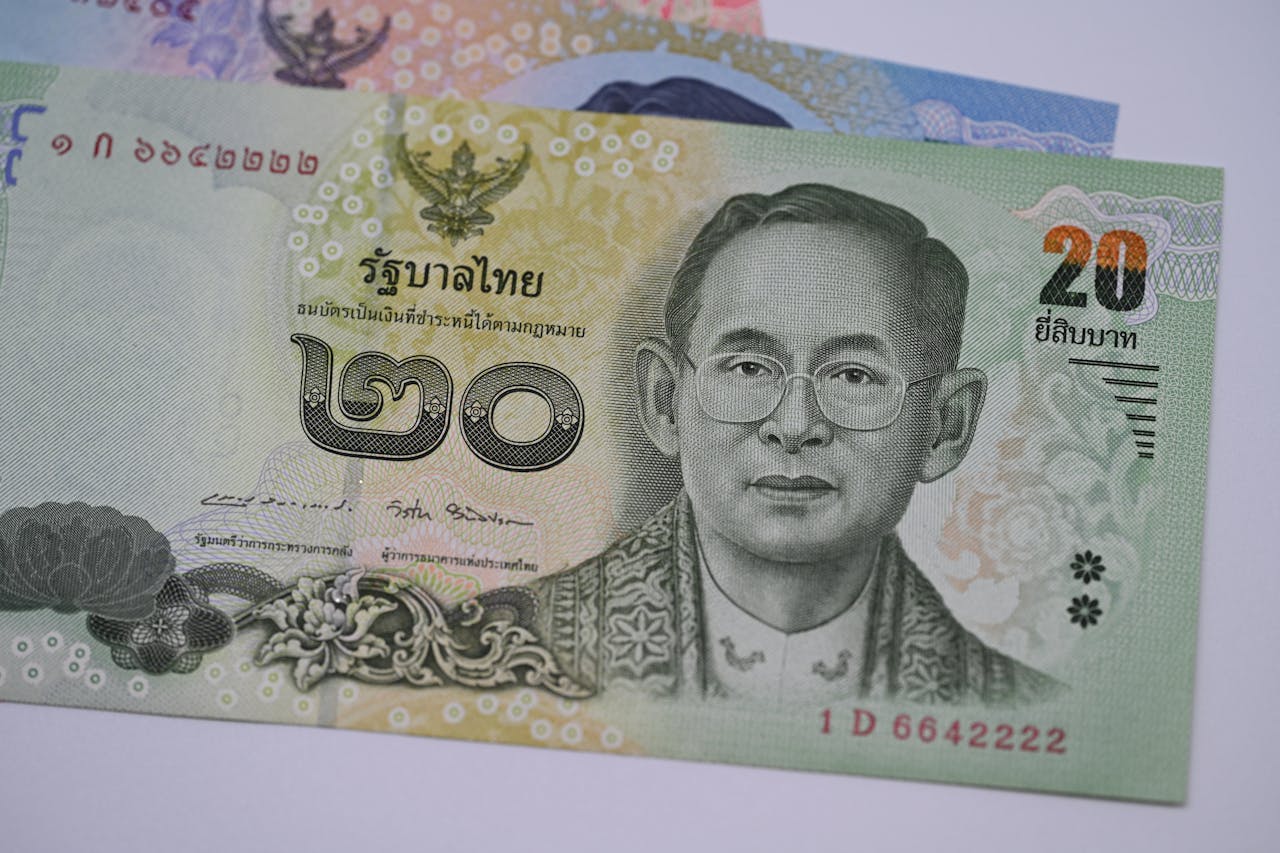
Thailand places deep cultural value on its monarchy, and the law reflects that respect in ways outsiders may not anticipate. A careless remark, a joking photo caption, or even stepping on a fallen banknote can cause problems because the king’s image appears on the currency. Most visitors never encounter these limits, yet they sit close to everyday life in markets, temples, and taxis. Noticing how locals speak and move around symbols of the monarchy helps travelers stay grounded and enjoy the country’s warmth without stepping into sensitive territory.
Chewing Gum Rules In Singapore

Singapore’s well-known gum restrictions grew from a desire to keep public spaces clean and public transportation running smoothly. While chewing gum quietly is not treated harshly, selling or importing it without permission can lead to serious penalties. Visitors often adjust quickly once they notice how spotless sidewalks and stations remain throughout the day. Choosing mints or local sweets instead keeps things simple and avoids uncomfortable conversations at customs. It also offers a small window into how much care the city puts into the shared world its residents move through.
Feeding Wildlife In Historic Cities

Some older cities have strict rules about feeding wildlife, often to protect architecture or manage overcrowded animal populations. Venice famously restricts feeding pigeons in its main squares because the birds can damage stonework and overwhelm public areas. What feels like a kind gesture to a traveler may conflict with years of conservation efforts. Observing the signs posted near plazas or waterfronts usually clarifies expectations within seconds. Respecting those boundaries helps keep historic spaces welcoming for future visitors and for the people who rely on them daily.
Alcohol And Public Behavior In The UAE

Alcohol is allowed in many parts of the United Arab Emirates, but only under specific conditions that may feel unfamiliar to guests. Drinking is limited to licensed venues, and being visibly drunk in public can lead to legal trouble even after stepping out of a hotel bar. Local officials emphasize public comfort and safety, and those expectations shape how nightlife unfolds. Staying aware of where alcohol is permitted makes the experience calmer and lets travelers focus on conversations, scenery, and the steady nighttime glow of the city.
Eating In Public During Ramadan

In several Muslim-majority countries, public life slows during Ramadan, and eating or drinking in public during daylight hours is discouraged or legally restricted. These rules aim to support the atmosphere of the month, not to pressure outsiders into participating. Travelers often adapt by enjoying quiet breakfasts indoors and joining locals for lively evening meals once the fast breaks. The shift creates a rhythm that feels distinctly different from regular travel days and offers a chance to experience a deeper sense of community.
Posting Online Under Strict Cyber Laws

Posting a quick complaint or sharp comment on social media can cause real complications in countries with strict cybercrime laws. Messages viewed as insulting, misleading, or damaging to someone’s reputation may fall under criminal codes instead of casual conversation. A traveler who pauses before writing often avoids problems and gains clarity about local expectations. Choosing steady, respectful language does not limit expression; it simply keeps digital interactions grounded. That small habit helps maintain a smooth trip and keeps attention on the world outside the screen.