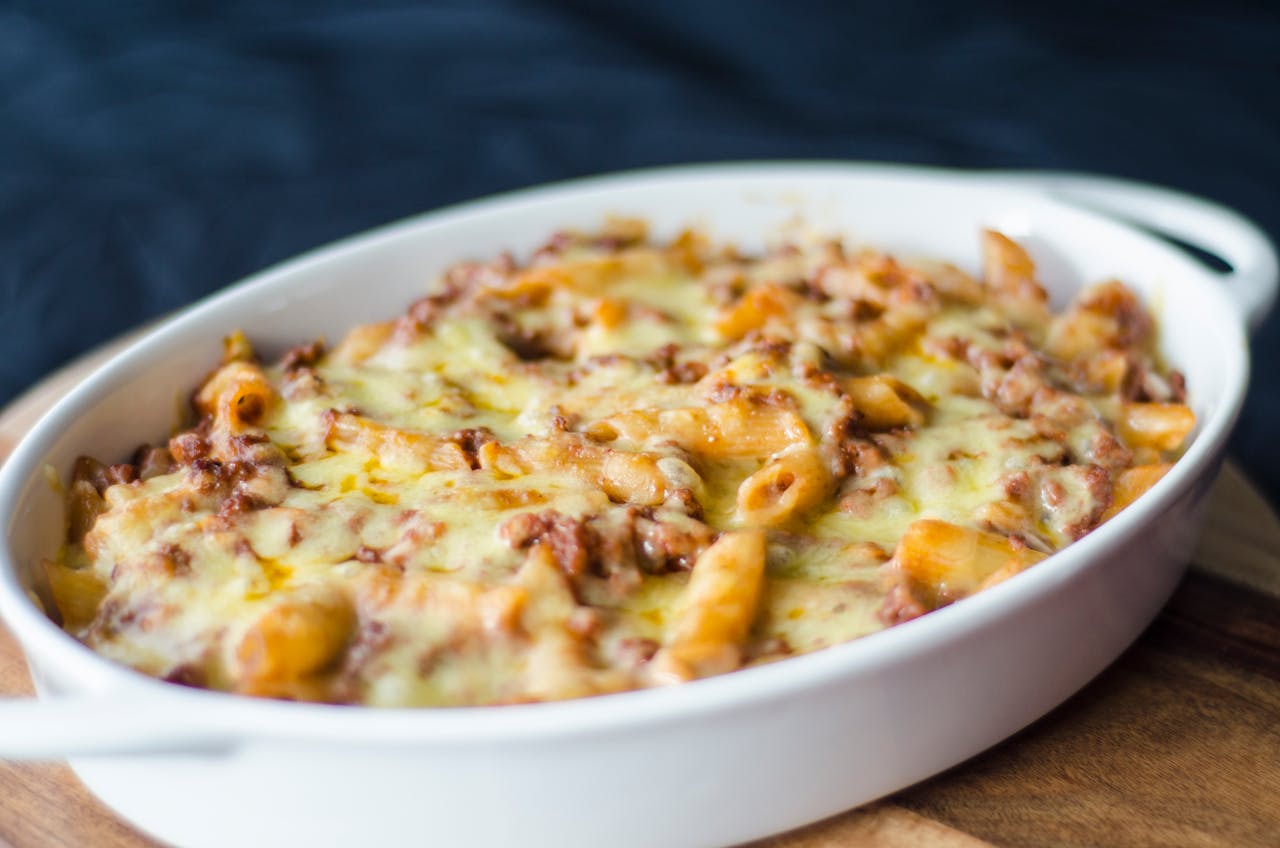
Nostalgia has a way of turning cafeteria trays and hospital pans into content gold. Feeds are crowded with retro square pizza, pudding salads, and lunchroom bars framed as comfort, thrift, and fun. Recipe pages keep resurfacing school-cafeteria favorites, and the posts travel fast because the memories are shared across generations. But institutional formulas were built for scale, holding time, and budgets, not for flavor balance, nutrition quality, or weeknight practicality in a home kitchen.
Cafeteria Rectangle Pizza
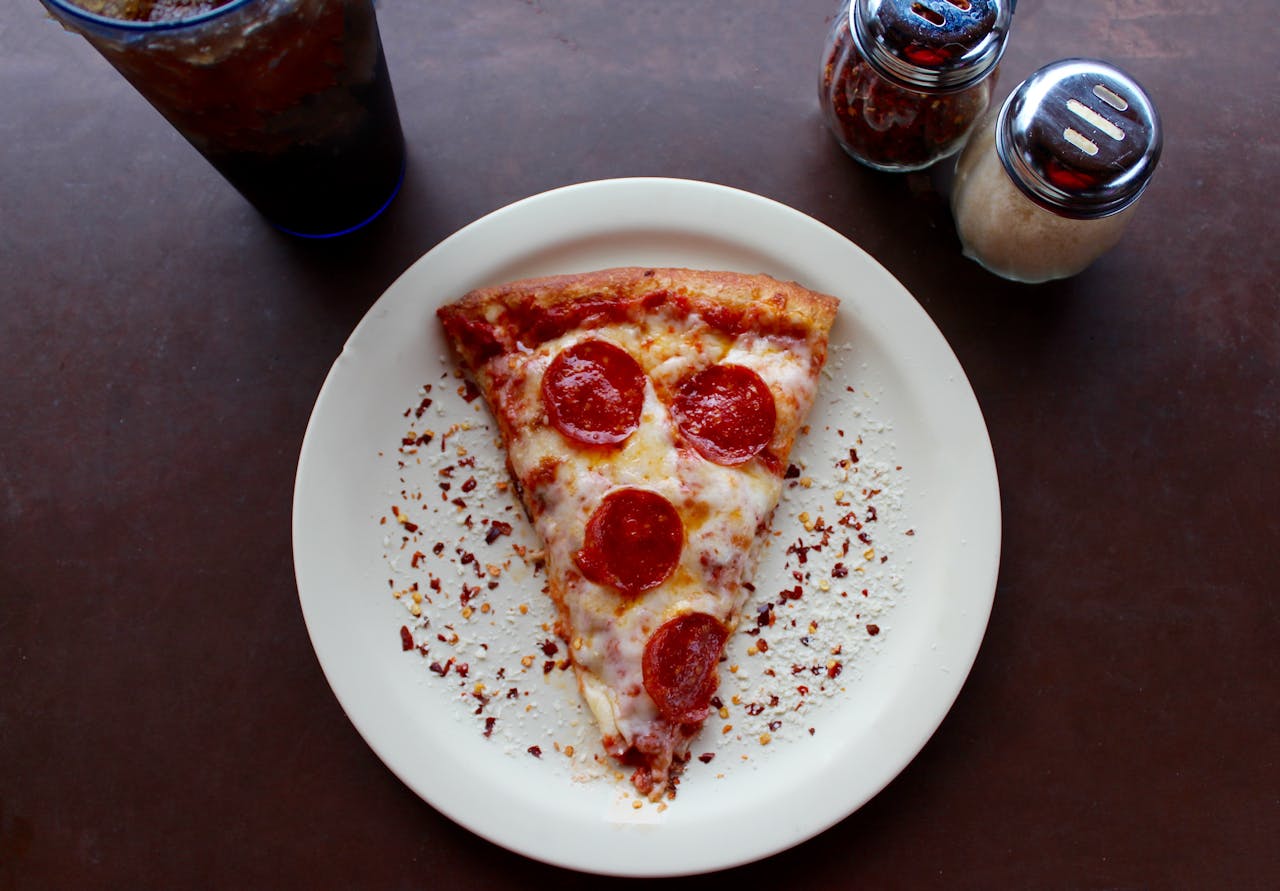
The iconic sheet-pan square came from a system built for volume. School-food operations rely on standardized recipes and large-yield production because consistency matters more than crust character when hundreds of servings must land on time. That design works on a steam line where durability wins and slices need to survive transport, heat holding, and quick service.
At home, the same approach can mean dense dough, heavy cheese, and more sodium than expected once sauce, processed toppings, and seasoning stack together. It looks familiar, but the texture and balance often disappoint after the nostalgia fades.
Lunch Lady Peanut Butter Bars
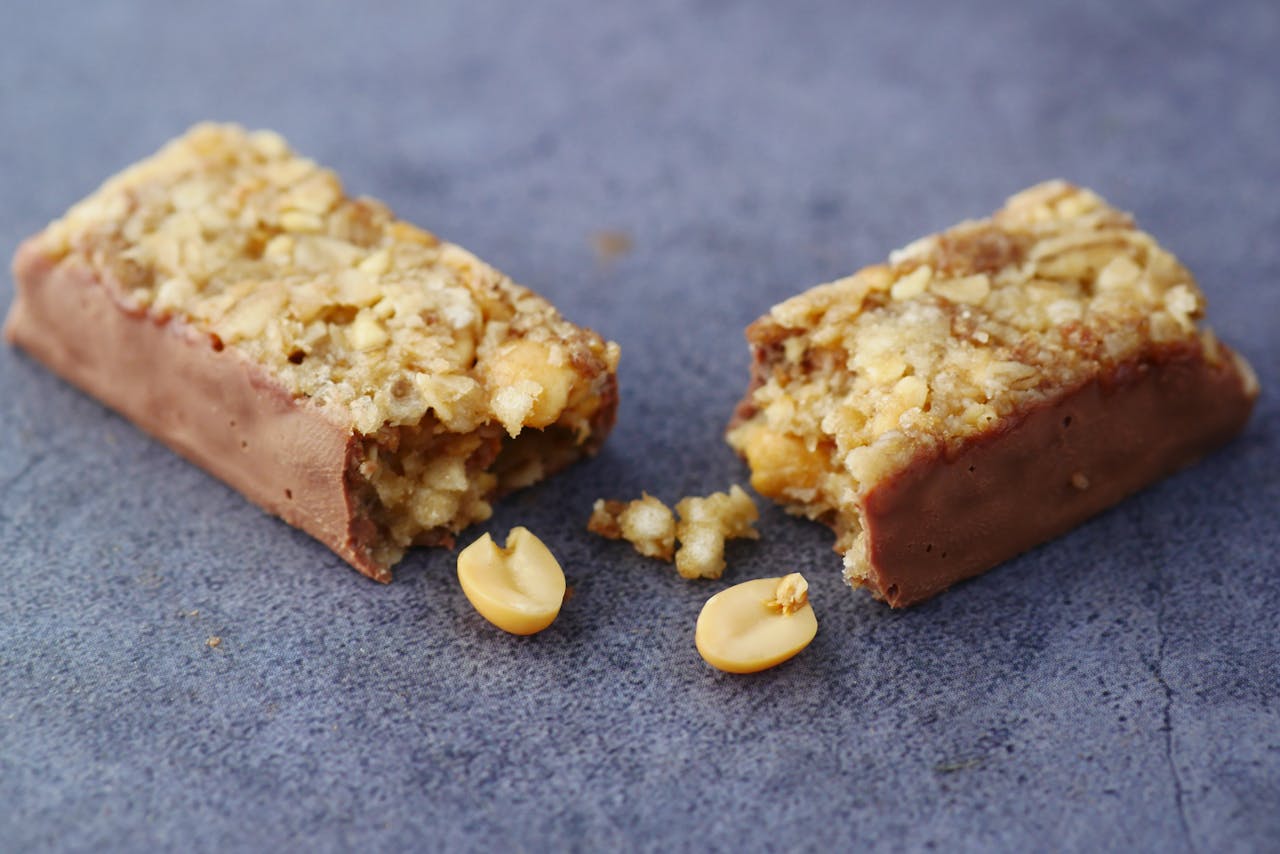
These bars dominate throwback feeds because they are easy, sweet, and instantly recognizable. Modern versions still mirror cafeteria logic: quick assembly, pantry ingredients, refrigeration to set, and clean slicing for a crowd. That structure is perfect for events and bake sales, where portioning speed matters and everyone expects a rich dessert.
At home, that same formula can overwhelm daily routines. Powdered sugar, peanut butter, butter, and chocolate create a dense treat that is easy to over-portion. What reads as harmless comfort online can quietly become a constant, high-calorie default in a small household.
Cream-Of-Soup Tuna Noodle Casserole
Institutional casseroles earned their place by being cheap, shelf-stable, and forgiving under pressure. Condensed soup plus noodles plus protein is a classic template because it scales fast and holds heat well. In a cafeteria context, that reliability is practical, especially when staffing is tight and timing windows are narrow.
In a home kitchen, the same template can load sodium quickly and flatten texture into one soft note. It feels economical at first, yet repeated use often crowds out fresher ingredients, brighter flavors, and better overall meal balance across the week.
Cafeteria Sloppy Joes
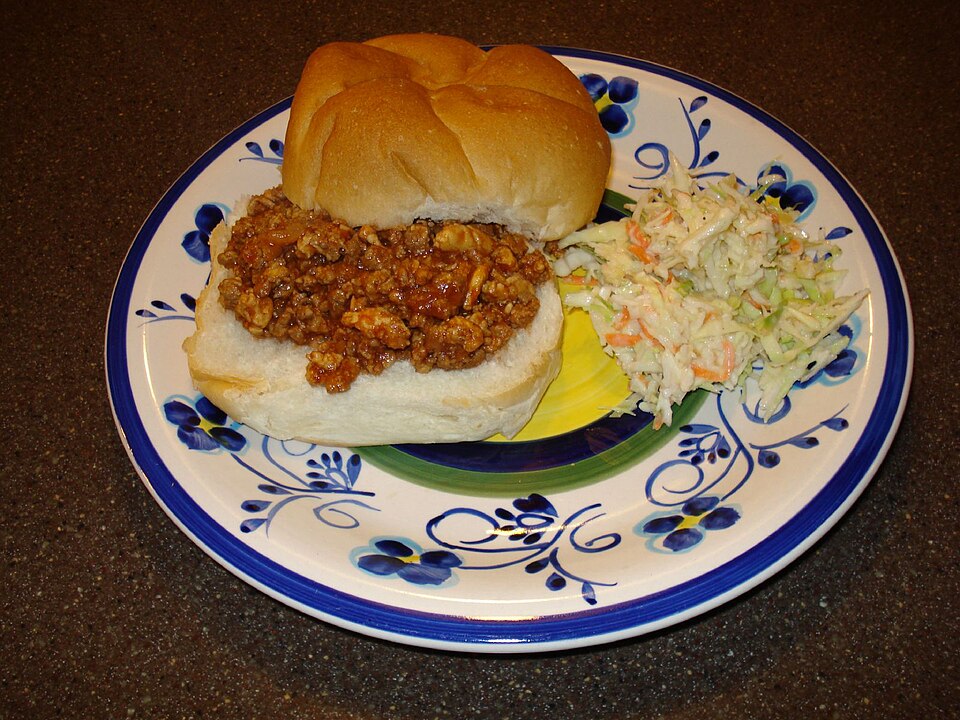
The old lunchroom version was never about craft sandwiches. It was engineered for speed, low cost, and simple holding: sweetened tomato base, seasoned ground meat, soft buns, and fast service. That model solved a real institutional problem, and it did the job for decades in public cafeterias with predictable results.
At home, copycat versions often drift sweeter and saltier than expected because sauce components pile up from ketchup, canned tomato products, and seasoning blends. The result can be filling but one-dimensional, with little contrast from vegetables, acidity, or texture.
Chipped Beef on Toast
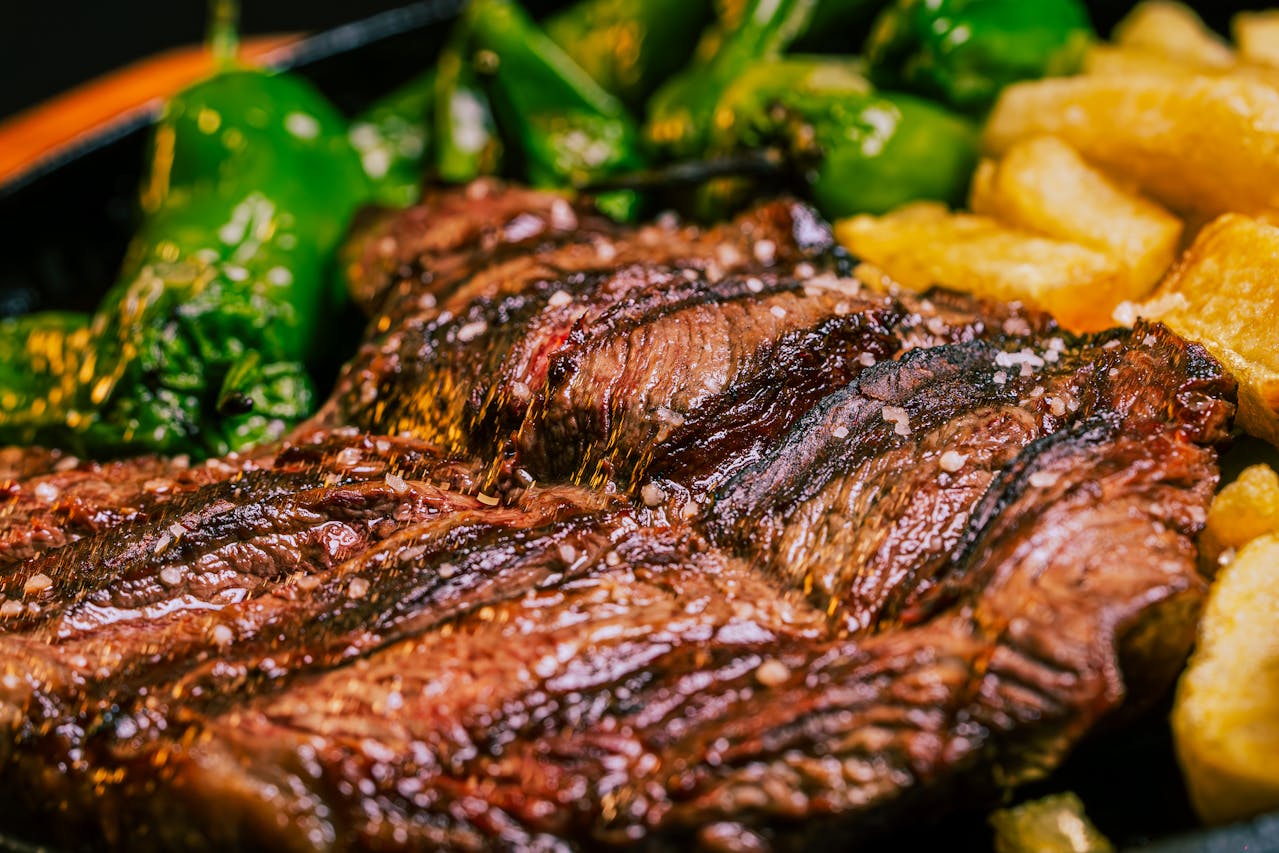
Known in military and institutional mess halls for economy and satiety, this plate relies on processed beef in a creamy white sauce over toast. It is efficient, warming, and easy to produce in bulk, which explains why it keeps resurfacing in throwback cooking videos and nostalgia threads.
The home issue is composition, not memory. Salty meat plus rich gravy can push the meal out of balance quickly, while fiber and produce remain minimal. As an occasional comfort plate, it can work. As a routine revival, it often feels heavier than remembered.
Funeral Potatoes in Full-Pan Form
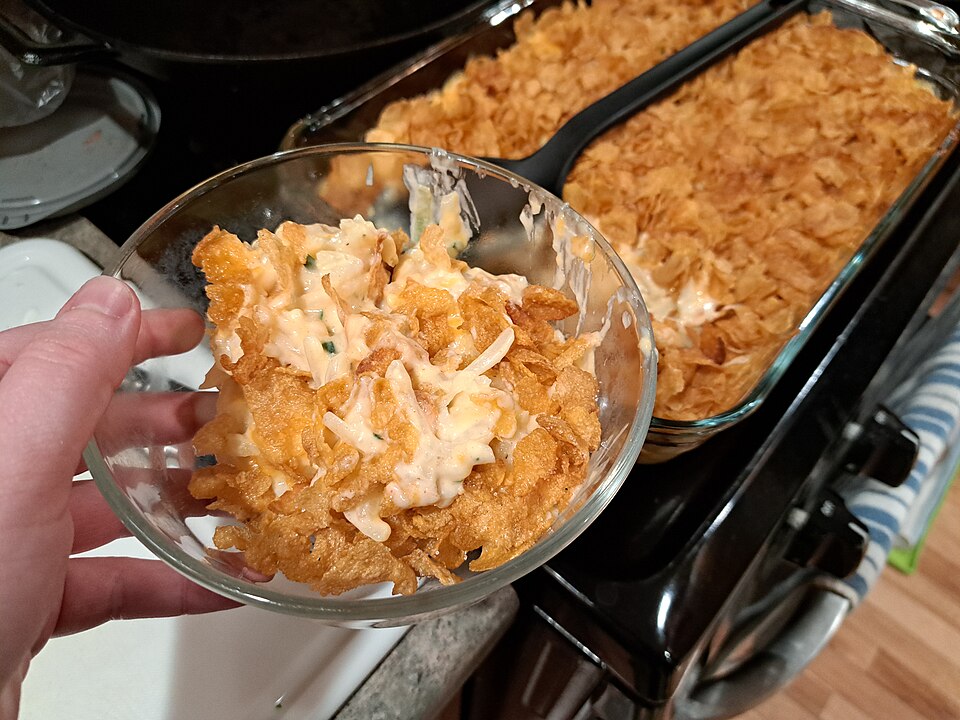
Born from church and community kitchens, this casserole was meant to feed many people with minimal fuss: frozen hash browns, condensed soup, sour cream, cheese, and a crunchy topping. It succeeds at exactly what it was designed to do, delivering comfort, convenience, and crowd appeal in one baking dish.
In a household setting, portion gravity becomes the problem. A full pan lingers, reheats repeatedly, and invites second servings because the texture stays indulgent even after storage. The dish is not the issue; frequency and batch size are what turn nostalgia into excess.
Gelatin Fruit Cocktail Salad
This classic came from an era when canned fruit, whipped toppings, and molded gelatin signaled modern convenience. In institutional dining, it was colorful, affordable, and easy to prep ahead, then portion neatly for service. On social feeds, that wobble still performs because it reads as playful and instantly recognizable.
At home, the payoff is mostly visual. Sweet mix-ins can push sugar up while satiety stays low, and texture can turn polarizing after a day in the fridge. It can belong at themed gatherings, but it rarely fits everyday meals.
Steam-Table Mac and Cheese
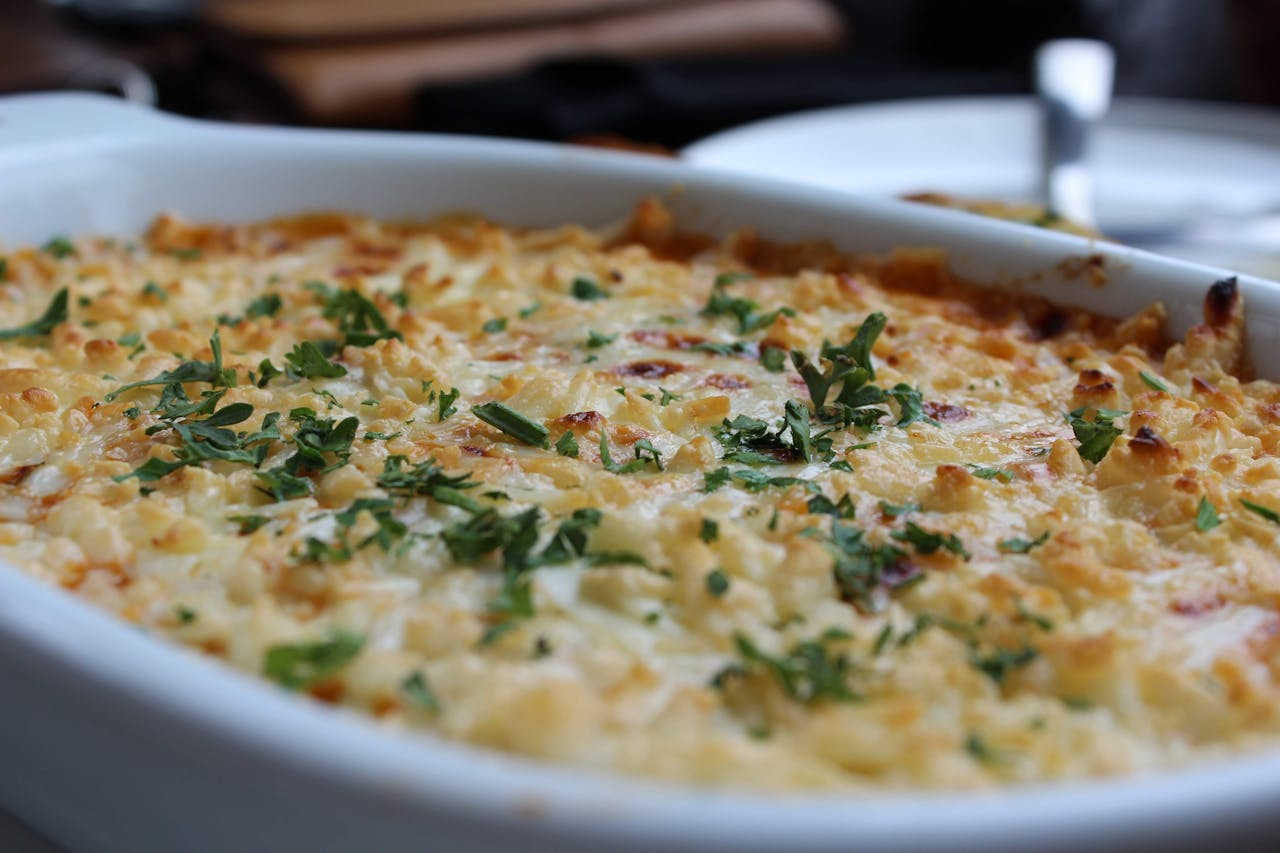
Institutional macaroni and cheese is built to survive heat holding. That usually means emulsified cheese products, starch-thickened sauces, and a structure that stays uniform under a lid. In service lines, that consistency prevents waste and keeps portions predictable from first tray to last.
At home, the same architecture can taste flat and heavy, especially when reheated. Salt, starch, and fat arrive in one concentrated wave, while brightness and contrast are limited unless vegetables or acidic elements are added with intention.
Instant Pudding Ambrosia Dessert Salad

Throwback ambrosia variants using instant pudding, canned fruit, marshmallows, and whipped topping were built for potlucks, not daily eating. They set quickly, travel well, and look abundant in clear bowls, which is why they keep reappearing in holiday reels and comment threads.
At home, they blur dessert and side dish in a way that encourages oversized portions. Sugar accumulates from multiple sweet components, and leftovers can linger longer than ideal quality windows. Familiar flavors can still be enjoyed, but moderation and context matter.