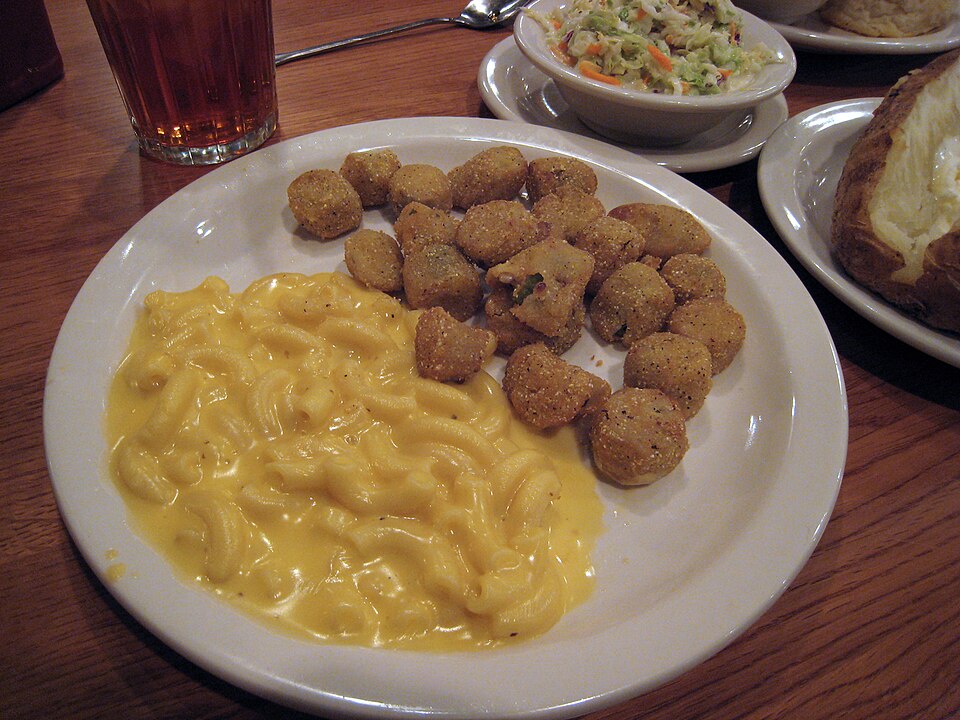
For years, Cracker Barrel lived in that cozy American lane between habit and nostalgia: porch rocking chairs, all-day breakfast, and the promise of a full plate after a long drive. For many regulars, that comfort started to fade. The change was gradual, not dramatic. It arrived through long waits, heavier bills, and menu choices that felt harder to justify over time. None of it erased the chain’s appeal for loyal fans, but for a growing group of former regulars, the balance tipped. What once felt easy began to feel like work, especially on weekends and holidays, and that emotional shift mattered as much as the food.
Unpredictable Seating Waits
The first friction point was simple: getting seated. Because the chain generally uses a walk-in system instead of standard reservations, parties often queue at the host stand with no timeline. On ordinary days, waits of about 15 to 20 minutes are common, and weekend stretches can run longer, especially when larger groups arrive at once and in peak travel seasons.
For diners who came hungry on purpose, that delay changed the mood before food even reached the table. A meal meant to feel comforting started with uncertainty, and that gap between expectation and reality became one of the clearest reasons some regulars reduced visits.
The Gift-Shop Waiting Pattern Feels Less Charming
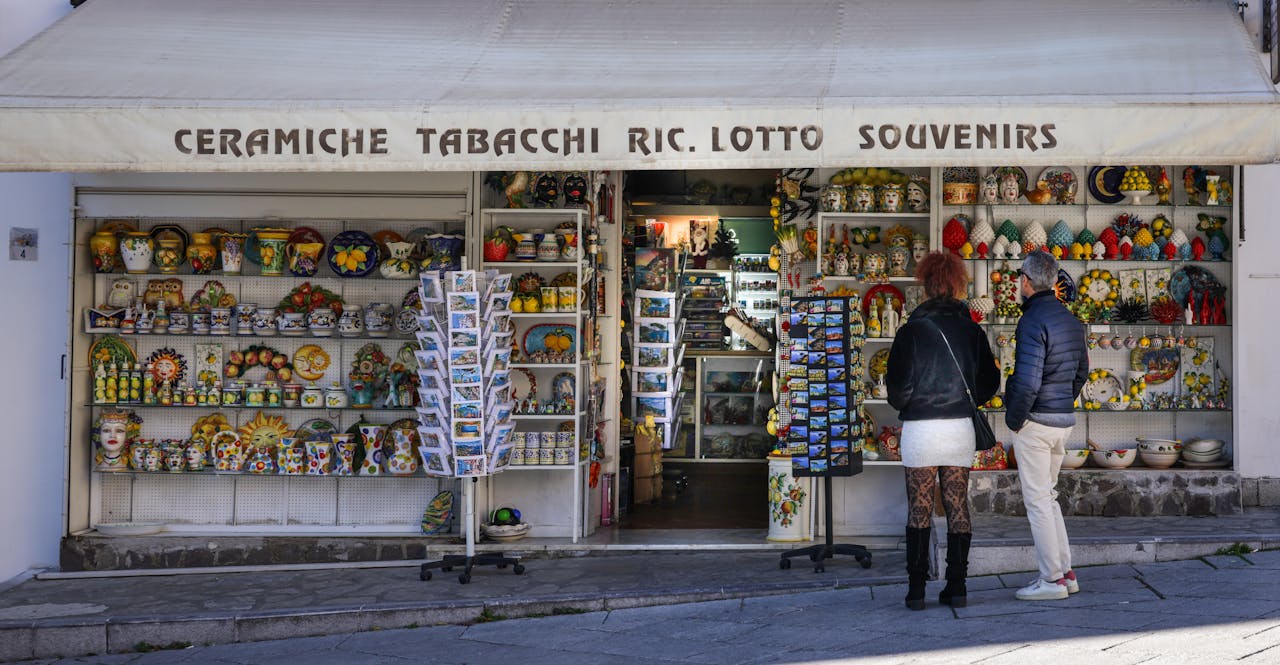
The waiting area itself became a second complaint. Instead of a neutral lounge, guests are funneled through a retail space stacked with candy, toys, seasonal decor, and impulse items. For some families, browsing feels nostalgic. For others, it feels like being asked to shop while still waiting for a delayed meal.
That setup can sharpen hunger and raise stress, especially with children eyeing treats before dinner. What started as a charming country-store touch now reads differently to some former regulars: less like hospitality, more like another spending checkpoint before the first biscuit arrives, especially when the wait grows.
Check Totals Climb Faster Than Expected
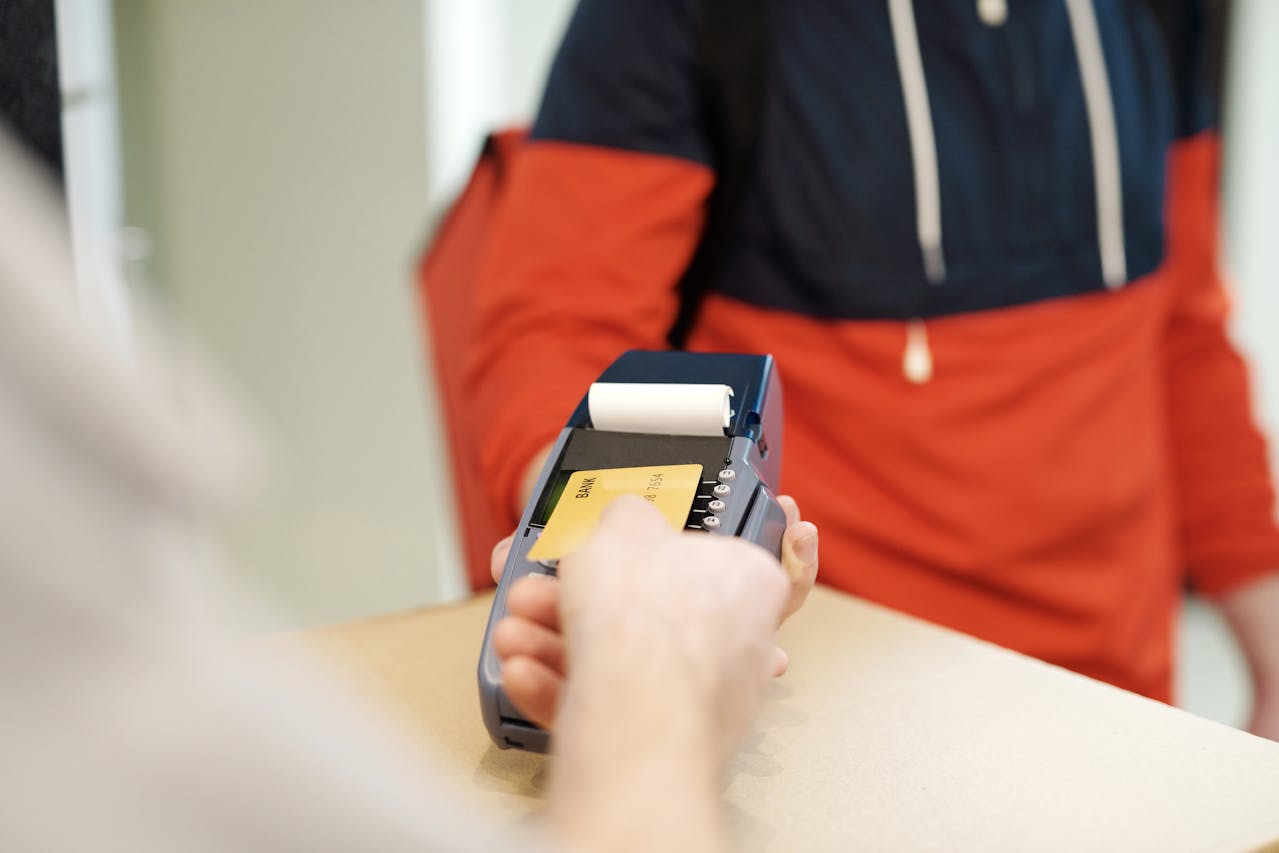
Price shock is another recurring reason people stepped back. The menu still delivers classic comfort dishes, but totals can climb quickly once drinks, add-ons, and extras hit the ticket. Many diners say the meal feels satisfying in the moment, then noticeably less satisfying when the check lands at the end of service.
Company leadership acknowledged traffic pressure in 2023, pointing to inflation and broad restaurant cost increases as key headwinds. For budget-conscious households, that context matched lived experience: visits that once felt routine started feeling occasional, then rare, as value became harder to defend.
Controversies Have Weighed on Trust
Reputation became another fault line. Over time, Cracker Barrel faced controversies and lawsuits, including allegations tied to discrimination and pay practices. Some matters ended in out-of-court settlements, others with disputed claims, yet repeated headlines shaped public perception. Complaints around a beverage incident and 2021 wage concerns kept scrutiny visible.
For some former regulars, the issue was cumulative, not singular. Even when details were contested, negative chatter created a trust gap that food alone could not close. In restaurants, confidence travels with appetite, and once confidence weakens, routines break.
Similar Meals Exist at Better Price Points
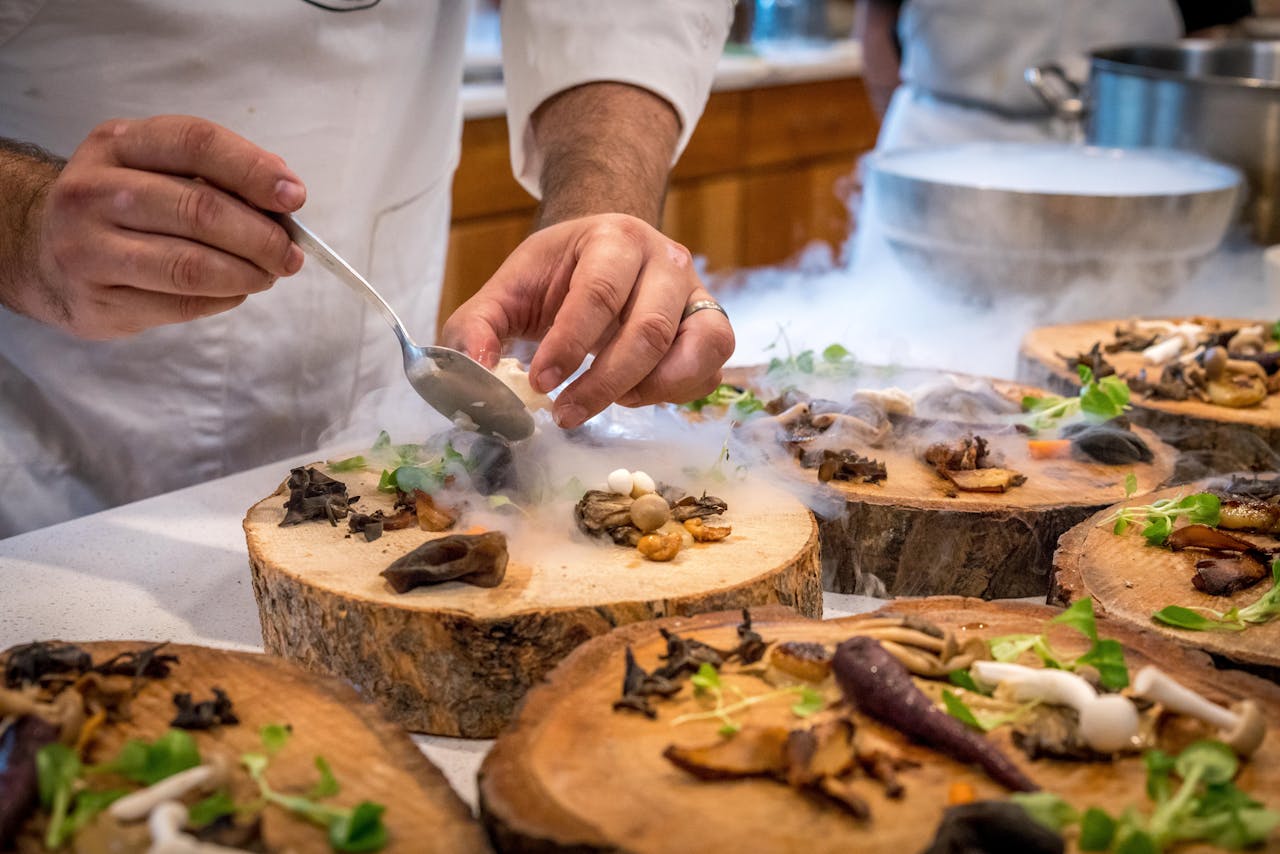
Another shift happened outside the brand itself: competition got harder to ignore. Diners looking for pancakes, steak plates, burgers, or family menus found plenty of substitutes at similar chains and local spots. When comparable comfort food appears nearby at lower prices, loyalty starts to loosen.
That is why some former regulars did not quit dining out; they simply redistributed where they went. Breakfast moved to budget diners, weeknight entrées moved to neighborhood grills, and large-group meals moved to chains with aggressive specials. Cracker Barrel did not disappear from consideration, but it stopped being the default.
Calorie Loads Make Frequent Visits Harder
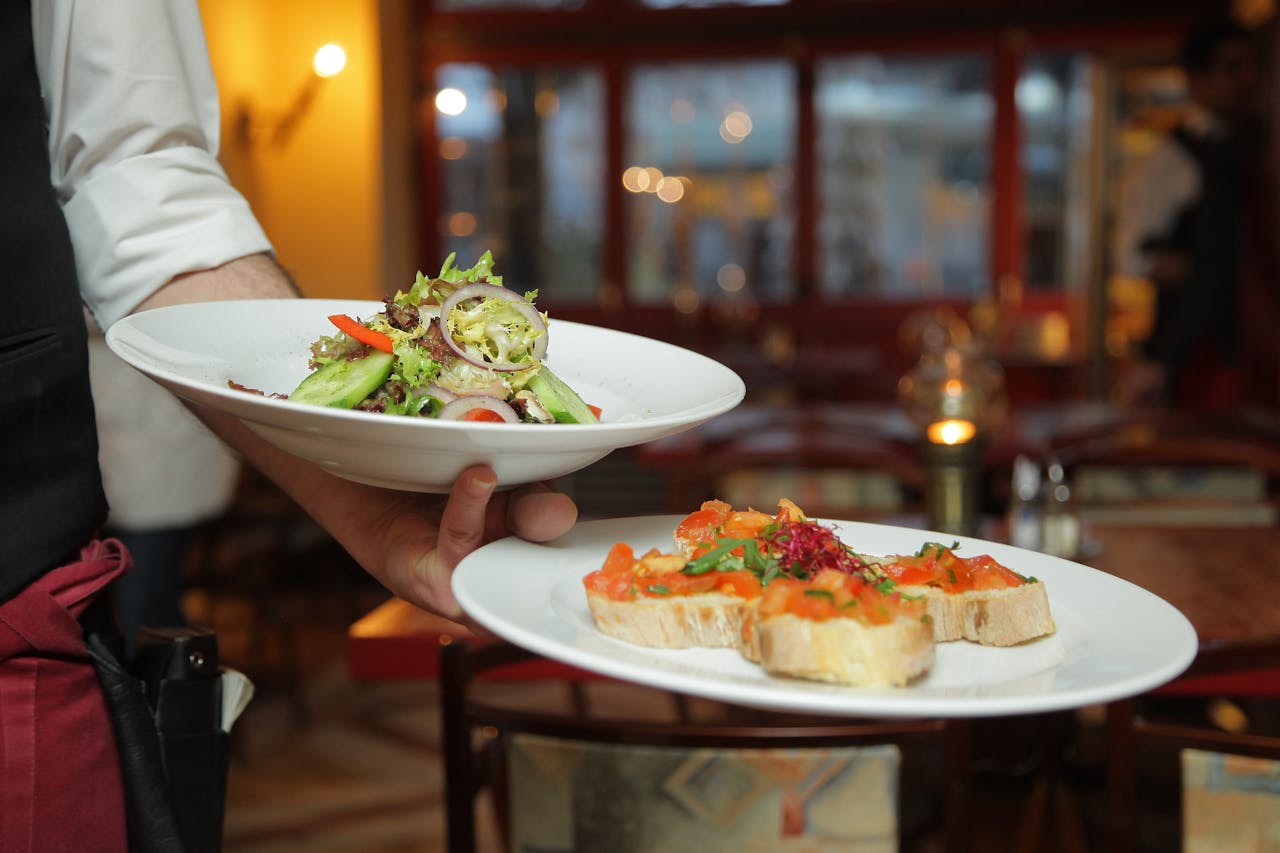
Health math became harder to overlook. Former fans who began tracking nutrition noticed that several popular entrées can consume a huge share of a day’s calories in a single sitting. The Sunday Homestyle Chicken with French Toast is often cited around 1,500 calories, and other comfort-heavy plates can cross 1,000.
For adults aiming to stay within common daily targets, that density changes how often the brand fits into a routine. Even satisfied diners started saving visits for occasional treats rather than regular stops, especially when lighter choices elsewhere were easier to find and easier to budget into everyday life.
Sodium Counts Push Some Diners Away
Sodium pushed some diners even further away. Nutrition guides commonly recommend keeping daily sodium around 2,300 mg, yet several well-loved menu items approach that threshold on their own. The Sunday Homestyle Chicken with French Toast is listed near 2,190 mg, and chicken pot pie has been cited around 2,740 mg.
For guests monitoring blood pressure or swelling, numbers like that turn comfort food into a planning problem. Even people without strict medical limits began rethinking frequency, not because the flavors changed, but because the after-effects and nutrition tradeoffs no longer felt worth the nostalgia hit overall.