Lunch in midcentury America became a stage for optimism, convenience, and culinary showmanship. As school cafeterias expanded and postwar kitchens embraced canned goods, mayo, and molded shortcuts, weekday meals leaned hard into speed and visual charm over balance and texture. Neat plating often stood in for flavor complexity.
By the 1950s, that same spirit produced playful mashups that looked delightful on a plate but often landed as a mismatch of salt, sweetness, and softness. These remixes revisit that era with clear eyes, tracing why cute ideas endured in memory even when the bite felt oddly disappointing unfinished.
Pineapple Cheese Crown Cups
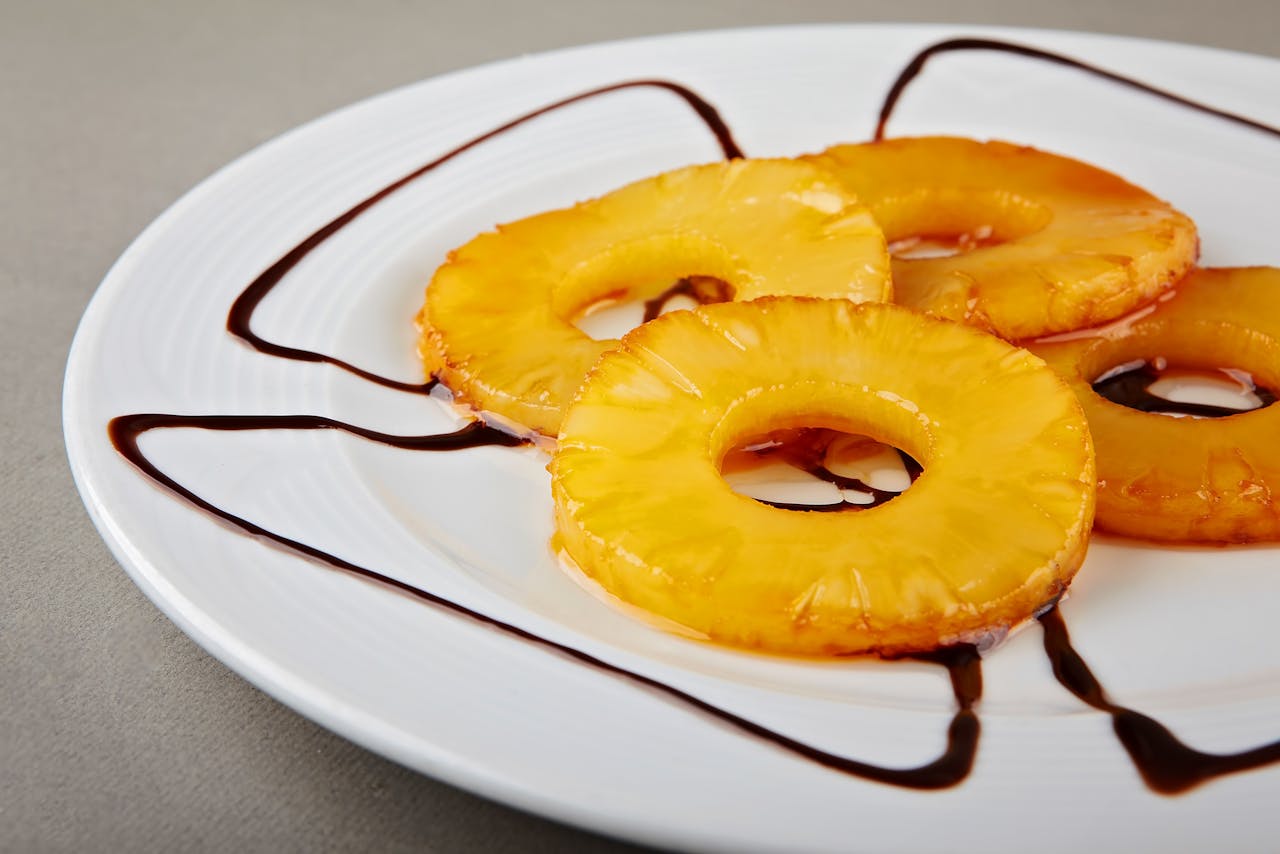
A pineapple ring, a mound of shredded cheddar, and a maraschino cherry once read as bright and celebratory, especially at school functions and church socials. The color contrast still photographs beautifully, which explains why the combo keeps returning in retro feeds and themed potlucks. It promises sunshine before the first bite lands.
Flavor is where confidence fades. Syrupy fruit, dry cheddar strands, and cherry sweetness tug in opposite directions, creating a bite that tastes confused rather than nostalgic. Better balance comes from fresh pineapple, aged cheddar, and a pinch of chili salt, not a spoonful of canned syrup.
Peanut Butter Mayo Tea Triangles
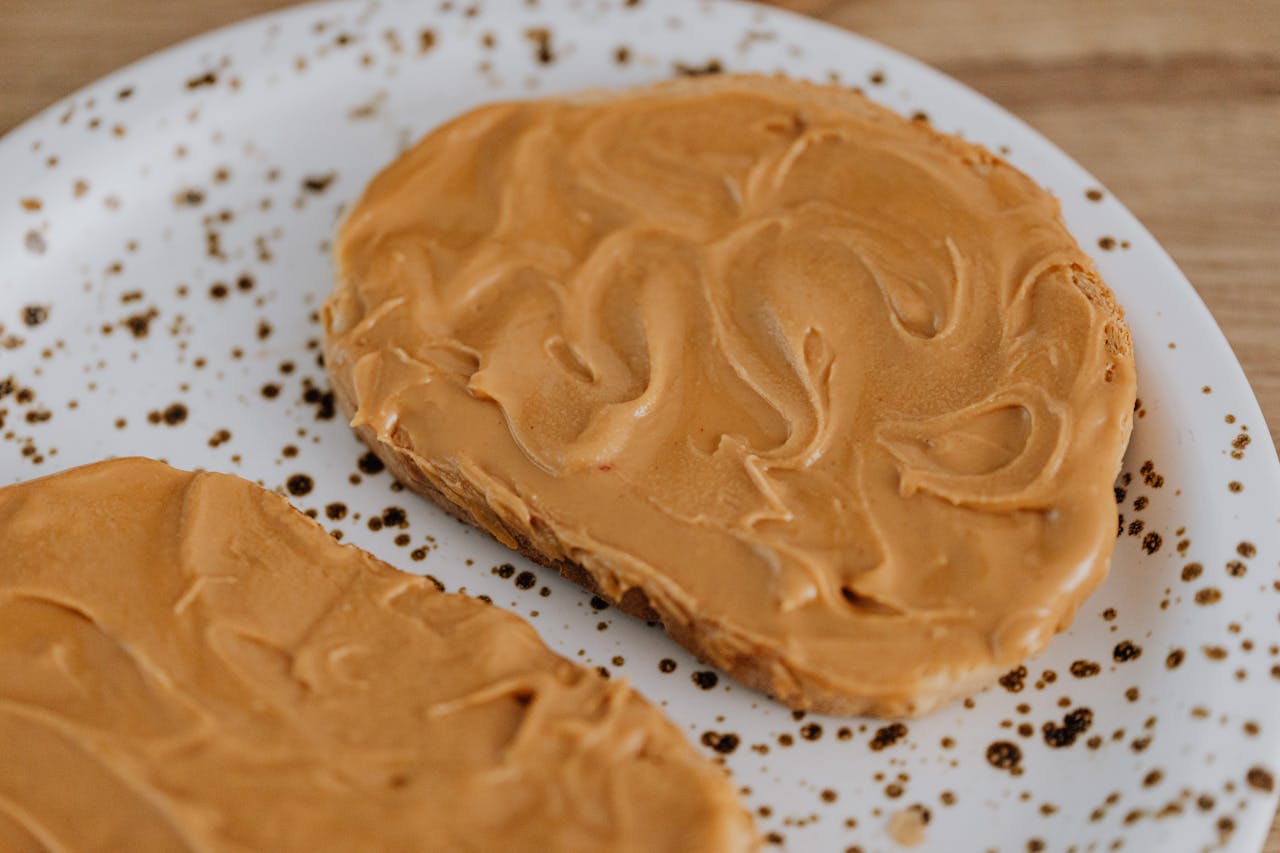
Crustless triangles spread with peanut butter and mayonnaise look dainty, tidy, and almost innocent on a lunch tray. Midcentury thrift cooking loved pairings that were cheap, filling, and shelf-stable, and this one checked every practical box at once. It was less about culinary adventure and more about stretching pantry staples with minimal prep.
Texture is the deal-breaker for many modern palates. The emulsion in mayo amplifies richness without adding contrast, so each bite turns pasty and heavy fast. A smarter remake keeps the peanut base, swaps mayo for yogurt, and adds crisp apple or celery for lift, crunch, and air.
Ham Salad Stuffed Tomato Halves
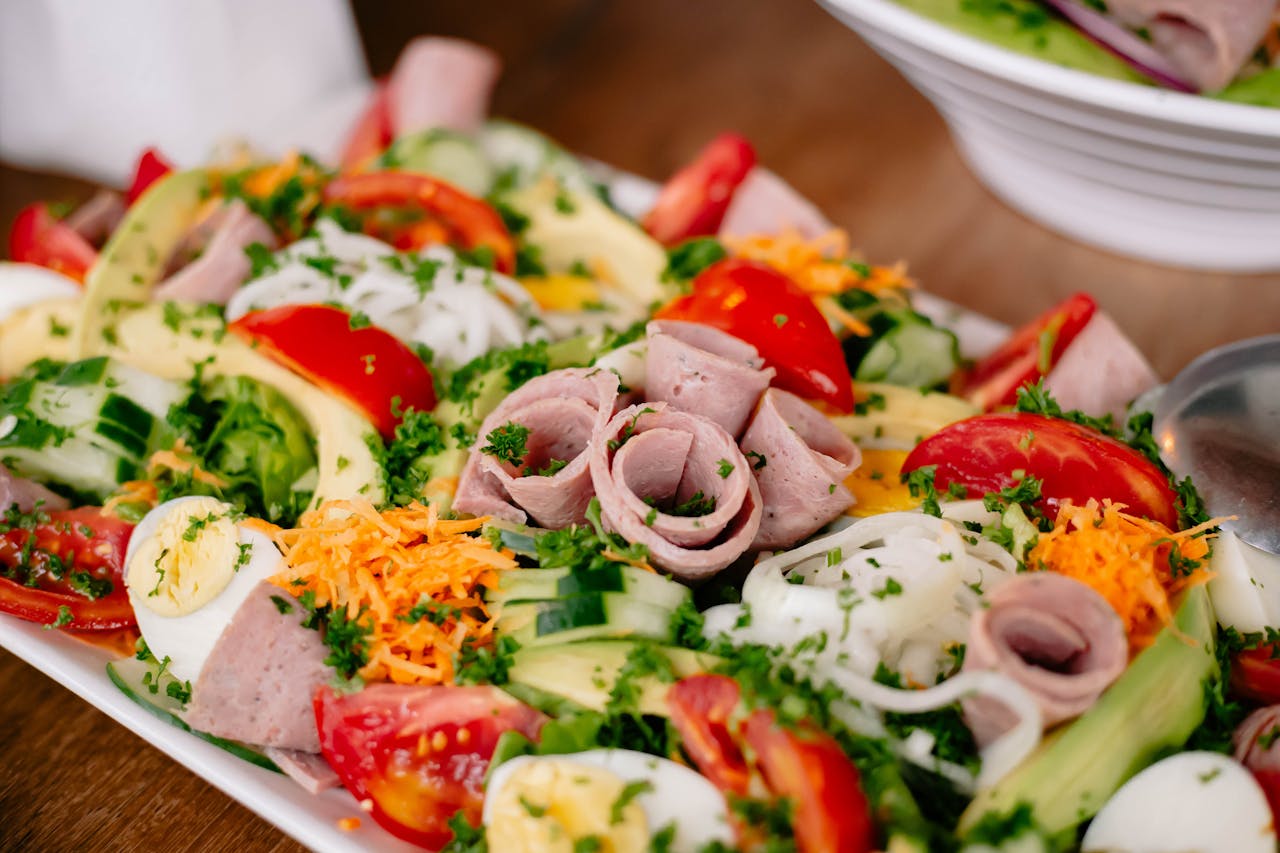
Tomatoes filled with minced ham salad were once billed as elegant weekday lunch, especially when topped with parsley and served on lettuce leaves. The presentation still works: red shell, pale filling, clean edges, and portion control that looks disciplined on a plate. It feels like a recipe designed by someone who cared about neatness.
The regret comes from moisture clash. Watery tomato walls leak into salty, mayo-rich filling, flattening both flavors into a lukewarm blur even when served cold. A modern fix drains the tomato, adds pickled celery, and tightens the filling with Greek yogurt, but the old template rarely held up.
Olive Loaf Pinwheel Spirals
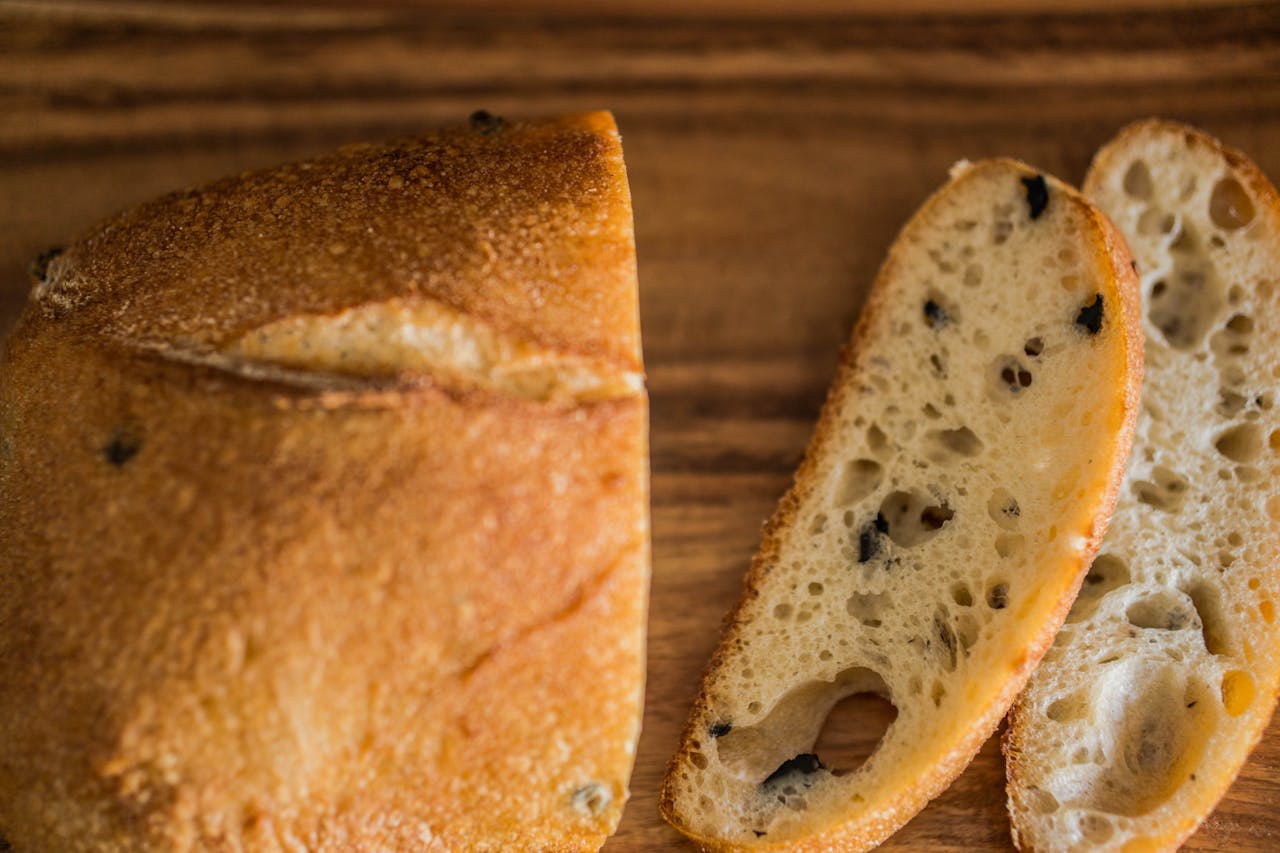
Sliced olive loaf rolled into pinwheels with cream cheese was built for visual charm. Cross-sections show bright pimento specks and tidy swirls that look almost like savory candy, the kind of lunchbox reveal that once felt extra without costing much. On a buffet tray, the symmetry can still make people reach for one out of curiosity alone.
Taste rarely matches the look. Processed loaf brings metallic salt, while cold cream cheese mutes acidity and leaves the bite flat. The idea improves with roasted peppers and whipped feta on a lean deli cut, but the classic version often reads as texture first, flavor second, and memory third.
Tuna Gelatin Boat Molds
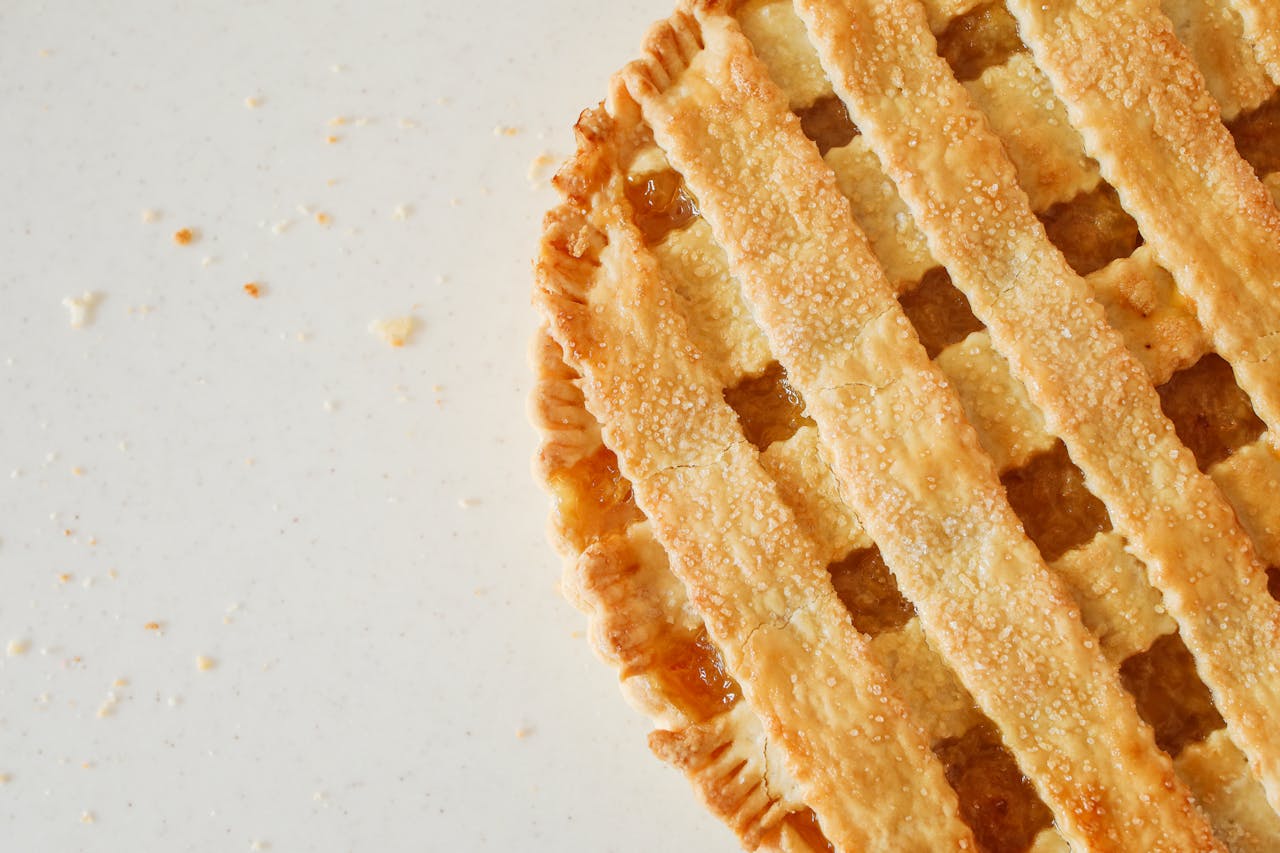
Few dishes capture midcentury confidence like tuna suspended in lemon gelatin, unmolded into a glossy ring, then garnished with olives. It arrived at tables as proof that science, convenience, and style could share one platter. Cookbook photography loved the shine because it signaled precision, modernity, and domestic control.
For modern eaters, the cold wobble is the wall. Fish and sweet-leaning citrus gelatin split the palate between savory expectation and dessert texture, a mismatch that never settles. A practical remix keeps tuna salad chilled in cucumber cups, preserving freshness and crunch without the jellied surprise.
Egg Salad Sandwich Cubes
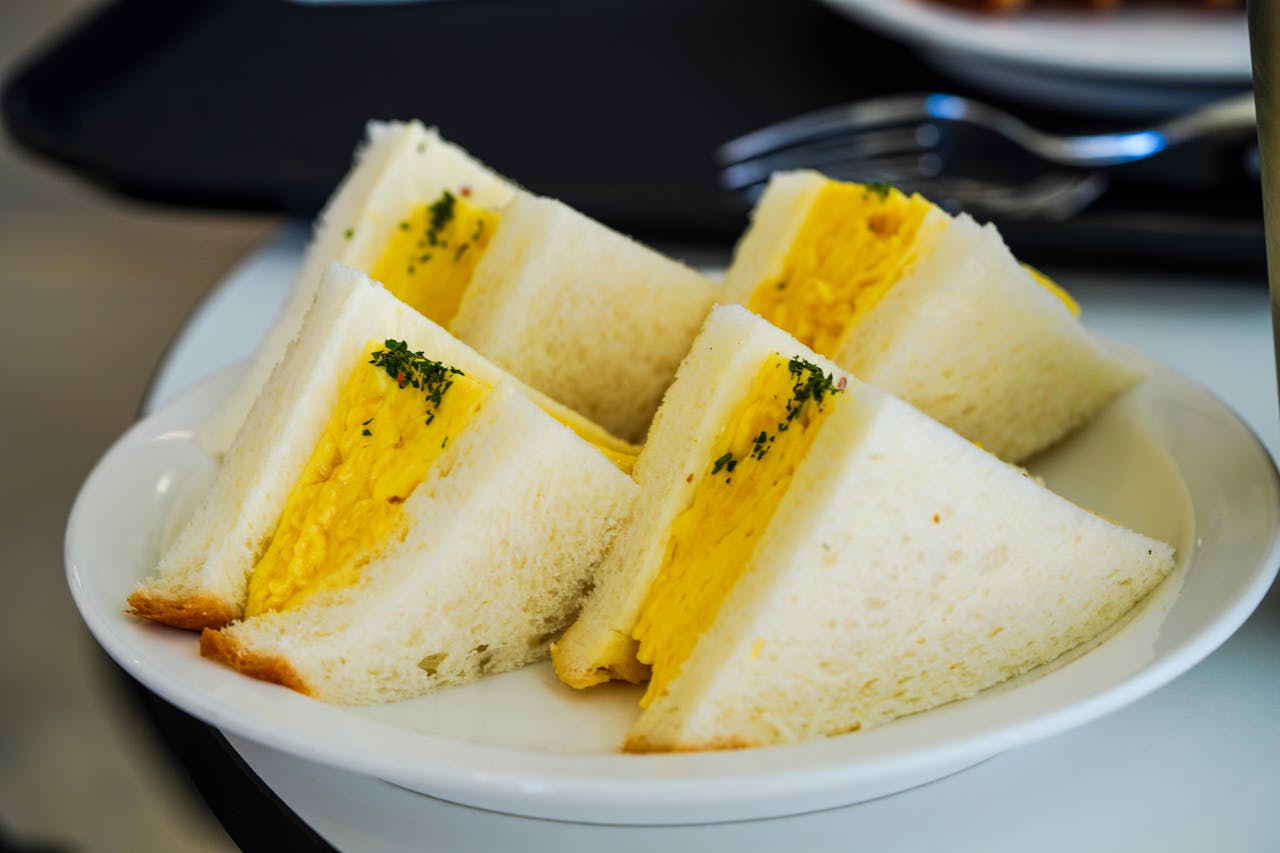
Small cubes of egg salad sandwich, skewered with pickles, were designed for tidy portions and easy serving. They still look adorable on a platter, especially when trimmed into uniform blocks that resemble miniature canapés from tea service. The format made home entertaining feel polished even when ingredients stayed simple.
After a few minutes, though, the structure gives up. Moist filling migrates into soft bread, while pickle brine sharpens only the top bite and leaves the center bland. Toasted brioche points or cracker boats solve that quickly, but the original cube often tastes older than it looks and softer than it should.
Macaroni And Spam Picnic Rings
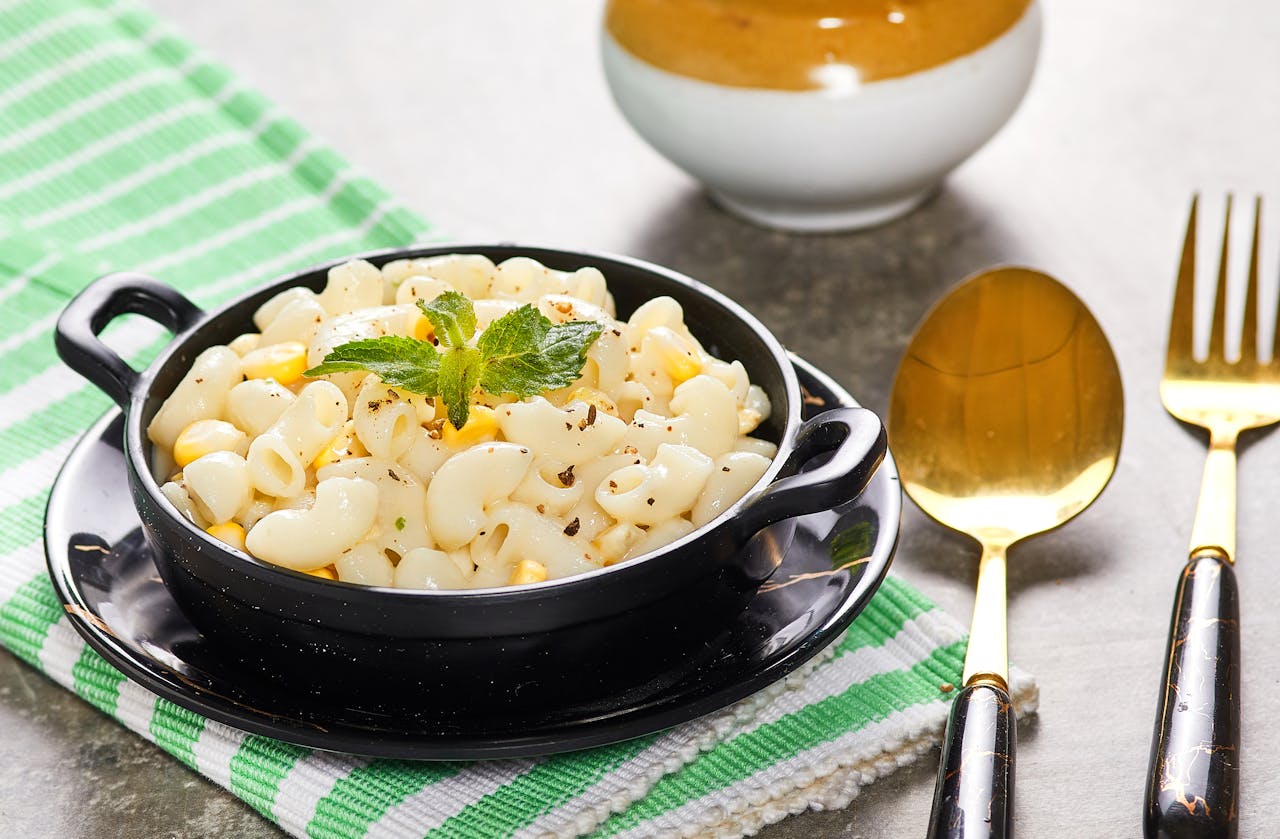
A ring mold packed with macaroni, diced Spam, peas, and mayonnaise was a practical showcase dish: cheap protein, pantry staples, and enough volume to feed a crowd. On the table, the shape looked organized and impressive, almost architectural, the way molded food once signaled effort. It also traveled well to potlucks and school events.
The flavor profile can feel relentless. Salted meat, soft pasta, and sweet peas in a mayo base create one continuous texture with little relief. A modern riff adds crunchy celery, dill, and lemon zest, yet the classic ring still struggles to escape that heavy finish lingering after lunch.
Cottage Cheese Pear Boats
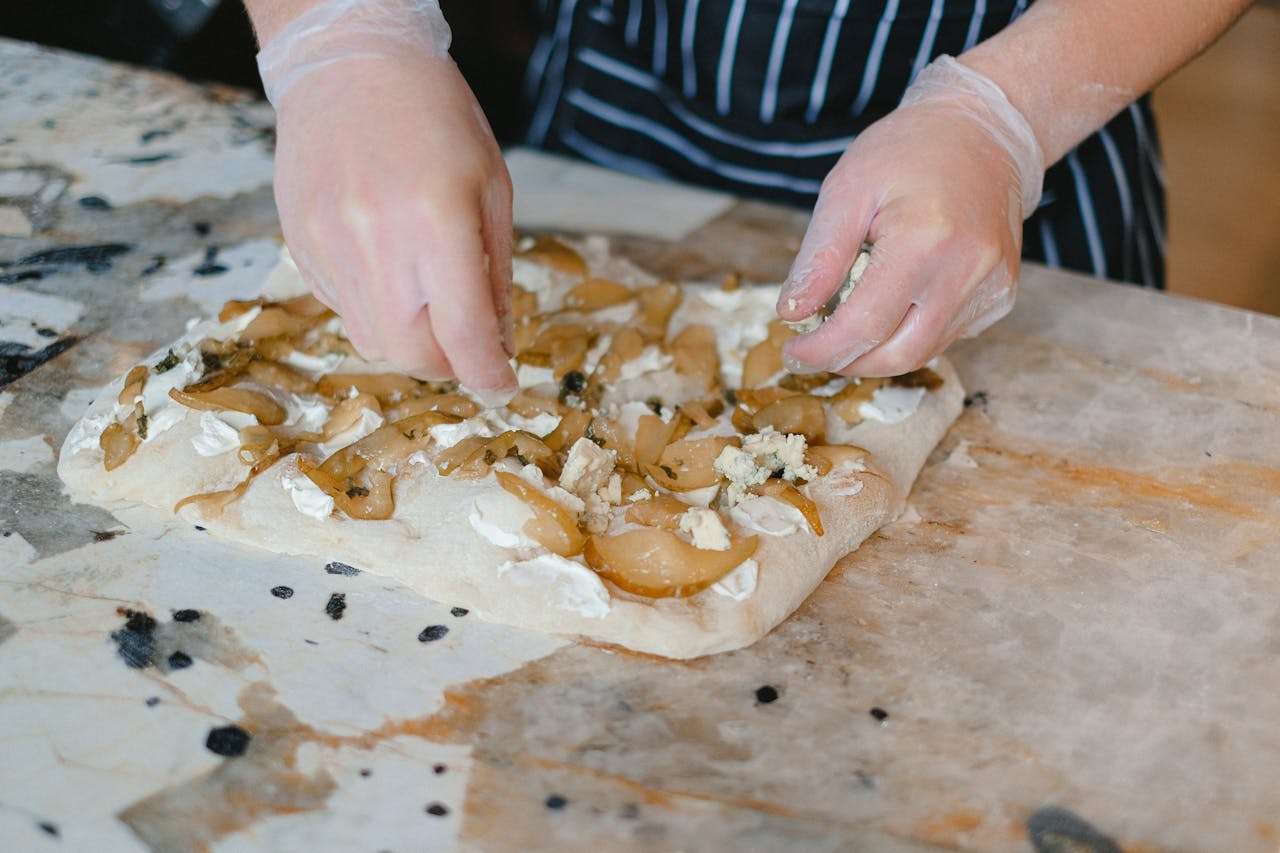
Canned pear halves filled with cottage cheese and topped with paprika carried cafeteria glamour. The contrast of pale fruit, white curds, and red dust looked deliberate, clean, and almost wholesome in a postwar nutrition mindset. It became common in lunchrooms for being cheap, portioned, and easy to plate.
In practice, the bite often splits into watery sweetness and chalky dairy, with paprika sitting on top rather than tying flavors together. Fresh pear, whipped ricotta, toasted walnuts, and cracked pepper can rescue the concept, but the original version often feels decorative first, satisfying second and unfinished.
Hot Dog Octopus On Mashed Bread
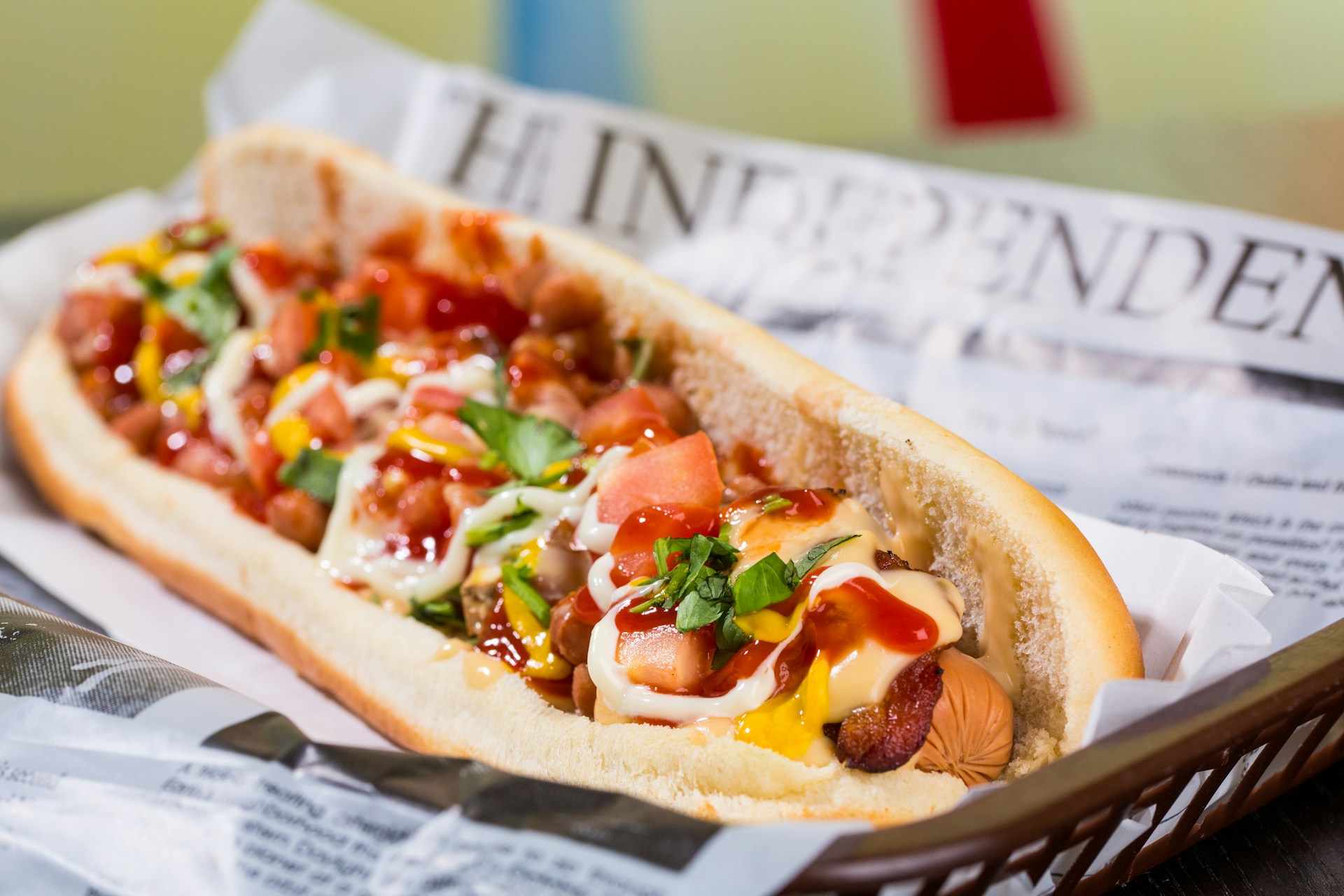
Split hot dogs scored into legs and placed over mashed-potato bread rounds were built to charm children at first glance. The playful shape still wins social media attention because it turns plain lunch into character design with little extra cost. It captures a midcentury instinct to make ordinary food feel like an event.
Then flavor arrives. Overcooked frankfurters tighten, starch-on-starch dulls contrast, and ketchup sweetness pushes everything toward monotone. A better homage uses grilled sausage medallions, herbed potato cakes, and pickled slaw, keeping the whimsy while giving the palate something sharp and lively to follow.