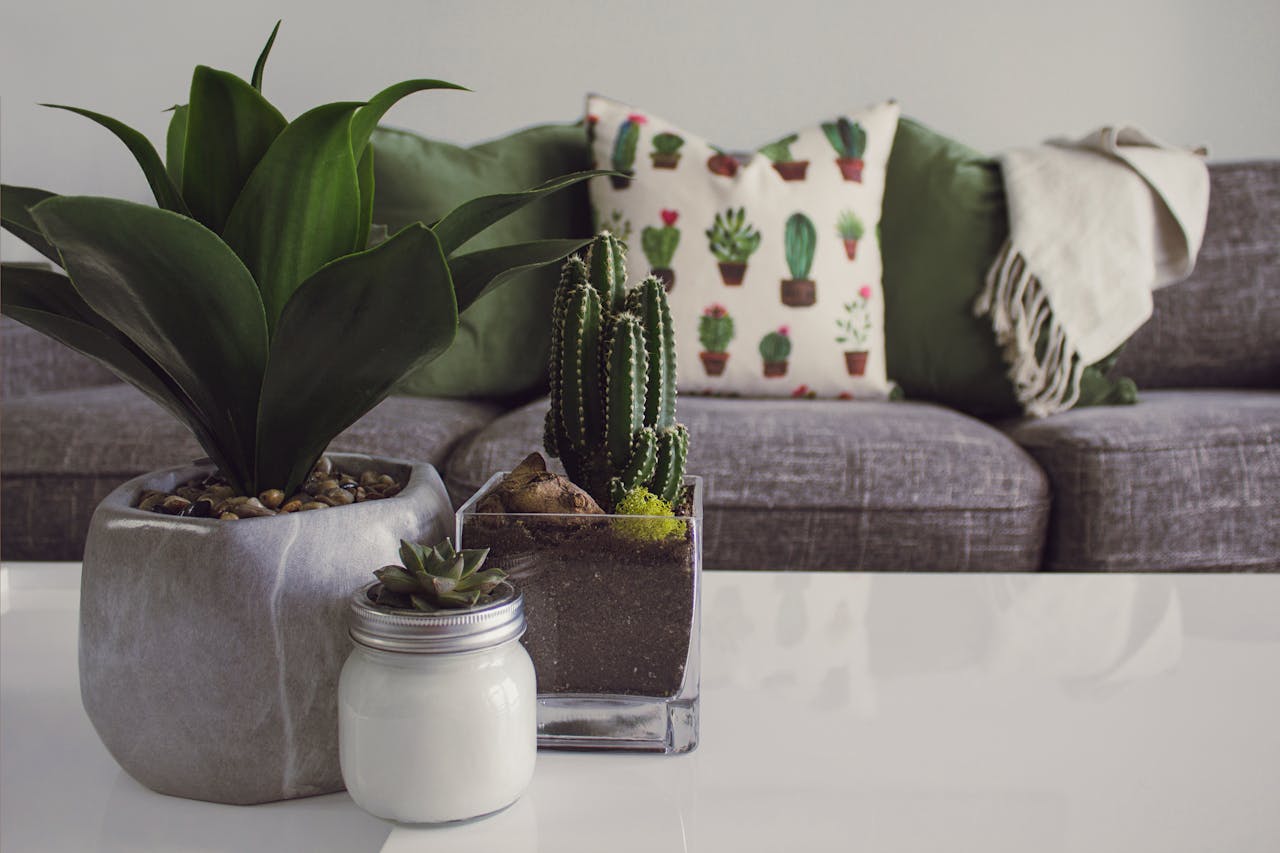
Decor tastes rarely disappear; they hibernate, waiting for a new generation to notice what still works. In stylish homes lately, designers have been reaching back to eras once labeled dated, then sharpening the lines and calming the color so it feels livable. The comeback is less about copying Grandma’s living room and more about restoring texture, pattern, and personality after years of flat neutrals. A floral can be crisp, a fringe can be tailored, and a glossy finish can read intentional, not fussy. Vintage pieces also carry a quieter kind of luxury: patina, craft, and the sense that a room was assembled over time.
Chintz Florals and Grandmillennial Prints
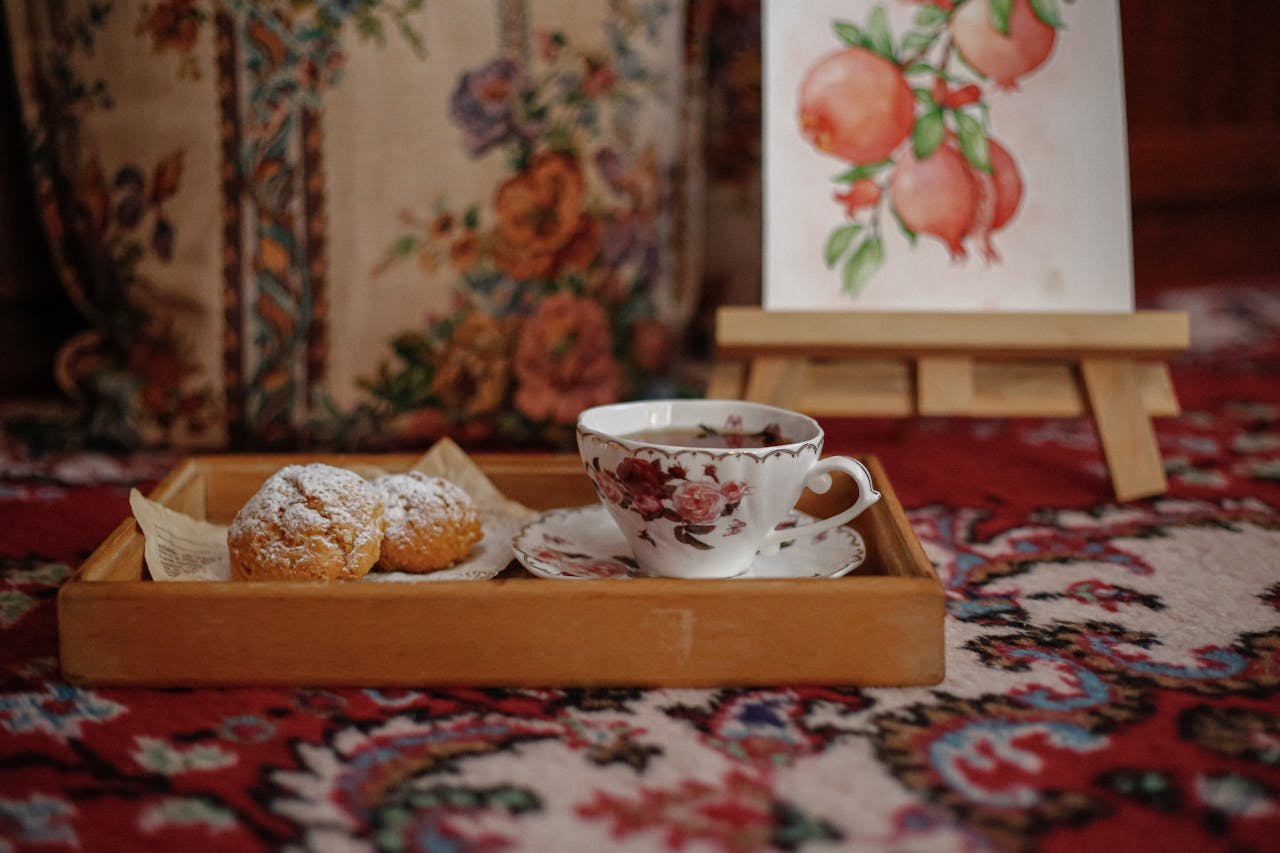
Chintz is no longer a punchline; it is a mood, especially when the scale is generous and the colors are edited toward softer greens, dusty blues, and inky reds. These florals land best when they are treated like art: a single upholstered chair with contrasting piping, lined drapery panels that brush the floor, or a quilted coverlet that carries the whole room’s story without asking for extra décor. Clean-lined casegoods, simple shades, and one modern graphic element keep the look fresh, while solids in linen or wool give the eye a rest, so the nostalgia reads collected and confident instead of crowded. Day after day.
Scenic Wallpaper Murals
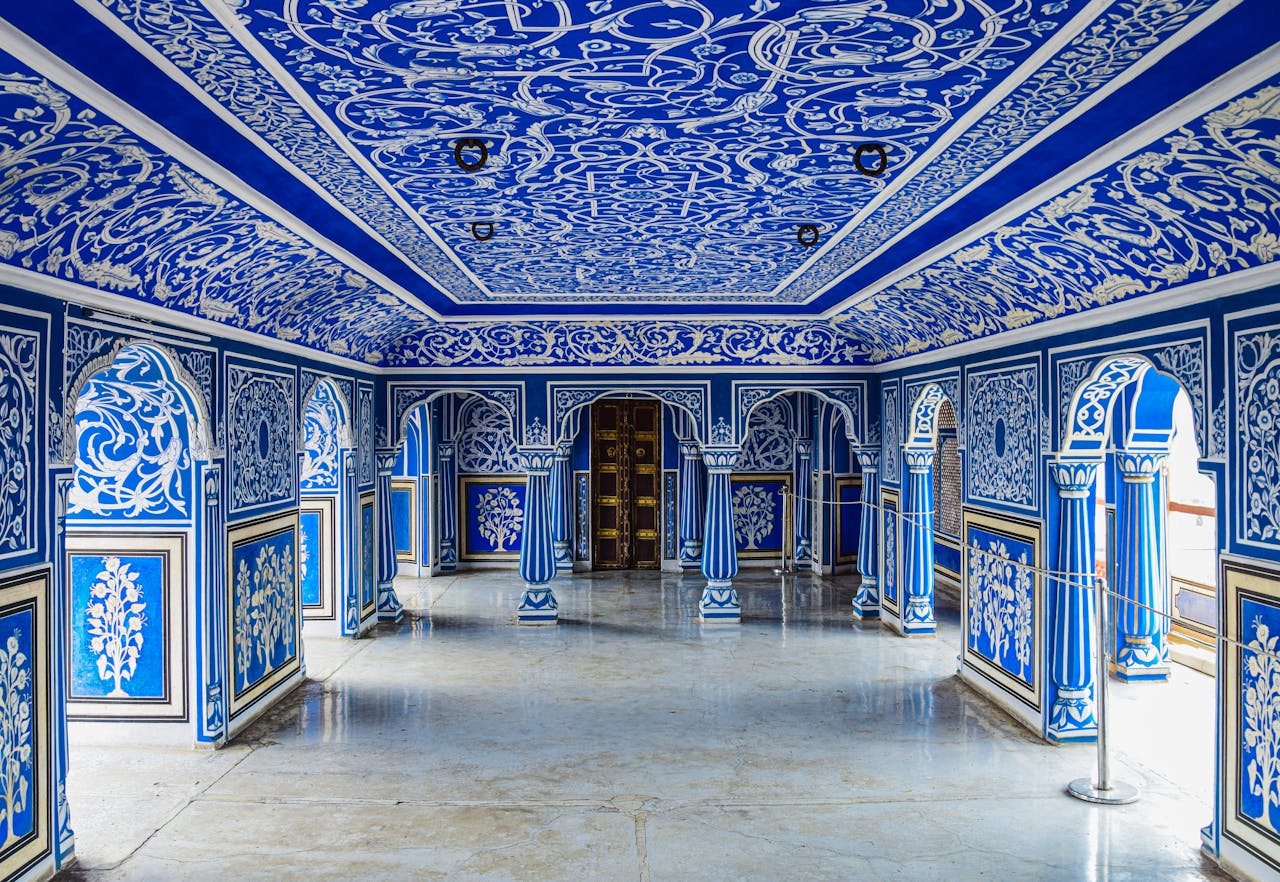
Wallpaper’s return is not about tiny repeats and fussy border trims; it is about immersive murals that turn a hallway into a misty landscape, a dining nook into a painted horizon, or a powder room into a midnight garden. Designers often anchor the scene with simple trim, warm neutral paint on the remaining walls, and a few honest materials like oak, marble, or linen, letting the paper carry the visual weight without visual noise. Even in small doses, like the back of a bookcase or a single ceiling panel, a mural creates depth, hides awkward angles, and makes an everyday corner feel like it belongs to a story. At home.
Terrazzo Everywhere
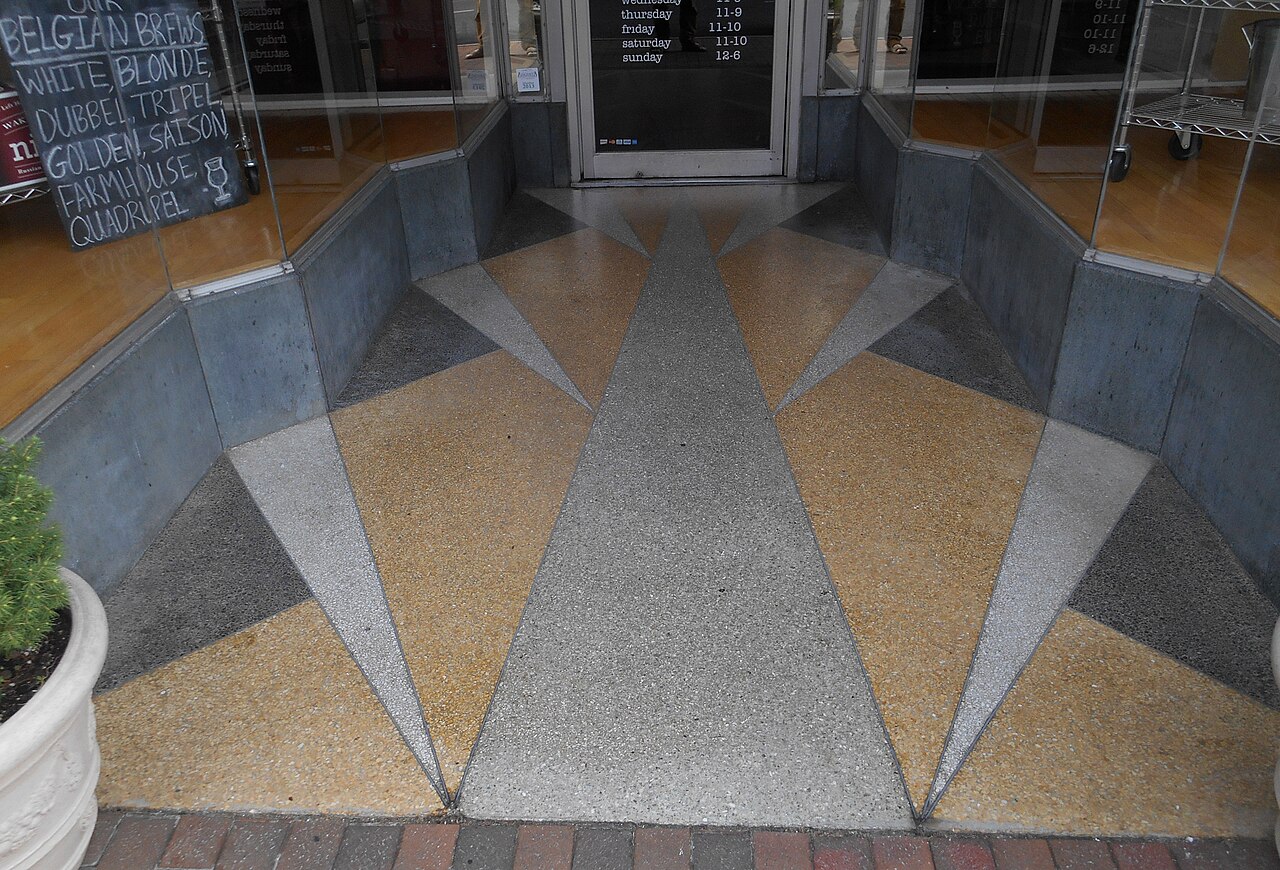
Terrazzo once read like a school corridor, but the revival has turned it into a designer surface, with chips that range from whisper-small speckles to bold shards that feel almost confetti-like. It shows up on floors, bathroom vanities, side tables, and even lamp bases, often in creamy neutrals, smoky grays, or clay tones that highlight the texture instead of shouting for attention. Used as one strong element in a room, terrazzo delivers pattern without extra objects, pairs naturally with matte tile and warm wood, disguises everyday scuffs in busy areas, and keeps the palette calm with movement through daily life.
Rattan and Wicker Indoors

Rattan and wicker have stepped away from beach-house stereotypes and into polished interiors as baskets, headboards, sculptural chairs, and even clean-lined cabinetry fronts, sometimes painted or lacquered for a sharper look. The weave brings instant warmth beside stone, velvet, or dark wood, and it adds gentle shadow-play that only natural texture can cast across a wall or floor. Designers often balance it with tailored upholstery, solid rugs, and simple lighting, letting one woven piece act like a visual exhale, so the space stays calm but still feels handmade and quietly optimistic. All year long, in any season.
Skirted and Slipcovered Seating
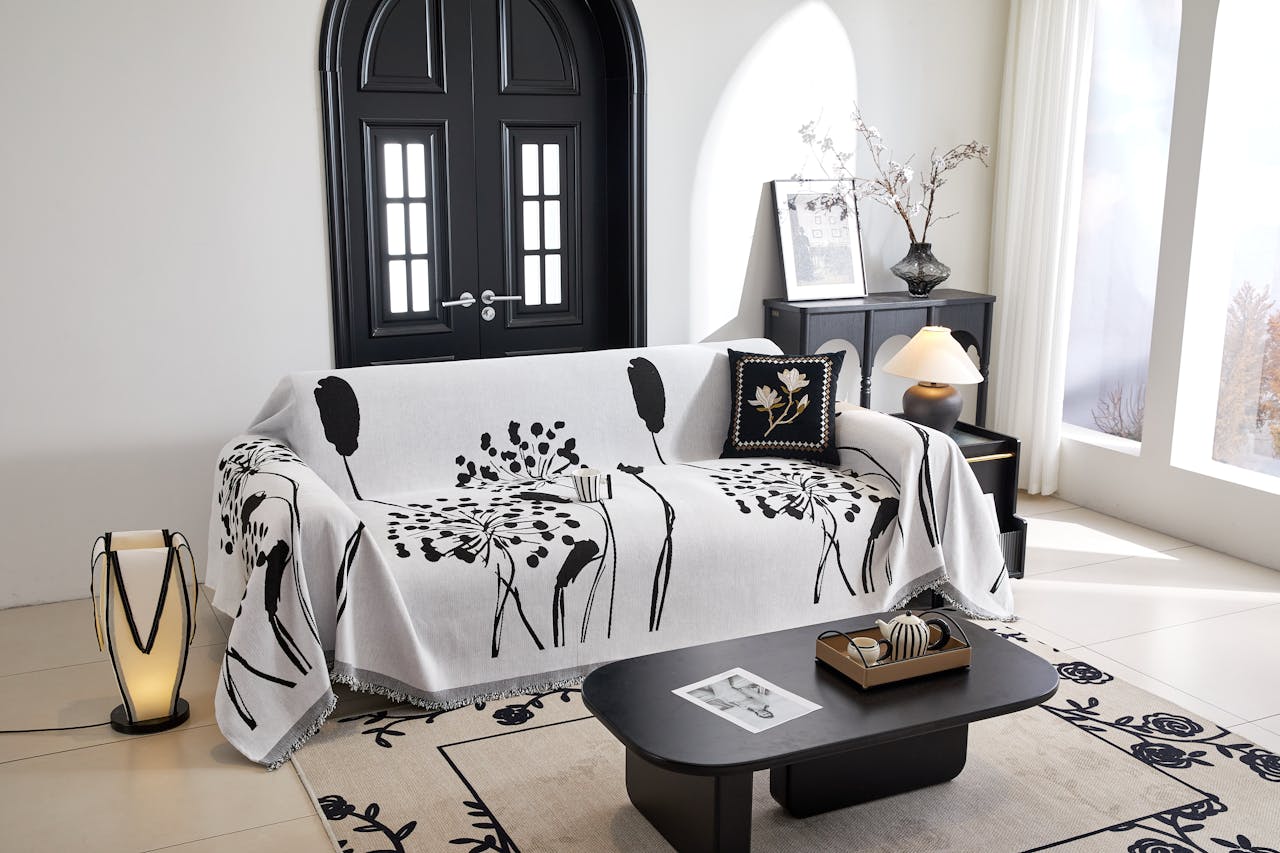
Skirted sofas are back, but the comeback is crisp: straight hems, better tailoring, and fabrics like cotton duck, linen blends, or textured weaves that feel structured rather than frilly. Slipcovers also fit the moment, offering a casual, washable layer that reads intentional in family rooms, rentals, and busy homes where comfort matters more than perfection. When the skirt stays close to the frame and the surrounding pieces are sharper, like a modern leggy chair, a clean-lined coffee table, and one bold artwork, the softness becomes an anchor that adds calm polish. It softens hard floors and echoes hotel comfort.
Lacquered Walls and High-Gloss Paint
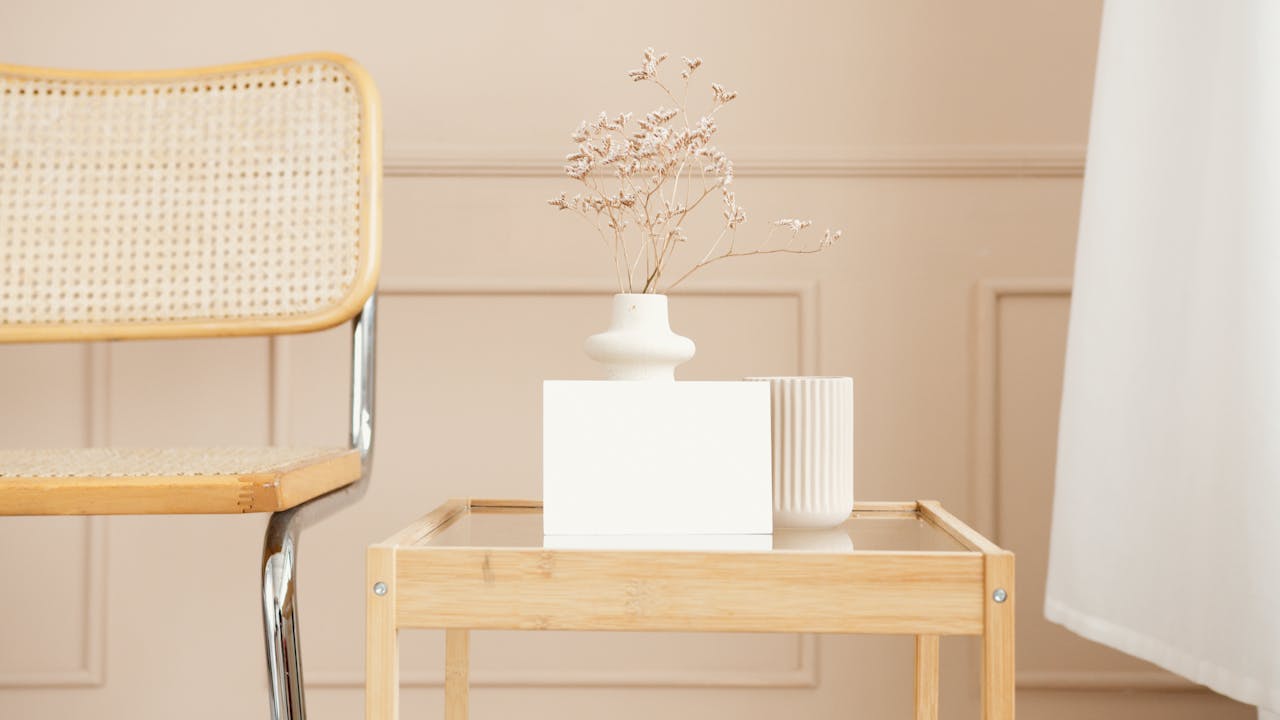
High-gloss rooms used to scream 1980s, but the finish now reads like a deliberate design move, especially in jewel tones, smoky neutrals, or a deep, almost-black green applied to walls, trim, and even a ceiling. The sheen bounces light in a way matte paint never will, making small spaces feel taller and more dramatic, and it can rescue awkward corners by turning them into reflections. Designers keep the look modern by limiting competing patterns, choosing streamlined furniture, and using warm, low lighting, so the lacquer becomes pure atmosphere with a cinematic glow. It photographs beautifully, too, especially at night.
Warm Metals Beyond Basic Brass
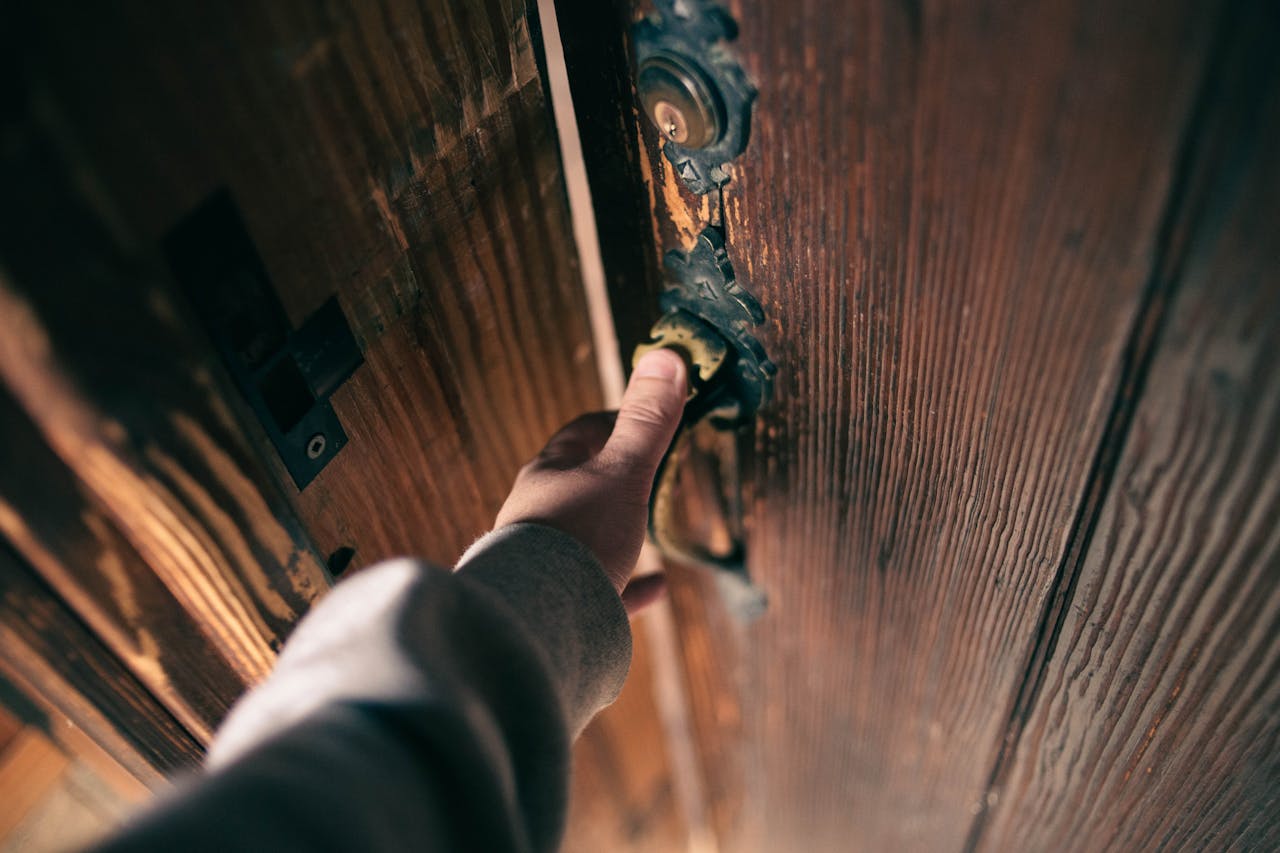
Warm metals have returned with more nuance than the one-note brass wave, leaning into aged brass, antique gold, and bronze-like finishes that develop character over time. The strongest rooms pick a hero finish, repeat it across cabinet pulls, a faucet, and one statement light, then bring contrast through wood grain, stone, and textiles rather than a second shiny metal. When the metal’s tone echoes the room’s undertones, a warm sconce or mirror frame reads timeless and cozy, and it makes even plain paint and simple tile feel richer and more intentional. Patina softens fingerprints and keeps the space from feeling sterile.
Glass Block Reimagined
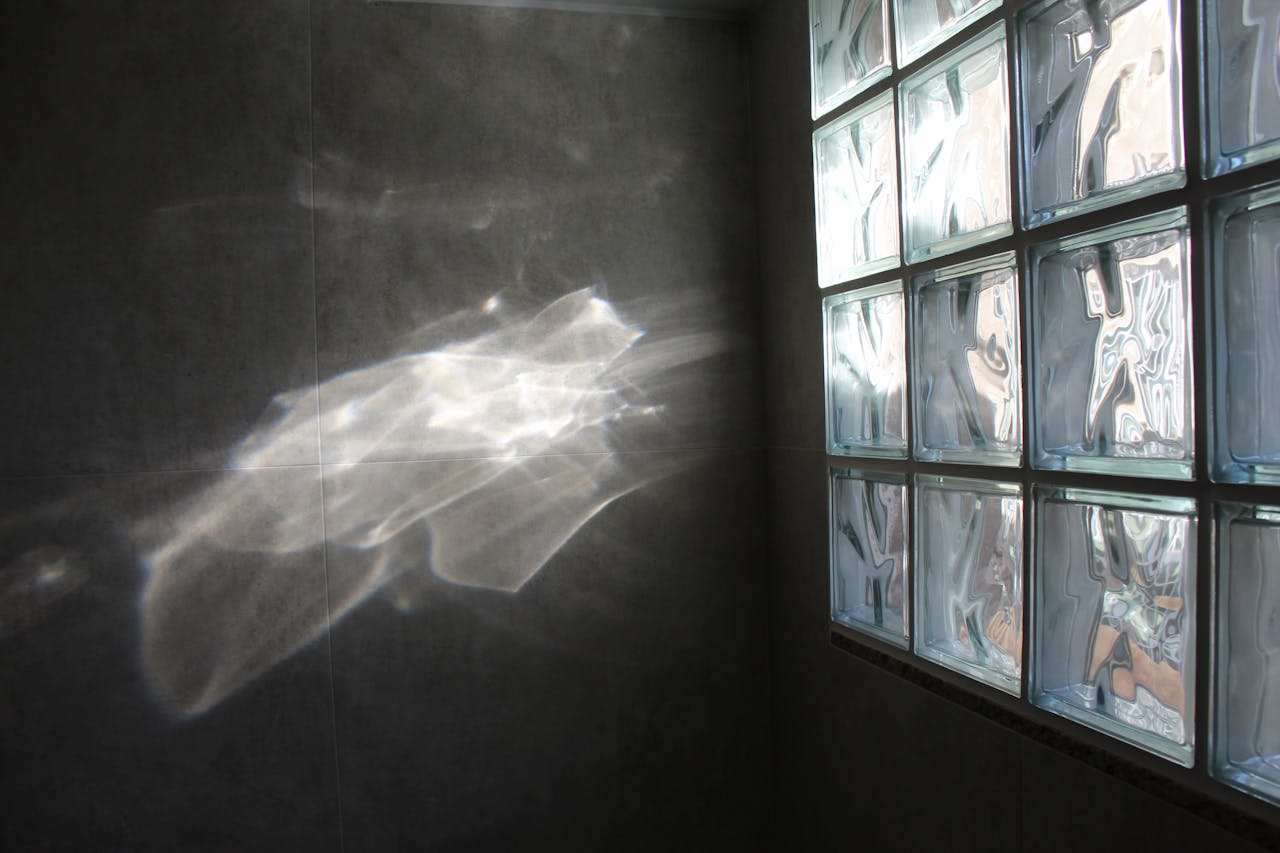
Glass block is returning with a quieter confidence, bringing privacy and light without heavy curtains, blinds, or frosted film, and shaking off its 1990s mall association. It shows up as a shower wall, a kitchen pass-through, or a softly glowing window in a dark hallway, and it works especially well in narrow bathrooms, mudrooms, and stairwells where daylight is scarce. Designers often use smaller runs or a single panel, frame it with slim trim, pair it with matte grout and modern hardware, keep the palette restrained, and let it diffuse harsh light while hiding clutter with a soft night glow in plain sight, beautifully.
Shag, Bouclé, and High-Pile Texture
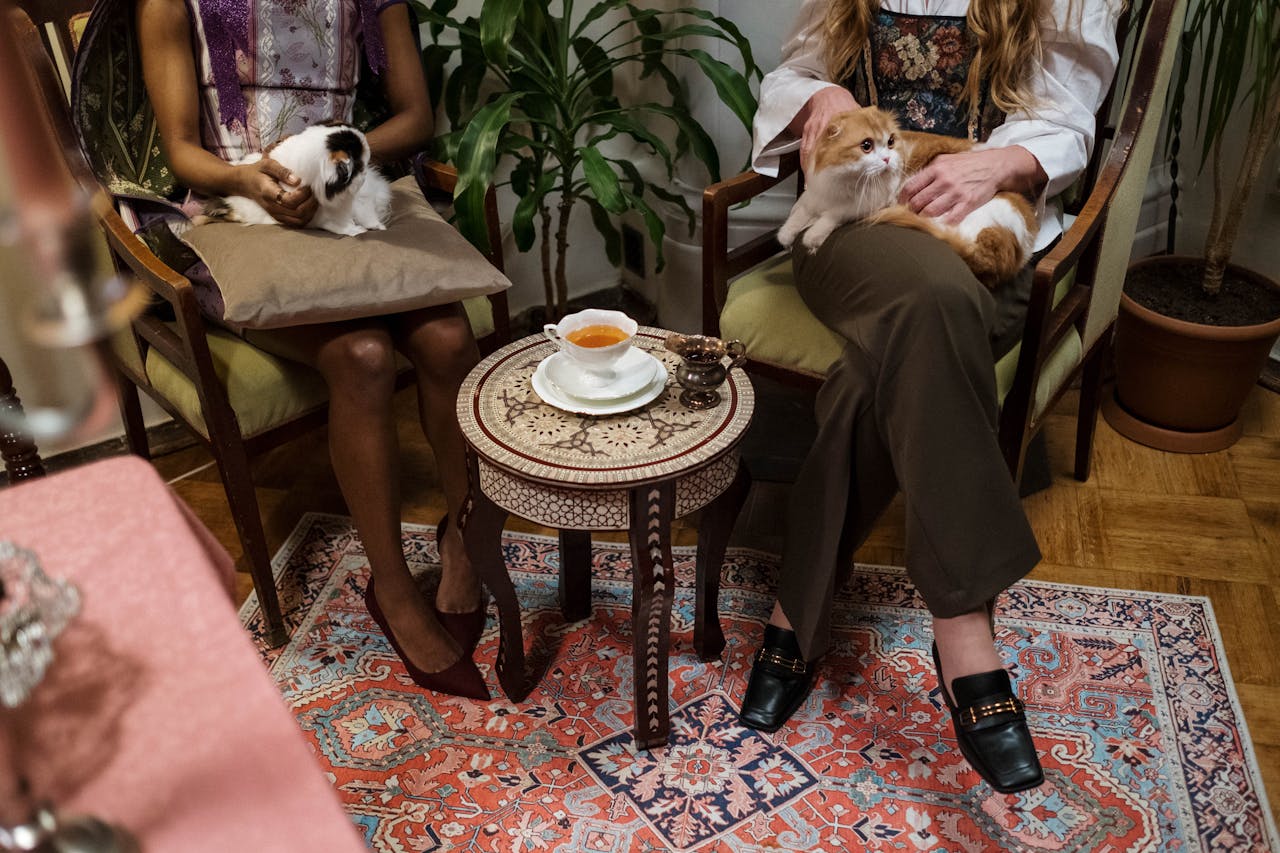
Shag carpets and plush textures are back, but they are used like seasoning, not a full-room takeover that traps a room in the past. A deep-pile rug under a low sofa, a bouclé accent chair, or a fuzzy throw brings comfort and sound-dampening that open plans often lack, and it can soften bedrooms, nurseries, and stair runners where footsteps echo. Designers keep the look grown-up by limiting the palette, mixing in sleek woods or stone, choosing tailored silhouettes, and placing the fluffiest pieces where spills are unlikely, so the softness reads like intentional luxury rather than clutter in real life, every day, simply.
Scallops, Curves, and Sweet Edges
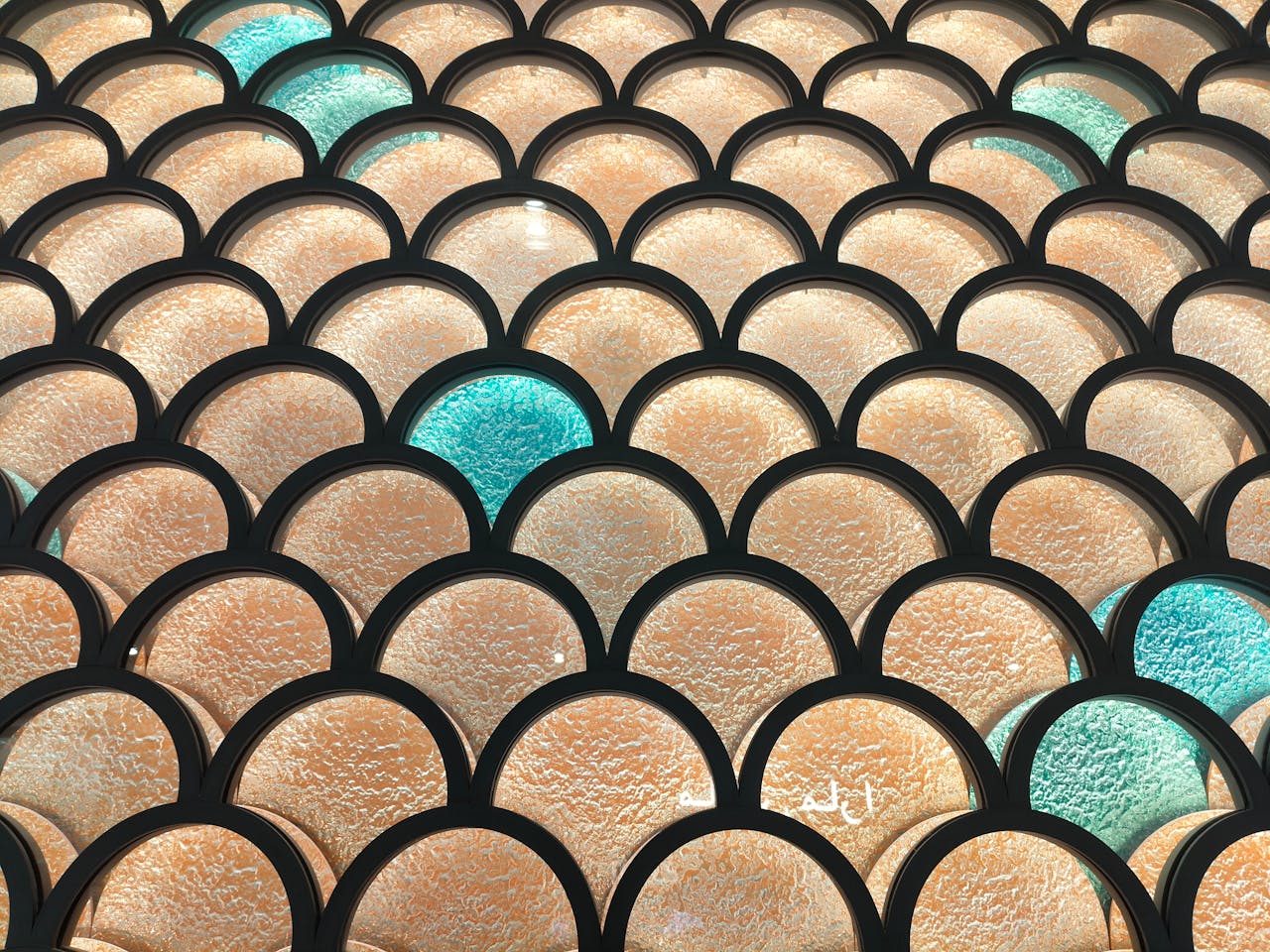
Scalloped trims and curved silhouettes once felt overly sweet, yet they are returning in confident, graphic forms that read more modern than cute. A scalloped lamp shade, an arched mirror, a rounded-back dining chair, or a gently curved credenza breaks up the hard angles that minimalism normalized, and it keeps a room from feeling too severe. Designers often limit the flourish to one or two pieces, choose solid colors or simple stripes, and repeat the curve in small details, so the softness becomes a quiet signature beside contemporary art and clean upholstery, nodding to nostalgia without losing edge or clarity.
Checkerboard Floors and Bold Tile Patterns
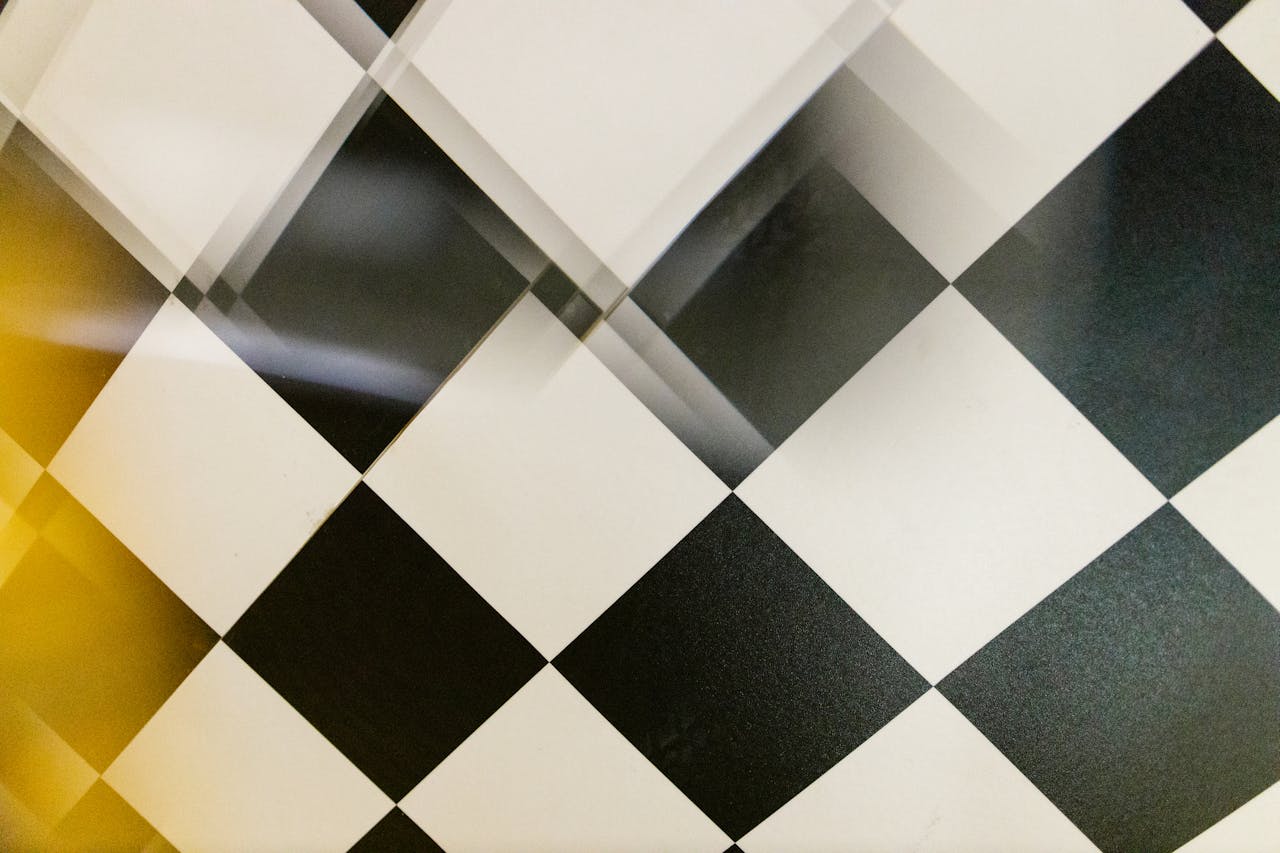
Checkerboard floors have traded their diner reputation for a sophisticated, almost European energy, especially in stone, muted tile, or toned-down contrasts like cream and warm gray. They show up in entryways, kitchens, and mudrooms, places that take the brunt of weather and shoes, where a little geometry can disguise daily grit while still reading classic. Designers usually keep everything above the floor calmer, pairing the pattern with plain cabinetry, simple hardware, and textured linens, and choosing a larger scale with a slim border so it feels custom right now with grout softened and squares laid on the diagonal.
Valances, Café Curtains, and Soft Window Layers
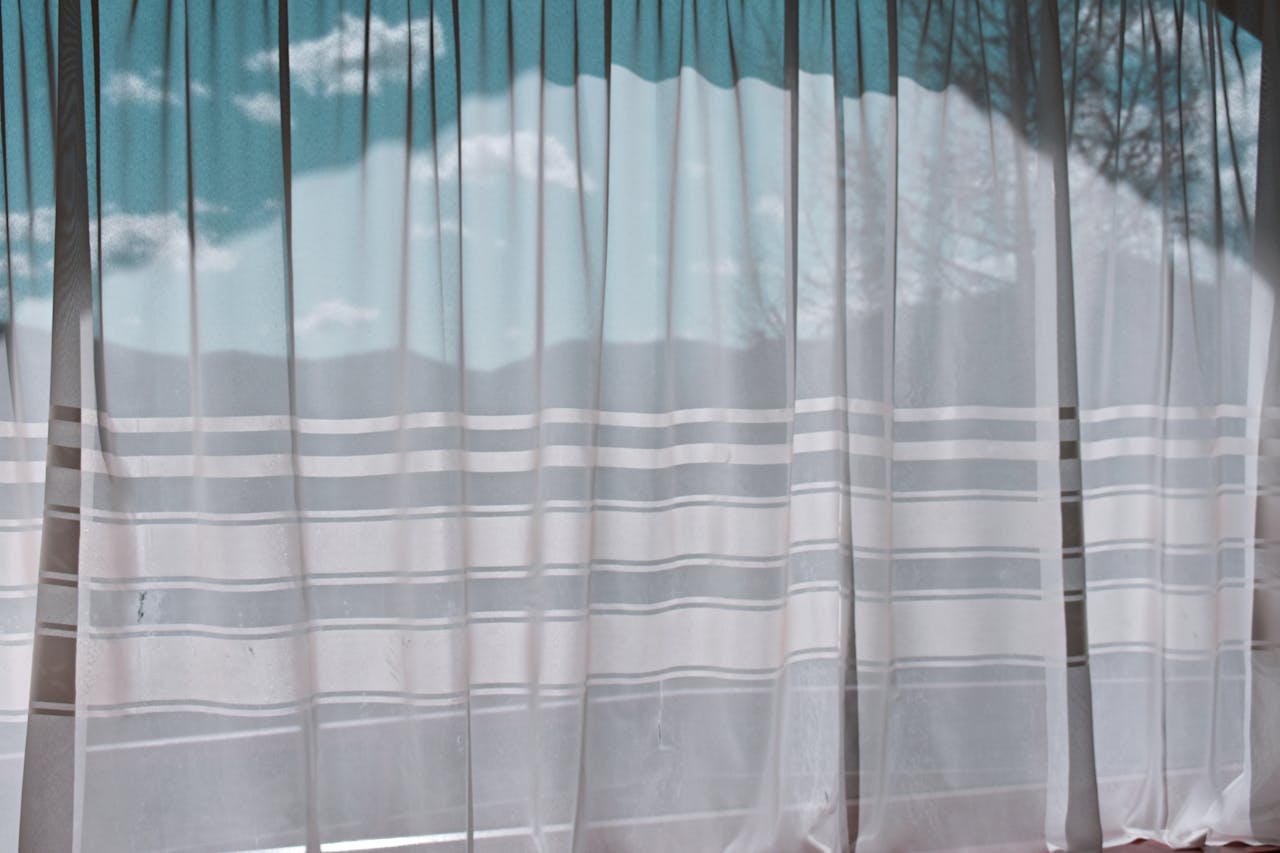
Window treatments are getting romantic again, but the best versions avoid heavy swags and instead focus on crisp structure, thoughtful proportion, and fabrics that hang with intention, especially as homes lean into cozier evenings and softer light. Café curtains filter light while keeping privacy, tailored valances add finish without blocking the view, and even a simple tie-back can make a plain window feel designed. Designers often choose linen, cotton, or a subtle stripe, keep the hardware simple, and repeat the fabric elsewhere in the room, so the softness feels integrated and quietly charming, not old-fashioned.