
VHS camcorders arrived like a bulky household wonder, and families adapted fast. Birthdays, school plays, and ordinary Saturdays could be captured with sound, movement, and all the messy in-between moments that photos often missed. Tapes felt precious, batteries mattered, and the operator learned to think ahead, but the habit stuck: press record and tell the story while it happens. In the 1980s, home video shifted memory from still frames to living scenes, changing how families celebrated, traveled, and understood their own history.
Recording Became Part Of The Gathering

Once a camcorder showed up, parties and reunions changed shape. People waved on cue, kids repeated jokes, and grandparents offered an extra smile because the moment might be replayed months later. The person holding the camera became a narrator, calling out names, ages, and small details so the tape would make sense later, panning from cake to faces and back again. Even simple scenes, like a porch chat or a new bike in the driveway, felt more important when the red light was on. The camera did not just capture the event; it nudged everyone to perform a little, and to pay attention to each other.
Family History Moved From Albums To Tapes
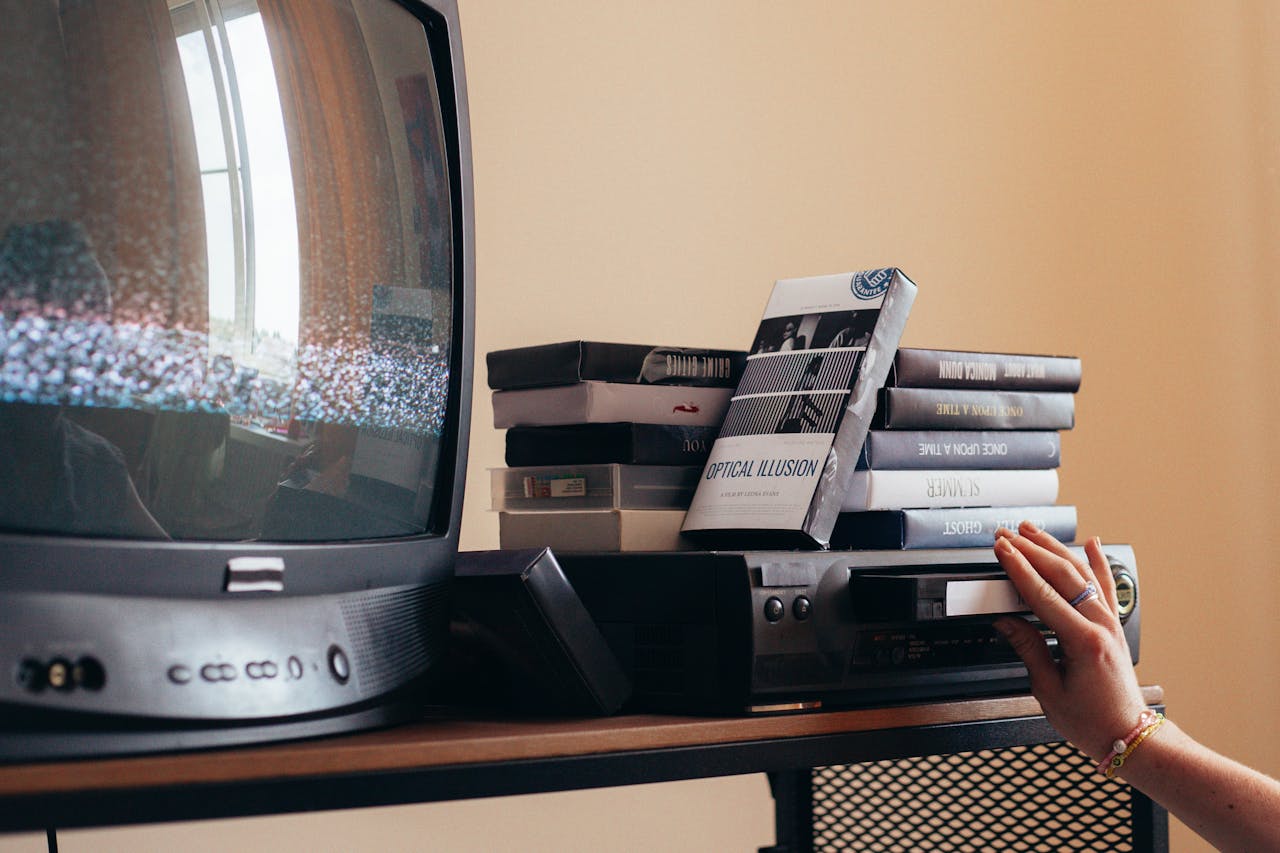
Photo albums preserved highlights, but VHS preserved flow. A tape captured how someone entered a room, the rhythm of sibling teasing, and the sound of a laugh that a still image could never hold. Families labeled tape spines with dates and holidays, building a shelf of years that could be watched in order on a rainy weekend. The archive was imperfect, with shaky zooms and background clutter, yet it carried texture: radio music drifting in, a dog crossing the frame, a parent calling from the kitchen. Watching later made ordinary days feel valuable, not because they were grand, but because they were real and complete.
Kids Saw Themselves With New Clarity

Home video created a new mirror for kids. A school performance was no longer just a memory and a few photos; it was a full replay with posture, nerves, and the way a voice carried in a room. Parents noticed small moments they missed in real time, like a shy grin after applause or a steady hand helping a friend off to the side. That feedback loop shaped confidence and family humor, because one tape could become a shared reference, replayed until everyone knew the lines. Growing up became visible in small changes, from a new haircut to new slang, week by week, without anyone having to explain it.
The Living Room Turned Into A Screening Room
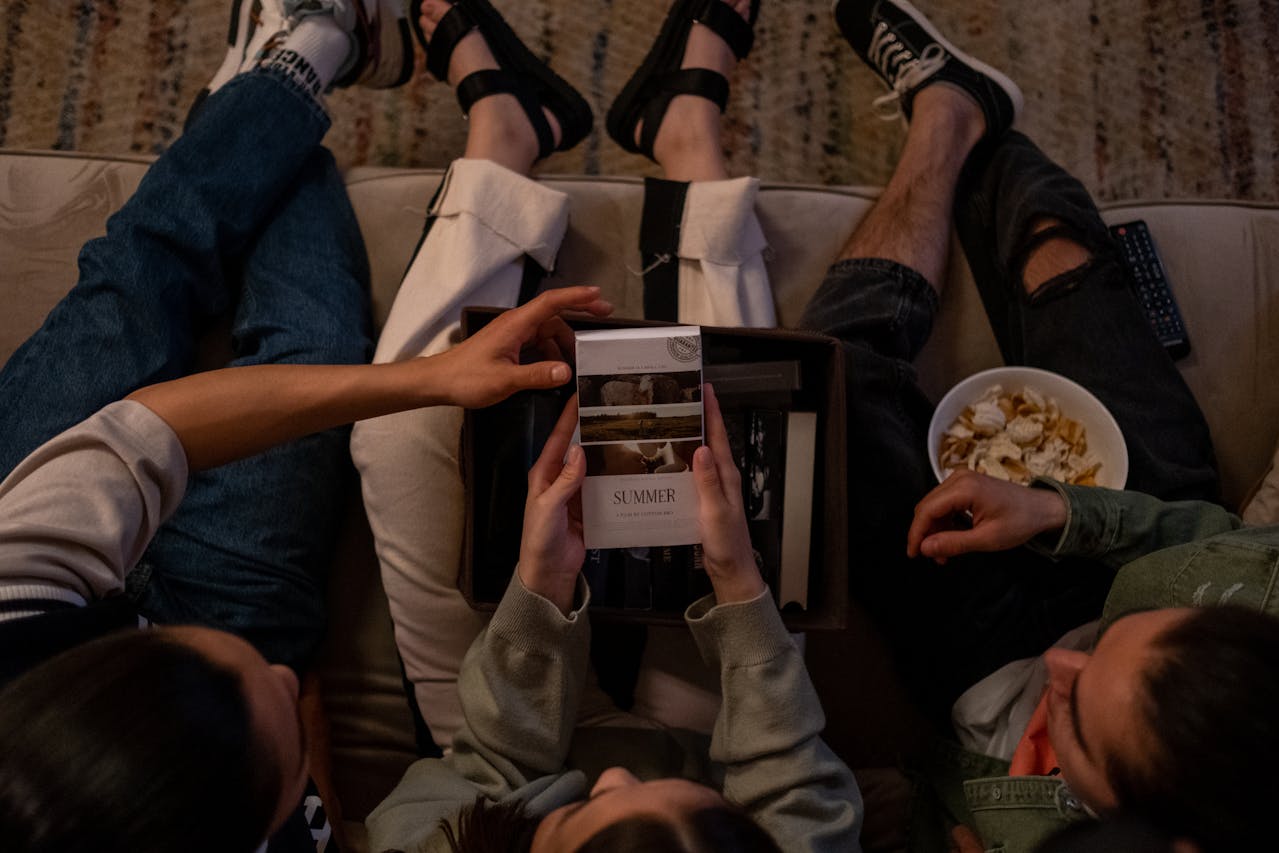
Watching tapes became a ritual with its own choreography. Someone rewound, someone adjusted tracking, and someone else called out, stop there, while the VCR whirred and clicked. The TV was no longer only for broadcast shows; it became a place to relive a vacation, a first day of school, or a holiday morning, with everyone gathered at once. That shared viewing mattered, because the commentary, teasing, and laughter in the room became part of the memory, almost like a second recording layered on top. Families did not need a special occasion to press play. A quiet evening could become a reunion with last year.
Travel Was Filmed Like A Mini Movie
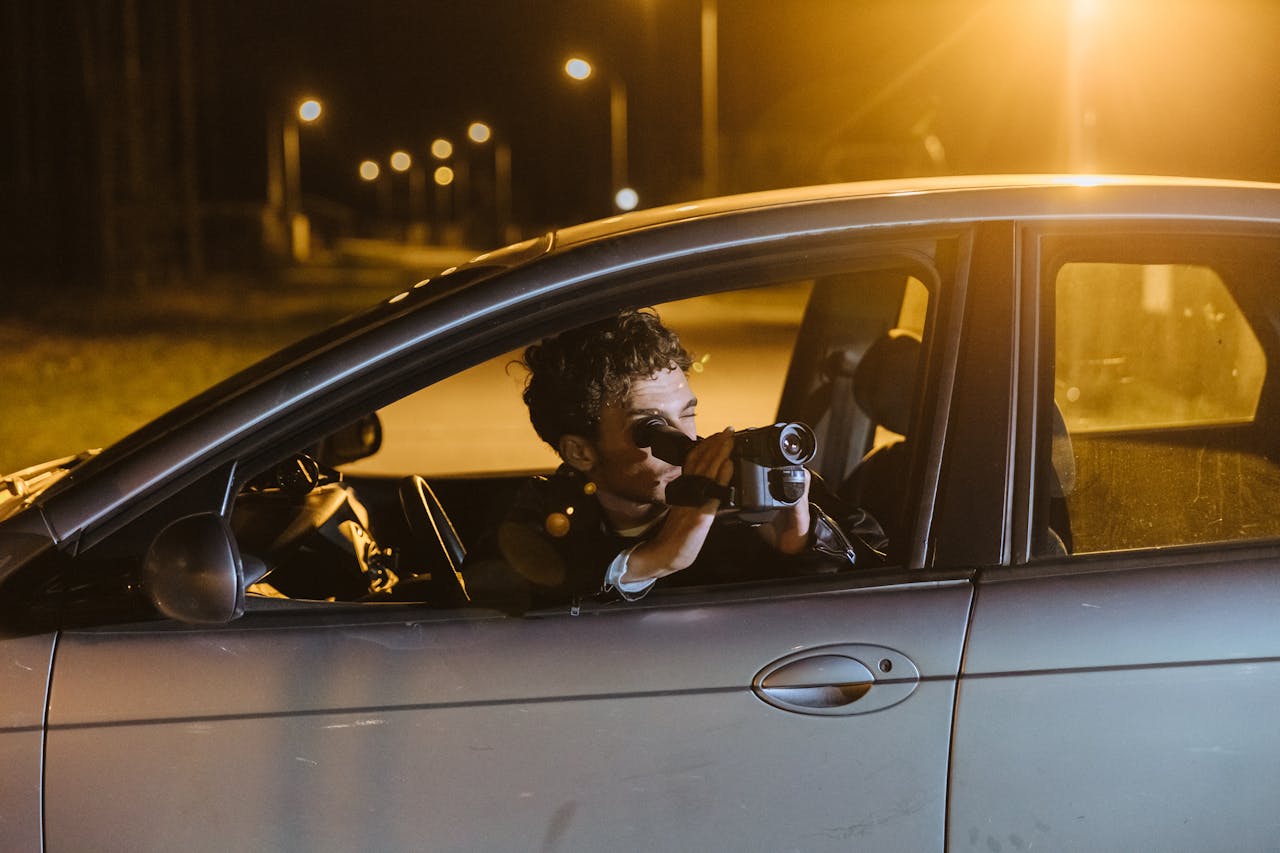
Vacations changed once the camcorder joined the packing list. The camera captured not just landmarks but tired faces in the car, snack wrappers, motel signs, and jokes that made the trip feel real. Parents filmed kids running toward the water, then swung the lens back to show weather, time of day, and the road ahead, like a travel diary made on the fly. These tapes brought the trip home to relatives who could not join, and later proved that the best moments were often between the big sights: singing in traffic, searching for ice, or collapsing into laughter after a wrong turn. The trip became a story with scenes.
Adults Became Characters, Not Just Observers
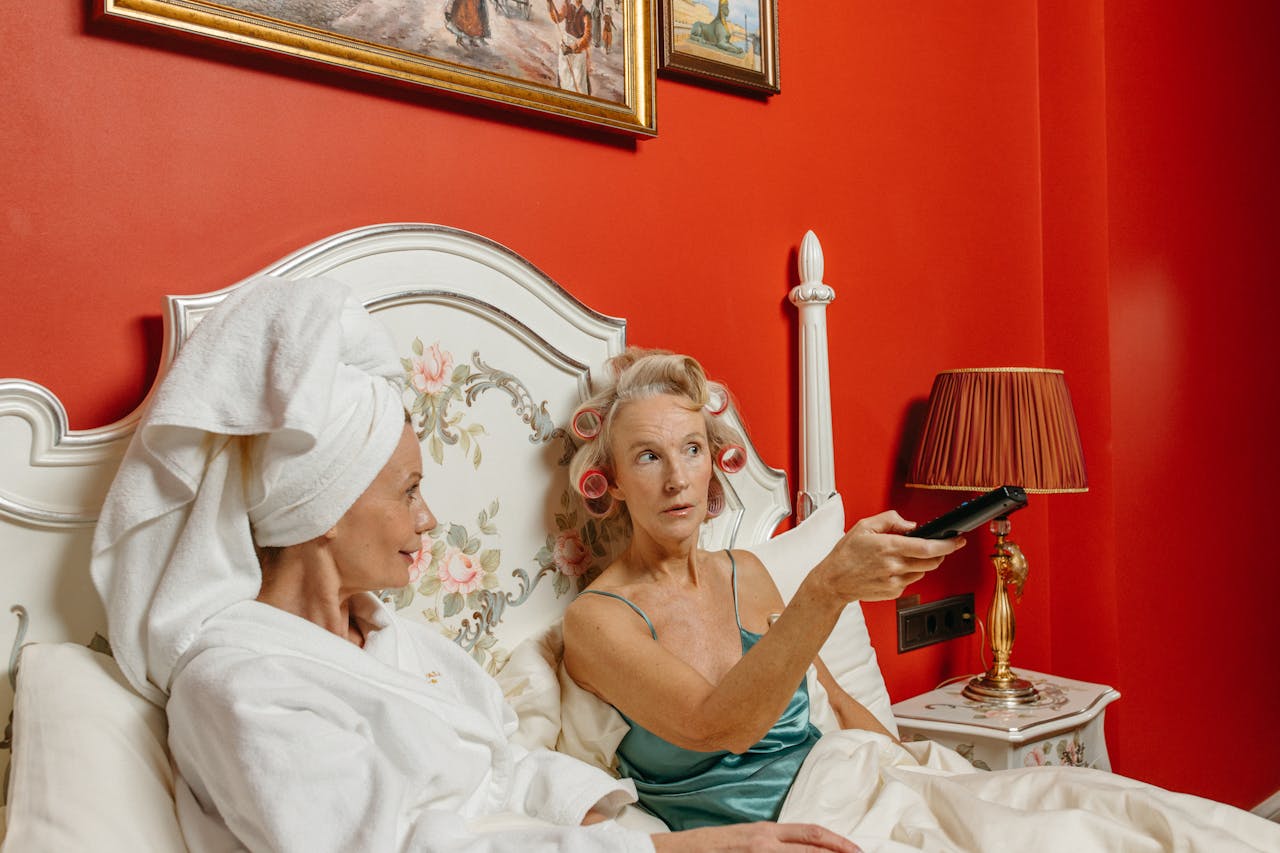
Camcorders put parents and relatives on the record, and that changed behavior. Some adults narrated like hosts, coached kids to speak clearly, and staged a second take of a present opening so the tape looked smoother. Others stayed behind the lens, becoming the voice offscreen who teased, directed, and occasionally laughed loudest. Either way, the device documented family dynamics in the background: who calmed nerves before a recital, who made jokes during dinner, who hugged first, and who kept things moving. The footage captured parenting styles and household rituals without anyone trying to document them. Years later, that became the richest part.
Milestones Felt Easier To Keep Whole
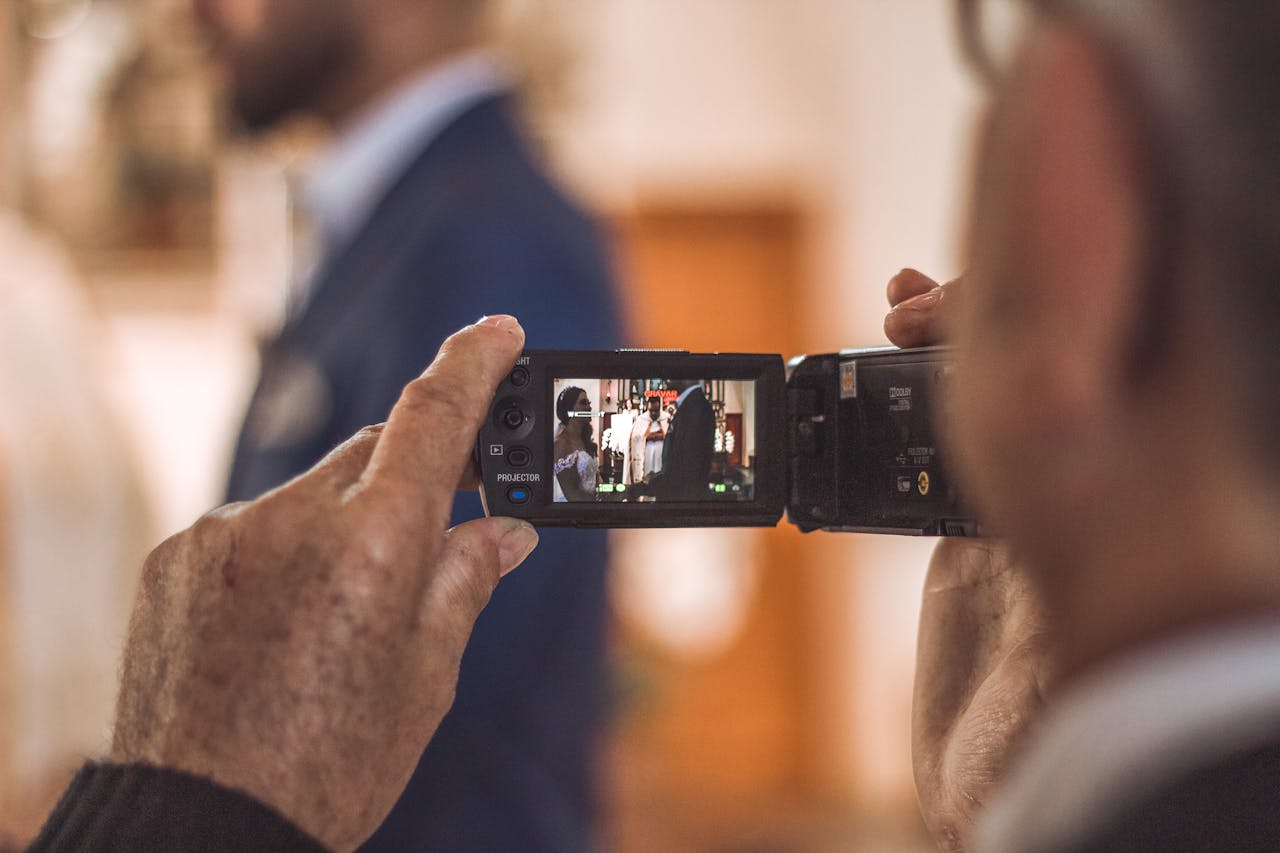
Home video made it realistic to preserve longer moments instead of single snapshots. The tape could hold the full birthday song, the pause before candles, the speeches at a graduation party, and the clapping afterward, with everyone’s voices overlapping. It also captured context that later felt like a time capsule: decorations, hairstyles, living room furniture, and the way kids bounced in and out of frame. Because the camera could keep rolling, families worried less about the perfect shot and more about letting the moment unfold. The awkward pauses, missed lines, and spontaneous laughs stayed in, and those details later carried more emotion than any posed photo.
Sharing Tapes Became A Social Habit
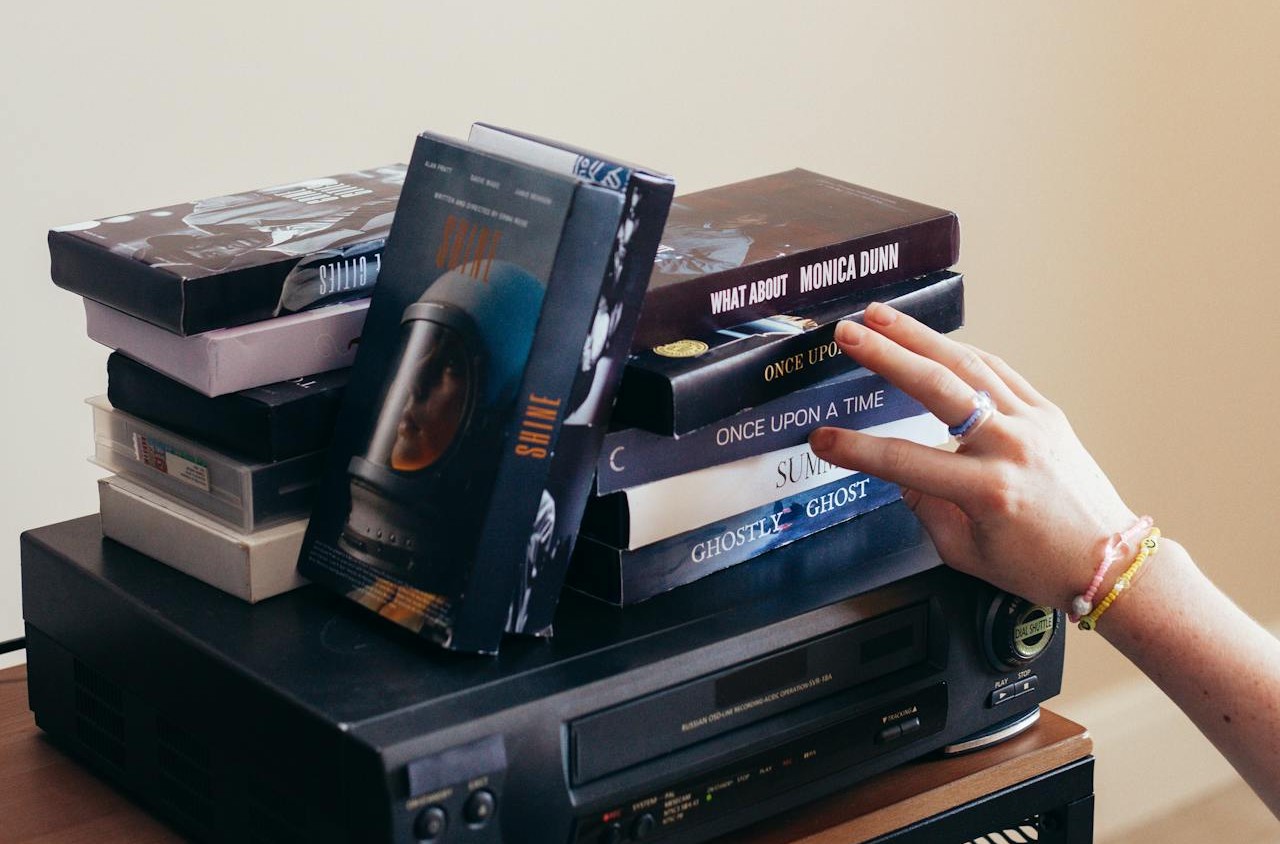
A fresh tape was something to bring over, like a casserole or dessert. Families duplicated recordings, mailed them to grandparents, and used video as proof of growth, new pets, new babies, and new inside jokes, especially when distance made visits rare. The camcorder also became a conversation starter at work and school, because it signaled curiosity and a certain optimism about technology in the home. A single holiday tape could be watched by cousins, neighbors, and friends, creating shared references across households and years. Private moments became community stories, and family history started traveling beyond the front door.
The Friction Set Up The Next Wave
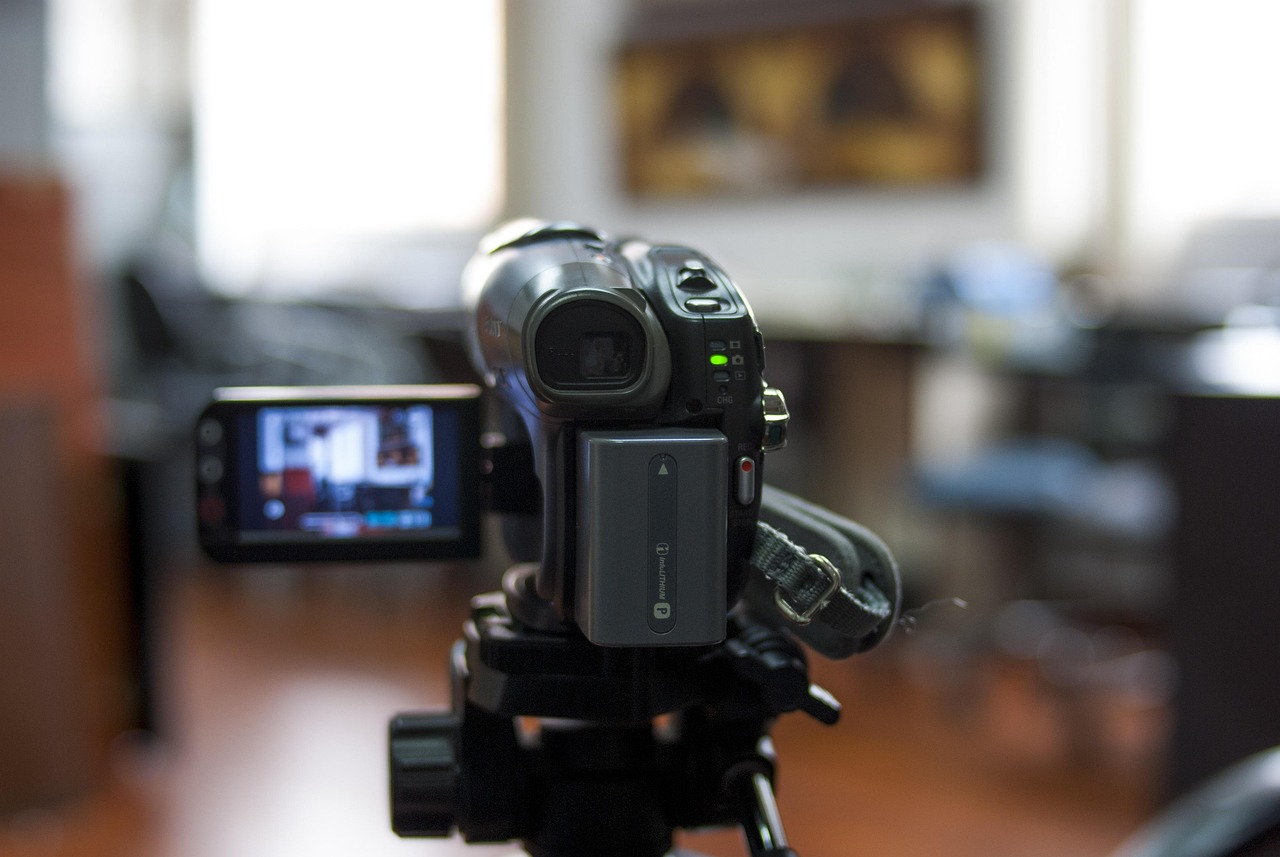
VHS camcorders also taught families what they wanted next. Tapes ran out, batteries failed, and carrying the gear made spontaneous filming harder than the ads suggested, especially on long days out. People learned to ration minutes, plan which moments mattered most, and label everything so memories did not vanish into a drawer. Those limits did not kill the habit; they sharpened it. Families wanted smaller cameras, easier playback, and faster sharing, and the desire only grew stronger once the home-video mindset took hold. VHS changed behavior first, then later technology caught up to what families had already learned to value.