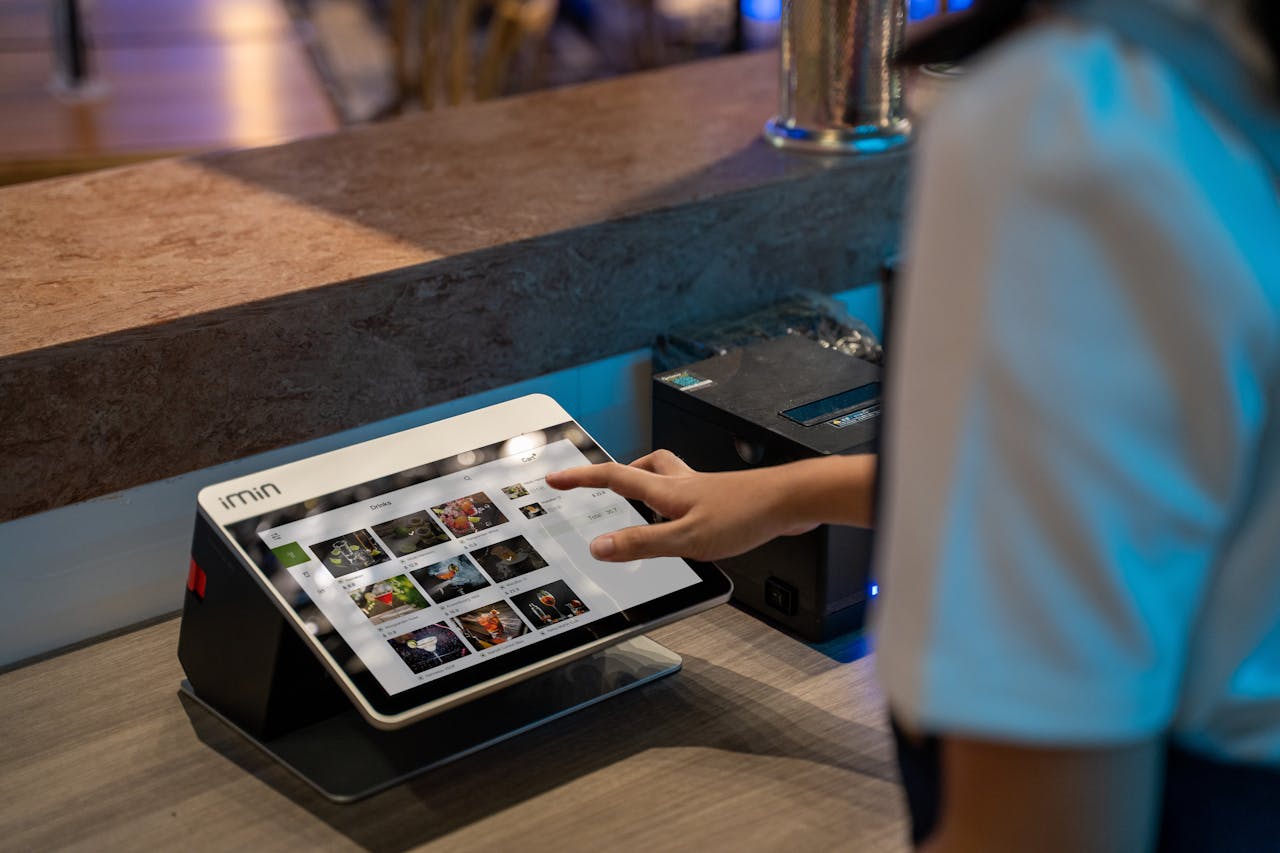
Tablets and QR codes were pitched as faster, cleaner, and easier, yet plenty of diners now call it simple exhaustion. Ordering from a screen, hunting for WiFi, and tapping through payment prompts can break the mood of a night out.
That frustration is reshaping the market in a strange way. Restaurants that still run on eye contact, menu guidance, and a server who catches an allergy question before it turns awkward are starting to feel like a luxury category. Some guests will pay more for that calm, especially when the meal is meant to celebrate something. Luxury has a price, and labor is the biggest line on the receipt.
When Screens Replace Small Talk
Dining used to begin with a greeting and a quick read of the room. Now it often starts with a device, a QR square, and a quiet scramble to find the menu. Phones glow, batteries dip, and the first conversation becomes a tech check instead of a welcome.
That shift feels minor until the table goes silent. For customers already drained by screens all day, another screen at dinner can land like an unwanted task. Restaurants that keep the first minutes human, with a quick guide to specials and a calm allergy check, prevent mistakes and make higher prices feel earned, not arbitrary. That is the new baseline for hospitality.
Human Service Becomes The Upsell
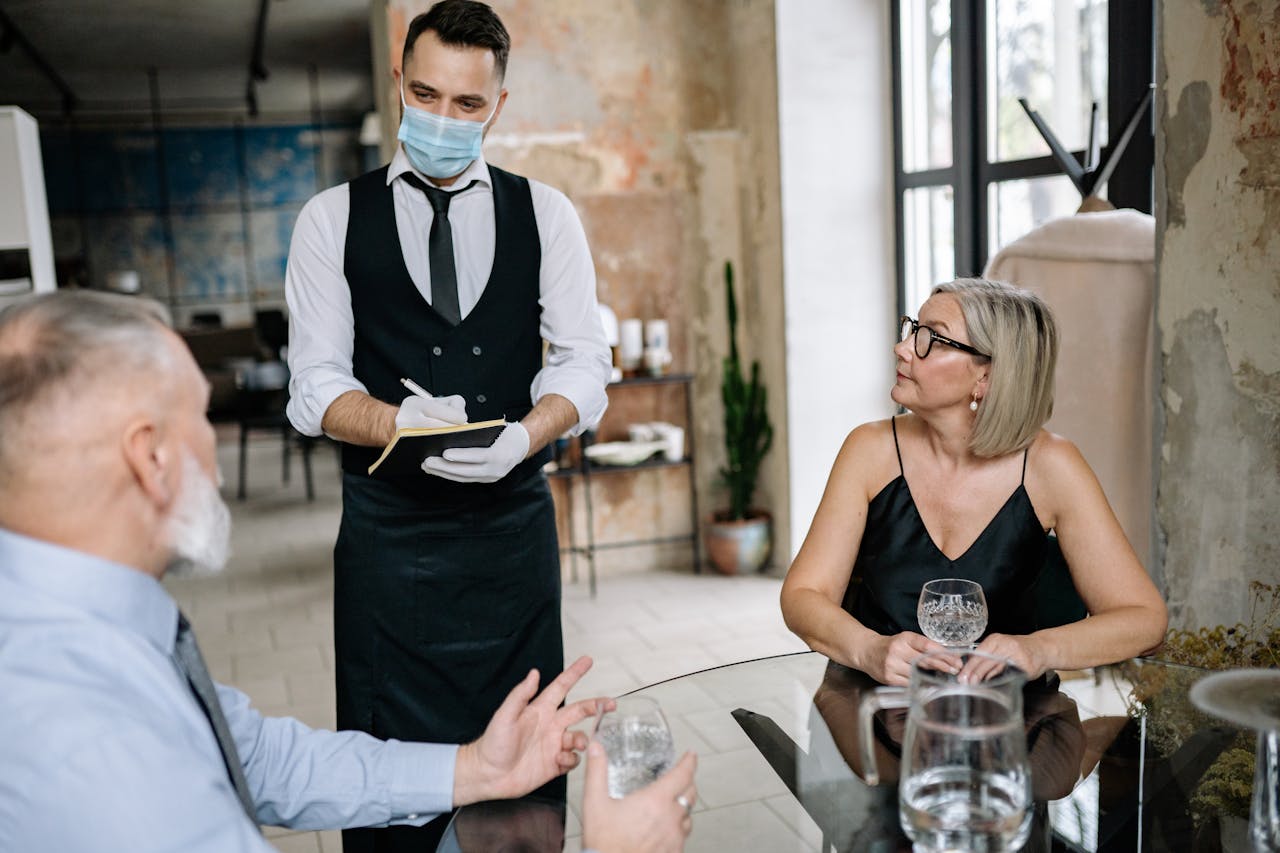
Restaurants that keep a server in the flow are selling more than food. They are selling timing, tone, and the small rescue moments that screens cannot provide. A good server notices hesitation, flags a hidden spice level, and refills water before anyone asks.
When tablet ordering becomes the default elsewhere, those human touches start reading as a premium feature. They also solve messy moments, like split checks, kid substitutions, and a birthday candle request, without turning dinner into a mini support ticket. Prices rise, but the experience feels managed by a person, not a prompt. That is the part people defend online.
Labor Costs Write The Price Tag
Full service has a simple problem: it requires staffing every hour, not just at rush times. Hosts, servers, runners, and bussers are the backbone of the room, and the payroll keeps ticking even when a storm empties tables.
To cover that reality, many restaurants either raise menu prices or add fees that feel hidden until the receipt appears. Fast casual can lean on kiosks and counter pickup to keep labor leaner, so the price gap grows. When customers still pick table service, they are often paying for reliability: someone to greet them, guide them, and handle the rough edges. That reliability is harder to staff than a screen.
Tip Prompts Turn Dinner Into A Moment Of Pressure
Tablet checkout has changed the emotional texture of paying. Instead of a quiet line on a paper slip, the screen often flashes bold suggested tips and waits for a tap. Many diners feel put on the spot when the device is held at the table.
That pressure stacks on top of rising prices and, in some places, added service charges. Tip prompts now show up in counter service and takeout, so patience is already thin by dinner. When a restaurant leans into human service, it can make tipping feel like gratitude again, not a required click path. Clear guidance can calm the last five minutes. Some diners simply avoid tablet first rooms.
Hybrid Service Is The Compromise People Accept
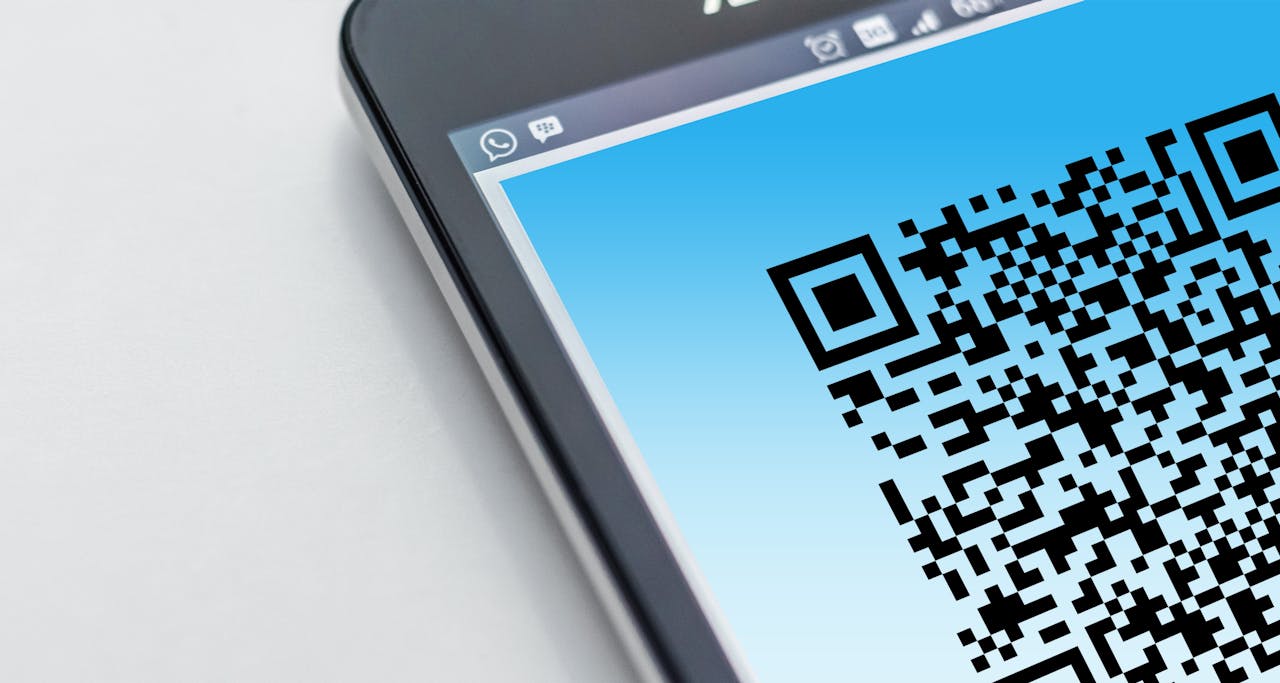
Many restaurants are learning that technology works best as a quiet option, not a forced pathway. A printed menu can handle the basics, while a QR code can sit off to the side for photos, wine notes, or detailed allergen info. That keeps phones out of the spotlight.
Payment can follow the same logic. Some guests like tap-to-pay at the table; others want a normal check and a moment of privacy. With a server still present, a tablet becomes a tool for speed, not a substitute for care. Hybrid setups respect both groups and keep staff focused on the room, not logins. It also protects the experience when WiFi fails or a phone dies.
Fees Make The Bill Feel Like A Puzzle
As menu prices climb, more restaurants lean on add-on charges to cover rising costs. Service fees, wellness surcharges, and automatic gratuities may have good intentions, but they can still read as a bait-and-switch when they appear late. Many diners would rather see the real price on the menu.
Tablet ordering can amplify that frustration because the final total arrives after a series of taps, not a clear conversation. When the bill feels like a puzzle, trust erodes fast, and the tip becomes another debate. Restaurants that explain pricing upfront, and keep the math simple, are less likely to become a screenshot on social media.
Good Service Now Requires Real Skill Again
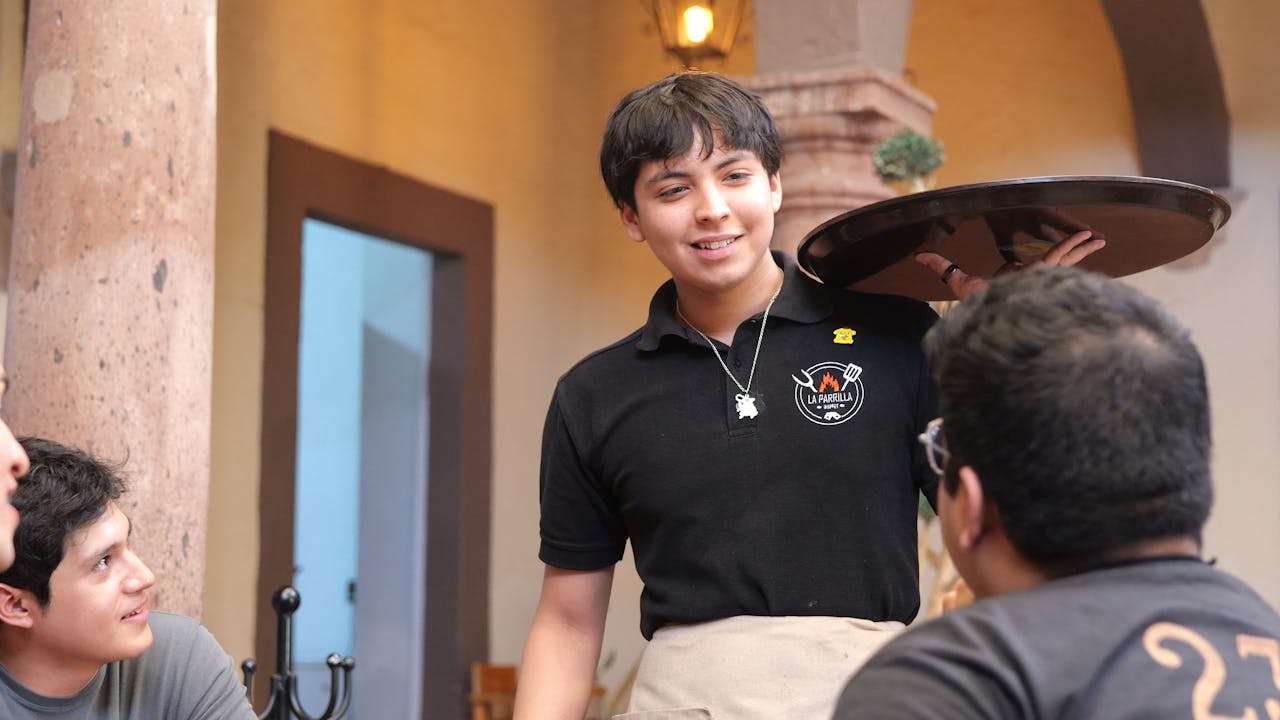
For years, many restaurants treated service as interchangeable, assuming tech could fill the gaps. Tablet fatigue is forcing a rethink. A strong server is part host, part translator, and part traffic controller between table and kitchen.
That skill shows up in small moments: steering a group away from ordering the same heavy starter, pacing drinks, spotting a guest who wants quiet, and catching a mistake before it lands. Training that craft takes time, and retention takes pay. When a restaurant invests in people, higher prices can feel less like inflation and more like care. It is a bet that diners will notice and return.
The New Premium Is Feeling Seen
Price increases sting most when the experience feels automated. The entrée costs more, but the room feels colder, and the customer did half the work through a screen. That mismatch is where backlash grows, because the bill rises while the hospitality shrinks.
In contrast, a human-served meal can justify its price by making the guest feel noticed. Conversation flows without phones on the table, questions get answered without scrolling, and small problems get solved before they become complaints. The table leaves with a clean ending, not a final tap sequence. As tablet fatigue spreads, that human finish is becoming the product.