Feed-sack quilts rose from a plain reality: fabric was costly, but cotton bags kept arriving with flour, sugar, and feed. Home sewers treated those sacks as usable cloth, washing out ink, saving matching prints, and piecing blocks that looked cheerful even in lean years. During the Depression and wartime rationing, the practice spread because the bags were steady, sturdy, and wide enough to cut into real pattern pieces. Neighbors swapped prints, children learned to spot repeats, and companies quietly leaned in with prettier designs and removable labels. What survived was more than thrift. These quilts carried pride, skill, and a stubborn refusal to waste what could become warmth. In many homes, the quilt frame doubled as a social calendar.
A Second Life for Everyday Packaging
Before reuse had a trendy label, cotton commodity sacks offered real yardage with no extra trip to town. Once flour, sugar, or feed was gone, stitching could be picked, the fabric soaked, and the panels pressed into clean lengths. Standard bag sizes made planning easier, and seams often landed where quilt blocks could disguise them. Families saved the best pieces for patchwork, cut the rest into linings and towels, and learned exactly how far a sack would stretch. What started as practical cleanup turned into a dependable supply chain, delivered with groceries and measured in careful cuts. It helped when cash stayed scarce for long.
Pretty Prints Turned Necessity into Choice
Once companies realized the bag was being saved, the plain cloth started to compete on looks. Mills printed ginghams, small florals, and crisp stripes, and repeated designs so pieces could be matched across several sacks. Labels shifted to paper tags or inks meant to rinse away, because no one wanted a brand mark ghosting through a quilt block. Some households saved duplicates in a trunk until enough yardage appeared for a full top, then planned borders around the rarest print. People still bought what they needed, but they noticed which feed came with the best color, and choice quietly returned, briefly.
Swapping Prints Wove Stronger Communities
One sack rarely provided enough matching fabric, so coordination became its own skill. Neighbors traded empties at church suppers and feed stores, comparing florals the way others compared recipes. Children learned to recognize a repeat from across a room, because one extra bag could finish a border or back. Some families kept a folded sample square in a pocketbook to check prints in town; others bartered eggs for a needed pattern. Even shopping shifted as a brand might be chosen because it matched what was already saved at home. The quilt was stitched long before the needle moved, through small acts of sharing and steady attention.
Washing Away Labels Became Part of the Craft

Turning a sack into a quilt block started with erasing its former job. Makers soaked and scrubbed until ink faded, then set the cloth in sun and air, pressed it flat, and cut away worn seams. Sometimes the process took days, because the goal was a clean start, not a faint logo hiding in a light print. Households also knew the social stakes; sack cloth could invite comments at school or church, so makers worked carefully. Repeated washing softened the weave from stiff to supple, and good pressing made seams vanish. Even after companies adopted removable labels, that first wash still felt like turning necessity into craft, with pride.
Wartime Shortages Made Ingenuity Feel Normal
Feedsack quilts surged when store fabric was scarce. Depression budgets tightened, and wartime production favored uniforms and essentials, so households leaned on cotton sacks that still came home with flour and feed. Those bags were made for hauling, which meant the cloth could take washing, cutting, and dense quilting without falling apart. Families saved the prettiest prints for special quilts and used plain sacks for backs and pillowcases, stretching every usable inch. Comfort did not depend on shopping, only patience, smart planning, and the steady rhythm of handwork. Rationing made scraps precious and quilting filled evenings.
Patterns, Pamphlets, and Contests Kept Skills Sharp
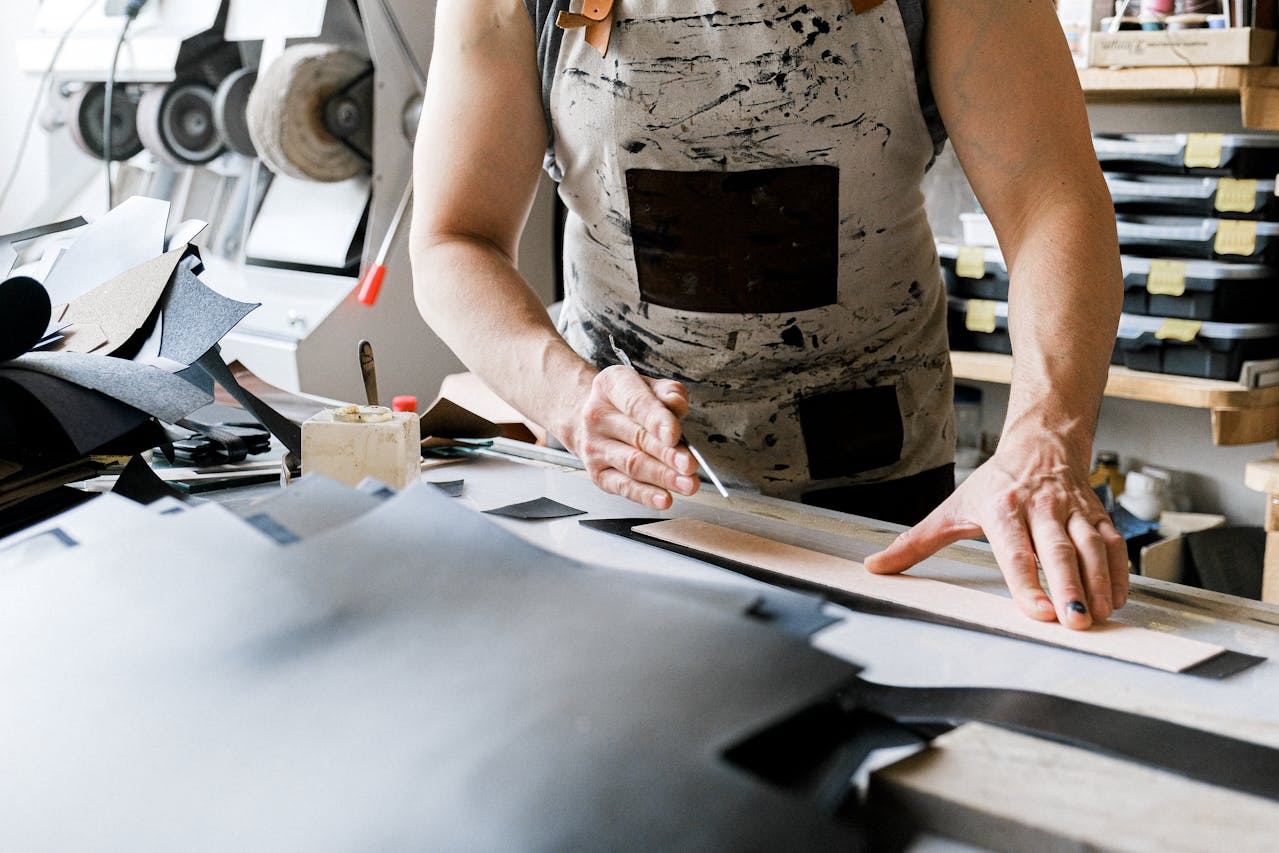
Feedsack quilting did not spread only through family teaching; it traveled through print and public pride. Newspaper columns, extension agents, and store handouts shared cutting diagrams that showed how to flatten a bag into usable panels with minimal waste. Trade groups sponsored sewing contests, and companies published project booklets that treated thrift as a skill worth celebrating. Pattern makers also adapted, offering blocks and layouts that worked with a sack’s width and repeat. All of it kept standards high: straight seams, thoughtful borders, and quilts that looked finished enough for the guest bed and the county fair.
The Look Aged into Something Surprisingly Modern
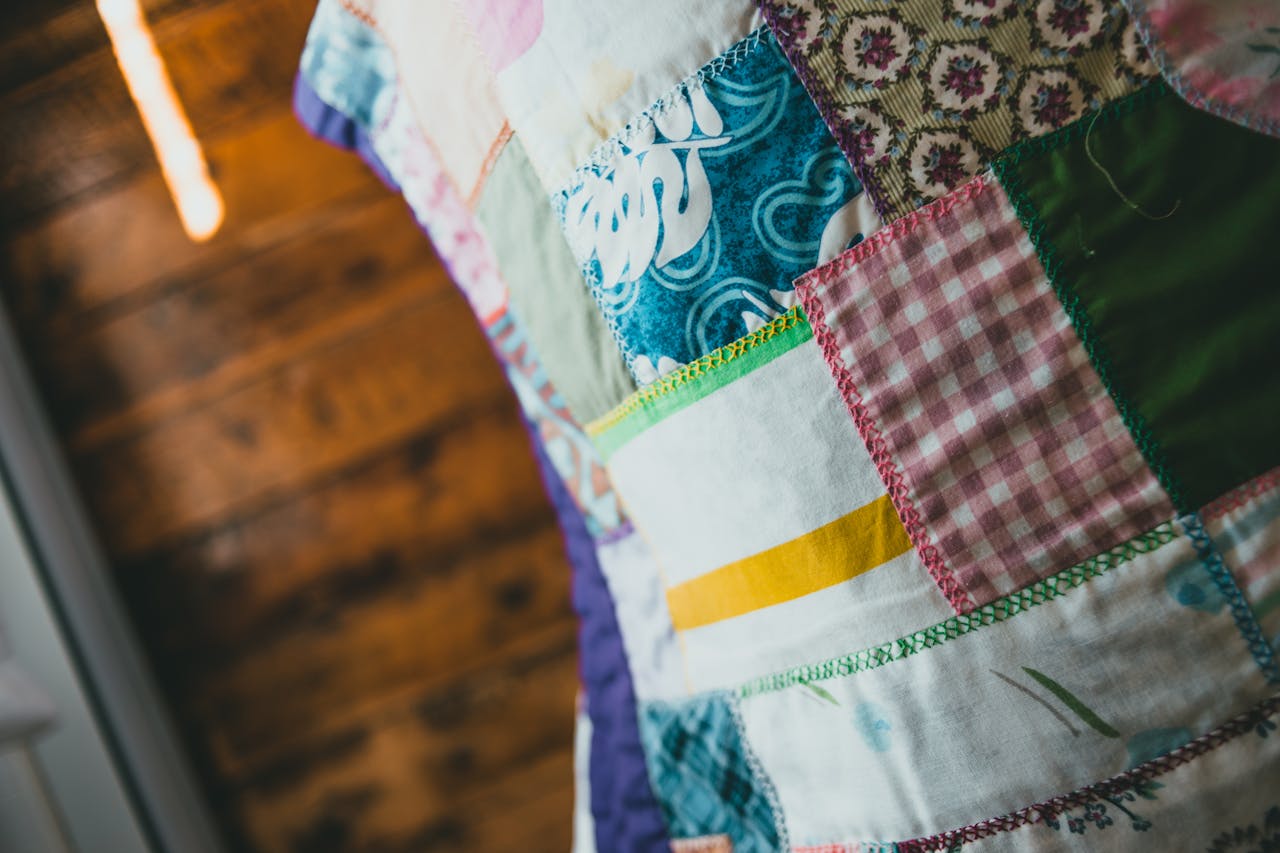
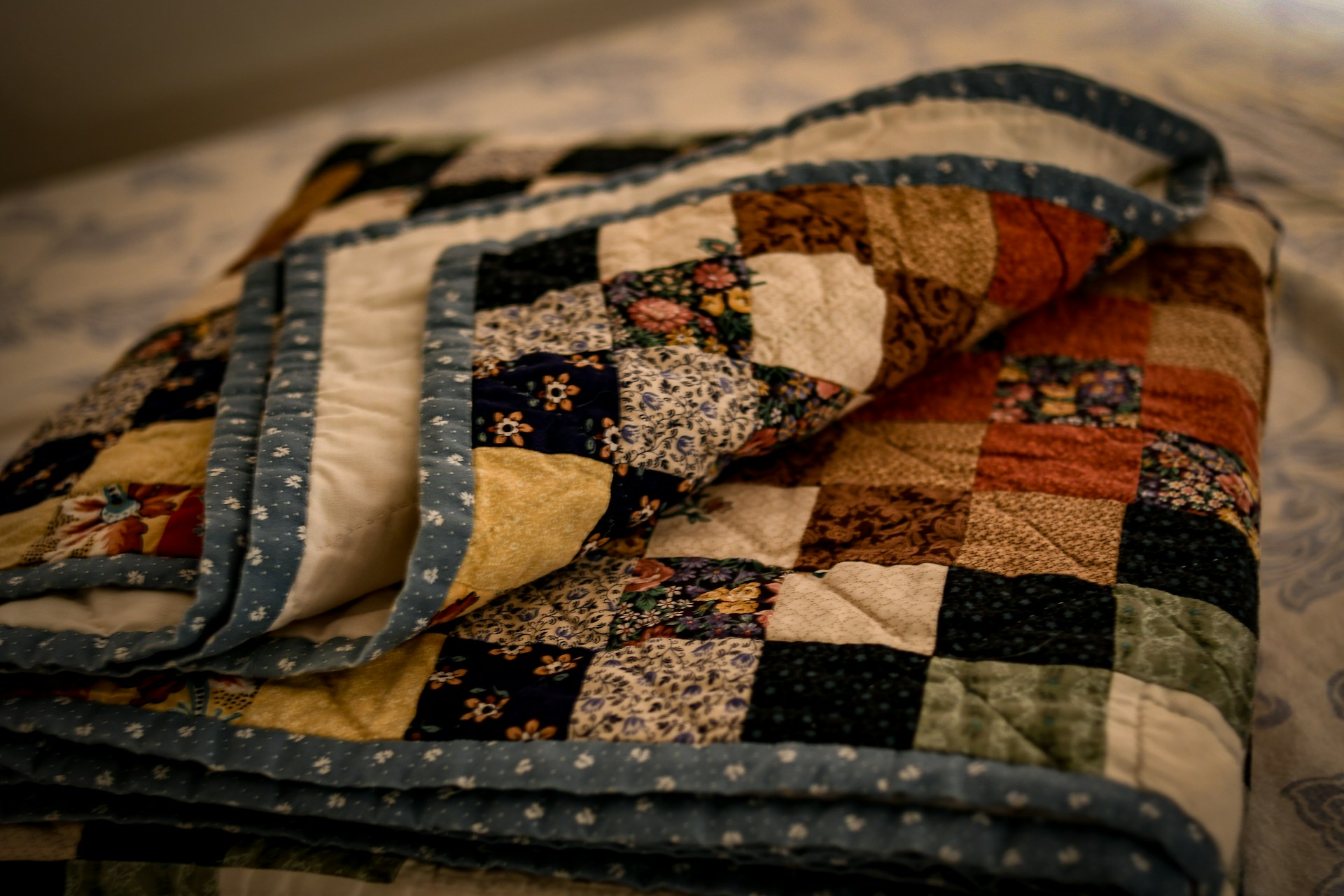
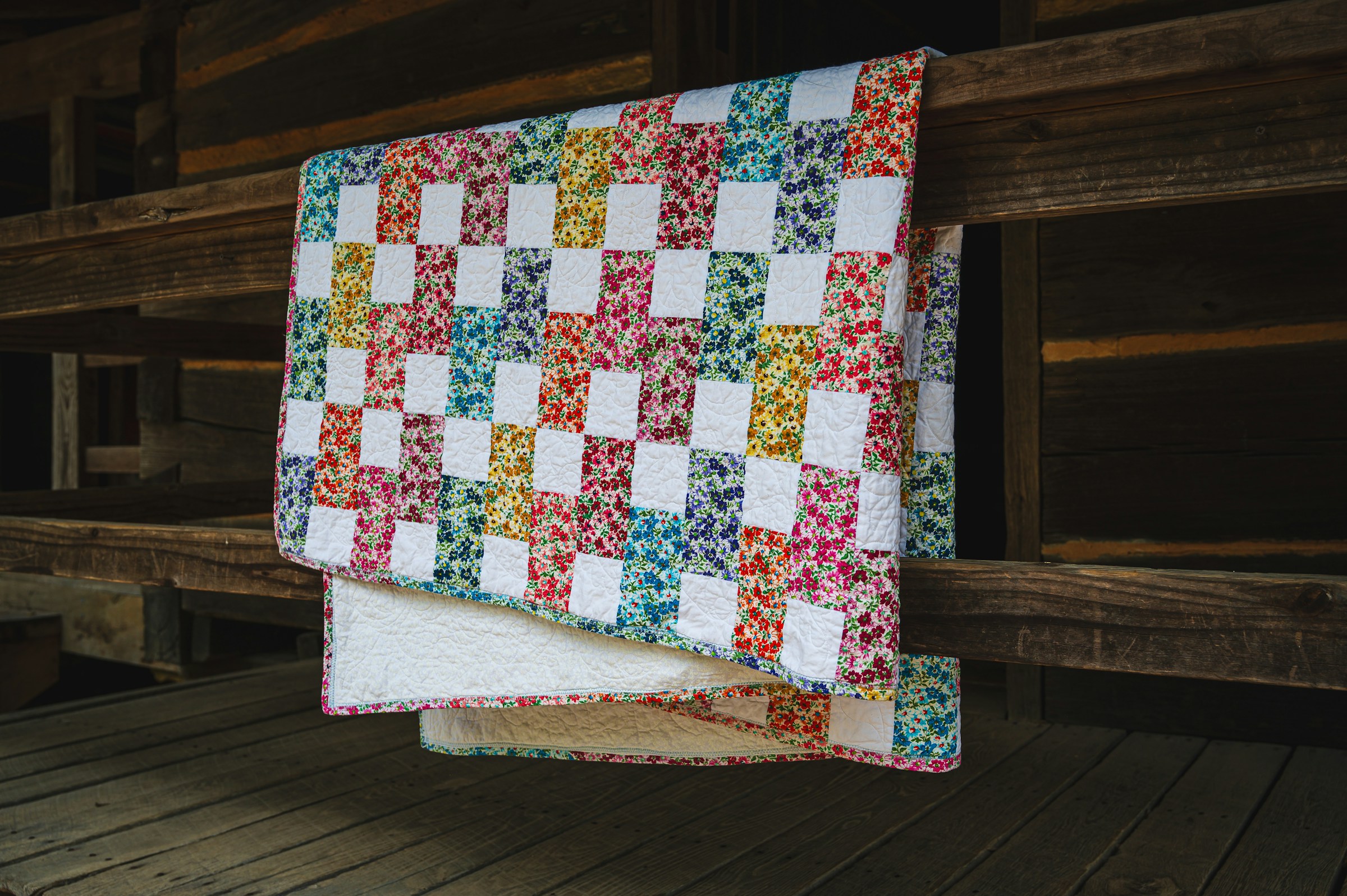
The visual language of feedsack quilts came from everyday prints, but the results can feel bold even now. Small florals, ticking stripes, and novelty motifs sit side by side, held together by repetition and clean geometry. Because the fabric supply was uneven, makers learned balance by eye, pairing lively prints with plain sacks and rotating colors so a top did not tilt too busy or too flat. Quilting lines then pulled everything into one calm surface, making a patchwork of many sources read like one decision. That clarity is why the quilts photograph so well decades later, long after the original sacks disappeared even now somehow.
Quilts Became Family Records in Cloth
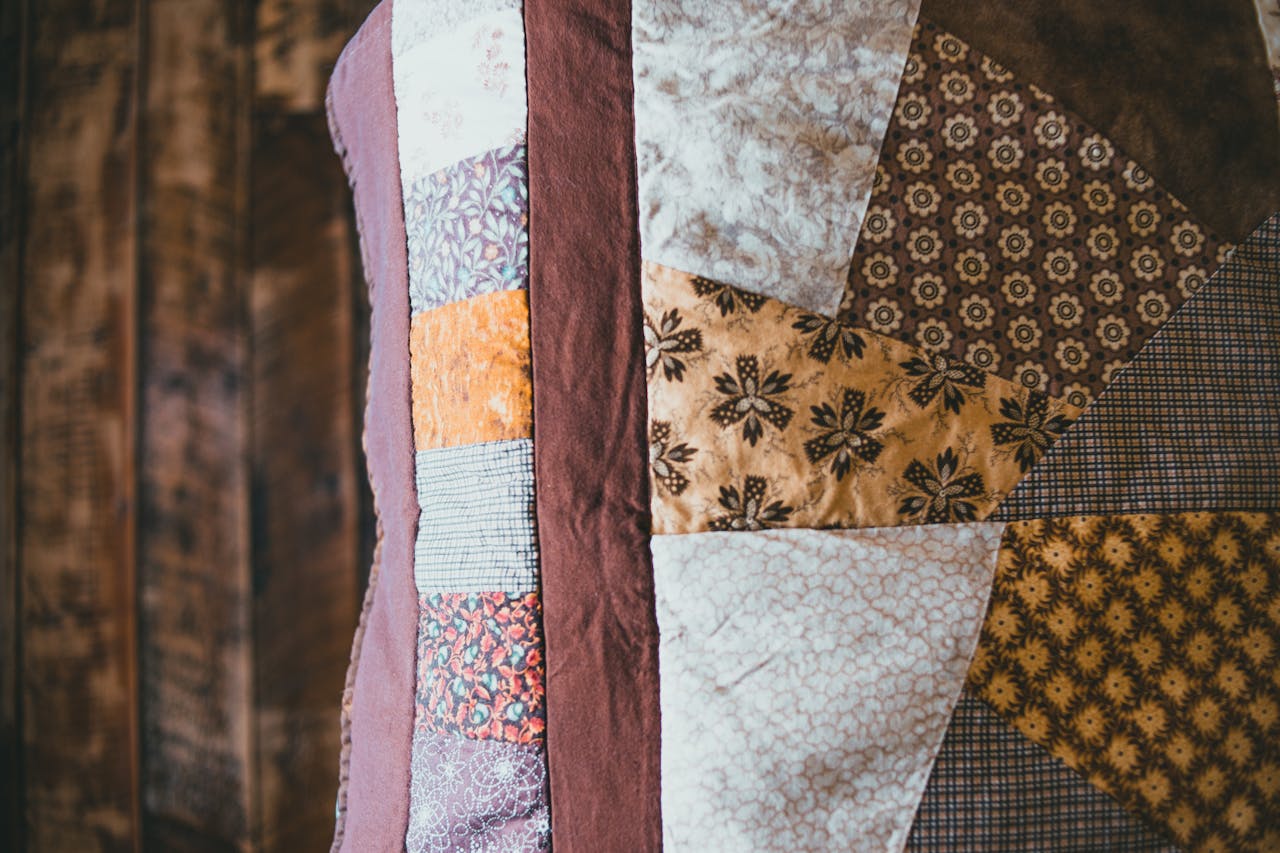
A feedsack quilt often worked like a family ledger, written in fabric instead of ink. One square might come from a neighbor’s swap, another from the month a rare print finally showed up in town, and the back told its own story in plain sacks and patches. Repairs were not hidden; they were remembered, tied to a child’s growth or a winter that ran long. At reunions, elders pointed to blocks and named who stitched them, who quilted at the frame, and who first slept under the cover. Over time, the quilt stopped being only bedding and became a portable record of ordinary life, worth saving because it held names, hands, and hours. Always.
The Materials Changed, but the Meaning Stayed
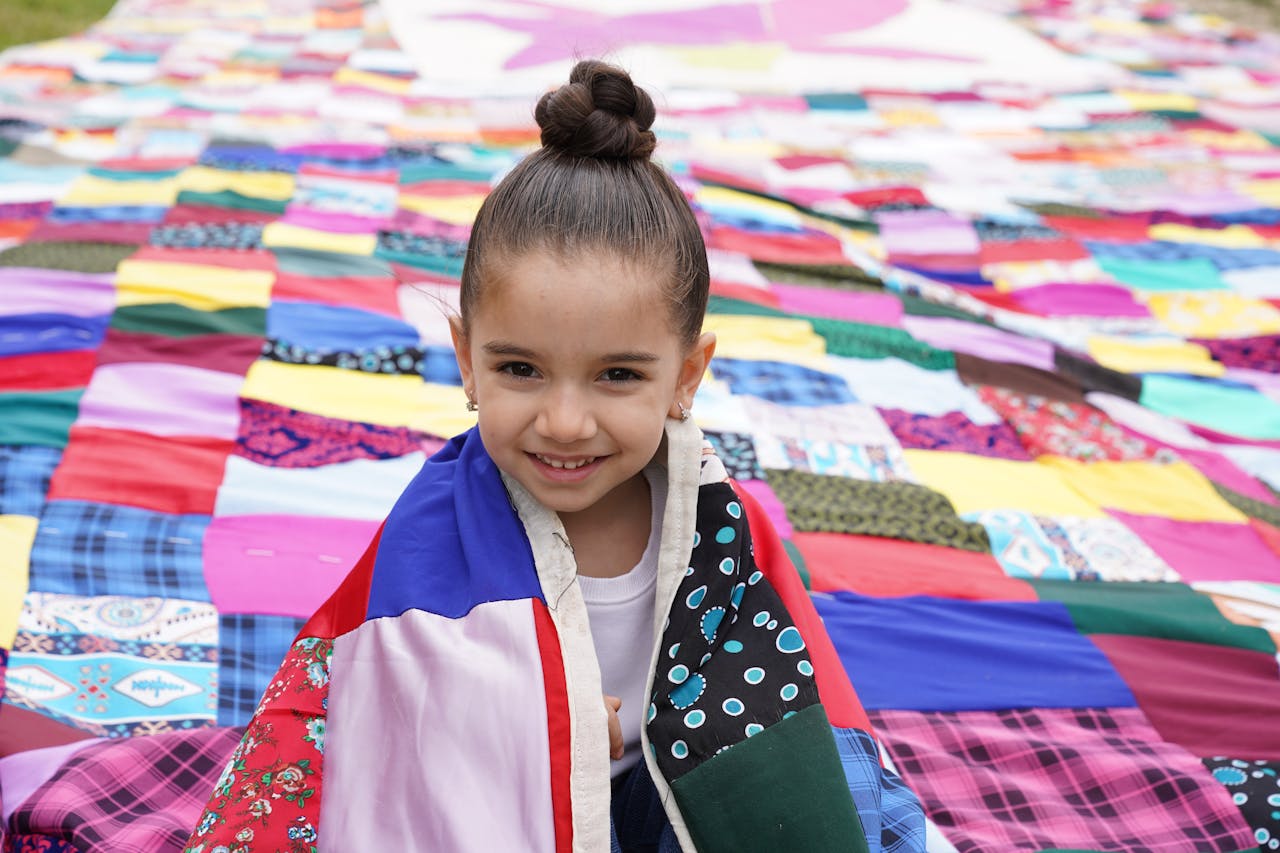
The feedsack era faded as paper and plastic packaging took over, and the printed cotton bags stopped arriving on back porches. Yet the quilts stayed in trunks, on guest beds, and in hope chests, because they had already proved their worth. Collectors later hunted the old prints, museums saved dresses and quilts as material history, and quilters kept salvaging scraps from estate sales to finish unfinished tops. The appeal was never only nostalgia; it was the clear lesson that design can live inside limits. When a quilt can start as a bag meant to be discarded, it becomes hard to believe that beauty requires ideal conditions. At all.