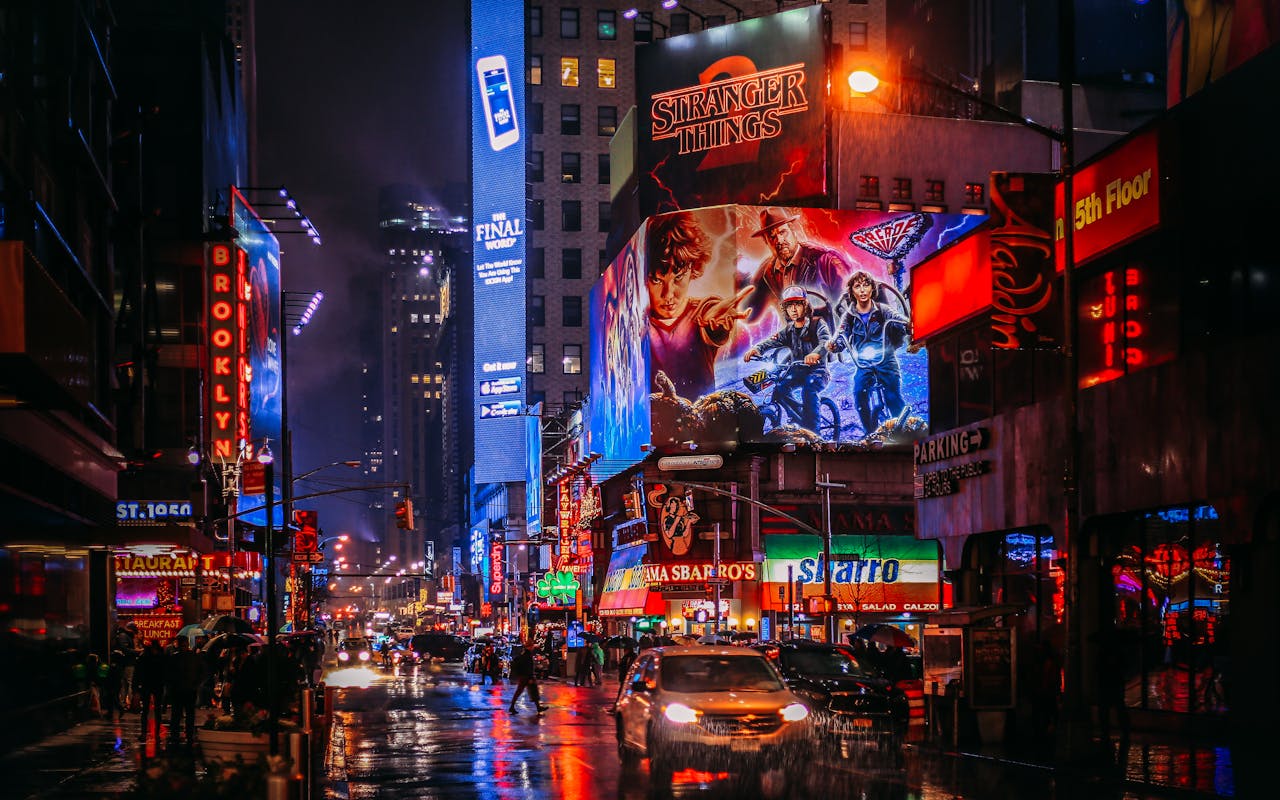
Some places in the United States are iconic for a reason, but the glow can hide the fine print. Crowds turn quick errands into slow marches, and weather can flip fast enough to ruin a plan. Prices climb in the most photogenic blocks, while closures and weak cell service can make simple logistics unravel. In cities, the squeeze is noise and upsells; in wild spaces, it is heat, tides, and distance from help. Friends flag these spots to keep a trip feeling like a story, not a lesson. A little research, early starts, and realistic pacing often change the mood completely, but the warning is worth hearing first. At least once.
Death Valley National Park In Peak Heat
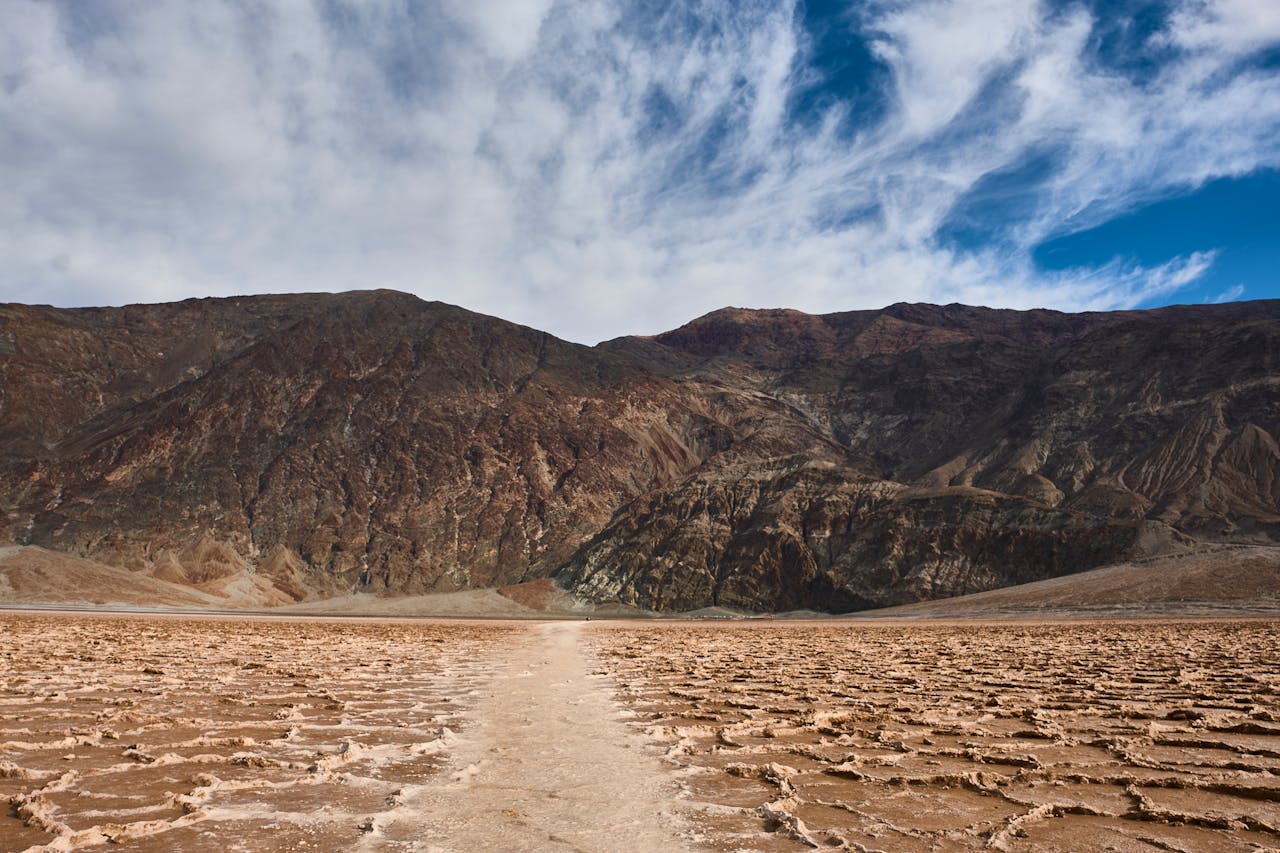
Death Valley’s beauty is brutally honest: wide salt flats, black mountains, and a sun that does not negotiate. In warm months, triple-digit heat can build by midmorning, and the air feels like it has weight.
Many stops look quick, but reflected glare and still heat can drain energy in minutes, not hours. Even experienced travelers misread the risk because the scenery feels calm and spacious.
Roads run long with spotty service, so a flat tire or overheated engine becomes a bigger problem than expected. Friends usually recommend dawn timing, a full tank, and more water than feels reasonable, plus a paper map in the glove box.
The Narrows In Zion National Park
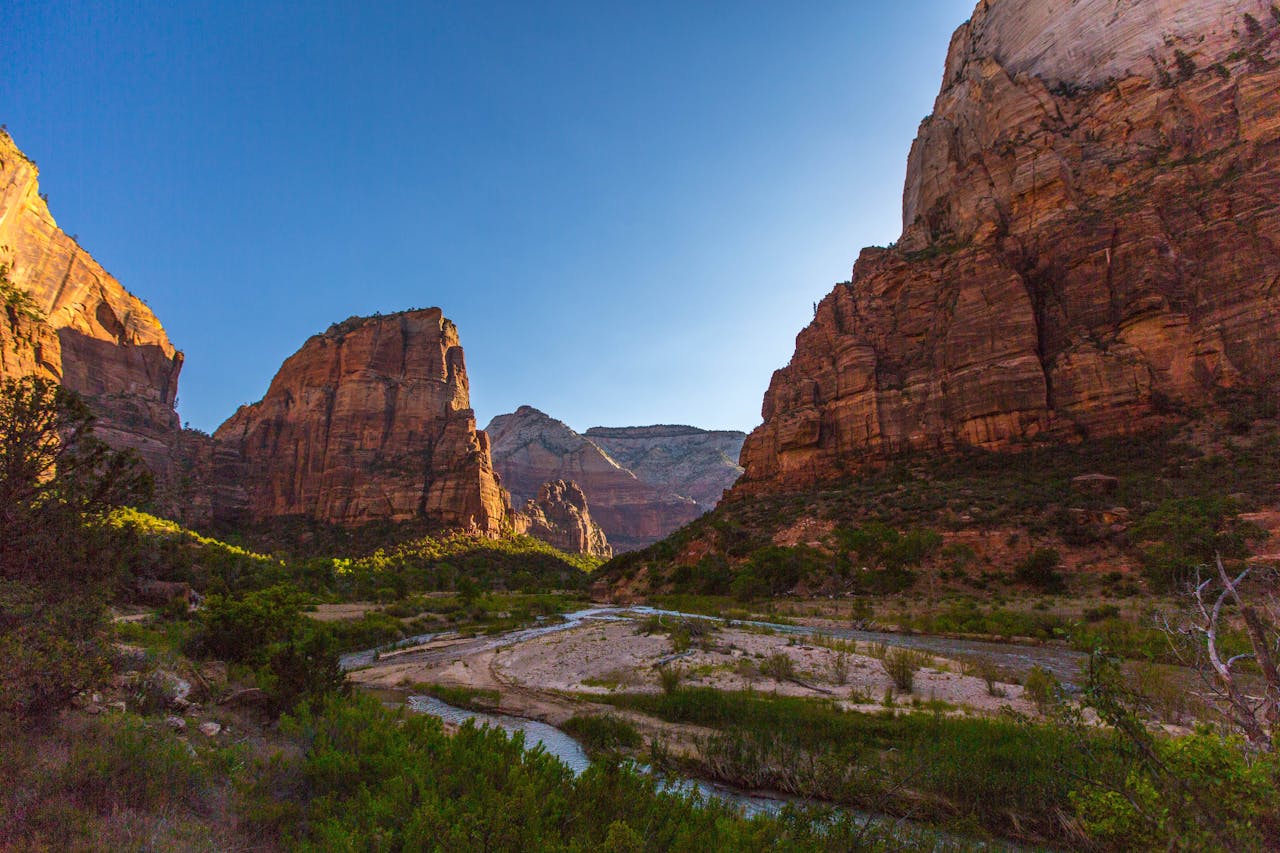
The Narrows in Zion is a river walk that feels like stepping into a cathedral of stone, which is exactly why it draws crowds. The squeeze of canyon walls can turn a peaceful wade into slow, stop-and-go movement.
Flash floods are the real fine print, because storms miles away can send a surge through the canyon with little warning. Water levels, temperature, and slick rocks also change the experience from playful to exhausting fast.
Friends tend to warn about footwear, dry bags, and checking conditions before committing to a deep push upriver. On busy days, the best memories often come from shorter stretches and earlier starts.
Yosemite Valley During Peak Summer
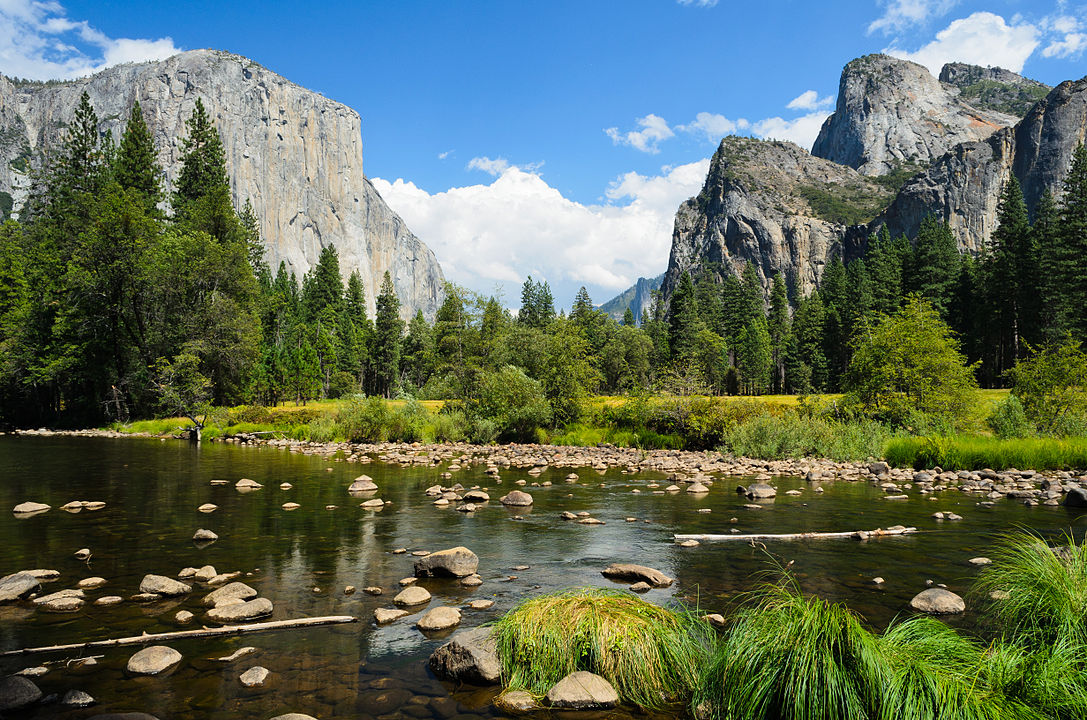
Yosemite Valley sells a fantasy of open meadows and quiet granite, but peak season can feel like a moving parking lot. Arrivals after midmorning often meet full lots, long shuttle queues, and the hum of idling engines.
Crowding compresses viewpoints, and simple errands like finding food or a restroom become part of the day’s plot. Late summer can also bring wildfire smoke from the region, turning crisp panoramas into a muted haze.
Friends usually suggest planning around reservations and transit, then treating the valley as a base, not the whole story. Early light, quiet trails, and patience make the scenery land the way it should.
Yellowstone Thermal Basins And Wildlife Jams
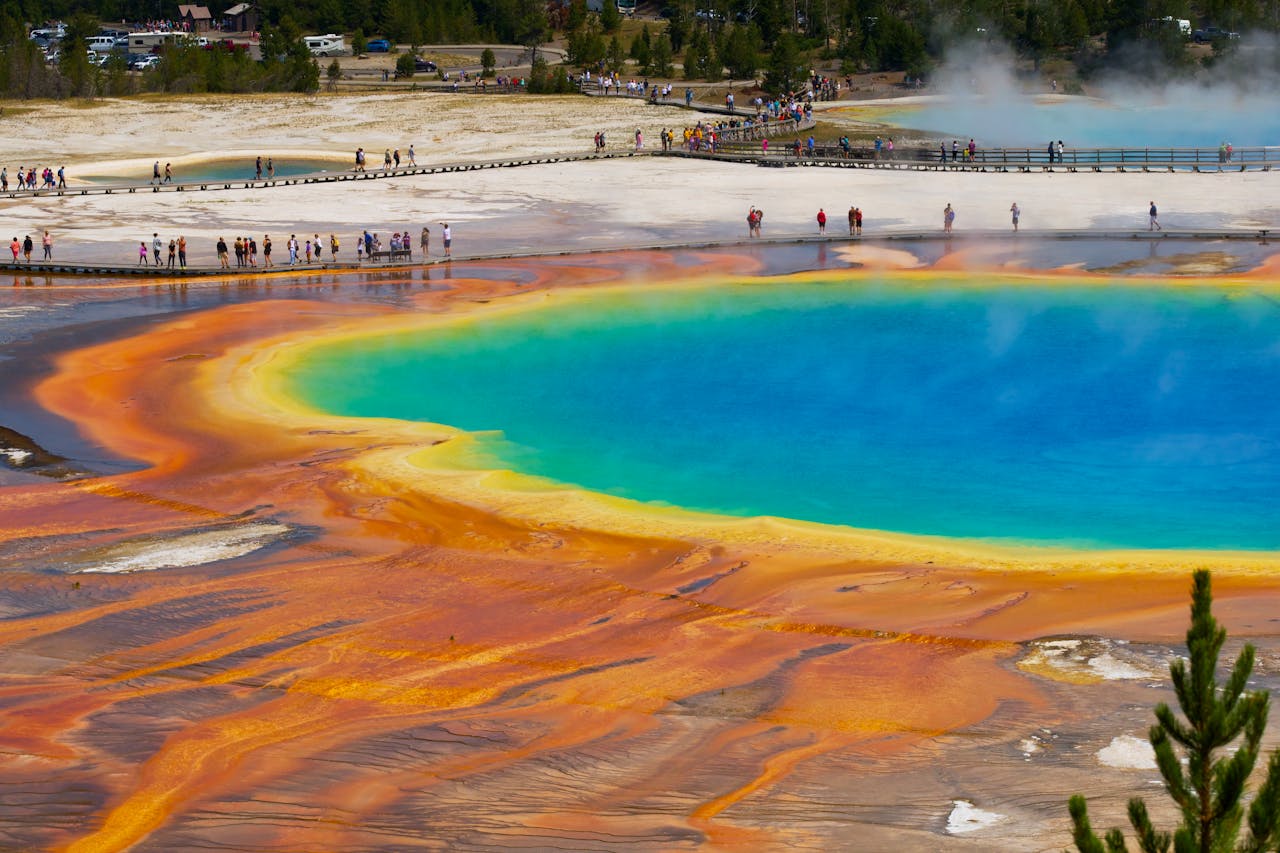
Yellowstone’s geysers and hot springs look serene, but the ground around them can be fragile and intensely hot. Boardwalks exist for a reason, and stepping off them can damage the crust and create real trouble fast.
The other surprise is traffic: one bison in the road can stall miles of cars, and patience becomes the day’s main skill. Wildlife also draws crowds into tight clusters, which makes a calm moment feel hectic in seconds.
Friends warn that the park rewards slow pacing, early mornings, and a willingness to skip a jammed stop without regret. That mindset keeps the wonder intact instead of turning it into a slog.
Grand Canyon South Rim At Sunrise
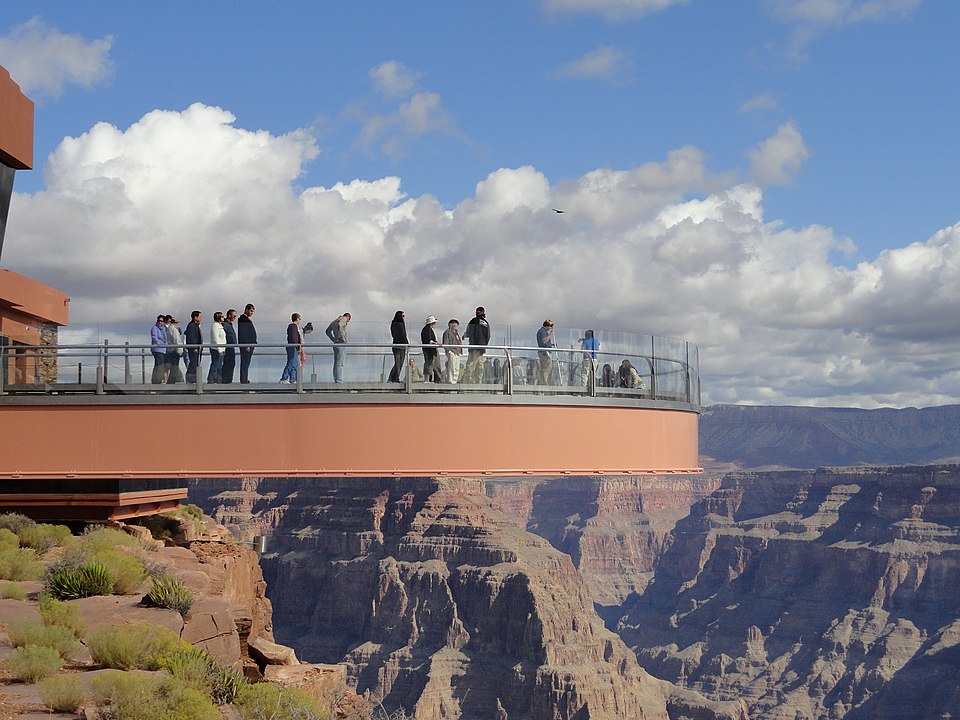
The South Rim of the Grand Canyon can feel like a magnet, especially at sunrise when every overlook fills at once. The scene is breathtaking, but the combination of crowds, wind, and thin air can make the rim feel less forgiving.
Edges come up quickly in photos and in real life, and the scale messes with depth perception. Even easy walks can feel tiring at elevation, particularly in dry months when the air pulls moisture quietly.
Friends often suggest choosing one viewpoint, lingering there, and letting the canyon unfold instead of chasing every stop. A slower approach leaves space for awe, not just camera time for a while.
Mount Washington, New Hampshire
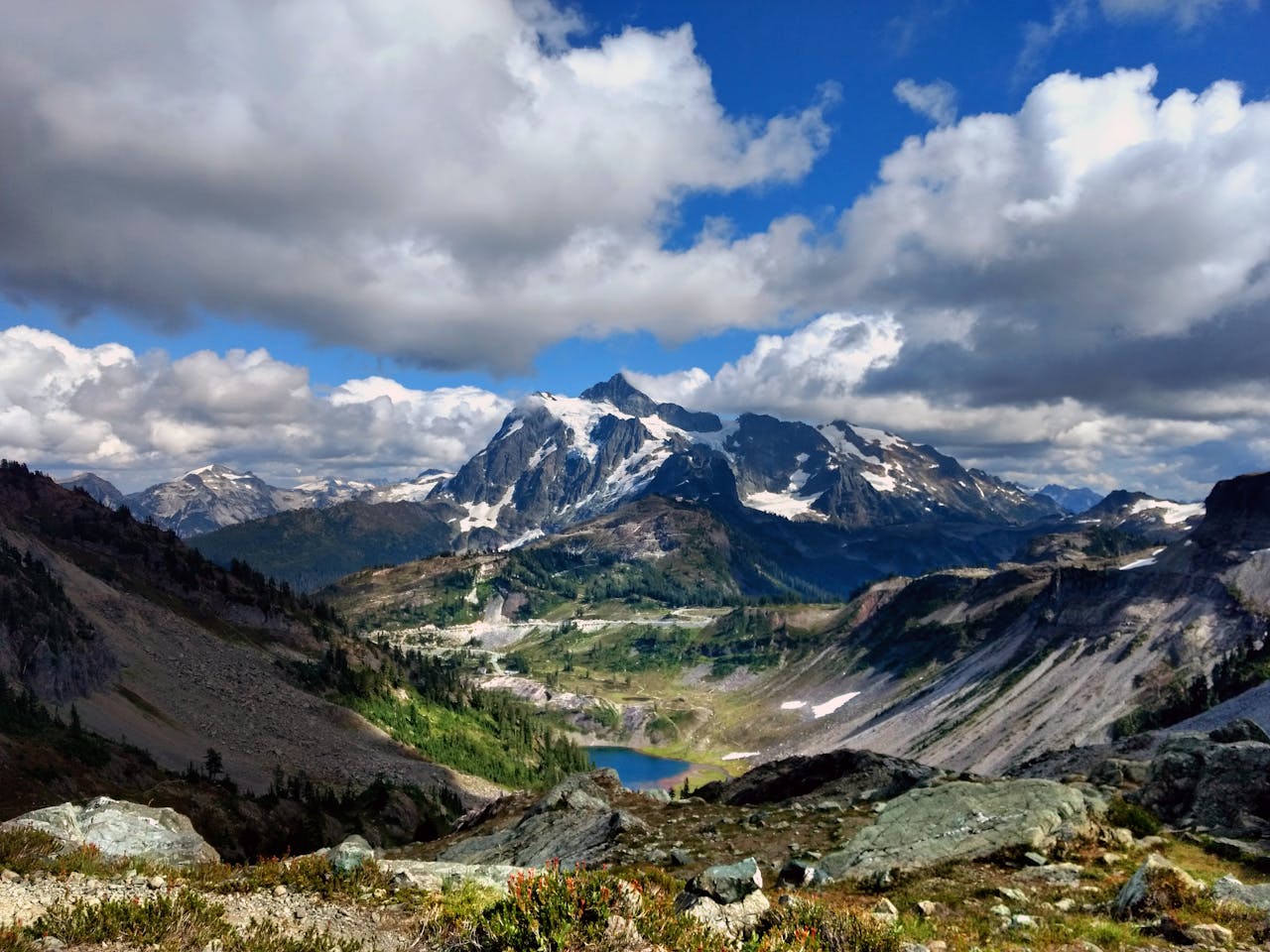
Mount Washington has a friendly, hikeable look from below, yet the summit is famous for weather that shifts without warning. Clear skies can turn into fog, wind, and cold in the time it takes to eat a snack, even in July.
That volatility is part of the mountain’s character, but it surprises visitors who dress for the trailhead, not the peak. Routes also vary wildly in difficulty, and late starts can turn a manageable day into a rushed one.
Friends usually recommend checking forecasts, carrying layers, and treating turnaround time as a promise, not a suggestion. With respect, the views feel earned rather than stressful.
Florida Panhandle And Alabama Gulf Beaches On Rough Surf Days
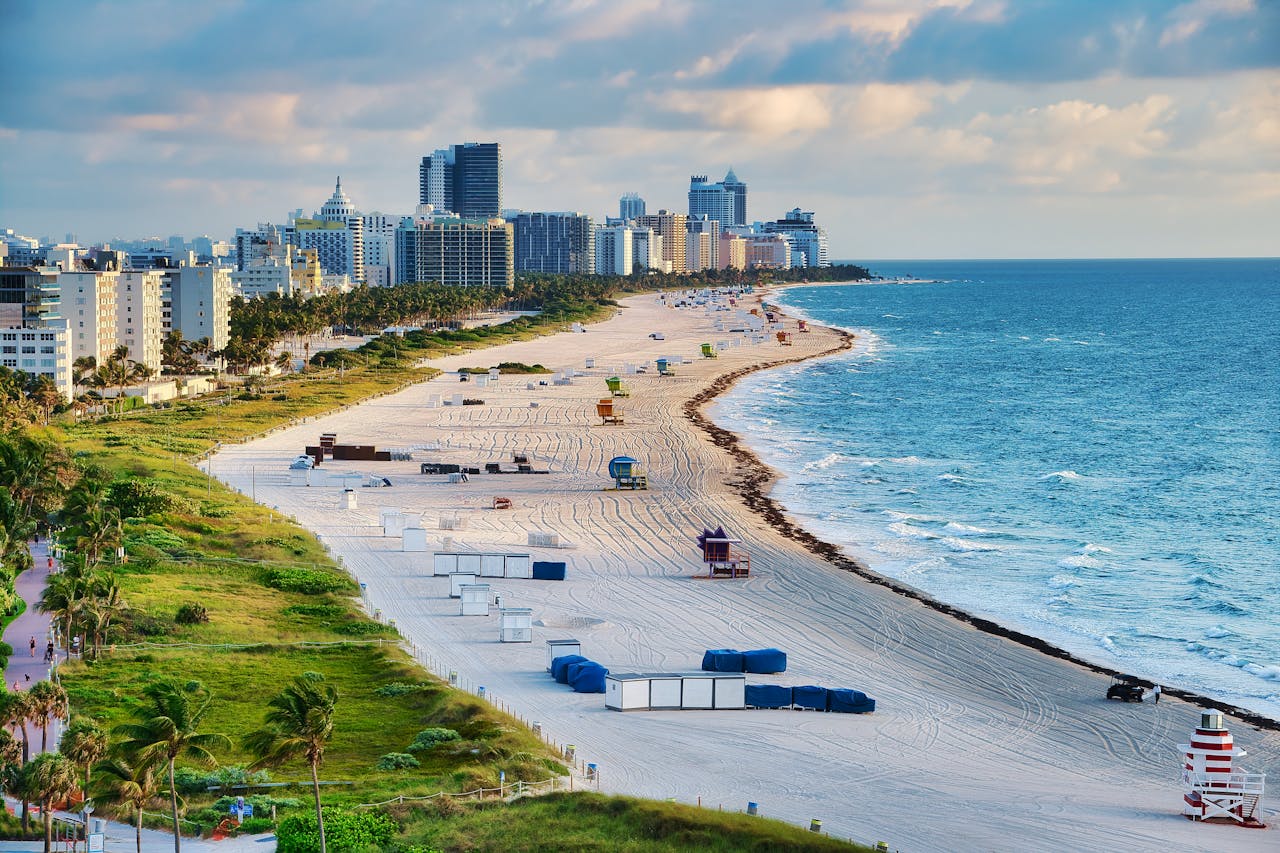
The white sand along the Florida Panhandle and Alabama Gulf Coast can look gentle, but the water does not always match the mood. Rip currents and sudden drop-offs show up even on sunny days, especially near jetties and shifting sandbars.
Weather changes quickly in summer, and a calm morning can become a red-flag afternoon with rougher surf. Crowded beaches also tempt people to spread out far from lifeguards, which raises the stakes.
Friends say the smartest beach days include checking flags, choosing guarded stretches, and treating the ocean with patience. That respect keeps the trip light, which is the whole point of the coast.
Times Square In New York City
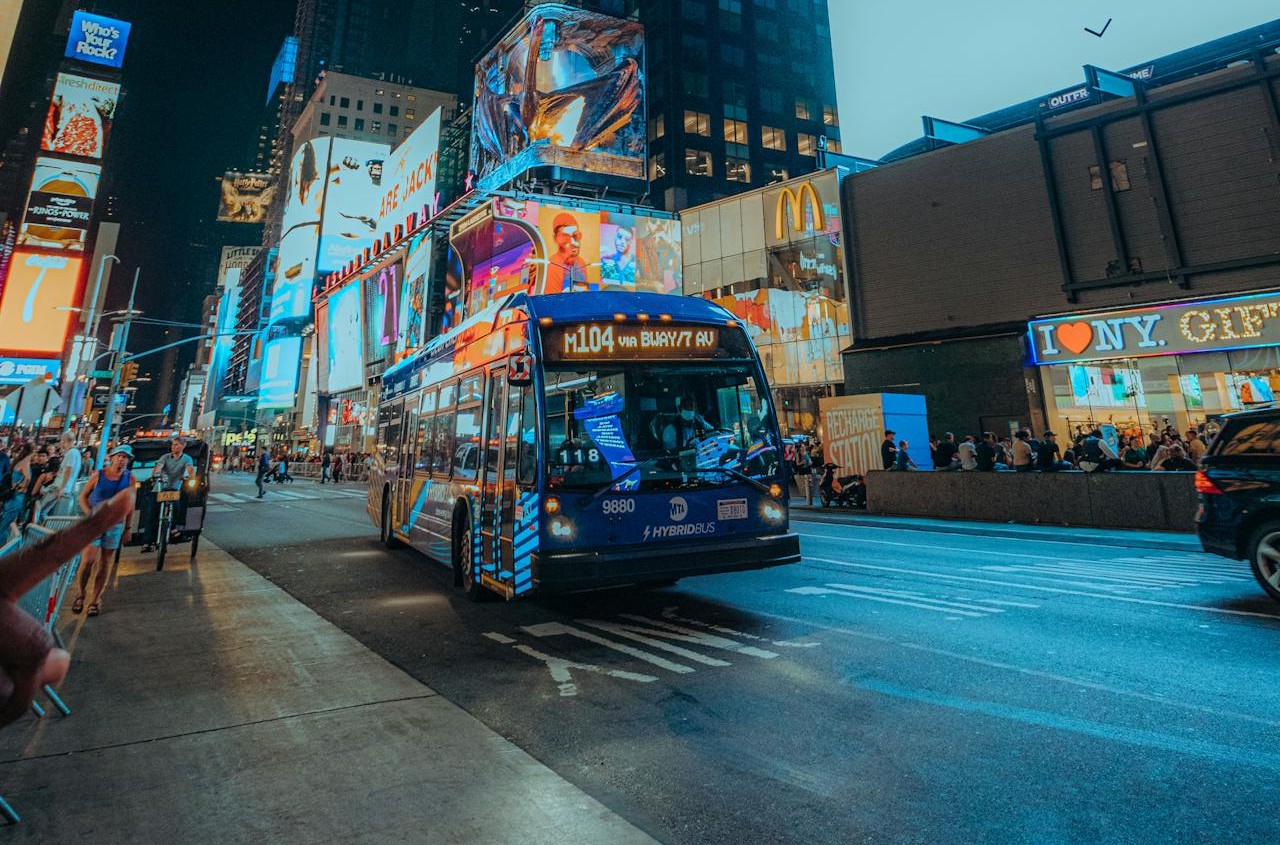
Times Square is a spectacle built for first impressions: flashing screens, nonstop motion, and a kind of daylight at midnight, especially on weekends. That energy is fun in small doses, but it can also feel like being trapped inside an advertisement.
Crowds move in waves, and sidewalk bottlenecks turn a short stroll into a slow shuffle. Costumed characters and street performers add color, yet some push for tips in ways that catch visitors off guard.
Friends tend to suggest a quick pass-through, then a turn toward nearby neighborhoods with real meals and breathing room. The city still shines, just with less noise in the frame.
Hollywood Boulevard In Los Angeles
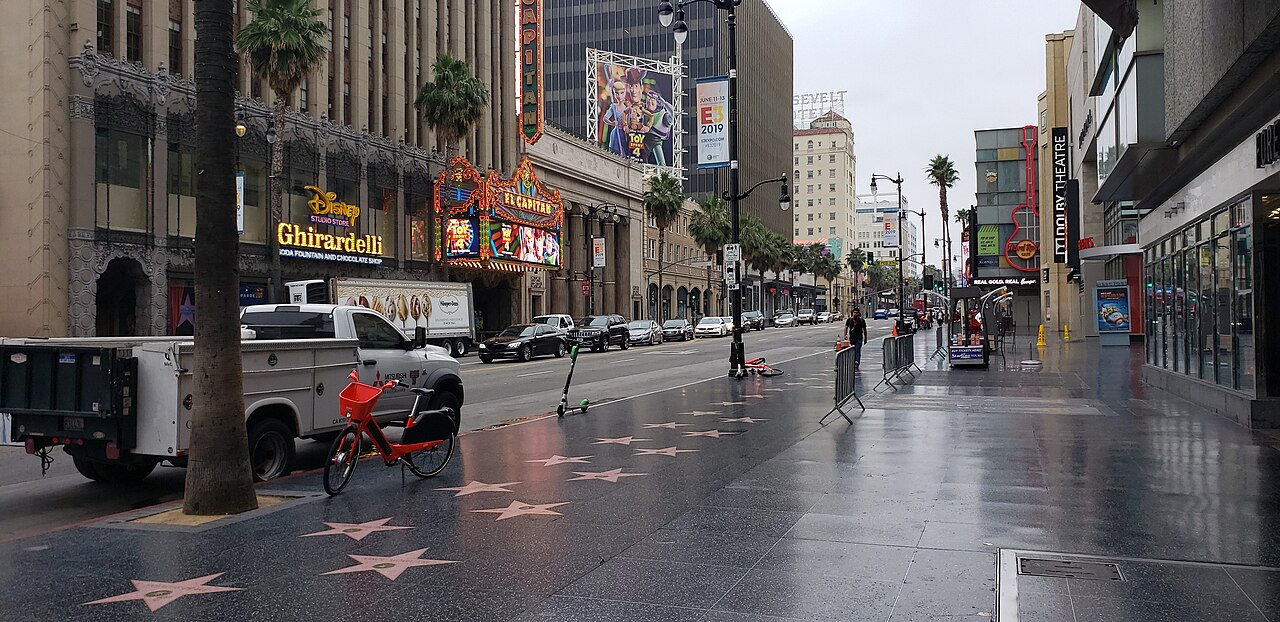
Hollywood Boulevard carries a long shadow of movie history, but the present-day experience can feel oddly transactional. The Walk of Fame is crowded, noisy, and dotted with souvenir stands that compete for attention.
People arrive expecting glamour and find a working street with hustled photo ops, ticket pitches, and constant foot traffic. Even the famous theater facades land better as a quick stop than a full afternoon.
Friends usually recommend pairing the area with a plan for nearby neighborhoods, viewpoints, or museums that feel more grounded. With that framing, the myth stays fun, and the disappointment never gets a chance.
The Las Vegas Strip In High Heat
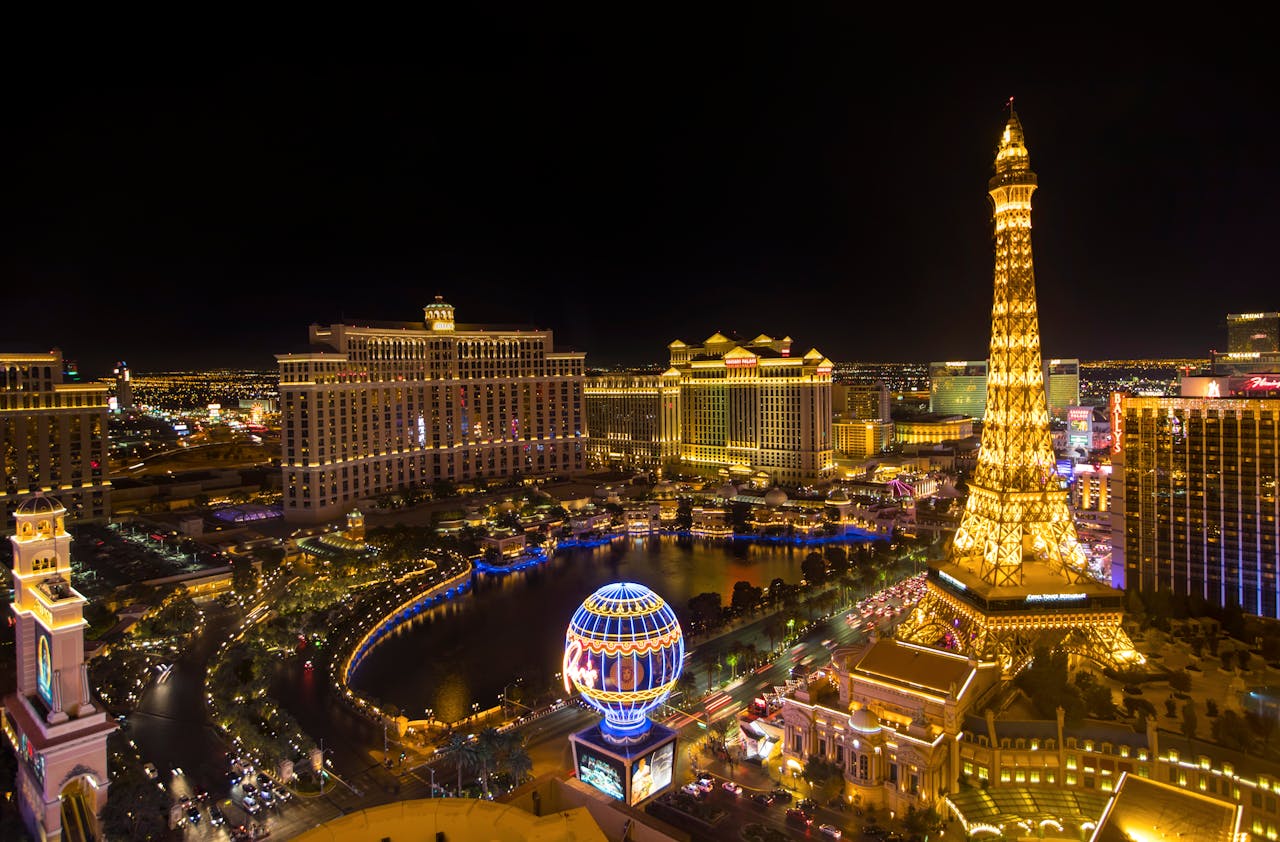
The Las Vegas Strip looks compact in photos, but it behaves like a long, glittering highway of detours. Hotel entrances sit far back, pedestrian bridges add extra miles, and midday heat turns the walk into a grind, with long lines at peak hours.
Inside, the sensory overload is part of the design: bright lights, loud rooms, and a constant pull to spend more than planned. Even small basics like water and snacks can cost enough to surprise seasoned travelers.
Friends warn that the Strip is easiest with a clear budget, planned breaks, and time set aside away from the main drag. That balance keeps the fun sharp instead of blurry.
Bourbon Street In New Orleans Late At Night
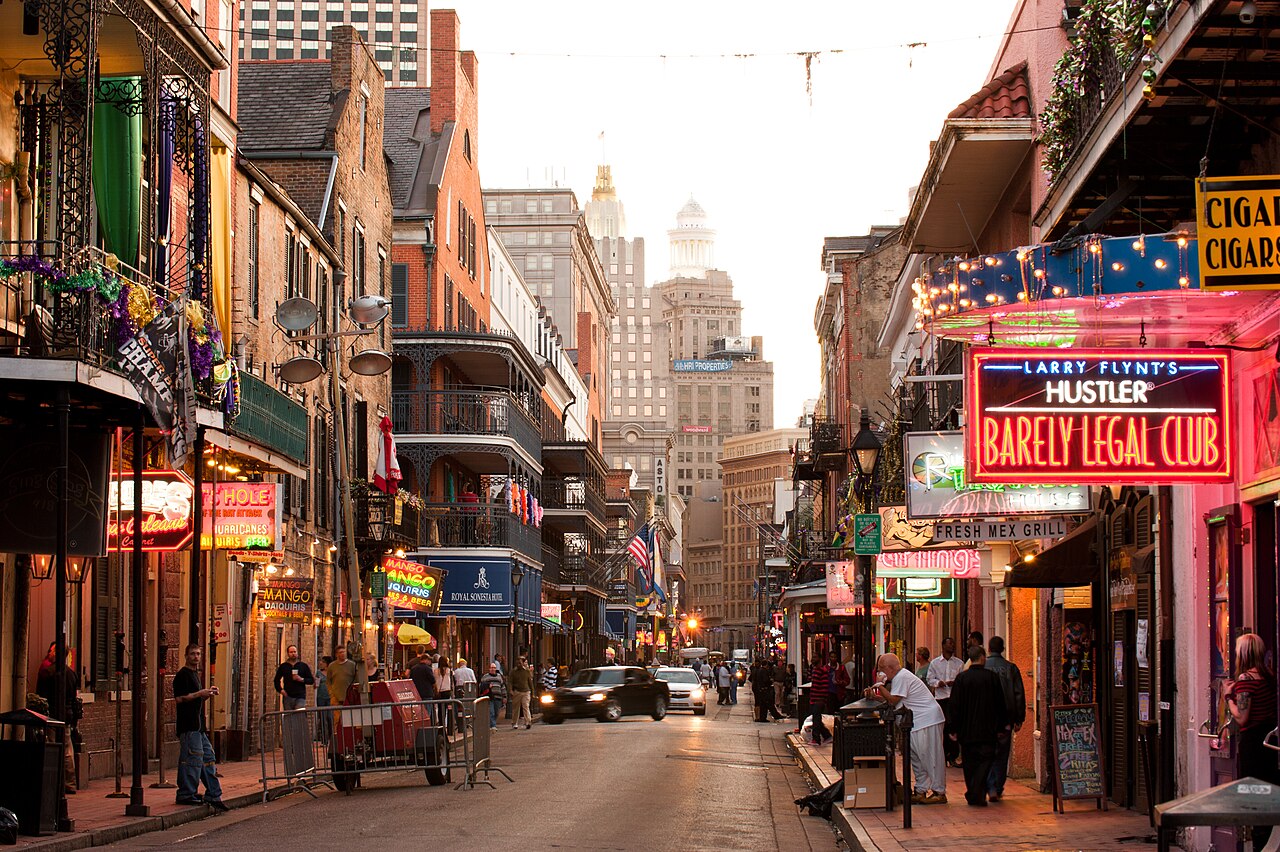
Bourbon Street is a live wire after dark, packed with music, neon, and people chasing the same legend. The atmosphere can be a blast, but it also gets loud, crowded, and chaotic in a way that wears down fast.
Cheap drink pitches, souvenir shots, and constant distractions make it easy to lose track of time, money, and belongings. The best parts of New Orleans often sit a few blocks away, where food, jazz, and conversation have more space.
Friends usually suggest treating Bourbon as a short chapter, then drifting toward Frenchmen Street or a quiet courtyard bar. That shift keeps the city’s charm in focus, not just the frenzy.
South Beach In Miami On Weekend Nights
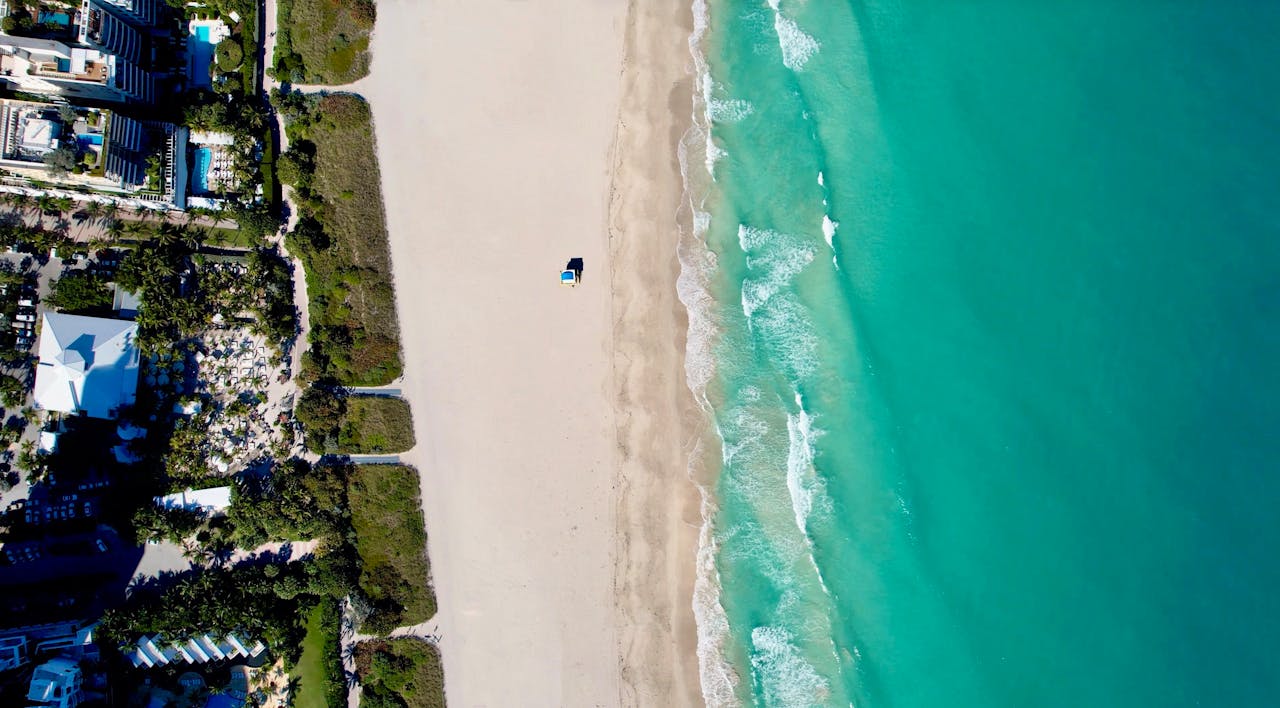
South Beach can feel like a movie set, all pastel hotels and palm shadows, but weekend nights rewrite the vibe. Traffic tightens, parking turns into a hunt, and restaurant waits stretch long past dinner time.
Ocean Drive is built for people-watching, yet the scene comes with loud music, pricey cocktails, and a stream of upsells. Valet rates and cover charges add up quickly. Even beach access can feel crowded, with little pockets of quiet getting claimed early.