A quiet countertrend has been gathering momentum in basements, cafés, and community centers: hands returning to things that cannot be swiped, refreshed, or auto-saved. After years of living through screens, many people are rediscovering hobbies that reward patience and small mistakes. These pastimes feel unhurried and physical, but they are not stuck in nostalgia. They fit modern lives in surprising ways, pairing well with podcasts, shared worktables, and local meetups. A finished scarf, a developed roll of film, or a tuned-in signal becomes proof of time spent well. What looks old-fashioned often turns out to be practical, calming, and social, offering progress that shows up as real objects and real stories worth keeping, gifting, or passing along.
Vinyl Record Crate Digging
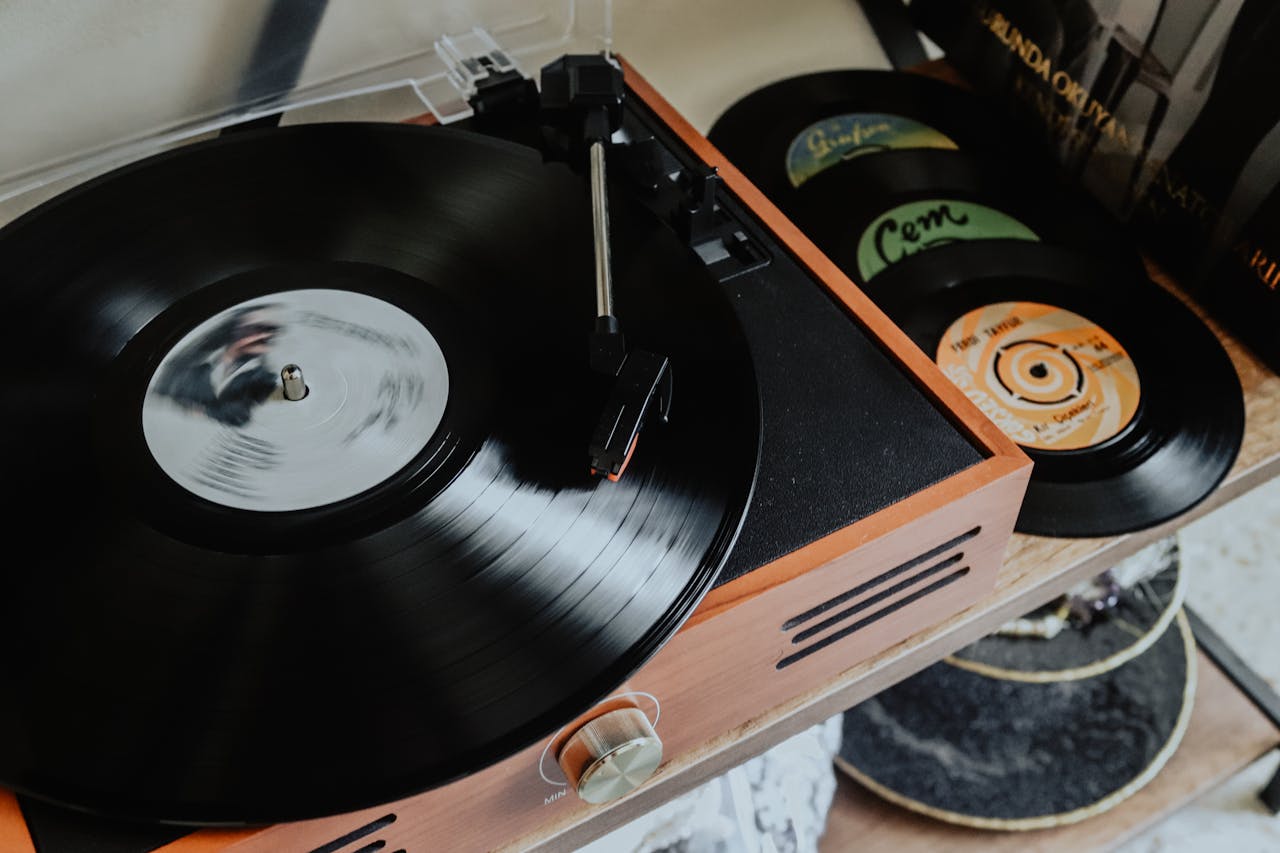
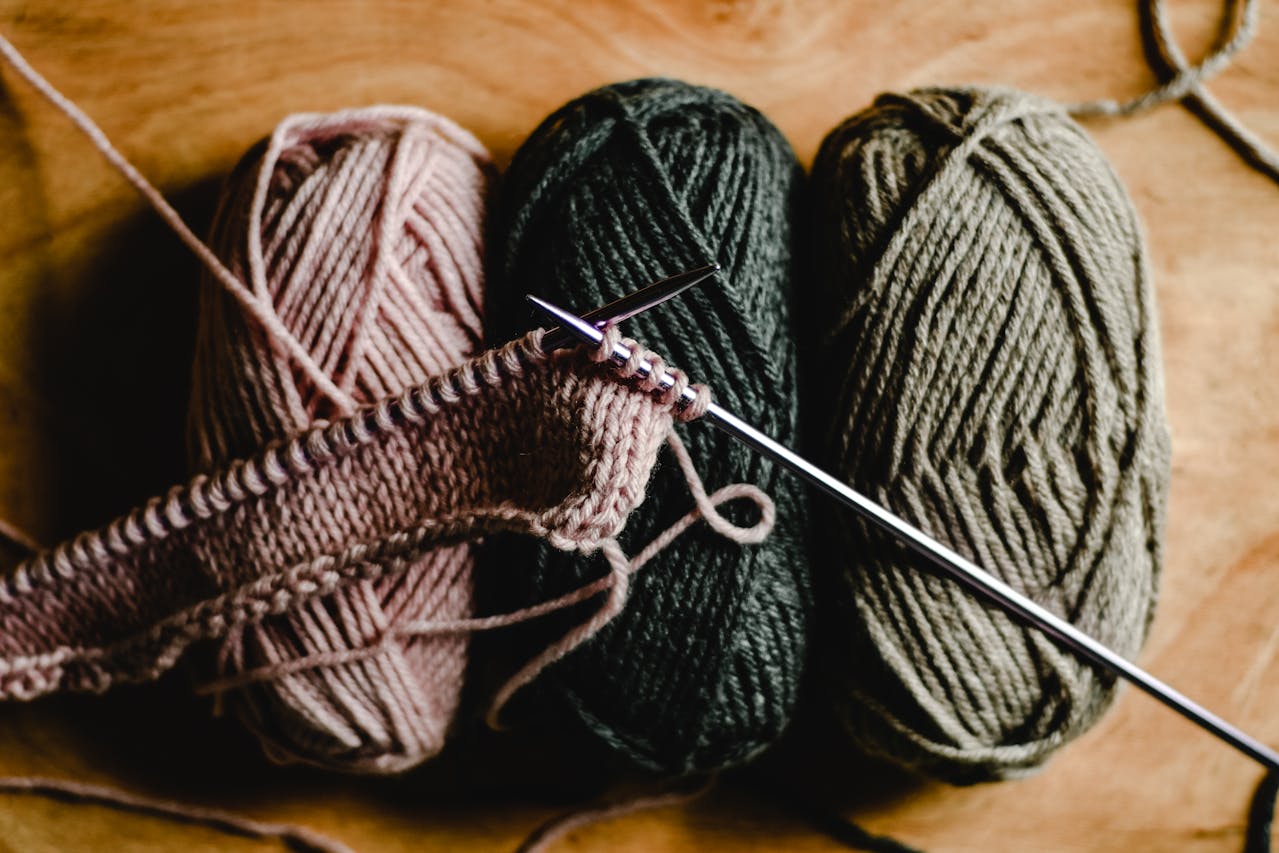
Record hunting turns music into a small expedition, with Saturday mornings spent in thrift bins, indie shops, estate sales, and living-room swaps instead of endless scrolling. The appeal is not only sound; it is cover art big enough to study, liner notes that read like postcards, and the small decisions about sleeves, cleaning, and setting a needle just right. New listeners arrive for the ritual, then stay for in-store performances, swap meets, and friendly arguments over pressings, building a collection that sits on a shelf, gives a room its own soundtrack, and never asks for a login, or an update to keep playing through afternoon.
Film Photography and 35mm Shoots

Film pulls photography back into patience, because every frame has a cost and a consequence, and the camera feels like a tool, not a feed. With only 24 or 36 exposures, shooters slow down, watch light settle on faces and storefronts, and accept grain, blur, and the occasional light leak that can turn an ordinary corner cinematic. The wait becomes part of the pleasure, whether a roll is dropped at a neighborhood lab or developed at home, and the prints and scans invite albums, shoeboxes, and photo-walk stories, complete with contact sheets, scribbled settings, and dates written on the sleeve, instead of disappearing in the cloud.
Fountain Pens and Slow Handwriting
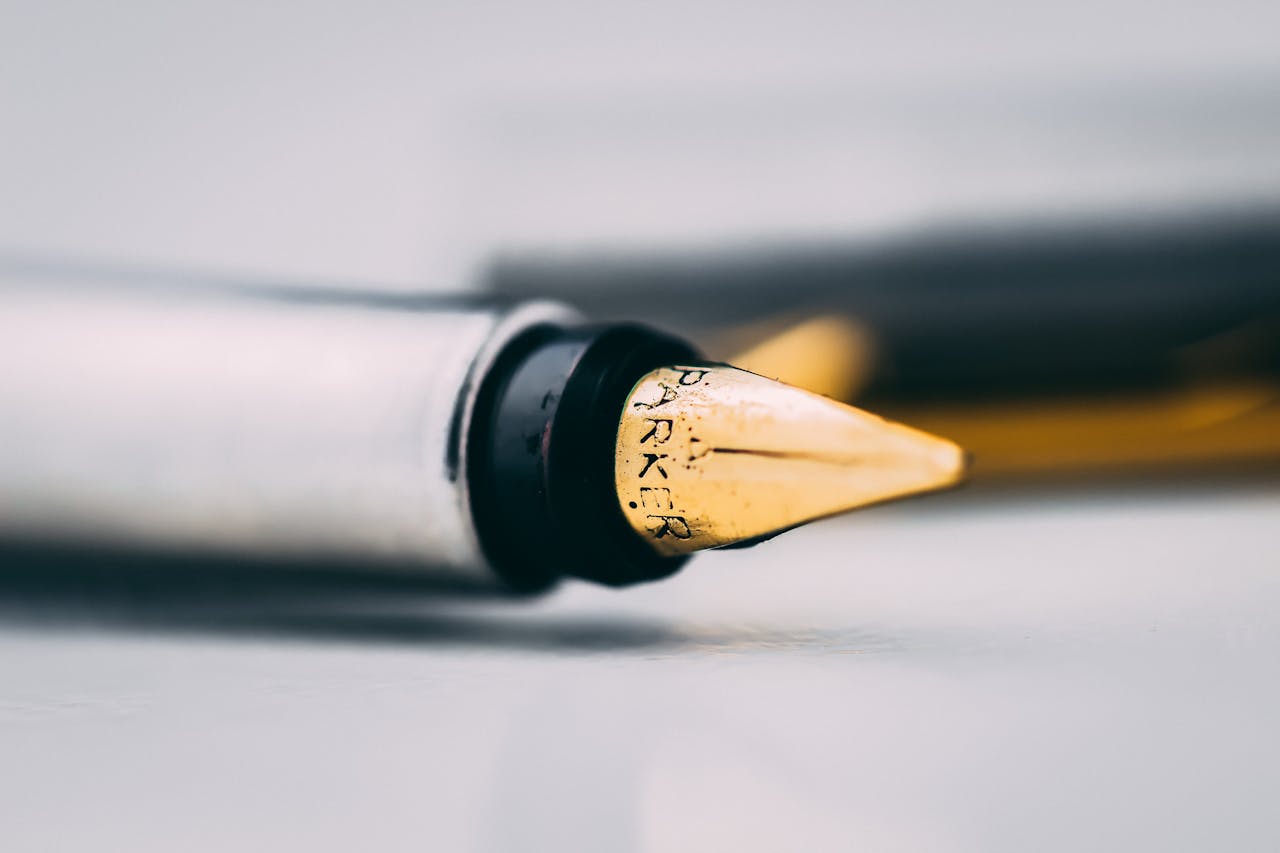
Fountain pens make ordinary notes feel deliberate, even when the content is errands, reminders, or a quick sketch in the margin. Ink shading, paper texture, and a nib’s glide turn writing into a sensory habit, and the rituals are simple but sticky: refilling a cartridge, flushing a feed, choosing a notebook that does not feather, and watching a favorite blue-black dry to a soft sheen. Many people start for the calm, then drift into letter writing, handwritten thank-yous, journaling, and ink swaps at stationery shops, where a few lines can slow the day down and make language feel personal again, even in rooms full of keyboards.
Commonplace Books and Paper Journaling
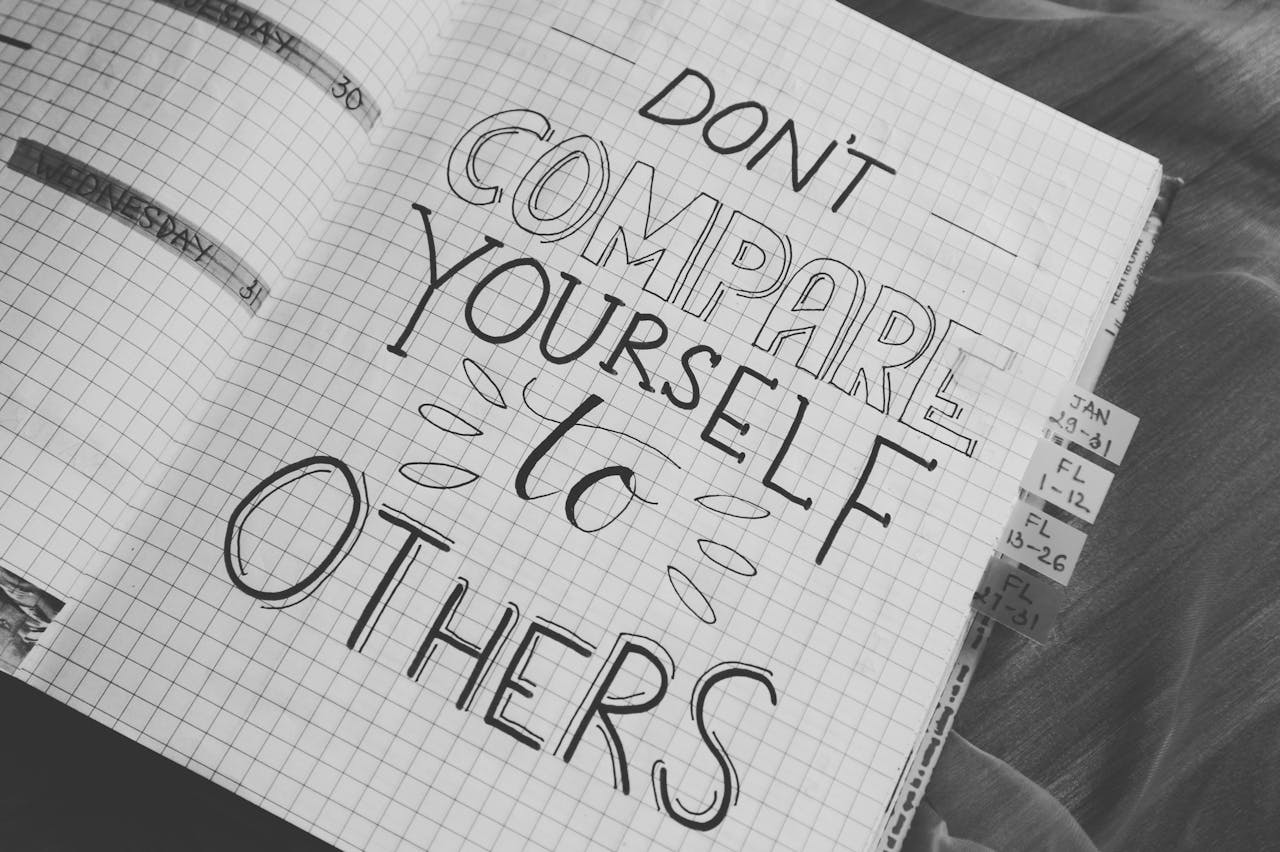
A paper journal offers privacy that does not require a password, plus the freedom to be messy without a delete key. Commonplace books invite people to copy quotes, save recipes, and stitch together ideas, mixing rough sketches with receipts, pressed leaves, bookshop stamps, and color-coded tabs, then tying it all together with a simple index in the back. The habit fits modern attention spans: one page can hold a half-formed thought beside a taped ticket stub, and months later it reads like a gentle archive of what mattered, complete with handwriting, crossed-out lines, coffee rings, and margins that tell the truth, unshared.
Knitting and Crochet Circles
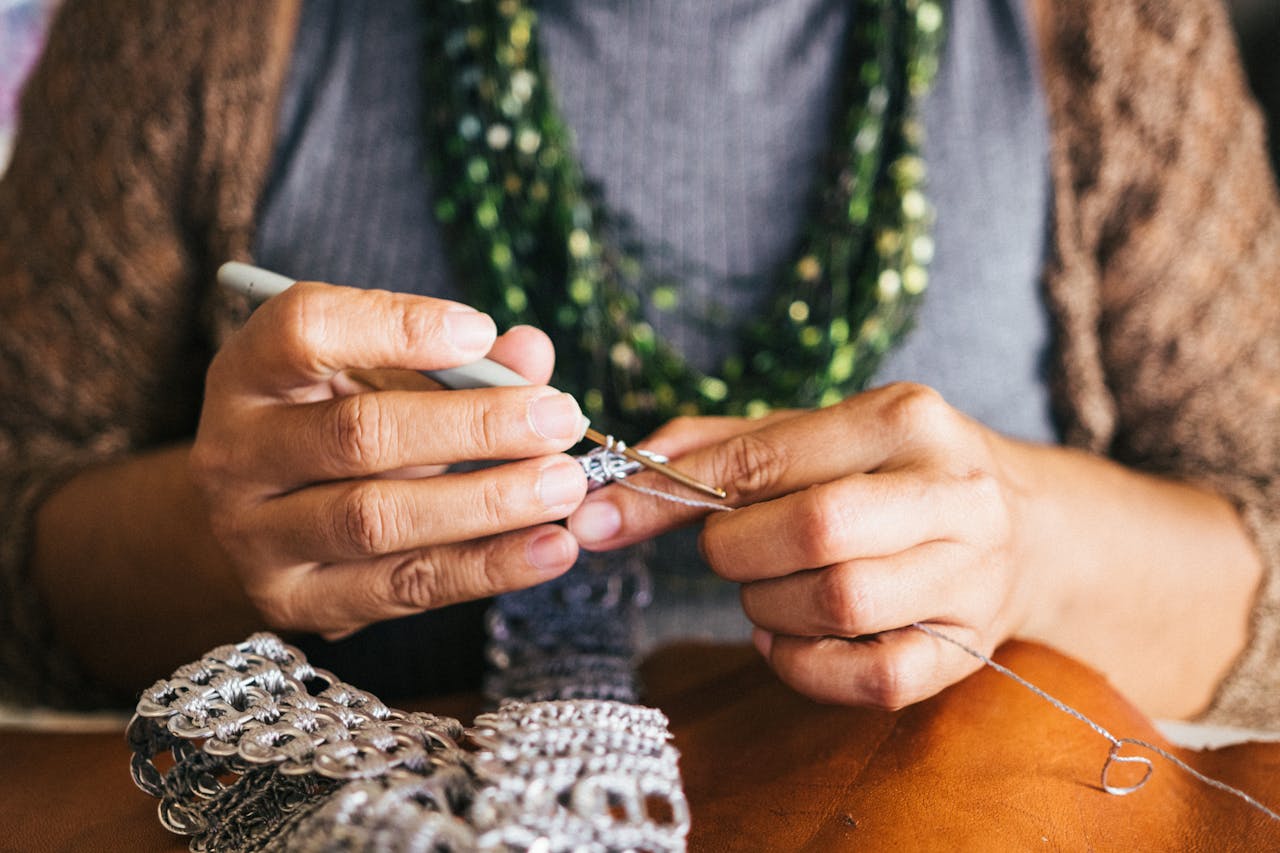
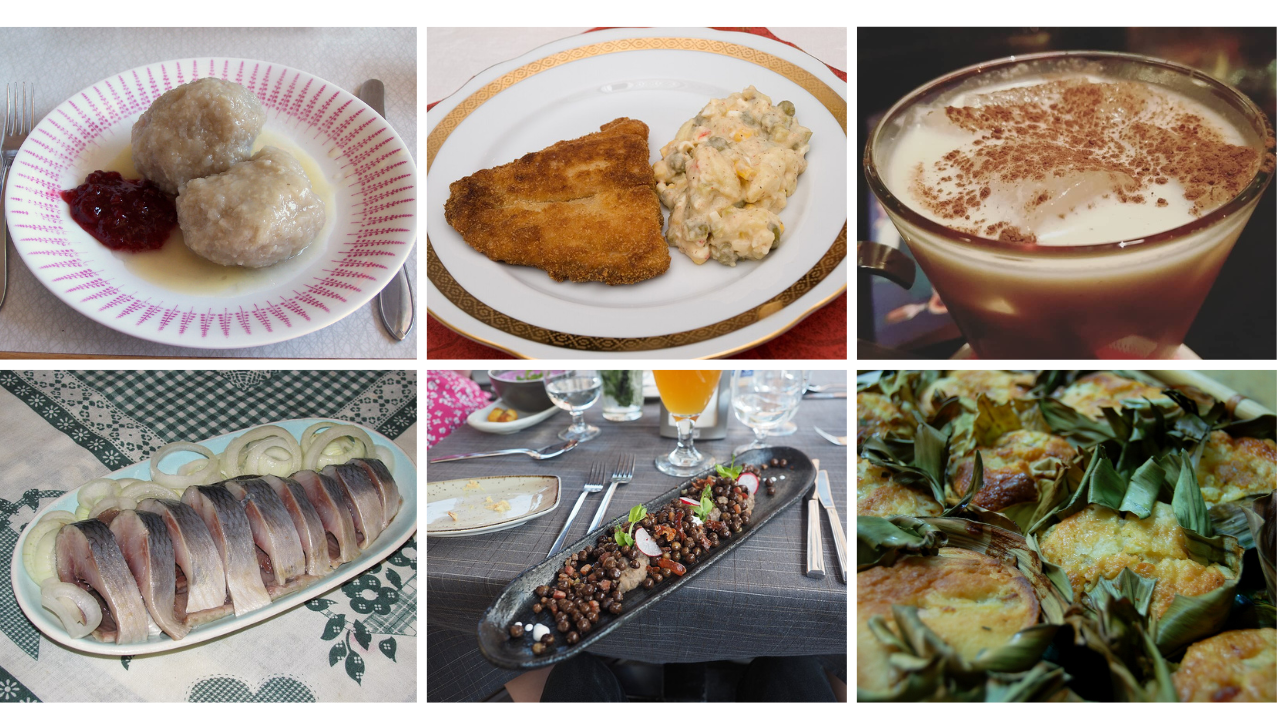
Needlework has returned as both craft and company, showing up in library meeting rooms, café corners, and group chats that trade patterns, yarn tips, and photos of half-finished sleeves. Knitting and crochet reward repetition, so hands stay busy while conversations drift, and the learning curve feels kinder when someone nearby can fix a dropped stitch, explain a chart, or translate a pattern written decades ago. The results are practical and current: hats, blankets, mended cuffs, charity squares, and heirloom gifts, tied to slow-fashion values and the quiet pride of keeping clothes in rotation through skill instead of impulse.
Home Brewing and Small-Batch Fermenting
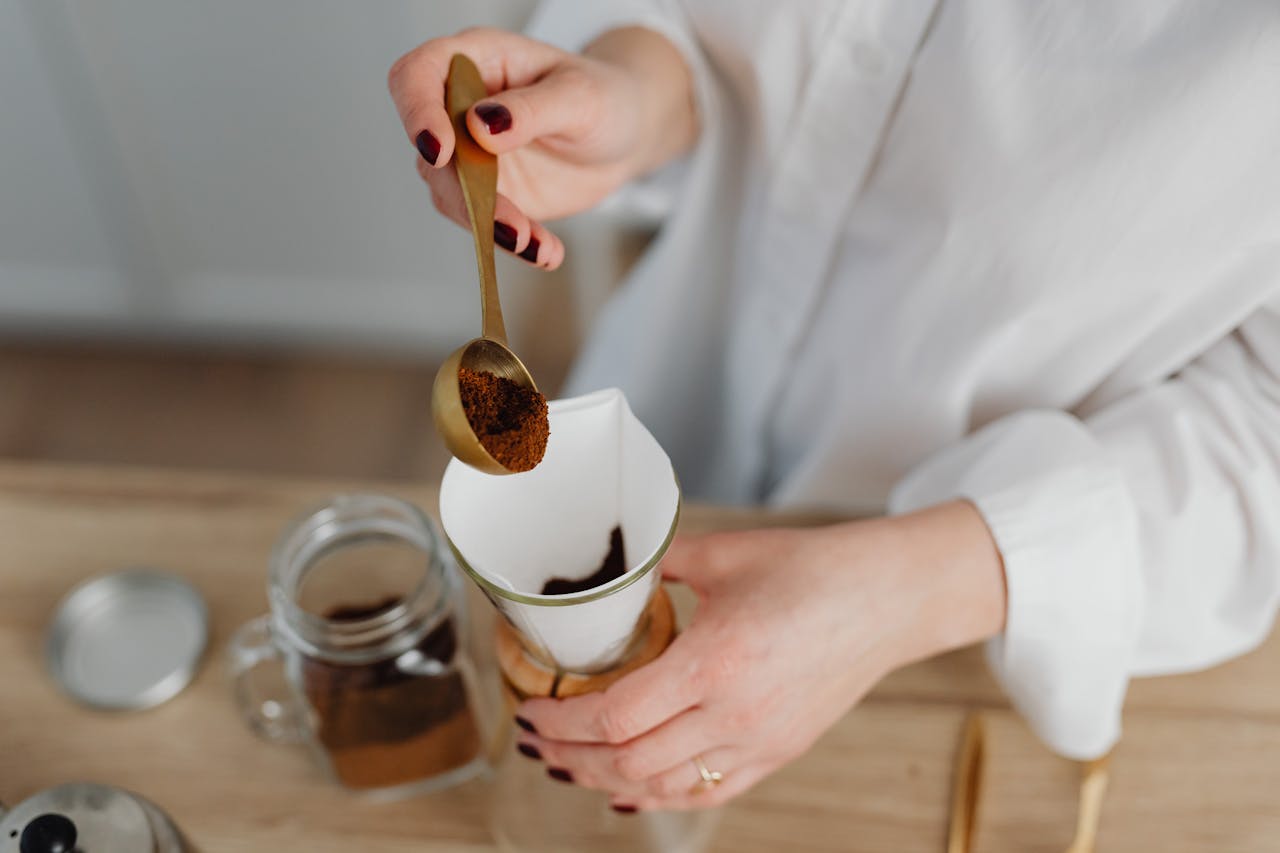
Brewing and fermenting bring a science-fair satisfaction to the kitchen, with bubbles, tang, and aroma acting as daily progress reports. Small batches of kombucha, yogurt, kimchi, sourdough starter, or beer reward clean tools and careful timing, teaching attention to temperature, salt ratios, and tiny shifts in smell and texture that no app can rush, while jars and crocks line up like a quiet lab. Friends trade starters, swing-top bottles, and troubleshooting notes, labeling dates in marker and comparing fizz, and weekend workshops often end in potluck tastings where every batch tastes a little different, even with the same recipe.
Birdwatching with Field Journals

Birdwatching feels old-school until a quiet morning makes it click, and suddenly a city park sounds like a layered chorus instead of background noise. People head out with binoculars, a small field guide, and a journal, learning plumage quirks, recording first sightings, and sketching quick silhouettes, then noting wind, cloud cover, and where a hawk perched for 10 minutes. Because migration, weather, and daylight keep changing the cast, the hobby stays fresh, and local walks turn into friendships built on shared checklists, feeder advice, community counts, and the calm discipline of waiting for one more flash of wings at dusk.
Model Kits and Miniature Painting
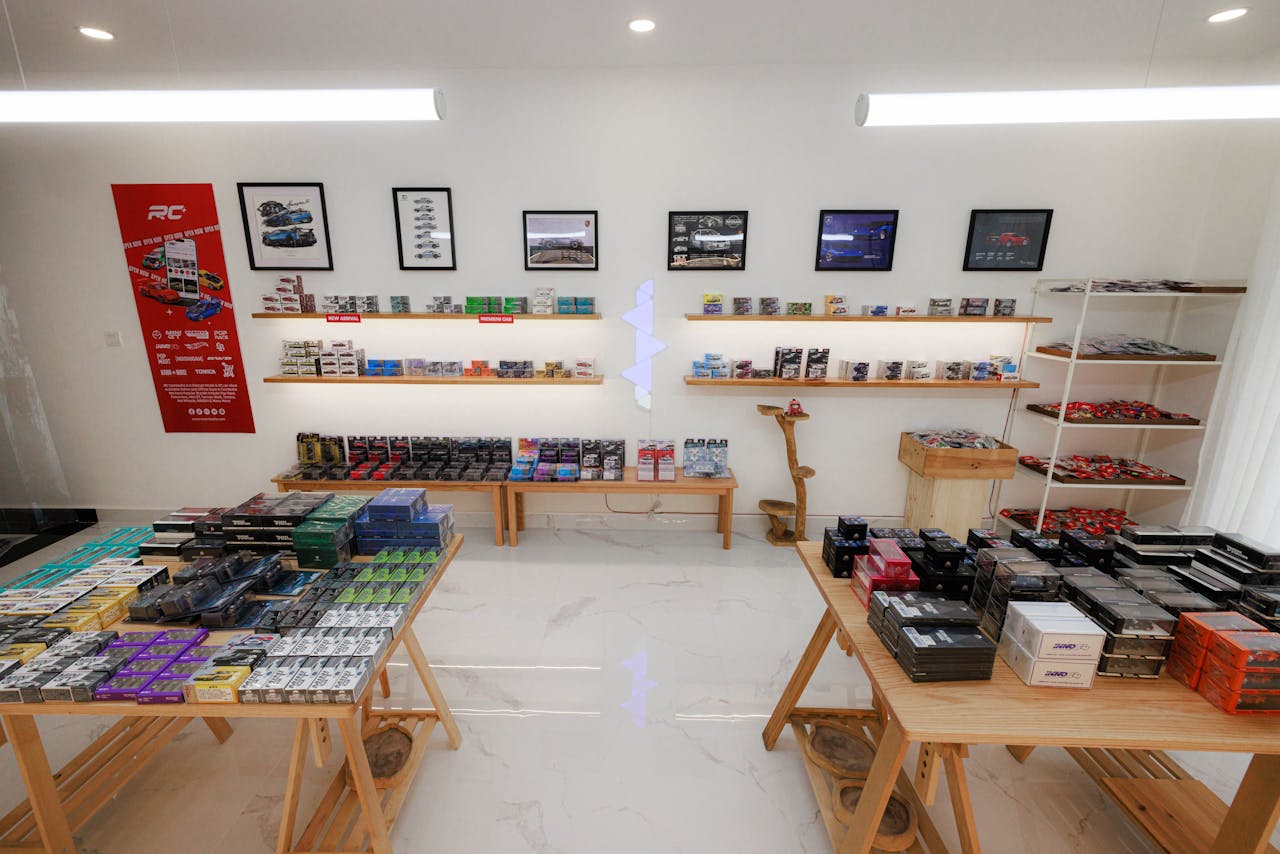
Model building brings back the pleasure of careful hands, where progress is measured in parts clipped cleanly, seams sanded smooth, and tiny rails finally lining up. Kits and miniatures ask for dry-fitting, gluing, priming, and painting in patient steps, and the desk setup becomes its own calm zone: a lamp, a cutting mat, spare brushes, tweezers, and a mug kept safely away from fresh paint, with instruction sheets turning into something real. Finished pieces feel like small worlds with real texture, and builders trade decals, weathering tricks, and paint mixes, then share results at hobby shops, club tables, and weekend contests.
Zine-Making and Photocopied Culture
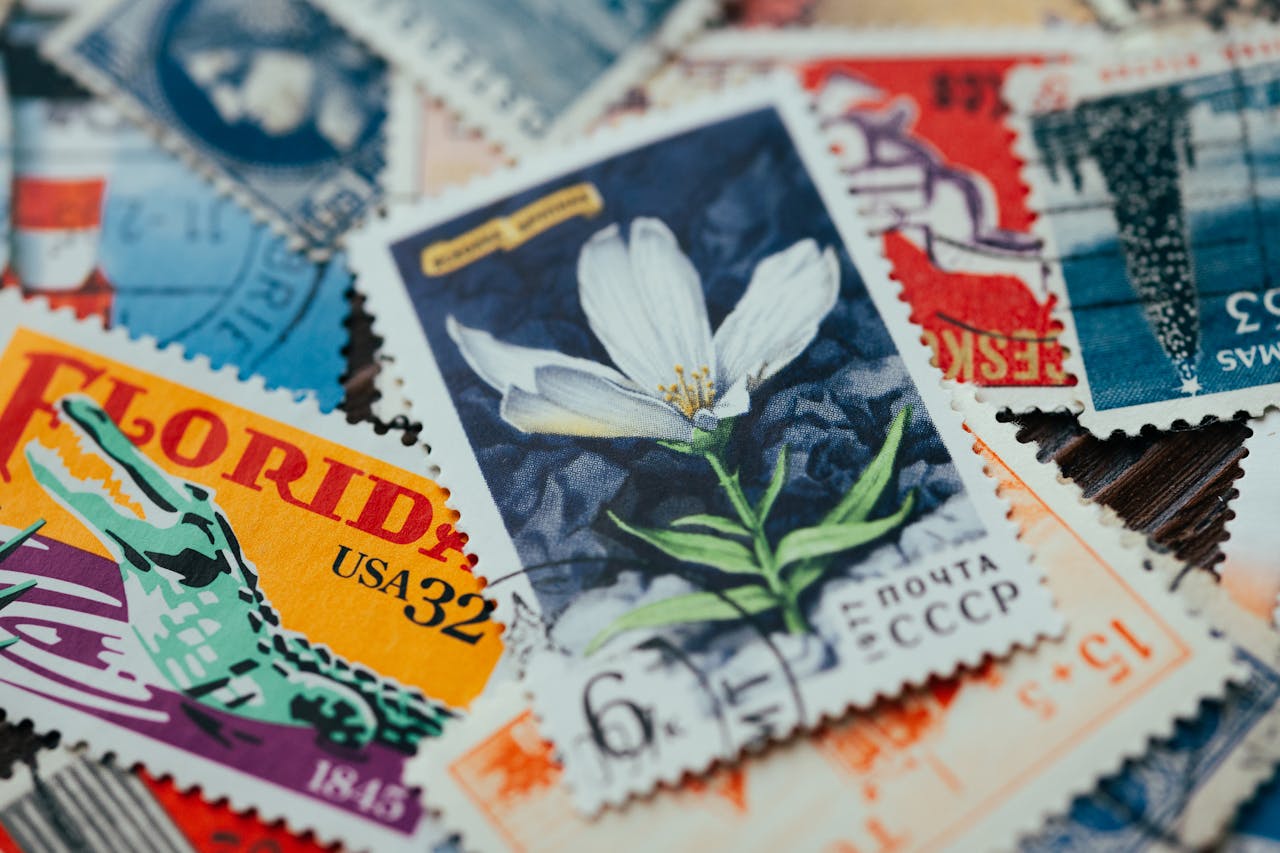
Zines thrive on the charm of imperfection, where a crooked staple, a smudged stamp, or a handwritten caption can feel more honest than a polished post. A folded sheet, scissors, glue, and a photocopier can turn a private obsession into something shareable, and many creators blend analog collage with digital type before printing small batches on copy machines, risographs, or community print shops. Zine fairs and mail swaps keep the culture alive, with tables full of music scenes, travel diaries, comics, and neighborhood lore, and the tiny runs feel personal because they often arrive with a handwritten note and a trade offer.
Shortwave Listening and Amateur Radio
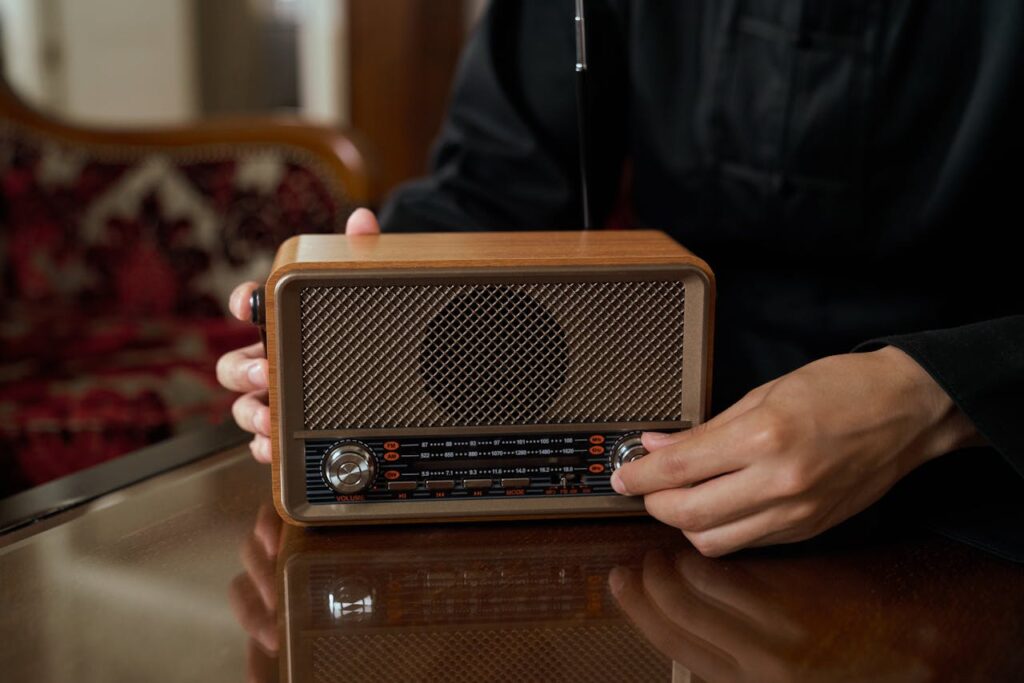
Radio hobbies carry a certain mystery: voices and signals arriving from far beyond the room, carried by air instead of cables. Shortwave listening starts simply, with a receiver and patience, then grows into logging stations, learning antenna basics, and hunting rare broadcasts that fade in and out like weather, with frequencies scribbled in the margins. Amateur radio adds hands-on skill and community, from tuning equipment to learning call signs and Morse code, and many operators still trade QSL cards, join local clubs, and practice for outages, enjoying a link that does not depend on an app or a platform deciding who gets heard.
Woodworking and Hand-Tool Carving
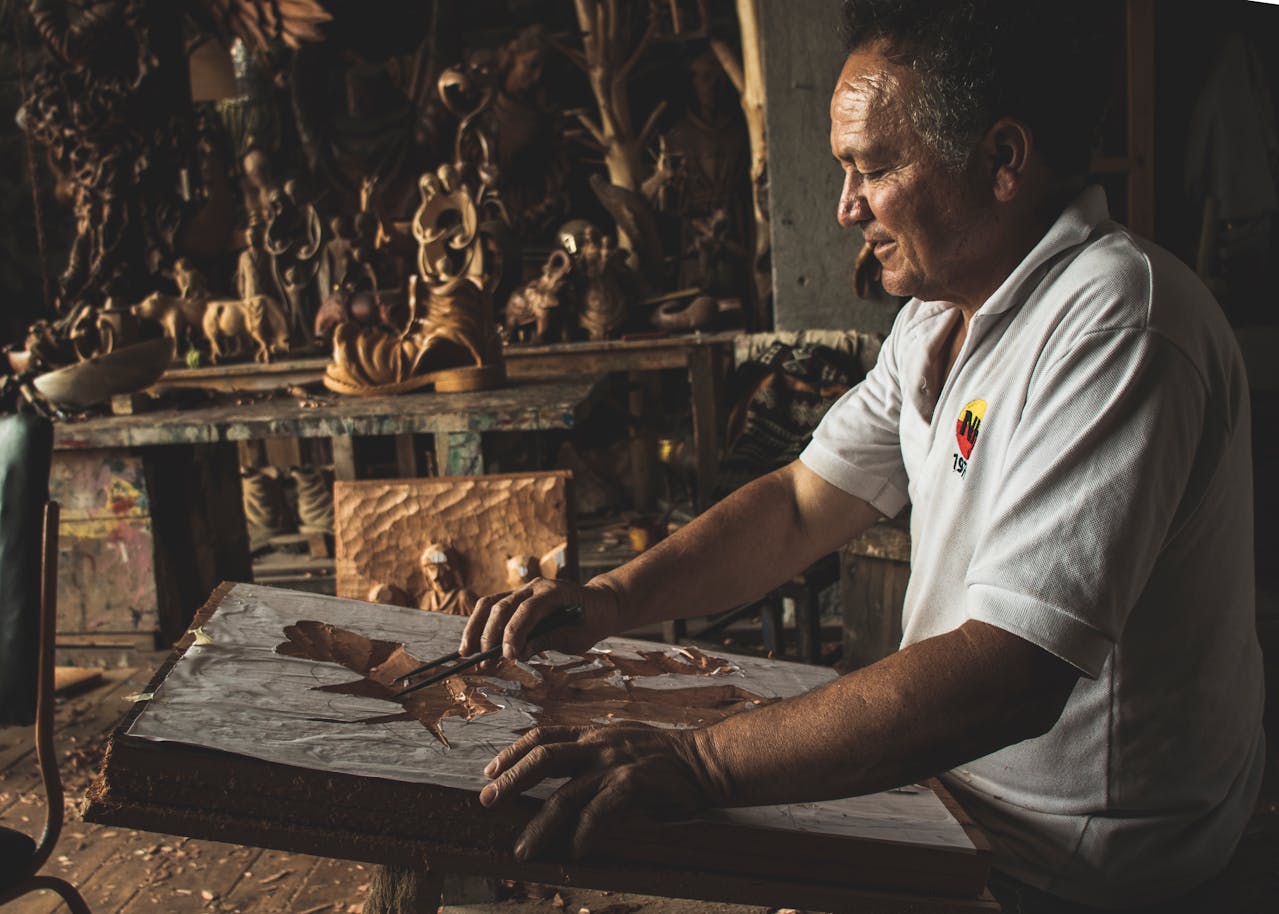
Hand-tool woodworking is having a quiet renaissance, especially for people who want to make things without filling a room with noise and dust. Simple projects like spoons, shelves, picture frames, and boxes teach grain direction, sharp edges, and the satisfaction of a surface that turns silky under a plane or carving knife, then takes on warmth with oil or wax. Sharpening becomes part of the hobby, and so does patience: chisels and hand saws invite steady practice, while community classes teach joinery and safe technique, turning beginners into makers who repair, not replace, and leave behind objects that outlast trends for decades.