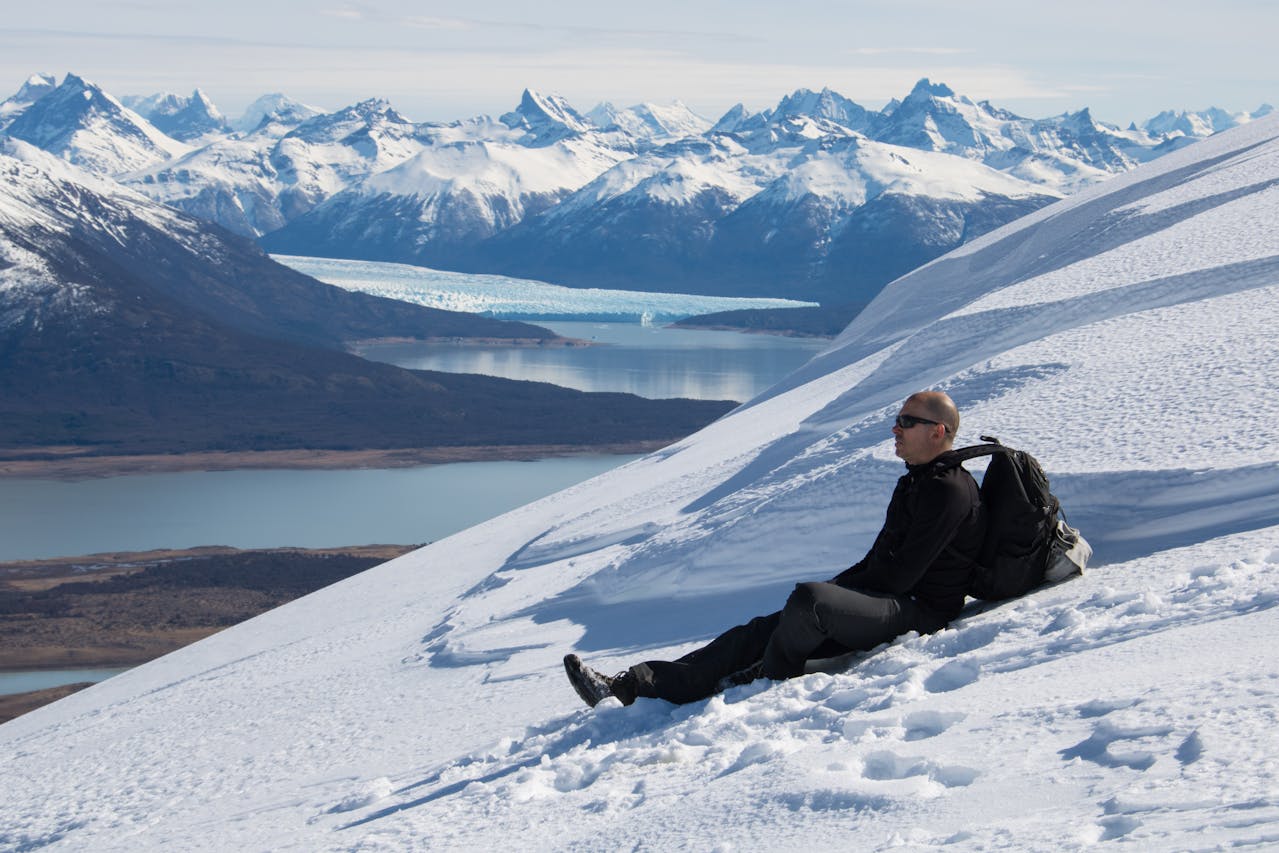
Glacier trips sold as last-chance pilgrimages mix awe with urgency. The ice looks timeless, yet guides mark new melt lines each season, and familiar routes shift underfoot. Visitors arrive wanting proof, photos, and perspective, while locals juggle livelihoods, safety calls, and fatigue with the slogan itself. Helicopter flights, long drives, and cruise itineraries can turn a climate warning into a souvenir. One glacier can calve loudly while another thins quietly, making the story feel messy in person. What seems like a simple farewell tour quickly becomes a knot of access limits, ethics, and grief with no clean ending.
The Carbon Paradox Is Built In
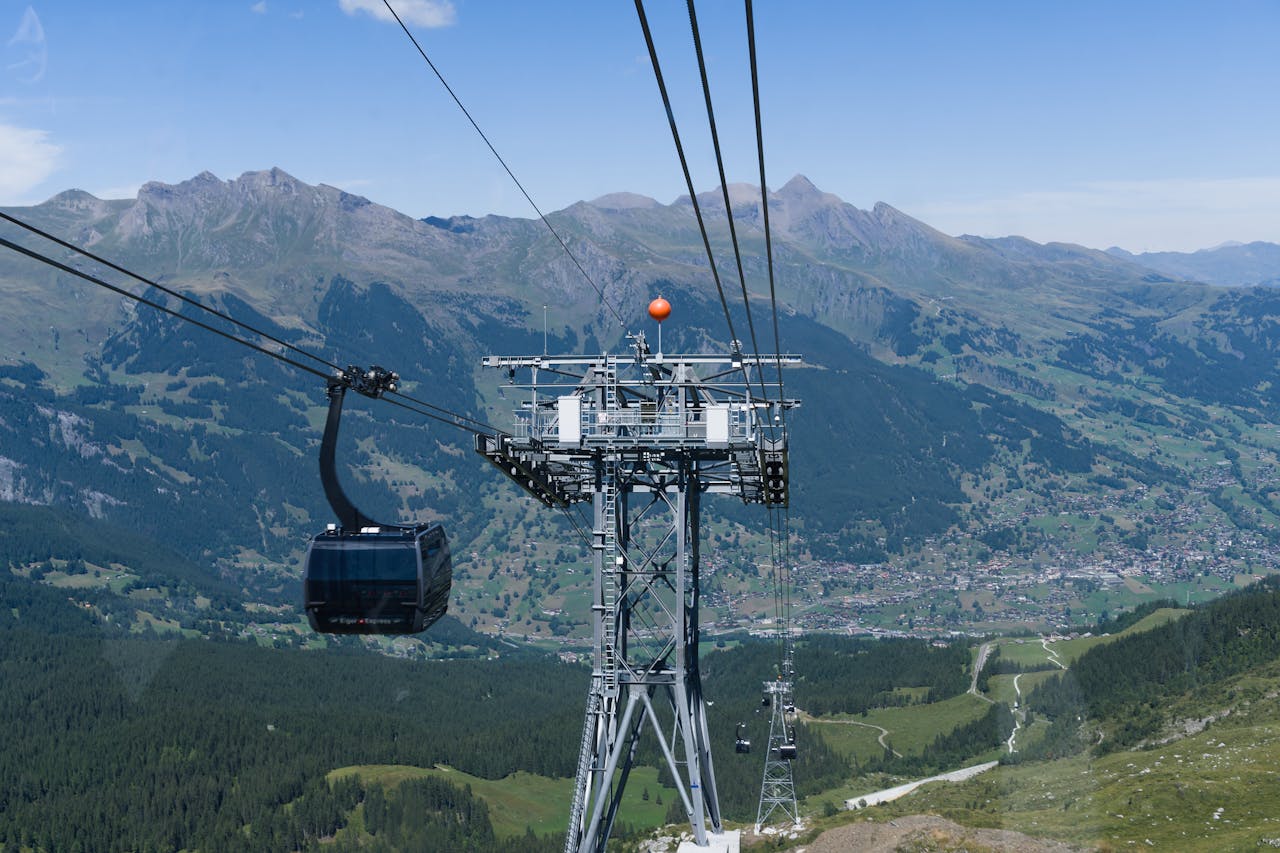
Calling a glacier visit last-chance can turn climate anxiety into a booking trigger, and the travel itself often adds to the problem. The phrase implies a countdown, so demand can spike precisely when a place needs breathing room. Reaching ice fields usually means long-haul flights, rental cars, cruise legs, and sometimes helicopters or snowmobiles for the final stretch. Research on tourism emissions finds transport is the driver, with air travel a major slice of the total. Offsets can ease guilt, but the math feels abstract compared with the vivid sound of meltwater under crampons, so the paradox stays front and center.
Access Windows Keep Shrinking and Shifting
Even when a glacier is still there, the access window is less predictable. Warm spells open crevasses, weaken snow bridges, and turn classic approaches into rockfall corridors, so guides reroute or cancel on short notice. Meltwater streams cut across trails, and moraines slump into loose scree that slows the pace. Ice caves and serac zones can change overnight, pushing outfitters to close features that were safe days earlier. Operators add earlier starts, smaller groups, and stricter cutoffs, which can feel like a bait-and-switch to travelers who planned far ahead. As the melt season stretches, safe days can become fewer.
Crowds Hit Small Places Hard
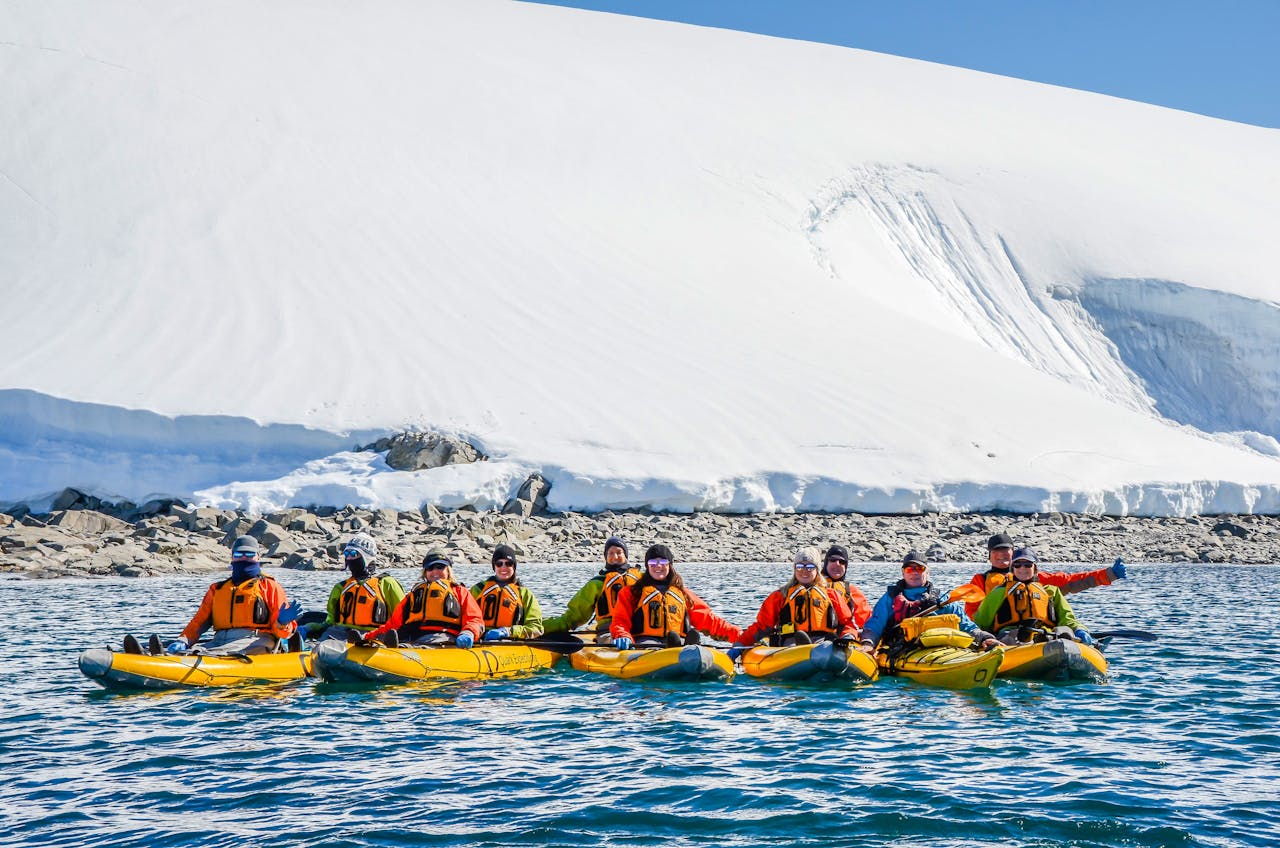
Last-chance messaging concentrates people in the same viewpoints, the same weeks, and sometimes the same hour. Bus convoys and cruise shore trips can dump crowds onto narrow roads, while parking lots overflow and trail edges widen into braided scars. Toilets, waste pickup, and emergency services in small gateway towns strain under a surge that fades as quickly as it arrives. Guides end up managing lines and liability instead of stories, and residents carry the noise, higher prices, and rescue calls. The glacier may be the headline, but the pressure lands on communities built for quieter seasons, with tighter budgets.
Local Meaning Gets Flattened by the Slogan
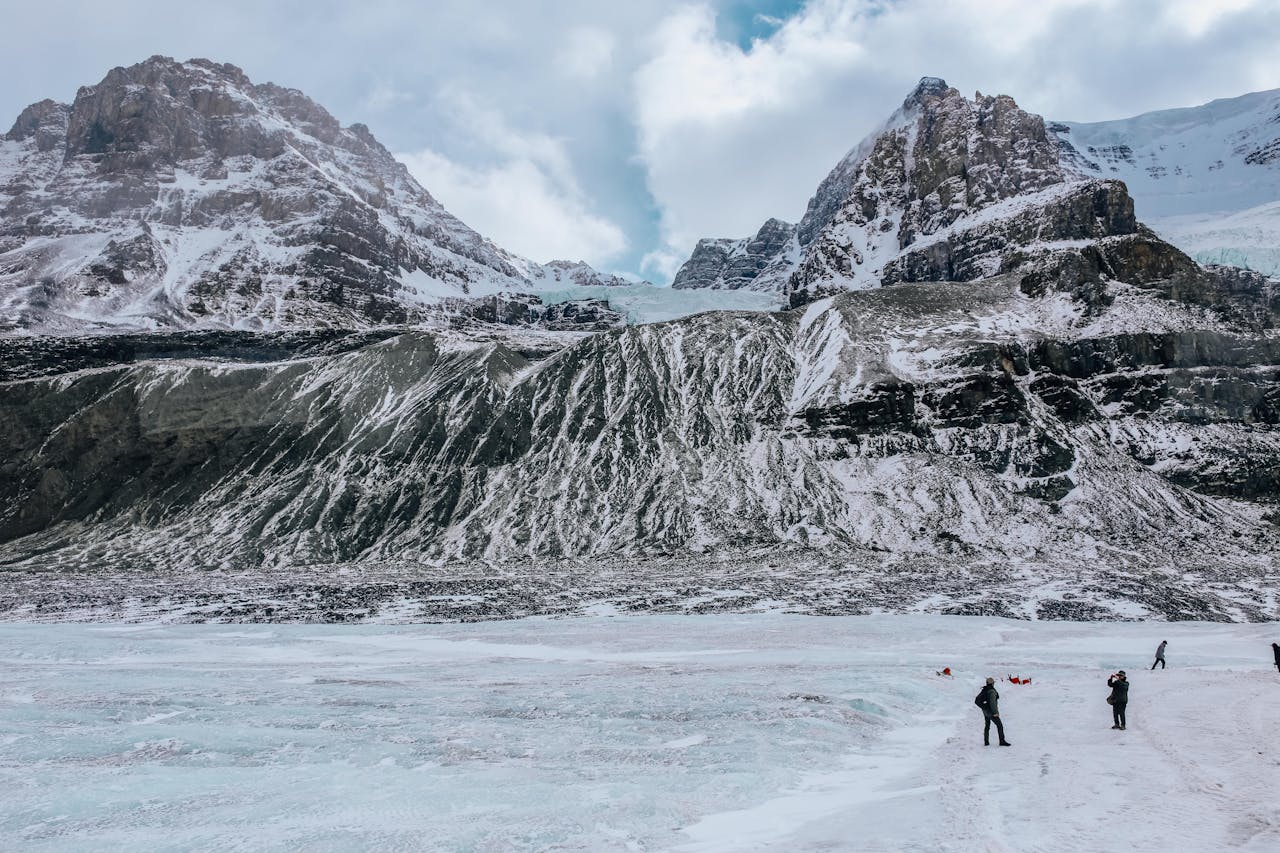
Glaciers are not just scenery; in many regions they sit inside homelands, sacred sites, and working landscapes. Last-chance framing can erase that context by treating the ice as a bucket-list stop rather than a relative, a water source, or a boundary marker. Guiding narratives can clash, because some visitors want a tragic postcard while residents want a living place respected now. Permits may route revenue elsewhere, while crowds bring drones, noise, and casual trespass onto areas where silence matters. When locals push back, it is often less about outsiders arriving and more about outsiders arriving without consent.
Safety Risks Rise as Ice Retreats
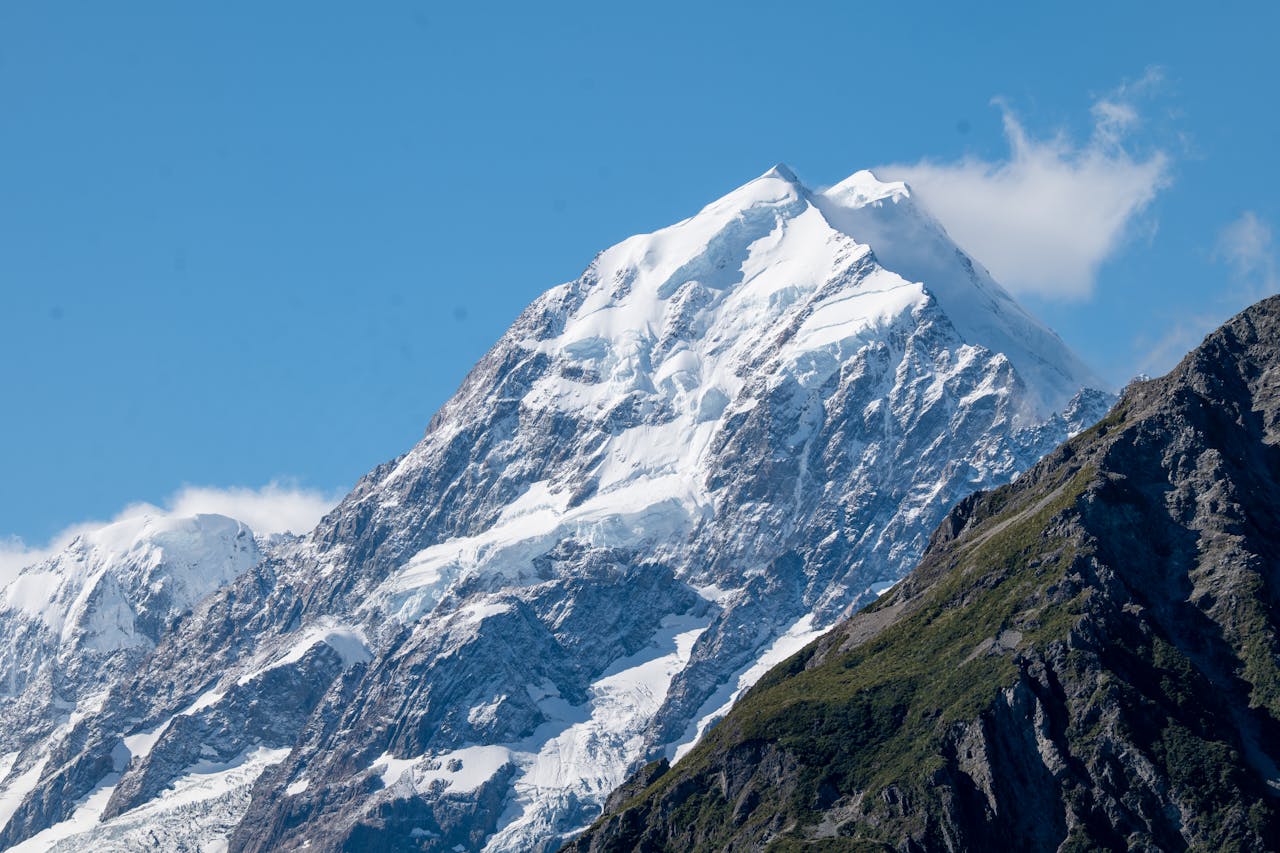
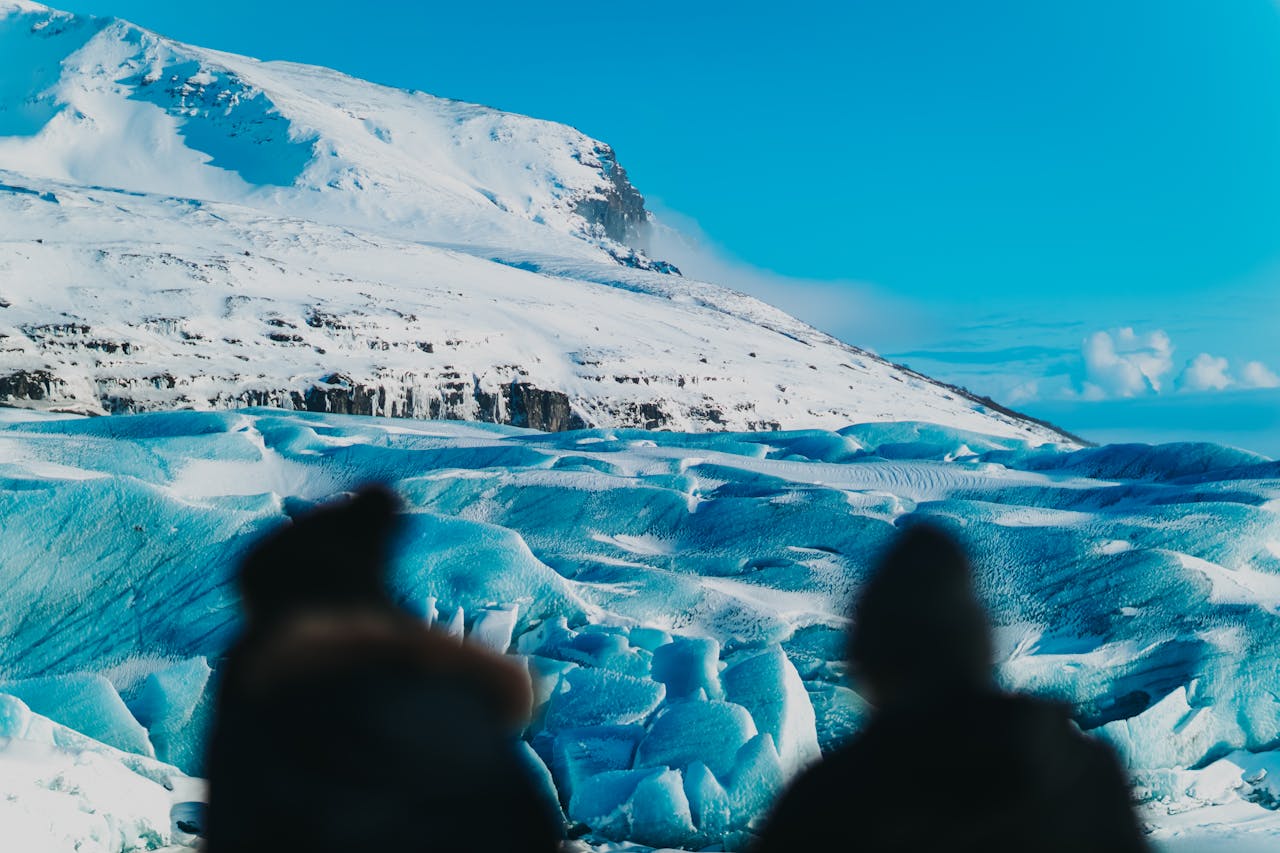
A shrinking glacier can look gentle from a distance, yet it often becomes more hazardous as it thins. Bare ice steepens, hidden moulins open, and rock that used to be locked in place starts to fall, raising the odds of injuries and costly rescues. Social media pressures risky angles, and many first-timers create bottlenecks at the most fragile crossings. That risk shifts business realities: higher insurance, more waivers, and tighter guide-to-guest ratios that push prices up. Some regions respond with licensing and strict access rules, which helps safety but also fuels debates about who gets to stand on the ice at all.
Science and Spectacle Compete for Space
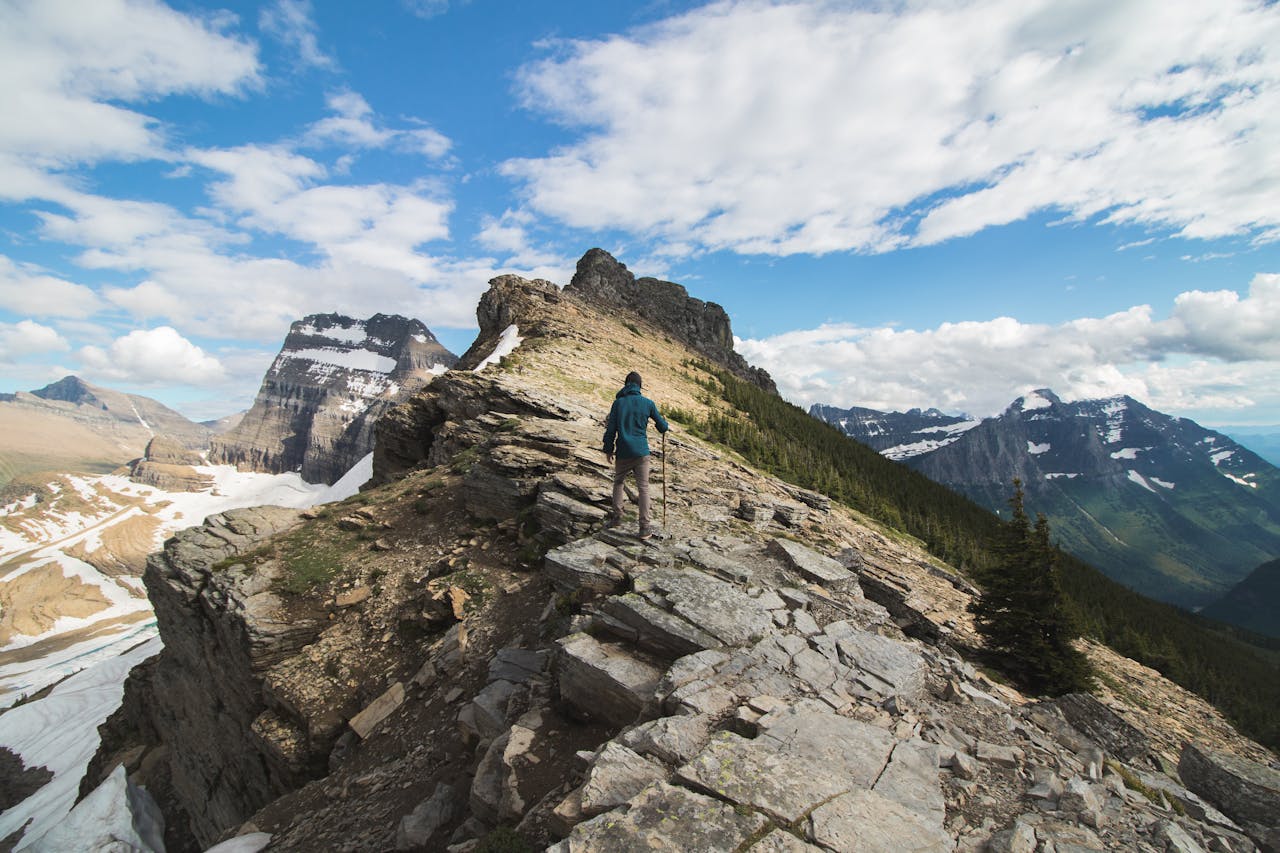
Many glacier destinations sell education, but the line between learning and spectacle is thin. Scientists and rangers need stable zones for monitoring and hazard checks, yet visitors drift toward the most photogenic ridges and ice caves. Foot traffic can chew up study plots and widen approaches into eroded trenches, while drones and noise spill into nearby habitat. Tourism fees may fund interpretation and local conservation jobs creating an uneasy dependence on the same crowds managers try to limit. Guides explain the data but grief can turn staged. So every rope line becomes a negotiation over access versus disturbance.
The Experience Becomes More Unequal
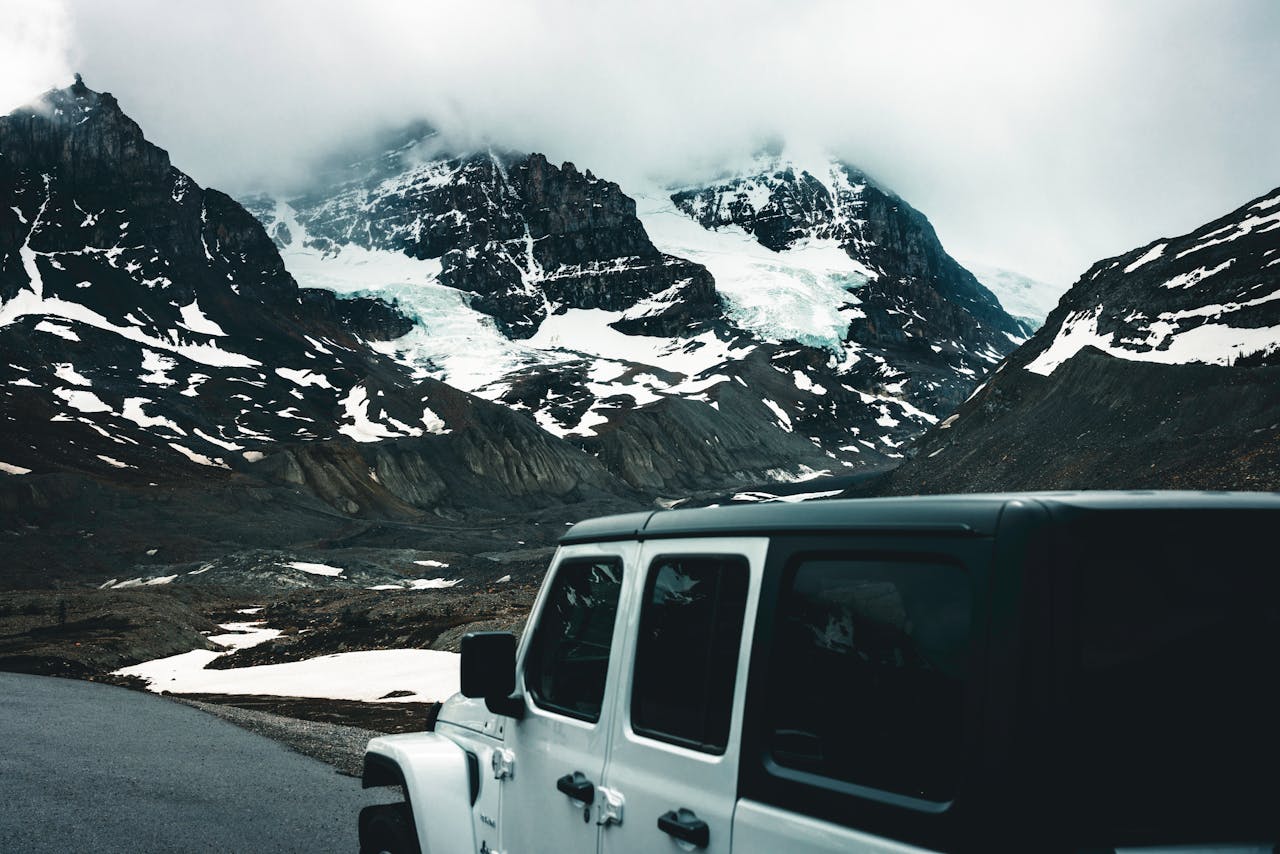
Last-chance glacier travel often becomes a luxury product, not a shared public moment. As routes get harder and rules get stricter, prices rise for permits, guides, helicopters, and insurance, pushing the experience toward higher-income travelers. Local families may watch the ice retreat from town viewpoints while tour marketing sells exclusivity a few miles away. VIP add-ons create tiers, and seasonal wages lag housing costs. That divide can breed resentment, especially when the profits leave the region but the traffic and emissions stay. The countdown, in other words, can reward the people most able to pay for it.
Rules, Laws, and Liability Keep Changing
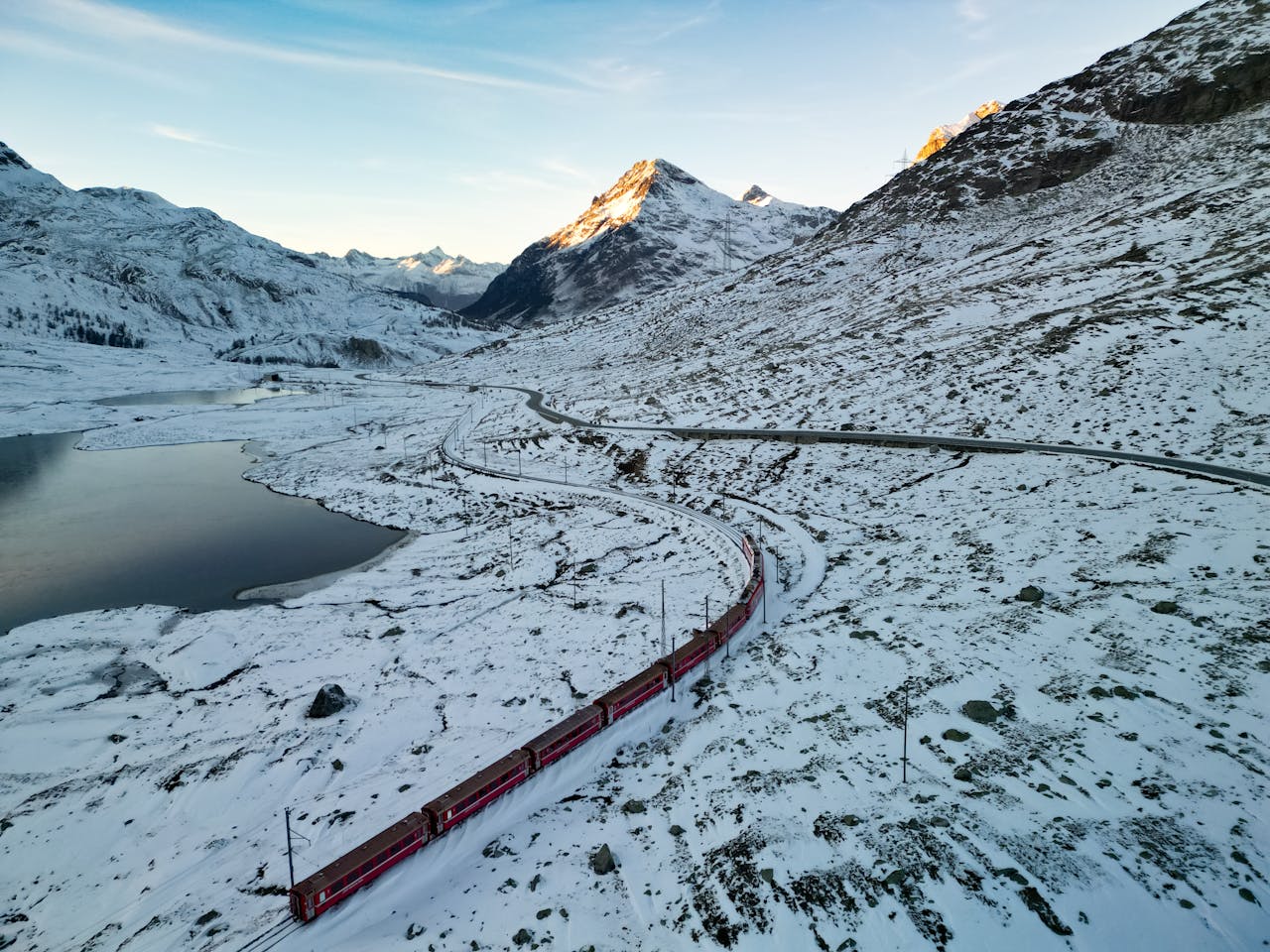
Managing a disappearing glacier is not just a park decision; it can become a legal fight. Some countries protect glaciers through strict land-use rules, while others focus on hazard management as meltwater lakes grow and flood risks rise. Those goals collide when safety work requires blasting, draining, or building, yet protection policies treat any disturbance as harm. Tour operators then face shifting permit systems, closures, and court challenges that change plans midseason. In that churn, simple messages about seeing the ice before it is gone miss the reality of governance catching up to physics, often in real time.
Grief Turns Into a Travel Product
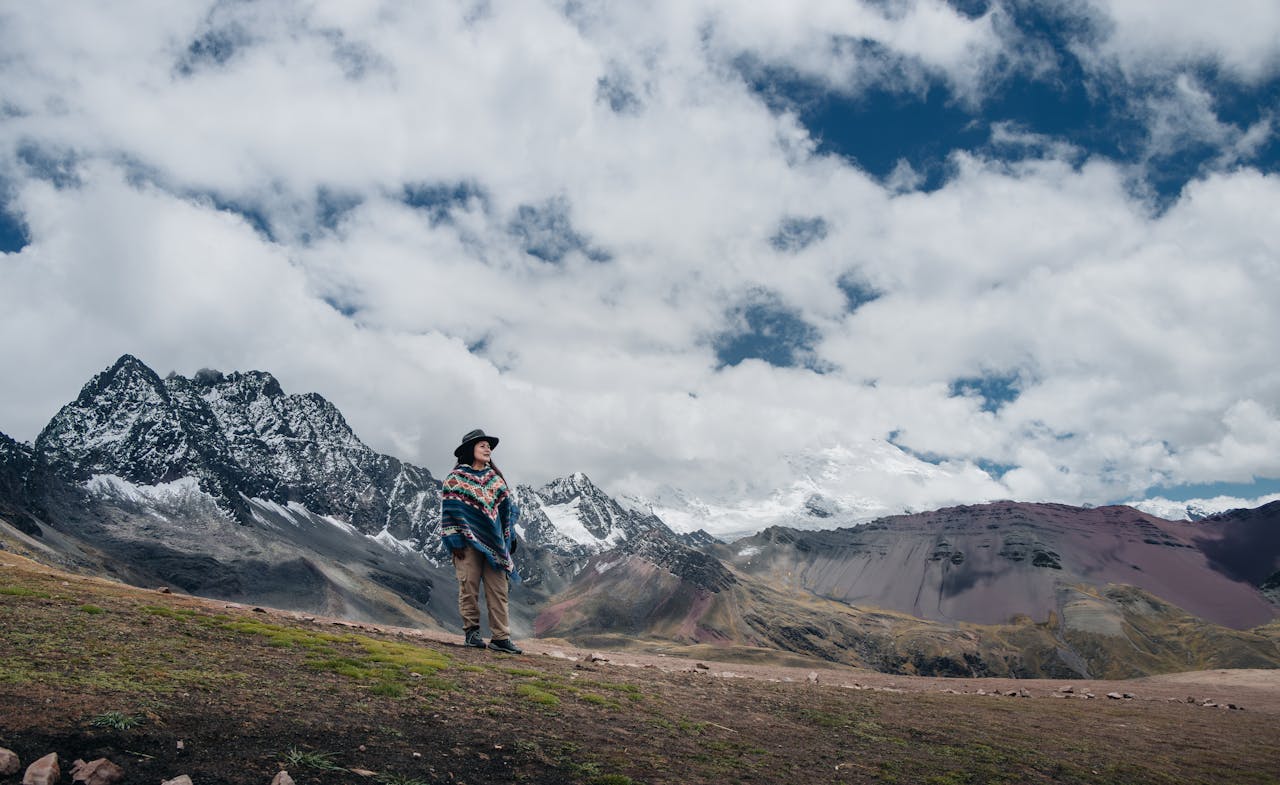
The mood around last-chance glacier trips is rarely simple joy. Visitors can feel wonder and shame in the same breath, especially when guides point to old photographs that show the ice where a parking lot now sits. It can spark action, or numbness. Some destinations hold ceremonies, memorial plaques, or educational walks that treat retreat like a public loss, yet the photos still flood social feeds. For residents, that can land as a kind of commodified mourning, where grief is packaged as an itinerary. The experience leaves people changed, but it also raises the hard question of what remembrance should look like.