
In 2026, the messiest travel days often start with a tip that sounds clever online. Airlines, hotels, and border systems are quicker at spotting patterns, and small rule-bending tricks can trigger fees, canceled segments, or a trip that unravels at the counter. Support teams also have less discretion once a policy is tripped and logged. The most dependable savings still come from timing, clean paperwork, and realistic buffers. These hacks promise speed or discounts, but they trade calm for stress exactly when time matters, like check-in, boarding, or a late-night arrival after delays stack up.
Hidden-City Ticketing To Beat Fares
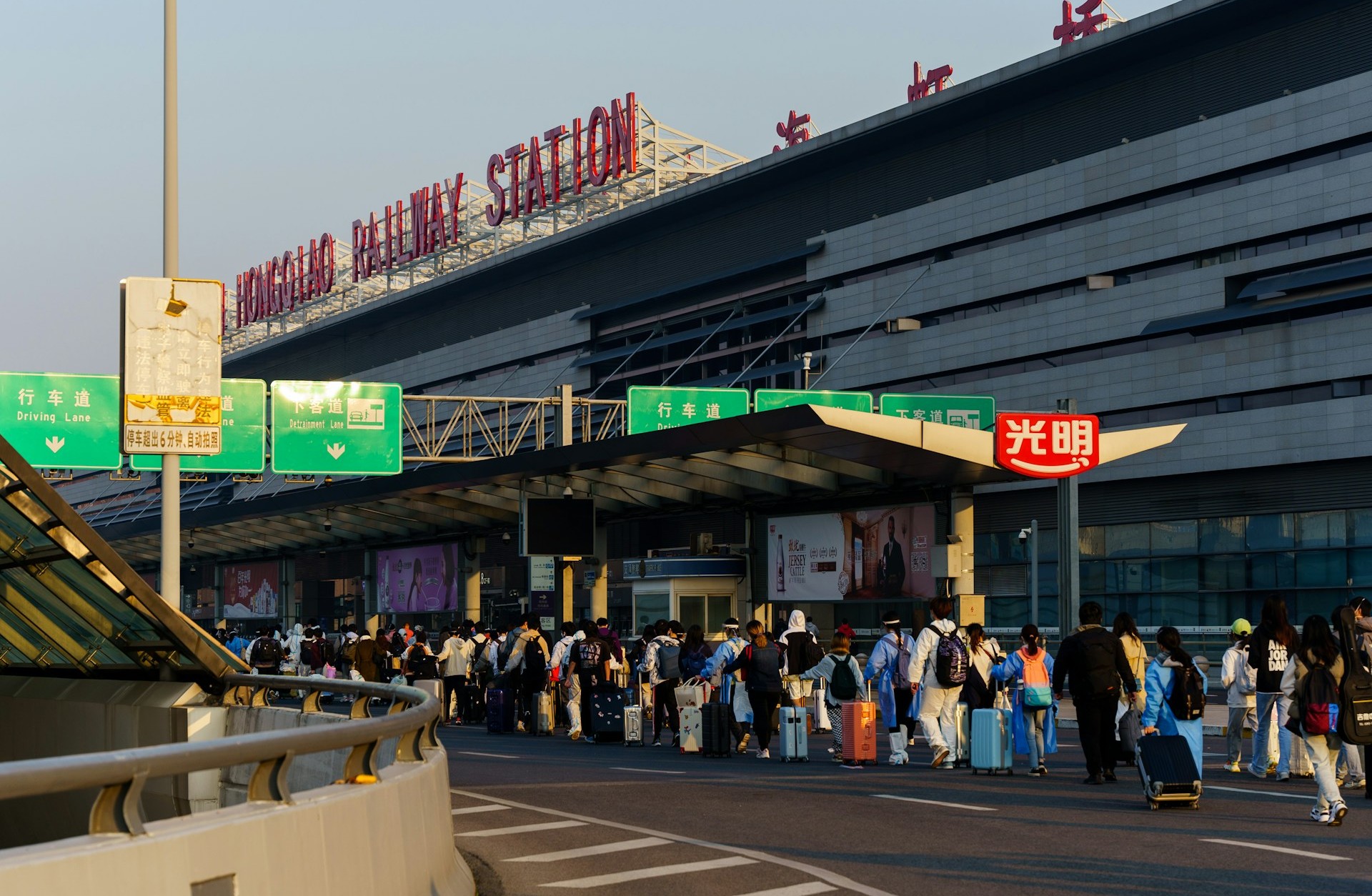
Hidden-city ticketing books a longer route, then the traveler exits at the connection city. Airlines treat it as a contract violation, and the weak points are predictable: checked bags route to the final airport, reroutes can skip the intended stop, and missing one leg may cancel everything left on the record. If weather hits, the plan collapses into rebooking chaos because protection is tied to the original itinerary. What looked like savings turns into repricing, lost points, and a frantic search for a lawful ticket home before seats disappear. It can also wipe out the return in one click, too.
Throwaway Onward Tickets For Entry Rules

A throwaway onward ticket is bought to satisfy an airline or border requirement, then canceled or skipped later. The risk is that missed segments can trigger automated cancellations on linked reservations, and repeat patterns can draw scrutiny. It also fails when dates do not match the stated stay, prompting extra questions at check-in where the carrier bears the penalty. A proof ticket can also lock money in slow refunds and create confusion during irregular operations. A real refundable fare or a legitimate onward plan keeps documentation clean without turning flexibility into a paper trail.
Stuffing Oversize Bags Past Size Checks
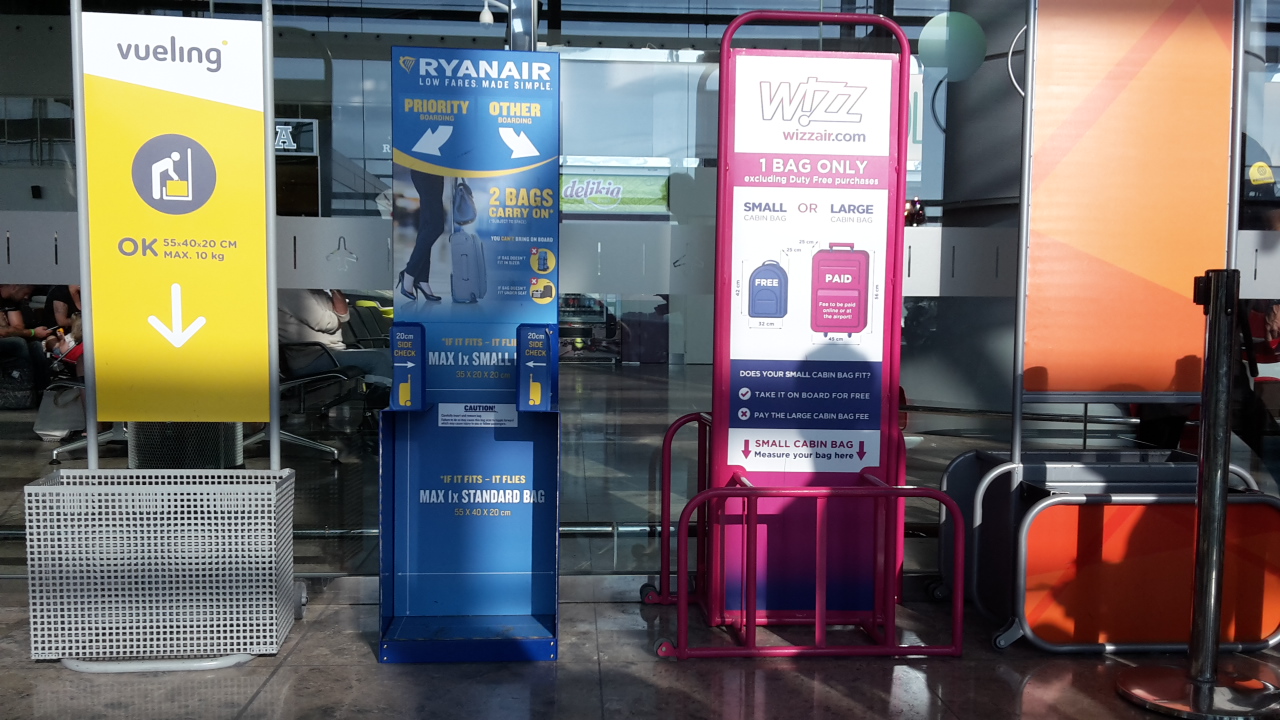
Forcing an oversize bag through personal-item limits used to rely on luck. More carriers now measure at the gate, charge instantly, and record repeat patterns tied to the booking. When a bag fails the sizer, time is lost, the highest fee is paid, and the bag may be gate-checked anyway, separating essentials. Overhead bins fill fast, so late boarders are the first pulled aside, and the delay can cascade into seat changes or missed connections. Some travelers end up repacking on the floor while the line watches. Packing to published dimensions protects both budget and the mood of the whole row, on the spot.
Borrowing Resident Or Student Discounts
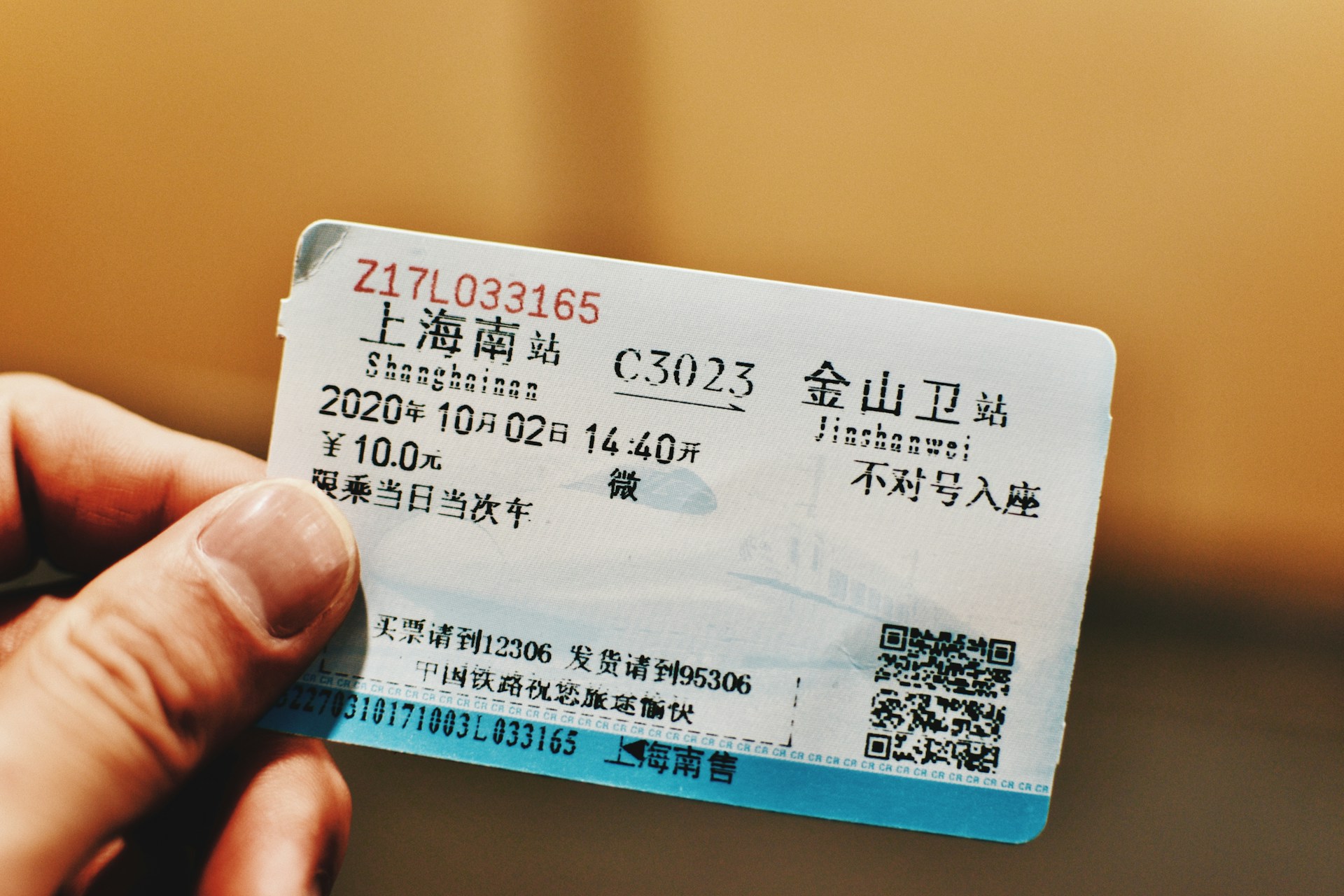
Borrowed resident and student discounts are framed as harmless, but many systems now verify identity at entry. Rail passes, museums, and attractions increasingly match names to digital tickets, sometimes with photo checks, and a mismatch can void timed entry. The savings vanish at the turnstile, replaced by a full-price purchase, lost reservations, and a day reshaped by apology and rerouting. Staff rarely debate intent in a busy line; they just enforce the rule and move on. Some operators also note the attempt for future purchases. Real deals work quietly because eligibility is true, not improvised.
Chargeback First, Ask Later
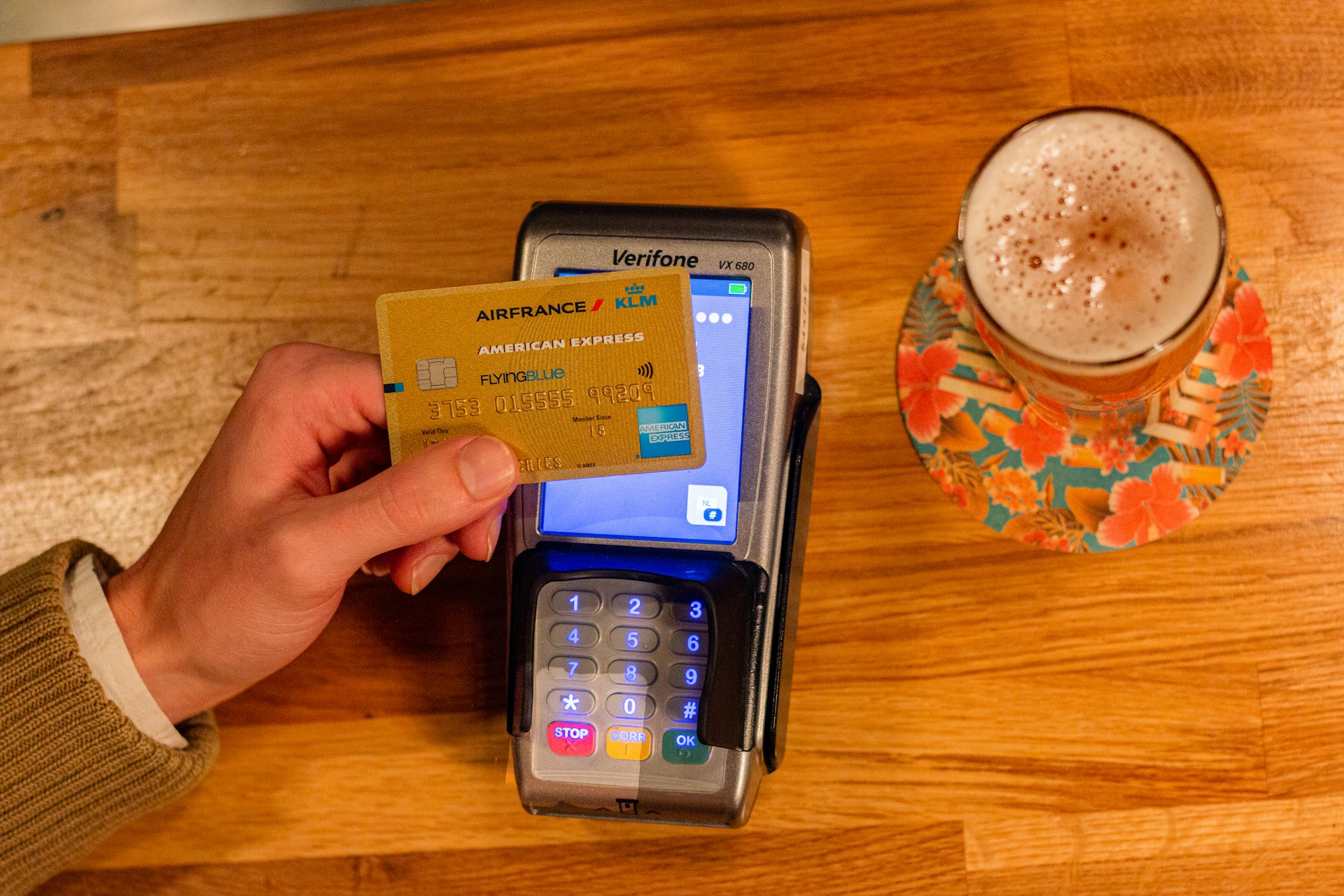
Treating chargebacks as a universal refund button can turn a small complaint into a bigger mess. Banks and merchants expect fraud or a clear billing error, and repeat disputes can trigger reviews and extra verification. Hotels may refuse future bookings after frequent reversals, and platforms can lock accounts while cases are pending. Refunds that could have been credits become weeks of document chasing, calls, and uncertainty. When a trip truly goes wrong, a combative record can make support less flexible. Clear cancellation terms, written confirmations, and travel insurance protect money without burning future options.
Booking Multiple Options And Canceling Late

Holding several flights or hotels as backups feels flexible until cancellation windows and nonrefundable rules collide. Late cancellations can mean a full first-night charge, and speculative holds create deadline chaos that steals attention from the trip itself. Some platforms also flag accounts that repeatedly reserve inventory only to release it at the last minute, especially in peak weeks. A better approach is one refundable backup used sparingly, with reminders set, and a plan designed to shift without hoarding rooms. Flexibility should reduce stress, not multiply it, when the day runs late.
VPN Price Games

VPN fare tricks promise cheaper prices by booking from another location, but mismatches can trigger payment checks and manual review. Even when a purchase clears, savings can be erased by currency conversion, foreign transaction fees, or weaker support tied to that region. If a schedule changes, resolving it may require a call center that cannot access the same options or waivers. Prices move with demand and inventory more than geography, so fare alerts, flexible dates, and direct comparisons usually win. The cleanest savings are the ones that still refund and rebook smoothly, fast, without extra calls.
Lounge Sneak-Ins And Screenshot Passes

Lounge hacks built on screenshots, borrowed credentials, or tailgating are failing more often because entry is logged and verified. Many lounges match names to boarding passes, use QR codes that refresh, and track visits across partner networks. Getting turned away can mean fees, a note on an account, or a card issuer questioning access benefits later. The calm hour meant for a reset becomes an awkward desk standoff, then a crowded-gate scramble with no time to decompress. Some travelers also lose access for the rest of the trip, including partner lounges. A paid pass or a quiet café is a cleaner bargain.
Overstaying Visas As A Strategy
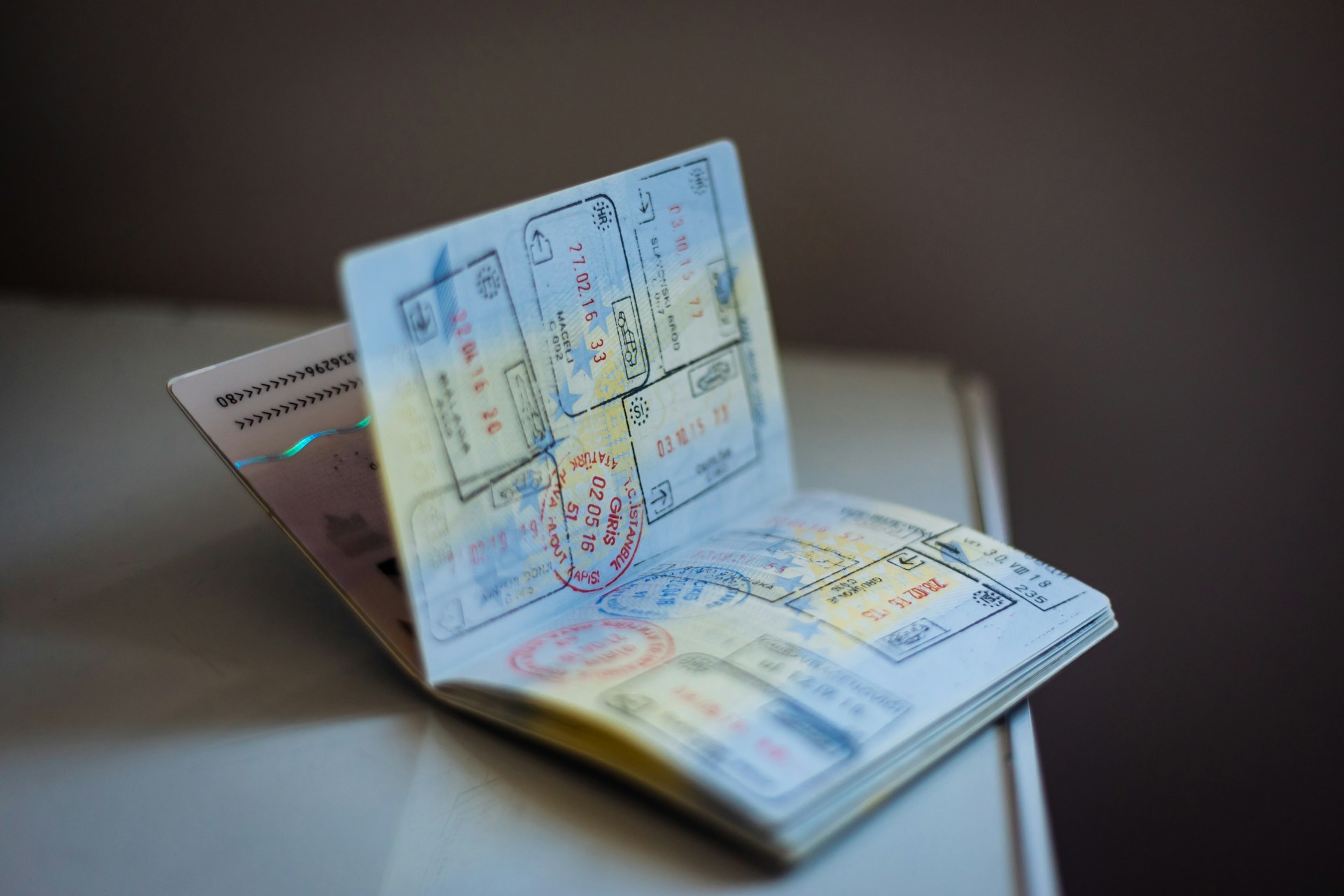
Calling a visa overstay flexible is one of the quickest ways to poison future travel. Overstays can lead to fines, forced departures, entry bans, or later denials, and digital exit records make timelines hard to dispute. Airlines may also block boarding if onward compliance looks shaky, because the penalty lands on the carrier. Extensions often must be filed before expiry and processing can lag, so buffer days and timely paperwork are the only reliable strategy. Even a short overstay can create long questions later, including during transit stops. Clean records keep options open when plans change.
Self-Transfers On Separate Tickets With Tight Buffers
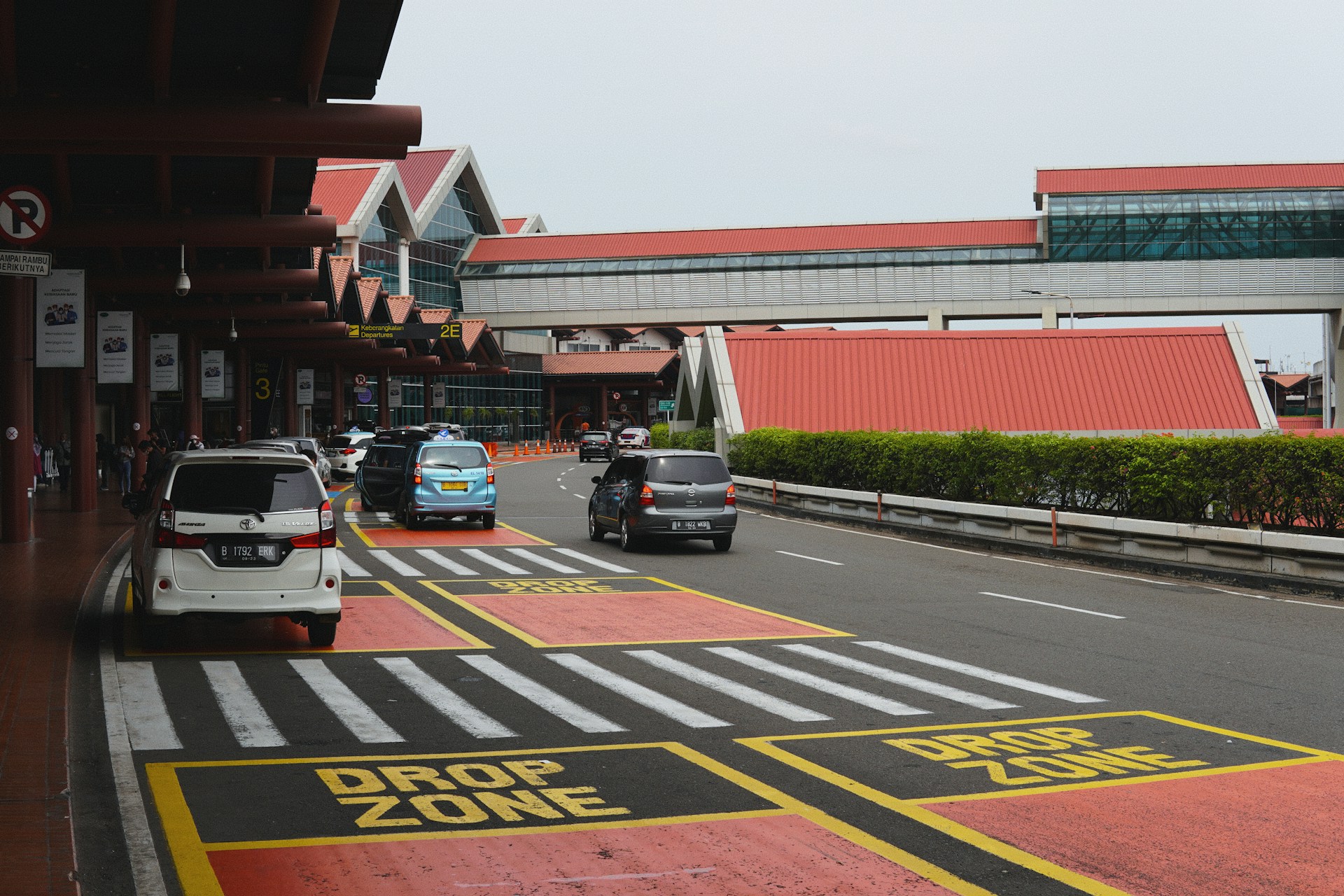
Self-transfers on separate tickets look like savings until the first delay hits. If the inbound flight is late, the second carrier has no duty to rebook, so the fix can be a walk-up fare and a lost day. Bags may need to be collected and rechecked, and another security line can erase any buffer. Weather makes it worse, because rebooking windows shrink fast and seats vanish by the minute. Add passport control or a terminal change, and the math gets brutal. Miss the second flight and hotels, tours, and trains can unravel behind it. Protected connections or long layovers cost more upfront, but they buy reliability when the system bends.