Airport lounges used to be quiet perks reserved for first class tickets and a small circle of frequent flyers. Over the last decade, they have shifted into curated rooms where waiting feels less like a penalty and more like a pause. Credit cards widened the door, crowding forced tighter rules, and competition pushed expectations from snacks to full meals, showers, and calmer design. Brands now treat lounges like flagships, using food, lighting, and service to set the mood before boarding even starts. Reservations, visit caps, and tiered access have followed, turning entry into a managed product. Dead time became a kind of soft luxury, built around comfort, control, and a little quiet. It is travel’s waiting room, upgraded.
Credit Cards Turned Access Into a Lifestyle Perk
Airlines once kept lounges behind fare class and status, so the quiet room felt like a reward earned after years of early alarms, red-eyes, and tight connections. Premium credit cards rewired that, bundling entry with everyday spending, companion passes, and apps that make lounge-hunting as routine as choosing a seat or tracking a bag. As banks built their own flagships and partnered with global networks, lounges had to behave like hospitality spaces, with real espresso, stable Wi-Fi, more power, better lighting, quieter corners for calls, and staff who keep the room calm when the terminal outside turns loud, crowded, and expensive.
Crowding Forced New Rules That Feel Like Velvet Ropes
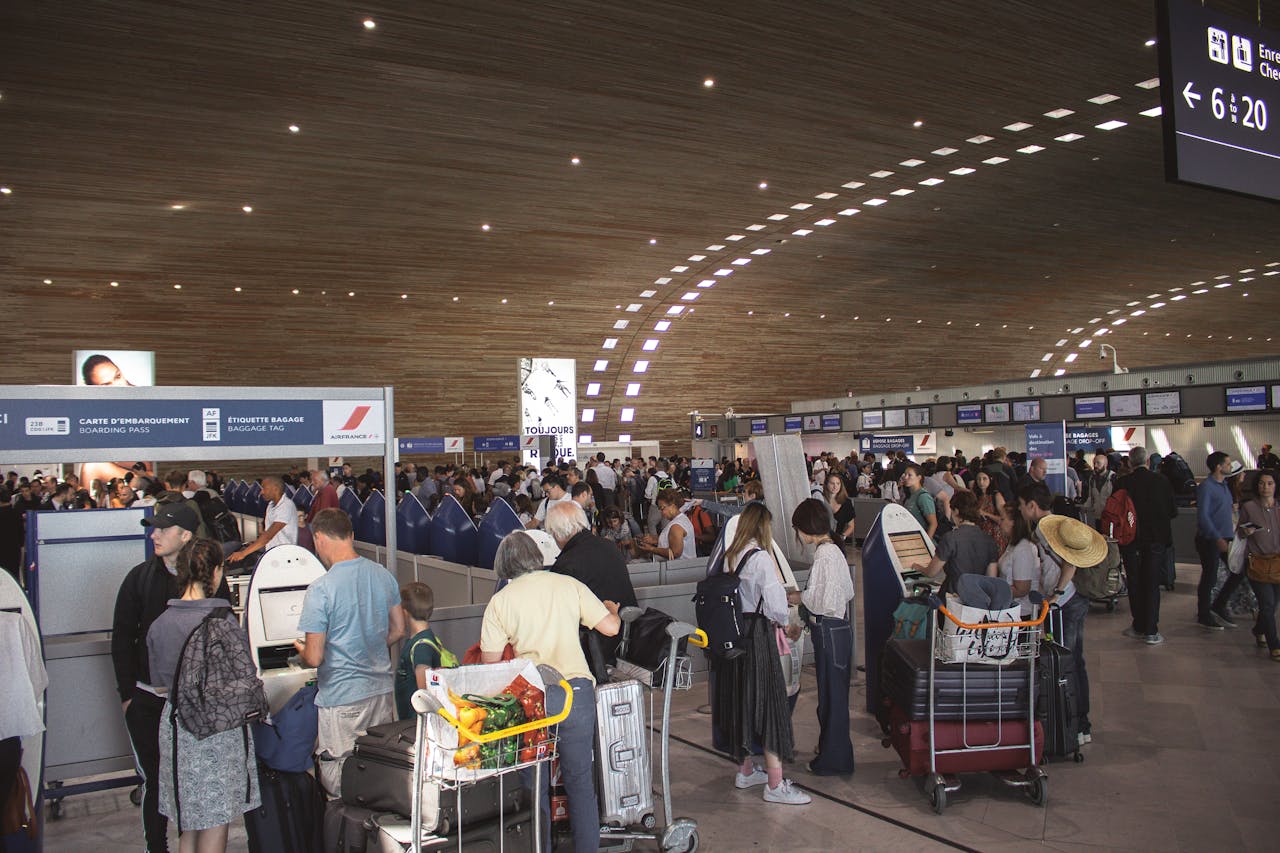
Access expanded, and then the lounge line became its own delay, curling past frosted doors while the concourse buzzed and announcements stacked into a steady hum. To protect the calm, operators tightened guest rules, added annual visit caps, introduced reservations or digital waitlists, and set spend thresholds that unlock longer stays. It is luxury by control, not only nicer chairs, but a room that stays usable at peak hours, where the buffet holds up, the bar moves steadily, the staff can reset tables fast, and nobody has to drift around hunting for an open seat with a tray in hand, with clear signage and polite enforcement.
Food Moved From Buffets to Real Dining
The old promise was simple: a cookie, basic pasta, and a chance to avoid terminal prices while killing time near a wall outlet and a quiet chair. Many lounges now compete on food the way good hotels do, with barista coffee, proper cocktail programs, and menus that borrow local staples, regional sweets, and lighter options. When the meal is replenished, the glassware is clean, and the bar is run with pride, the lounge stops being a perk and starts feeling like a preflight restaurant, with plates that look cared for, staff who notice empty cups, and service that stays composed even when a rush hits, and seating does not feel cramped.
Design Borrowed From Boutique Hotels
Early lounges were built for function, with flat lighting, tired carpet, and televisions filling the room with noise that rarely matched anyone’s mood. Newer spaces borrow from boutique hotels, using warmer materials, soft light, greenery, local art, and zones for dining, work, and quiet, so traffic flows without constant interruptions. Details do the work, softer acoustics, plentiful outlets, clean sightlines, and showers tucked down calm corridors, plus seating that ranges from communal tables to tucked-in armchairs and window nooks, reading lamps, and softer music, so the lounge reads as a real room for people, not a holding pen.
Work Zones Made Layovers Feel Useful

Trips are stitched together by inboxes and time zones, so lounges became workplaces by necessity, not trend, especially on connections that run long. Better ones take that seriously with reliable Wi-Fi, power at every seat, desks that do not wobble, and chairs that can handle a long edit without soreness. Phone rooms and quieter corners keep calls contained, and practical touches, good lighting, clean tables, quick printing, charging pads, and staff who can point to the right gate fast, turn dead time into steady progress that actually sticks, instead of dissolving into gate-to-gate stress, with space to spread notes and gear.
Wellness Amenities Turned Waiting Into Recovery
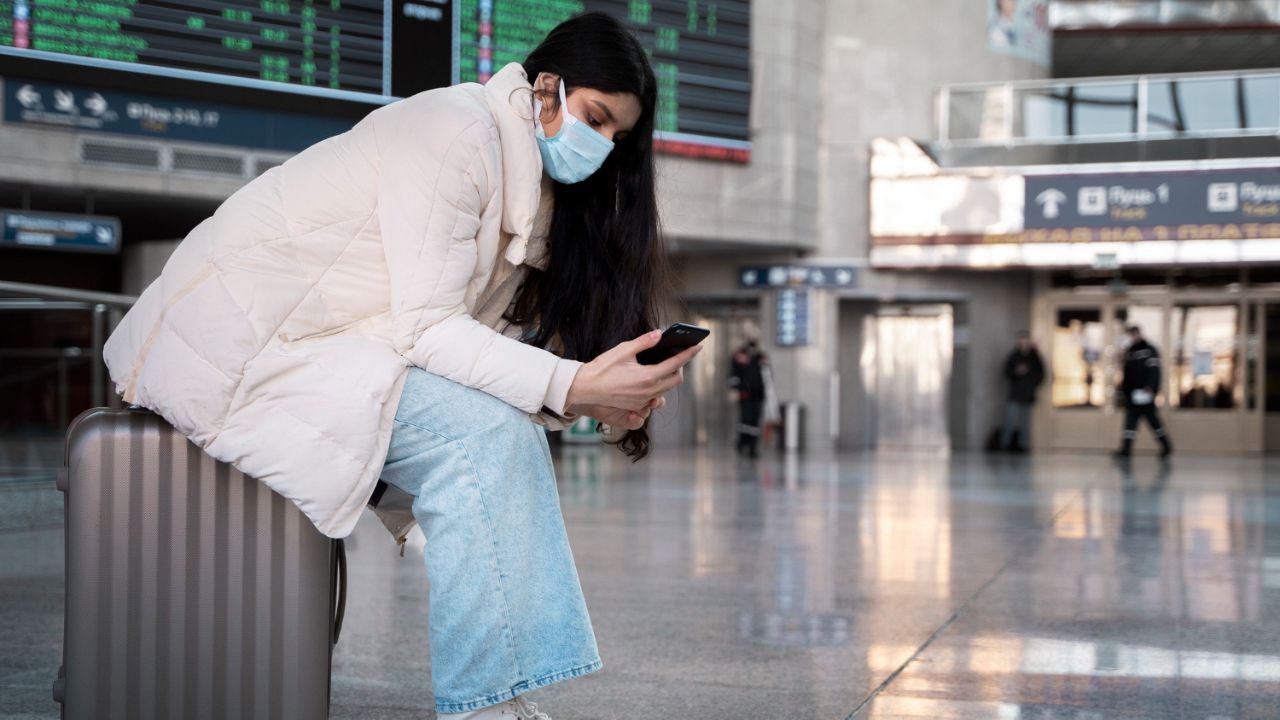
Air travel wears people down in quiet ways, dry cabin air, long walks, and schedules that ignore sleep, hydration, and normal meals. Lounges answered with showers, calmer rooms, massage chairs, hydration stations, fresh fruit, tea, and in some airports, sleep pods that offer short resets between legs and red-eyes. A rinse, fresh towels, a clean shirt, and ten calm minutes in softer light can change the second half of a trip, and that promise, feeling human again before boarding, is a big reason lounges now read as luxury instead of simple convenience, especially on long-haul days, when the body wants a reset before boarding begins.
Service Became the Real Luxury Signal
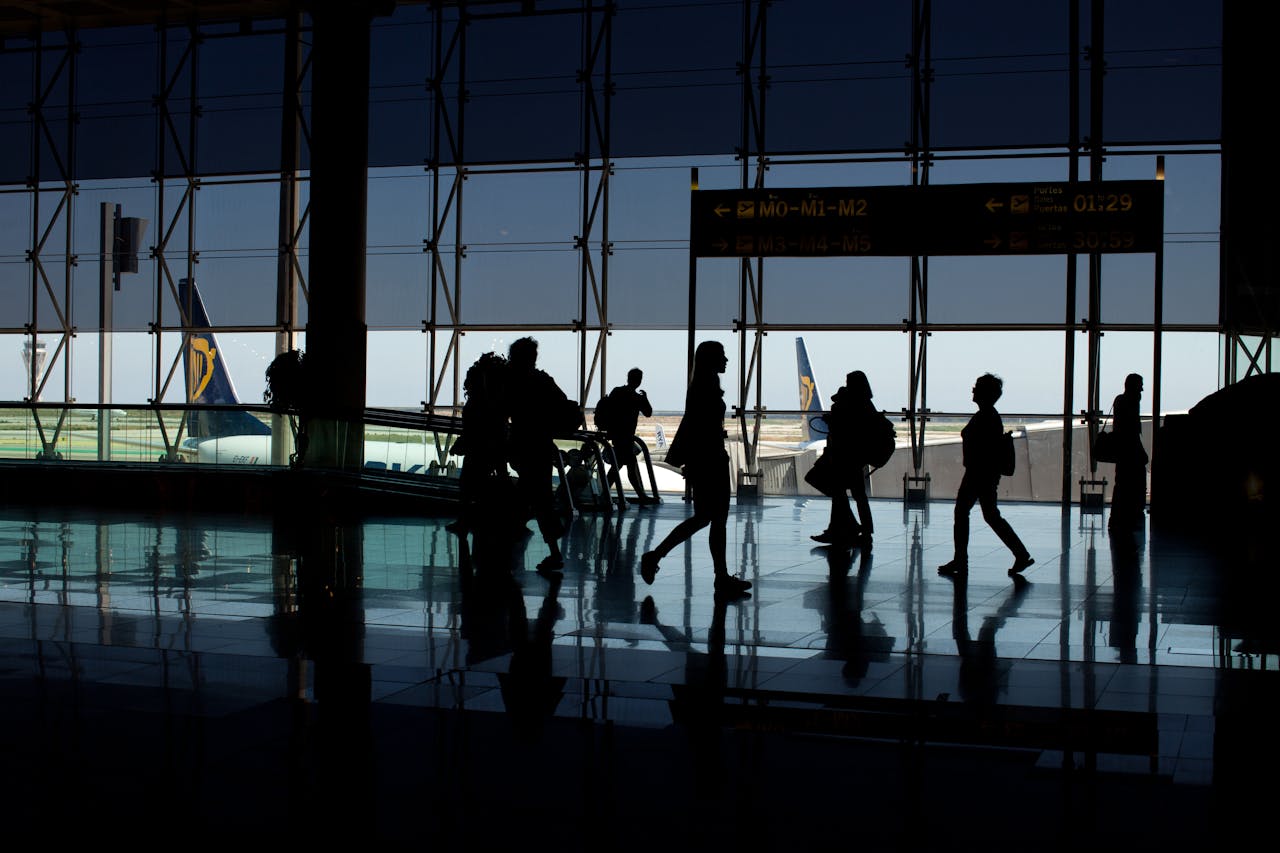
The shift is not just furniture and food. It is how problems get handled when a screen flips to delayed and the gate area starts to fray. Well-run lounges staff up like hospitality venues, clearing tables quickly, keeping bar and buffet lines moving, and helping with rebooking when plans fall apart. A calm, capable team sets the temperature of the room, takes ownership of the space, solves small needs like chargers, directions, quiet corners, and gate updates without drama, and untangles bigger messes like reroutes and quick reissues, then quietly enforces the rules, so the trip feels manageable again even when the airport is unraveling, with less friction.
Networks Standardized Comfort Across Airports
Independent access programs made lounge comfort portable, so travelers could expect a baseline without chasing airline status every year or upgrading every ticket. Large networks list thousands of participating locations worldwide, training people to compare experiences across cities, sometimes brutally, from seating density to coffee quality. Consistency became its own luxury, because predictability is rare when gates change and storms roll in, and a familiar refuge with decent espresso, steady Wi-Fi, sparkling water, and a clean bathroom can matter more than any design flourish, because the basics land every single time.
Rankings and Social Proof Made Lounges a Destination
Lounges used to be private breaks from the terminal. Now they are talked about like restaurants, reviewed like hotels, and shared like travel highlights. When media rankings and social posts spotlight signature rooms, the message spreads fast, and travelers screenshot them like maps, some lounges are worth arriving early for, even on routine trips. That visibility keeps pushing details higher, sound control, seating variety, and the pace of service, because the lounge is no longer hidden. It becomes a destination, where runway views, latte art, and calm corners are part of the story people repeat on the ride home and the next trip.