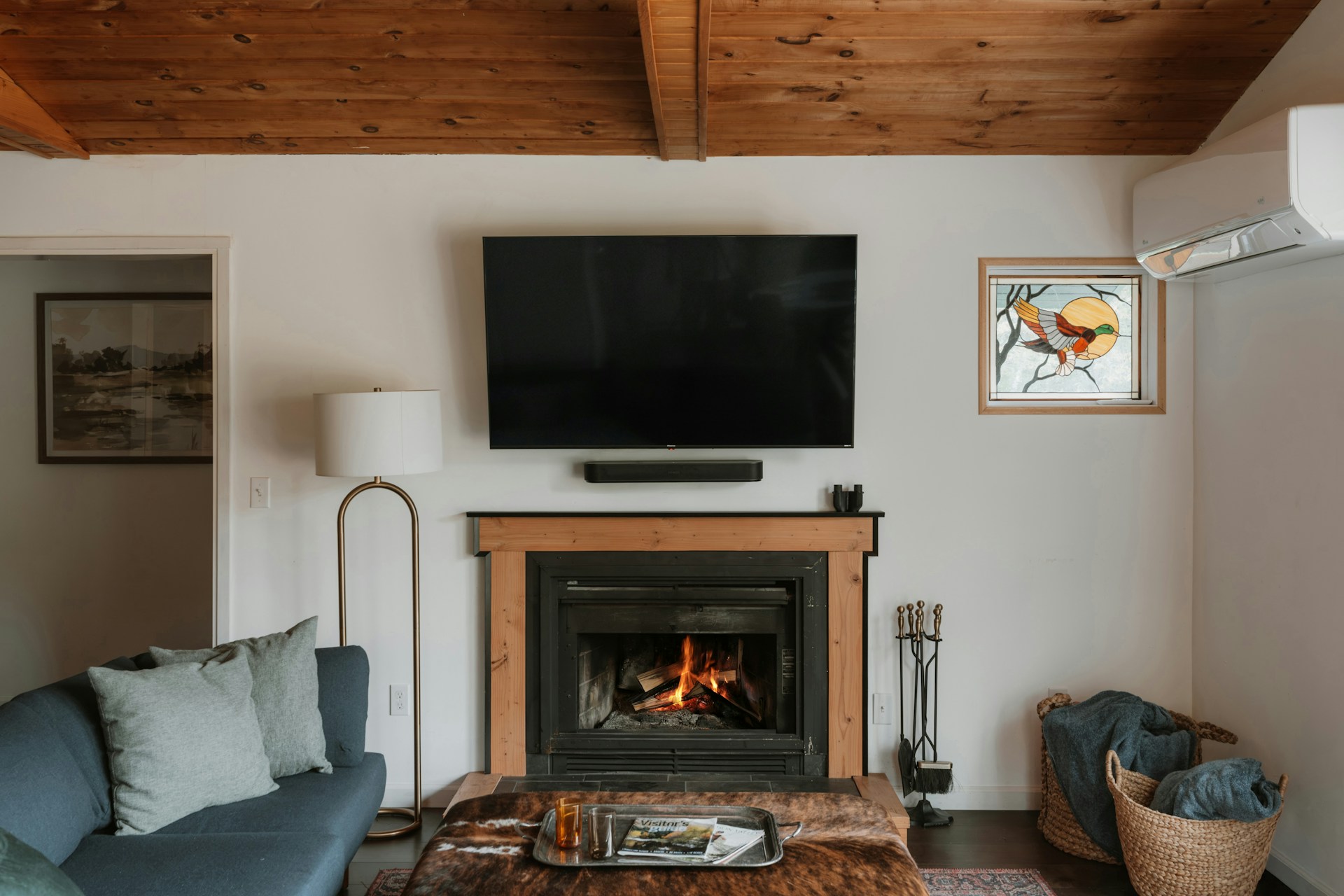
Travel etiquette rarely gets spelled out, yet it sets the tone of every trip. Small choices about space, noise, and timing decide whether airports, trains, and hotels feel calm or tense. Some rules surprise even seasoned travelers because they are local, unspoken, or shaped by modern crowding. Good manners are not about performing politeness; they reduce friction for staff, residents, and fellow passengers. When those courtesies become habits, delays sting less, lines move faster, and the best moments have room to show up, even on messy travel days. The point is simple: share space like someone else matters.
Quiet Hours Start Earlier Than The Sign Says
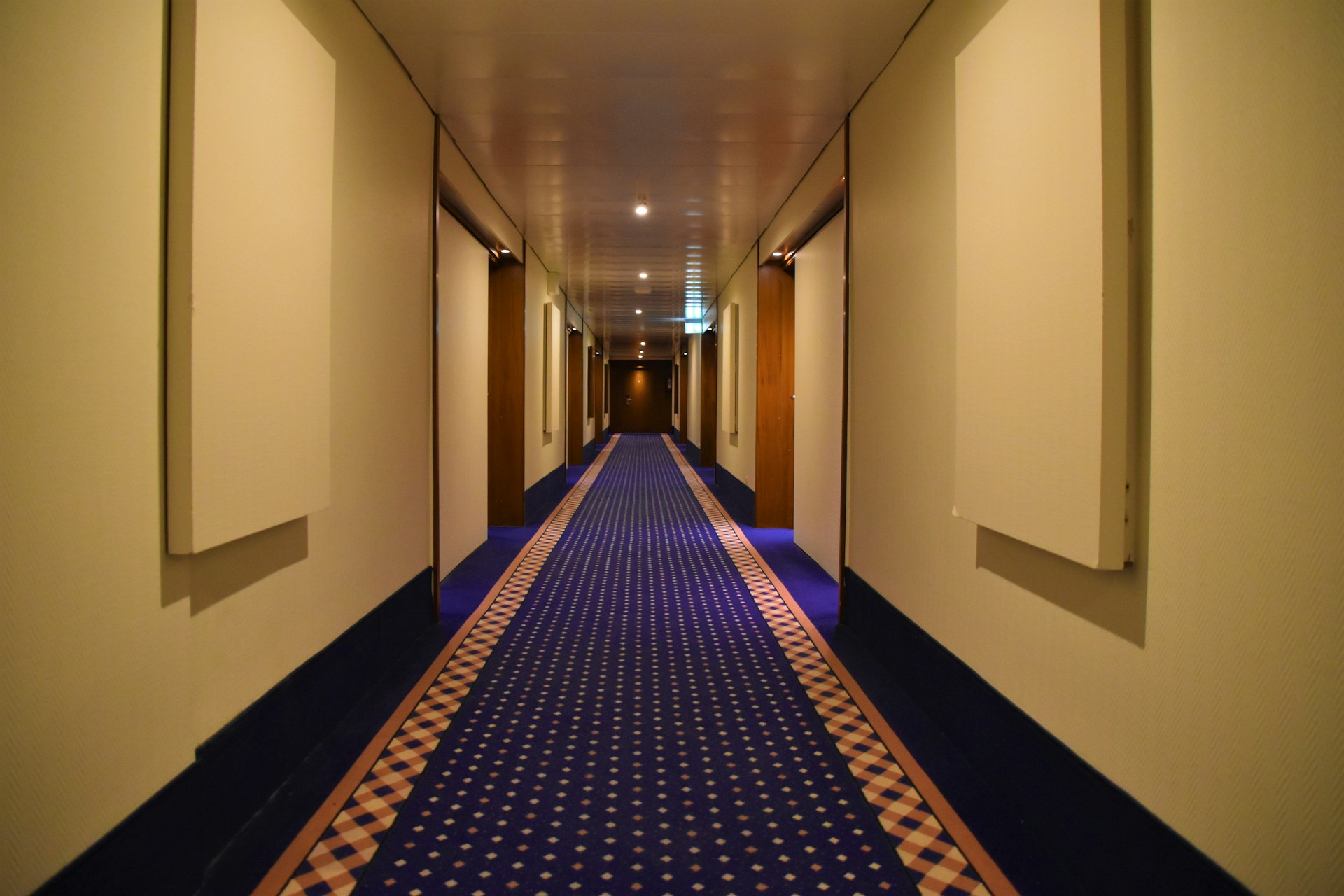
Quiet hours rarely start at 10 p.m. on the dot, because sound travels through hallways, vents, and hard floors. Early alarms, rolling suitcases at 6 a.m., balcony calls, ice runs, speaker music, clacking shoes, elevator dings, and door slams can break sleep faster than late-night chatter, especially in older buildings where echoes bounce and footsteps land like drums. A steady rule is to treat corridors like a library, keep calls and videos inside, close doors gently, and pack the night before, so neighbors are not jolted awake and forced into a tired, tense morning, especially in thin-walled stays.
Let People Exit Before You Enter
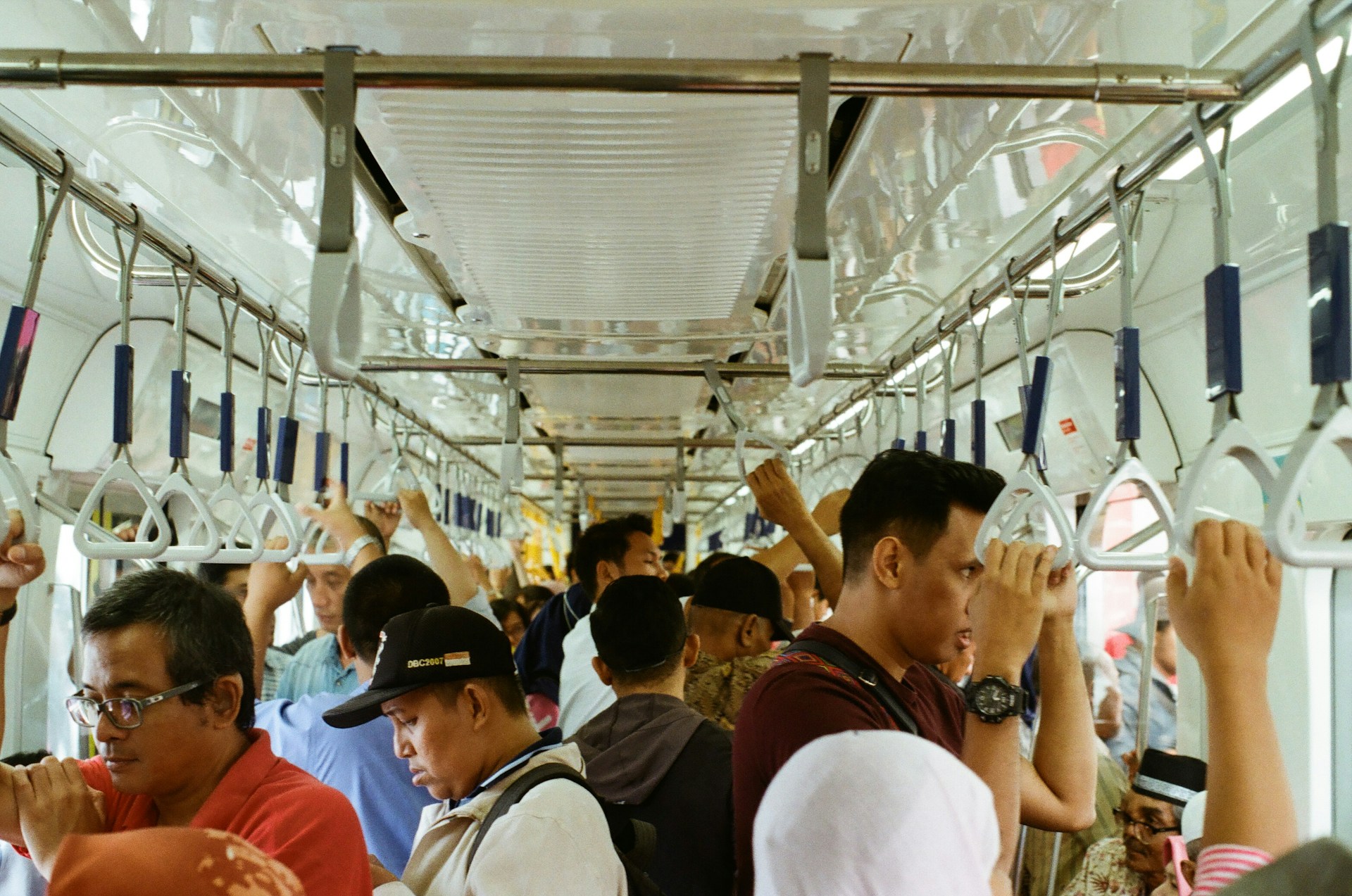
Doorways work best as one-way lanes, yet crowded elevators, trains, jet bridges, and shuttles invite people to edge forward as if a place might be lost, tightening the space before anyone can step out. When boarding blocks exiting, the whole group stalls anyway, and travelers with strollers, canes, or heavy bags get pinned at the threshold while shoulders and suitcases bump and tempers rise. Stepping to the side, keeping backpacks out of the doorway, and waiting until the space fully clears makes boarding faster and calmer, and it gives crew and drivers room to help without turning the entrance into a knot.
Treat Overhead Bins Like Shared Space
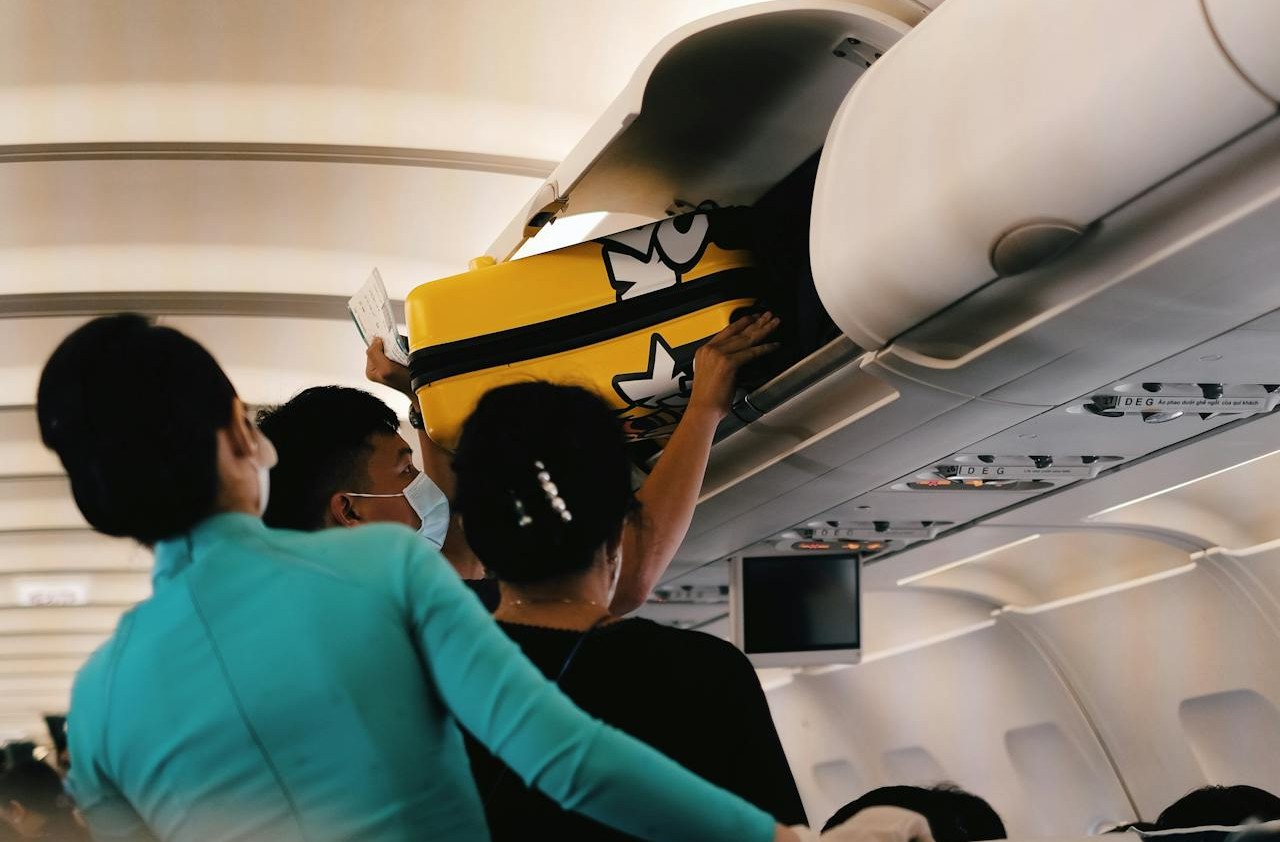
Overhead bins are shared space, not personal closets, and a surprising share of boarding delays comes from the bin shuffle near the front rows. Coats stuffed beside full rollers, small totes taking prime space, and mid-aisle repacking force everyone behind to stop while crew members hunt for gaps, shift bags, and negotiate swaps. The clean norm is simple: one carry-on goes up wheels-first if it fits, smaller items stay under the seat when possible, and anything that will not fit gets checked early, before the line reaches the gate, so the aisle clears, stress drops, and nobody has to lift bags over heads twice.
Recline With Timing, Not Force
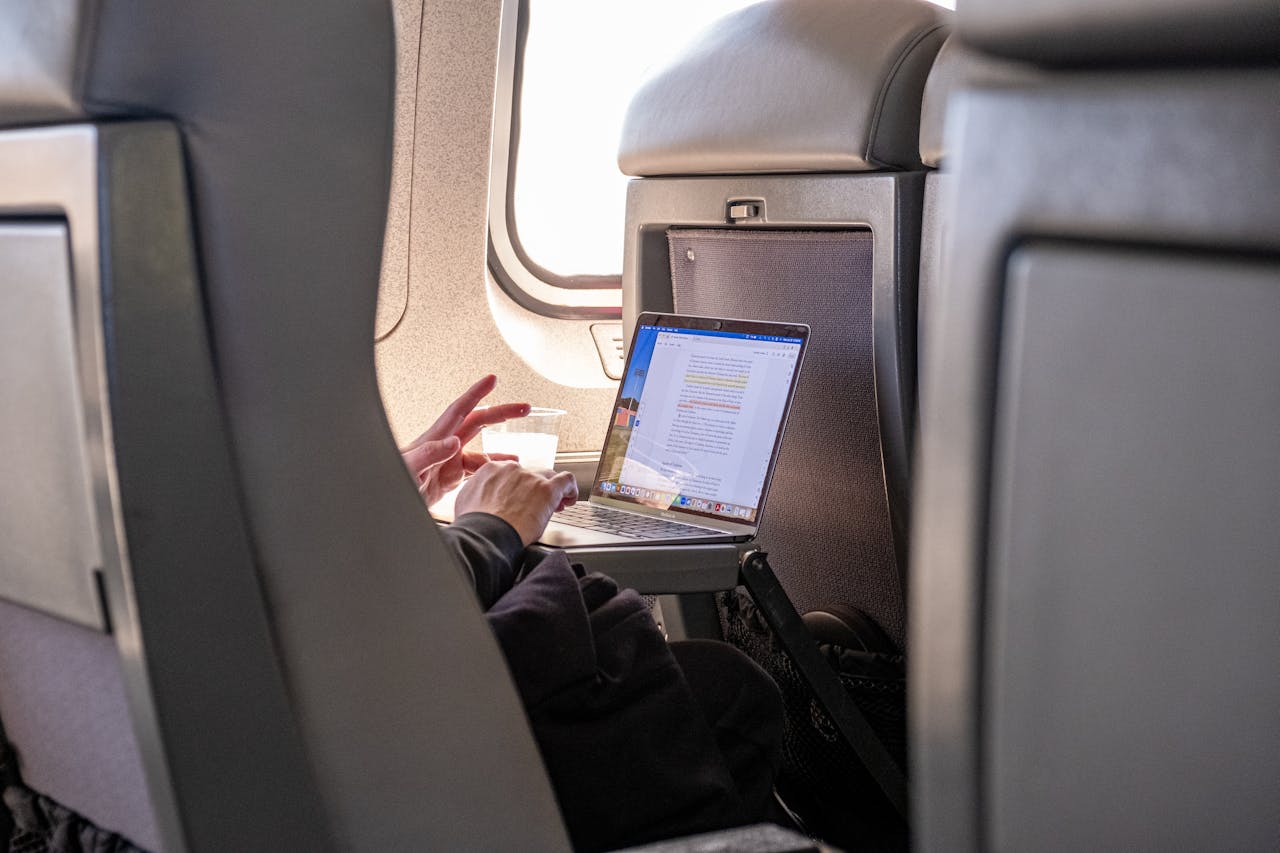
Seats recline by design, but timing is the difference between normal and inconsiderate when rows are tight and everyone is balancing trays, drinks, earbuds, and knees. A sudden drop during service can spill a cup, jam legs, or slam a laptop hinge, and it shifts the mood fast, especially on packed flights where nobody has room to reset and crew ends up smoothing it over. Reclining slowly after a quick glance back, then returning upright for meals, takeoff, and landing, keeps the cabin livable and gives the person behind a second to brace, slide a tray, or move a device, which reads as basic respect.
Step Aside Before You Stop On Transit
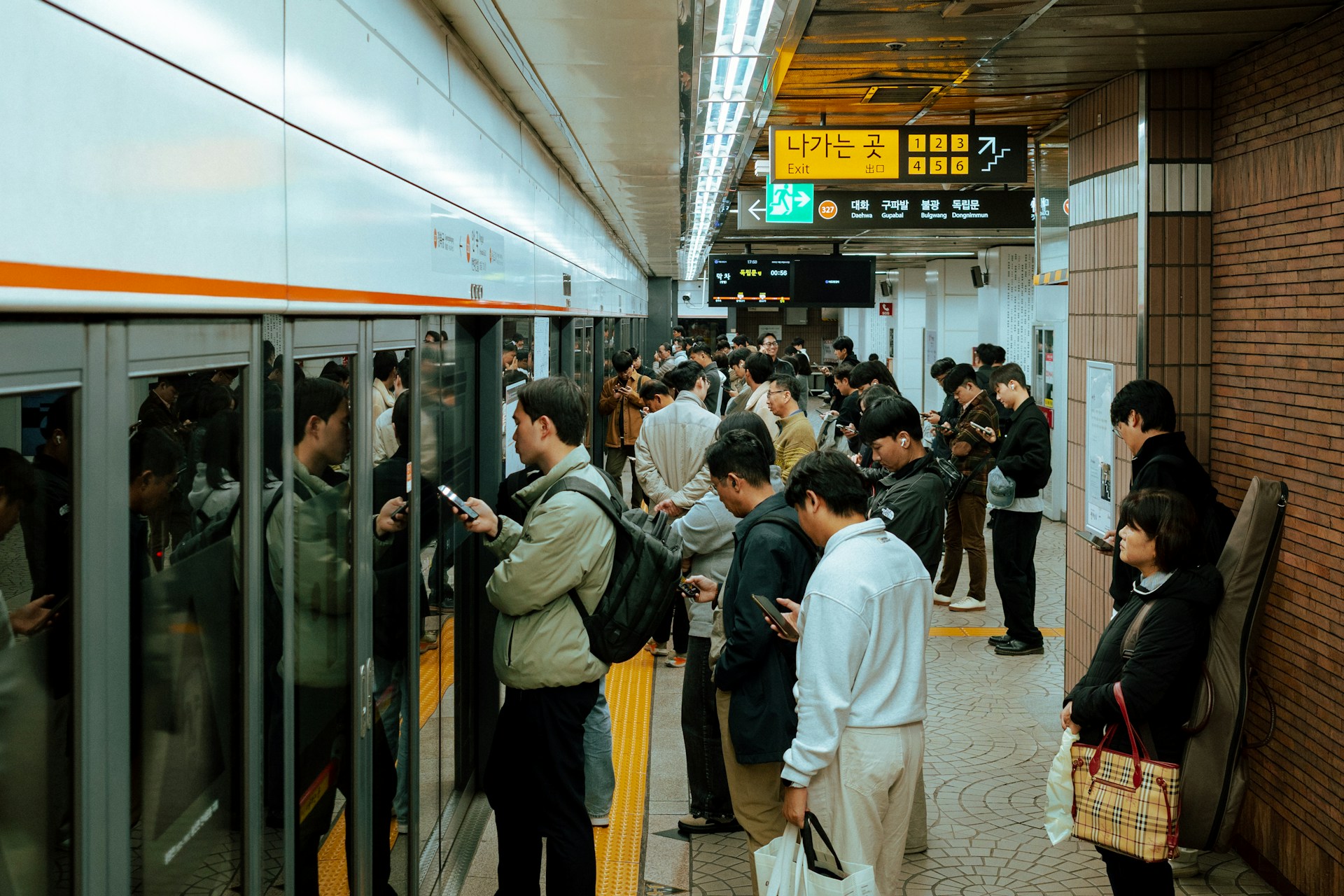
Transit rules vary by city, but the core etiquette is consistent: do not stop in the flow where everyone is trying to move with purpose. Gate areas, platform stairs, escalator landings, bus bays, and train doors are working pathways, so pausing there to study a map creates bottlenecks and missed rides in seconds, especially when fare gates are tight and taps fail. Moving fully to the side before checking directions, taking backpacks off in crowded cars, tucking suitcases close, and letting riders exit before boarding keeps the system smoother, and it signals respect in a place where time is everyone’s real currency.
Keep Photos Out Of The Flow
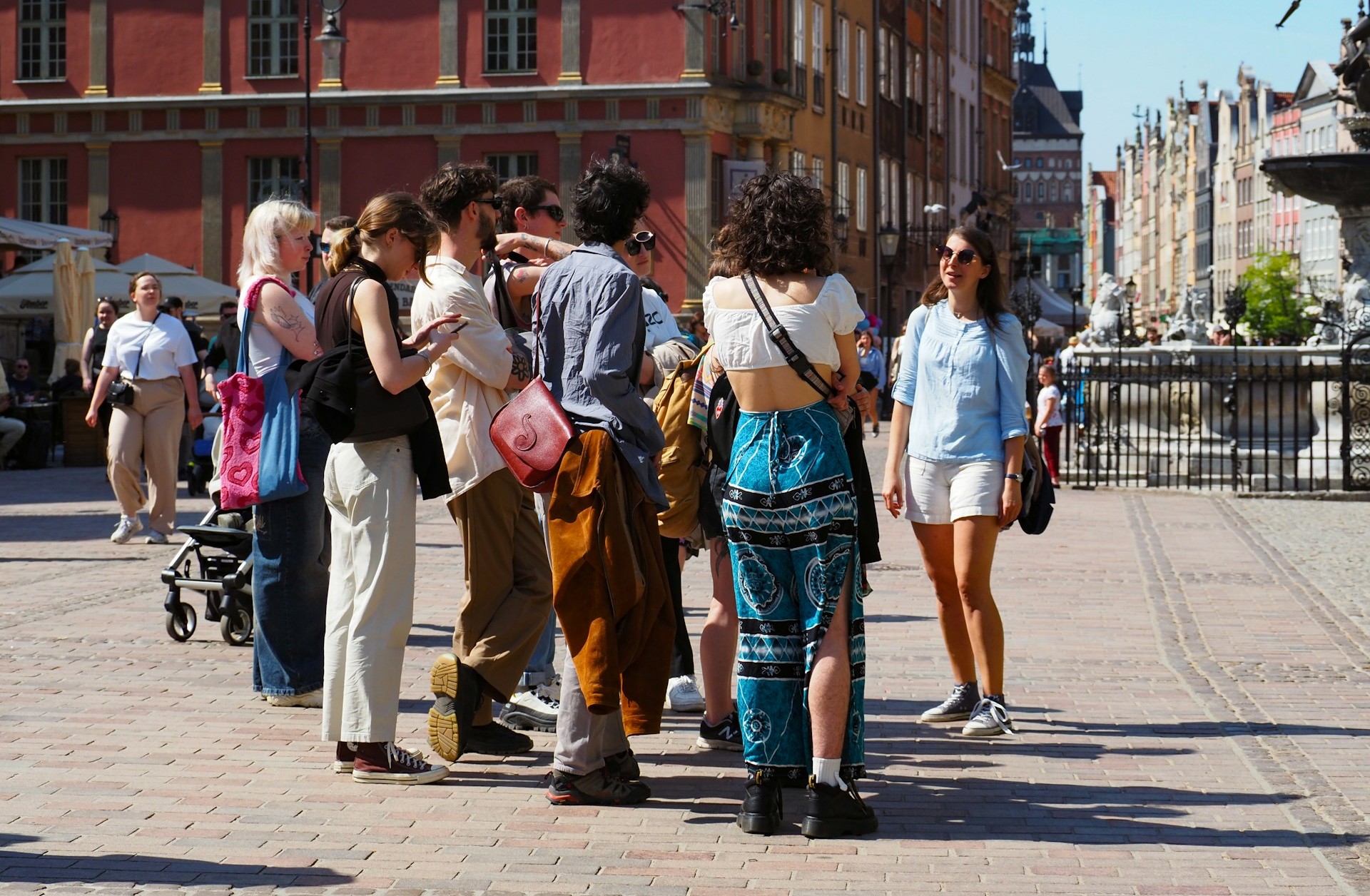
Photos belong in travel, but busy sidewalks, staircases, ADA ramps, and museum entrances are not studios, and one sudden stop can jam an entire walkway. At viewpoints and markets, people who halt midstream force others to dodge bags, step into traffic, or wait while the frame gets adjusted, re-shot, and adjusted again, turning a shared path into a choke point. Stepping fully to the edge, keeping tripods and selfie sticks out of lanes, and asking before filming a person, especially someone working, protects safety and dignity, and it keeps staff from playing traffic cop during the busiest minutes.
Know What A Service Charge Means
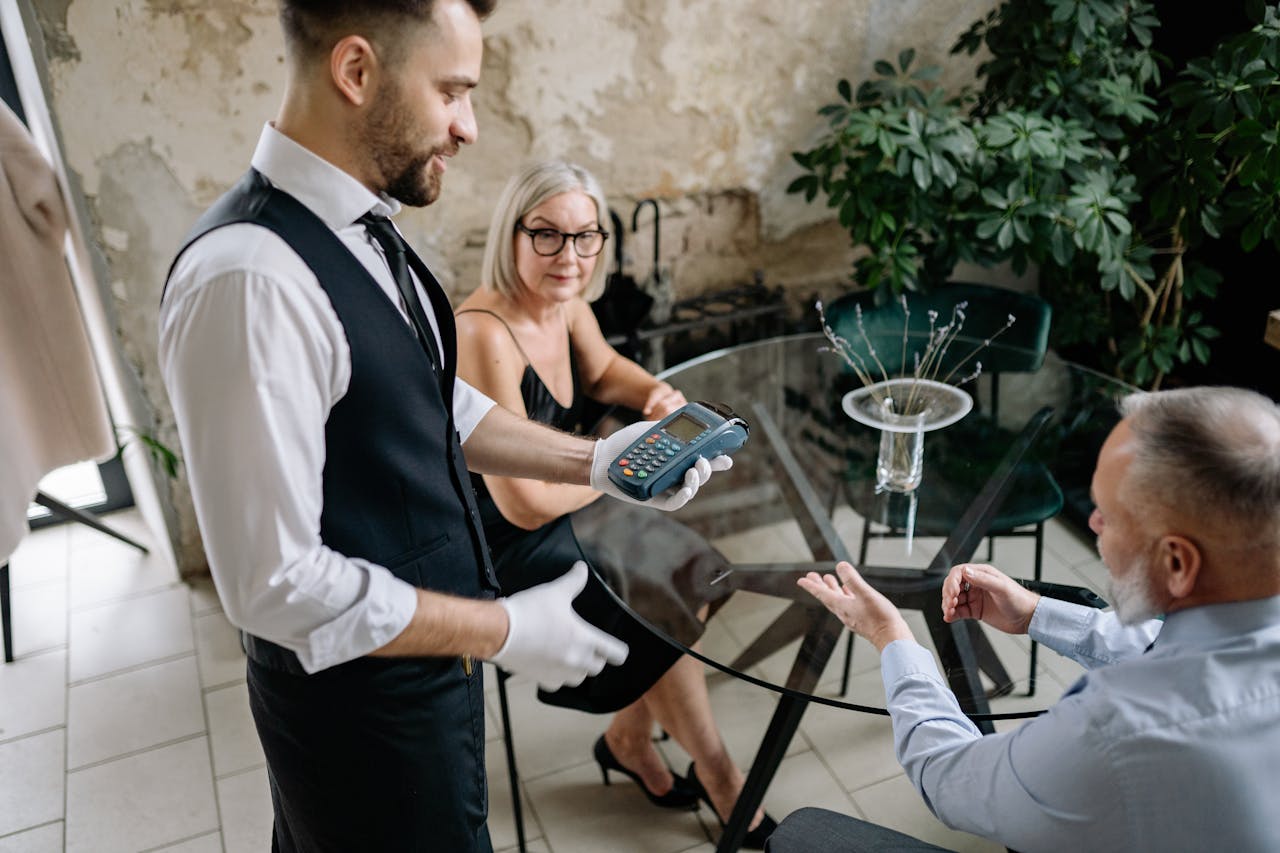
Service charges and tips are not always the same thing, and the label on a receipt does not guarantee where the money goes once it leaves the table. An automatic fee might function as gratuity, cover staffing costs, or support the house, especially in tourist districts and with large parties, so guessing can lead to awkward underpaying or accidental double paying. Reading the bill, looking for a gratuity line, and asking one clear question when it is unclear shows respect for the staff, and it keeps gratitude from turning into confusion, whether the setting is a café, a hotel bar, or a guided tour.