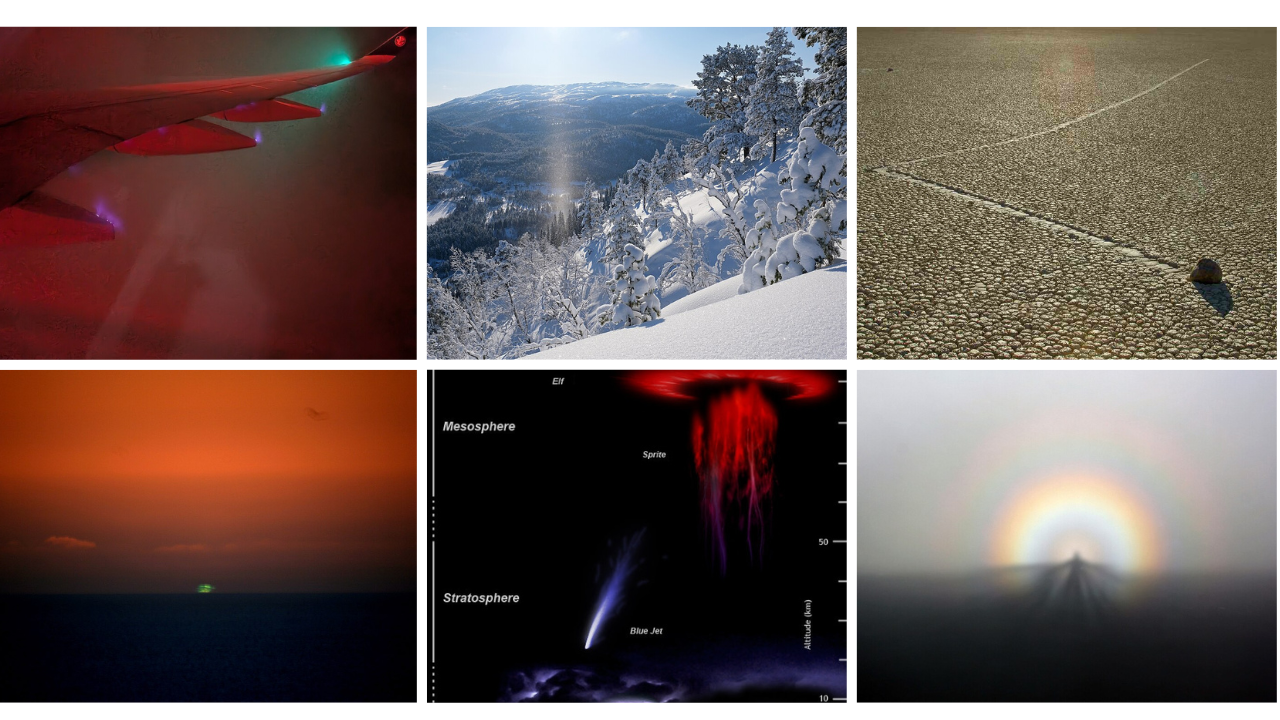
Weather feels ordinary until it pulls off a trick that looks borrowed from myth. In a few corners of the world, local geography and timing line up light, moisture, and electricity into brief, repeatable spectacles. Some arrive with a season, some need a single perfect sunrise, and others flicker so fast they are easier to catch on camera than with the naked eye. What makes them rare is not magic, but precision: a certain wind direction, a cold layer aloft, a clean horizon, or a lake that feeds storms night after night. Pilots and fishermen keep informal calendars for these windows, because forecasts miss the nuance. When conditions click, the sky stops being background and becomes the main event.
Morning Glory Roll Cloud, Burketown
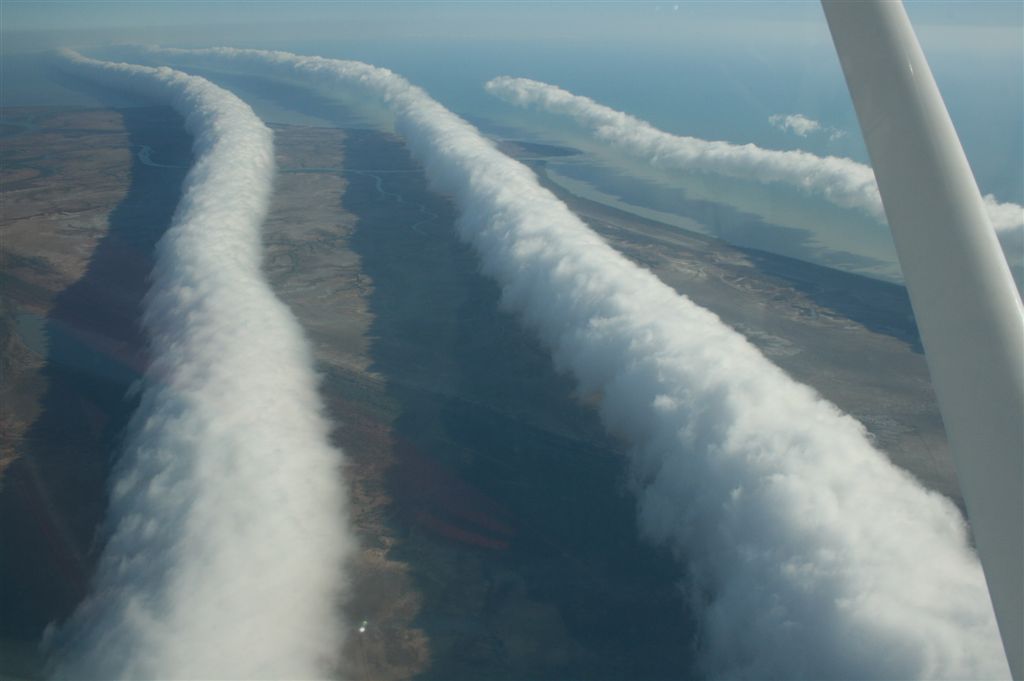
In Queensland’s Gulf Country, Burketown sometimes greets dawn with a single tubular cloud line that rolls forward like a slow tide. Most often from late Sept. into early Nov., sea breezes off the Gulf of Carpentaria meet warmer inland air, and a low inversion helps the cloud keep a crisp, ribbed edge as it travels. Lookouts fill before sunrise, and glider pilots track the lift behind it, because the passing roll brings a sudden wind squall, a temperature nudge, and a pressure jump that can be heard in the trees before the cloud fully clears the horizon, then the air settles as if nothing happened. It is startlingly clean up close.
Catatumbo Lightning, Lake Maracaibo
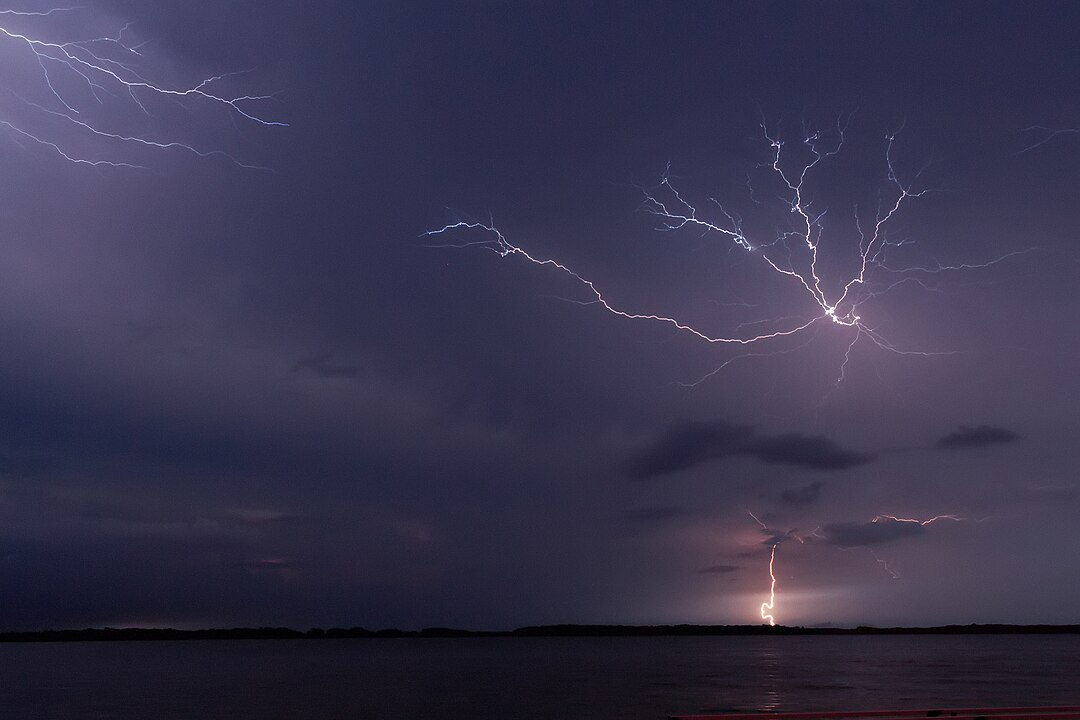
Over Venezuela’s Lake Maracaibo, thunderstorms can pulse night after night with so much lightning that the horizon seems stitched with white thread. Warm Caribbean moisture funnels into a basin ringed by mountains, meets cooler downslope air, and keeps rebuilding storm towers after sunset, especially through the humid season when the heat holds on late. From boats or shore villages, the flashes can run for hours without much thunder reaching the ear, turning water, palms, and tin roofs into crisp silhouettes, then dropping the lake back into blackness between bursts, as if someone keeps flicking a giant switch in the clouds.
Nacreous Clouds, Northern Norway
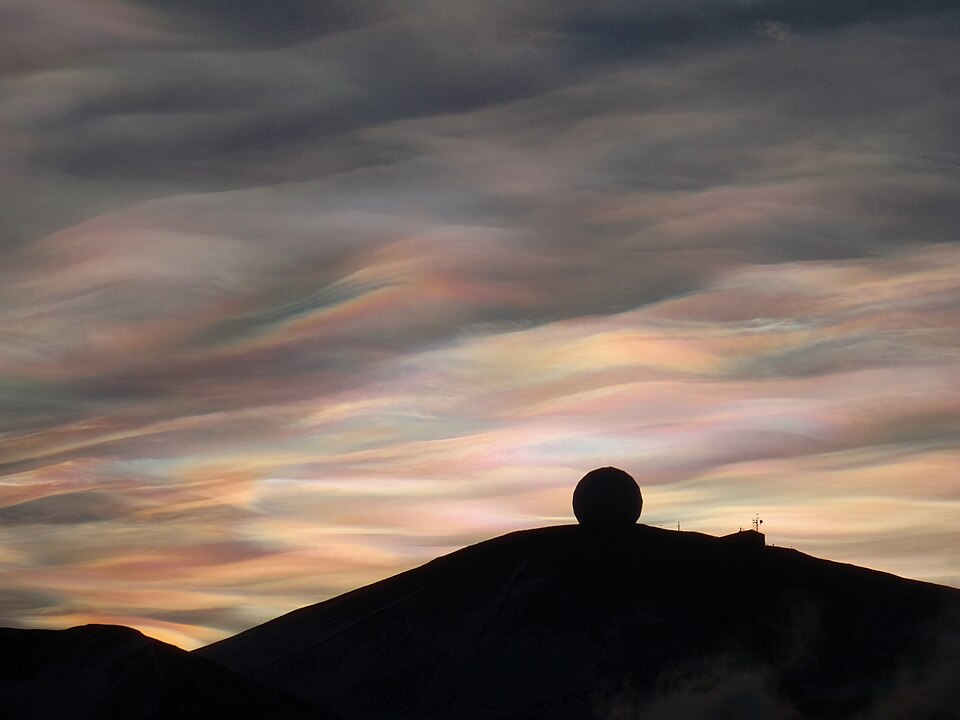
In midwinter above northern Norway, nacreous clouds can ignite into soft pinks, greens, and pearl blues that look unreal, yet hold their shape with a glassy calm. They form in the stratosphere, far higher than everyday clouds, when temperatures plunge and ice particles gather, often sculpted by mountain-driven waves downwind of the Lyngen Alps and nearby ridgelines. Color peaks when the Sun sits just below the horizon, so areas around Tromsø and Alta sometimes watch the sky glow after sunset while the ground is already dark, a slow shimmer that can vanish abruptly as soon as the thin cloud deck drifts out of the light. For winter.
Brocken Spectre, Harz Mountains
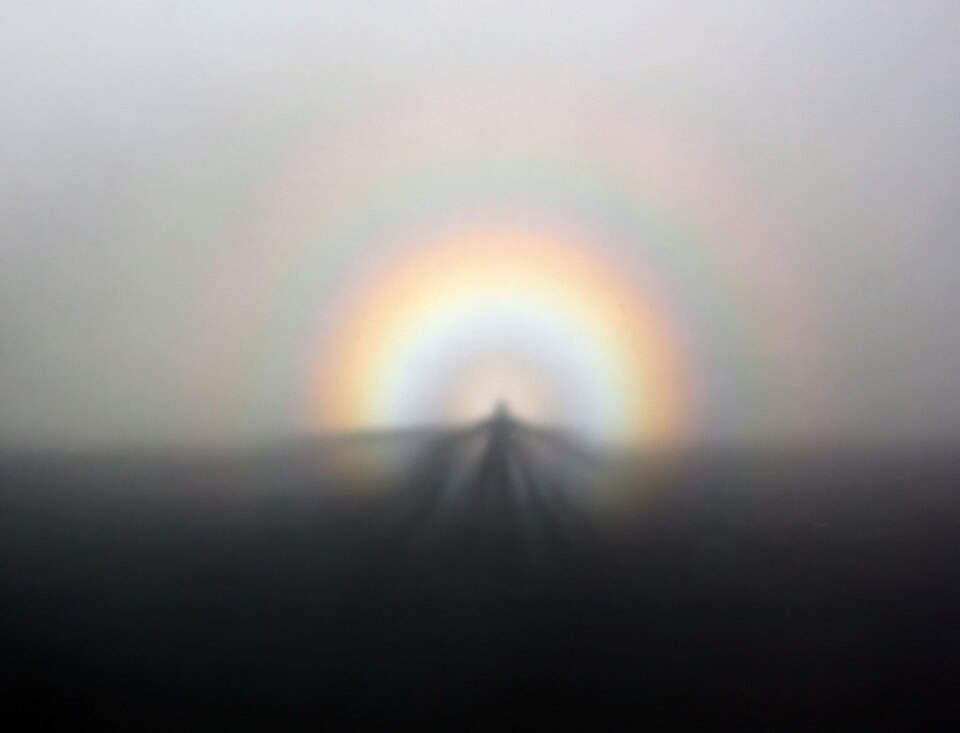
On foggy mornings in Germany’s Harz Mountains, a hiker on the Brocken can watch a shadow rise from the mist and stretch into a towering figure. The effect appears when low sun sits behind the observer and projects the silhouette onto cloud or fog below, while tiny droplets diffract light into a bright ring called a glory. Because the summit is frequently wrapped in fog, the spectacle shows up often enough to feel like part of the mountain’s personality, yet it still lands as eerie and intimate; a raised arm becomes a giant signal, and one step forward can make the phantom swell, blur, and vanish. Then it returns, reshaped.
Green Flash, Hawaii’s West-Facing Shores
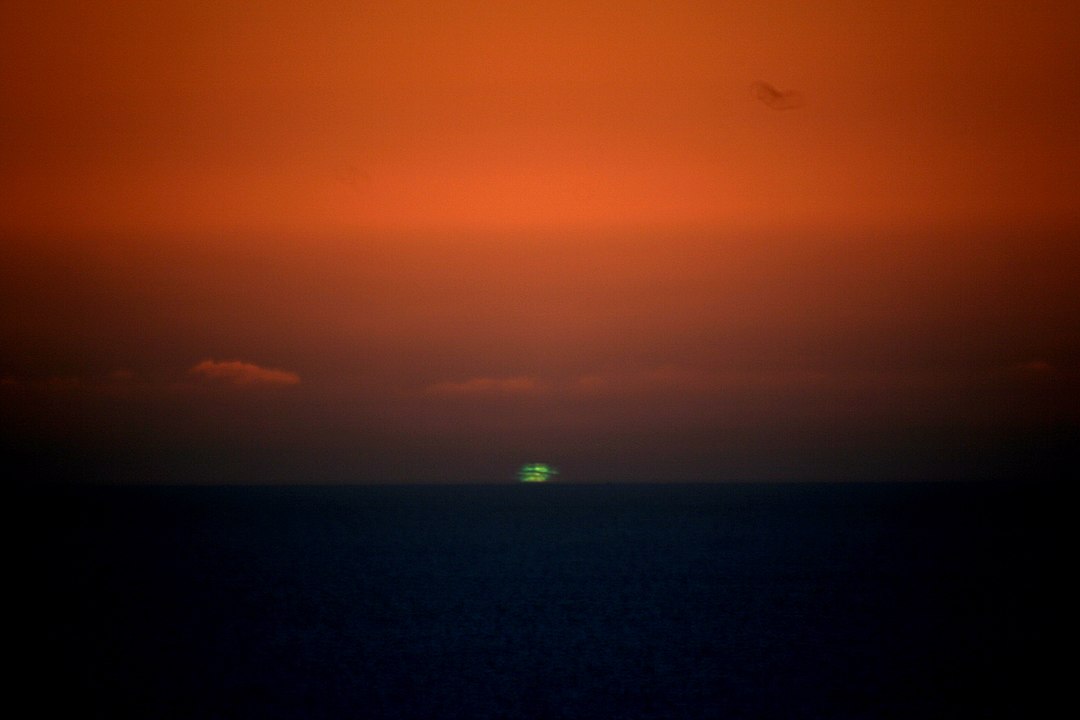
At the last blink of sunset, a thin green edge can flare above the horizon, as if the sky briefly changes ink before night settles in. The green flash comes from refraction and dispersion, and it is more likely when the horizon is clean, the air is steady, and a temperature inversion sharpens the Sun’s rim into a crisp, bright line. Hawaii’s west-facing lava points and beaches offer that open ocean stage, and on clear evenings the flash can pop for a second, then vanish so completely that conversations stop while everyone quietly replays the moment, unsure if it was seen or simply imagined. Photographers often keep shutters ready.
St. Elmo’s Fire, Mount Washington Summit
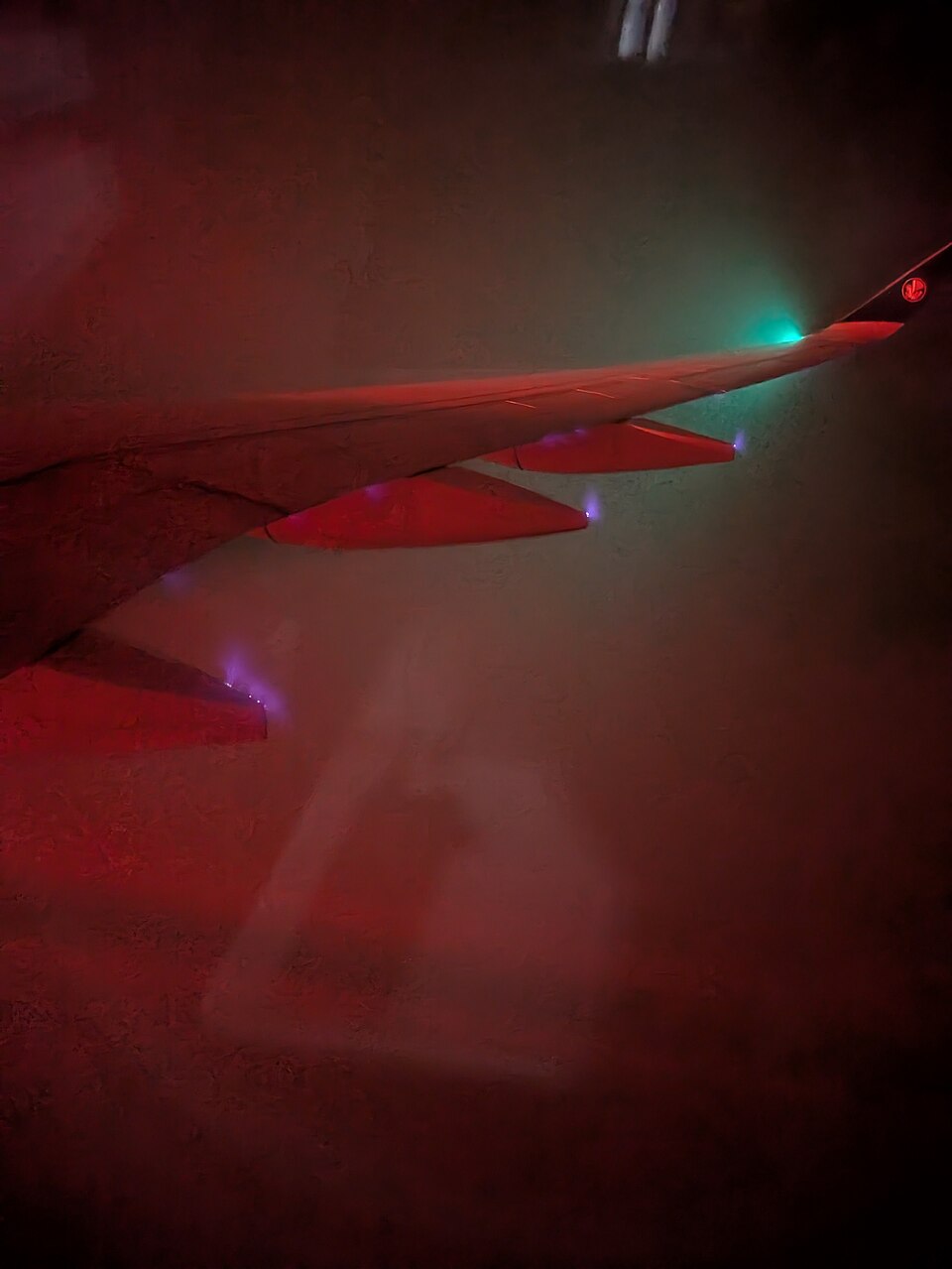
When the air turns heavily charged before or during a thunderstorm, a blue-violet glow can cling to sharp objects, making antennas and railings look softly lit against the dark. Known as St. Elmo’s fire, it is a corona discharge, sometimes paired with a faint buzzing that hints at how electric the atmosphere has become. At New Hampshire’s Mount Washington summit, where weather can turn brutal in minutes and clouds scrape the ridgeline, the glow has been seen on towers and instruments, a quiet warning signal that makes even seasoned staff pause, step back, and respect the invisible voltage in the air before the first close strike.
Red Sprites, Great Plains Night Storms
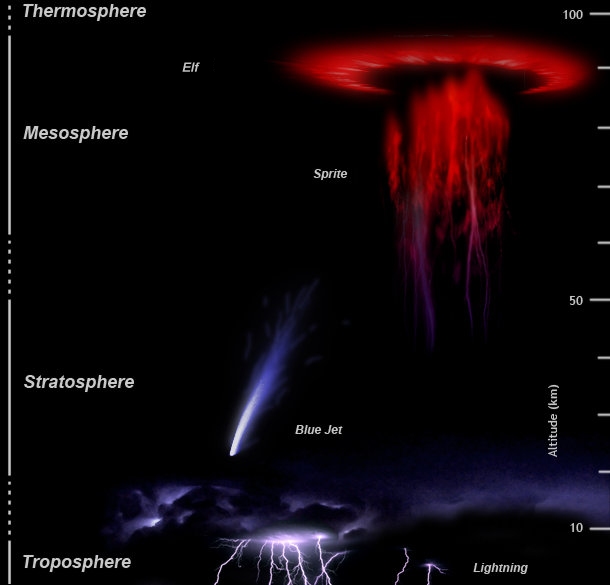
High above distant thunderstorms, red sprites can burst into view like inverted jellyfish, flashing in the upper atmosphere for mere milliseconds. They are tied to strong lightning below, yet they appear far above the storm tops, which is why clear air and a wide horizon matter as much as the storm itself, along with distance that keeps the view unobstructed. Across the U.S. Great Plains, summer storm lines can sit on a dark, flat skyline after sunset, and long-lens cameras sometimes catch crimson tendrils blooming above the anvil cloud, a silent flare that is gone before the mind finishes naming what it just saw. Patience helps.
Diamond Dust, Fairbanks Winter Mornings
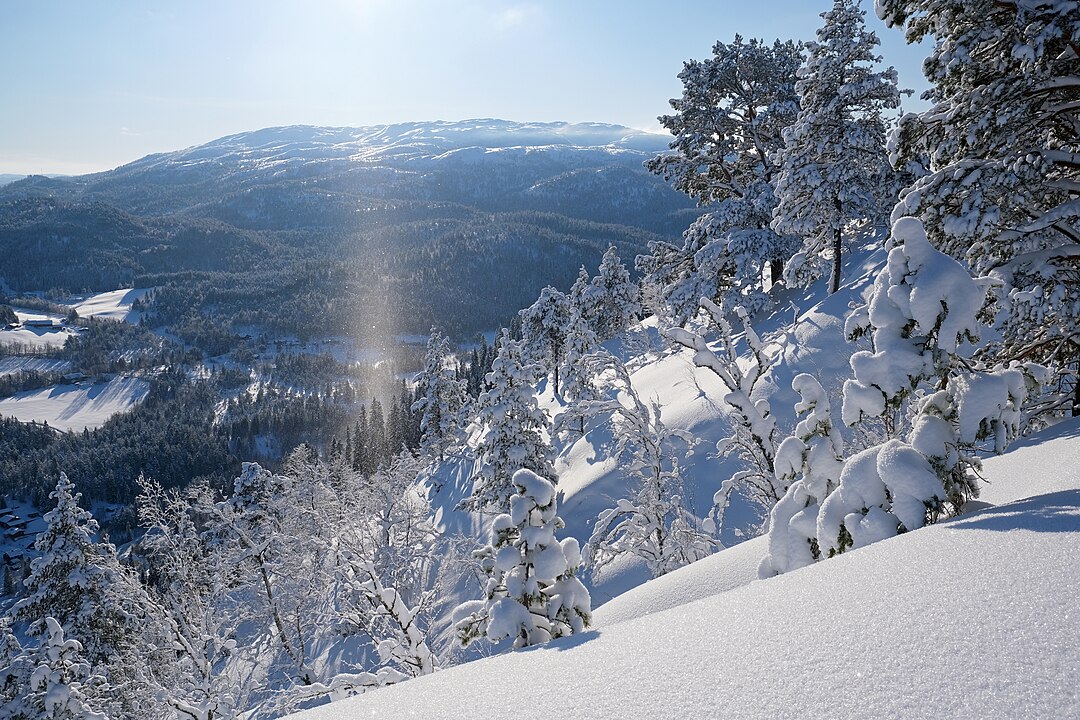
In Interior Alaska, extreme cold can seed the air with tiny ice crystals that drift under clear skies and glitter like ground-level starlight. Known as diamond dust, the crystals catch headlights and low winter sun, throwing halos around streetlamps and turning simple shadows into sparkling outlines on snow and porch steps. Fairbanks is famous for these days during deep cold snaps, when a walk through a quiet neighborhood feels cinematic: every breath hangs, car exhaust becomes a glowing plume, and the whole landscape seems dusted with a fine, bright powder that vanishes the moment temperatures climb and the air loses its bite.
Sailing Stones, Racetrack Playa
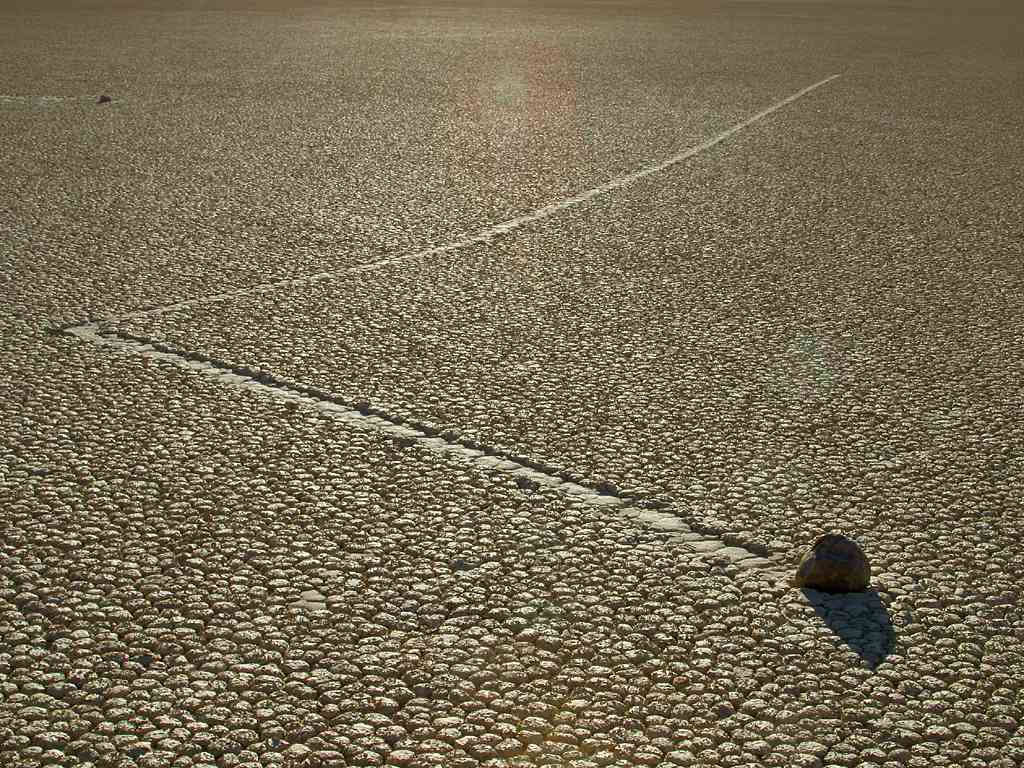
On Racetrack Playa in Death Valley, rocks leave long tracks across the cracked mud as if they moved on purpose, then stop with no footprints nearby. The mystery held for decades, but winter conditions explain it: shallow water can flood the playa, a thin sheet of ice forms overnight, and light morning winds push ice panels that gently shove stones across slick clay. Movement is rare and easy to miss, sometimes separated by years, which is why the trails feel like evidence from another reality. The desert stays silent, and the lines remain, curving and intersecting like slow handwriting across the empty basin after the water is gone.