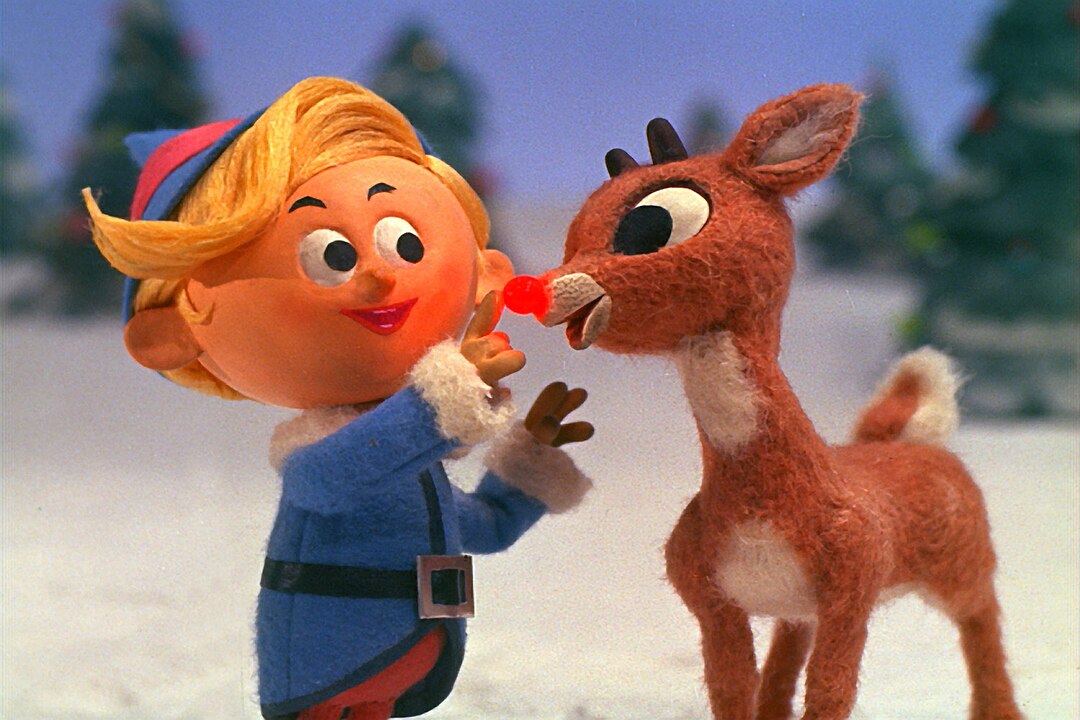
Rudolph feels like he has always belonged to the holidays, yet his story was assembled slowly by people who had no idea they were building a cultural landmark. What began as a small store promotion grew into a song, then into a stop-motion special that shaped how families imagine Christmas. Looking behind the scenes reveals a mix of creative luck, budget shortcuts, and personal decisions that kept the character alive. The result is a familiar tale that carries far more history than its gentle, wintry glow suggests.
He Began As A Marketing Booklet, Not A Folklore Creature
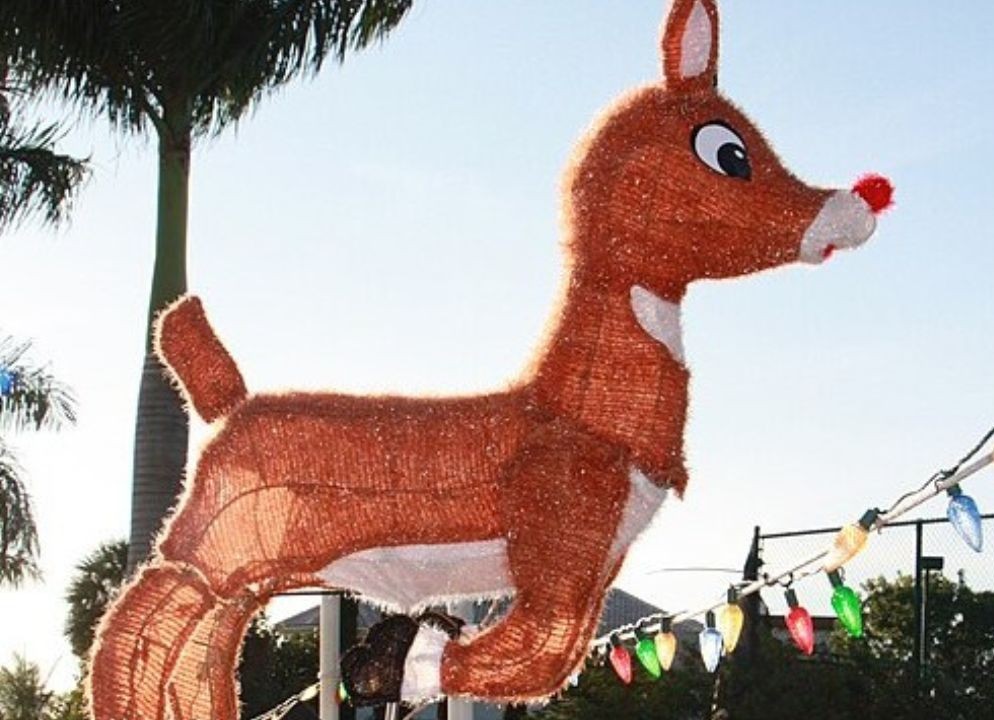
In 1939, copywriter Robert L. May created Rudolph for a Montgomery Ward Christmas booklet, hoping to offer something original instead of buying preprinted stories every season. The poem followed a timid reindeer teased for a nose that glowed at the worst possible moments. Families tucked the free booklet into shopping bags and read it aloud at home, gradually turning a store giveaway into a seasonal favorite. Nobody guessed it would outlast trends and advertising campaigns, especially since its purpose was simply to keep customers loyal during a crowded holiday rush.
A Brother-In-Law Turned Rudolph Into A Chart-Topping Song
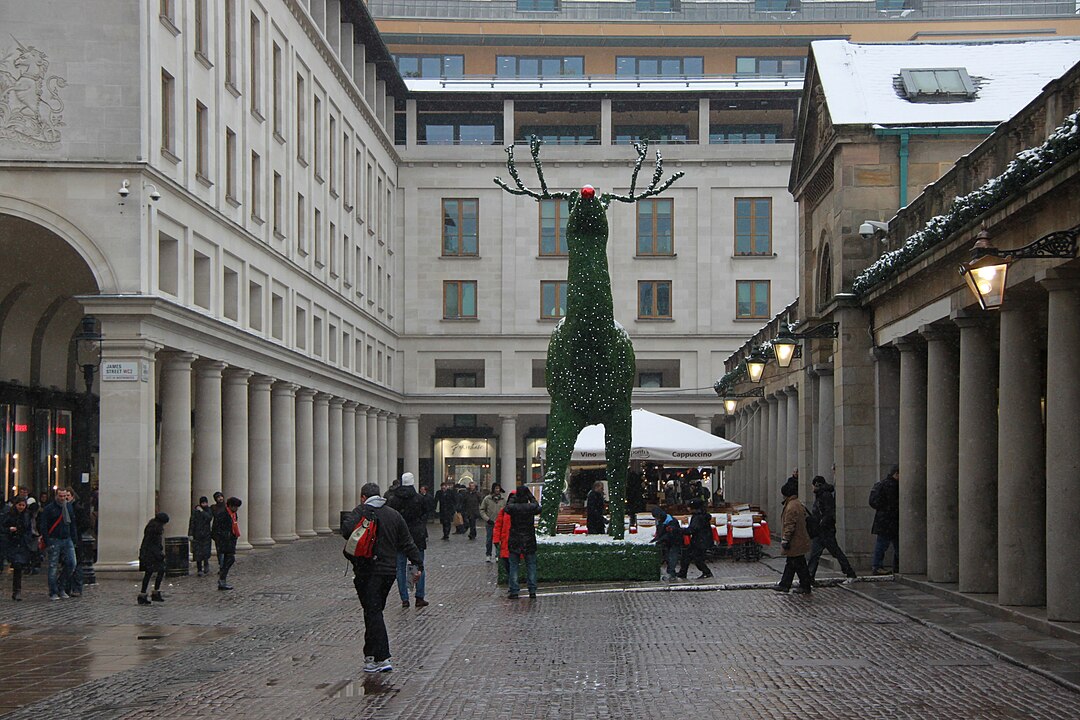
Johnny Marks, a successful songwriter and Robert May’s brother-in-law, recognized how easily the story could be shaped into a melody. In 1949, he wrote a tune built around simple phrasing and the emotional arc of a shy hero who earns his place. Gene Autry recorded the song that year, and it quickly became a national hit, pushing Rudolph far beyond department stores. Radio play turned the character into something recognizable across the country. The song became so widely repeated that many listeners believed it had been part of Christmas folklore all along.
The TV Writer Built His Script Without The Poem
When the 1964 television special entered early development, writer Romeo Muller wanted to base the screenplay on May’s original poem, but he could not locate a copy in time. Instead, he leaned on the radio hit, using the song’s brief outline as his foundation and building a world around it. Hermey’s dream of dentistry, the Island of Misfit Toys, and Yukon Cornelius all sprang from that need to fill in the blanks. Muller’s additions created the emotional core that keeps the special recognizable even as generations reinterpret Rudolph for their own holidays.
Rudolph Opened The Door For Rankin/Bass Animation
Rudolph marked only the second TV special produced by the studio that would later become Rankin/Bass. Their stop-motion technique, filmed painstakingly frame by frame, was still experimental. The puppets were handmade in Japan and posed with tweezers and wires under hot lights while animators logged every millimeter of movement. When the special aired successfully, networks realized that patient craftsmanship could create a unique holiday mood. Rudolph’s popularity gave the studio enough confidence to explore new stories, many of which became annual staples in the years that followed.
Its Premiere Was Packaged Inside A Sponsored Broadcast
The special did not originally air as a stand-alone holiday event. NBC placed it within The General Electric Fantasy Hour, a block that blended entertainment and advertising in a single space. GE used the opportunity to showcase home appliances and clever commercials that echoed the tone of the program. Families who tuned in saw Rudolph surrounded by cheerful pitches for lamps and radios. That blend of show and sponsor might feel unusual now, but the arrangement helped secure nationwide exposure that a small animation studio could not have afforded on its own.
The Voice Cast Came Mostly From Canadian Radio

Producers looked to Canada for talent because radio drama was still thriving there, creating an experienced pool of actors with strong vocal control. The cast delivered clear, expressive performances that matched the slightly theatrical tone of the puppetry. Their voices shaped characters that might have felt stiff if paired with broader or more modern styles. Recording in Canada also lowered production costs while giving the special its distinct cadence. The performances feel grounded, which helps the fantasy elements land without slipping into noise or excess.
Burl Ives Was Added Late, Changing The Shape Of The Story
Sam the Snowman, voiced by Burl Ives, was not part of the early script. NBC wanted a recognizable performer to draw more viewers, and the producers brought Ives aboard late in development. Once he joined, animators redesigned Sam to resemble him, giving the narrator a friendly, rounded presence. His warm baritone and relaxed delivery shaped the pacing and musical emphasis of the entire special. Without him, Rudolph might have leaned more heavily on plot than mood, and the soundtrack would have felt far less iconic.
Rudolph’s Voice Actor Was Hidden Behind A Slightly Altered Name
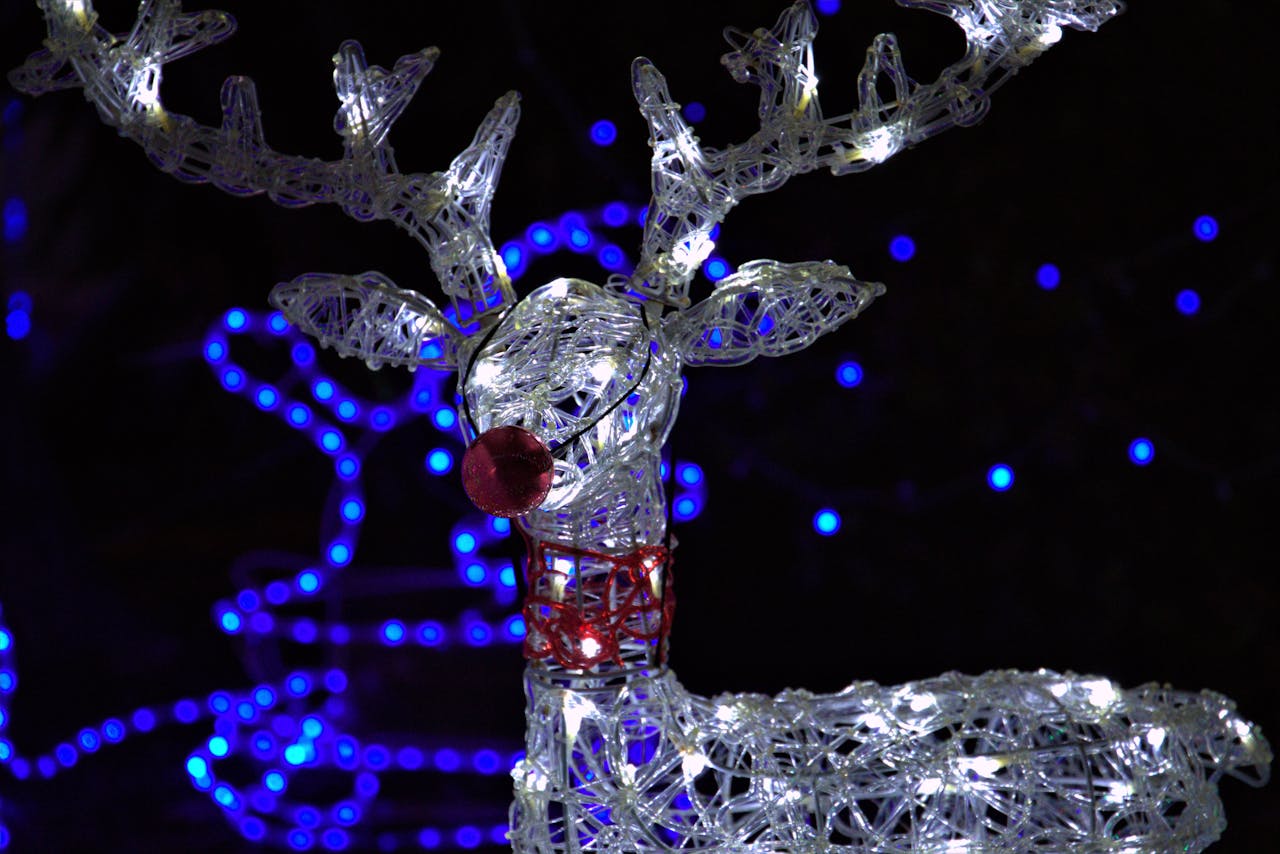
Billie Mae Richards, a skilled performer known for voicing young male characters, brought Rudolph’s uncertain yet determined voice to life. The studio, worried audiences might focus more on the novelty of a woman voicing a boy, credited her as “Billy Richards.” That decision kept attention on the character rather than the casting choice. Her performance gives Rudolph a fragile quality that later blossoms into courage, making the moment he leads the sleigh feel earned rather than convenient. Many viewers were surprised years later to learn the identity behind the voice.
Hermey The Elf’s Name Is Constantly Misremembered
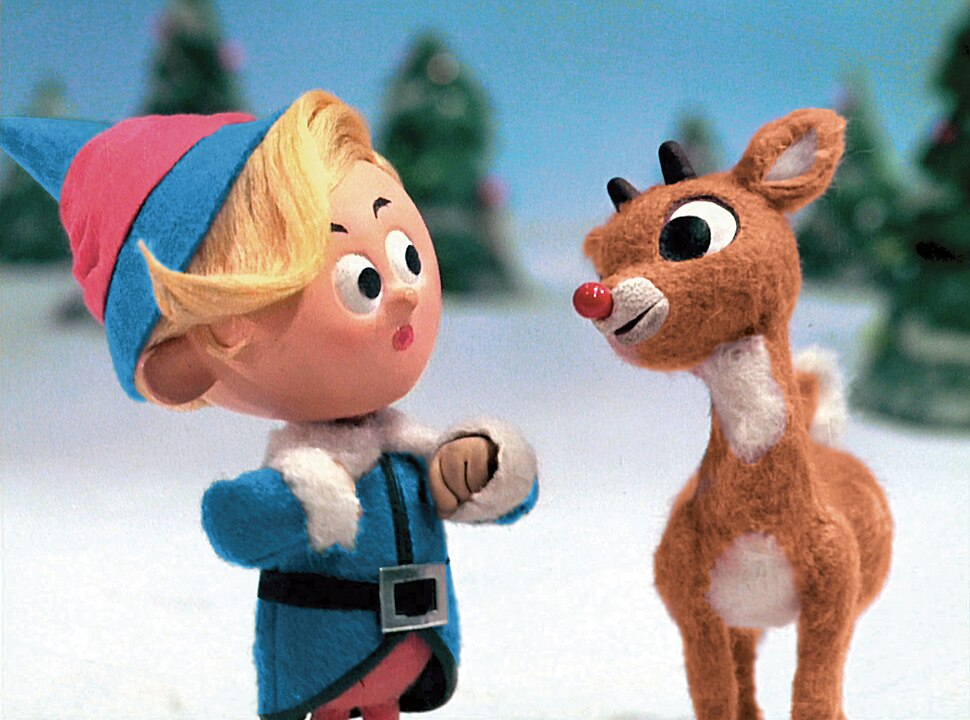
Many people grew up believing the misfit elf was named Herbie, a mistake reinforced by decades of merchandise and casual retellings. Yet the script calls him Hermey throughout, and attentive listeners can hear characters use that name in multiple scenes. The mislabeling persisted because early toys and books repeated the error, allowing it to spread far beyond the special itself. The confusion highlights how easily collective memory shifts when a detail is repeated often enough. Despite the mix-ups, Hermey remains one of the story’s most enduring and sympathetic characters.
Rudolph Helped Build A Whole Holiday TV Tradition
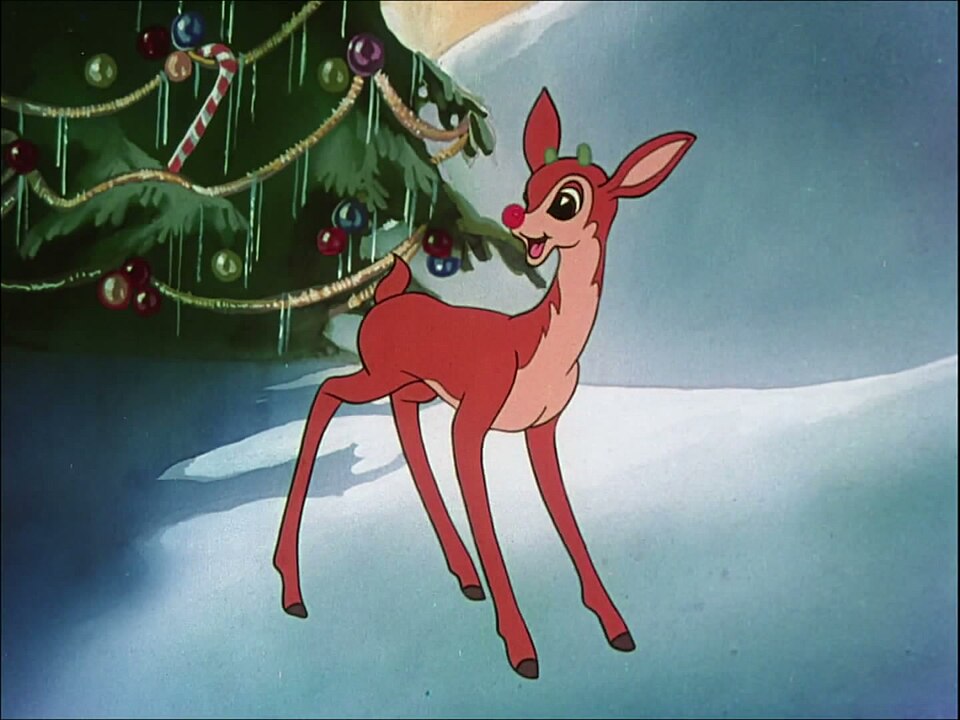
The success of the special encouraged networks to invest in more stop-motion programs, leading to a series of holiday tales that still resurface every December. Frosty’s adventures, Santa’s backstory, and other seasonal stories borrowed Rudolph’s pacing, tone, and blend of humor and tenderness. Over time, these specials formed a loose shared world, linked by animation style and familiar storytelling rhythms. Rudolph stands at the front of that legacy, not as an isolated character but as the spark that showed audiences a new way to imagine holiday television.