While headlines chased familiar drama, 2025 advanced in quieter places: labs, observatories, standards rooms, and UN working groups. Breakthroughs landed without fireworks, but they still moved the boundary between possible and practical. Surgeons proved a transplant once filed under wishful thinking. Spacecraft filled a blind spot in solar science. Policymakers produced a shared risk map for advanced AI. A new biodiversity standard gave auditors language for nature loss. Engineers built devices and materials that solve real constraints, not vanity demos. The common thread is progress that will show up in hospitals, grids, and cities soon.
The First Human Bladder Transplant That Actually Worked
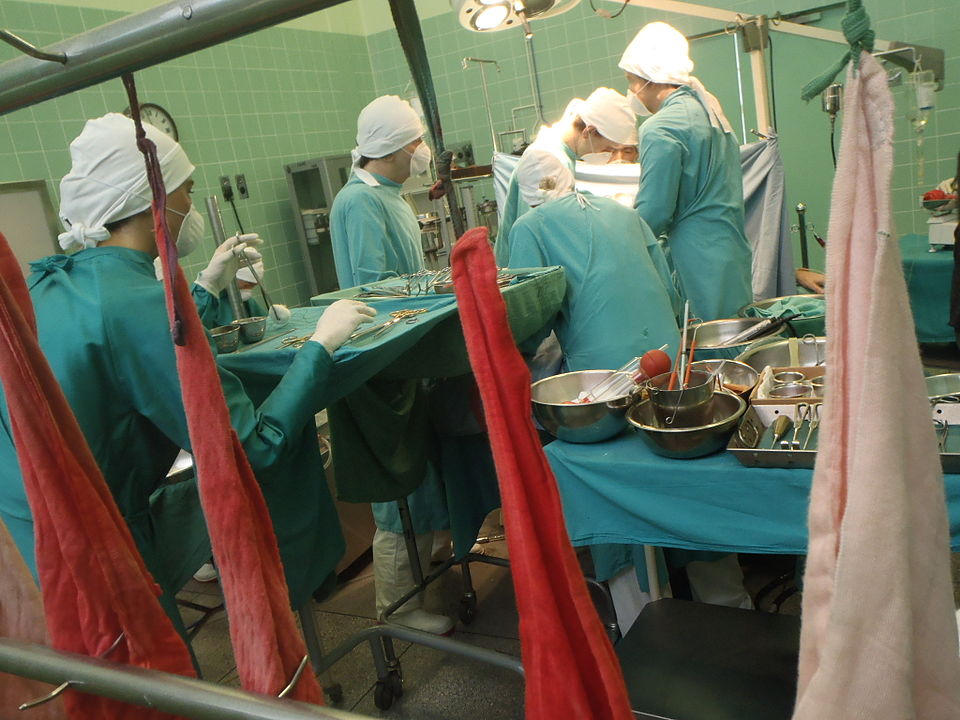
Surgeons at UCLA, with USC specialists, completed the first successful human bladder transplant in 2025 for a 41-year-old patient, pairing the bladder with a kidney from the same donor. The operation restored natural urine storage and emptying and ended dependence on dialysis, turning a last-resort concept into a real clinical path for complex urologic conditions. Just as important, it reframed transplants around quality of life, backed by careful selection, meticulous technique, and close follow-up. If results hold, it could reduce repeated reconstructive surgeries and long-term complications for some patients.
A Clear View Of The Sun’s Hidden South Pole
After decades of inference, ESA’s Solar Orbiter captured sharp images of the Sun’s south pole in 2025, revealing tangled magnetic structures that help drive flares and solar storms. That missing viewpoint matters because space weather forecasts protect satellites, high-altitude aviation, and power networks from bursts that can disrupt systems on Earth. The achievement was less a single snapshot than a triumph of orbit design and patient calibration, upgrading solar models with hard geometry instead of guesswork. It also sets up future polar passes that should refine how cycles begin, peak, and fade.
A Global AI Safety Report With Real Teeth
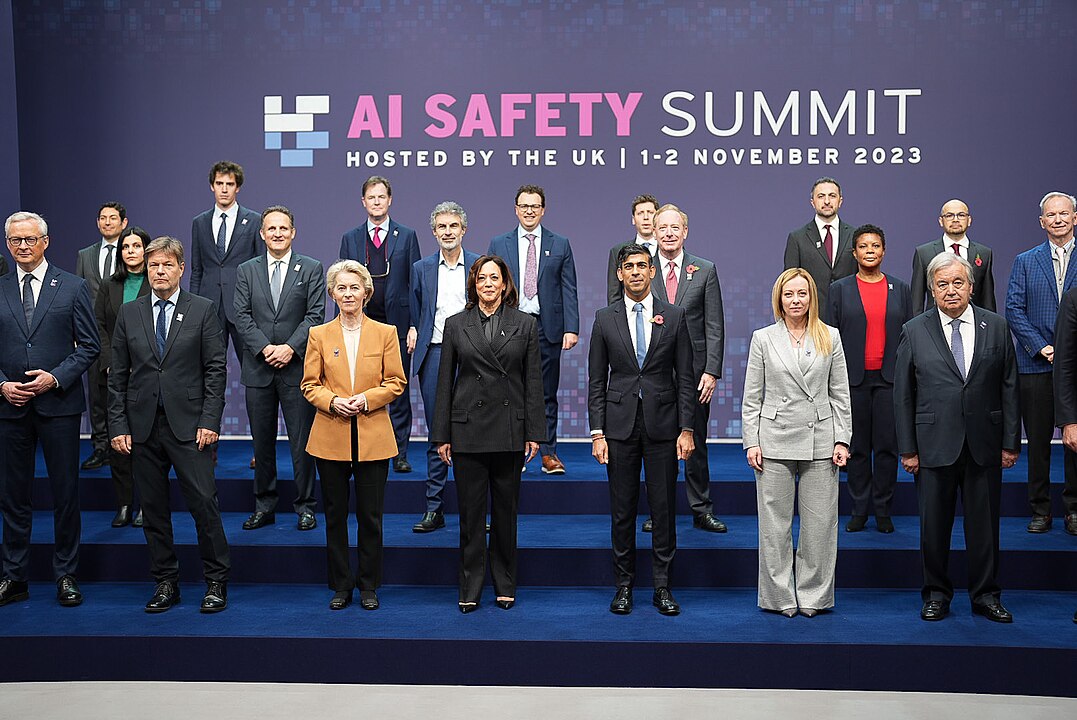
In Jan. 2025, the International AI Safety Report 2025 arrived as a rare thing: a government-backed, science-led assessment of advanced AI risks with clear categories and evidence gaps. With 100+ experts and support from dozens of states, it laid out concrete failure modes, measurement problems, and practical policy options, replacing vague reassurance with shared terminology. That common baseline matters because it narrows the room for handwaving, giving regulators and companies fewer ways to claim the stakes are unclear. It will not solve governance alone, but it makes serious evaluation harder to dodge.
Biodiversity Finally Gets A Single Global Rulebook
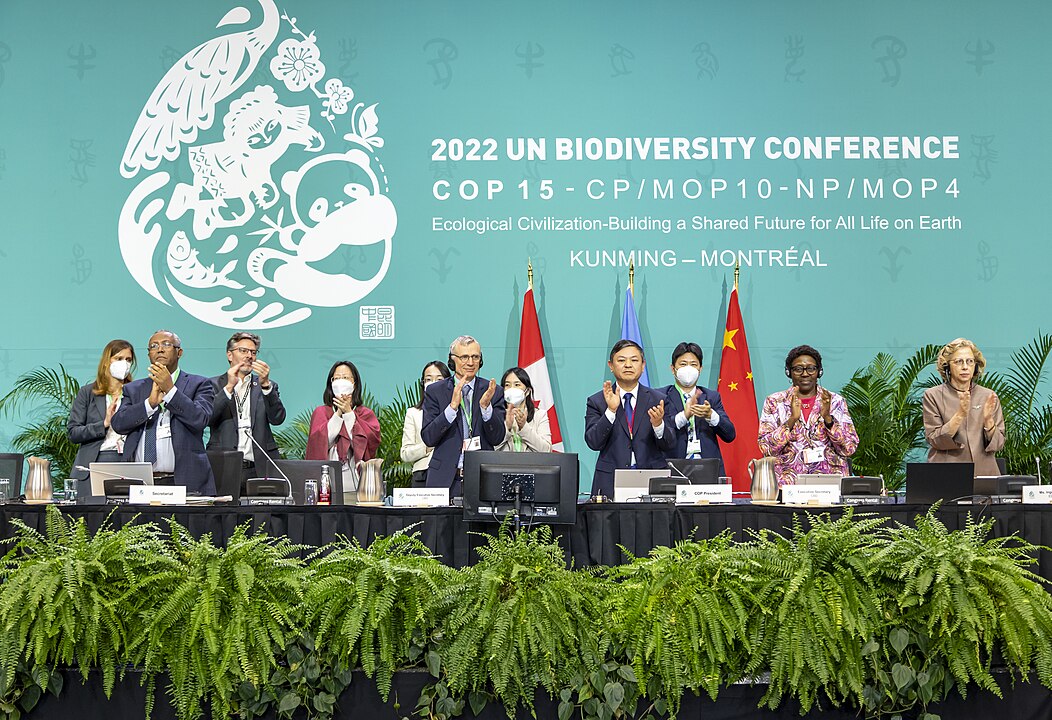
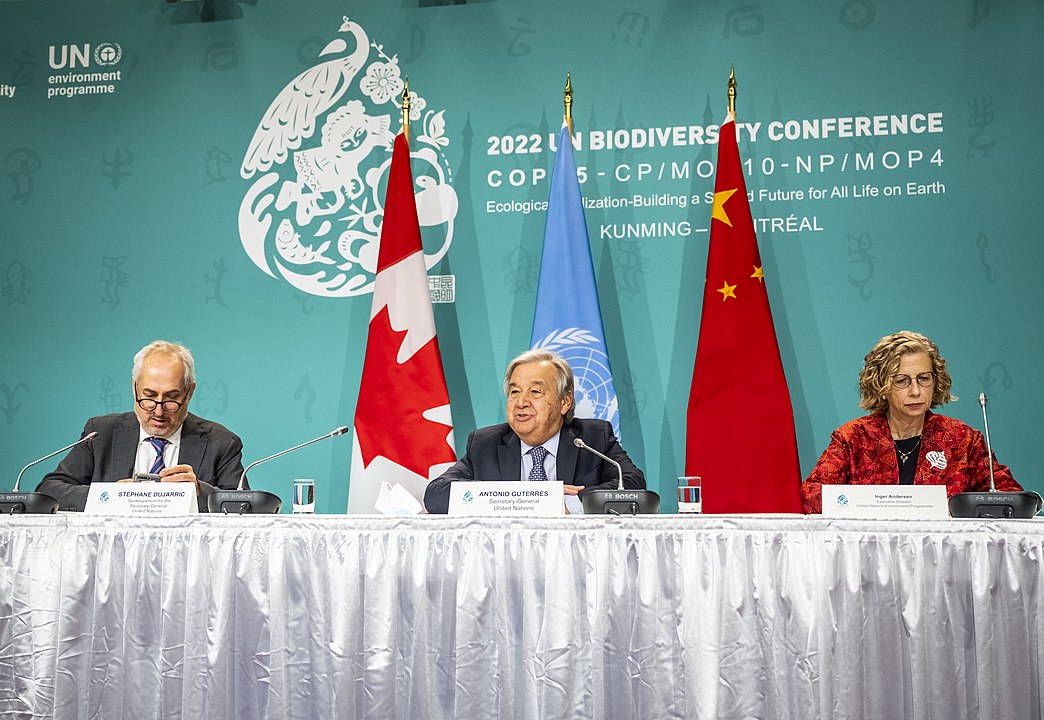
When ISO 17298 launched in Kigali in Oct. 2025, biodiversity reporting gained something it never had: a single, dedicated global standard built for organizations. The framework guides companies and public agencies on how to measure dependence on ecosystems, track impacts, and report results in terms auditors and communities can test. That shift pulls nature claims out of soft-pledge territory and into structured accountability, similar to how carbon standards changed emissions disclosure. Quiet paperwork, loud consequences for forests, rivers, and balance sheets. It helps investors compare plans across borders without inventing yardsticks.
An Injectable Pacemaker That Disappears When Its Job Is Done
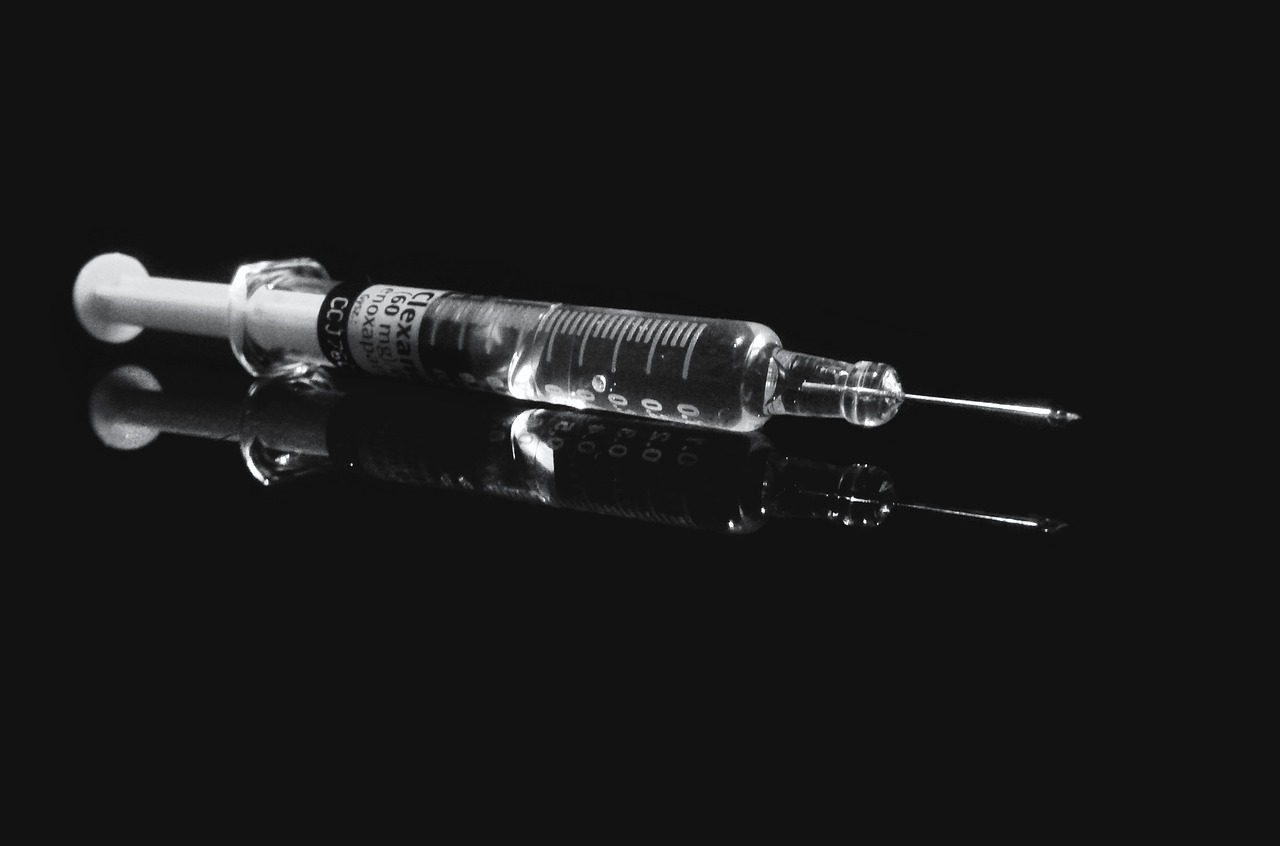
Engineers at Northwestern unveiled an injectable, rice-sized temporary pacemaker in 2025 that draws power from body fluids, can be controlled wirelessly, and then safely dissolves when it is no longer needed. Designed with newborns and short-term cardiac patients in mind, it avoids the risk, stress, and expense of a second procedure to remove hardware. The point is not novelty; it is precision: an implant that matches the body’s timeline instead of overstaying it, hinting at a future of medical devices that arrive, work, and exit on schedule. That design logic could spread to sensors and drug-delivery tools where retrieval is the problem.
Chainmail At The Molecular Scale
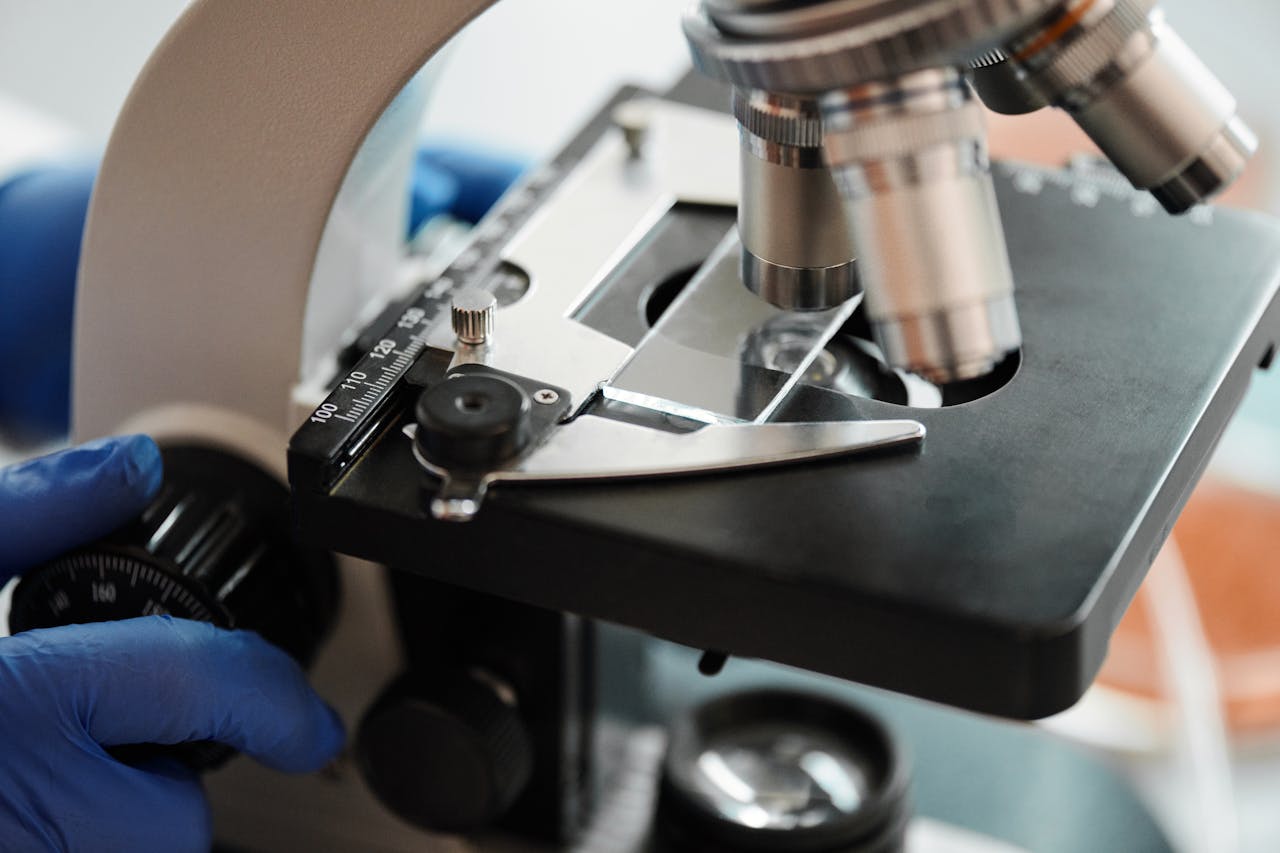
A Northwestern-led team created the first two-dimensional mechanically interlocked material in 2025, a sheet linked like chainmail at the molecular scale with an unusually dense network of mechanical bonds. The result pairs flexibility with high toughness, suggesting protective layers that do not need to be thick or rigid to handle stress. It reads like niche chemistry until the implication lands: materials can be designed to bend, slide, and distribute force without tearing, a useful recipe for aerospace structures, protective gear, and resilient coatings in harsh environments. It builds strength from geometry, not bulk.
A Public-Good Map For Virtual Worlds
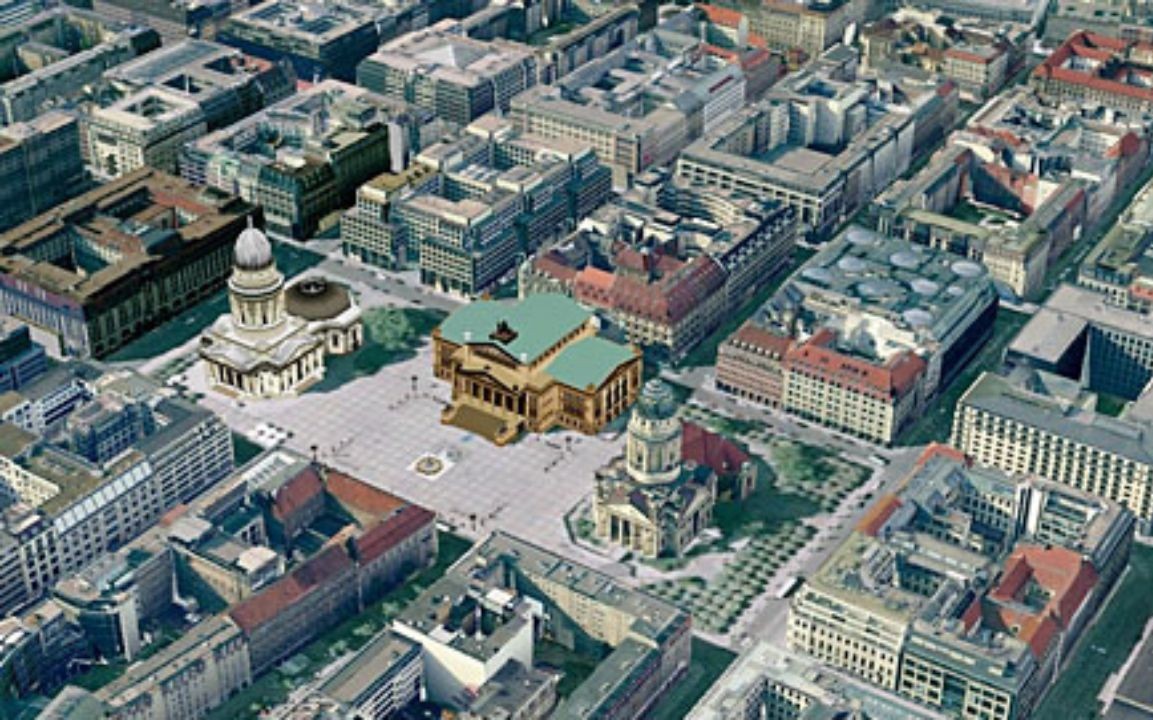
At UN Virtual Worlds Day 2025, agencies and cities introduced the Citiverse Use Case Taxonomy, a public-good catalog of virtual-world and AI applications grounded in real civic work. Instead of hype, it organizes examples for urban planning, education, climate modeling, cultural heritage, emergency training, and citizen participation, so governments can compare options and budgets with shared definitions. The quiet power is standardization: when projects are named and grouped, procurement gets clearer, outcomes get measurable, and immersive tech is pushed toward tasks that earn trust in the real world.