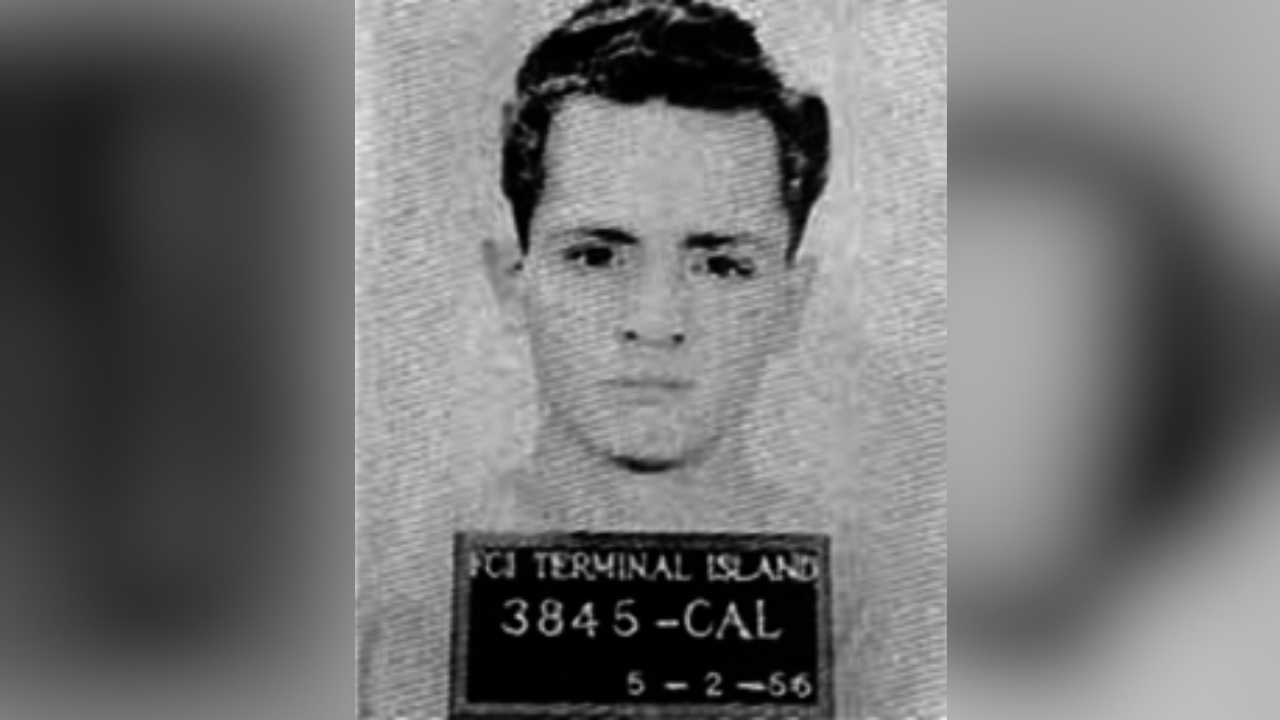
At first glance, the portrait reads like a clean start: a boy in a suit and tie, hair neatly set, eyes steady on the camera. It was taken only days before he ran away again, yet the frame offers no warning. The chill arrives later, when the caption becomes clear: Charles Manson. Then the mind backfills the face with abandonment, years in institutions, and the influence he later held over followers. It is an ordinary youth photo caught in an extraordinary history, and that contrast is what lingers. The picture cannot explain the turn, but it keeps pulling people back to the same question: how did this boy become that man?
The Portrait That Hid The Momentum
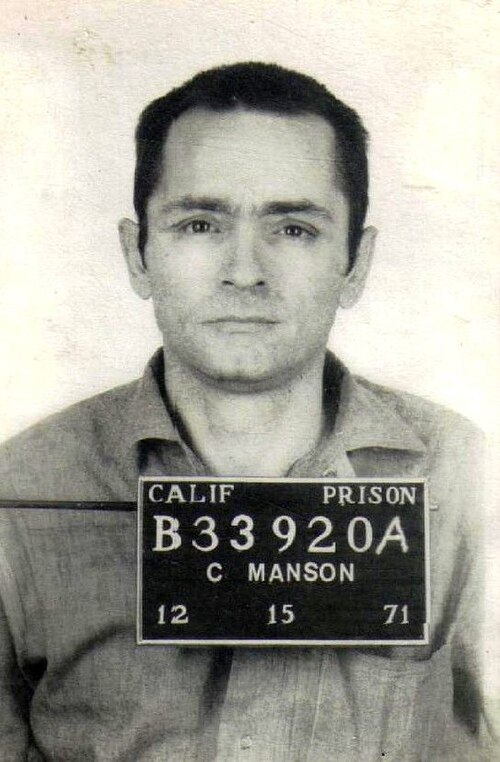
Three days before he ran away from a youth program in Omaha, Neb., Charles Manson posed in a suit and tie, as if someone had briefly pressed pause.
The photo looks like a standard portrait: straight shoulders, tidy hair, a gaze that gives little away. After his name became tied to the 1969 killings carried out by his group, the image shifted in memory. People returned to it hunting for a tell, but the calm is what unsettles.
It shows how a camera can reward posture while ignoring everything outside the frame, including a pattern of running, theft, and control. The normal look is what lingers. Nothing warns, yet much follows.
Born Into Instability In Cincinnati

Charles Manson was born Nov. 12, 1934, in Cincinnati, Ohio, to a mother who was 16 and already living on unstable ground. His father, described as a con artist, vanished before he was born.
That missing parent matters because it sets the tone for everything that followed: a childhood built around absence and improvisation. The later portrait’s clean edges feel strange beside those facts, as if the camera offered a version of him life never did.
It also helps explain why adults and institutions kept becoming the backdrop, instead of a steady home. When people learn what he later led, those early gaps stop feeling random.
A Mother’s Arrest And A Forced Move

By age 4, after his mother was arrested for assault and robbery, he was sent to relatives in McMechen, W.Va. The crime involved her brother Luther, who hit a man with a bottle before stealing his car.
Luther received 10 years in prison, while Kathleen was sentenced to five and served three. Visits were mandatory, and the boy often protested, which meant even reunions carried strain. The portrait’s steady face sits on top of a childhood shaped by courts, sentences, and adults who kept disappearing.
None of it was his choice, yet it set the rhythm. It also taught that stability was borrowed, not promised. That lesson tends to stick.
The Happy Weeks That Did Not Last

When Kathleen returned home, the first weeks after her release were described as the happiest time in his life. Then she slid into alcoholism and began disappearing for days, leaving him with a rotating set of babysitters.
Eventually she sent him to reform school, but the behavior did not settle. By age 9, he later claimed, he had already set one of his schools on fire, and he often got in trouble for truancy and petty theft. It is hard to square that history with the later portrait, yet it explains why trouble kept following him, even when adults tried new rules and new places.
Order arrived as punishment, and it never held.
Gibault School And Another Escape

At 13, he was placed in the Gibault School for Boys in Terre Haute, Ind., a Catholic institution run by strict priests who administered beatings for infractions.
He fled back to his mother, who sent him straight back, and then ran again to Indianapolis. There, he survived by burglaries and by sleeping in the woods, under bridges, and wherever he could find cover. The pattern was clear: pressure produced flight, and flight produced crime. The portrait’s neat posture later feels less like growth and more like a brief disguise.
Arrests and returns to juvenile institutions followed, tightening the loop instead of breaking it.
Omaha, A Stolen Car, And The “Insane Game”

In one juvenile school in Omaha, Neb., the reference notes how quickly trouble returned. Within four days, he and a classmate stole a car and committed armed robberies while traveling toward a relative’s home.
It was described as an apprenticeship with a professional thief, and he began relying on performance to protect himself. He later called one tactic the “insane game,” shrieking, contorting his face, and flailing his arms to convince stronger attackers that he was unhinged.
Even here, the future outline appears: fear, theater, and a willingness to bend reality to get control. That habit did not stay inside institutions.
Control As A Lifestyle In Adulthood

As an adult, he showed an unsettling ability to draw people under his influence. He married, moved across states in stolen cars, and kept flirting with criminal enterprises instead of building a stable life.
His drive for control extended to women, including attempts to set up prostitution rings and relationships with underage girls, crimes that repeatedly returned him to prison. The point is not shock value. It is the consistency: control, leverage, and a willingness to treat people as tools.
In that light, the neat portrait starts to feel less like innocence and more like practice. That contrast is why the image circulates.
“Helter Skelter” And The Cult Shift

By the late 1960s, the reference says his mental state had fractured, and he convinced a group of vulnerable followers that he was a prophetic figure. He claimed The Beatles were speaking directly to him through their songs.
From that belief came the “Helter Skelter” plan: a violent racial conflict in which he and his followers would survive in a secret desert bunker. He then imagined emerging to dominate Black people, claiming they could not survive independently.
The portrait feels colder here, because it shows how a soft surface can sit beside ideas built on delusion and domination. Then the story turns from crime to cult.
Music Ambition, Rejection, And Aug. 1969

Before the killings that made him infamous, he tried to break into the West Coast music scene. He even befriended Dennis Wilson of The Beach Boys, but the success he wanted did not arrive.
The reference describes rejection and humiliation feeding a turn toward revenge and control. In Aug. 1969, his group carried out the murders of actress Sharon Tate, who was pregnant, and four others. The next night, Leno and Rosemary LaBianca were killed as well. Followers later said he urged them toward maximum destruction.
For many people, this is the moment the portrait changes forever: a tidy boyish face attached to a history of real loss.
Sentenced, Commuted, And Remembered
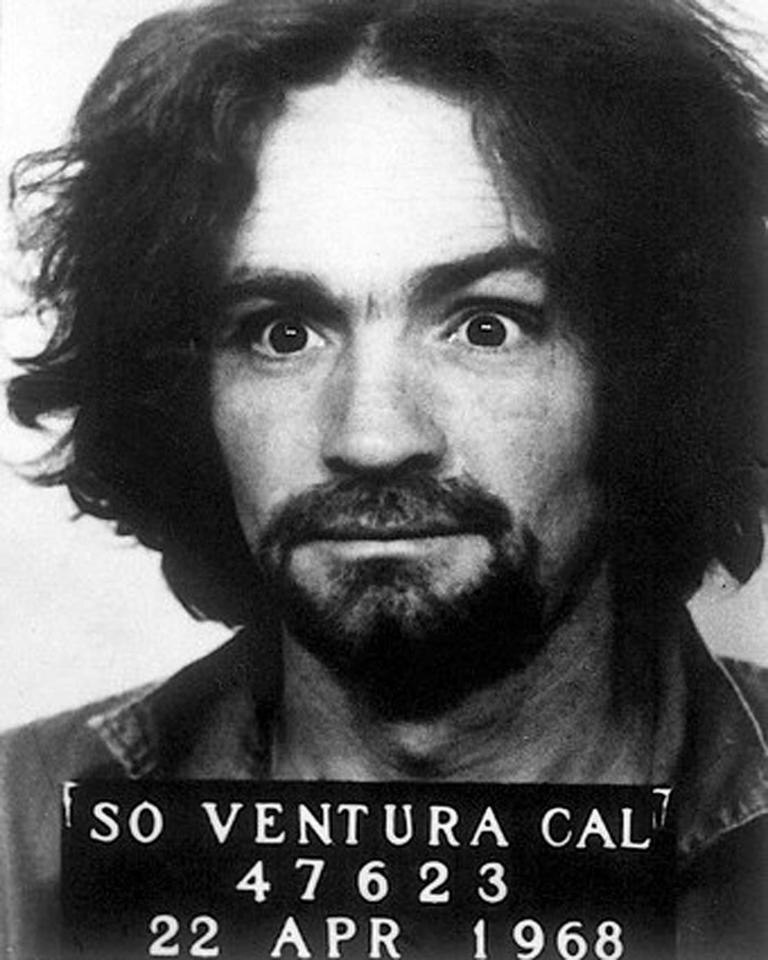
Convicted of multiple murders, including those of Sharon Tate, the LaBiancas, musician Gary Hinman, and Donald Shea, he was sentenced to death in 1971. Prosecutors said his beliefs and teaching amounted to conspiracy.
His sentence was later commuted to life imprisonment after California abolished the death penalty. He sought parole 12 times, stayed incarcerated, and died in 2017 at 83 after cardiac arrest complicated by colon cancer.
Books, documentaries, and interviews kept his name circulating long after the trial. That attention keeps the old portrait uneasy, because it links an ordinary face to enduring grief for families.