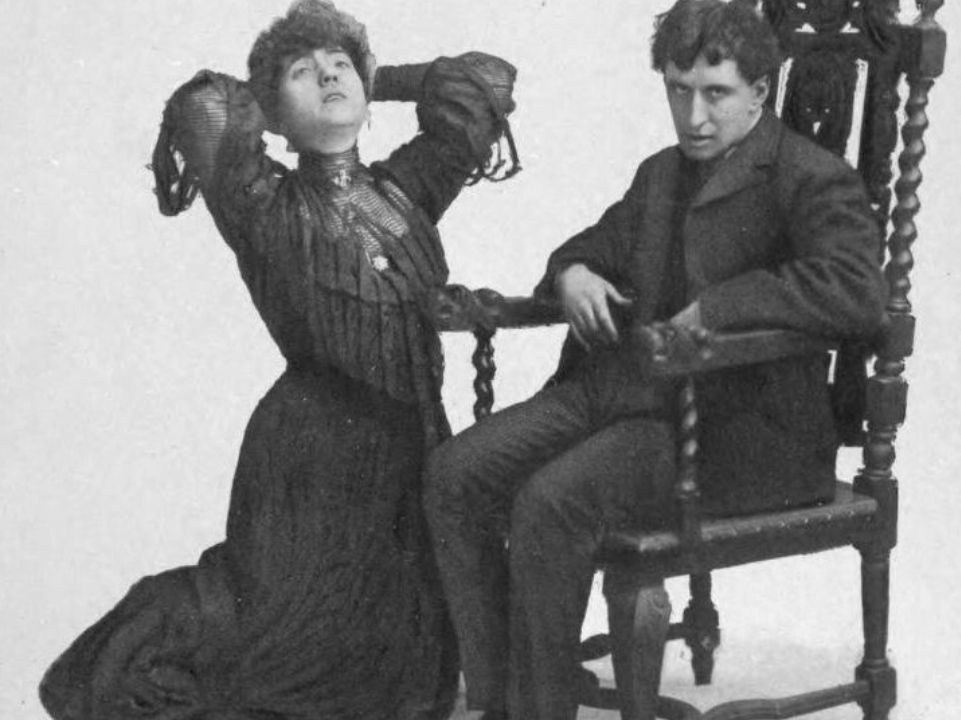
Theater has always been a bright lamp in a nervous room. When a stage dares to name what polite society avoids, officials often reach for rulebooks, not reviews. Some productions were denied licenses, others were raided mid-scene, and a few ended with performers in court, accused of crossing an invisible line. Time has softened the headlines, but not the lesson: public taste is rarely neutral, and power loves paperwork. Behind every ban sits a crowd, too, half curious, half anxious, deciding whether outrage or applause feels safer. These titles still read like dispatches from moments when art, law, and everyday life collided in plain sight.
Salome
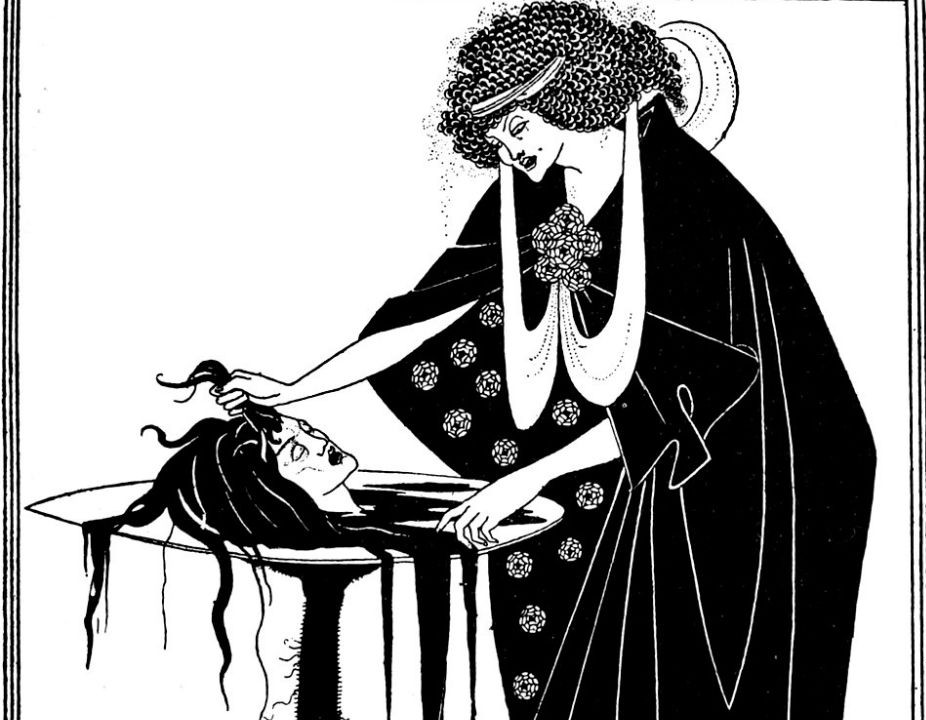
Oscar Wilde’s one-act tragedy ran straight into Britain’s stage rules: biblical figures were off-limits, and the Lord Chamberlain’s office stopped an early London production before it could open. The script’s lush, dangerous mood, plus its famous Dance of the Seven Veils, gave censors an easy argument that it would poison public morals, even as the words lived on in print and illustration. Paris hosted the first performances, while Britain waited decades for public staging, turning one denial into a long pause that made the play feel forbidden, famous, and strangely modern to anyone paying attention.
Mrs. Warren’s Profession
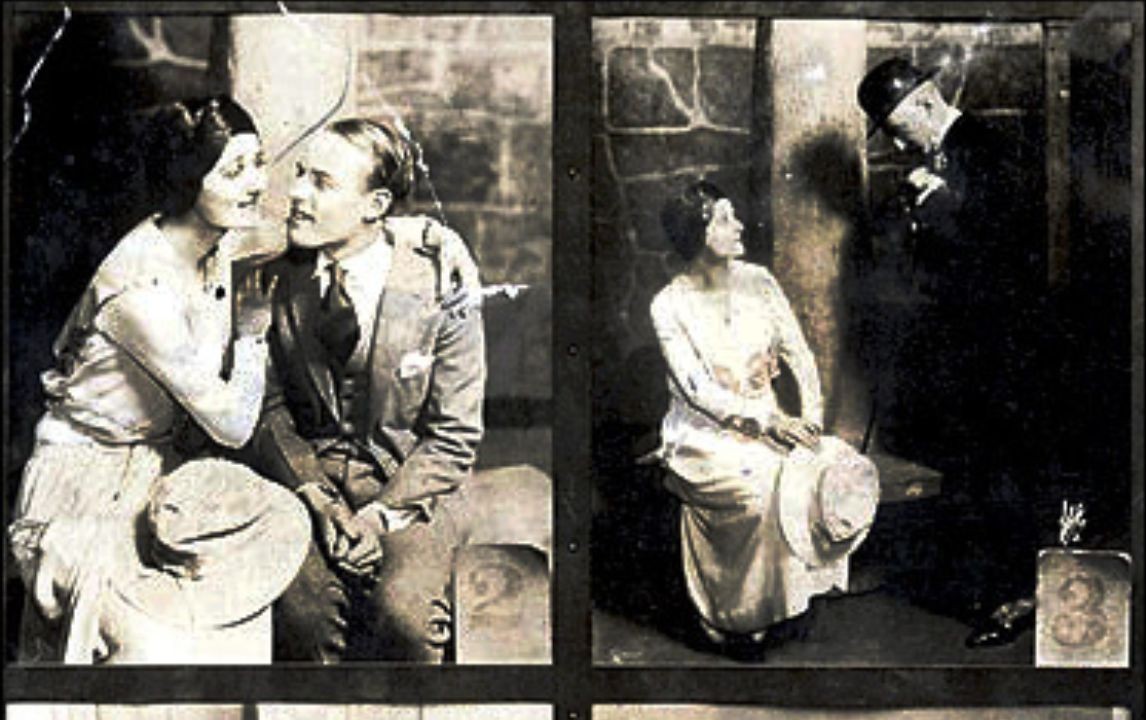
George Bernard Shaw framed a daughter’s hard-edged ethics against a mother’s past, and officials treated that honesty like contraband. In 1905 New York, a public performance was interrupted by police, and the cast and crew were arrested under the city’s Comstock-style rules, as if dialogue itself could violate decency. The play had already faced resistance in Britain, and the New York case later failed to stick, but the damage was done: one night at the theater turned into headlines, a holding cell, and a lasting lesson about how law can punish candor long before it ever judges harm in public.
God of Vengeance
Sholem Asch’s drama arrived on Broadway with a storm already brewing: it mixed faith, family, and a world of backroom bargains, then let tenderness bloom where audiences were told it should not. In 1923, authorities indicted the cast and producer under New York penal law, pointing to a brief, quiet kiss between two women as courtroom evidence, and convictions followed on obscenity charges that cut the run short. What makes the story linger is the collision of motives, with some leaders calling it an insult, others calling it truthful art, and the state treating a stage moment as a punishable act.
The Captive
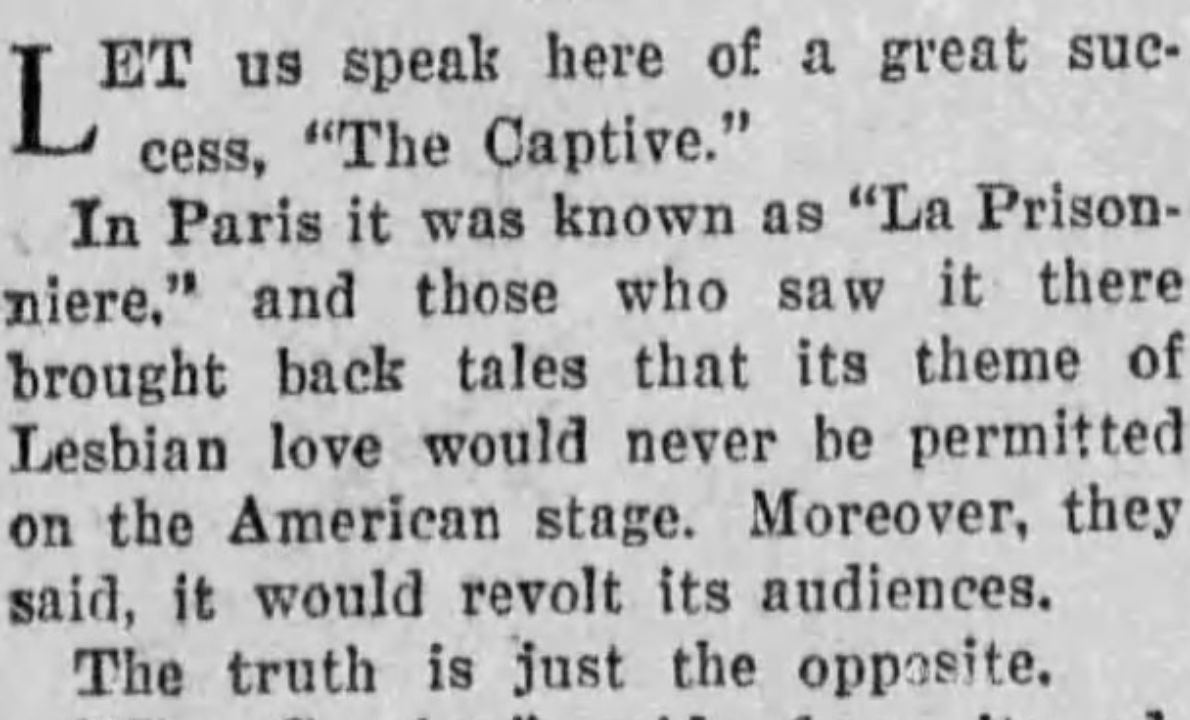
Édouard Bourdet’s play centered on a love that society preferred to keep unnamed, and Broadway’s tolerance proved fragile. After a successful run, pressure mounted from moral watchdogs, and in Feb. 1927 police halted a performance and arrested lead actors and others connected to the show during a wider crackdown on “indecency.” The raid turned a night of dialogue and subtext, punctuated by the play’s quiet violet symbolism, into a public spectacle, and the backlash helped tighten rules meant to keep intimate lives off the stage, no matter how honestly they were written, or by whom, in Broadway houses.
Ghosts
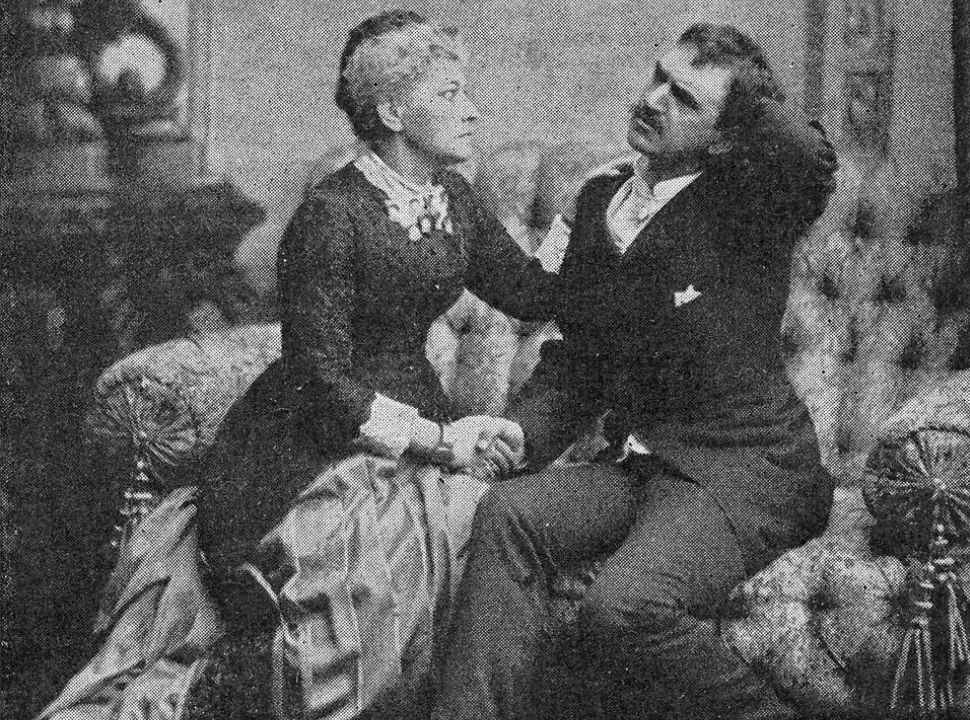
Henrik Ibsen built “Ghosts” like a bright parlor with rot in the walls, and nineteenth-century moral guardians recoiled. Its portrait of inheritance, hypocrisy, and a family paying for past choices was branded improper, and the play met bans and hard resistance in places that policed public morals through licensing, including England. Newspapers scolded it, patrons refused it, and even sympathetic directors had to smuggle it into view through private theater societies and careful framing, proving how power can fear a script that refuses comforting lies and insists on consequences in full daylight.
Spring Awakening
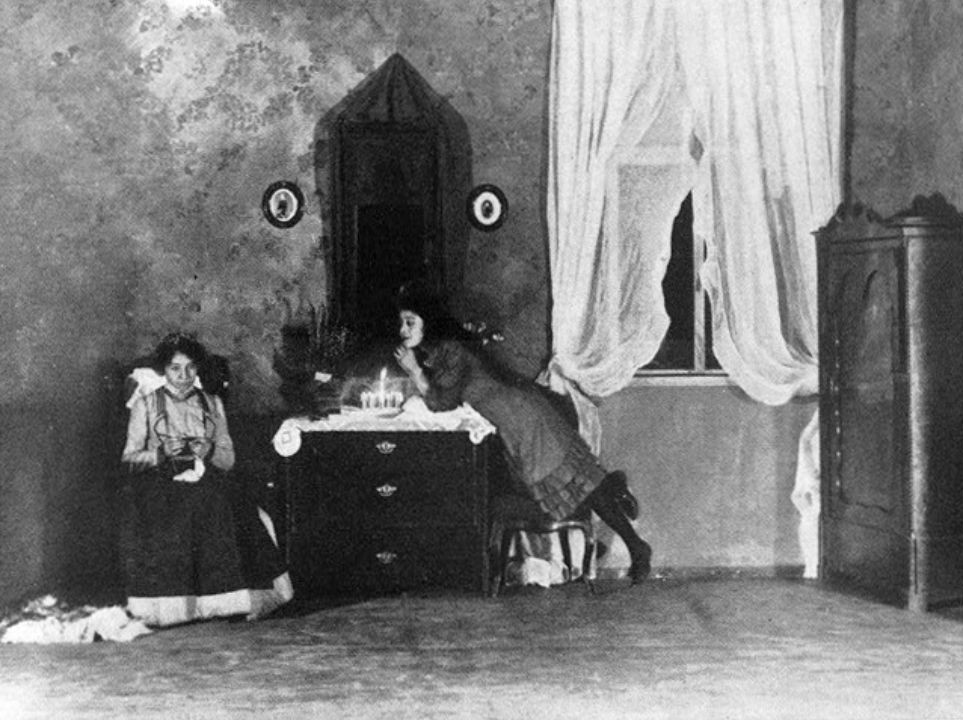
Frank Wedekind wrote “Spring Awakening” with blunt clarity about growing up under silence, and the backlash was immediate. Written in 1891 but not staged until 1906, it kept colliding with censors who disliked its portrayal of adolescence, ignorance, and the fallout of adult avoidance. In New York in 1917, officials threatened to shut it down as indecent, and a court order allowed only a tightly controlled showing, turning a drama about hush-hush pressure into a public argument over who decides what can be spoken onstage, what can be cut, and what must stay buried behind closed doors for everyone to see.
Hair
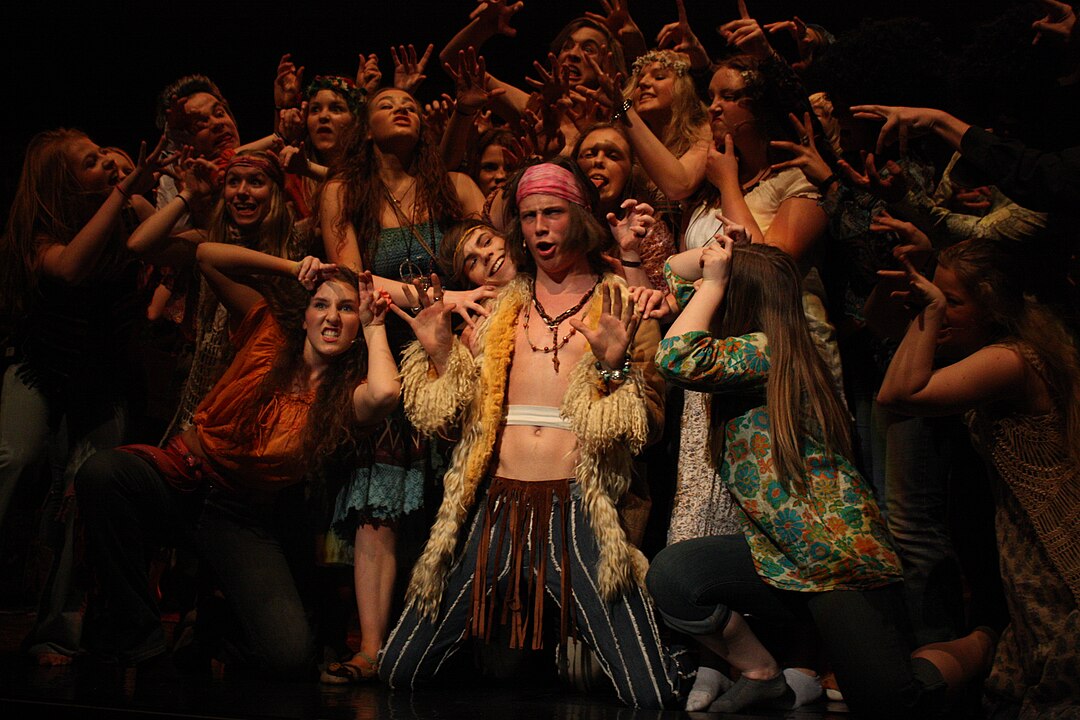
When “Hair” leapt from counterculture rooms to mainstream theaters, local authorities tried to pull it back into polite shape. Disputes over language, brief nudity, and staged intimacy sparked censorship fights, including a Massachusetts court ruling that let a Boston production proceed only with strict limits on costume and movement. The irony is sharp: a musical built around liberty kept meeting committees determined to choreograph restraint, while audiences lined up anyway, so each new production felt less like entertainment and more like a test of what a city could tolerate under bright stage lights.
Oh! Calcutta!
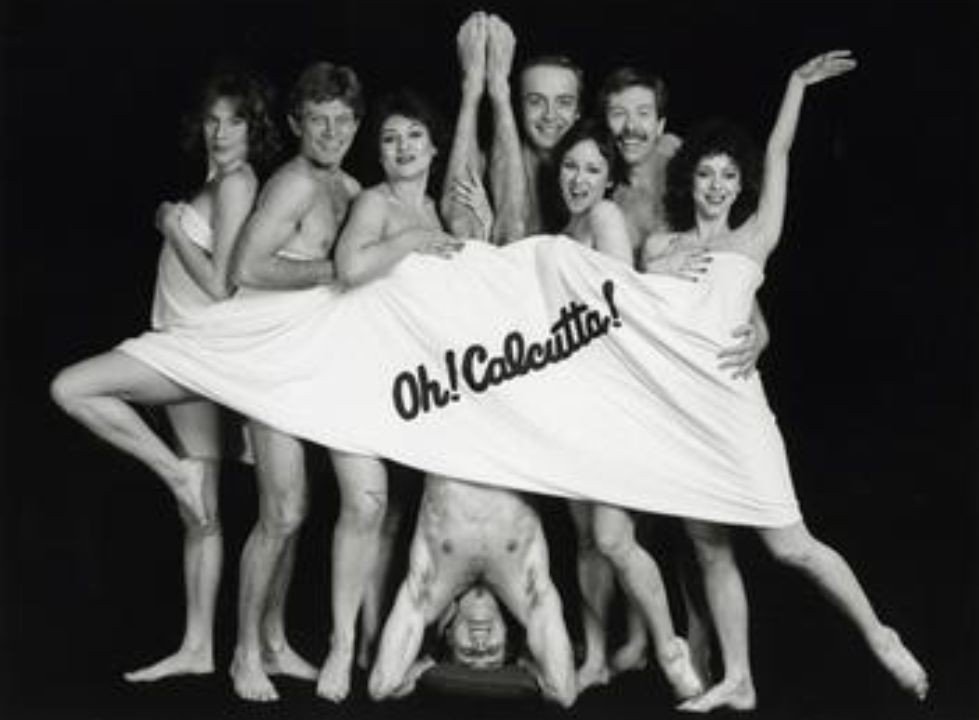
Designed as a cheeky answer to prudishness, “Oh! Calcutta!” quickly attracted the kind of attention producers dread. In 1970 London, the Metropolitan Police’s obscenity squad attended previews, returned for repeat viewings, and recommended prosecution under theater law; prosecutors even sent a panel of outside viewers to judge it, as if a revue needed a jury. The controversy traveled with the show, inspiring bans, permit fights, and legal threats elsewhere, and it left behind a simple fact: satire can still be treated as evidence when authorities decide laughter is suspicious, and crowds keep coming.
The Balcony
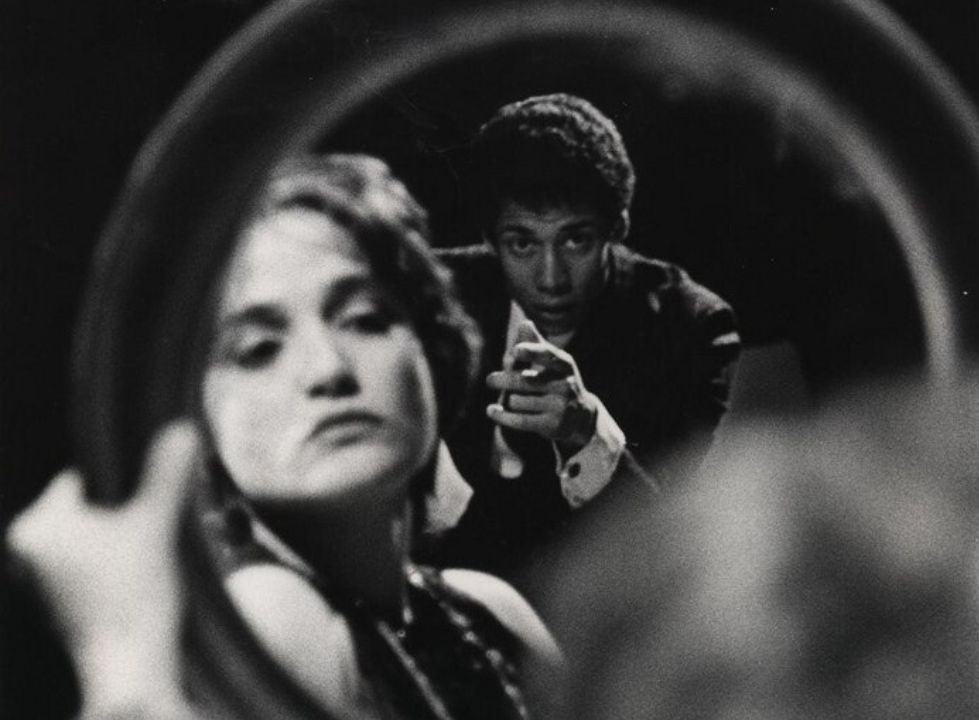
Jean Genet set “The Balcony” in a brothel that doubles as a mirror for power, and British censors responded with red ink. Its 1957 English-language staging used a private theater-club setup to sidestep the Lord Chamberlain’s ban on public performances, and even then the censor demanded cuts to lines he found offensive, forcing the production to negotiate every boundary. Years later, the play finally reached broader public stages, but the origin story stuck: a drama about authority, costumes, and illusion performed under authority’s thumb, with the argument unfolding in real time for the audience.