Sports and games reflect what a community is willing to cheer for in public. Some pastimes once filled fairgrounds, taverns, and city streets, then faded as safety rules tightened, ethics shifted, or lawmakers decided the disruption was no longer acceptable. A useful clue for image hunting is that each example below has a well-known Wikipedia entry with photos or artwork on Wikimedia Commons. The pattern is simple: a popular contest becomes controversial, enforcement ramps up, and a safer replacement takes its place.
Mob Football In Medieval England
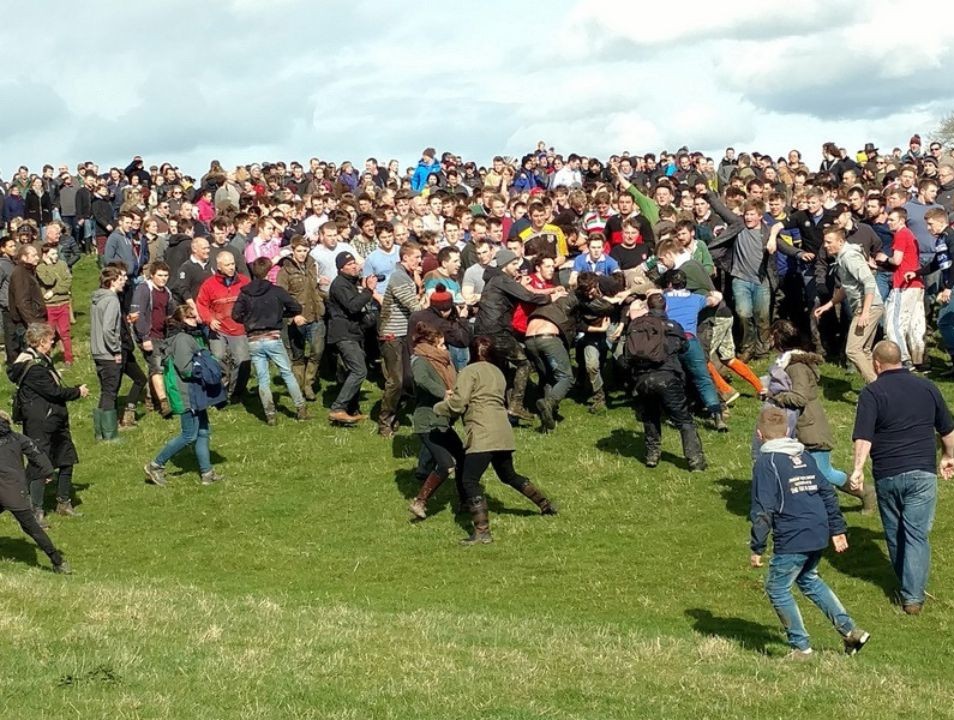
Before modern rules, mob football was a town-wide scramble that ran through lanes, fields, and market squares, with goals set at distant landmarks and crowds surging after the ball for hours, sometimes until dusk, across neighborhoods. It thrilled spectators, but it also blocked commerce, cracked shopfronts, and drew repeated bans from kings and councils who wanted calmer streets and, at times, more time for mandated archery practice. Those crackdowns slowly pushed the game toward fixed pitches, defined teams, clearer boundaries, and referees, turning a civic free-for-all into the ancestor of organized football.
Dueling With Pistols Under Codes Of Honor
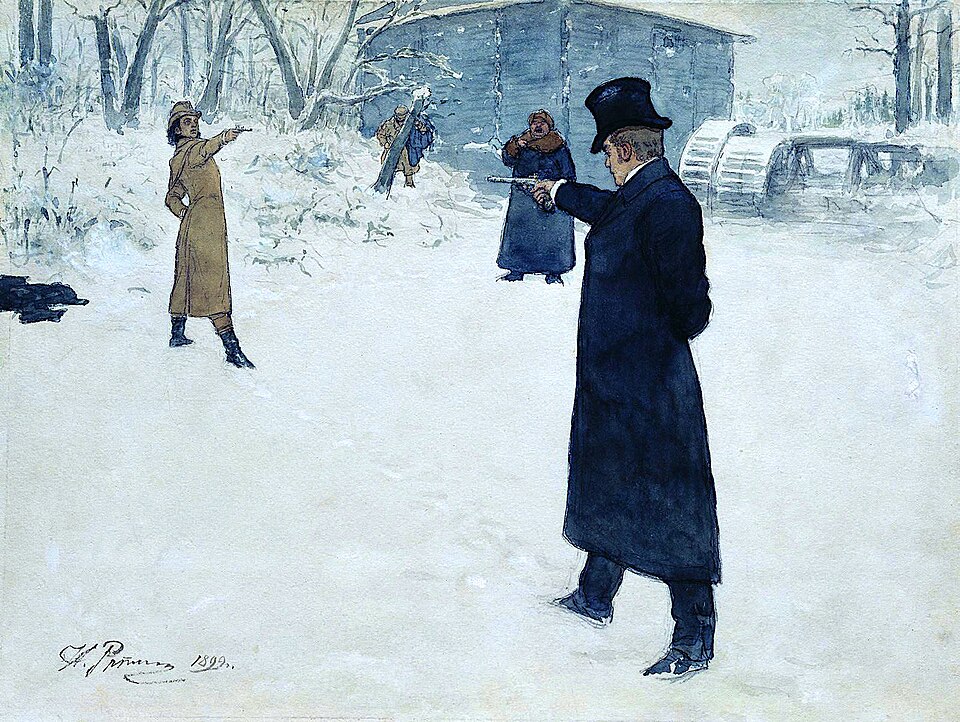
Dueling was once framed as a formal contest of honor, governed by written codes, seconds, and agreed ground, and high society spoke of it like a grim sport with etiquette, measured distance, formal clothing, and ritual restraint. Governments tightened bans because private combat challenged courts, encouraged retaliation, and turned status into a substitute for due process, even when both sides insisted it was controlled. As penalties rose, competitive pride migrated into legal arenas like fencing, sport shooting, and debate, where reputation could be tested under rules, witnesses, and supervision.
Bare-Knuckle Prizefighting
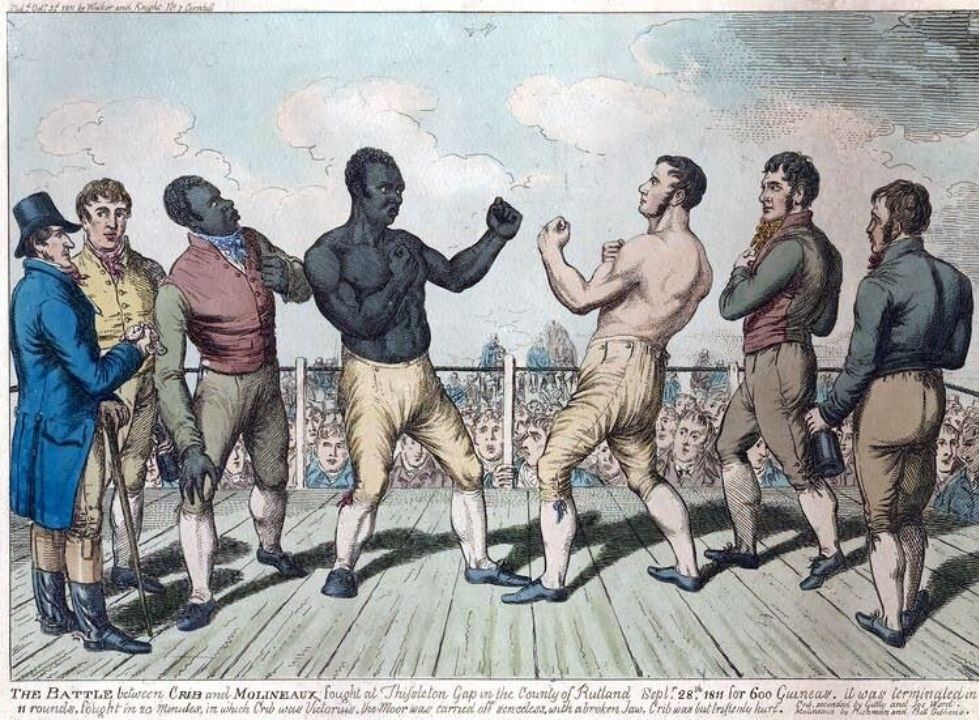
Bare-knuckle prizefighting packed fields and back rooms long before gloves and athletic commissions existed, and crowds followed fighters by word of mouth, traveling miles for a bout, a wager, and a story to retell. Authorities raided matches under public order laws, citing disorder, gambling disputes, and serious injuries, and crowd spillover, which pushed events into secrecy and made outcomes harder to police or keep fair. Regulated boxing emerged as the compromise: gloves, timed rounds, weight classes, medical checks, and licensed venues kept the contest public while cutting chaos around the ring.
Live Pigeon Shooting Matches
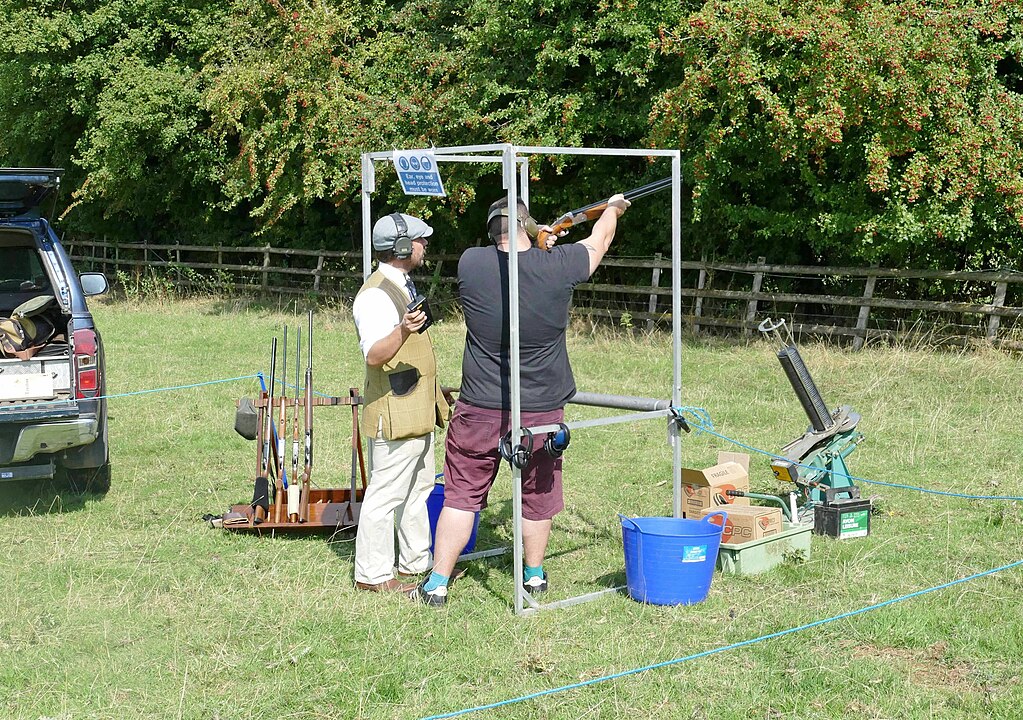
Live pigeon shooting was a fashionable club competition in the late 1800s, promoted as a test of aim and nerve, often staged before spectators who treated it as refined sport and a social display of steady hands. As attitudes toward animal welfare shifted, many places restricted or banned shooting live birds for entertainment, and clubs pivoted to clay targets that could be standardized, counted, and repeated. Trap and skeet kept the same timing and focus, but replaced live releases with discs, clear range rules, and events that could be regulated in daylight with fewer objections from the public.
Cockfighting As A Public Wagering Sport
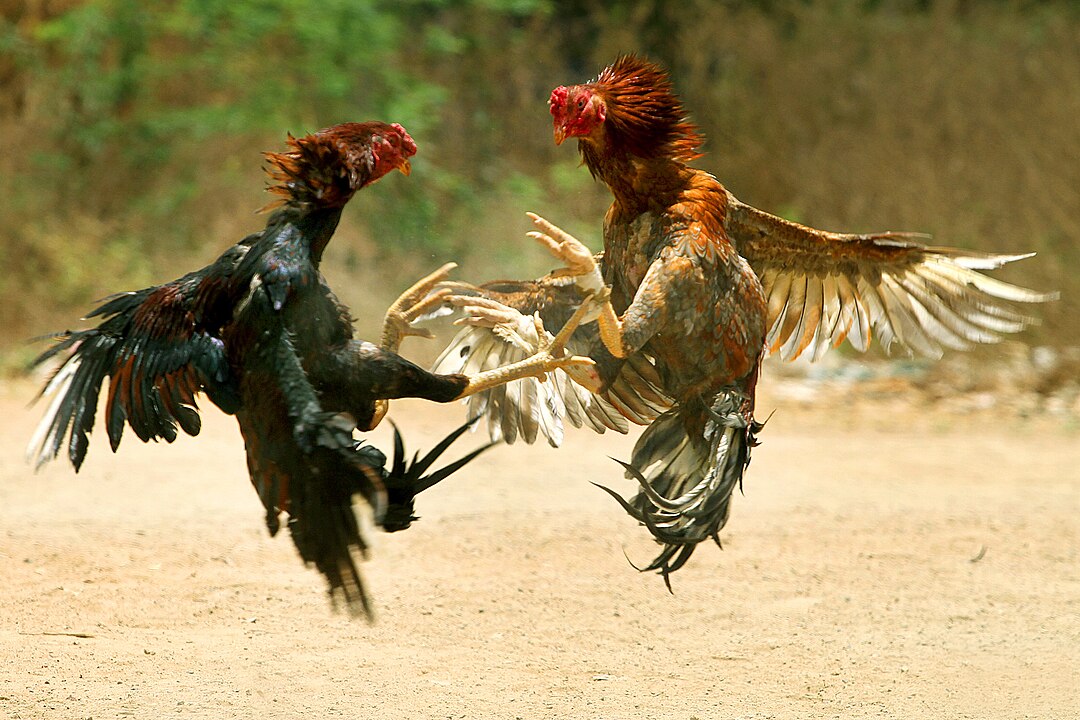
Cockfighting was once promoted as a normal wagering pastime in many regions, staged openly at pits near fairs and taverns, and discussed like other weekend competitions with prizes, bragging rights, and local regulars in the stands. Over the 1900s, laws increasingly treated organized animal fighting as cruelty, and enforcement expanded around venues, betting, and transport, forcing the pastime out of public view and into riskier shadows. Where communities still wanted rivalry and pageantry, energy shifted toward regulated sports that did not depend on animal combat, leaving the old pits as a marker of changed norms.
Bear-Baiting And Bull-Baiting Spectacles
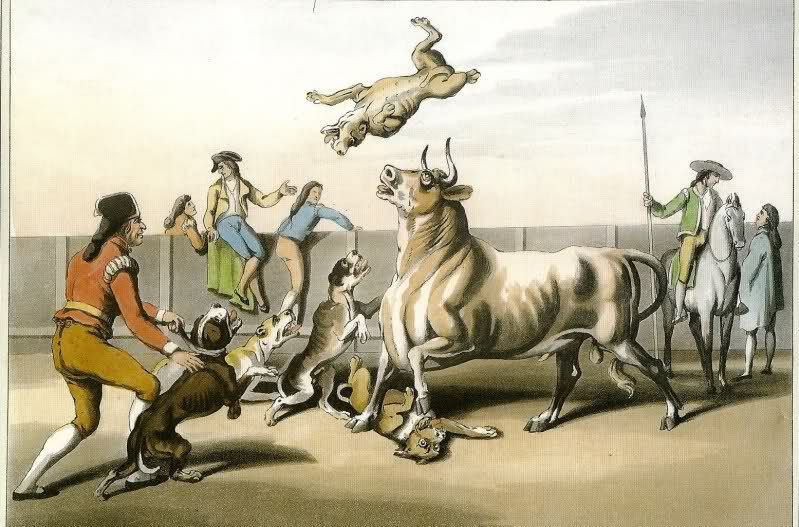
Bear-baiting and bull-baiting were once public spectacles in Britain, advertised like other entertainments and held in rings near pubs and fairgrounds, with crowds paying to watch a contest framed as sport and local tradition. Reform campaigns in the 1800s pushed lawmakers to draw firmer lines around animal suffering, and bans ended baiting as mainstream recreation, even in places where it had been a routine outing. The appetite for competition redirected into boxing, wrestling, and later team games, where skill could be judged without building the show around harm, public order complaints, and escalating backlash.
Lawn Darts (Jarts) In American Backyards
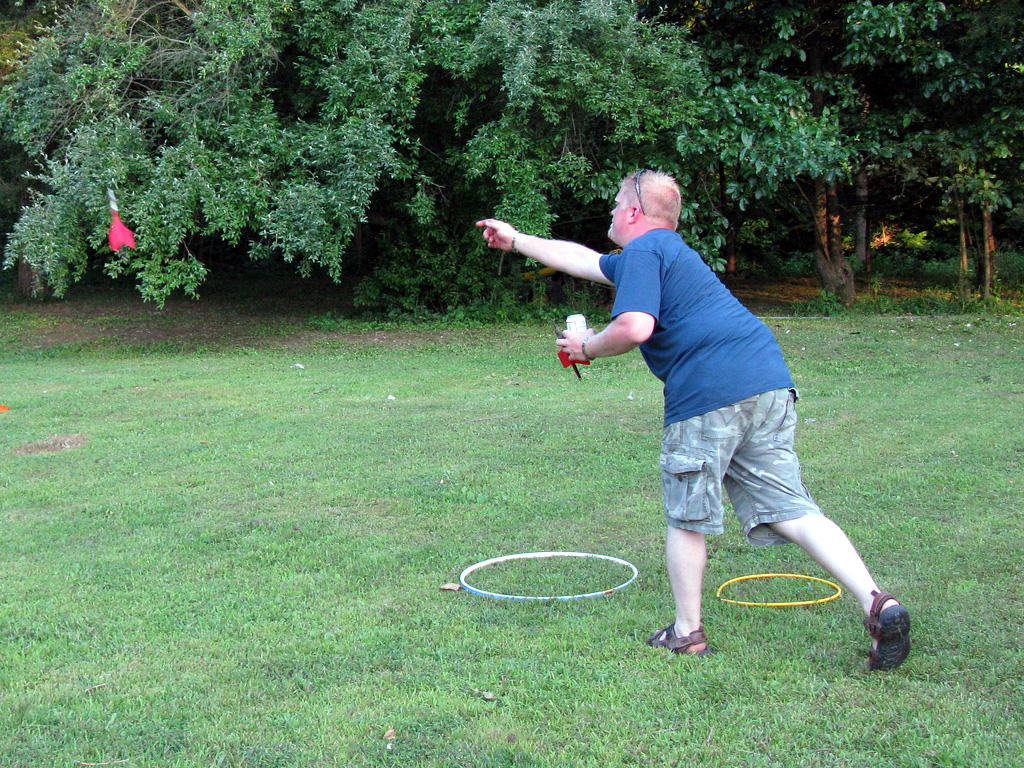
Lawn darts, often sold under the brand Jarts, became a backyard craze at cookouts, campgrounds, and family reunions, marketed as a friendly target game that fit beside lawn chairs, coolers, weekend music, and easy bragging rights. The heavy, pointed darts made accidents more likely than the box suggested, and regulators eventually barred their sale in the United States, pushing sets off mainstream shelves and out of many parks. Safer replacements took over, from soft-tip lawn sets to ring toss and bean bags, proving the ritual of aiming, cheering, and keeping score survived with better design.