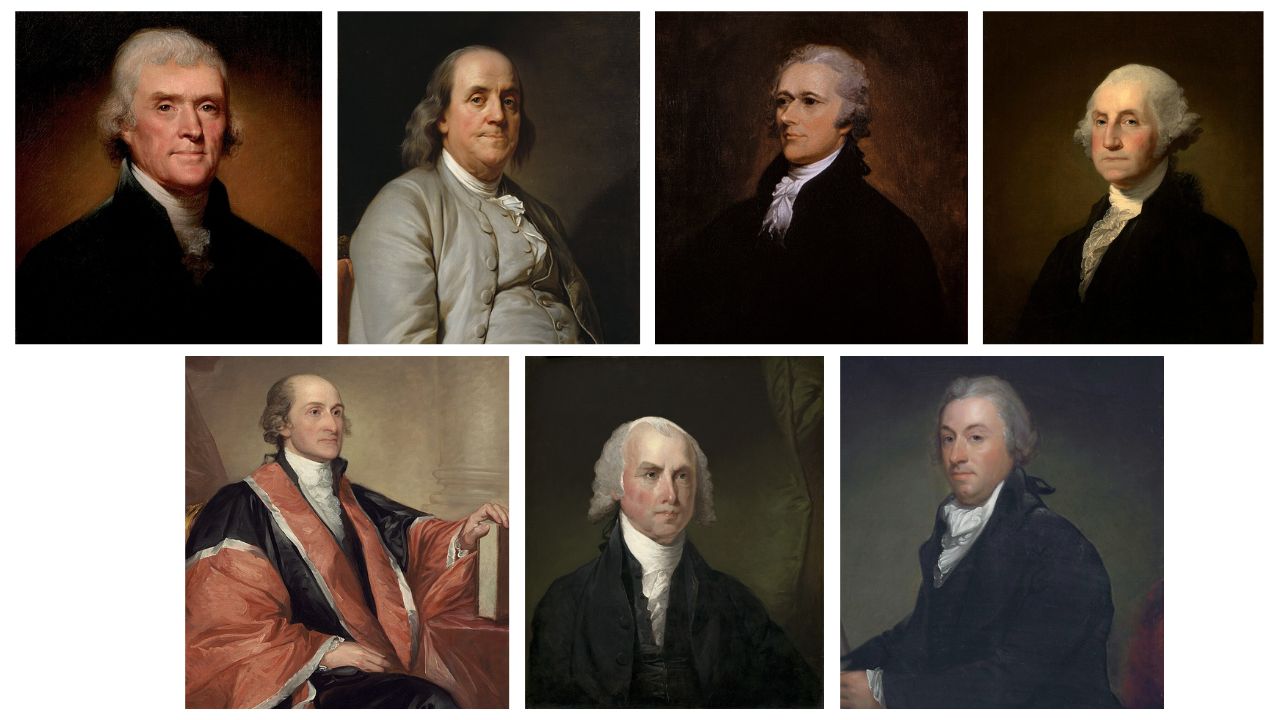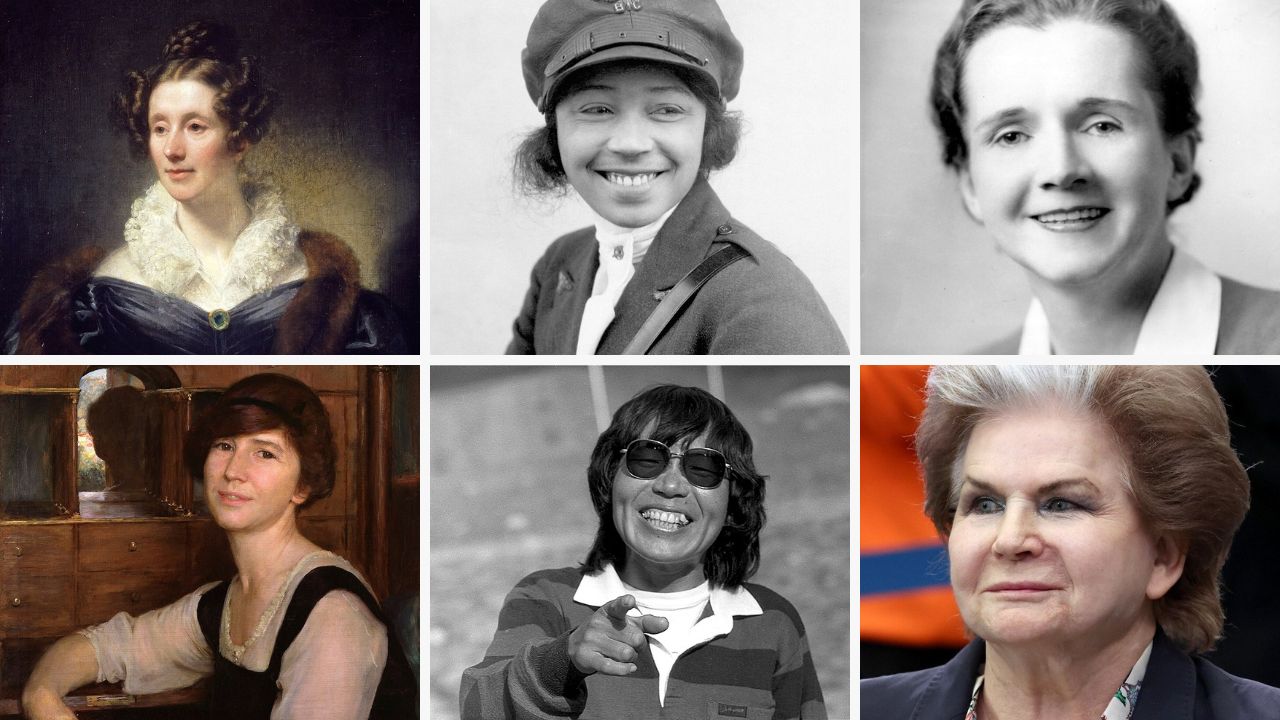
Across continents and centuries, women have pushed past the limits others set and turned curiosity into rigorous travel, careful observation, and lasting contribution. They mapped deserts, crossed frozen seas, cataloged species, and opened skies that had been closed to them. Some moved with official support, others funded voyages themselves; some wrote field journals, others left material collections and routes that later travelers used. The throughline is the same: each explorer combined patience, craft, and moral attention to the places and people she encountered. These profiles show how exploration expands when more voices are allowed to ask what a map overlooks.
Isabella Bird: A Relentless Observer Of Place And People
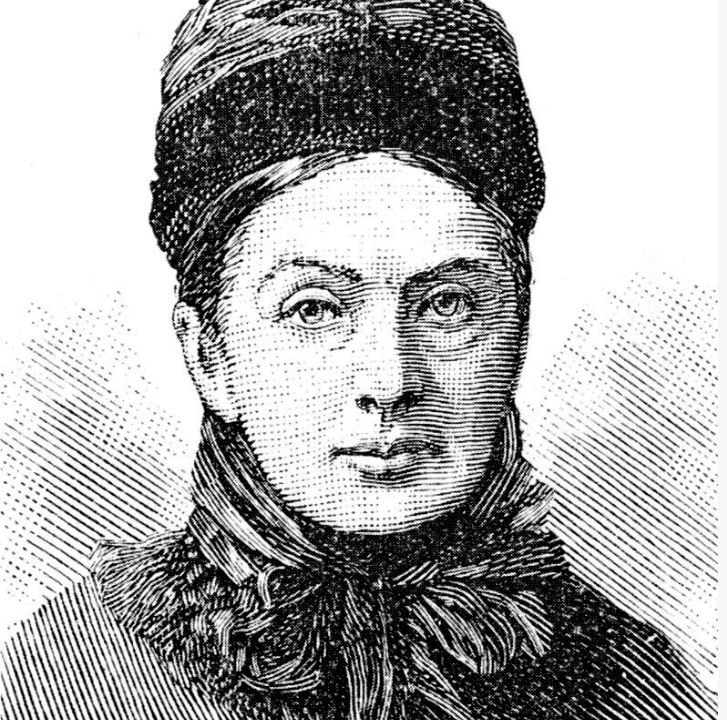
Isabella Bird traveled widely in the nineteenth century with a steadiness that turned impression into reliable report. She rode mule and pony across mountains, lodged in frontier inns, and wrote letters that evolved into books valued for both lyrical detail and hard information about routes, geology, and local economies. Bird’s accounts never treated people as props; she described work patterns, local conflicts, and culinary routines with the same care she gave to rock strata and plant lists. Her eye for everyday systems how markets operated, where animals foraged, which paths drained after storms made her notes useful to later travelers and scholars. She demonstrated that exploratory authority grows not from spectacle but from sustained attention and respect for the ordinary practices that make places livable.
Mary Kingsley: Crossing Rivers, Respecting Knowledge
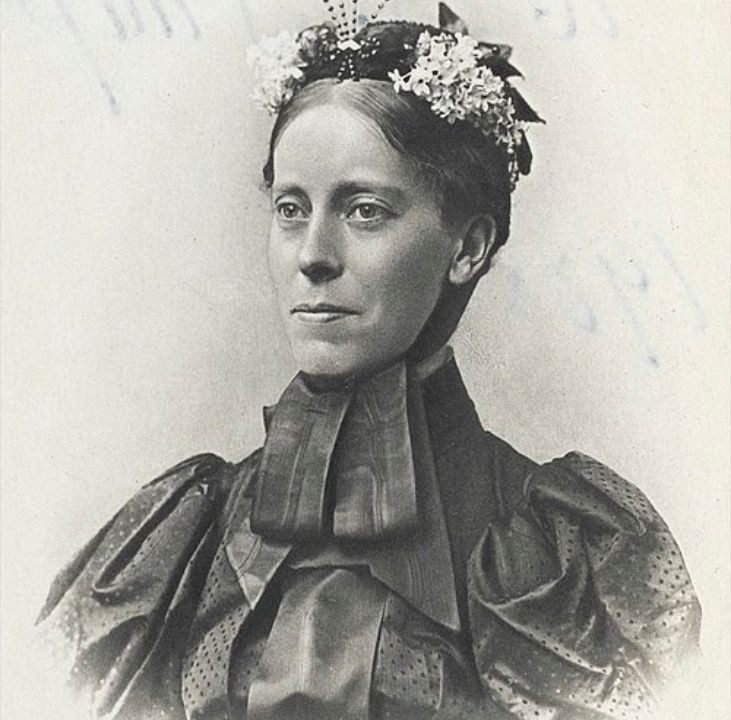
Mary Kingsley walked deep into West African landscapes when many contemporaries confined themselves to coasts and missionary stations. She navigated river channels, traced fishing economies, and recorded local narratives that most European accounts neglected or misinterpreted. Rather than claiming superiority, Kingsley often praised technical knowledge she witnessed fishing techniques, medicinal plant use, river navigation that colonial officials dismissed. Her writing refused the neat binaries of exoticism versus civilization and instead argued that learning required humility and attention to local logics. By centering practical knowledge and careful ethnography, she changed how European readers thought about cultural competence and the responsibilities of those who travel in other peoples’ territories.
Alexandra David-Néel: Disguise, Language, And Spiritual Terrain
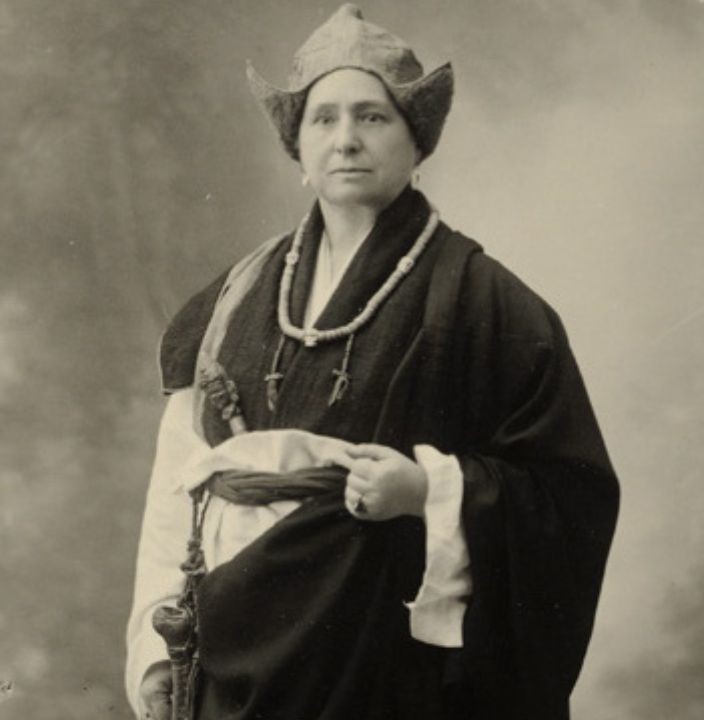
Alexandra David-Néel combined scholarship and daring to reach Tibetan regions closed to many outsiders. She learned languages, studied monastic practices, and sometimes traveled disguised to move through places where formal tourism did not exist. Her notebooks mix sharp ethnographic detail with reflective passages about ritual, doctrine, and the labor of translation. David-Néel understood that spiritual sites required a patient ethic: approach with permission, notice small gestures, and record practices with both precision and empathy. Her work opened Western readers to Tibetan thought while modeling fieldwork that privileges listening and linguistic care. Her routes and translations remain useful to scholars who seek historical snapshots of monastic life and ritual practice.
Gertrude Bell: Mapping Politics And Place With Local Precision
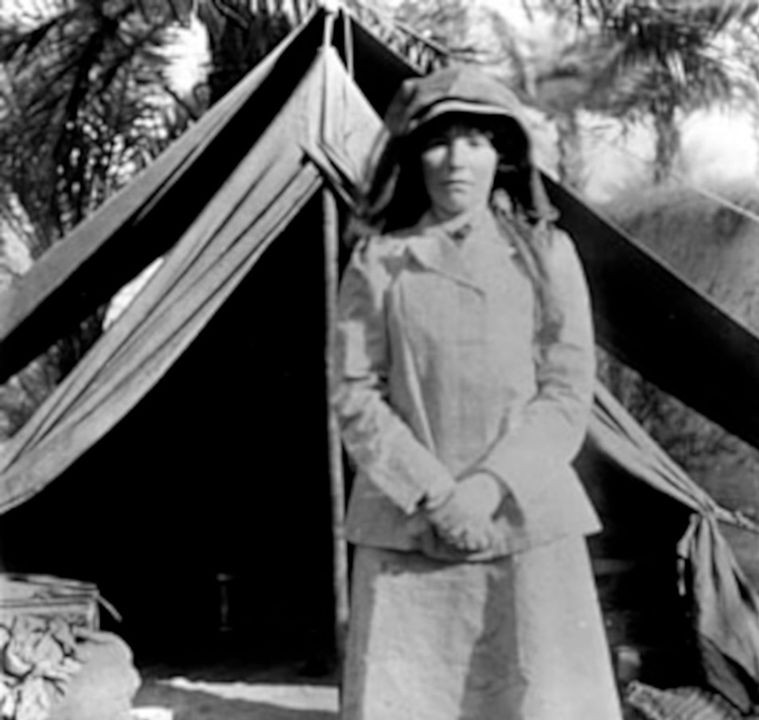
Gertrude Bell combined classical study, archaeology, and deep regional ties to operate in the Middle East with a practical intelligence that went beyond travel writing. She documented tribal relationships, place names, and trade patterns that later informed administrative boundaries and governance models. Bell’s notebooks include topographic detail alongside oral testimonies and social networks, producing maps that were as much about people as they were about contours. Her work demonstrates the political influence of field knowledge; the expertise she assembled carried consequences for state formation, infrastructure, and local autonomy. Bell’s career reminds readers that exploration often becomes entangled with policy and that careful knowledge can shape institutions for generations.
Freya Stark: Walking Old Routes To Keep Memory Alive
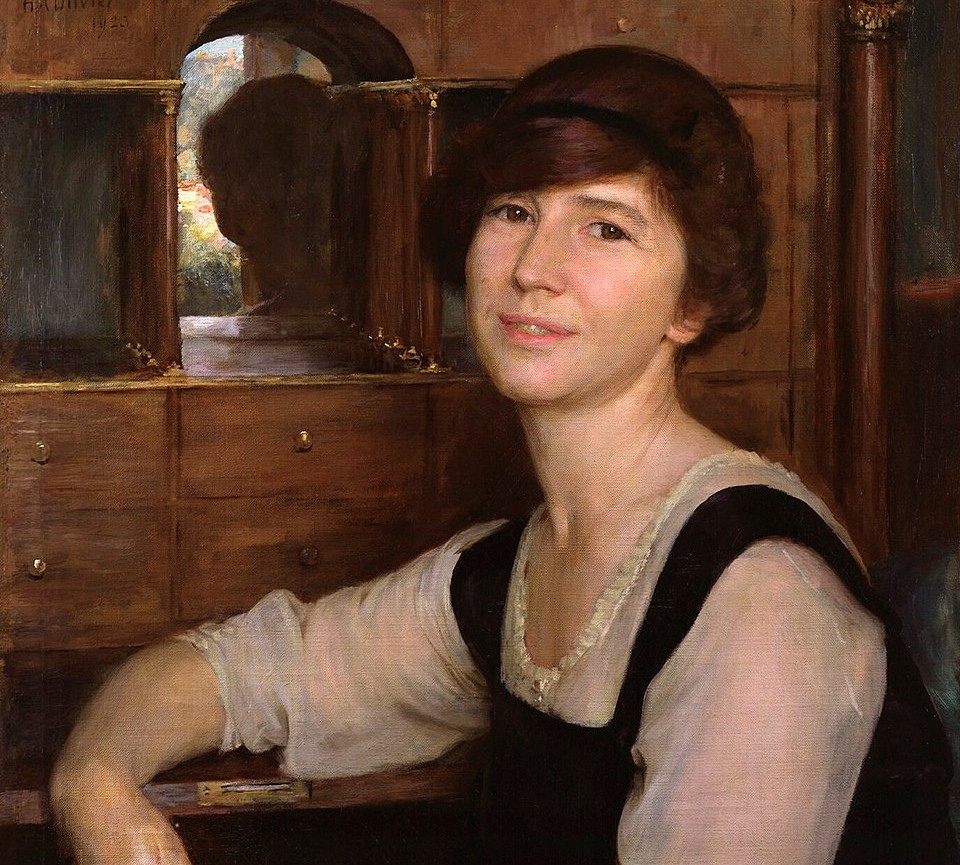
Freya Stark favored lesser-known paths across Middle Eastern mountains and deserts, recording vanished caravan routes, seasonal wells, and roadside shrines that oral cultures still used. She combined an eye for cartography with a storyteller’s ear, noting water caches, wind patterns, and the tasks that sustained small settlements between seasons. Her field notes included pragmatic tips where to water a donkey, how to find shade and human portraits of the people who kept routes alive. Stark’s contribution was preservationist as much as exploratory: by documenting fragile knowledge she helped keep it accessible when new roads or political changes threatened to erase it. Her work demonstrates how walking with attention can protect cultural memory.
Bessie Coleman: Aviation, Audacity, And Access
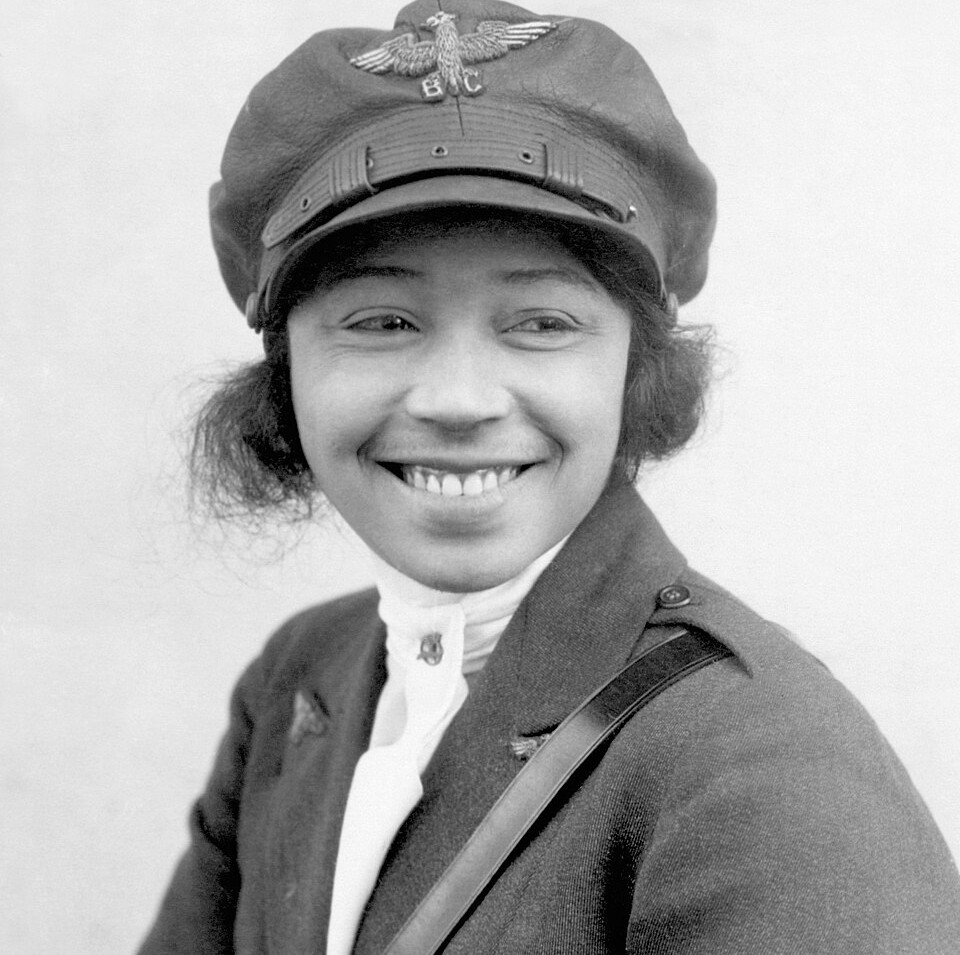
Bessie Coleman crossed two borders to claim the sky: gender norms at home and language barriers abroad. Denied training in the United States because of race and sex, she learned to fly in France then returned to perform and teach barnstorming exhibitions that expanded public ideas about who could pilot an airplane. Coleman used spectacle to democratize access: her flights were public, loud, and unapologetic demonstrations that the sky did not belong to a single class. Beyond performance, she insisted on practical training opportunities for marginalized young people, arguing that exploration includes the right to learn new technical domains. Her life reframed aviation not only as travel but as a platform for social mobility.
Ida Pfeiffer: Field Collections And The Breadth Of Curiosity
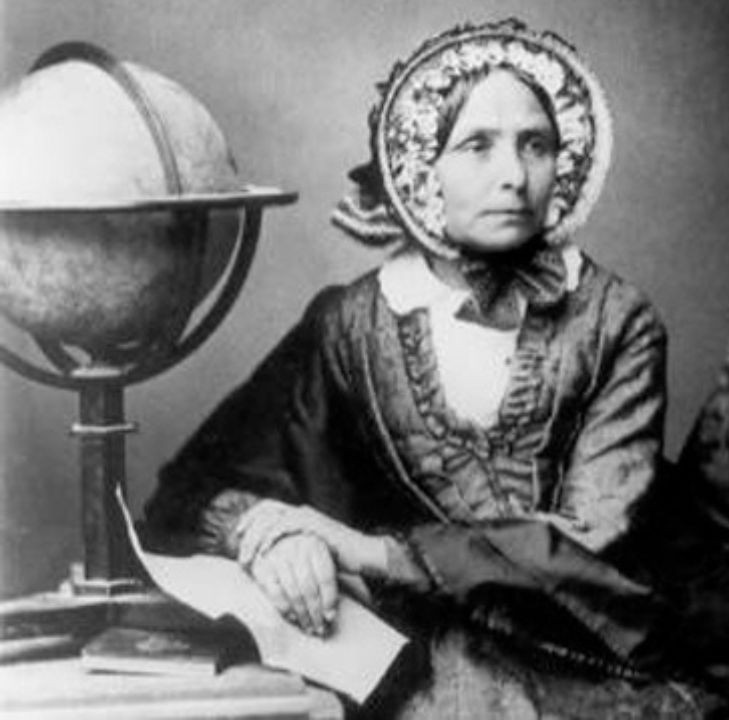
Ida Pfeiffer undertook long sea voyages and inland routes in midlife, often self-funded and persistently curious in the face of logistical hardship. She collected botanical specimens, ethnographic objects, and travel sketches that museums and scholars later used, and she wrote field books that blend route detail with personal reflection on labor, gender, and mobility. Pfeiffer’s work mattered because she showed how disciplined, methodical collection enriches scientific repositories that otherwise relied on scattered amateurs. She held that serious exploration does not require a state banner; it needs careful recording, ethical procurement, and a willingness to work within local economies that support travel in hard places.
Junko Tabei: Summit Craft, Team Leadership, And Responsibility
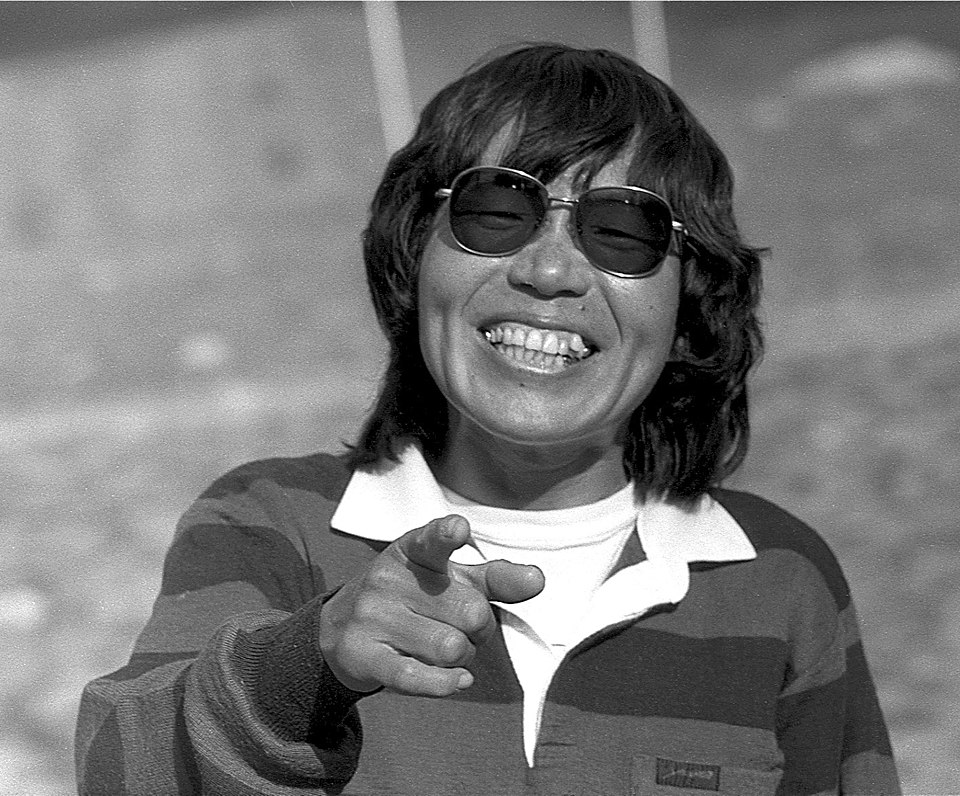
Junko Tabei climbed with a focus on logistics, safety, and long-term stewardship of alpine environments rather than on solo heroics. Her ascent histories emphasize mapping hazards, camp placement, ration planning, and the team coordination necessary to reach and return from high-altitude terrain. Tabei also used her platform to call attention to environmental pressures on mountain regions, advocating for waste management and respect for local guides. Her approach reframed mountaineering as a collaborative practice one where success depends on shared expertise and careful ecological awareness. For climbers who followed, that model offered a durable ethic: reach the summit, then leave the slopes healthier than they were found.
Rachel Carson: The Quiet Field Scientist Who Changed Policy
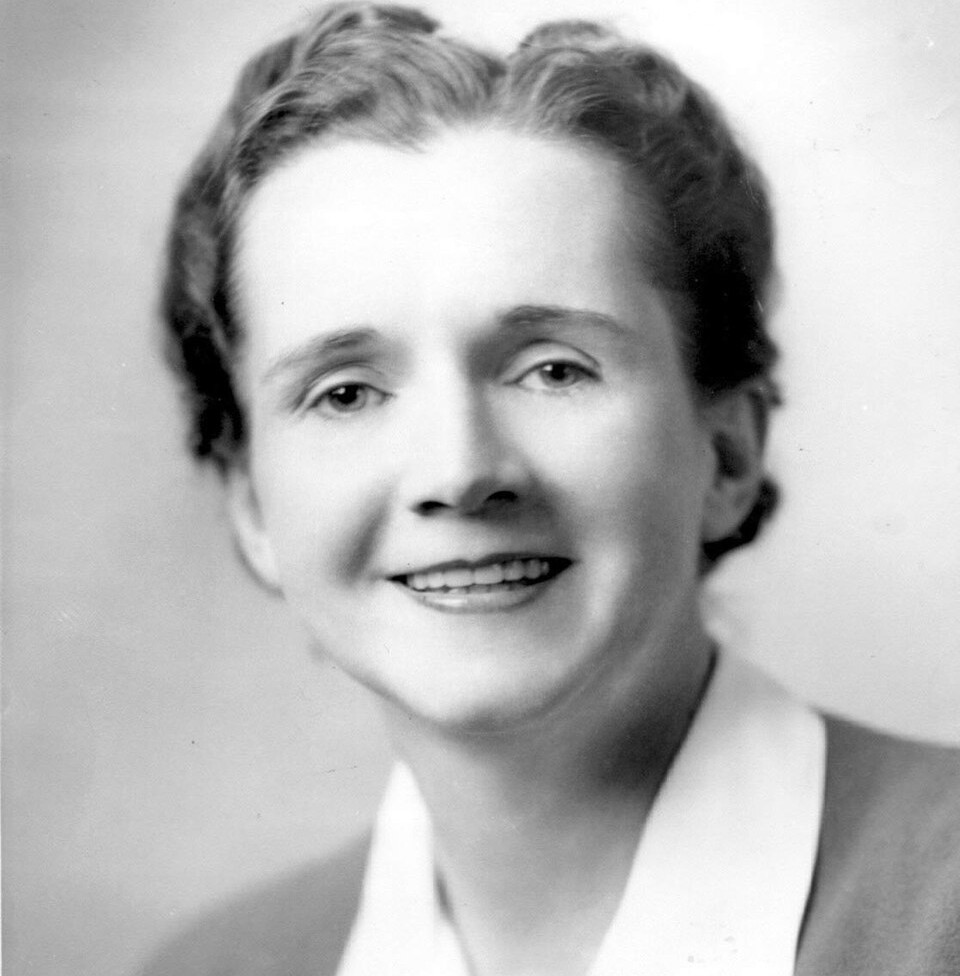
Rachel Carson began as a marine observer, cataloging coastal life with careful field notes before translating her findings into writing that reached wide audiences. Her attention to small, often invisible connections how chemical inputs altered plankton populations or how runoff changed marsh productivity shifted public discussion from local complaint to national policy. She bridged technical observation and accessible narrative, showing that exploration can be the patient work of watching margins and connecting threads across seasons. Carson’s influence on regulation and public awareness shows that fieldwork, honestly reported, can reshape law and the assumptions of industry about what counts as acceptable impact.
Valentina Tereshkova: Orbit, Observation, And Social Meaning
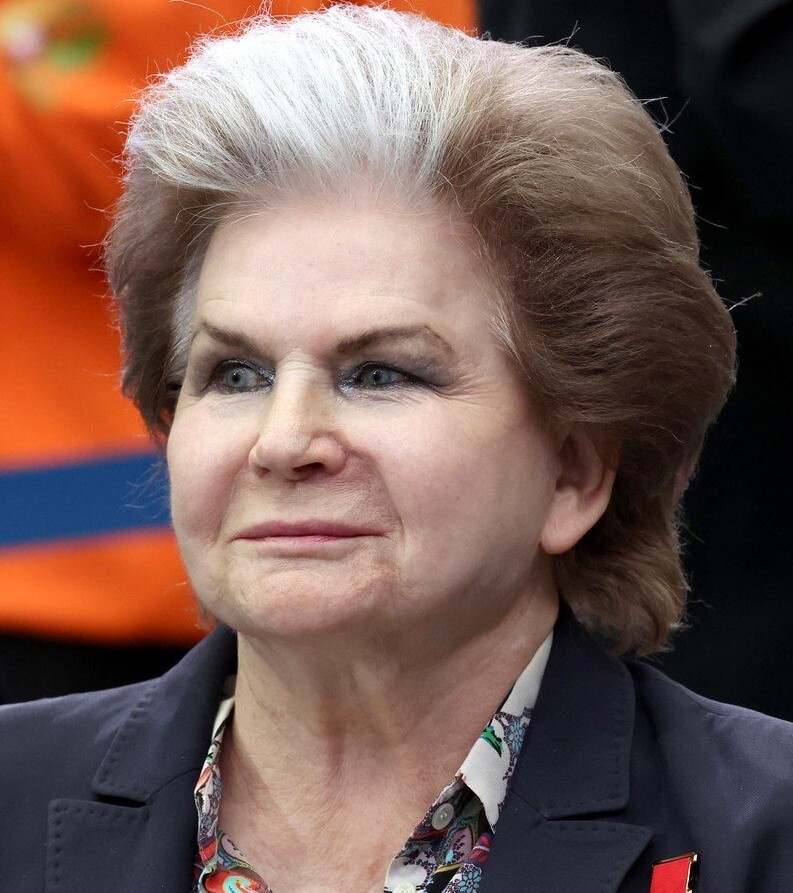
Valentina Tereshkova turned the literal act of orbiting Earth into a statement about technological possibility and social roles. Her mission required knowledge of systems navigation, life support, instrumentation and also produced observational data about human physiology in space. Tereshkova’s flight symbolized that exploration could expand who participates in cutting-edge domains, and her presence in orbit reshaped public imaginings about gender and competence in scientific fields. The mission’s data informed later studies in human factors for space travel, and her career opened pathways for women to move from symbolic milestones to technical leadership within aerospace programs.
Naomi Uemura: Solitary Craft And Methodical Risk
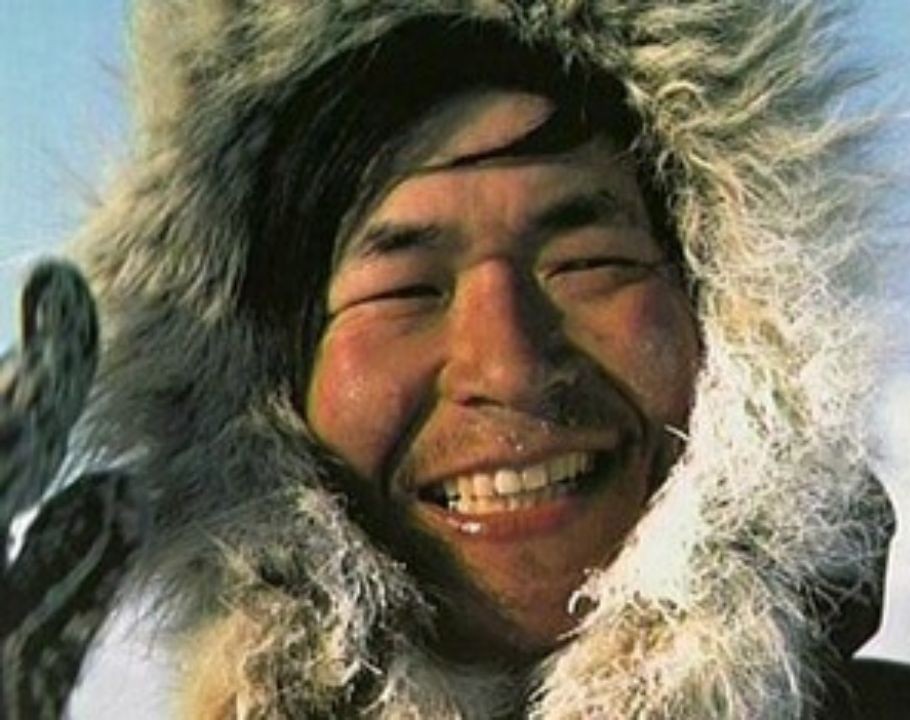
Naomi Uemura pursued solitary expeditions across rivers, polar ice, and mountains with a discipline that highlighted the procedural side of exploration navigation techniques, logistics, and camp management. Traveling alone required redundant systems, careful weather reading, and a slow, observational pace that later researchers found useful for comparative environmental records. Uemura’s meticulous journals and recorded routes contributed to understanding variability in remote regions; his methods influenced a generation of explorers who emphasized craft over theatricality. The ethic here is clear: exploration advances most reliably when practiced as sustained craft rather than as episodic heroism, and solitude can be a laboratory for careful observation.
Mary Somerville: Translation, Synthesis, And Scientific Travel
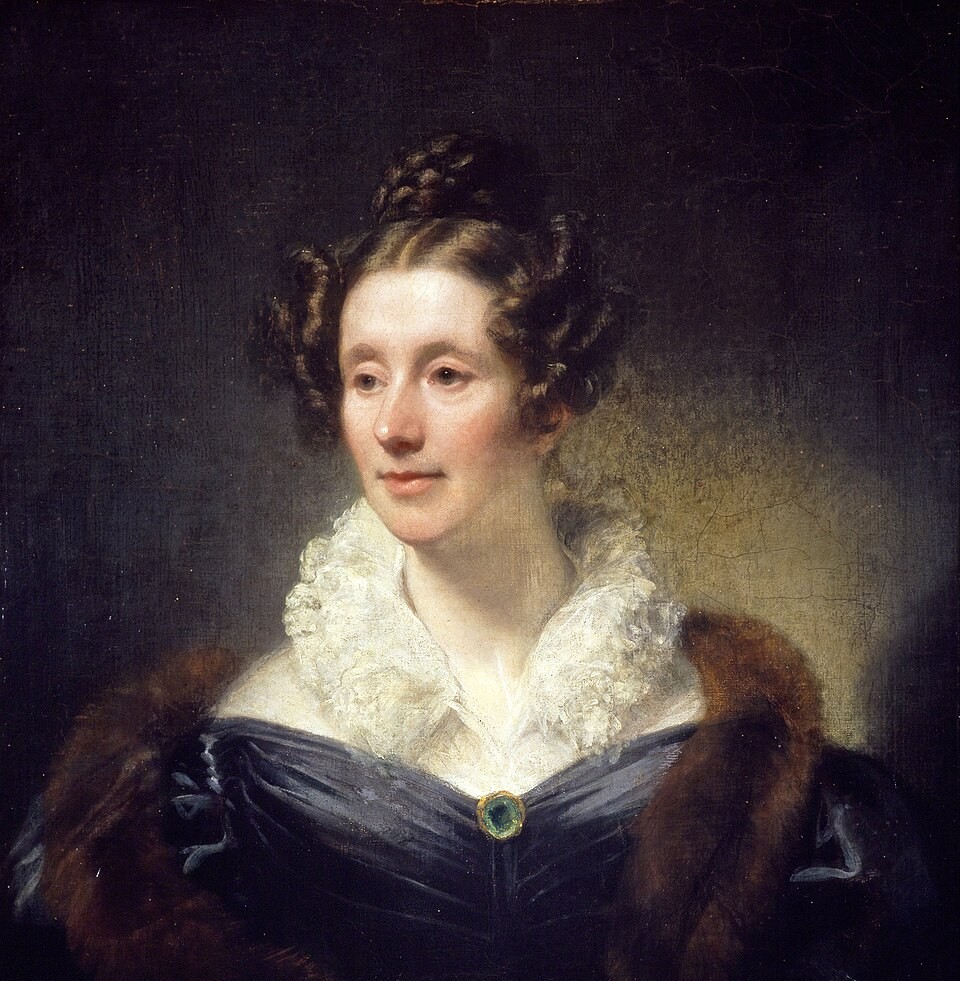
Mary Somerville’s contributions came through synthesis and translation as much as travel. She read languages, compiled astronomical and geographic knowledge, and then framed it so readers beyond specialist circles could grasp large scientific patterns. Her work helped circulate ideas about global geography and physical forces, and she supported field expeditions by clarifying methods and findings in accessible prose. Somerville shows that exploration includes intellectual labor: assembling scattered observations, critiquing methods, and helping practitioners understand how isolated data points form coherent maps of knowledge. Her career underscores that travel and scholarship together expand what exploration can achieve.