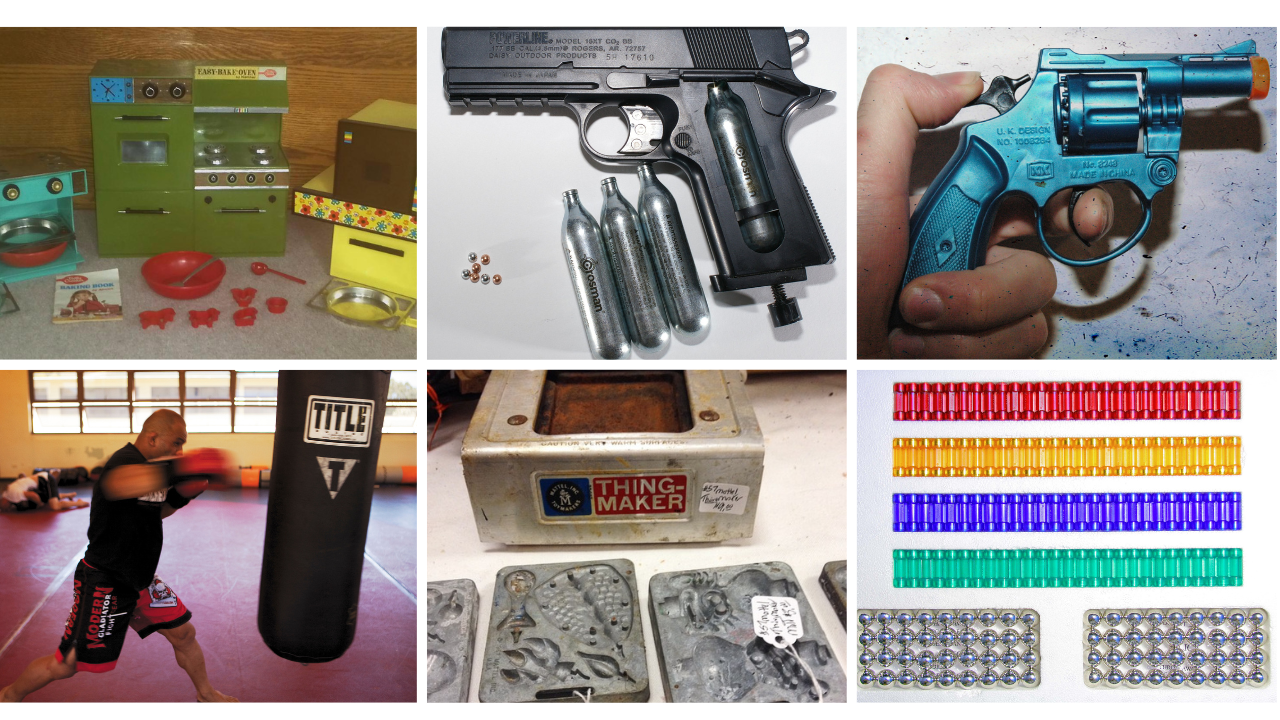
The 1980s treated toys as small tests of courage. Faster meant better. Louder meant cooler. Sharp edges, heavy parts, and questionable materials were accepted as part of growing up. Safety standards were looser, testing was thinner, and warning labels often arrived after injuries did. Today’s toy regulations are built on decades of data, recalls, and hard lessons. Choking-hazard rules, limits on toxic substances, impact testing, and age grading now define what reaches store shelves. Looking back, many iconic toys feel less like harmless nostalgia and more like artifacts from a time before risk was carefully measured. These once-loved playthings show how dramatically expectations around child safety have changed.
Lawn Darts
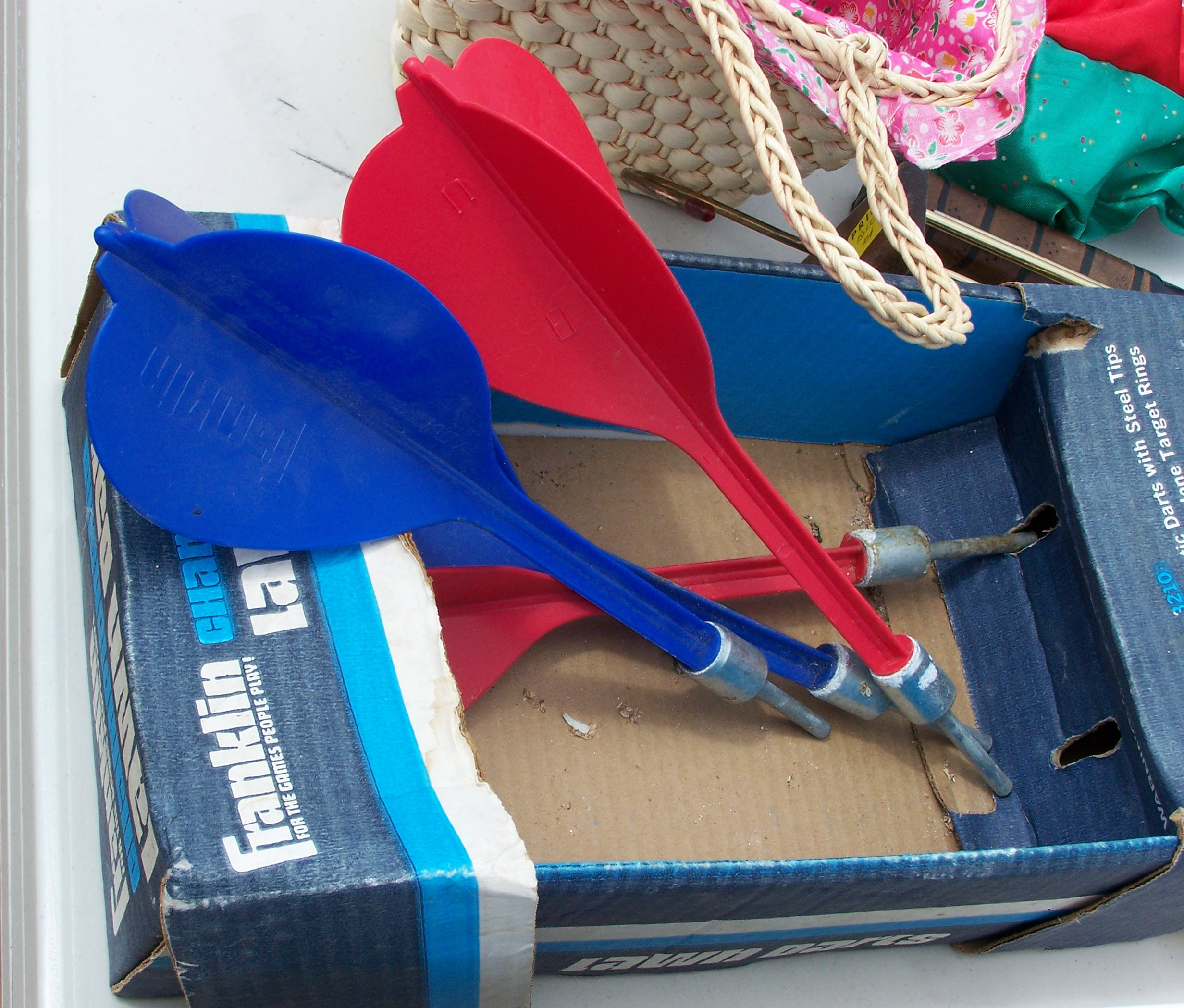
Lawn darts looked like a friendly lawn game, until the design did what physics demands. Each dart was a heavy metal spike meant to arc high and land tip first, and children were often close because it was marketed as casual family play, not a regulated sport with distance rules or controlled throwing lanes. After a long record of catastrophic head injuries and deaths, the product was banned in the U.S. in 1988, and today it would fail basic safety logic: a toy cannot be built around a sharp, falling projectile that can strike the skull with full force, then be thrown again minutes later, with packaging as the only guardrail.
Clackers
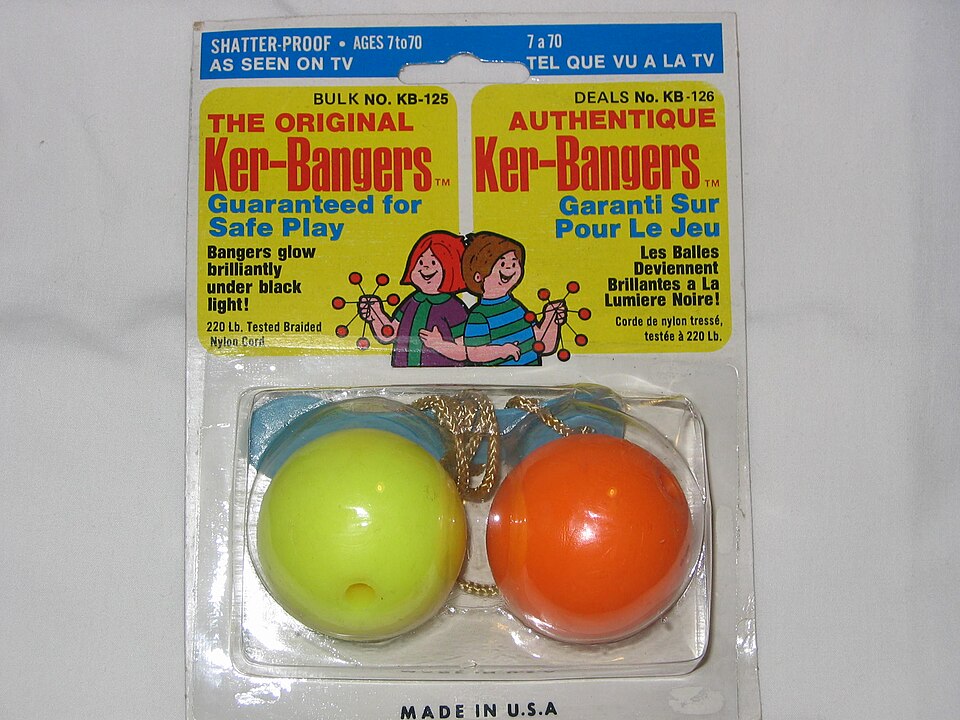
Clackers were two hard acrylic balls on a string, swung so they smashed together in a rapid, addictive rhythm. The thrill scaled with speed, and so did the impact, which is why cracked balls, flying shards, and bruised hands and faces were an expected part of play. Modern standards assume toys will be dropped, overused, and swung near the head, and a product built on repeated high energy collisions would be treated as an injury risk, not a feature, especially when aging plastic turns brittle and splinters into sharp fragments that can cut, or into small pieces that raise choking concerns, a hard fail under current rules.
Creepy Crawlers
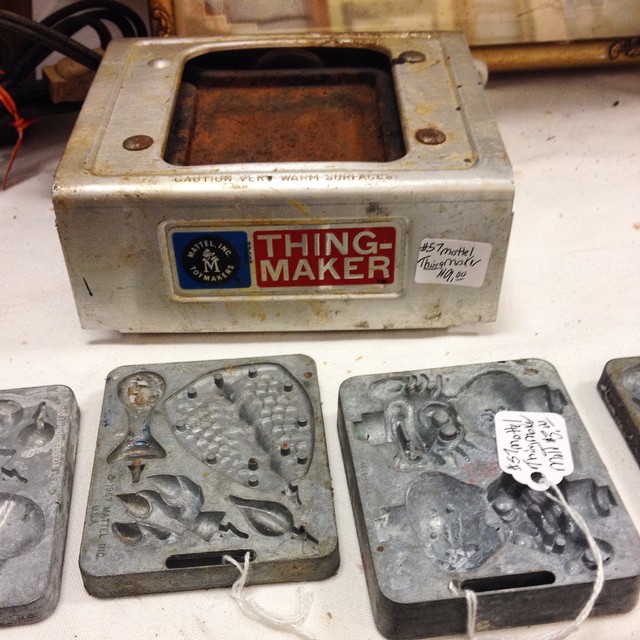
Creepy Crawlers kits let kids pour liquid plastic into metal molds and heat it to create rubbery bugs and monsters. That meant hot trays, hot surfaces, and sticky compounds in the same hands that were usually holding a snack a minute earlier, and burns were not hard to imagine. Modern toy standards tightly limit accessible temperatures, require stronger guarding, and expect predictable fail safe shutoffs, plus clear age grading that matches behavior, so a child aimed kit that depends on baking plastic would face heavy regulation and major redesign, if not a ban, before it could be sold as a casual craft toy for unsupervised play.
Gilbert Atomic Energy Lab
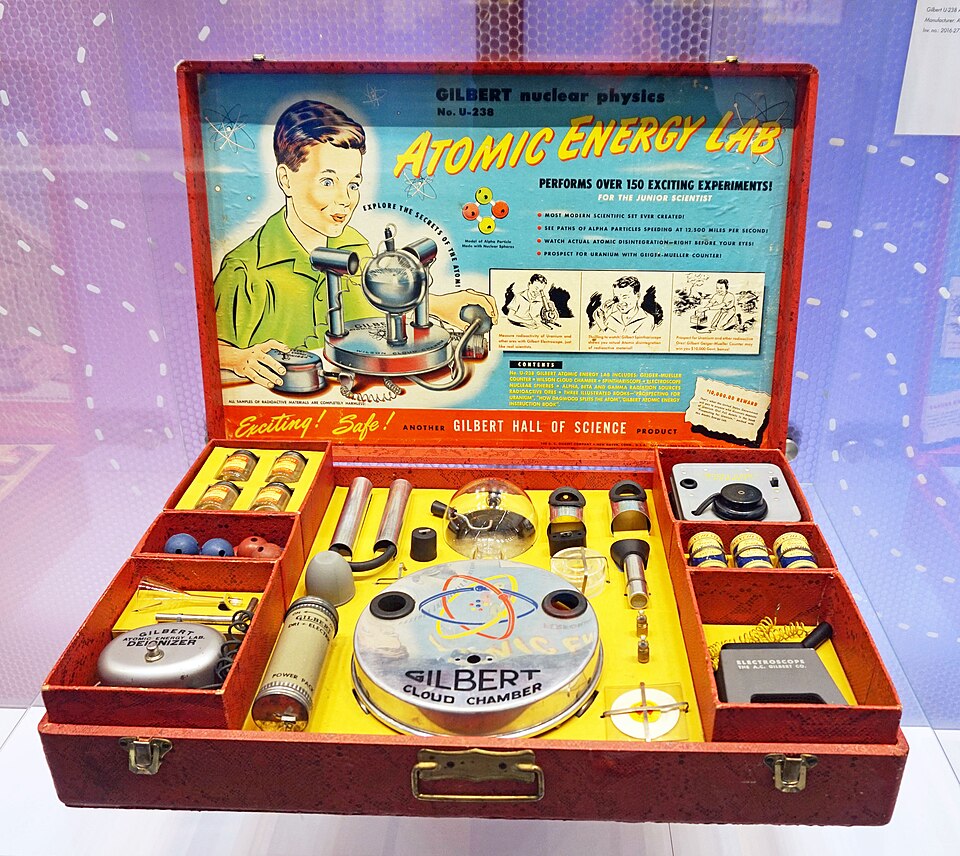
The Gilbert U-238 Atomic Energy Lab promised real science, complete with a Geiger counter and radioactive samples. It was sold as education, but it also normalized the idea that kids could handle hazardous materials at the kitchen table with a booklet, curiosity, and supervision, the exact conditions safety agencies plan for. Modern rules around radiation and hazardous substances would stop that concept immediately, because risk is judged by exposure pathways, breakage, contamination, and misuse, not by good intentions, and regulators now avoid putting any radioactive material into the toy category, even in tiny amounts.
BB Guns Marketed as Toys
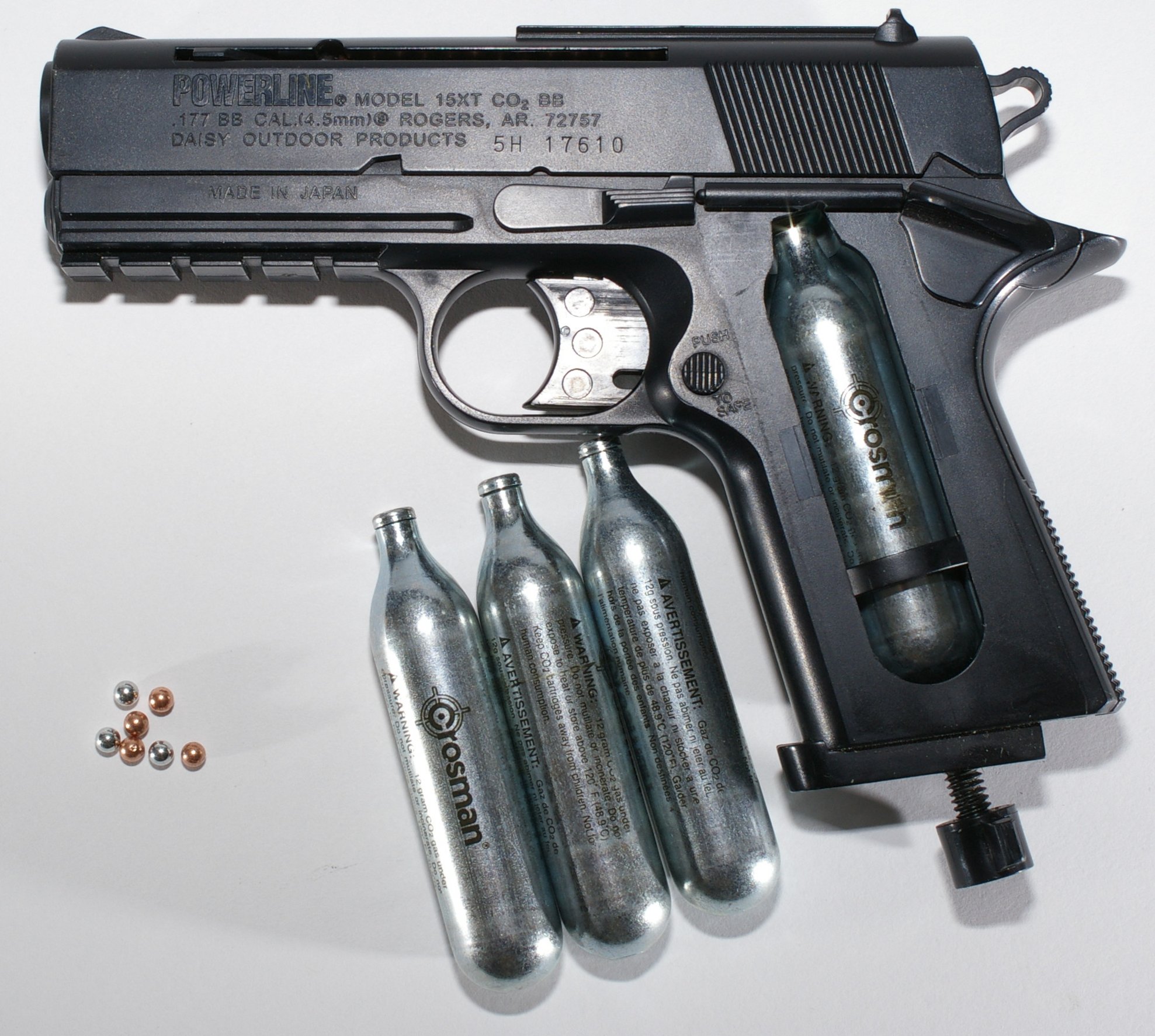
In the 1980s, BB guns were often merchandised like toys, sometimes with bright branding that blurred the line between play and a projectile weapon. Even when marketed as training, they could cause serious eye injuries, and their resemblance to real firearms created risks far beyond the backyard. Modern consumer safety and marketing rules draw a harder boundary: products capable of firing pellets are regulated, age restricted, and expected to carry clear warnings, and packaging that frames them as casual kids toys would be viewed as irresponsible at best and unlawful at worst, especially in jurisdictions that treat them as weapons.
Easy-Bake Oven (Original Models)
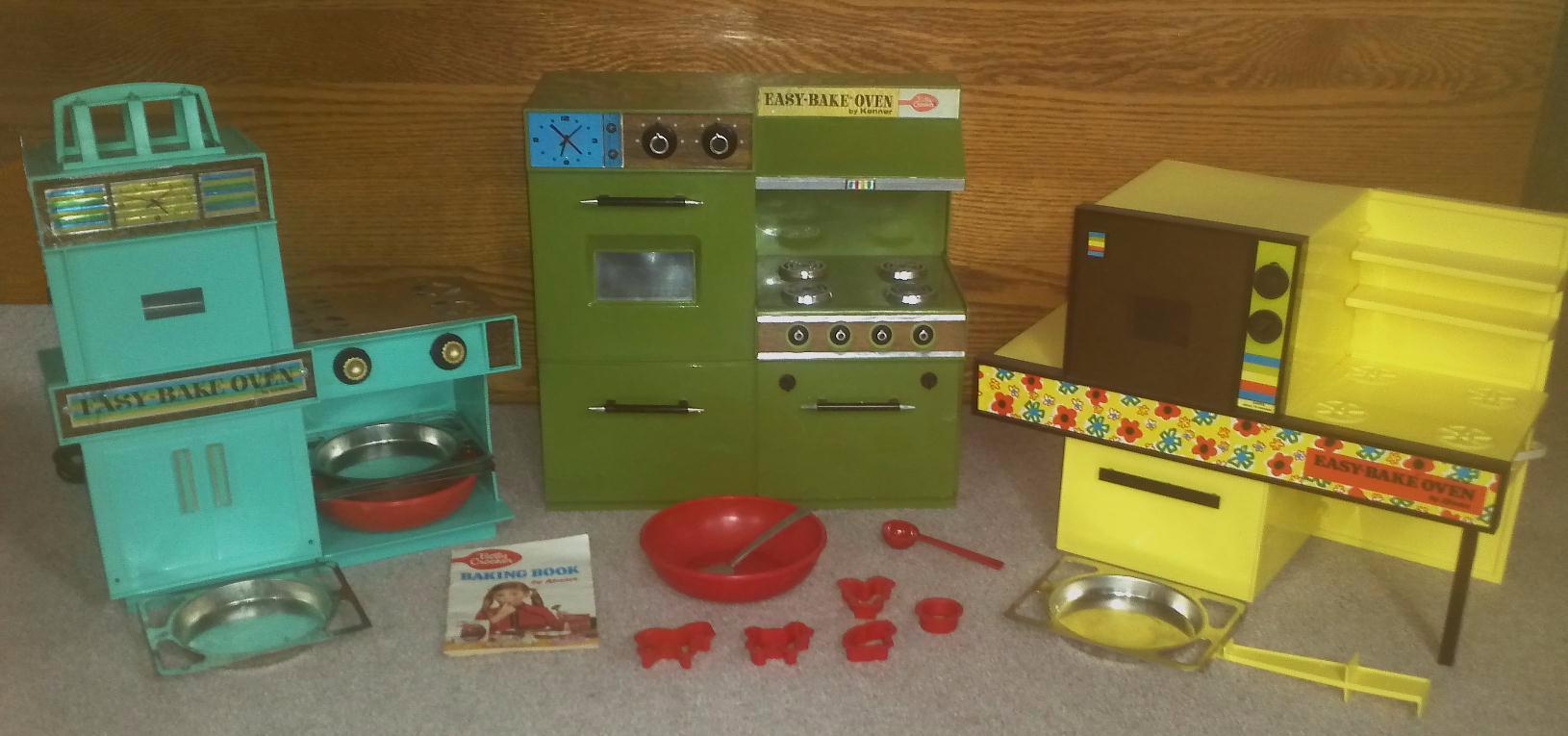
Early Easy-Bake Oven models used incandescent light bulbs as heat sources, which sounds quaint until the temperatures and burn potential are considered. Kids could touch hot surfaces, reach into cramped openings, and linger hands near heat while trying to pull out tiny pans, a setup that invites painful mistakes. The concept survived because it was redesigned, but the original approach would struggle under modern requirements for insulation, accessible surface temperature limits, and safeguards that reduce contact burns, because a children’s appliance has to stay safe even when patience and coordination are in short supply.
Chemistry Sets With Real Chemicals

1980s chemistry sets often felt like a junior lab, with glassware, powders, and liquids that could burn skin or irritate lungs if handled carelessly. The instructions assumed careful reading and adult supervision, but the audience was kids, which meant spills, mixed containers, and experiments that drifted off script. Modern children’s science kits still teach reactions, but they avoid corrosive or toxic reagents and lean on safer substitutes, because product rules now prioritize low hazard materials, clearer labeling, and packaging that anticipates misuse, not best case behavior, especially for kits marketed to preteens.
Toy Cap Guns With Explosive Caps
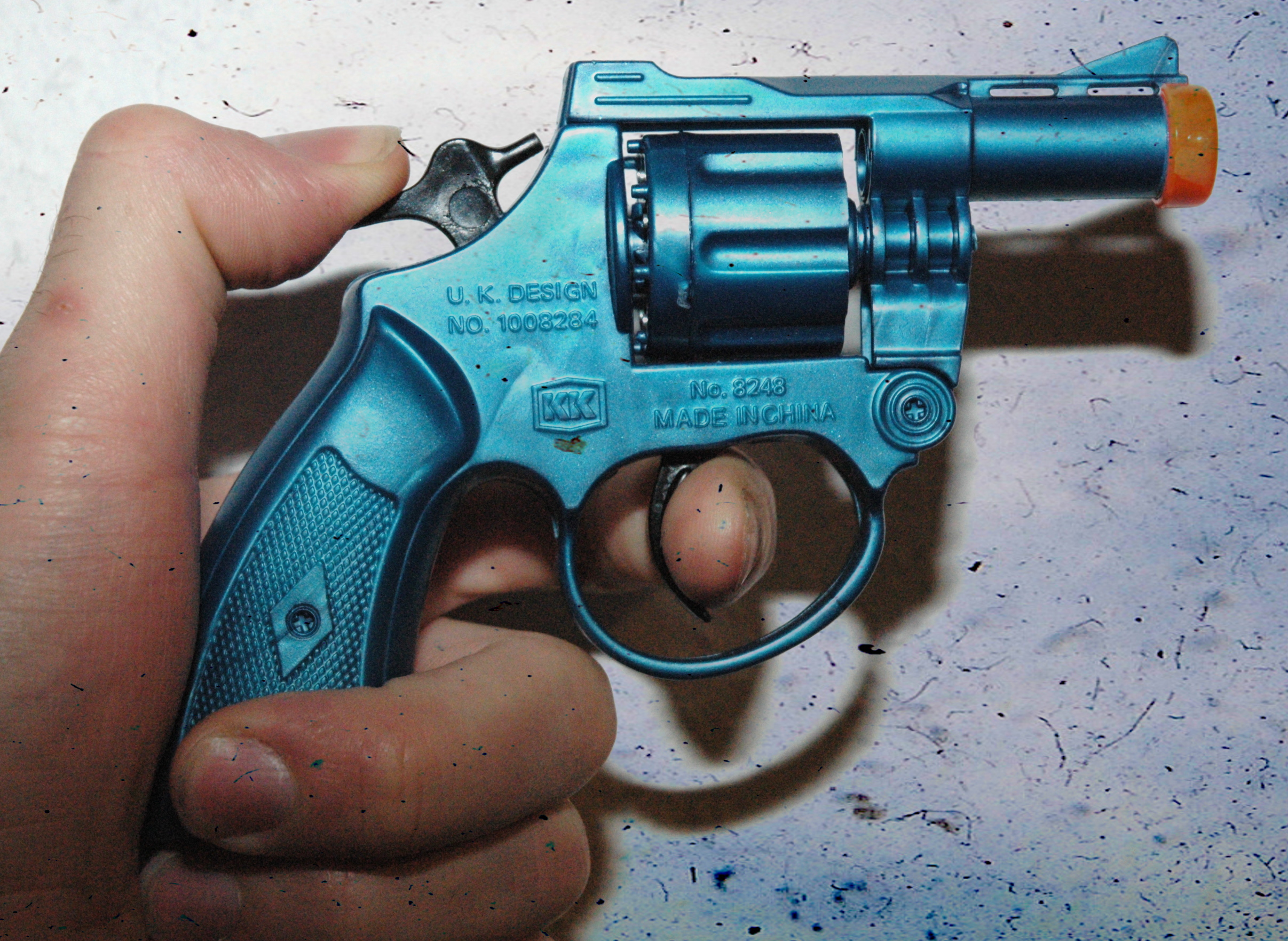
Cap guns delivered a loud bang through small explosive caps, often fired inches from the face in crowded driveways and schoolyards. Caps could cause minor burns, pop fragments, or be swallowed, and the noise level alone would raise eyebrows now, especially around very young children. Modern toy standards heavily restrict explosive components and require tighter controls on small parts, ignition systems, and labeling, so the classic cap gun experience would be forced into softer, quieter designs that lose the chemical snap that made it feel real, or it would be kept out of the toy aisle entirely in the first place.
Magnetic Building Sets With Loose Magnets
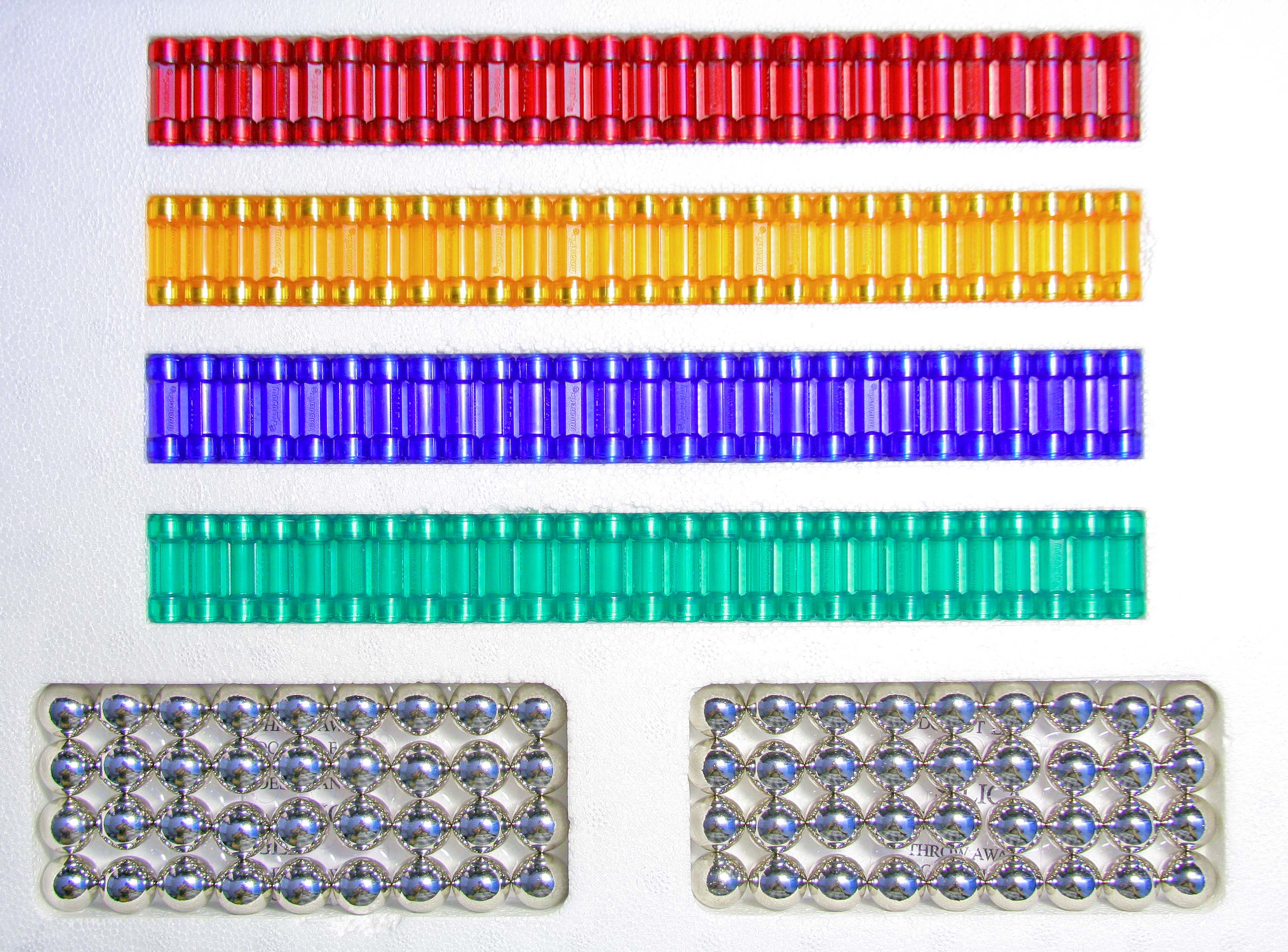
Magnetic building toys feel innocent because the pieces are small and the click is satisfying, but the risk is hidden in what happens when a magnet pops free. If more than one is swallowed, magnets can attract through intestinal walls, trapping tissue and causing severe internal injury. Modern rules focus on magnet strength, size, and retention, and many older-style sets would fail because they were not designed to survive years of drops, chewing, and rough storage. What looks like a tiny defect becomes a medical emergency, which is why modern sets are engineered to keep magnets locked in, not just glued on. For the long haul.
Inflatable Punching Bags With Weighted Bases

Inflatable punching toys were sold as harmless outlets for energy, usually a goofy character that sprang upright after every hit. The trouble lived in the base. Many were meant to be filled with sand or water, and leaks could turn play into a slippery mess, while stagnant water could sour and grow mold. Even when intact, the rebound could be unpredictable, snapping back into a child’s face at close range. Modern standards would demand tighter material specs, safer rebound behavior, and clearer age grading, because a toy designed for repeated impact has to fail gently, not violently. The stopper and plug must also stay put.