
Moves rarely fail because of one giant mistake. They fail because a small essential disappears into a sea of boxes right when timing gets tight. That is why experienced movers separate personal-carry items before tape goes on anything else. The truck can handle furniture delays. It cannot protect daily stability if critical items are buried.
The smartest rule is simple: if losing it would disrupt health, identity, access, or memory, it stays with the household, not the load. This approach reduces panic, protects first-night function, and keeps transition stress from compounding when traffic, weather, or scheduling shifts hit at once. Always.
IDs and Legal Documents
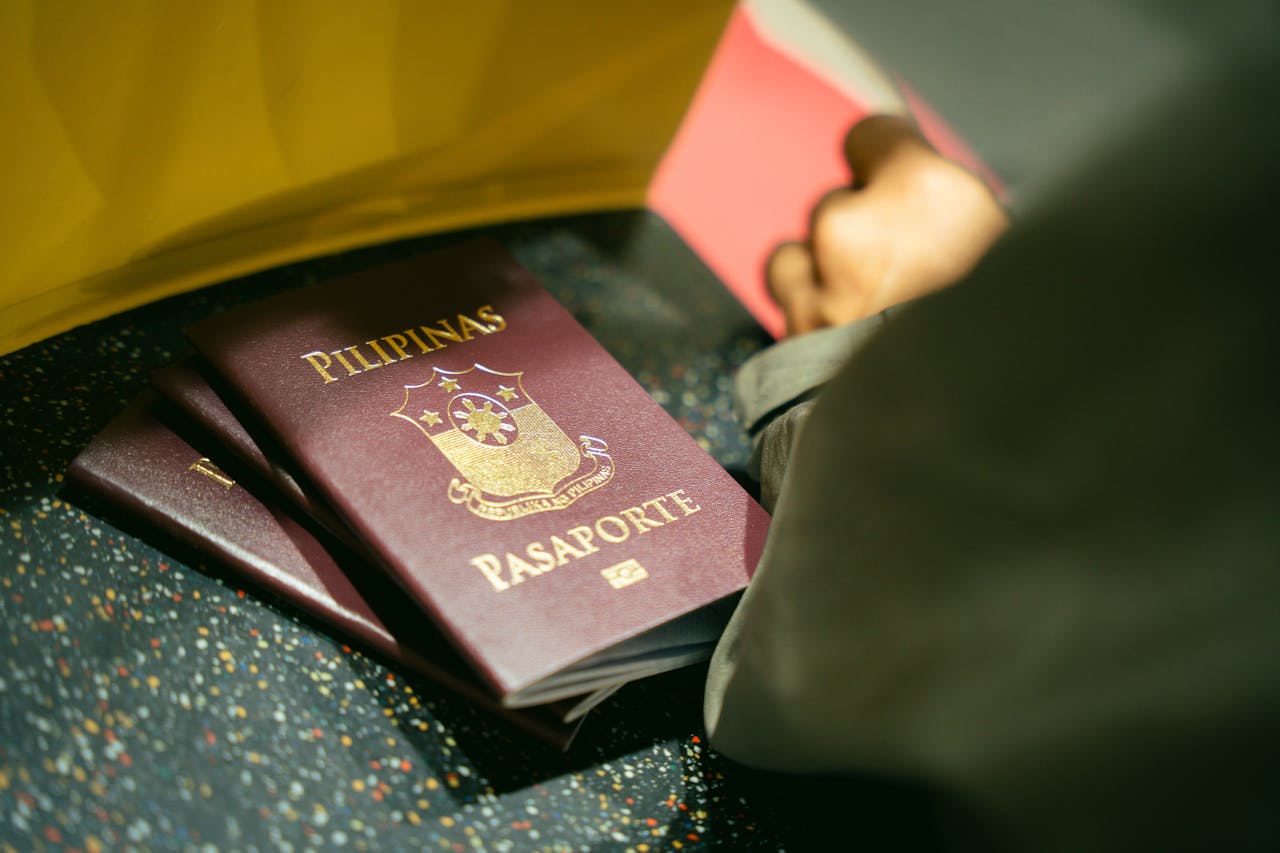
Passports, birth certificates, Social Security cards, and signed lease papers should never ride in the truck. If originals vanish, recovery can take weeks and delay school enrollment, banking updates, insurance claims, or closing steps. Copies help, but many agencies still require originals before any correction can move forward.
Keep originals in one waterproof folder with a short printed checklist, then store encrypted scans on a secure drive. Carry that folder in the personal vehicle and keep it within reach during check-in, key handoff, and utility setup. When offices open next morning, everything needed is ready without box hunting now.
Prescription Medications and Medical Devices

Prescription medicine, insulin, inhalers, hearing-aid batteries, and CPAP supplies should stay in a hand-carried essentials kit. Moving delays are common, and treatment schedules do not pause because a truck arrives late or a carton lands in the wrong space. One missed dose can turn a routine move into a long, preventable night.
Keep medications in original labeled containers and pack two days of backup quantities when possible. Add dosing notes, prescribing contacts, and a pill organizer for evening access after arrival. When fatigue peaks and stores are closed, this bag protects health, sleep, and decision-making under pressure every time.
Jewelry and High-Value Small Items

Jewelry, watches, rare coins, and collectibles are easy to misplace because they disappear inside ordinary cartons. Movers handle thousands of items under time pressure, and a velvet pouch can vanish in seconds if it blends into bedding or office supplies. Recovery becomes difficult once rooms fill with look-alike boxes.
Keep valuables in personal custody, photograph each piece before departure and store serial details in one file folder. If shipment is unavoidable, declare high-value items in writing and confirm coverage terms before pickup. Clear documentation protects claims and memory when an heirloom carries family meaning beyond price.
Cash, Cards, and Payment Records
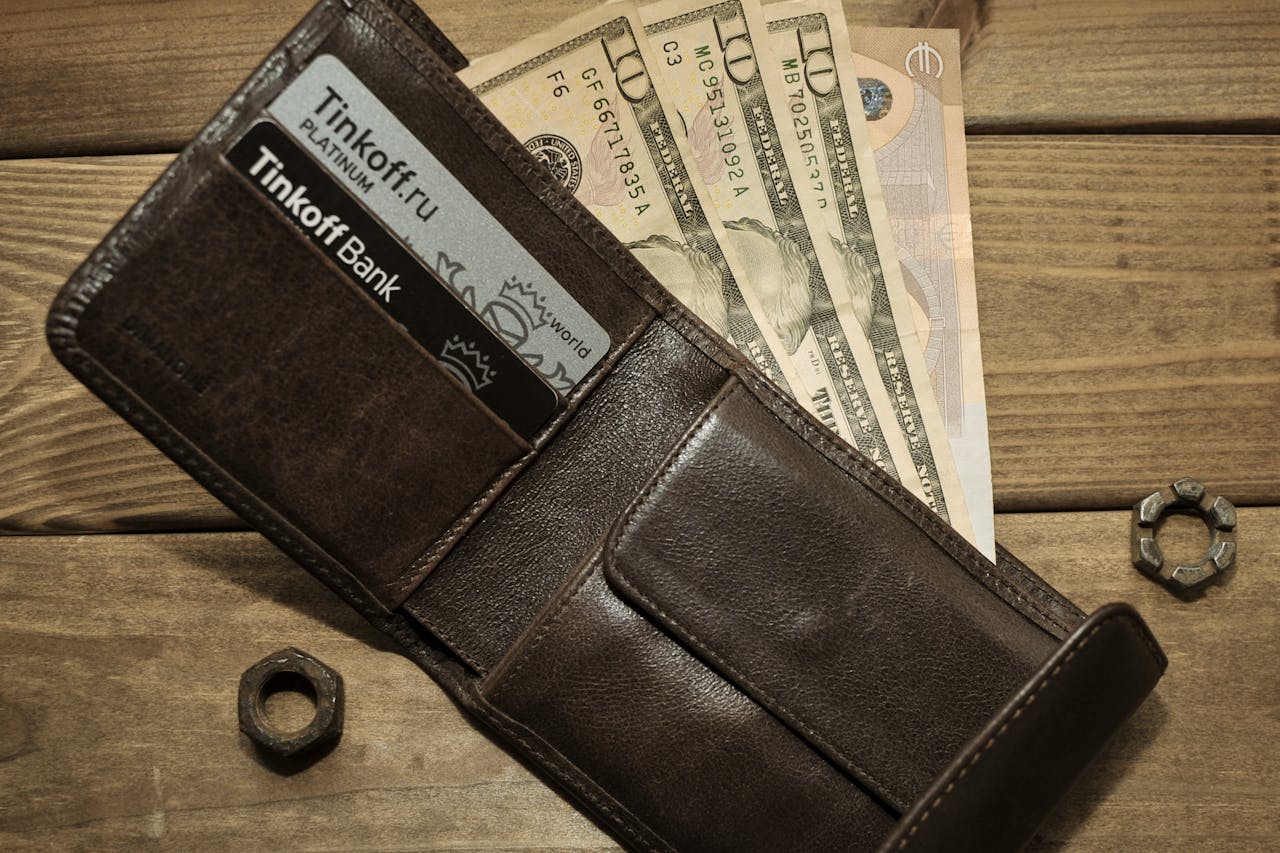
Cash, cards, checkbooks, and payment tokens should never be buried in kitchen cartons. Moving day creates surprise costs at odd hours, including fuel, tolls, tips, lock changes, and emergency hardware runs. When access to money gets delayed, small problems stack quickly and force rushed choices that increase stress.
Keep one travel wallet with cards, some cash, checks, IDs, and signed move documents. Save digital copies of key receipts and confirmation numbers so disputes can be handled without delay. Fast access to payment tools protects momentum, prevents late-night scrambling, and keeps first-day decisions clear and controlled from start.
Laptops, Drives, and Critical Data

Work laptops, external drives, camera cards, and tax archives should travel with the household, not with the cargo. Trucks are built for volume and speed, not for delicate electronics that fail after heat, impact, or moisture. A single missing drive can erase years of records that no insurance payment can rebuild.
Experienced movers treat data like a second move inside the first move. Active files are synced, one offline backup is carried by hand, and devices ride in padded cases with chargers. This layered plan turns a hardware incident into a manageable setback instead of a week-long emergency with lasting financial fallout for households.
Family Photos and One-of-a-Kind Keepsakes

Photo albums, handwritten letters, childhood drawings, and memorial keepsakes should stay out of truck stacks. Their market value may look modest, but their emotional value is irreplaceable. If one memory box gets crushed or misplaced, no claim payment can restore the stories attached to each page, crease, and signature.
Before moving week, scan fragile photos, place originals in acid-free sleeves, and label one dedicated memory case. Carry that case in the personal vehicle and keep it away from routine unloading traffic. Protecting these pieces preserves family continuity during change and gives the new home an immediate sense of belonging.
Keys, Fobs, and Access Tools

Keys and access tools cause outsized chaos when they disappear into random boxes. One missing pouch can block entry to the new home, garage, mailbox, storage room, and community gate all at once. By evening, a simple mix-up turns into locksmith calls, extra fees, and exhausted searching when everyone is already drained.
Pack one labeled key kit with old-home keys, new-home keys, mailbox keys, remotes, alarm codes, and spare batteries. Keep that kit with phones and wallets from departure through first-night lockup. A two-minute key check before loading prevents costly detours and makes move-in night feel controlled instead of chaotic tonight.
Pet Essentials and Records

Pet essentials should never be buried in cargo because relocation days disrupt routine fast. Leashes, medications, food, vaccination records, and comfort items need fast access when doors stay open and noise levels spike. A delayed box can leave an anxious animal without familiar cues during the most disorienting part of the move.
Prepare one pet go-bag with two days of food, water tools, waste supplies, meds, and a blanket that smells like home. Keep carriers and leads near the family vehicle so transitions stay calm at stops and check-ins. Simple preparation reduces escape risk, protects health, and helps pets settle sooner in a new space.
Hazardous and Perishable Household Items
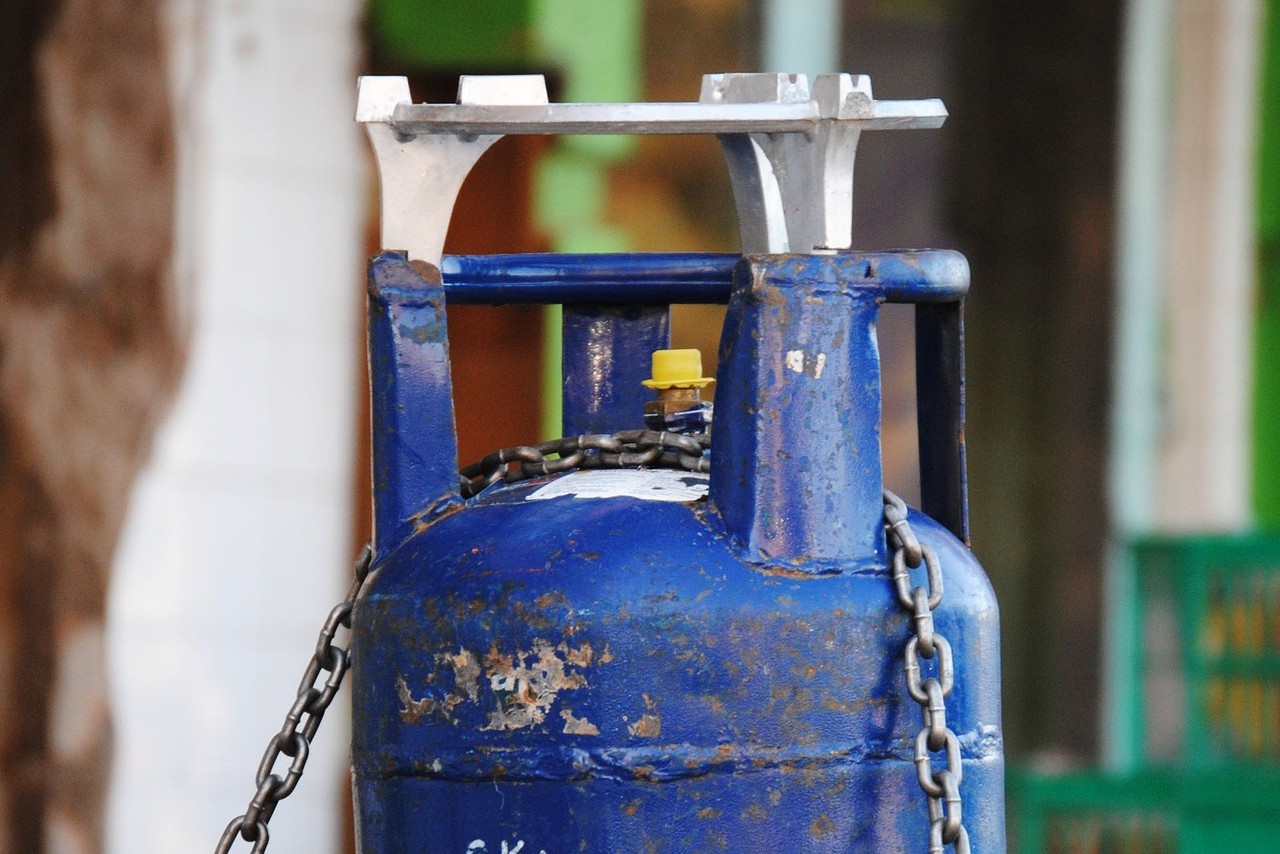
Hazardous and perishable items are poor candidates for moving trucks. Leaking cleaners, fuels, propane canisters, fireworks, and spoiled food can damage cargo, threaten safety, and trigger cleanup costs that exceed the value of what was packed. Risk climbs on long routes with heat, delays, and repeated handling.
Sort risky products before loading day, then use local disposal rules for household hazardous waste. Plan a food drawdown during the final week so refrigerators and pantries are clear at pickup. Removing unstable items protects people, prevents contamination, and keeps the first box opened in the new home clean and useful on arrival.