
Across flea markets, estate sales, and late-night auction apps, nostalgia now wears a clean, cozy label. A chipped crock, a painted jar, an old crib rail, each object arrives with a story about simpler living, careful hands, and family memory. Yet the price tags climb while repairs, testing, and safe-use upgrades stay hidden until the purchase is done. The emotional pull is real, especially when homes feel disposable and mass-made. Still, many vintage hunts burn cash fast, not because history lacks value, but because sentiment often outruns condition, standards, and practical use. That gap is where budgets quietly unravel.
Antique Canning Jars With Original Lids

Old canning jars with original lids feel like a smart, wholesome score. Sellers often price the full set high because it looks pantry-ready and complete. Yet the metal parts are usually the weak point: gaskets age, rings warp, rust hides in threads, and seal reliability drops before anyone sees it.
The budget leak shows up fast. Fresh lids, better bands, and a few replacement jars often cost nearly as much as the initial purchase. Home-canning guidance also says one-time lids should not be reused, so many prized originals end up as display only in real use. The story feels rustic and thrifty, but the final spend rarely is.
Painted Kitchen Canisters With Unknown Glaze
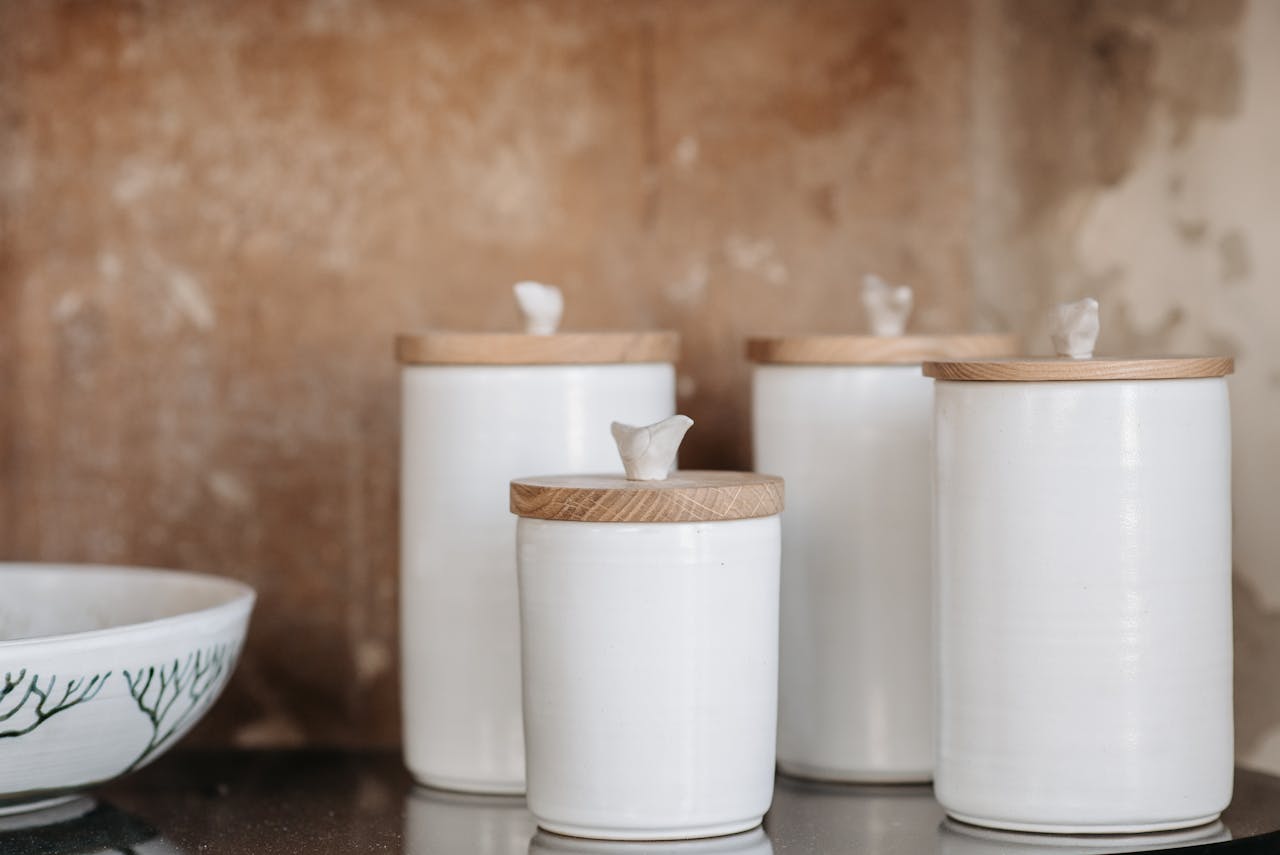
Painted canisters and old cookie jars are sold as kitchen nostalgia with useful storage built in. They look warm on open shelves and seem like easy replacements for plain bins. But the buying decision often skips one hard question: whether aging glaze and interior surfaces are dependable for daily food contact.
That omission gets expensive. Households then buy test kits, safe inserts, or modern backups for flour, rice, and sugar. Food safety guidance has warned that some ceramic ware can leach lead under use, especially when finishes are damaged. The cozy aesthetic survives, but the budget now carries two systems instead of one.
Mid-Century Glass Bakeware Display Sets

Mid-century glass bakeware is pitched as nostalgia that still works hard in the kitchen. Listings celebrate pattern, color, and family memory, then quietly imply each piece is oven-ready. Many sets are not: lids are missing, sizes are odd, and visible wear turns a practical buy into a cautious maybe.
Money drips out through small fixes. Buyers chase matching lids, duplicate common sizes to complete stacks, and replace chipped pieces that looked fine online. In the end, modern bakeware is often purchased for daily cooking while the vintage set stays on display. What started as wholesome upgrade becomes two bills and half the utility.
Heirloom Cribs and Vintage Nursery Pieces
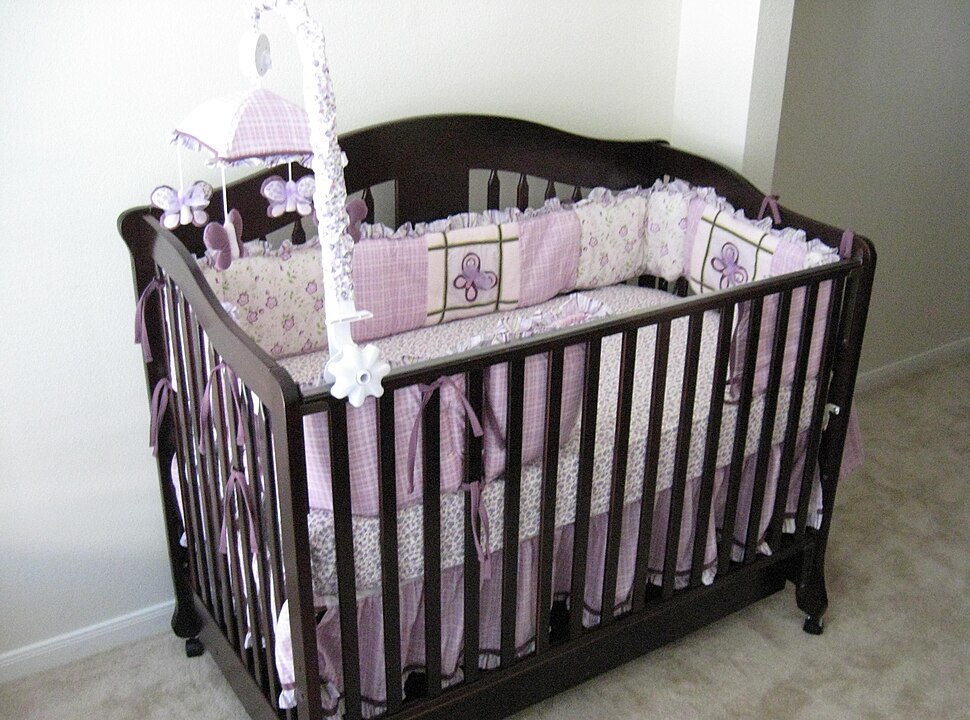
Heirloom crib hunts feel deeply meaningful. Listings lean on words like sturdy, timeless, and lovingly kept, so buyers pay for memory as much as woodwork. That framing can hide a hard truth: older nursery pieces often miss current safety standards, even when they still look solid.
The extra costs come quickly through compliant mattresses, replacement hardware, refinishing, and inspection. U.S. safety rules banned drop-side crib designs after repeated serious incidents, so many vintage cribs are no longer suitable for sleep use or resale. What seemed like a heartfelt, wholesome investment often ends with a new crib purchase anyway.
Old Lockers and Painted Industrial Cabinets
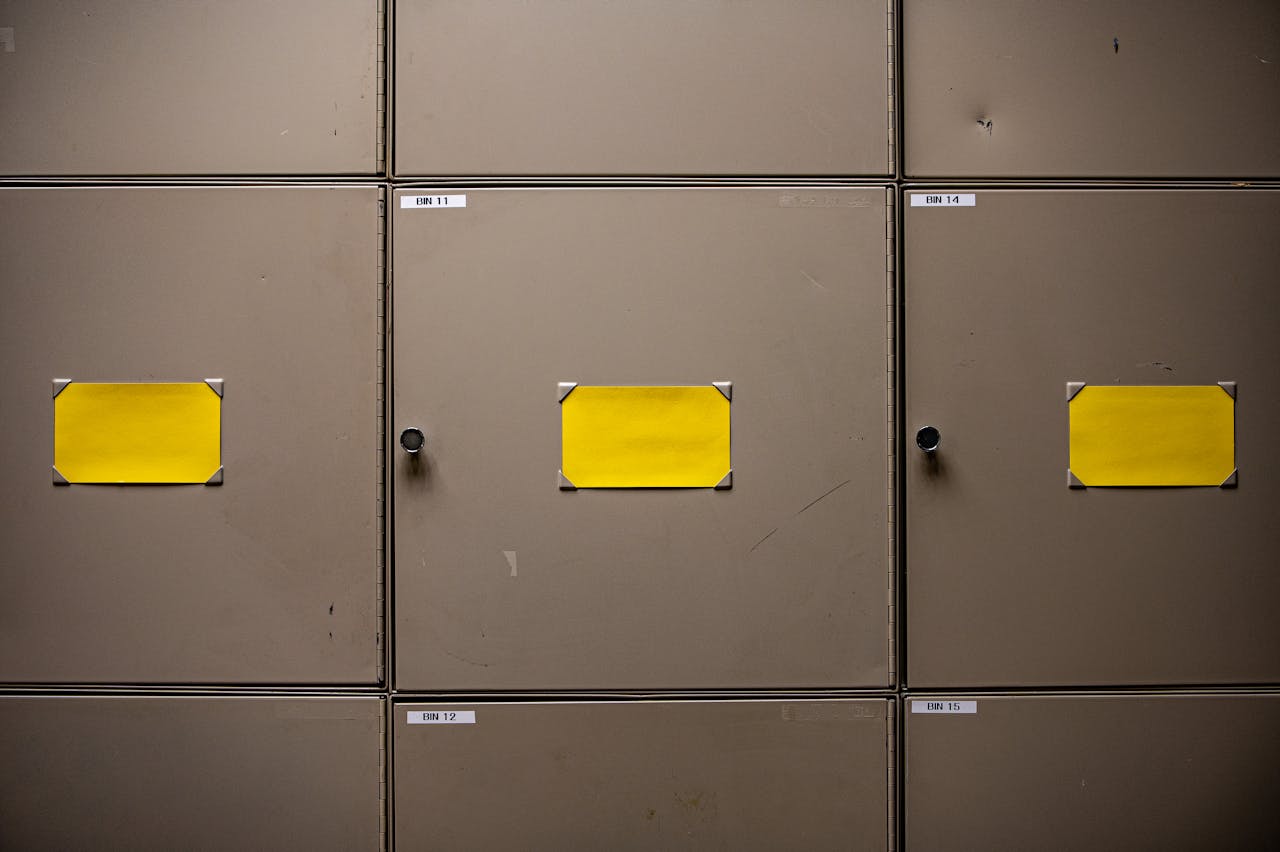
Old lockers and metal cabinets are marketed as instant character for entryways and studios. Chipped paint and stamped labels are treated as patina, so prices rise even when condition is rough. After purchase, reality appears: rust, sharp edges, and unstable paint make home use less simple than promised.
Restoration bills stack through stripping, sealing, rust control, and fresh liners. Lead-based coatings are more likely in older painted items, especially from the pre-1978 era, so careful handling and finishing matter. The final piece can look excellent, but the low-cost wholesome flip usually disappears in labor and materials.
Retro Table Lamps With Original Wiring
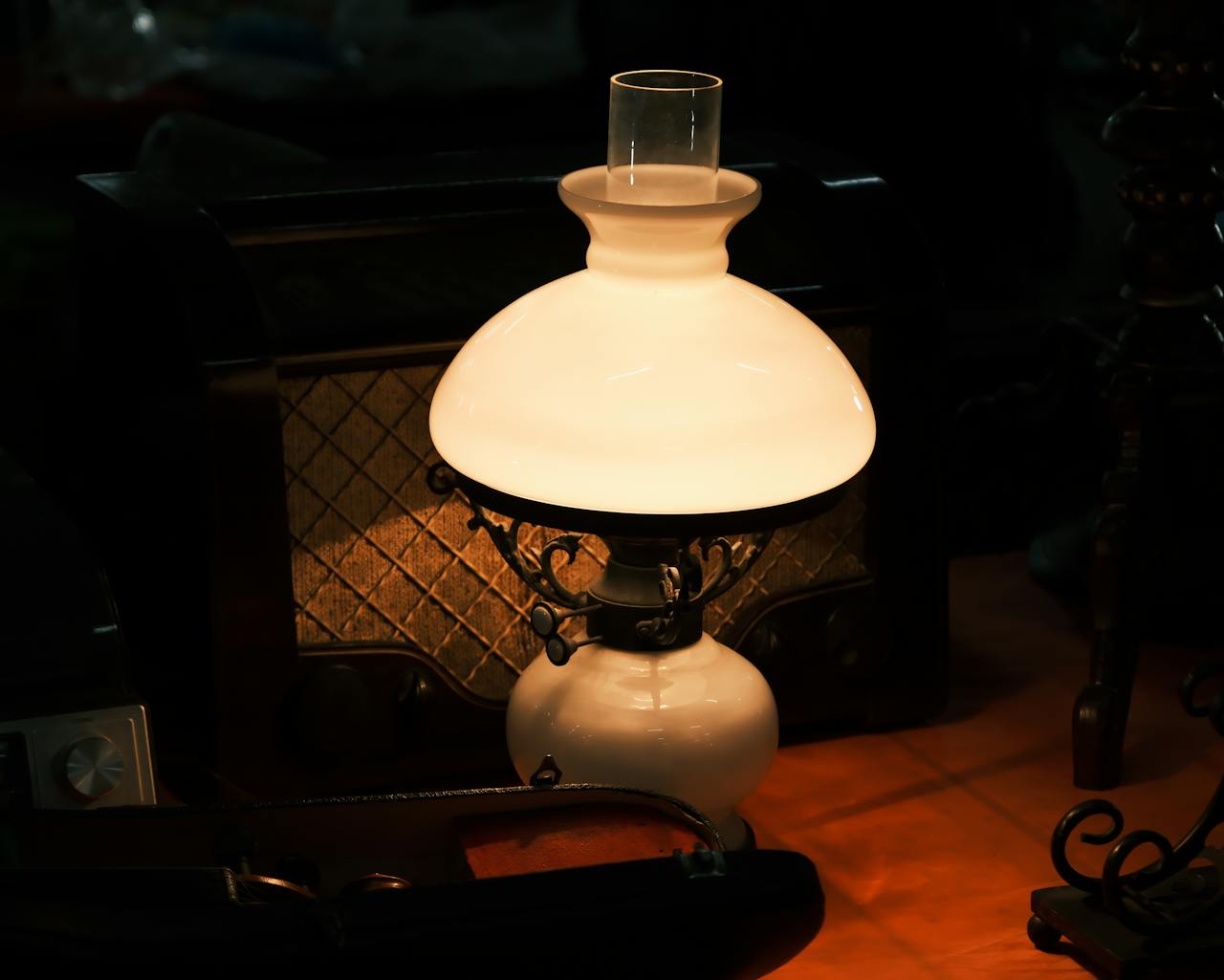
Vintage lamp hunts seem sensible because one piece adds both light and character. Pleated shades and old brass bases feel warm, so buyers pay premium prices for lamps that look plug-and-play. Trouble starts when brittle cords, loose sockets, and improvised past repairs appear after the purchase.
Costs rise through rewiring, safer plugs, replacement switches, and shade fitting. Safety agencies note that damaged cords and overloaded temporary wiring can increase fire risk, so older lighting needs inspection before daily use. The final look can be lovely, but the low-cost wholesome promise often fades with the first electrician visit.
Farmhouse Dough Bowls and Churn Decor

Farmhouse hunts often focus on dough bowls, churns, and prep tools sold as humble kitchen heritage. That wholesome framing makes high prices feel justified even when condition details are thin. Provenance is the costly gap: uniform distressing, repeated patterns, and fresh wear marks can point to modern reproductions.
Money slips out again through appraisals, comparison buys, and upgraded pieces with better history. Even genuine older wood may have cracks, dryness, or hygiene limits that keep it in display duty instead of daily prep. The look remains warm and nostalgic, but the spend often buys a story first and function second.
Mechanical Typewriters Sold as Working
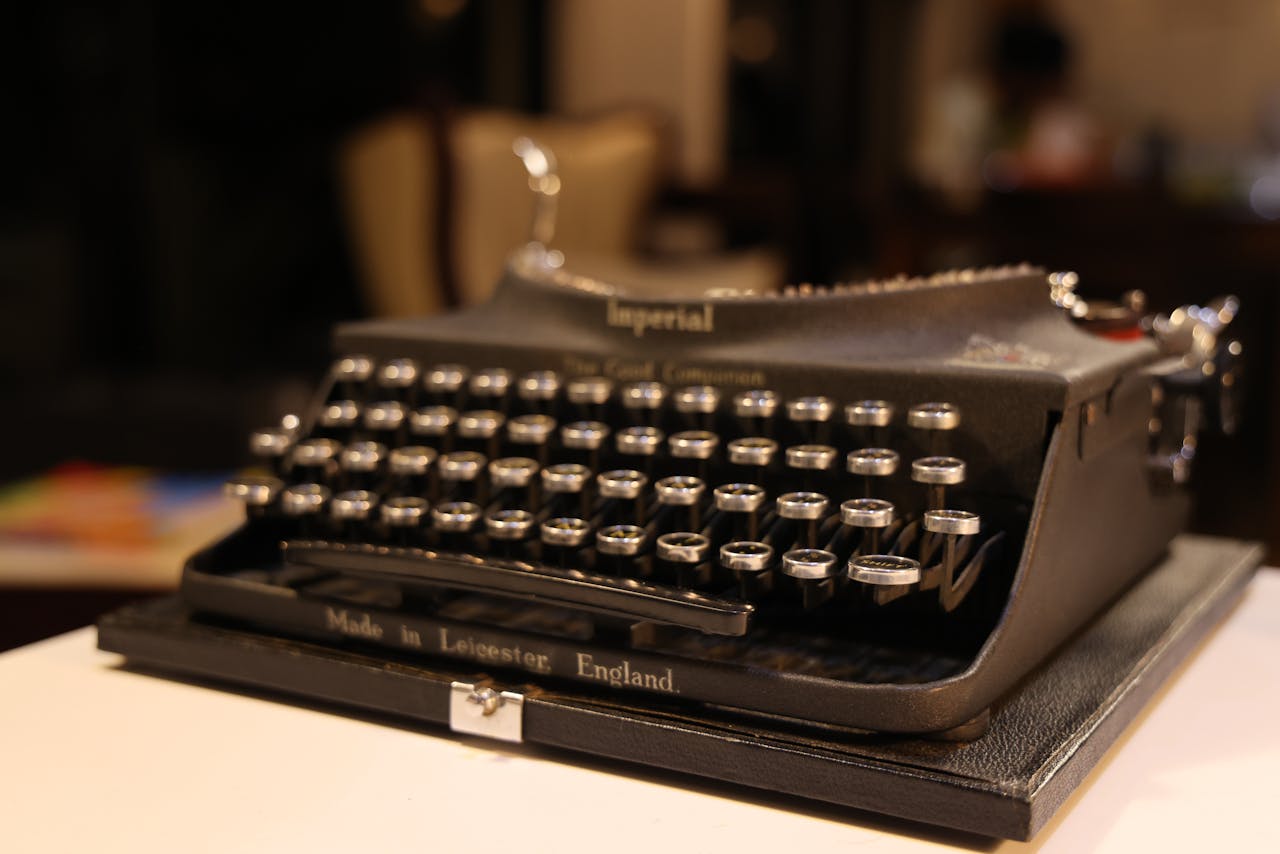
Mechanical typewriter hunts are sold as mindful and wholesome, with slower writing and less digital noise. Listings often say working after a few test taps, so buyers pay high prices for color and nostalgia. Real performance is stricter: stable alignment, smooth carriage motion, and clean typebars over full pages.
Service costs pile up through deep cleaning, adjustment, ribbons, and specialist shipping. Minor defects seen online can become major friction in daily writing, especially on less common models with thin parts supply. The analog dream can still be rewarding, but the money drain often starts before the first finished letter.
Vintage Sewing Machines Marketed as Easy Flips
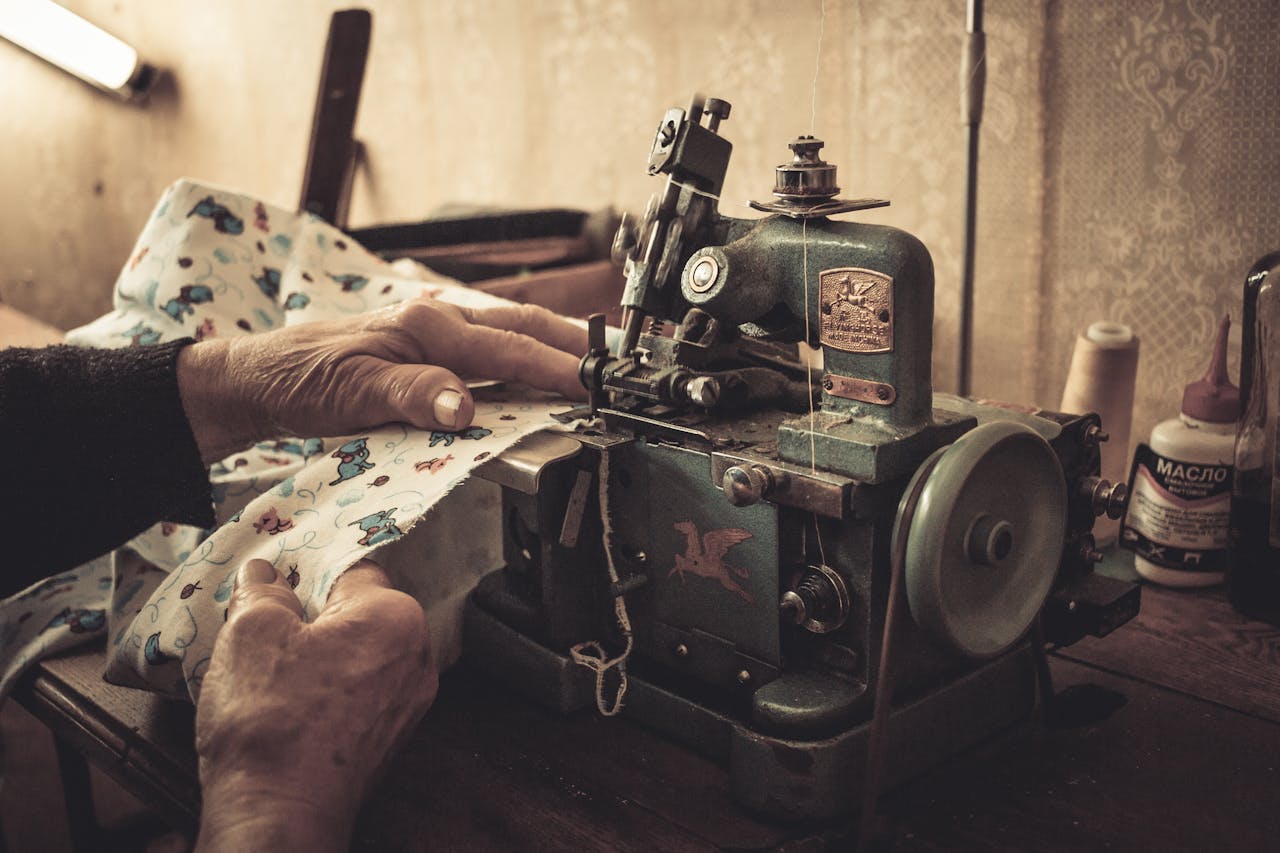
Vintage sewing machines are pitched as practical nostalgia and easy side-income tools. Ornate decals and sturdy cabinets make listings feel like smart buys for hobby work or quick resale. Hidden issues usually sit in belts, motors, wiring, and feed systems, and many flaws are invisible in styled photos.
Costs climb through tune-ups, replacement parts, specialized feet, cabinet repairs, and heavy transport. Some models still have decent support, but others demand slow parts hunting that drains time and cash. The machine can still become a beloved heirloom, though the wholesome bargain story often ends as a long restoration project.