Across centuries, people watched animals for warnings when medicine failed and storms arrived unannounced.
Some sightings felt too timed to ignore, so a bird call or shadow became a message about loss.
Folklore turned those moments into rules: see this creature, hear that cry, expect bad news soon.
Even now, a night visitor can spike the pulse, because old stories travel easily through families.
Many so called omens also make sense in nature, like scavengers near illness or predators near silence.
Fear sticks when it offers control, giving grief a script before grief even has a name for it.
Movies and memes keep the symbols fresh, so the superstition feels modern even when it is ancient.
These animals are not villains, but their reputations reveal how humans explain death, danger, and chance.
Ravens and Crows
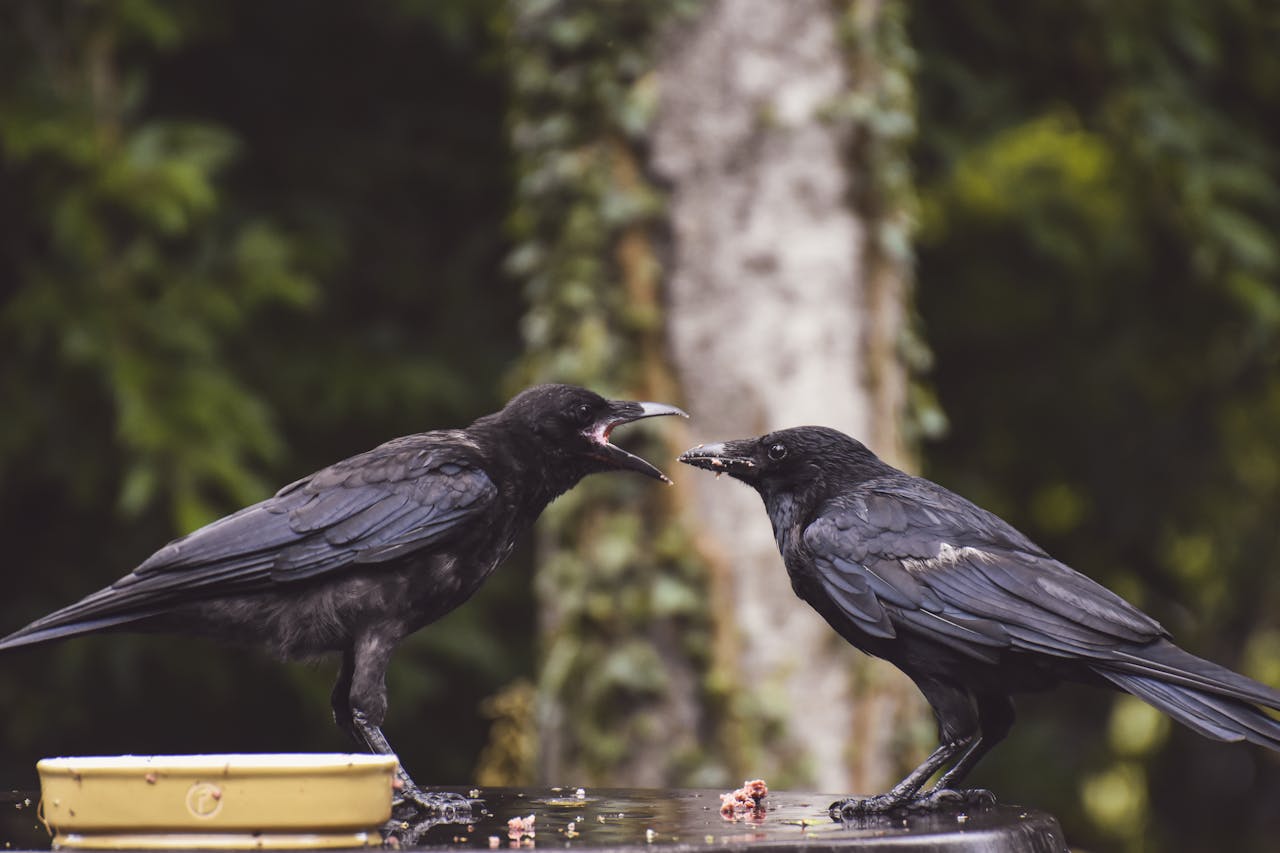
Dark feathers and sharp calls made crows and ravens easy to blame when death followed a village rumor.
They gathered where carrion existed, so wars, sick livestock, and harsh winters often put them nearby. That proximity looked like prophecy.
Many cultures still treat a lone crow on a roof as a countdown to grief, not a coincidence.
In reality they are smart scavengers reading the landscape for food. The real warning is what they are responding to, not the bird.
Owls at the Window
Owl calls cut through night like a siren, and many traditions hear them as a death notice delivered in feathers.
In parts of Europe, Asia, and the Americas, an owl near the home has been tied to funerals, curses, and restless spirits.
The logic is emotional: night belongs to the unknown, and an animal that owns the dark feels like it knows too much.
Barn owls also hunt where rodents live, so farms, attics, and old buildings become regular stops.
When an illness keeps a household quiet, people notice every sound more sharply, including that raspy screech outside.
Some species call more during breeding season, which can overlap with colder months when communities already feel vulnerable.
Their faces look human to the brain, a trick of symmetry that makes the stare feel personal and uncanny.
Knowing the biology does not erase the chill, but it shifts the story from omen to neighbor doing its nightly work.
Bats in the Eaves
Bats became linked to death through disease scares, vampire myths, and the simple fact that they fly when people cannot see well.
A bat in a room was once read as a soul trying to leave, especially in places where candles were the only light.
They also roost in abandoned structures, and abandoned places are where communities expect bad things to happen.
During outbreaks, rumors travel faster than science, so bats get blamed for sickness even when the chain of spread is unclear.
Yes, some bats can carry pathogens, but most avoid humans and spend their nights eating insects that bother everyone else.
When they swarm at dusk, it can feel like a curtain closing on the day, which feeds the omen feeling.
The best response is practical: seal entry gaps, never handle a grounded bat barehanded, and let wildlife pros do removals.
Black Cats Crossing the Path
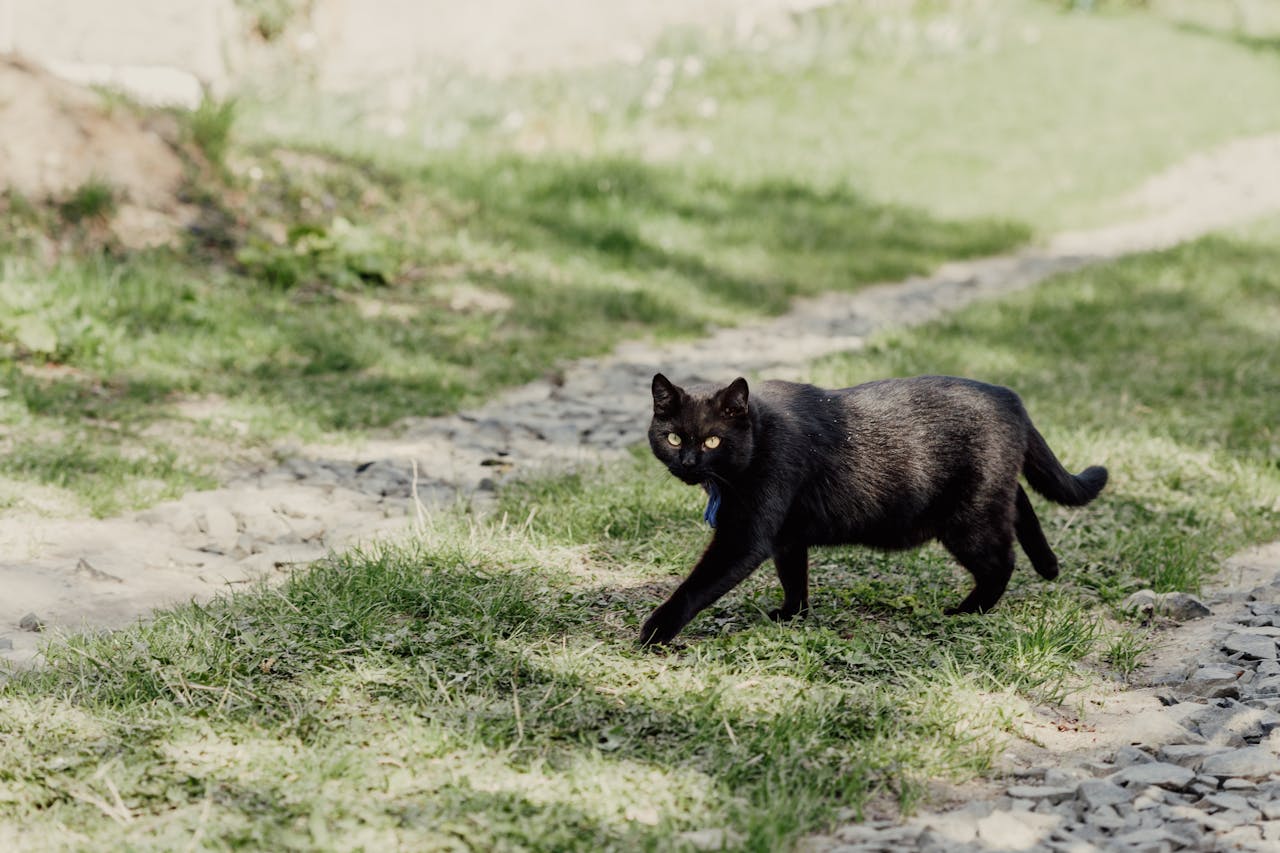
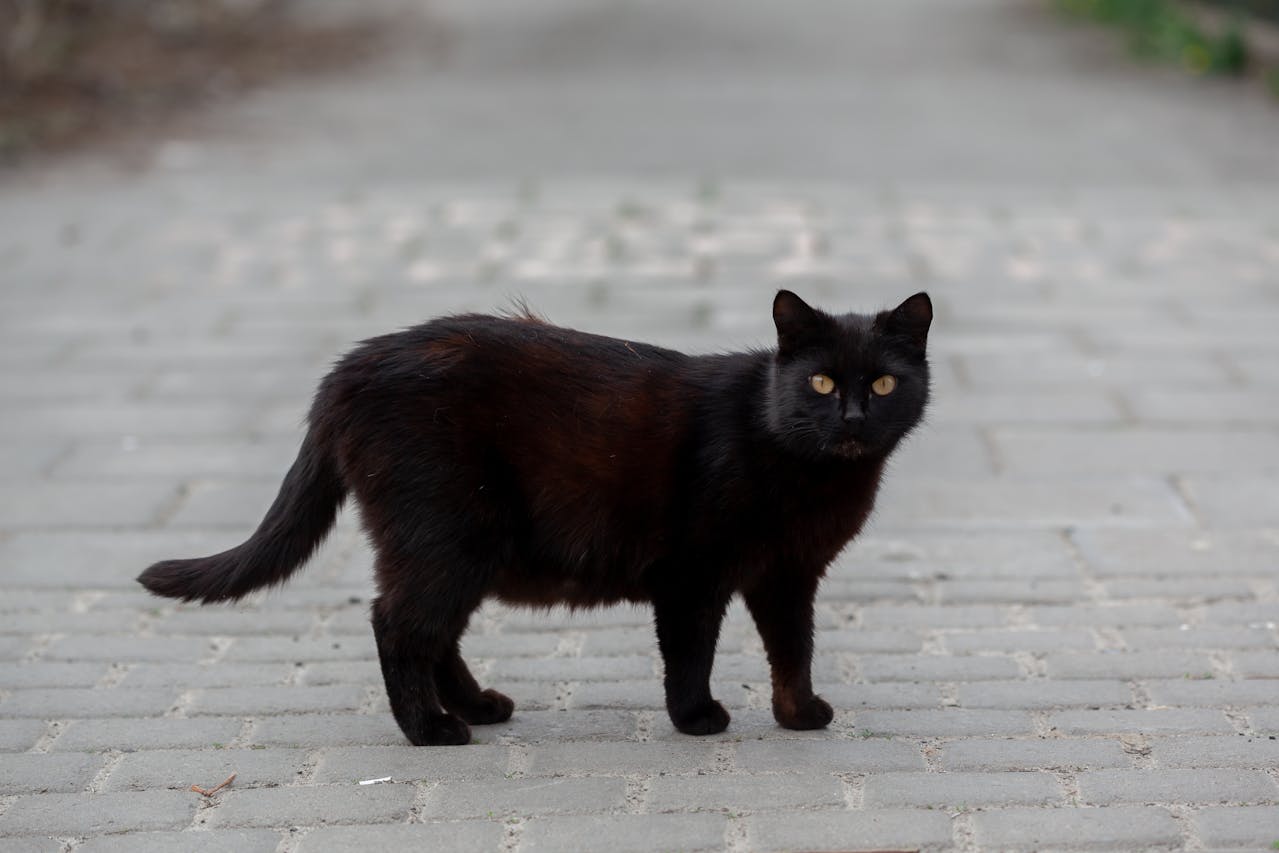
Black cats got dragged into death lore during witch hunts, when fear needed a face and the night colored fur fit the role.
A cat slipping across the road became a test of fate, and people still change routes to avoid tempting bad luck.
In some countries the same cat is a blessing, which shows how quickly superstition can flip with geography.
The darker side is real world harm: black cats are sometimes avoided at shelters because myths still shadow them.
If anything, they are ordinary cats with a dramatic coat, and the only power they hold is the story humans project onto them.
Dogs Howling at Night
A dog howl can sound like mourning before the loss, which is why many families treat it as a warning from the edge.
Folklore often says dogs see spirits, so a howl becomes proof that something unseen is pacing outside the door.
Sometimes the trigger is simple: a distant ambulance, a train horn, or another dog starting the chorus.
Dogs also howl when stressed, lonely, or reacting to a change in routine, like a caregiver staying up late.
When a household is already worried about someone sick, that howl lands like a verdict instead of just noise.
The grounded approach is kinder to everyone: check the dog, reduce triggers, and remember that coincidence feels meaningful during fear.
Moths on the Lamp
A big moth battering a porch light has long been read as death knocking in miniature at the door.
Some traditions connect moths to souls, because they appear suddenly, circle the flame, and vanish without a trace. That exit feels symbolic.
The famous death’s head hawkmoth added fuel to the fear with its skull like marking and eerie folklore.
Most moths are simply pulled by light and heat, especially in warm months. Turn off bright bulbs and the omen usually disappears too.
Vultures Circling Overhead
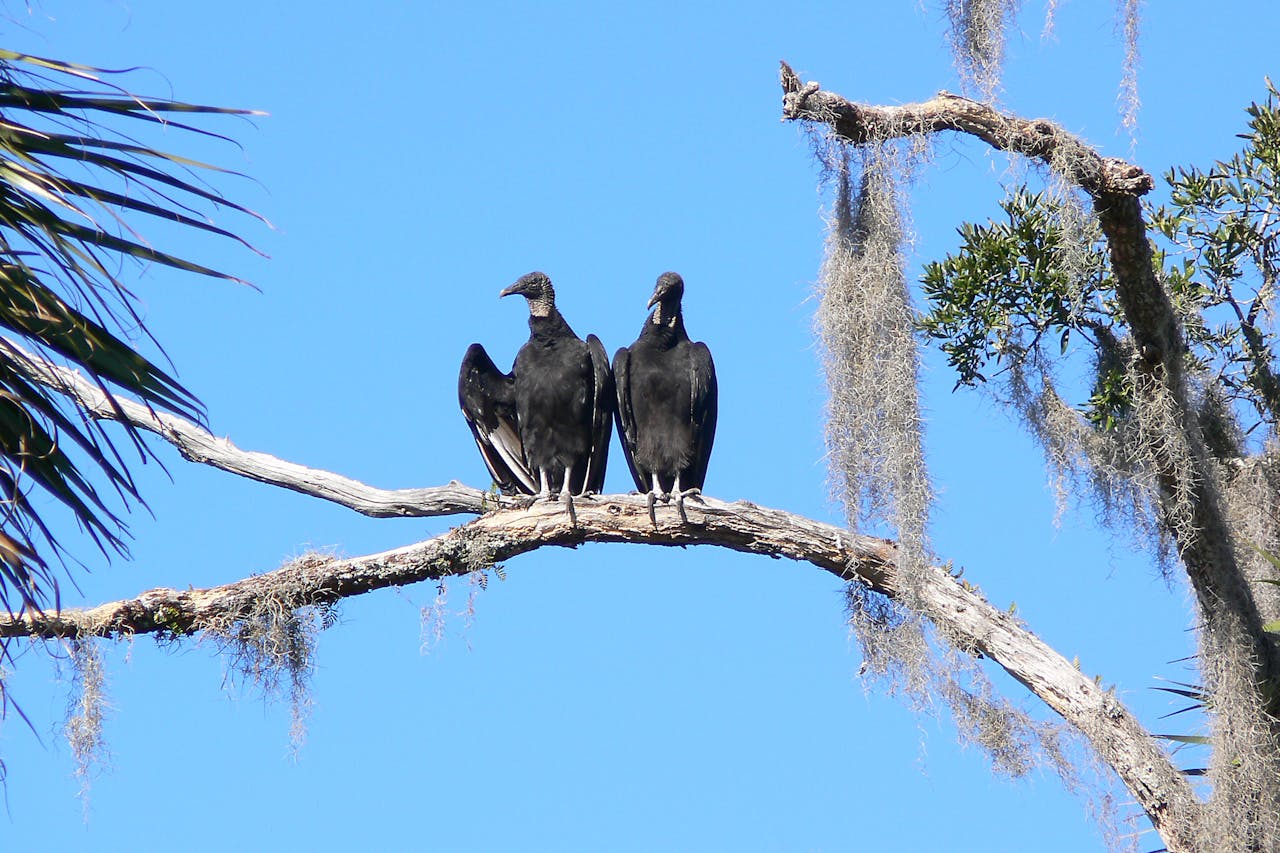
Few sights feel more final than vultures circling, because the brain reads the pattern as waiting for something to die.
Stories turned that flight into a countdown, especially on battlefields and along roads where accidents were common.
Vultures are nature’s cleanup crew, and they circle to ride rising air while searching for a meal, not to forecast whose name is next.
Snakes in the House
A snake appearing indoors is one of the oldest death signs, because it breaks the boundary people rely on for safety.
Some cultures treat it as a spirit messenger, while others see it as punishment for past wrongs. Either way, the meaning lands heavy.
Even a harmless species can trigger panic, and panic is where bites, falls, and bad choices happen fastest.
Most snakes enter while hunting mice or escaping heat, cold, or floods. Keep distance, block entry points, and call local handlers instead of guessing.