Science has saved lives, lengthened lifespans, and helped humanity understand itself. But the record is not clean. Some experiments crossed ethical lines, treating people as disposable data and suffering as acceptable collateral. These cases still matter because they shaped modern rules on consent, oversight, and human dignity.
Looking back is uncomfortable, and it should be. The point is accountability: who had power, who paid the price, and what systems allowed harm to continue. From wartime atrocities to state-backed abuse and reckless medical theory, these stories show what happens when curiosity, ideology, or fear outruns conscience.
Unit 731 and the Industrialization of Cruelty
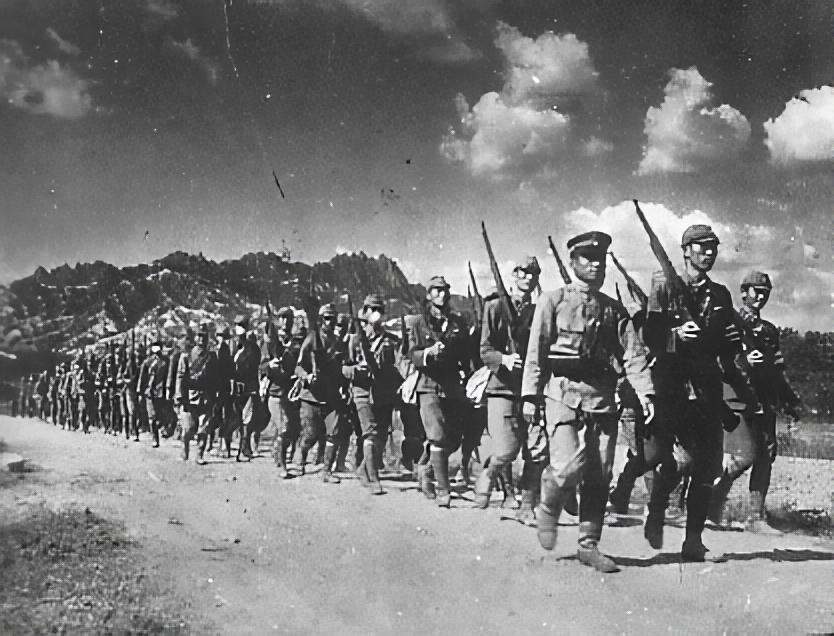
Unit 731, a branch of Japan’s Imperial Army, carried out lethal human experimentation during the 1930s and 1940s in occupied China. Prisoners and civilians were used in biological and chemical warfare research under military command, with Shirō Ishii as a central figure. The scale and brutality were vast, and the harm reached far beyond one compound. The episode is now recognized as one of the darkest chapters in wartime medical history.
For years, full public reckoning was delayed. Later documentation and scholarship helped establish how systematic the program was and why accountability remained incomplete. The surviving site at Harbin now works as warning as much as museum: technical knowledge without ethics can become organized violence.
Tuskegee and the Betrayal of Medical Trust
In 1932, US public health officials launched what became the Tuskegee Study of Untreated Syphilis in the Negro Male. Men were told they were receiving care, while treatment was withheld and the disease was observed over decades. The project continued even after penicillin became standard therapy.
What failed first was not science but honesty. Consent was absent, language was deceptive, and race shaped whose suffering was treated as acceptable.
The study was exposed in 1972, and public outrage forced its end. The damage, however, did not end with the program itself. Families absorbed medical harm, communities absorbed mistrust, and institutions spent generations trying to rebuild credibility.
In 1997, President Bill Clinton issued a formal apology to survivors and families at the White House. The apology mattered, but it did not erase that public institutions had knowingly violated basic human rights under the cover of research.
Dolly and the Ethical Shock of a Legitimate Breakthrough
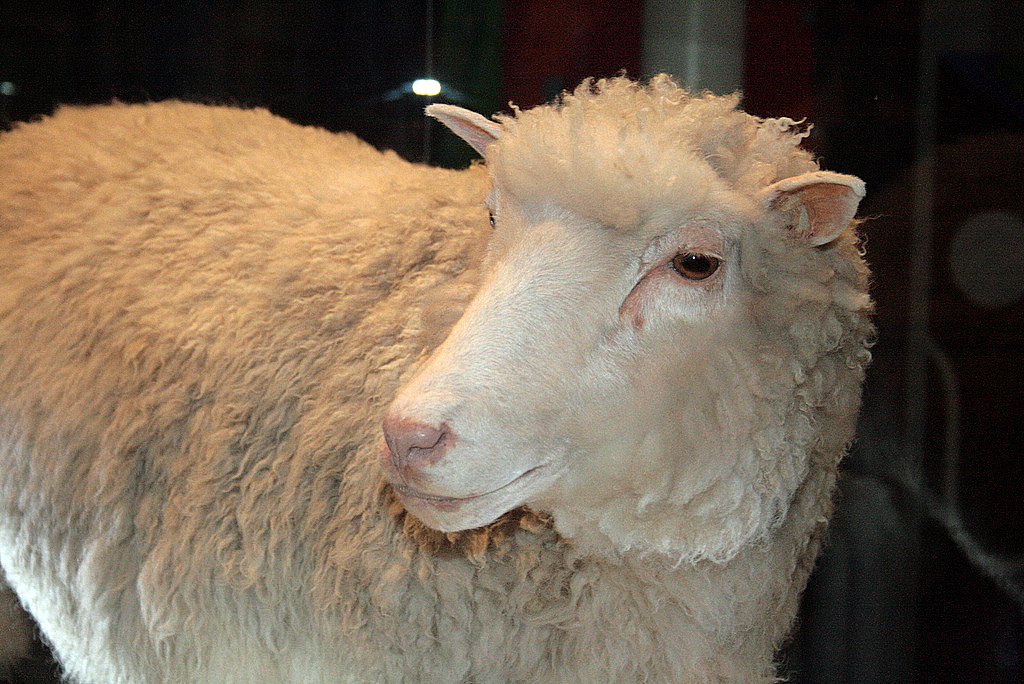
Not every notorious experiment is notorious for abuse. Dolly the sheep, born in July 1996 at the Roslin Institute, became the first mammal cloned from an adult somatic cell. Her birth challenged assumptions about cell specialization and opened new pathways in developmental biology and regenerative medicine.
Public reaction split between fascination and fear. If one sheep could be cloned, what came next? Debates about identity, ownership, animal welfare, and human cloning accelerated overnight. Dolly lived for years, had offspring, and later developed illnesses common in sheep her age. No direct causal link between cloning and those illnesses was established, but her life forced society to ask ethical questions before technology scaled.
When Bad Theory Meets Medical Authority
The Emma Eckstein case remains a grim lesson in prestige without rigor. In late nineteenth-century Vienna and Berlin, Freud referred Eckstein to Wilhelm Fliess, who advanced the idea of nasal reflex neurosis. A nasal procedure meant to treat gynecological and emotional symptoms led to catastrophic bleeding and permanent harm.
It was a preventable disaster. Confident theory outran evidence, and the patient paid the cost.
A generation later in New Jersey, psychiatrist Henry Cotton pushed focal infection theory to extremes at Trenton State Hospital. Teeth, tonsils, and even parts of organs were removed from psychiatric patients under the belief that infection caused mental illness. Mortality was severe, outcomes were poor, and criticism was often suppressed by institutional power.
These histories share one pattern: weak evidence can turn dangerous when wrapped in status. Clinical innovation needs transparent data, independent review, and the humility to stop when harm appears.
MKUltra and the Machinery of Coercion
Beginning in the 1950s, the CIA ran Project MKUltra, a covert program that explored behavior control, interrogation methods, and drug effects, including LSD. Some experiments involved unwitting subjects, compromised settings, and procedures that ignored consent and welfare. The operational mindset treated people as instruments in a geopolitical contest.
The program was later examined in congressional hearings, and records showed how secrecy obstructed accountability. Many files were destroyed, making a full reconstruction impossible. Even so, the surviving record is enough to establish the core truth: state power and secrecy can normalize indefensible research unless outside oversight is strong and independent.
Nazi Camp Experiments and the Birth of Modern Research Ethics
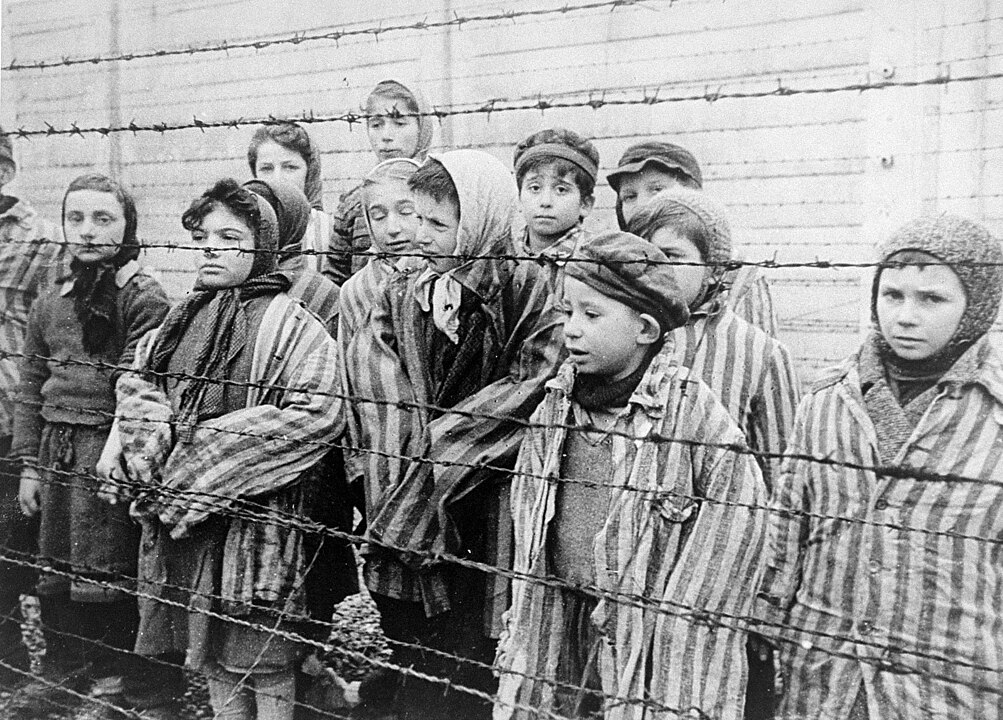
Nazi concentration camp experiments remain among the clearest examples of medicine weaponized by ideology. Prisoners were subjected to procedures without consent, often under lethal or permanently disabling conditions. Physicians, including Josef Mengele at Auschwitz, worked within a system that converted prejudice into protocol and murder into method.
After the war, trials exposed these crimes and helped shape the Nuremberg Code, a foundational statement on voluntary consent and research ethics. The code did not emerge from abstract philosophy. It emerged because the world saw what happens when scientific institutions abandon personhood and replace it with categories of utility.
The Strange Border Between Curiosity and Harm

One recurring medieval account attributes to Emperor Frederick II an experiment in language deprivation, where infants were allegedly raised without ordinary human interaction to discover a natural first language. Historians debate details, but the story endures because it captures a timeless ethical point: knowledge claims built on deprivation are morally bankrupt, even when framed as intellectual inquiry.
Project Mohole, by contrast, was an audacious geoscience effort from the 1960s that aimed to drill toward the Mohorovičić discontinuity beneath the seafloor. It did not become notorious for human-subject abuse. It became a cautionary case of ambition outrunning governance, as management conflict and rising costs derailed the mission.
Set side by side, these episodes reveal two different failure modes. One is cruelty in pursuit of answers. The other is institutional overreach without operational control.
Trinity and the Moment Science Entered Permanent Consequence
The Trinity test on July 16, 1945, proved an implosion-type plutonium device in New Mexico and marked the arrival of the nuclear age. Within weeks, atomic bombs were used over Hiroshima and Nagasaki, and the breakthrough became inseparable from mass civilian death and long geopolitical aftershocks.
The hard truth is that technical success can be ethically catastrophic at the same time. Trinity changed warfare, diplomacy, environmental risk, and public fear in one stroke. It also forced an enduring question that applies far beyond nuclear physics: just because something can be built, who gets to decide whether it should be used.