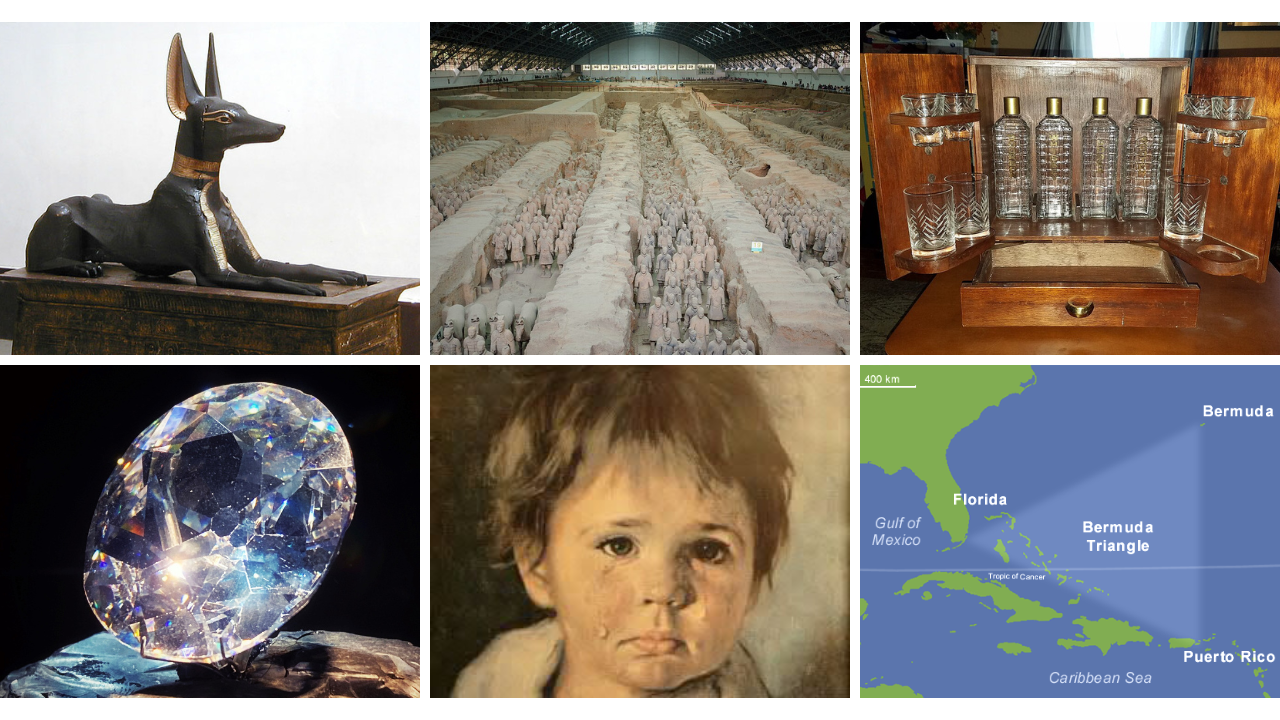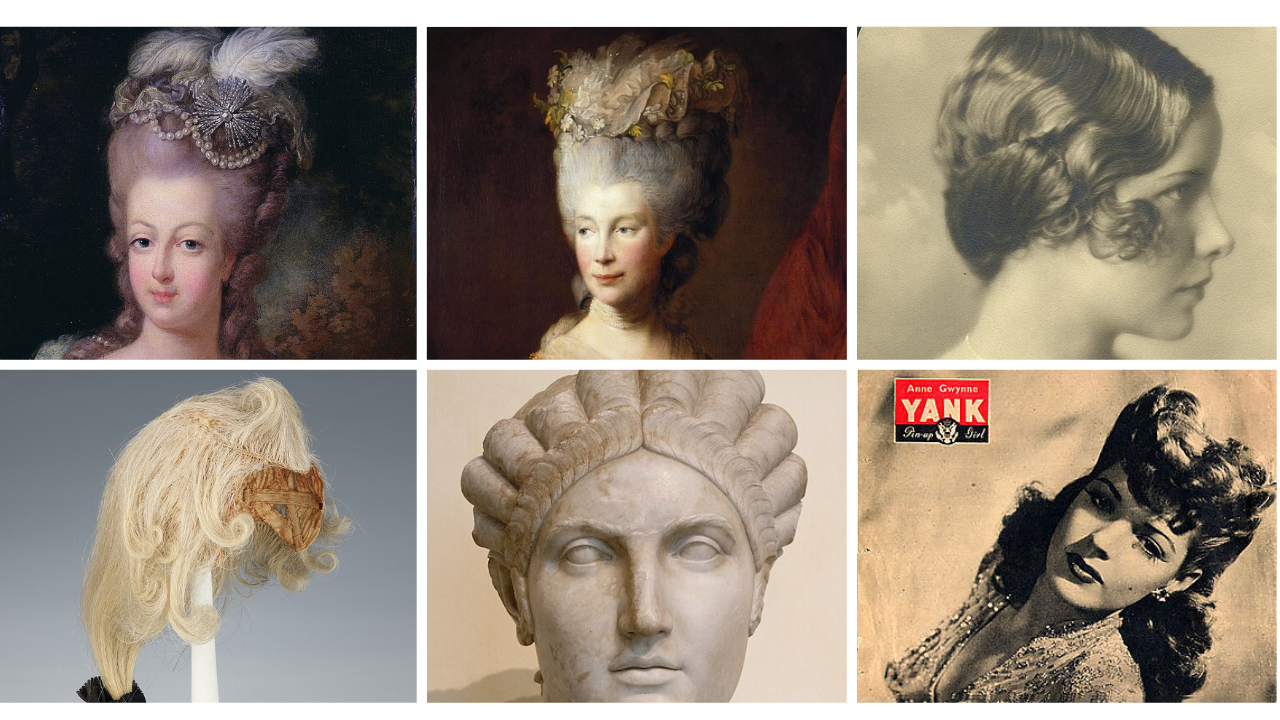
Hair has always been more than grooming. In every age, it works like a flag, announcing class, politics, faith, romance, rebellion, or the simple thrill of being seen. These extreme styles were rarely random. They were engineered with wire, powder, pomade, pins, and patience, then copied because courts, theaters, and dance floors rewarded the right silhouette. Climate, hats, and candlelit rooms shaped what could hold and what could survive a long day. Behind the scenes, skilled hands and quiet hours did the real work, and satire followed close behind. Some looks signaled authority, others chased glamour, and a few dared the world to stare. Follow the trail and a whole era comes into focus, one head at a time.
Roman Nodus Loops
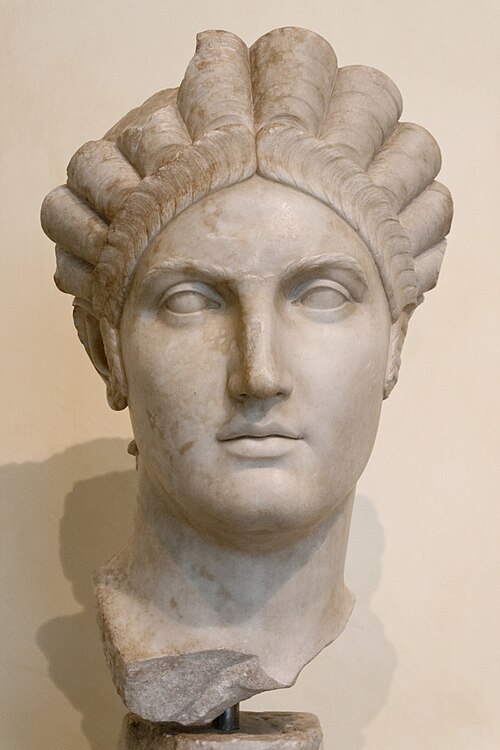
In late Republican and early Imperial Rome, the nodus split hair into three parts, rolling the center forward into a neat ridge above the forehead while the sides swept back to a bun. Portrait busts, including those of Livia, preserved the shape, suggesting it carried meaning beyond trend. It projected steadiness, respectability, and a very Roman sense of order. Achieving it took pins, ribbons, and sticky dressings, plus the kind of time that signaled household help. In crowded streets and formal gatherings, the nodus read as controlled presence. It was sculpted restraint, not softness, and that difference mattered.
Fontange Towers
Late 1600s France sent hair upward on wire and lace until the head looked taller than the shoulders. The fontange began as a jaunty knot of ribbon, then grew into stacked ruffles with long side streamers that framed the cheeks. It was pure court escalation: the higher it climbed, the louder it announced leisure, money, and proximity to power. Portraits turned it into an export across Europe, while pamphlets mocked the height and the hazard of catching on chandeliers. Even ridicule could not stop the climb, because attention was the real prize. A hairstyle became a social ladder, rung by rung. Overnight.
Powdered Periwigs
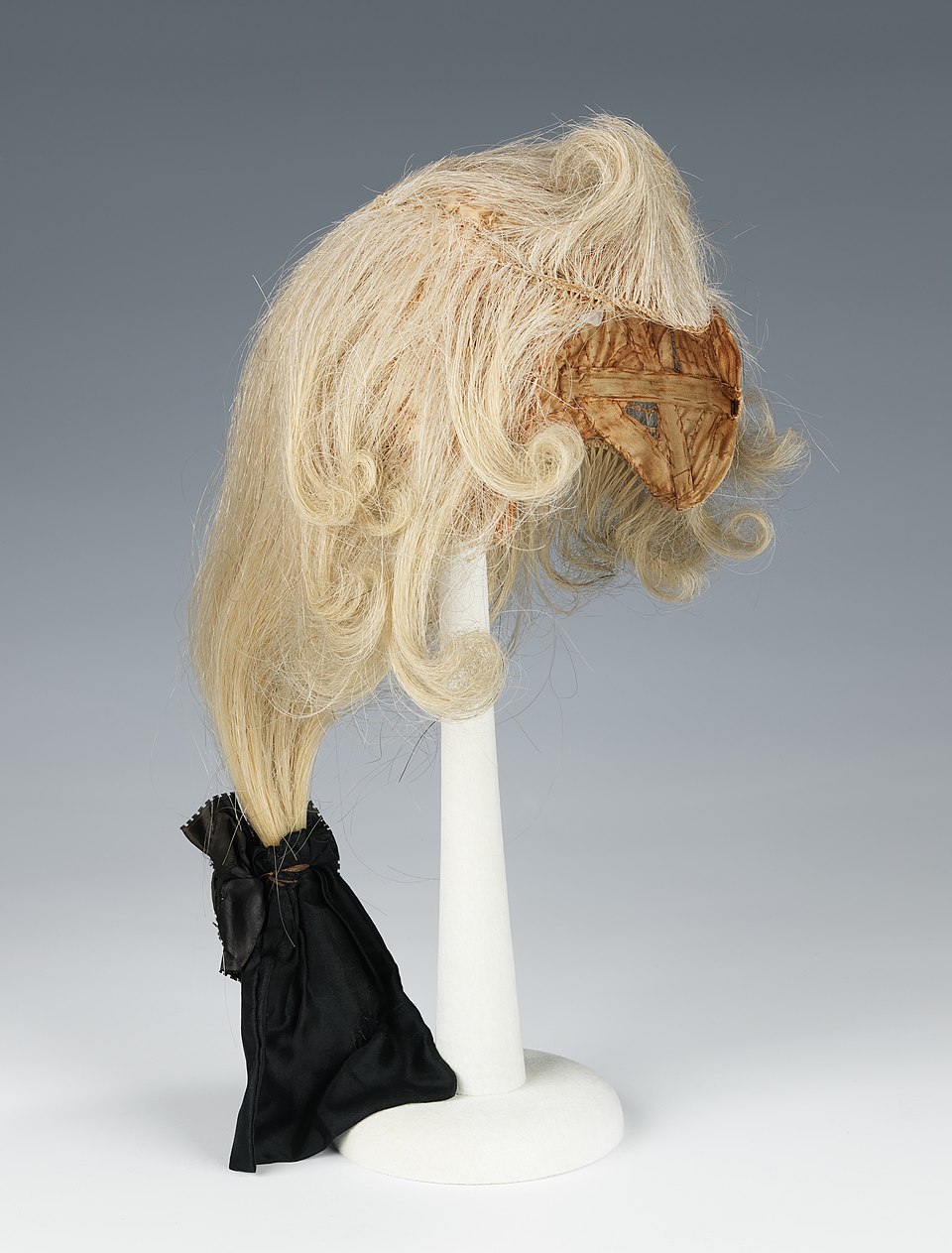
In the 1700s, elite men wore enormous periwigs, often dusted with pale powder that read as refinement under candlelight. Curl patterns and side rolls were not casual. They were built by professionals, maintained with routine, and worn like uniform. At court, the bulk suggested authority and control, and it paired well with embroidered coats and measured manners. Outside that bubble, the same hair could look like costume, especially as politics turned against old hierarchies. When costs, hygiene, and public taste shifted, the wig lost its inevitability, and shorter, more natural styles took the stage.
Pouf of the 1770s
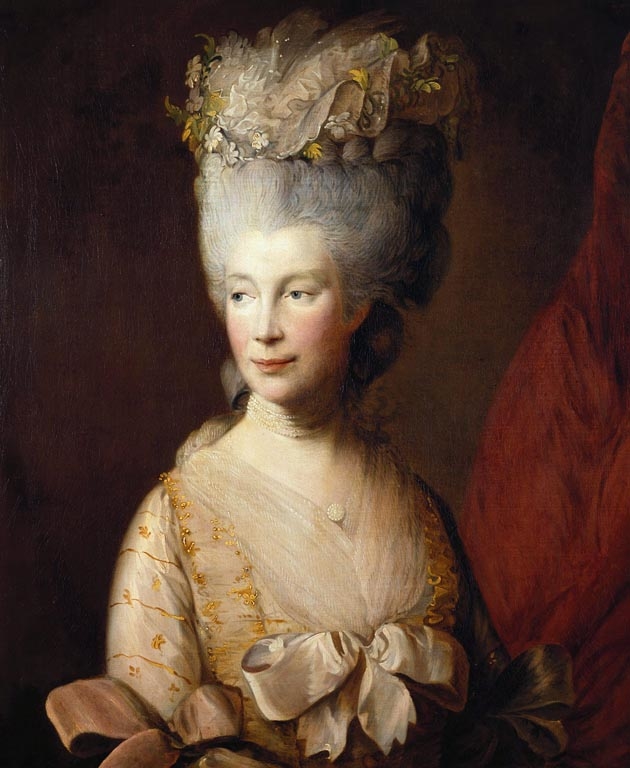
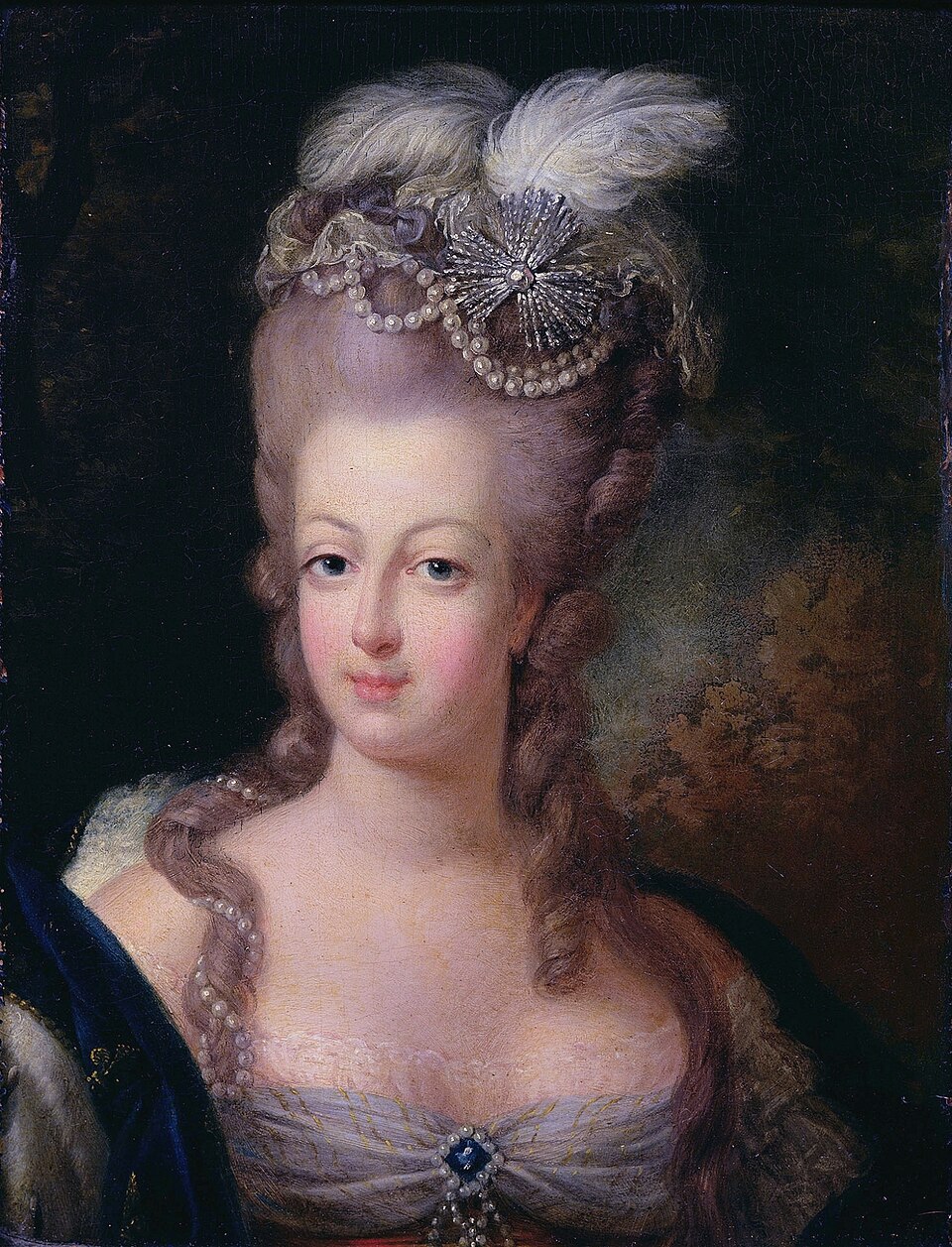
The 1770s pouf treated hair like a stage. Padding, wire, gauze, and added hair lifted it into a towering form that could carry ribbons, feathers, and miniature decorations. Marie Antoinette helped push the silhouette into legend, but the real engine was rivalry among salons and clients. It was outrageous because it turned grooming into public storytelling. A head could signal a celebration, a political moment, or a flirtatious joke before a single word. The height also demanded skill, money, and the nerve to walk into a room knowing every eye would travel upward first. Even sitting in a carriage could become a careful choreography.
Gibson Girl Pompadour
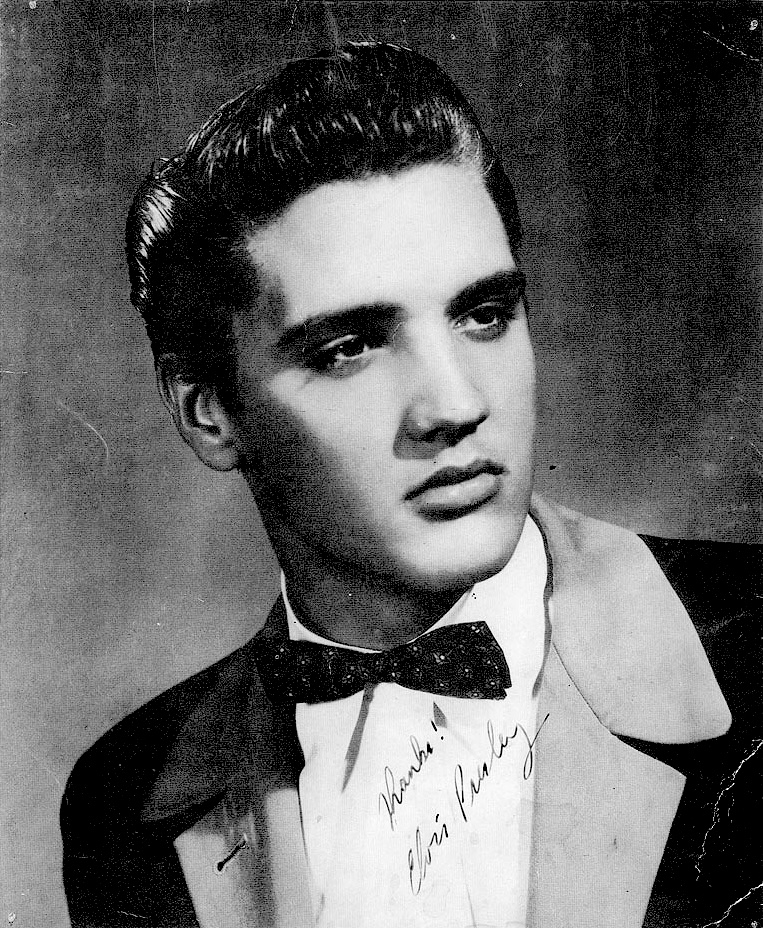
Around 1900, the Gibson Girl ideal demanded a soft swell of hair that made the face feel framed and the neck look long. The volume often came from a rat, a padded form hidden under real hair, plus careful combing and pins. It looked effortless, which was the trick. The engineering stayed invisible while the silhouette did the talking, hinting at confidence and self-possession. Worn with shirtwaists and high collars, it balanced respectability with a modern edge, and it suited a world where women were stepping into new public roles, even as society tried to keep the look politely contained. Its charm: strength, worn unapologetically.
Finger Waves and Marcel Shine
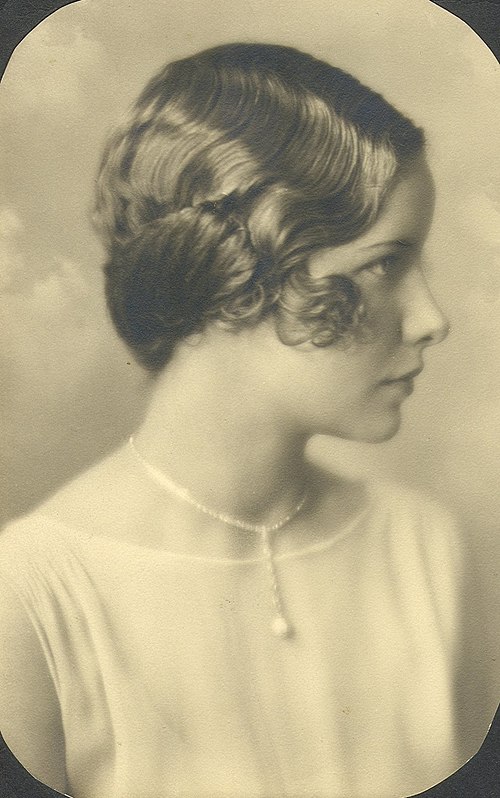
In the 1920s, finger waves pressed hair into glossy S-curves that hugged the scalp and caught light with every turn of the head. Gel, a fine comb, and clips set the ridges into place, and Marcel shaping added extra bend and polish. The result felt crisp, urban, and camera-ready, perfect for clubs and movie houses. It was bold without height, proving that precision can be as loud as volume. A clean wave line showed control, while the shimmer suggested nightlife, speed, and a new kind of modern beauty that did not need heavy ornament to make an entrance. The waves looked simple, yet they demanded practice and nerve.
Victory Rolls
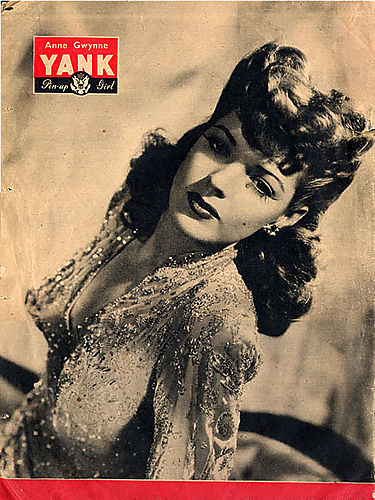
Victory rolls defined much of the 1940s, lifting hair into two bold rolls near the crown or temples, then finishing with curls that faced forward. The method was practical and showy at once: backcomb, roll, pin, and set, keeping hair off the face through work shifts and late dances. The name is often tied to aviation maneuvers, but the feeling was broader. In a rationed world, polished hair became a small claim of confidence. The style photographed well, held up under hats, and let a person look put together even when fabric, cosmetics, and time were in short supply. The rolls framed the face like parentheses around a smile.
Beehive Height
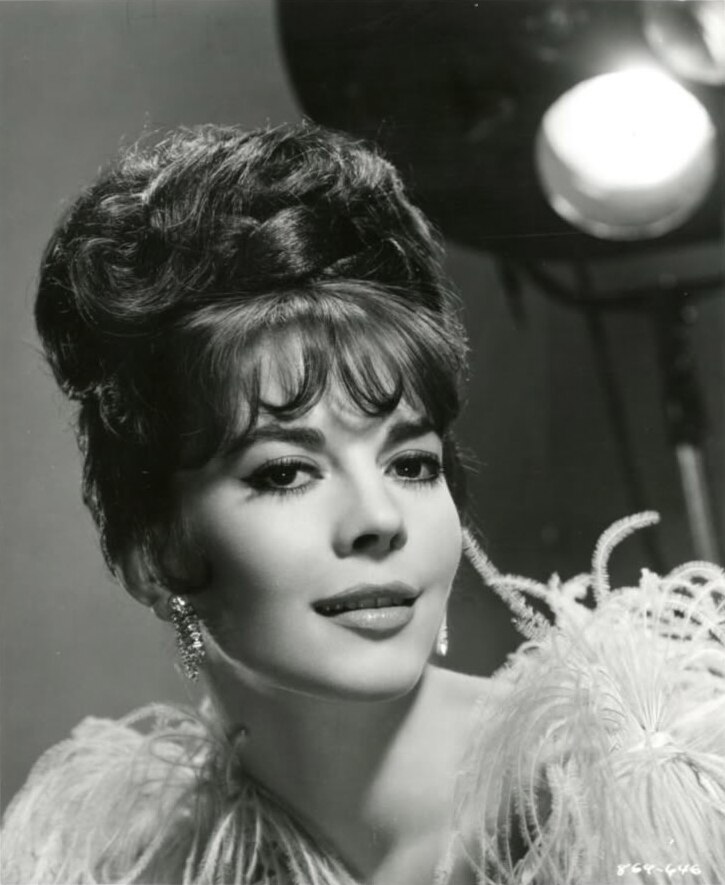
The beehive arrived in 1960 as a cone of teased hair, piled high and smoothed until it looked precise from every angle. Chicago stylist Margaret Vinci Heldt is widely credited with shaping the first modern version for a magazine shoot. What made it outrageous was the contrast between strict control and extreme height, locked in with pins and heavy spray. It signaled sleek glamour with a wink of kitsch, and it suited the decade’s love of bold outlines in fashion and design. Once it caught on, the beehive became a social shortcut: one glance, and the era, the music, and the mood snapped into place.
Punk Mohawk Spikes
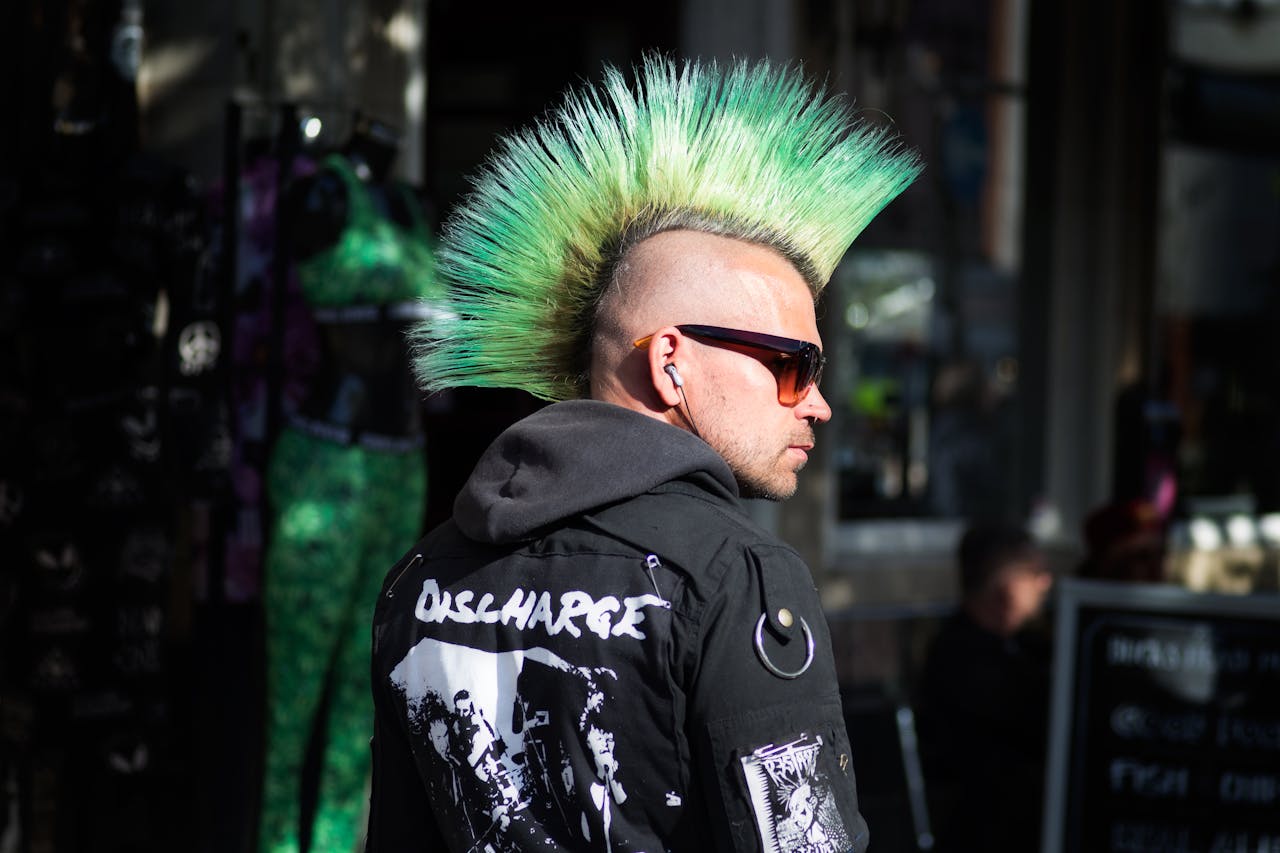
The punk mohawk surged in the 1970s as a razor-clear statement: shaved sides, a central strip left long, and styling that turned hair into spikes or a stiff ridge. It used gel, hairspray, and whatever else could hold, because the point was visibility. Mohawk-like looks existed long before punk, but this version lived on sidewalks, stages, and subway platforms. It refused to blend in, and that refusal was the message. The silhouette challenged tidy norms, and the labor of setting it, often done in cramped bathrooms before a gig, made rebellion feel hand-built and personal. It also invited trouble, which some wearers welcomed.