Cocktail culture has always mirrored the moment, mixing scarcity, spectacle, and social rules into a single glass. In the 1920s, speakeasies made drinking feel like a secret show, with jazz behind locked doors and recipes built to soften rough spirits. After Prohibition ended in 1933, hotel bars and supper clubs brought polish, better ice, and steadier bottles. Cocktail books spread a shared vocabulary, and bartenders became trusted guides to taste and pacing. Postwar nightlife added optimism, color, and new crowds, while travel and advertising carried flavors across oceans. By the time tiki bars glowed with carved wood and flaming garnishes, cocktails had become storytelling, not just refreshment. Each era left a ratio, a glass shape, and a reason to linger.
Passworded Doors And Backroom Theater
Speakeasies in the 1920s treated a cocktail like contraband theater, staging the whole act with whispered passwords, false storefronts, and backroom tables tucked behind curtains. With supply uneven and spirits often harsh, bartenders leaned on citrus, sugar, tea, and bitters to build balance, then hid the evidence in small glasses that could disappear fast. A good room ran on tight timing: a lookout by the door, cash kept moving, music loud enough to cover nerves, and a bartender who could make a drink taste steady even when the night felt one raid away from ending, right down to the last rinse of the shaker. Too.
Mixers Turned Into Camouflage
Prohibition pushed mixers from garnish to survival tool. Lemon, lime, honey, grenadine, and assertive bitters helped cover the bite of poorly distilled alcohol, while soda siphons added fizz, foam, and a sense of ceremony that distracted from the burn. Egg whites, canned pineapple, ginger beer, and simple syrups mattered because they were repeatable when the base spirit was not, and repeatable meant customers returned and tipped well. That logic carried forward, so bright acidity, measured sweetness, and a clean finish became the baseline for what a serious cocktail should deliver, even in daylight bars. At scale.
Repeal Made The Bar Legitimate
When repeal arrived in 1933, cocktails stepped into the light and immediately dressed up. Grand hotels and supper clubs treated the bar as a public stage, with linen service, cut crystal, and bartenders in crisp jackets who poured like it was a craft. Licensed spirits brought consistency, so classics like the Martini and Manhattan could be made cleanly, with real vermouth and proper bitters, instead of improvised from mystery bottles. Menus, bar carts, and timed rounds turned nightlife into choreography, and the cocktail became a marker of taste, etiquette, and steady hospitality rather than a test of tolerance. Too.
Ice Became A Luxury Ingredient
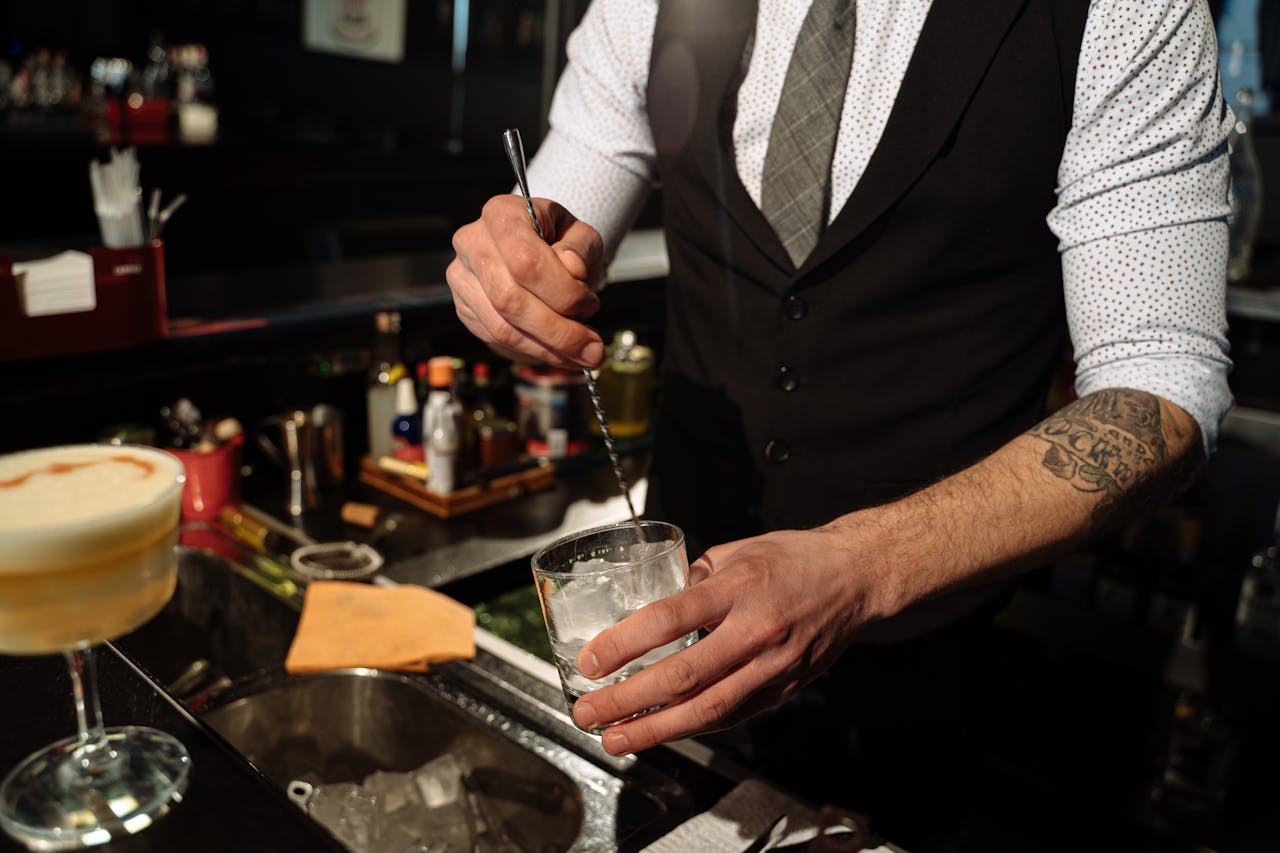
As refrigeration spread through the 1930s and 1940s, ice stopped being background and started acting like an ingredient. Clear, hard cubes melted slowly, keeping stirred drinks silky instead of watery, while cracked ice made shaken sours feel colder and more aromatic in the first sip. Bars invested in ice wells, storage that kept odors away, and clean water sources that made the chill taste neutral, not metallic or stale, even late at night. From the highball to the Daiquiri, dilution became something a bartender could plan, and that control raised expectations for every pour, every time, even when the bar was packed.
Cocktail Books Built A Common Language
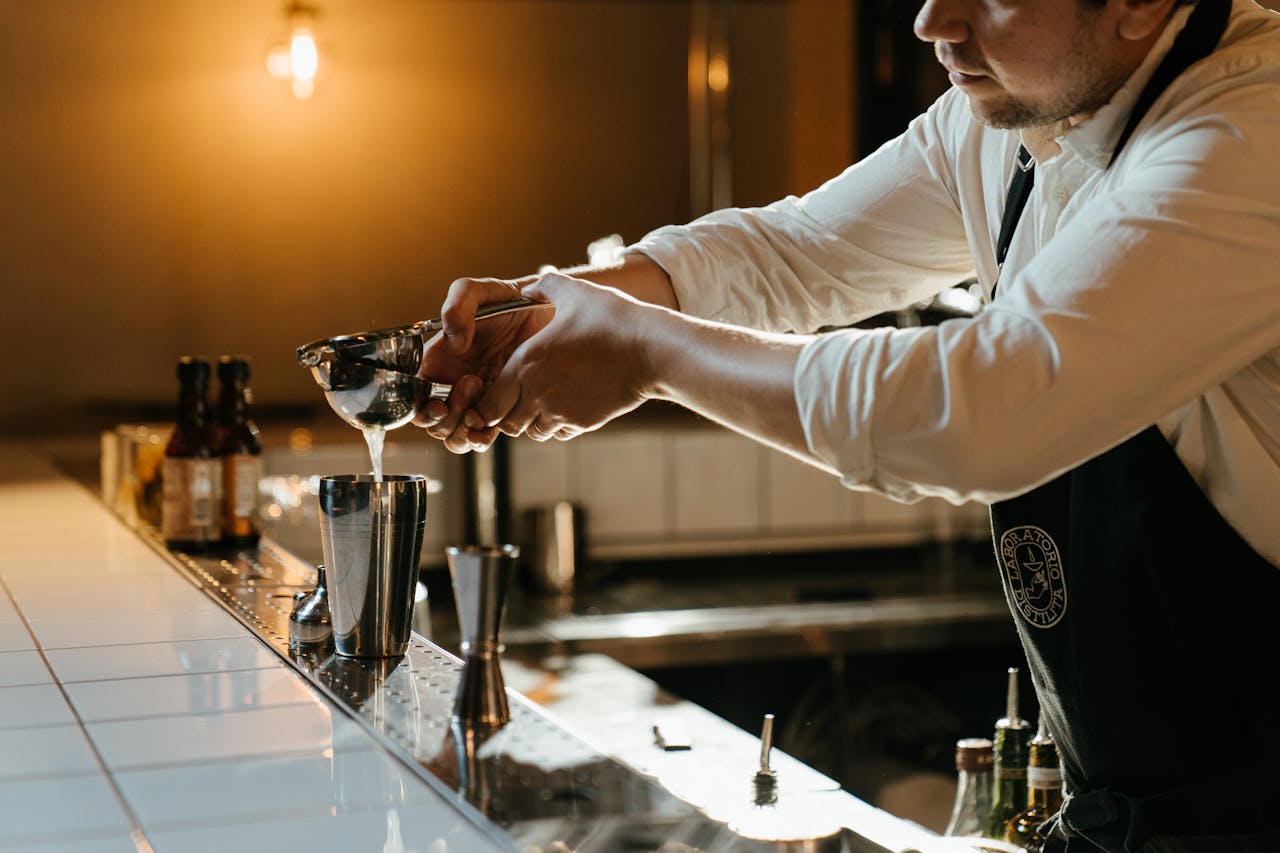
Printed cocktail guides turned bar knowledge into a shared language. Books such as “The Savoy Cocktail Book” pinned down ratios, glassware, and names, so a Sidecar or Old Fashioned could travel beyond one city, one railroad hotel, or one legendary bartender. Home hosts copied the ritual with shakers, jiggers, and coupe glasses, pulling cocktails into living rooms where presentation carried real social weight and pacing mattered. Standard recipes also created room for signature restraint, since skill showed in hitting the classic precisely, then nudging it with one smart choice, not a messy reinvention, night after night.
The Martini Became A Status Signal
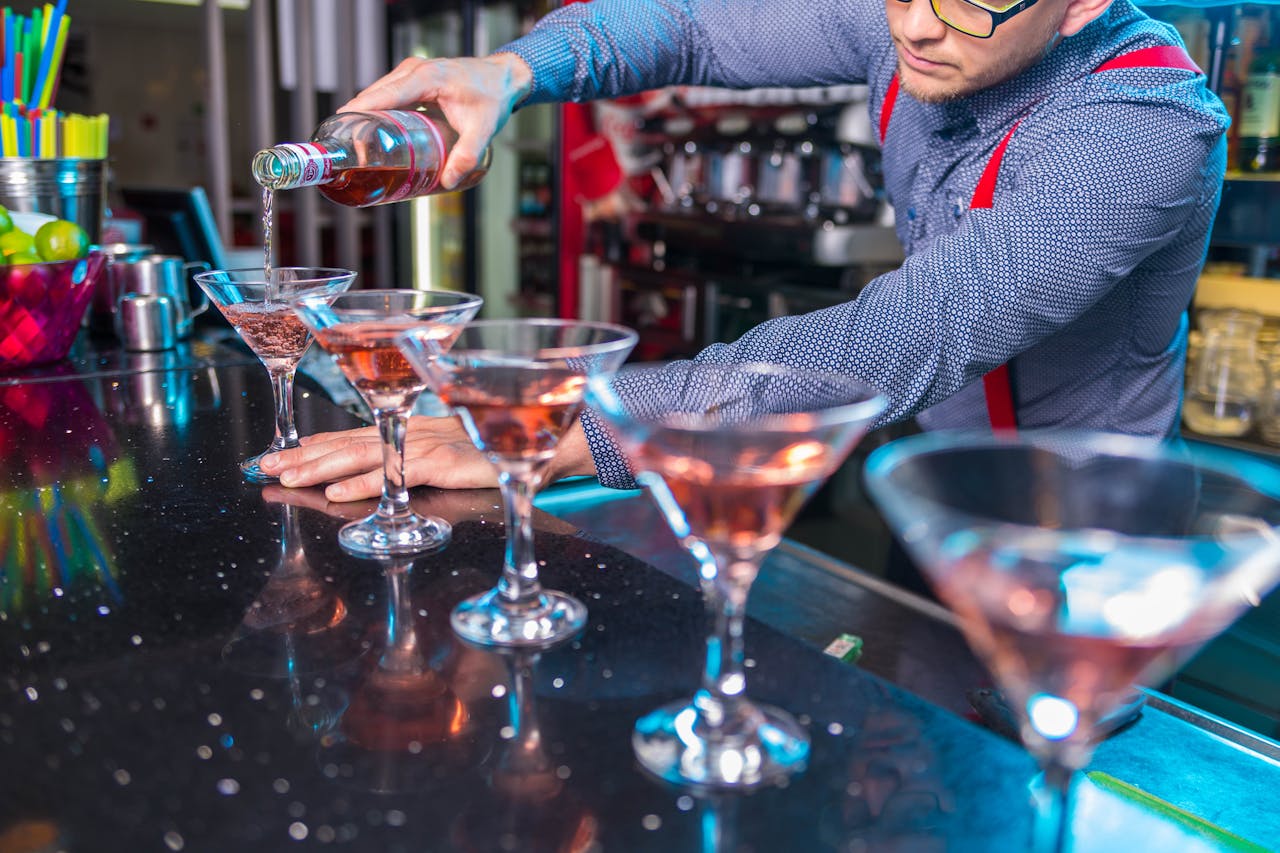
The Martini became shorthand for restraint, and its evolution tracked changing tastes. Early versions leaned wetter with vermouth, but midcentury drinkers chased drier profiles, often with a bracing chill, a twist, and glassware that looked modern under soft lounge lighting. Gin brands competed on smoothness, and vodka arrived as a neutral alternative for diners who wanted clarity without botanicals or bite, especially in hotel bars. What looked simple became a quiet argument about identity and confidence, since a few milliliters of vermouth could signal either tradition, or the urge to keep everything sharp, clean, and controlled.
Lunch Hour Turned Into Cocktail Hour
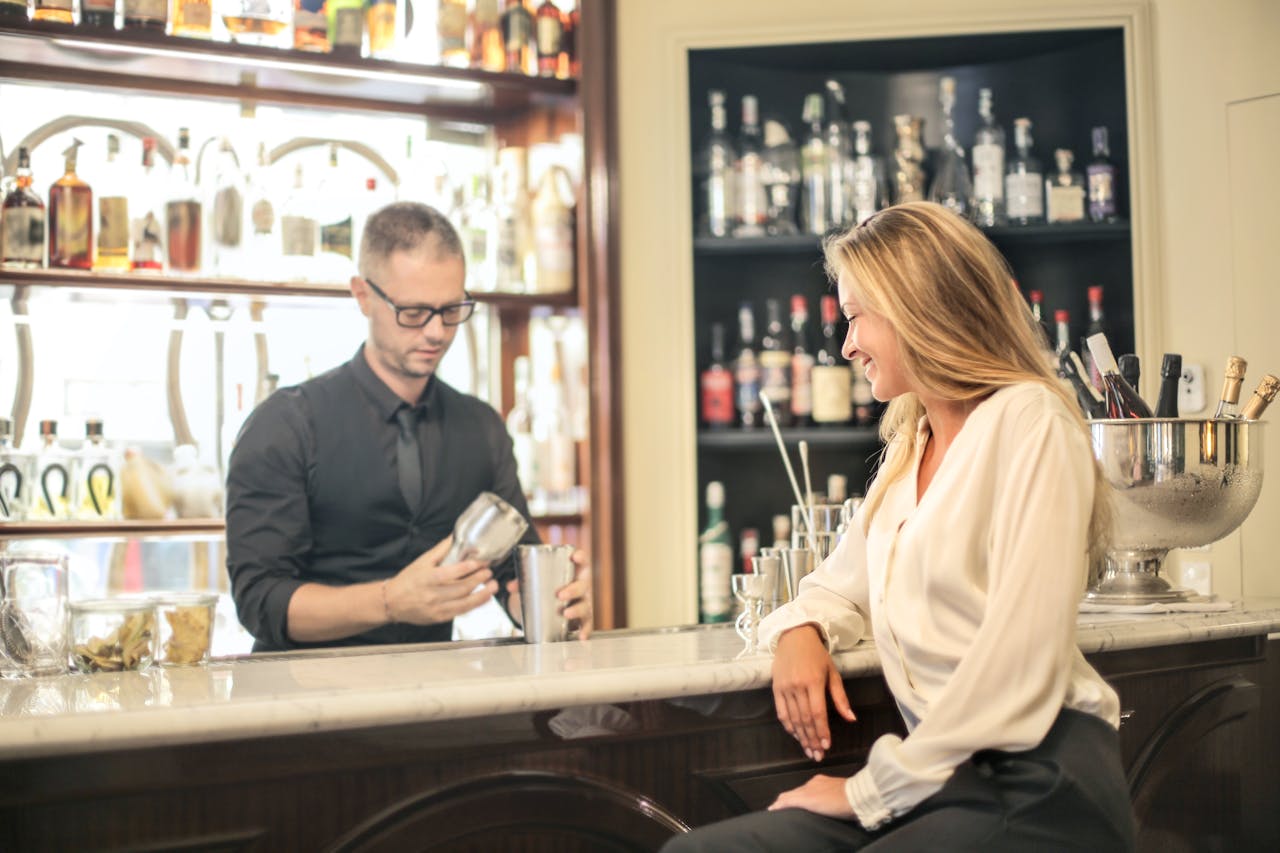
Postwar prosperity moved cocktails into the workday, especially in big city dining rooms where business lunches doubled as performance. Expense accounts, commuter schedules, and smoky rooms made a strong first round feel normal, and a second could signal confidence, or poor judgment. The three martini lunch grew into legend, but the rhythm was real: fast service, steady refills, a steak arriving on cue, and then coffee to steady the exit back to the office. By the late 1970s, backlash, liability fears, and changing workplace norms pushed the ritual back toward evenings, where it felt safer and less performative overall.
The Cocktail Lounge Sold Mood
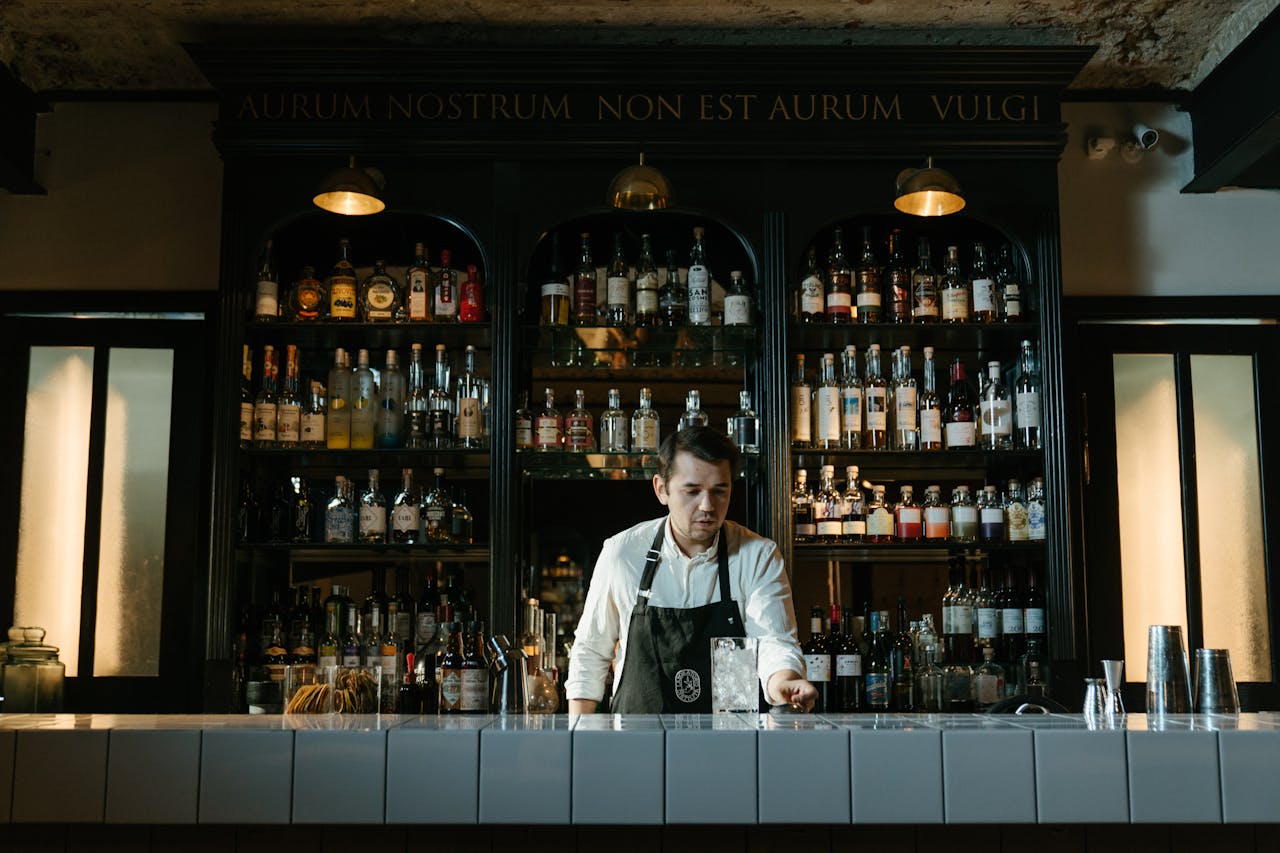
The cocktail lounge rose as a softer alternative to saloons, blending interior design with drinking in a way that suited dates, groups, and travelers. Low lighting, upholstered booths, and easy music made it acceptable to linger, and it widened the crowd beyond hard drinking regulars who treated the bar like a second job. Menus leaned approachable, with sweet liqueurs, cream, and colorful garnishes that matched magazine aesthetics and made ordering feel low risk. As lounges spread through suburbs, airports, and hotel lobbies, cocktails became less about endurance and more about comfort, mood, and a managed sense of glamour.
Global Travel Changed The Back Bar
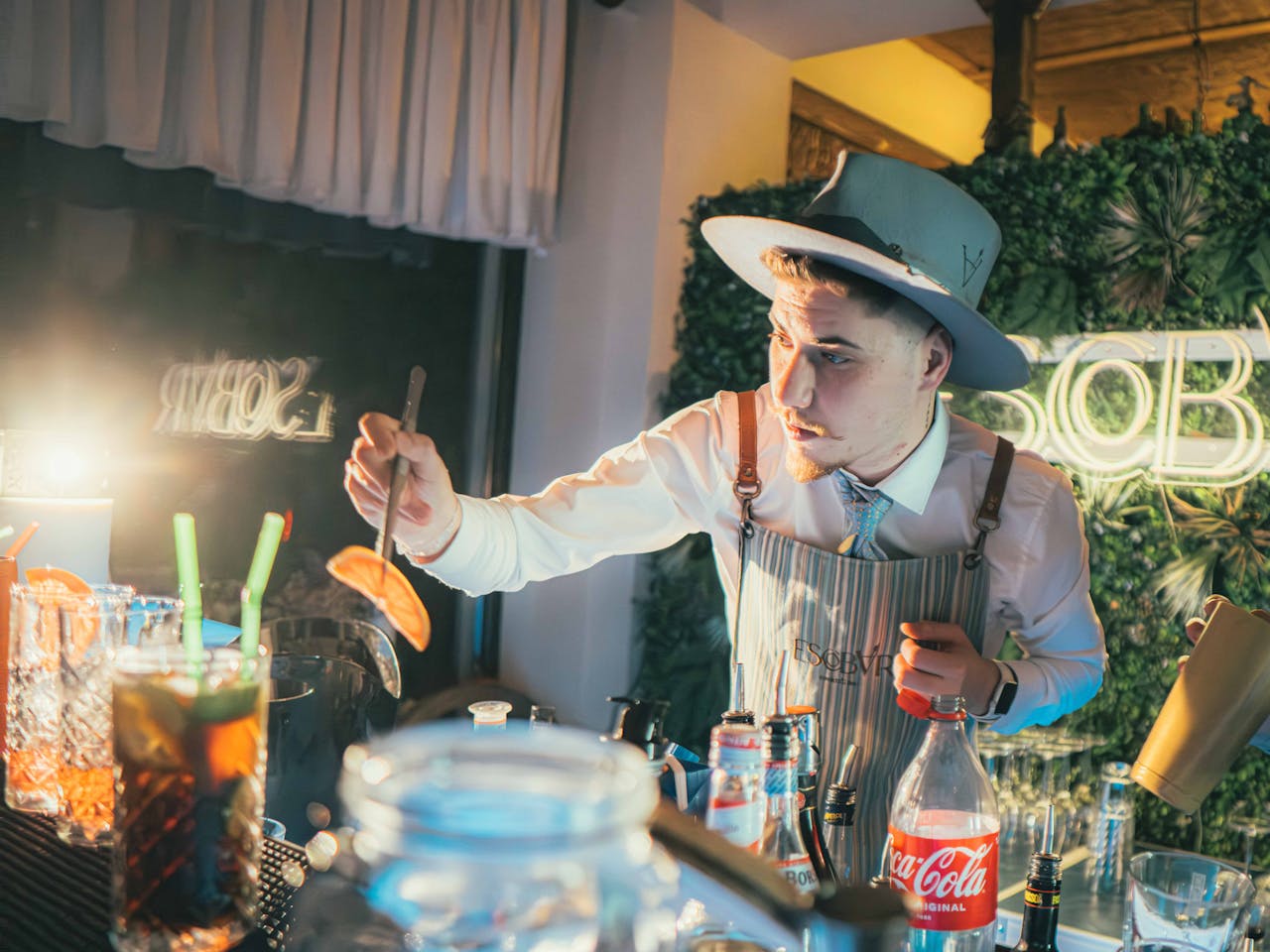
Travel quietly rewired the American palate. Rum from the Caribbean, aperitifs from Europe, and tropical fruit flavors arrived through sailors, returning soldiers, and the rise of commercial aviation, especially along coastal ports and big hub cities. Importers promoted new bottles, and bartenders borrowed ingredients like curaçao, bitters, vermouth, and syrups to build layered drinks that felt worldly without being fussy or precious. By midcentury, a cocktail could taste like a postcard, hinting at Havana, Paris, or Honolulu while still fitting the tempo of local nightlife and local budgets, one round at a time. Too.
Bartenders Stepped Into The Spotlight
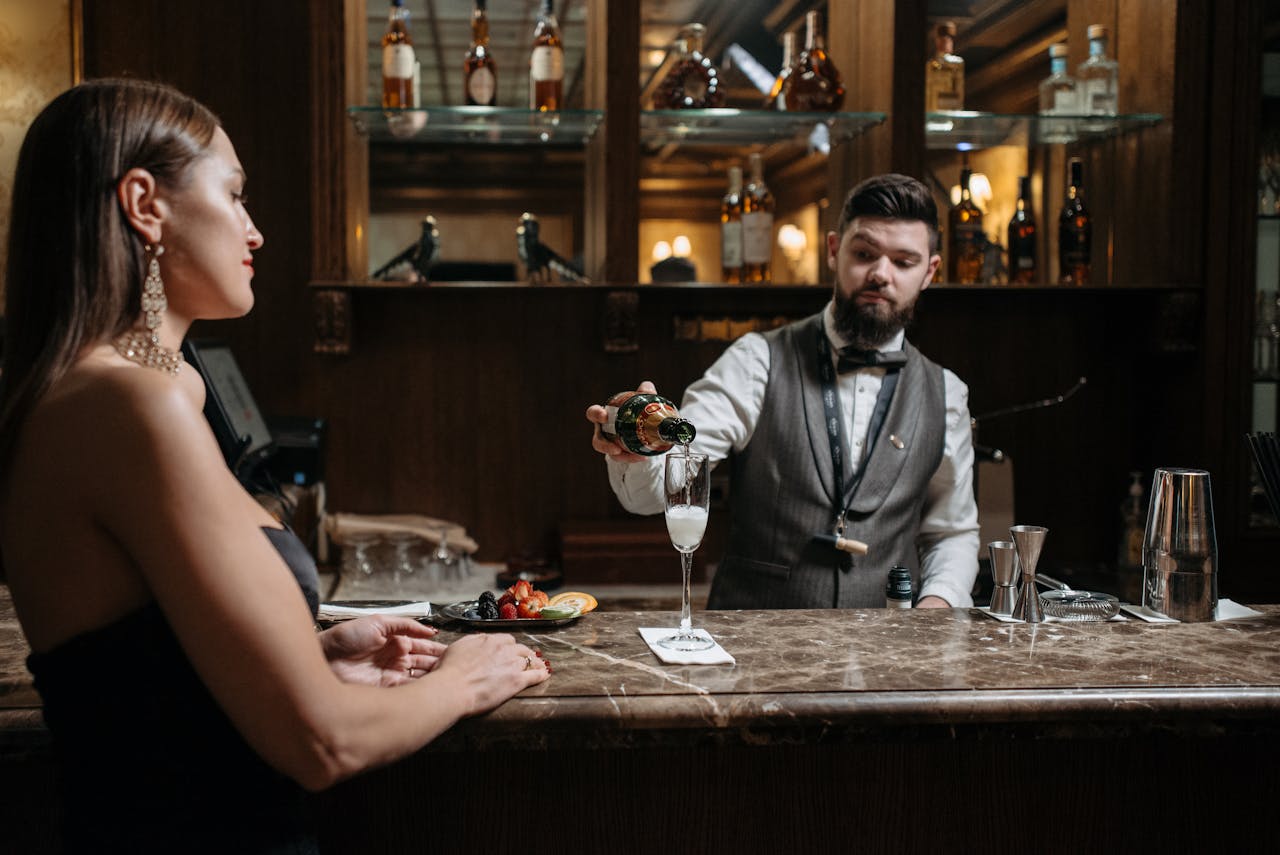
As bars grew more competitive, the bartender shifted from discreet supplier to visible craftsperson. Technique became performance: stirring with intention, carving citrus twists, building precise layers, and setting a coupe down with a practiced pause that suggested control rather than showboating. Tools standardized the work, from jiggers and strainers to blenders that later made frozen cocktails possible at volume, while barbacks kept ice and glassware moving with efficiency. The focus on method taught patrons to judge a drink by its care, its chill, and its balance, not only its strength, and it raised the bar everywhere.
Cocktails Rewrote Social Rules
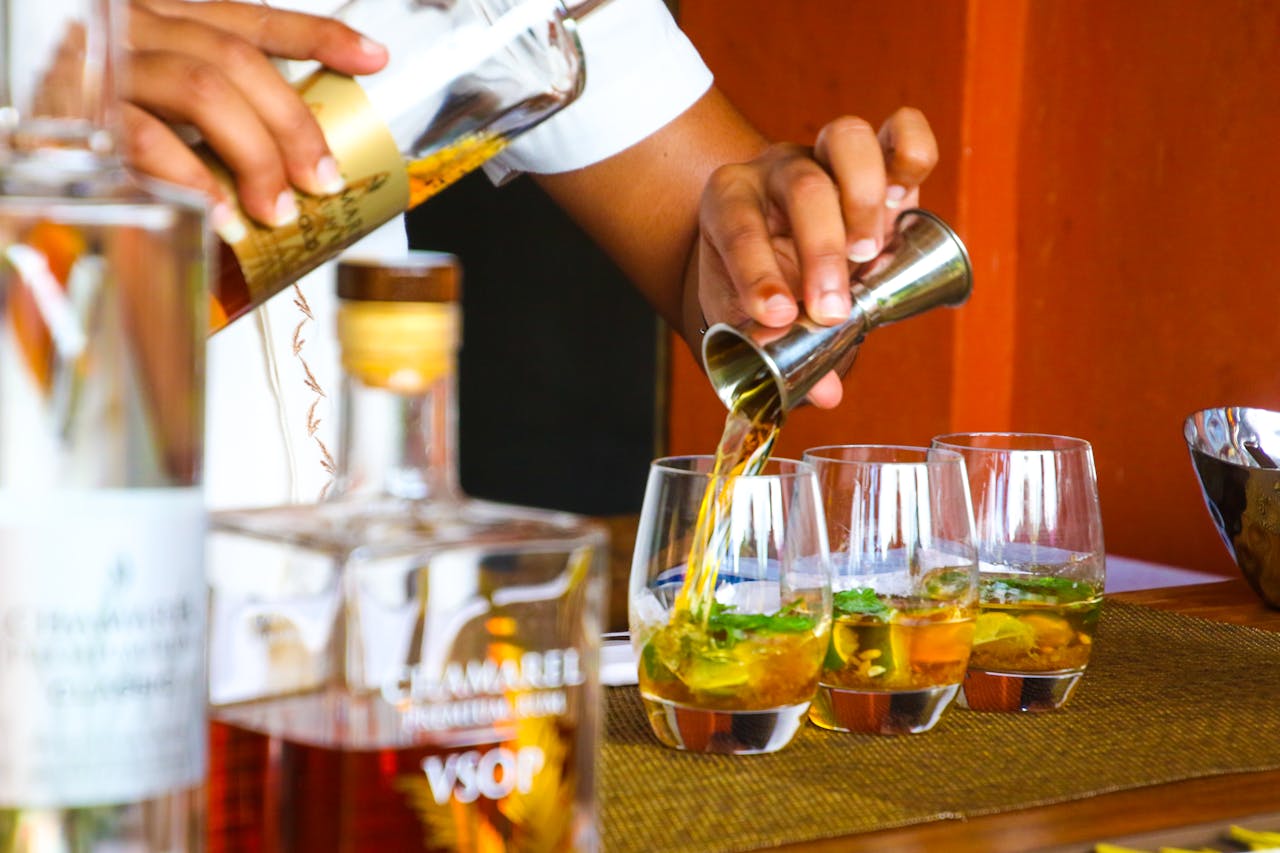
After repeal, mixed gender lounges and supper clubs made public drinking more respectable, and the cocktail acted as a social permission slip, easier to hold and sip than straight liquor. At home, the cocktail party became a midcentury ritual, with magazines offering etiquette, recipes, and suggested playlists that made hosting feel like a skill. The bar top turned into a meeting ground for conversation, courtship, and deals, not just escape or anonymity, and bartenders learned to read a room. As the boundaries softened, cocktails helped define who belonged in public spaces, and who could take up room without apology.
Tiki Bars Made Escape The Point
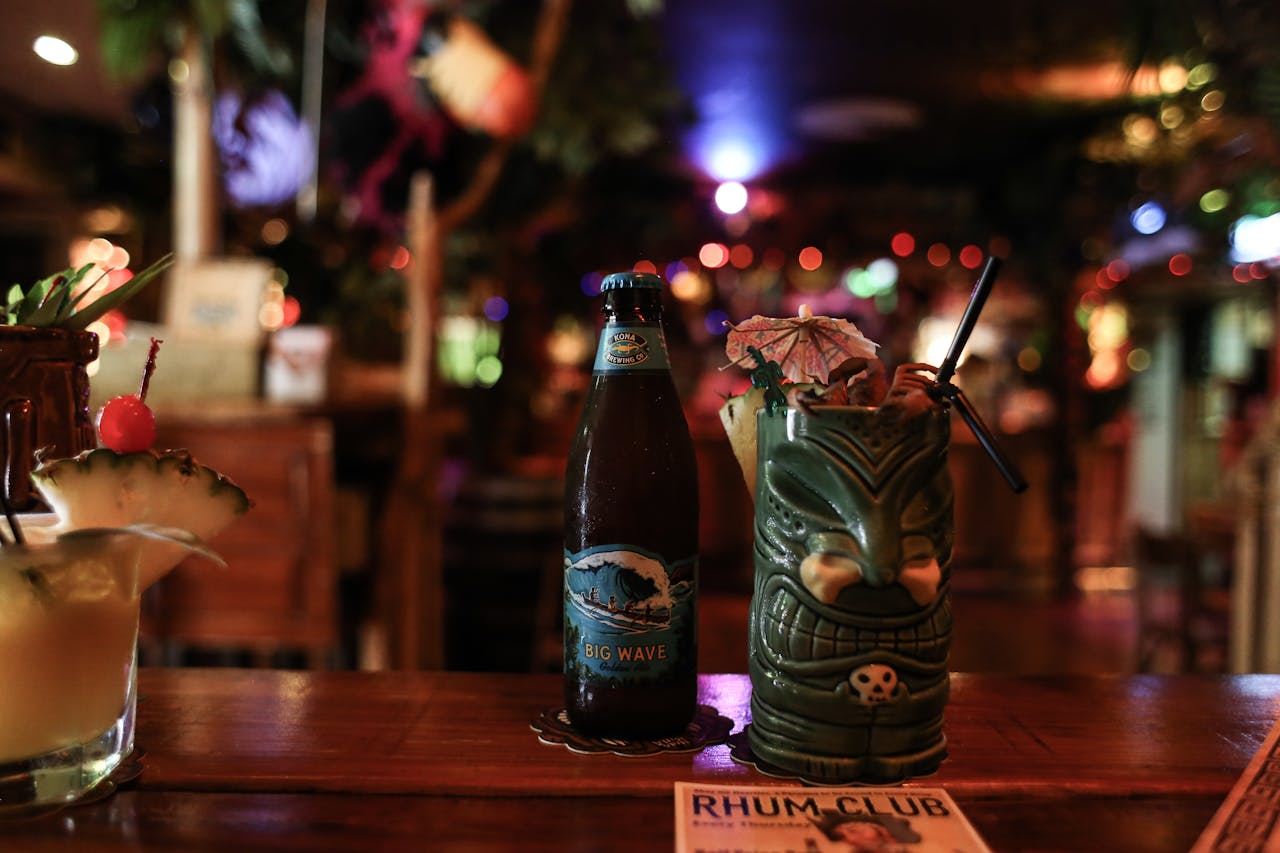
Tiki bars turned postwar escapism into architecture, letting rum and imagination do the traveling after years of rationing and war. The South Pacific craze, returning GIs, and a hunger for novelty helped the style spread fast, especially in California and other coastal cities. Venues like Don the Beachcomber in Los Angeles and Trader Vic’s in the Bay Area built worlds of bamboo, carved masks, and staged storms, pairing them with drinks like the Zombie and the Mai Tai. Layered rums, citrus, spice, and sweet syrups arrived in souvenir mugs, shifting cocktails from secrecy to spectacle, and making escape the whole point of the room.