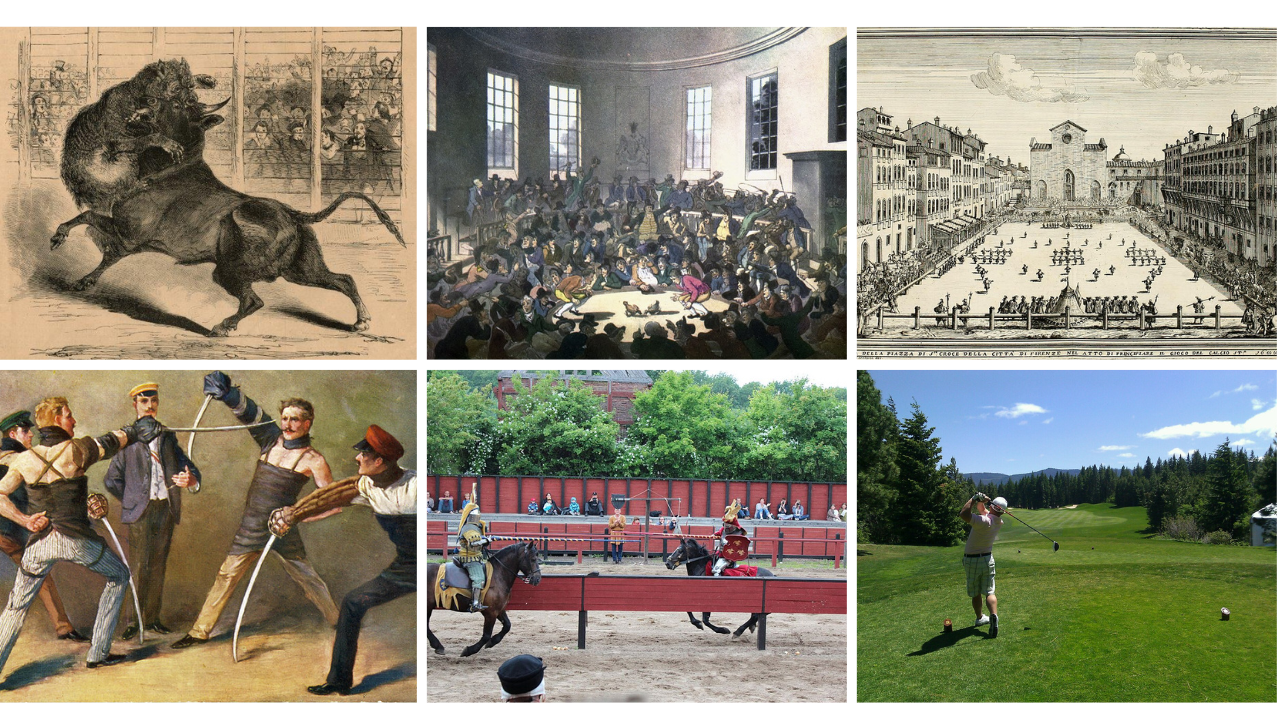
Some pastimes were born from restlessness, pride, or the need to prove toughness in public. On village greens, in packed arenas, and behind tavern doors, competition could turn into spectacle, and spectacle could tip into cruelty or riot. Rulers, city councils, and church leaders kept trying to pull the line back, not because people stopped wanting the thrill, but because bodies, property, and order kept paying the price. The bans that followed were rarely tidy. Games slipped into back lanes, moved to borders, or disguised themselves as tradition. Still, the paper trail is revealing: a history of entertainment serious enough to frighten the authorities who watched it grow, and close enough to modern sport to feel uncomfortably familiar.
Gladiator Combat
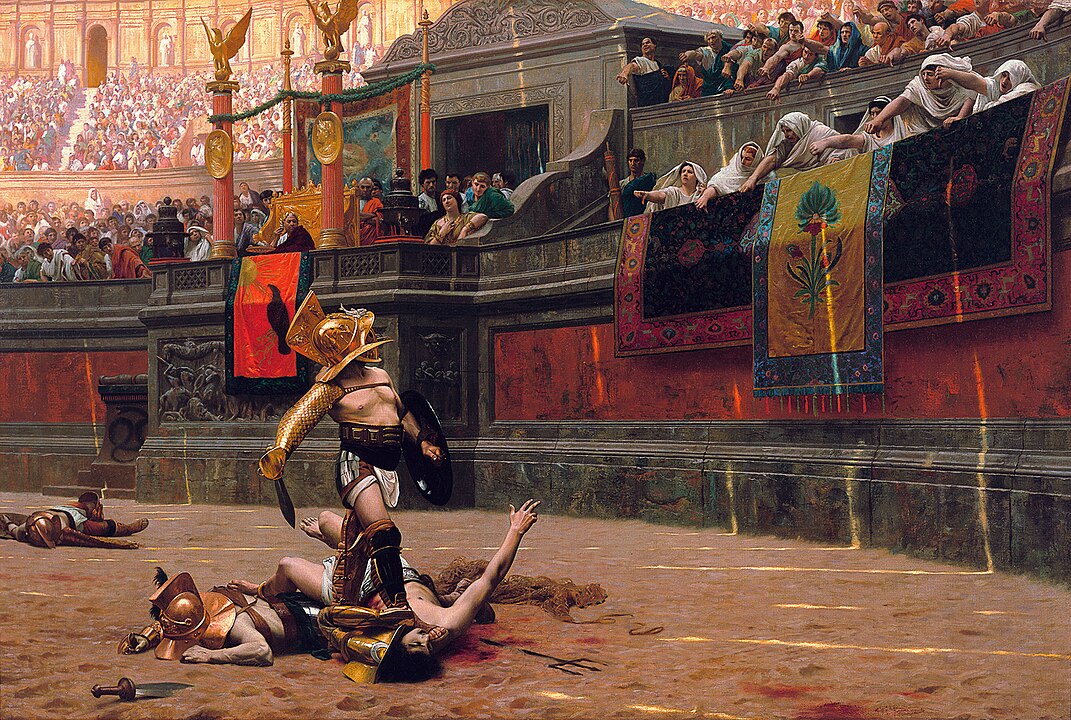
In Rome, staged violence was treated as public entertainment and political theater, with fighters trained, rented out, and marched into arenas as living property whose pain drew applause from every tier of the stands. Late imperial policy began squeezing the practice, and Emperor Honorius issued legal bans in 399 and again in 404 in the Western Empire, a turning point linked to Christian pressure and the scandal of public deaths. The crowds did not suddenly grow gentle. Executions, beast hunts, and other spectacles kept the taste for danger alive, proving how a banned sport can survive by changing its costume over time.
Jousts and Tournaments Condemned by the Church
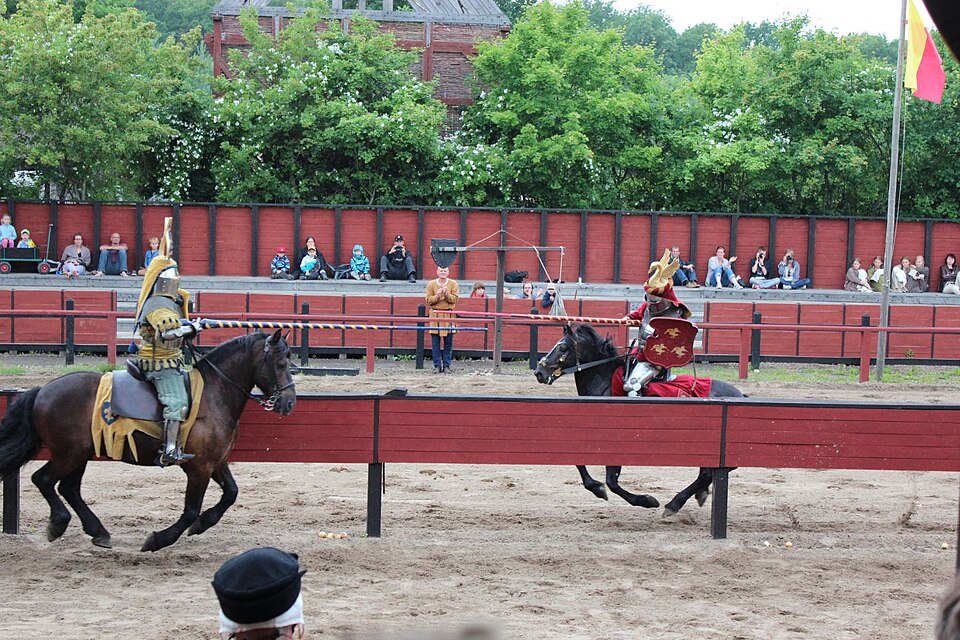
Medieval tournaments promised honor, but they also delivered crushed ribs, broken lances, and feuds that did not stay inside the lists, especially when ransoms and humiliation were part of the prize. In 1139, the Second Lateran Council condemned jousts and tournaments, warning that they risked lives and souls, and threatened those killed in them with denial of church burial, a penalty meant to sting families. The warning carried weight even when nobles ignored it. Knights still rode in for display on festival days, and the Church kept insisting the spectacle was reckless showmanship that could destabilize local peace.
Medieval Mob Football
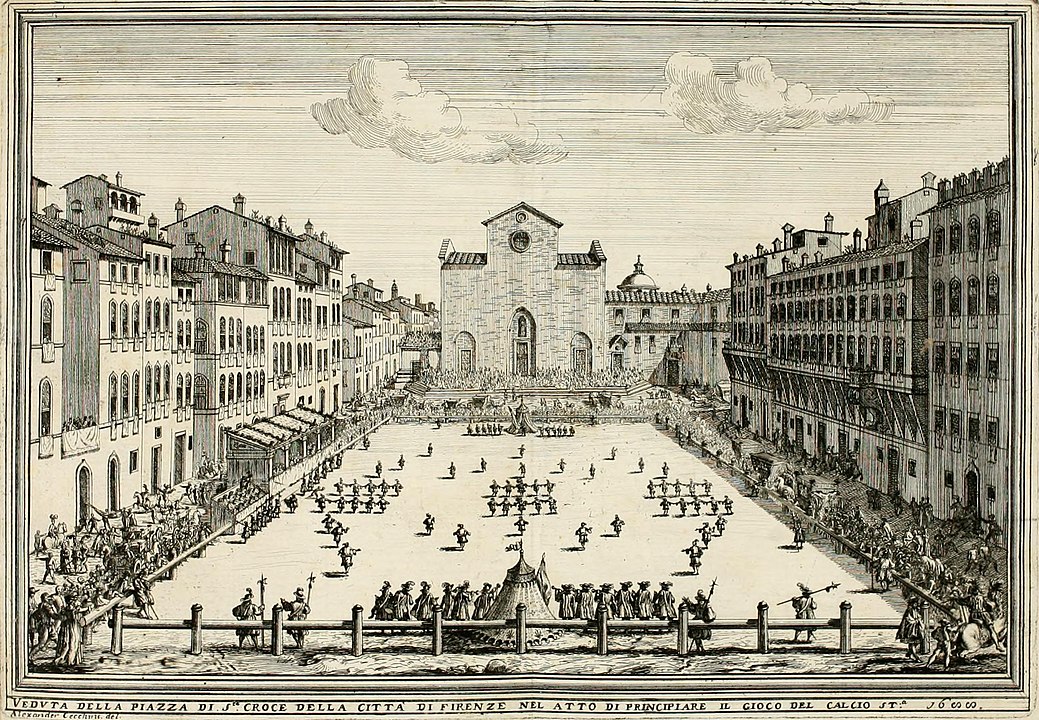
Long before organized leagues, football in many towns meant a mass chase through streets and fields, with apprentices and laborers surging like a flood and shopkeepers bracing for broken shutters, bruises, and angry neighbors. On April 13, 1314, King Edward II issued a proclamation banning football in London, blaming the noisy crush around large balls and the harms that followed, and attaching the threat of imprisonment. Bans did not end the urge to play, but they show what the game could become: a rolling street riot that swallowed workdays, windows, and sometimes lives, then reappeared at the next holiday feast.
Golf Banned in Scotland

Golf carries a calm reputation today, but its earliest famous paper trail in Scotland appears as a prohibition, aimed at men who would rather swing and stroll than drill under watchful eyes on the common. On March 6, 1457, an Act of Parliament under James II banned golf and football, pushing people back toward archery at the butts as a national priority tied to defense and readiness for war on the border. The order reads like a government choosing between survival and leisure. In that moment, a club was not harmless recreation, it was time taken from training, and lawmakers treated it as a problem worth punishing.
Dueling for Honor
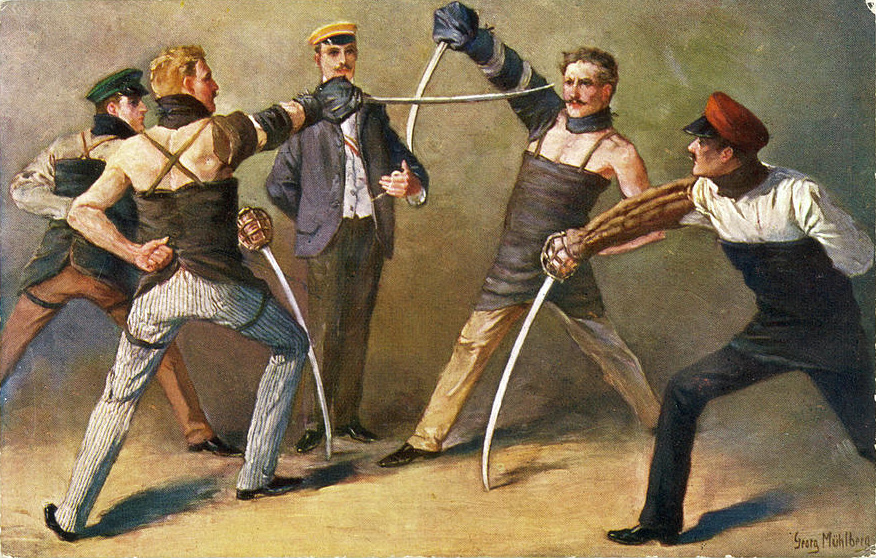
A duel was framed as manners with weapons, but its logic was blunt: reputation mattered enough to gamble on a bullet or a blade while friends stood nearby as witnesses, seconds, and reluctant referees. Across Europe, governments and churches tried to stamp it out, and from the early 17th century it was illegal in many places where it was practiced, even when elites looked away, pardons appeared, or prosecutions stalled. That gap between law and custom is the point. The state could forbid the ritual, yet the social demand to answer an insult kept pulling people back to the field, where one mistake could turn fatal.
Animal Baiting Rings
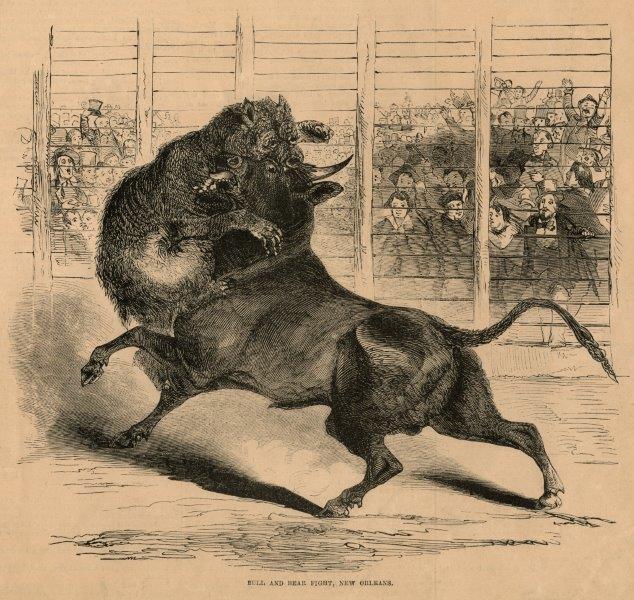
Bull-baiting and bear-baiting were promoted as sport, but they were engineered suffering, with animals tethered in pits or tied to stones while dogs were urged in for crowd pleasure, shouting, wagers. Reformers pushed for legal change, and Britain’s Cruelty to Animals Act received royal assent on Sept. 9, 1835, targeting premises kept for baiting and other blood sports, along with the people who ran them and collected gate money. The law did not erase the culture overnight, but it marked a moral shift: brutality was no longer a local attraction, it was a punishable business that authorities were expected to shut down.
Cockfighting Pits
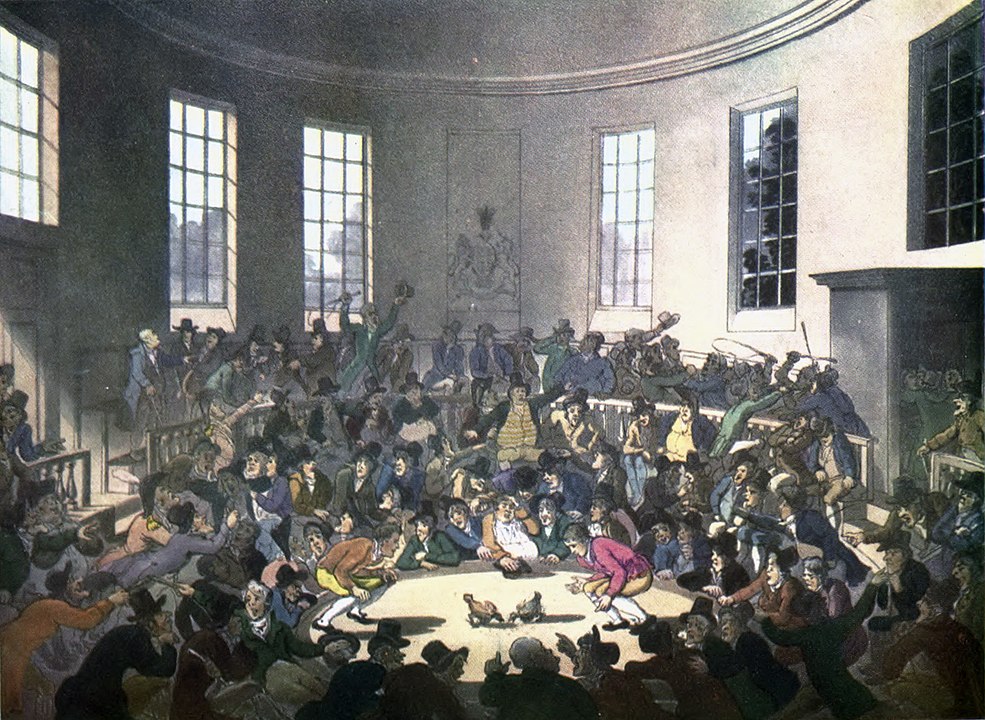
Cockfighting reduced skill to a gamble and a wound, turning small arenas into loud, intimate theaters where sharpened spurs, shouted odds, and secret money did the real talking. In Britain, the Cruelty to Animals Act of 1835 banned cockfighting, yet the sport lingered in back rooms, barns, and makeshift rings, protected by invitations, lookouts, coded directions, and the promise of fast bets. What kept it alive was the social glue around it: betting circles, local bragging rights, quick cash, and the insistence that tradition mattered more than suffering, even when raids were rumored, and neighbors pretended not to know.
Fox Tossing
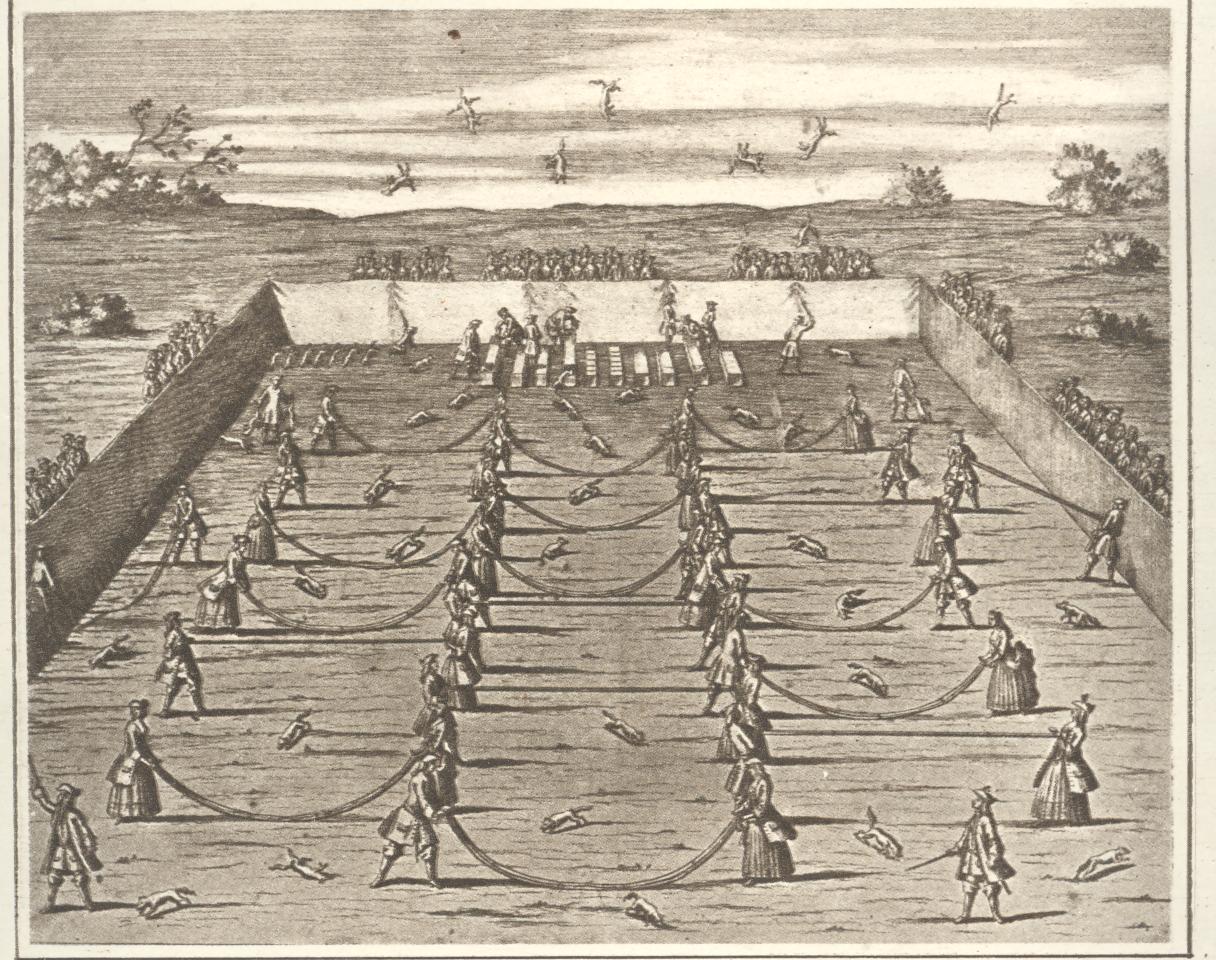
Fox tossing, or Fuchsprellen, was a fashionable blood sport in parts of Europe in the 17th and 18th centuries, staged in courtyards as a party game for aristocrats who could afford to call it sport. Pairs of participants used slings to fling live animals into the air, competing for height and distance while the animal’s body became the score, and foxes, hares, and other creatures were thrown to injury or death. It is one of the clearest examples of status disguising savagery, and of cruelty polished with music, wine, and laughter, until even the screams were treated as background noise for the guests nearby smiling anyway.
Illegal Bare-Knuckle Prizefighting

Before gloves and sanctioned rings, prizefighting was arranged like a traveling secret, advertised in code, then shifted at the last minute to outrun constables and protect gamblers who wanted a clean getaway. In 19th-century England, bare-knuckle prizefighting was illegal, and organizers risked fines and imprisonment, which is why matches were staged in rural spots or near jurisdictional boundaries where police authority blurred. The fights promised wages and local fame to desperate men, sometimes under rule sets like the London Prize Ring Rules, but the law saw only injury, disorder, and vice dressed up as sport.