14 Foods Everyone Loved Back Then but Avoids Now

Gourmet Dessert Fads
Josh Sorenson/Pexels
Beloved staples fade as tastes shift. From TV dinners to fruitcake nostalgia lingers while kitchens favor fresher, simpler comfort

Tastes drift with habits, budgets, and better tools. What once felt modern or thrifty now reads heavy, salty, or fussy. Pantry saviors that solved weeknights became symbols of shortcuts few brag about. Nostalgia still tugs, yet shoppers reach for brighter flavors and labels they can parse. Social feeds move fast, turning must try ideas into quiet aisle residents. None of this erases memory. It simply shows how home kitchens change course and keep going, plate by plate, season by season.

TV Dinners

TV Dinners
Famartin, CC BY-SA 4.0 / Wikimedia Commons

Frozen trays promised variety and a meal in minutes. The ritual of peeling film and sorting sections charmed, but textures rarely kept pace with fresh cooking. As options improved, the thick gravies and sad peas fell behind. What remains is a fond memory of the tiny dessert square and the idea of convenience. Households now build speed with batch cooking and smarter leftovers, leaving trays as retro treats rather than weekly anchors.

Powdered Milk

Powdered Milk
ProjectManhattan, CC BY-SA 3.0 / Wikimedia Commons

Shelf stable milk filled gaps when delivery missed and fridges were small. It whisked into batters and camp mugs, doing honest work in pancakes and cocoa. Once cold storage grew and fresh milk became routine, the powder moved to emergency kits and recipe corners. Its flavor never outran the chalky edge. Bakers still keep a can for tenderness and browning, but breakfast tables prefer the clean snap of a fresh pour and a shorter ingredient line.

Liver

Liver
u_to38cto4/Pixabay

For many families, liver was a budget protein with a strong personality. The iron rich bite pleased confident cooks and divided everyone else. As palates shifted toward milder cuts and quicker techniques, the weekly skillet ritual faded. Restaurants kept it on specialty menus where good searing and onions shine. Home kitchens followed, swapping in gentler flavors that crowd pleasers share. Liver did not vanish. It became a deliberate choice instead of a standing assignment.

Pot Pies

Pot Pies
Jessica Kantak Bailey/Unsplash

Golden lids hid centers that ranged from true comfort to guesswork. Microwave shortcuts turned flaky pastry into chew and left molten pockets beside icy edges. With better rotisserie chickens and quick sauces, cooks learned to build the same warmth without the gamble. Pies survive as weekend projects or bakery treats where crust gets its due. On busy nights, stews and biscuits claim the lane frozen boxes once owned without a second thought.

Kale

Kale
pompi/Pixabay

Kale sprinted from garnish to superfood in a blink. Massaging leaves, trimming ribs, and baking chips made sense during a health kick, then started to feel precious. Many cooks kept kale for soups and sautés where texture softens and flavor deepens. In raw salads, the crown slipped to romaine and tender greens that do not need a lesson to chew. The green never failed. The expectation that every bowl must prove virtue did.

Wraps

Wraps
La La/Unsplash

Wraps arrived as lighter promises in fast food land. Thin tortillas, lean protein, and drizzle that kept growing into a flood of sodium. The format peaked when convenience outran taste, then dimmed as hearty salads and grain bowls took its place. Cafés still roll good versions with smart fillings and real crunch. Most chains left wraps to linger in corners, a reminder that healthy on paper can read sleepy when flavor and texture go missing.

Pinterest Era Hacks

Pinterest Era Hacks
Engin Akyurt/Pexels

Cauliflower crusts, zucchini noodles, and pressure cooker everything turned feeds into test kitchens. The novelty taught technique and portion control, then met limits of texture and time. Many cooks kept the best tricks and let the rest fade. Spiralizers live in drawers beside specialty pans. Instant pots still simmer beans and stock, just without daily fanfare. Trend fatigue made room for simple soups and roasts that do not chase likes to earn a weeknight spot.

Jello Molds
Jello Molds
Famartin, CC BY-SA 4.0 / Wikimedia Commons

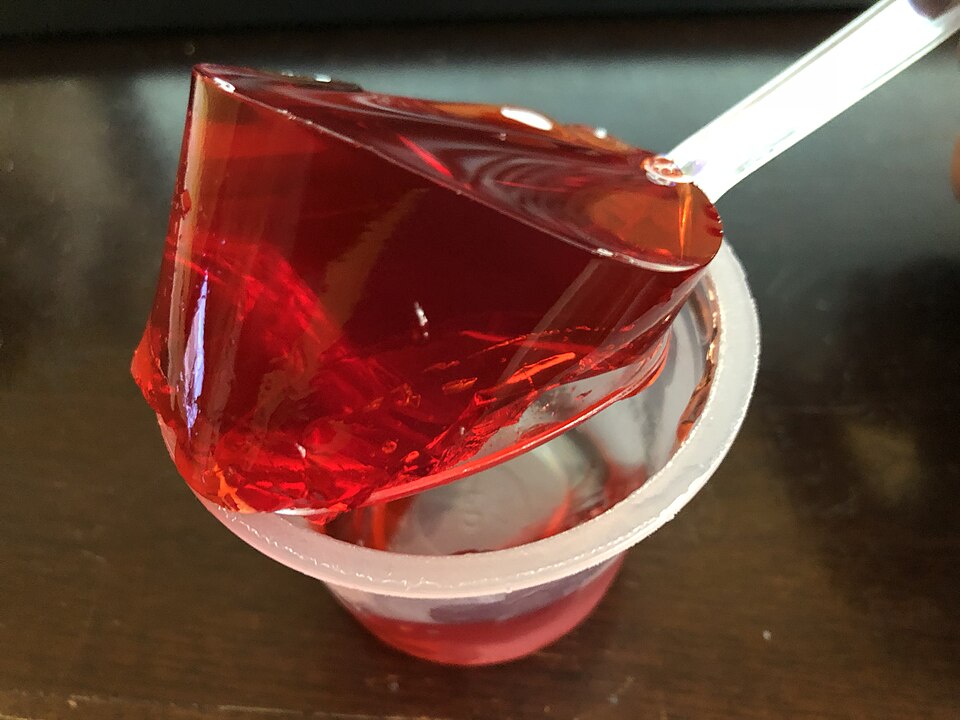
Ring molds once anchored party tables with suspended fruit and improbable combos. The shimmer charmed even when flavors clashed. Younger hosts kept the brand for lunchbox cups and left sculpted versions to memory. Texture expectations changed, and wobble lost ground to puddings, bars, and pies. Grandparents still bring heirloom recipes to holidays, which feels right. Gelatin endures best when it quietly sets a panna cotta instead of pretending to be a salad.

Canned Soup

Canned Soup
Calle Macarone/Pexels

A can solved long days with a pull tab and a pot. Labels promised comfort in minutes, but sodium counts and long ingredient lists wore down loyalty. Shoppers learned to build quick pots with stock, aromatics, and a bag of greens. Some brands pivoted to shorter labels and chunkier textures to keep a foothold. The rest wait for storms and colds. The idea endures while execution moves closer to the stove and the cutting board.

Almond Milk
Almond Milk
Amazing Almonds, CC BY 2.0 / Wikimedia Commons

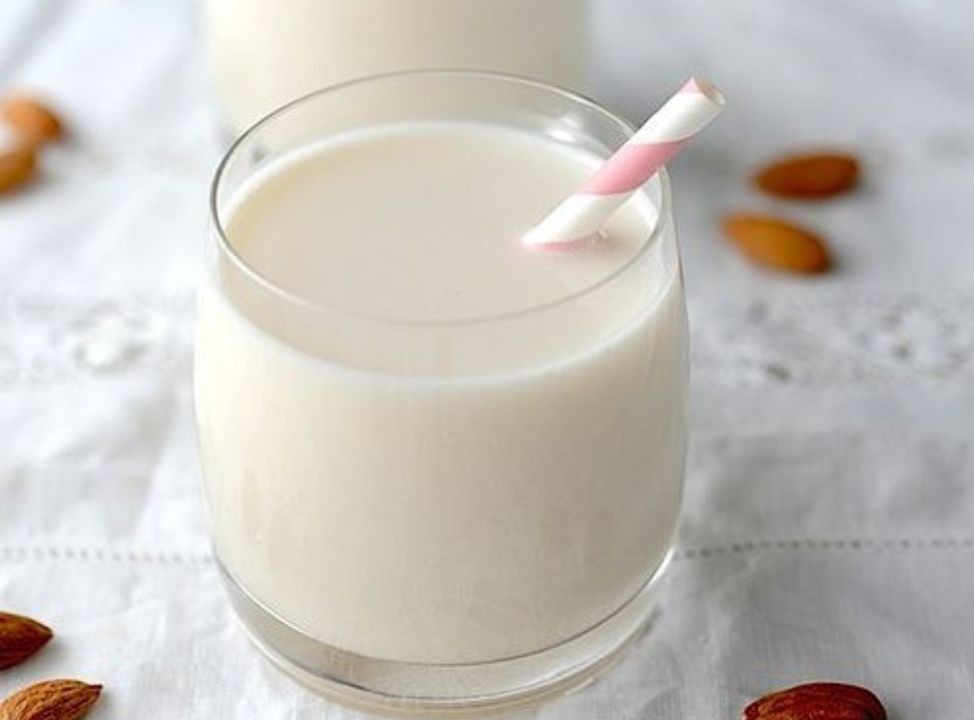
Non dairy milk surged as cereal culture shifted and café habits grew. Almond led on taste, then met hard facts about water and orchards. Prices moved, and new blends invited experiments with oats, peas, and coconuts. Households still stock alternatives for baking and coffee. The dominance softened, not the category. Almond keeps a place in smoothies and lattes, but the carton now competes with creamier textures that foam well and tread lighter on resources.

Cake Rolls

Cake Rolls
hiven1000/Pixabay

Sponge wrapped around cream drew oohs at bake sales and birthdays. The swirl looked fancy and felt friendly. As dessert trends chased cupcakes, macarons, and giant cookies, the roll stepped aside. It returns for holidays and retro themes where nostalgia boosts flavor. Home bakers who master the towel roll keep the tradition alive. The rest order slices from bakeries that treat filling as a canvas for seasonal jams, citrus, and chocolate.

Fruitcake

Fruitcake
Pixabay/Pexels

Holiday tables once made space for dense loaves studded with candied fruit. The joke outlived the flavor. Bakers revived the form with good dried fruit, toasted nuts, and weeks of careful soaking, proving the problem was never the idea. Supermarket bricks still sit quietly each December. Families now trade tins for cookies, brittles, and hand pies that pack cleanly and please more ages. The best fruitcake earns fans. The rest props doors and memories.

Frozen Juice Concentrate
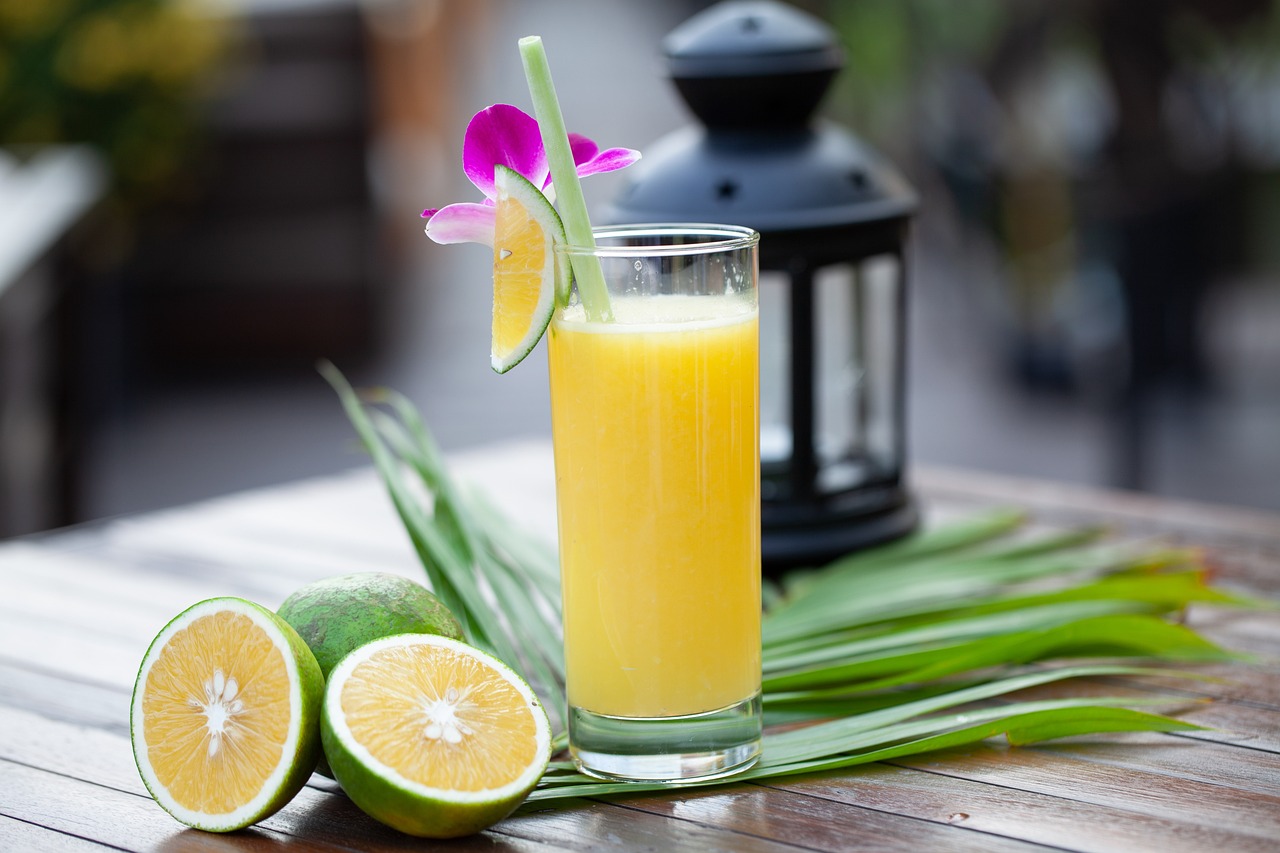
Frozen Juice Concentrate
kan_chansathya/Pixabay

Freezers once held tidy cylinders that promised a pitcher on demand. The ritual of thaw, stir, and refill fit mornings and budgets. As bottled juice improved and fresh options multiplied, concentrate lost ground. It survives in cocktails and baking where intensity helps. Most fridges carry small cartons or skip juice for whole fruit and water. The can still exists, a reminder of when convenience arrived with a spoon and a line on the label.

Gourmet Dessert Fads

Gourmet Dessert Fads
Ibrahim Boran/Pexels

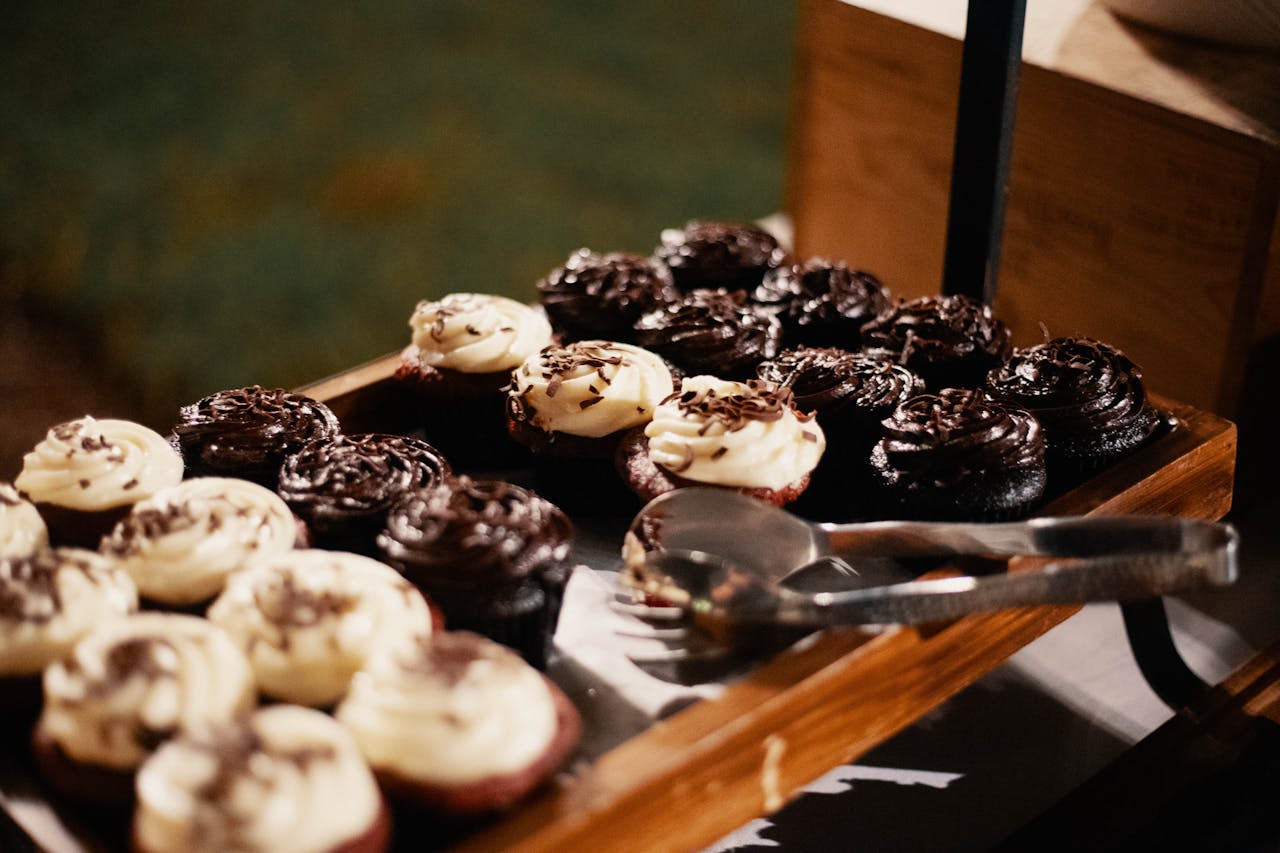
Dessert fashion runs in loops. Gelato, boutique ice cream, gourmet cupcakes, maximalist cookies. Each wave crowns a champion, then yields to the next. Social feeds reward novelty more than loyalty. Many diners now crave throwback ease that travels well and satisfies in a few bites. Hand pies, snack cakes, and bar cookies fit the moment. The pendulum rarely stops. It swings from ornate to simple and back, carrying sweet teeth along for the ride.

0 Shares:
You May Also Like
7. Gift Math And Adjusted Timelines
Read More

10 Souvenirs That Replaced Postcards, and Why They Took Over

# 10 Souvenirs That Replaced Postcards, and Why They Took Over Postcards used to be the official proof that someone had gone somewhere else, even for a weekend. One photo, a rushed note, and a stamp did the job. As phones made updates instant and mailing got fussier, the postcard shifted from habit to novelty. Shops did not stop selling memories, they just changed the format. People started picking objects that stayed in daily circulation: something to wear, use, taste, or display. These souvenirs carried place and personality without requiring neat handwriting or a correct address. The result is a quieter kind of storytelling, where the trip keeps resurfacing in kitchens, pockets, and routines long after the suitcase is zipped away. Even the smallest keepsake can outlast paper. ## Fridge Magnets Postcards showed up late, then got buried, no stamp, no address, no delivery gamble saving the moment. Fridge magnets solved that by living in plain sight, pinning grocery lists and kid art under the same skyline, ferry silhouette, or metro line diagram, so the memory stayed active instead of archived. Shops moved past generic landmark photos into neighborhood slogans, food sketches, and mini maps, because one glance could bring back market chatter and platform noise; they pack flat, survive rentals and moves, and invite multiples, turning a single fridge door into a casual, constantly updated timeline of places that still matter. ## Travel Stickers And Decals Stickers turned souvenirs into something that traveled again. Instead of mailing a postcard to one person, a decal could live on a laptop, water bottle, bike frame, or scuffed suitcase, building a layered map of routes through station codes, park crests, bookstore logos, and hand drawn mascots that sparked conversation in cafés and airport lines. Because they are waterproof, cheap, and sold in sets, they became easy gifts and easy trades, and wear looks honest, not ruined; each scratch and overlap shows what came after, making the object feel like a passport with a growing, visible history that never needs framing. ## Enamel Pins And Patches Enamel pins and patches gave the postcard image weight and texture, turning a skyline or mascot into something that could be worn. A tiny badge of a mountain ridge, museum logo, or neighborhood diner sat on a jacket or backpack for years, acting like a quiet signal in transit stations and coffee lines, not a message begging for postage. Shops leaned into limited runs, artist collaborations, and city only series, so the souvenir felt chosen, not generic; extras were gifted, swapped, or used to cover a tear, and the metal or thread handled rain and repeat trips with ease while a pinboard at home kept the timeline intact. ## Keychains And Bag Charms Keychains and bag charms replaced the postcard rack impulse with something that had a job to do. Keys get grabbed every morning, and charms ride on zipper pulls and backpacks, so a metal tag or leather fob kept the trip in circulation, stamped with coordinates, an arrival year, or a street sign shape that felt like a postmark without the paper. Many versions doubled as bottle openers or tiny tools, so the souvenir earned its space, and pocket wear became part of the story, turning scratches and softened edges into proof that the memory moved through real weekdays, rentals, and commutes, not just a perfect weekend photo. ## Tote Bags, Tees, And Caps Apparel made souvenirs feel less like clutter and more like identity. A tote from an art bookstore, a tee from a surf town, or a cap from a ballpark got worn again and again, carrying the place into errands, classes, and casual nights out, and sometimes turning into the default travel uniform on the next flight. Shops shifted from generic landmark photos to sharper typography, neighborhood slang, and local brand logos that signaled taste as much as geography; the best pieces were soft, well cut, and easy to pack, so gifting one felt practical, and the souvenir kept earning attention without taking up shelf space or needing a frame. ## Mugs And Local Drinkware Mugs turned travel into a daily ritual instead of a mailed update, because morning coffee landed in ceramics printed with a neighborhood map, a museum crest, or a local roaster logo and the memory resurfaced when the kettle clicked off. Cafés and galleries pushed limited designs, handmade glazes, and seasonal runs, so the purchase felt closer to a small piece of art than a generic souvenir. Tumblers, pint glasses, and tea cups also solved storage: they stack, survive moves, and look better with use, and they show up at dinners and chats, letting one shelf hold years of trips without becoming a dusty pile of paper. ## Snacks, Spices, And Pantry Finds Edible souvenirs did what postcards tried to do, but faster, because a jar of chili crisp, a regional spice blend, or a bag of saltwater taffy could be opened the night someone got home and turn storytelling into tasting. Markets and airports helped by selling sealed sweets, vacuum packed coffee, and sturdy tins built for carry ons, so the food survived long routes and still felt tied to the place where it was found. It also dodged clutter: once shared at an office desk or family table, it disappeared, yet the flavor lingered, and people often remembered a street, a song, or a shopkeeper’s grin more clearly than any glossy photo. ## Ornaments And Tiny Home Decor Ornaments became postcards with a return date, because a hand painted bauble from a night market or a miniature landmark for the tree reappeared every December and unboxing it felt like rereading a message from an older self. Outside the holidays, tiny home décor did the same work: coasters, tea towels, ceramic tiles, and matchboxes that lived on counters, ready to be noticed during ordinary mornings. These pieces asked for no postage and no framing, only a place in the house, and they resurfaced at the right moments, when guests arrived, when winter gatherings started, or when a quiet afternoon made nostalgia feel welcome. ## Art Prints, Zines, And Pocket Books Small prints and zines gave the postcard a smarter cousin, because instead of the same sunset photo, travelers brought home risograph posters, line drawings of street corners, and pocket guides written by locals, sometimes signed or numbered, which made the memory feel chosen, not grabbed. The message lived in the taste of the selection, not the handwriting, and the paper felt worth keeping because it had a point of view. Unframed pages fit clip rails, journals, or gallery walls, and buying from an artist table or neighborhood bookshop let the souvenir support the place directly, keeping the trip alive through design, not postage. ## Tattoos As Travel Keepsakes For some travelers, the replacement became permanent, and that permanence was the appeal. A tiny wave, coordinates, or a symbol developed with a local artist could not be lost in a move or tossed in a cleanout, and booking an appointment made the souvenir feel like commissioning art, not grabbing merch near the register. It also solved the postcard problem cleanly: no postage, no delay, no single recipient, just a story carried forward on skin, whether it is a port city anchor or a mountain contour line, quiet until a sleeve rolled up or a wrist turned and the place appeared again, right on time in conversation or solitude. The postcard never really lost its charm; it lost its role. Modern souvenirs win because they do not ask for extra steps, and they refuse to stay hidden. A magnet gets touched, a mug gets lifted, a spice blend gets passed across the table, and a pin rides through another trip. That repetition is the secret. Instead of proving travel happened, these objects let the memory keep happening, in small flashes that feel honest. In the end, the best keepsake is the one that blends into daily life and still pulls a place back into focus, without fanfare. **Excerpt (130 characters):** Postcards faded, but magnets, mugs, stickers, snacks, and small art brought travel home, letting memories live in real life still.