Some cafés seem designed for sentences. A table invites a notebook, a window frames passing lives, and the steady clink of cups sets a pace that thoughts can trust. Across continents, a few coffeehouses have become unofficial studios for poets, novelists, and critics, places where ideas are tested, cut, and rebuilt with care. Their gift is not only history or décor. It is permission to linger long enough for a voice to sharpen and for a draft to finally behave.
Shakespeare and Company Café, Paris
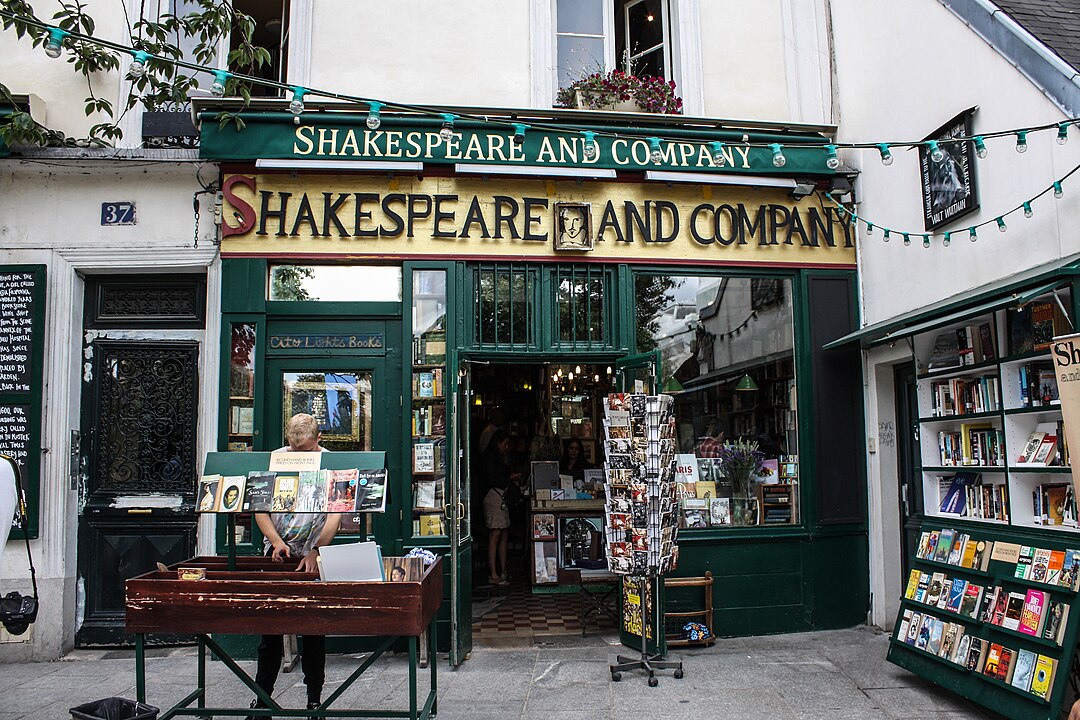
Steps from the Seine and the famed bookshop on Rue de la Bûcherie, the café keeps the Left Bank’s reading culture alive in a working, everyday way. Opened in 2015, it feels contemporary in menu and pace, but the atmosphere stays writer-friendly, with tables close enough for overheard phrases to become dialogue and quiet corners for line-by-line edits. From the terrace view toward Notre Dame to the soft-lit interior, it rewards lingering even on busy afternoons: order coffee, nibble something simple, and feel how the staff never rushes a working page, so drafts survive the day without losing their nerve.
Café Central, Vienna
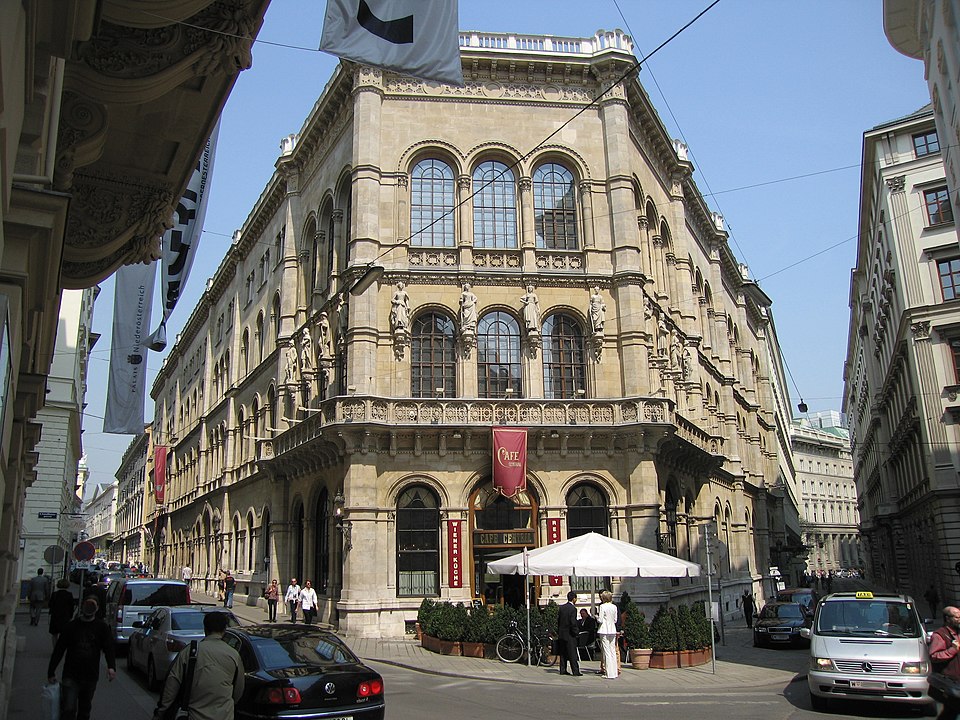
Café Central sits inside the Palais Ferstel like a cathedral for notebooks, with vaulted ceilings, marble, and a hush that makes even noisy thoughts behave. Since 1876, Vienna’s coffeehouse culture has treated this room as a public study, and legends of regulars like Peter Altenberg and Stefan Zweig still cling to the tables alongside today’s newspaper readers. Order a melange, watch chess boards and pastry trays circulate, and the setting quietly demands precision: every sentence feels cleaner when it must hold its shape under chandeliers, in a room built for staying until the argument finally clicks.
Caffè Florian, Venice
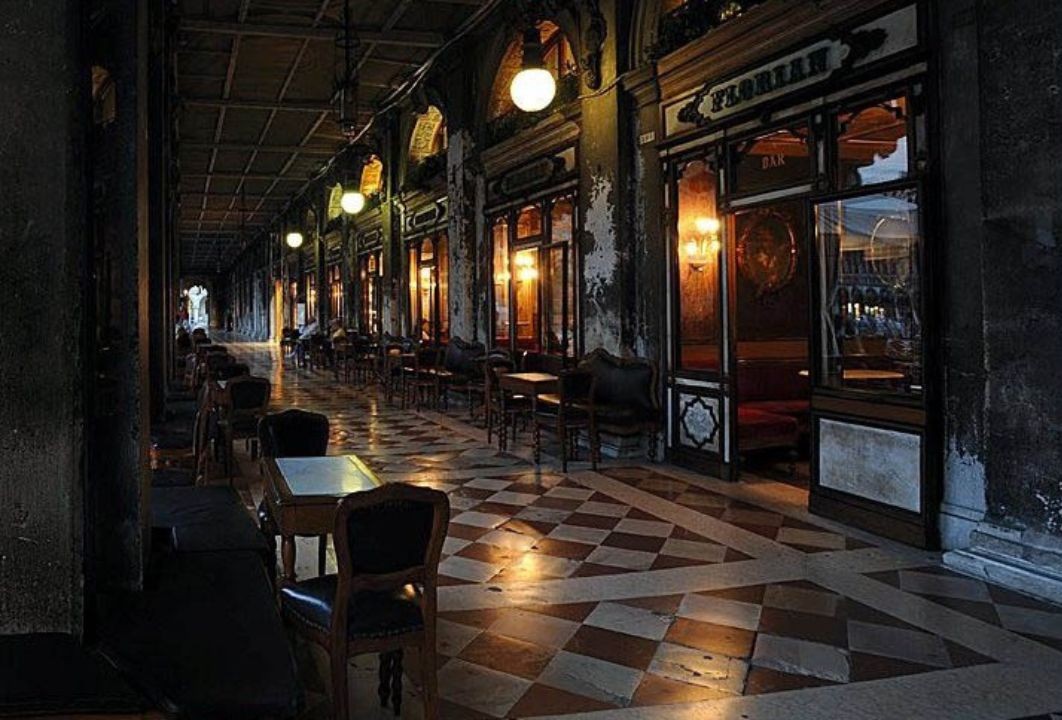
In Piazza San Marco, Caffè Florian has served coffee since 1720, and its gilded rooms still make Venice feel staged in the best way, part salon and part theater. Velvet seats, mirrors, and painted panels encourage slow observation, and generations of artists and writers have used that atmosphere to sharpen descriptions and give ordinary moments a little drama without exaggeration. Outside, orchestras play under the arcades and the crowd shifts like tidewater; inside, the calm makes it easy to draft, reread, and tighten a paragraph until only the essential remains, then step out and collect fresh detail.
Antico Caffè Greco, Rome
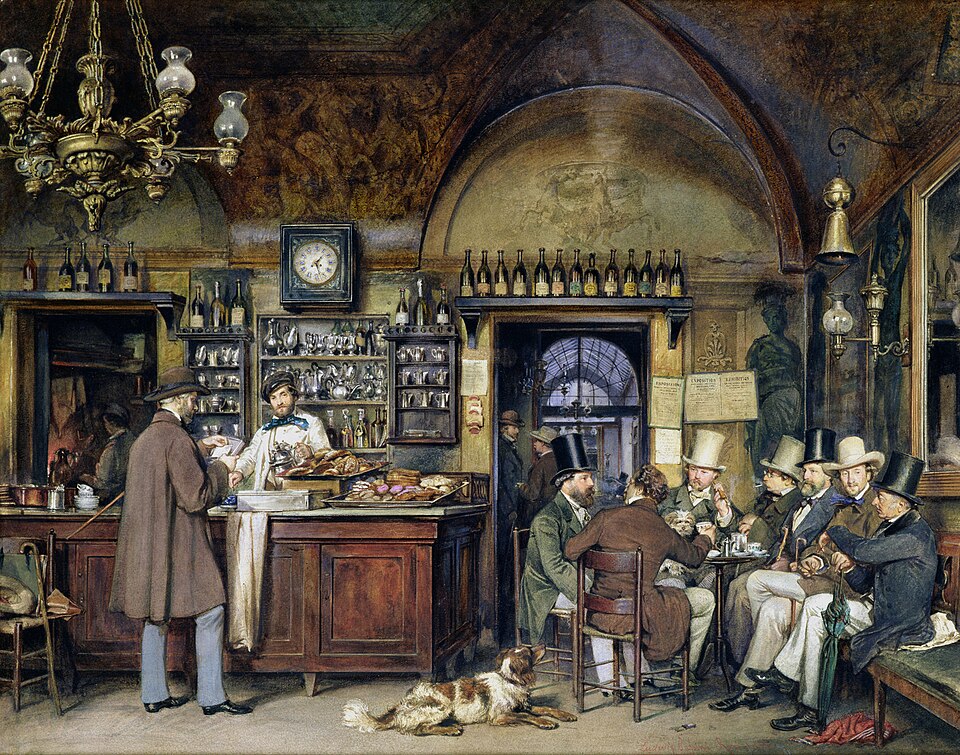
Antico Caffè Greco on Via Condotti 86 has served Rome since 1760, hiding a warm, dim quiet behind the city’s polished storefronts and fast footsteps, just steps from the Spanish Steps. Its small rooms are crowded with framed art and old mirrors, creating a preserved salon feel that once drew painters, poets, and travelers, and still makes conversation feel like part of the work. Coffee arrives with steady formality, and the hush invites craft over drama: draft a line, read it twice, trim what is weak, and step back outside with the sense that the page finally knows what it wants to say and nothing extra.
Café A Brasileira, Lisbon
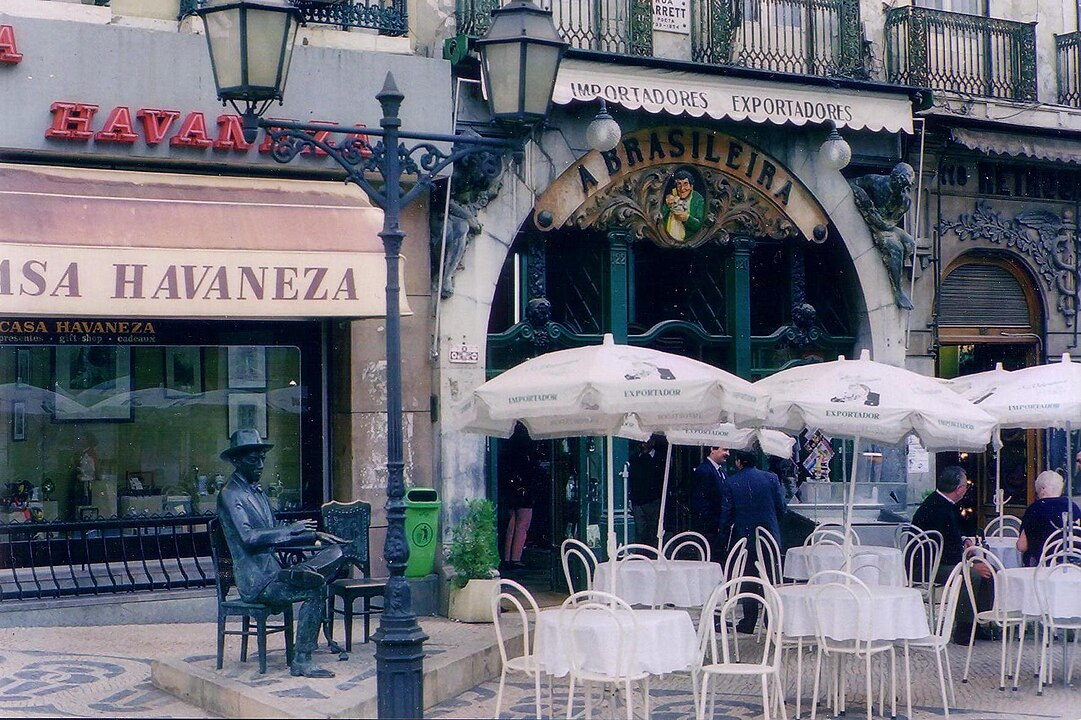
Café A Brasileira opened in 1905 in Chiado at 120 Rua Garrett, and it still carries the neighborhood’s mix of elegance, noise, and sharp edges. Dark wood and Art Nouveau details frame a room that supports both talk and quiet work, while Fernando Pessoa’s presence lingers in the bronze figure outside, mid-thought at a terrace table, as trams and shoppers slide past. The café’s tempo shifts from quick espresso to slower afternoon conversation, which suits drafting: bursts of confidence, pauses of doubt, then the satisfying decision to cross out what does not hold and keep what rings true on the page.
Café Louvre, Prague
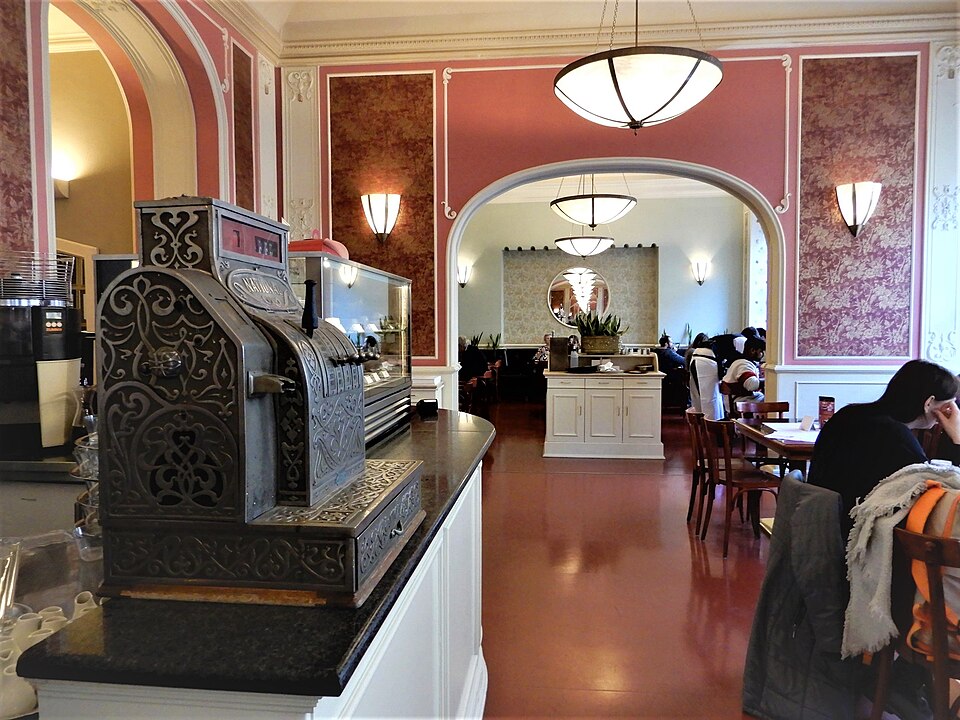
Café Louvre near Národní třída balances bright space with serious calm, welcoming newspapers, chess, and long sits without turning the room loud, a short walk from the National Theatre. In 1925, 38 writers met here to found the Czechoslovak PEN Club center, and that civic confidence still hangs in the air, as if ideas should be tested and defended, not simply admired, between coffee and cake. Wide tables, high ceilings, and steady service make persistence feel ordinary, helping a draft survive the hard middle where focus matters more than inspiration and the next paragraph has to be earned, then earned again.
Café Gijón, Madrid
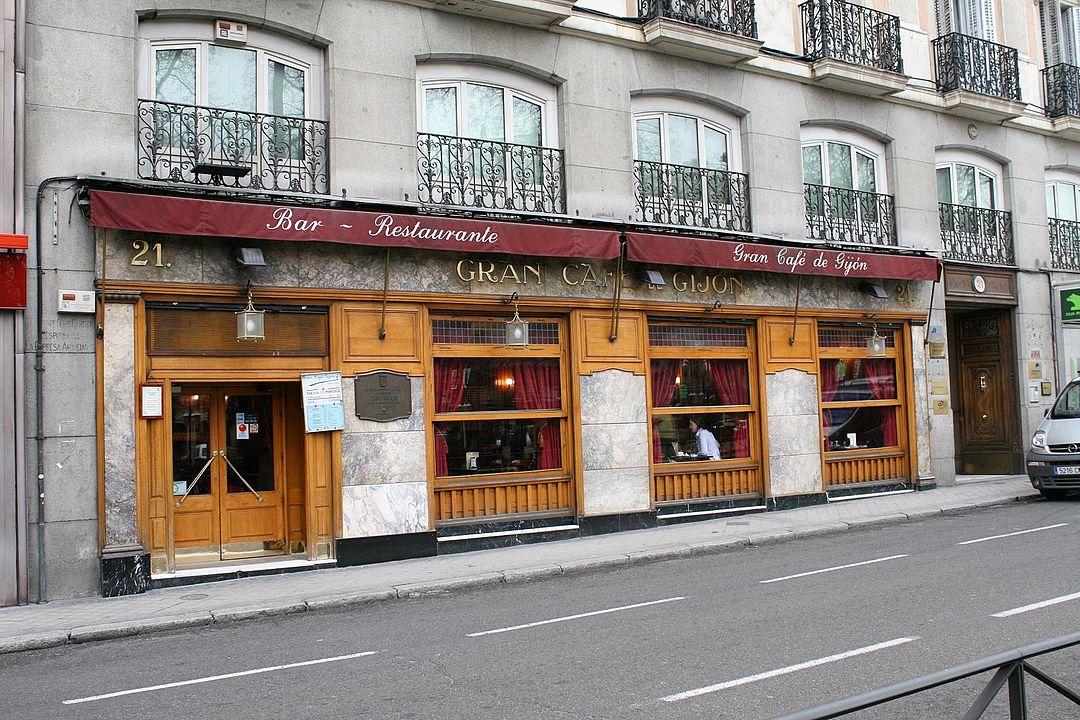
Founded in 1888 on Paseo de Recoletos 21, Café Gijón is famous for tertulias, recurring gatherings where writers argue, refine, and occasionally surrender a bad idea in front of witnesses. Generations of poets, critics, and novelists have used its tables as a testing ground, and the terrace watches the boulevard like a stage while the interior keeps a worn dignity that invites disagreement without theatrics. It is less about solitude than honest friction: a friend spots the weak hinge in a scene, a rival respects a strong line, and the page improves because it must survive conversation, not private optimism.
Café Tortoni, Buenos Aires
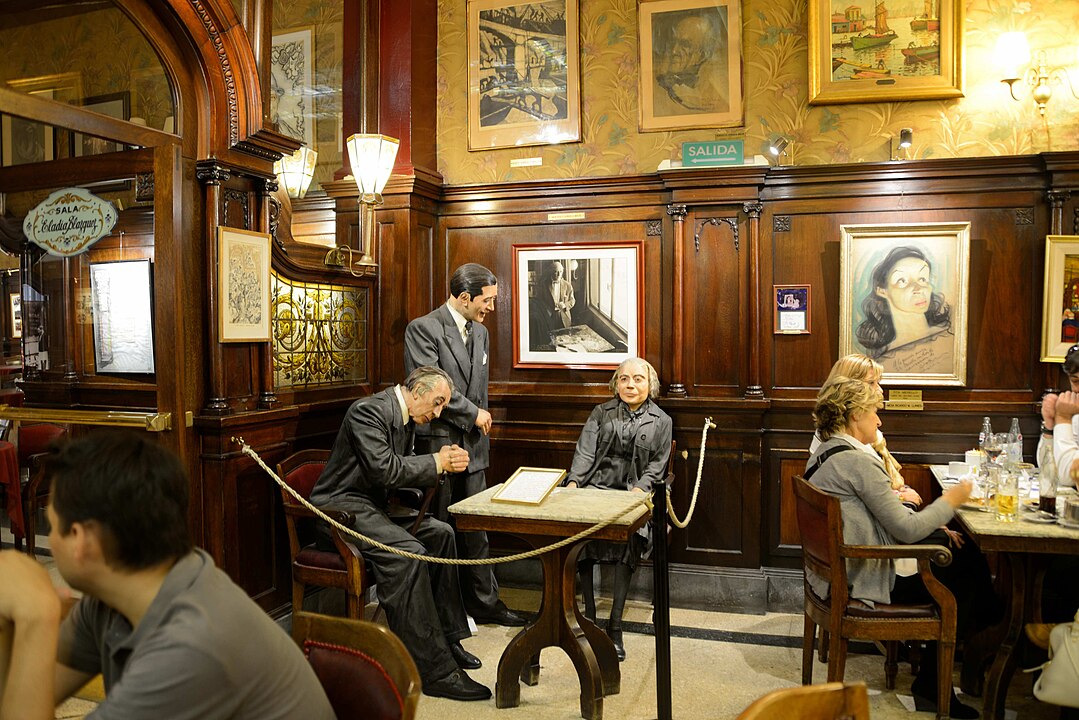
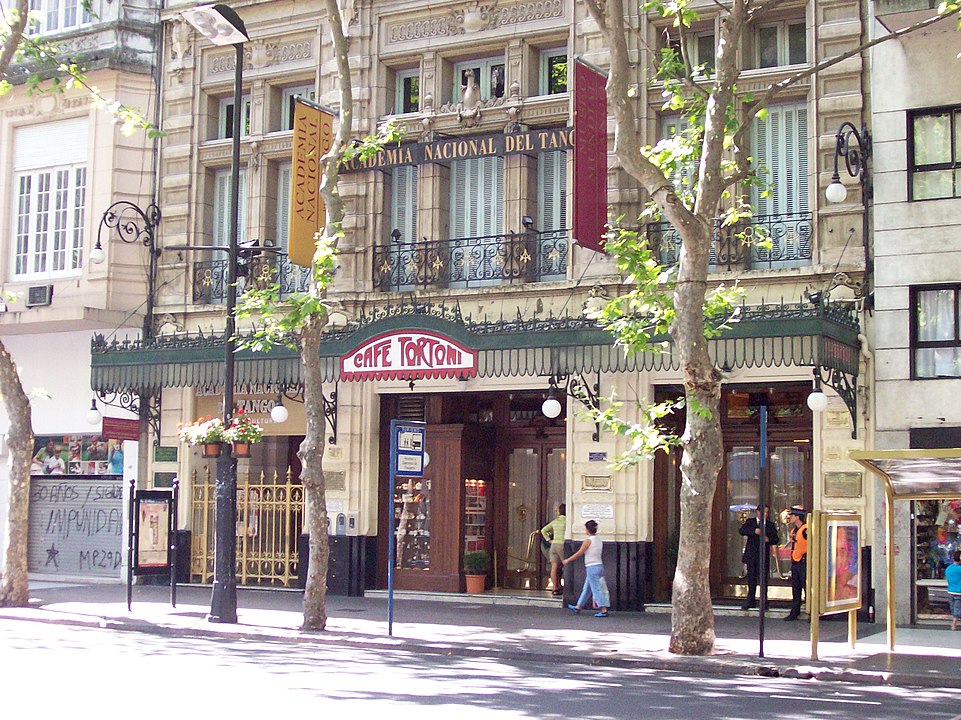
Established in 1858 on Avenida de Mayo, Café Tortoni feels like a living scrapbook of Buenos Aires, with stained glass, dark wood, and photographs that reward slow looking. The café’s cultural life is active, not only historic: La Peña, founded in 1926, supported the arts, and the rooms still host tango, jazz, readings, and book events that keep language in the air. A corner table linked in local lore to Jorge Luis Borges adds a quiet dare, and the room’s warm cadence makes it easier to write with rhythm and restraint, as if every paragraph should sound musical without showing its effort at all.
Les Deux Magots, Paris
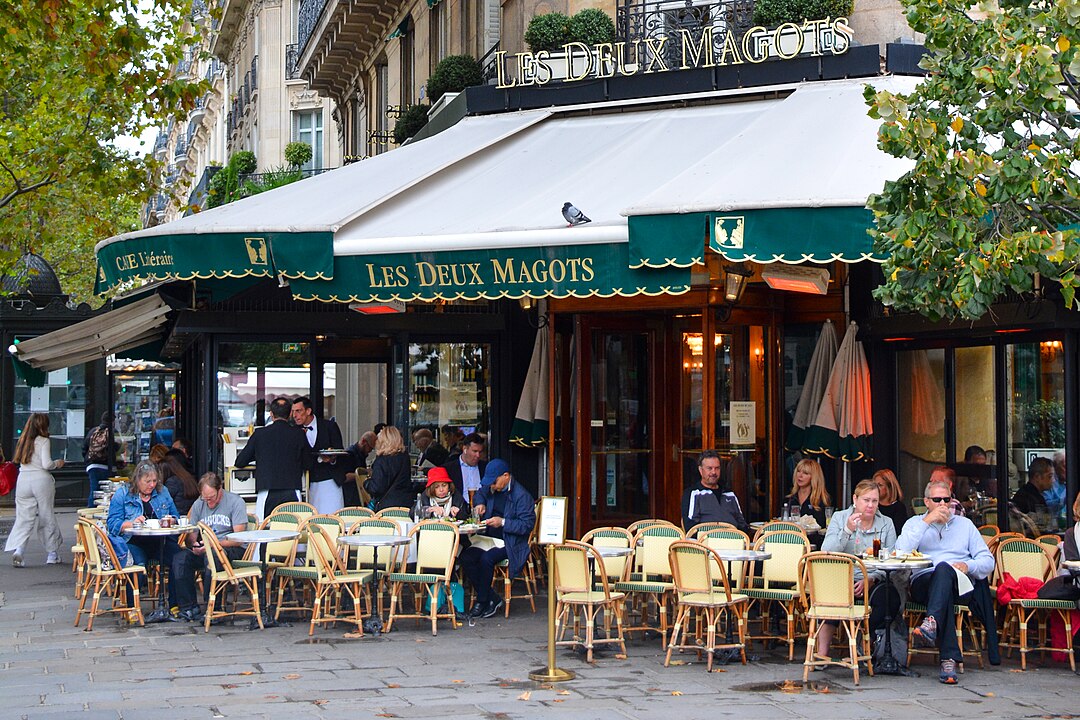
At 6 Place Saint-Germain-des-Prés, Les Deux Magots blends street energy with a room that still feels built for thought, and it stays tied to literature through the Prix des Deux Magots. The terrace offers constant motion, yet the interior supports focused work from early morning onward: shaping an argument, tightening a scene, or simply watching light shift across porcelain while ideas settle into order. History and everyday bustle share the same tables, and the lesson is practical: style is earned through repetition, and a manuscript grows the way a café reputation does, one return visit at a time, until the voice steadies.