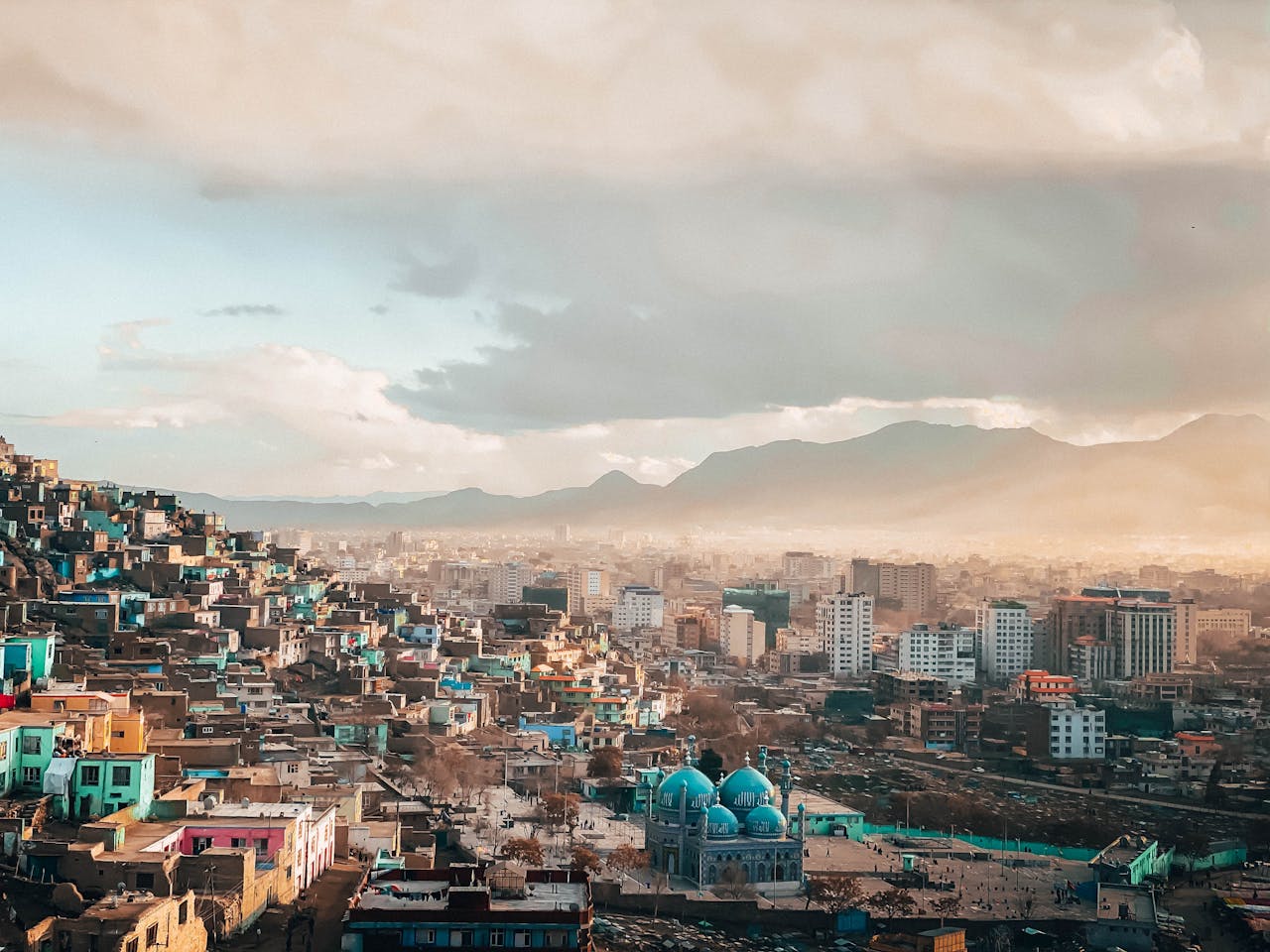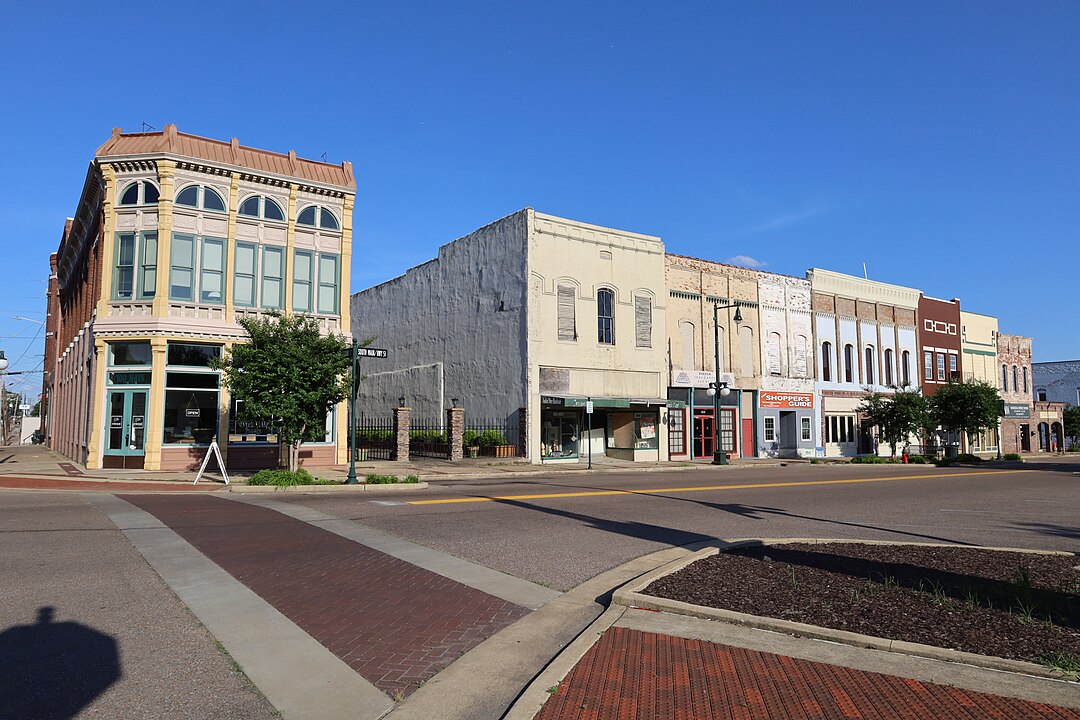
In the central Mississippi Valley, earthquakes are easy to forget, which is what makes the New Madrid risk feel so unsettling. The region’s soft river sediments can amplify shaking and, in some places, liquefy, turning ordinary streets into unstable ground. Many towns here sit low, depend on levees and bridges, and run on utilities that cross wetlands and floodplains. If a strong sequence returned, damage would not be limited to one downtown block; it would spread through roads, water systems, and supply lines. Some communities could be altered beyond recognition.
New Madrid, Missouri
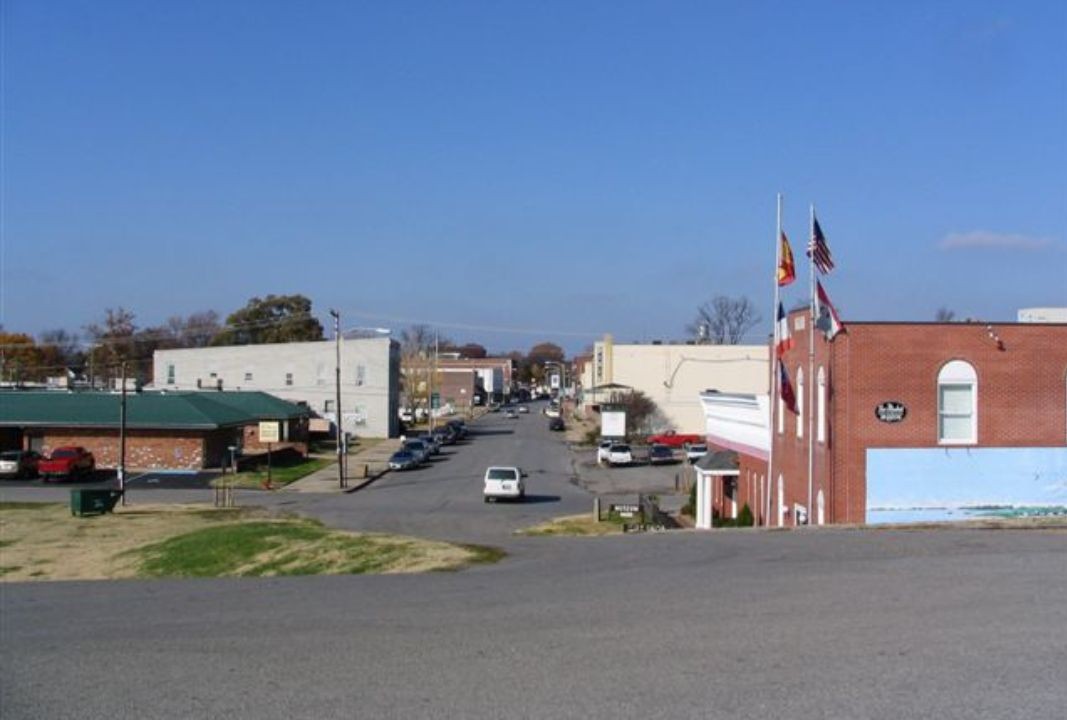
New Madrid sits near the namesake fault and beside a river landscape built from soft, waterlogged sediments. In a strong quake, the danger is not only shaking but ground failure, where liquefaction can make soil lose strength, tilt slabs, snap buried pipes, and warp streets into buckled ridges. Add riverbank slumping, cracked utility crossings, and damaged levee features, and the town can face long boil-water orders, impassable blocks, and rebuilding that starts with stabilizing ground before repairing homes and storefronts, especially where brick buildings and older slabs sit on loose, wet ground.
Caruthersville, Missouri
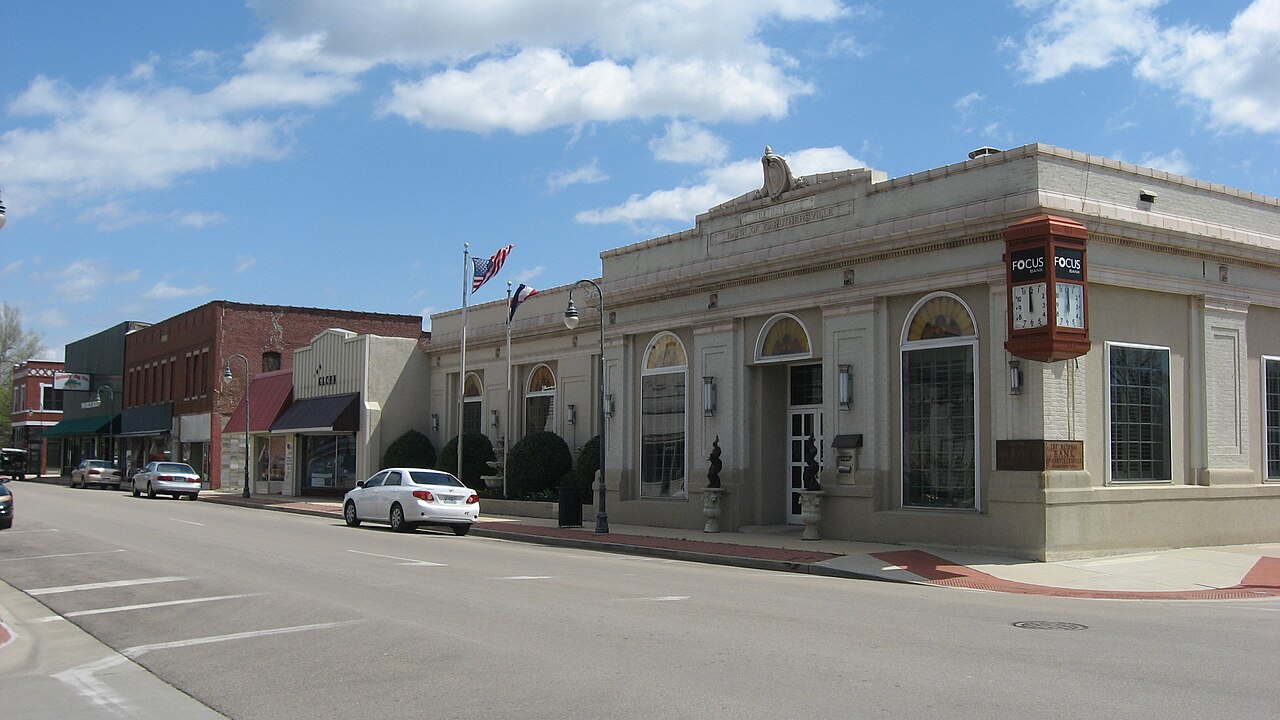
Caruthersville hugs the Mississippi in the Bootheel, where levees, pump stations, and low roads are part of the town’s daily survival system. A major quake could crack embankments, slump riverbanks, and shift saturated ground under neighborhoods, leaving uneven streets, broken water lines, and warped sewer laterals that are hard to isolate. Even if many homes remain standing, damaged drainage, detoured access, and stressed emergency services can stretch recovery into months, with schools, clinics, and grocery supply all dependent on a few repaired routes, with river commerce paused until inspections say levees and approaches are secure.
Sikeston, Missouri
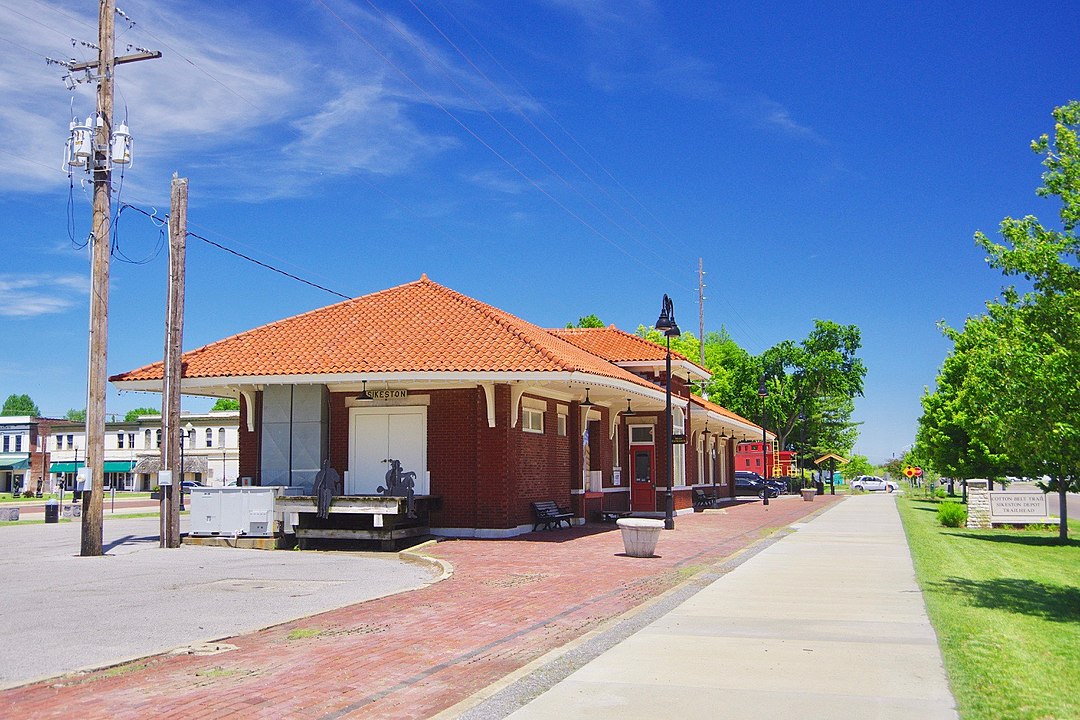
Sikeston’s strength is its connections: interstates, rail lines, and the constant movement of freight through the Bootheel. Strong shaking in soft soils can distort roadbeds, damage overpasses, and rupture gas and water mains, turning a practical crossroads into a bottleneck overnight and cutting off repair convoys. When regional routes stall, deliveries of fuel, medicine, and materials slow, businesses can’t reopen on schedule, and the town gets stuck in a loop of detours, spotty cell service, and long waits for inspections and parts, and recovery feels slower because the town depends on through-traffic as much as local customers.
Kennett, Missouri
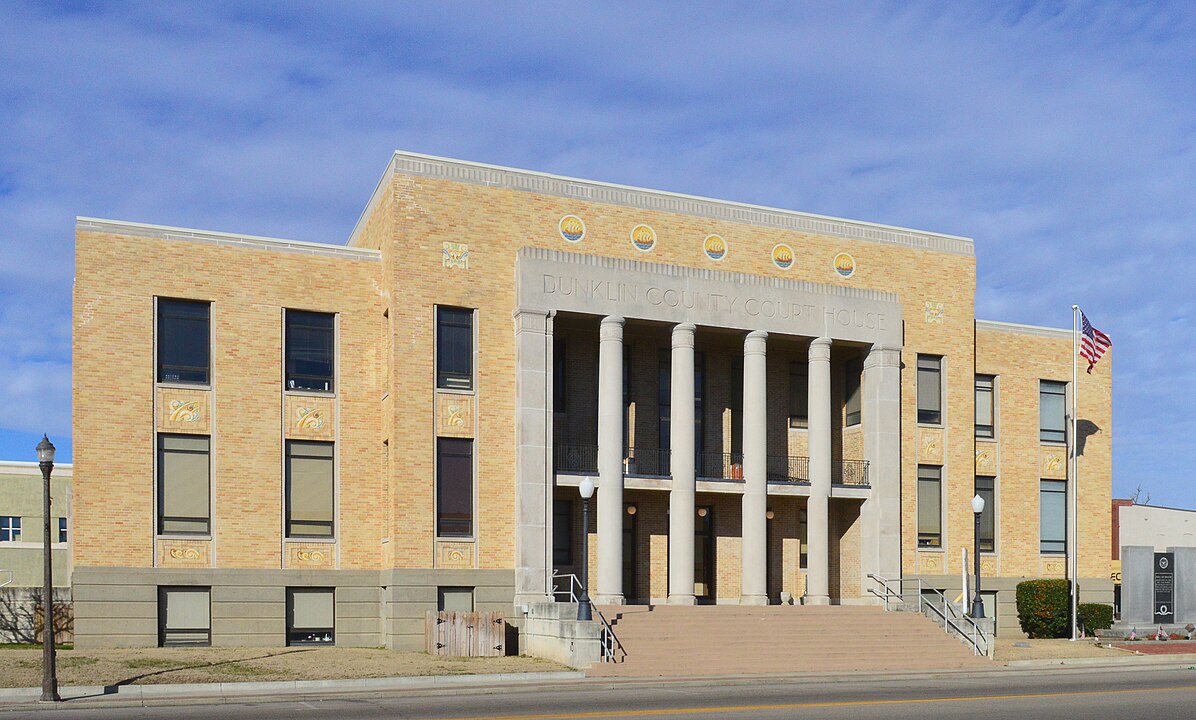
Kennett is surrounded by engineered farmland, drainage ditches, and canals that quietly keep the region productive. An earthquake would stress that hidden network, cracking culverts, shifting channels, and leaving roads uneven enough to disrupt heavy trucks, school buses, and farm equipment during harvest. Because repairs are spread across miles of rural infrastructure, restoring power, clean water, and communications can take longer than expected, and damaged water towers or pump wells can keep pressure low even after lights return, and daily life can run on low pressure, generator hum, and improvised water deliveries.
Blytheville, Arkansas

Blytheville sits on broad, flat ground near the St. Francis Basin, where soft sediments can amplify motion and challenge older masonry buildings and light industrial sites. The bigger threat is what cannot be seen at first: water, sewer, and energy lines crossing low terrain that can fail in multiple places at once, plus bridge approaches that can settle. If pumping stations, riverfront corridors, and key roads are damaged together, response slows and neighborhoods wait longer for basics, turning recovery into triage where small breaks multiply into big, stubborn disruptions, and residents can face closures of schools and key employers.
Jonesboro, Arkansas
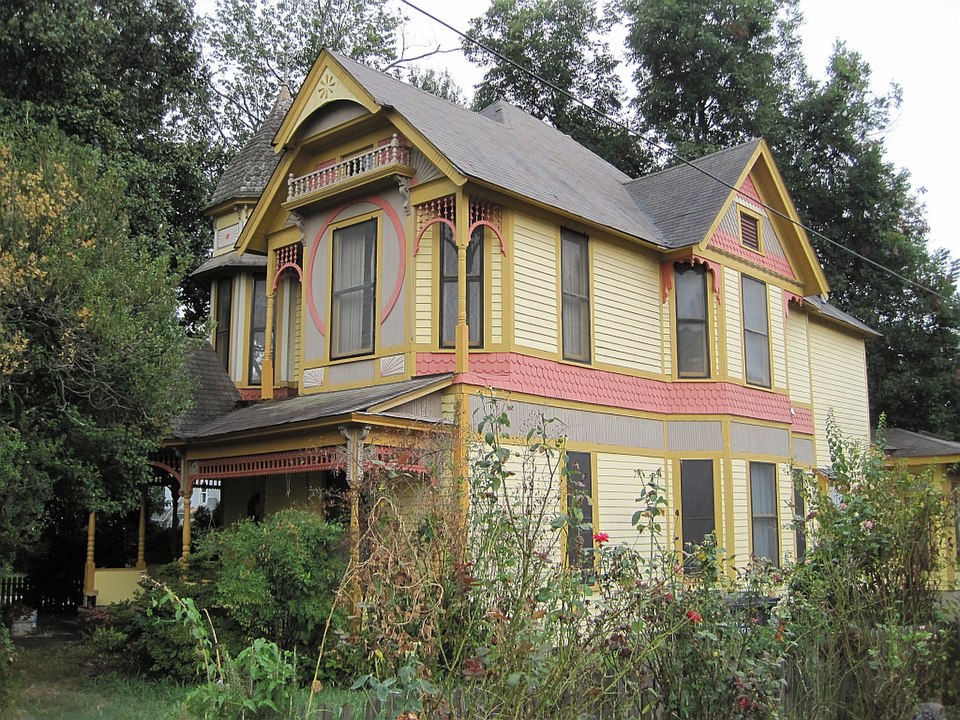
Jonesboro is a regional anchor with hospitals, universities, and services that surrounding towns rely on when trouble hits. In a major quake, it faces a double load: fixing its own streets and utilities while absorbing displaced residents, supply needs, and urgent care from harder-hit places across the Delta and Bootheel. That pressure can overwhelm water systems, shelter capacity, and traffic routes when they are already compromised, leaving the city operating in emergency mode for weeks, with strained staffing, fuel rationing, and constant repair priorities, plus crowded shelters and stretched hospital capacity for days.
Tiptonville, Tennessee
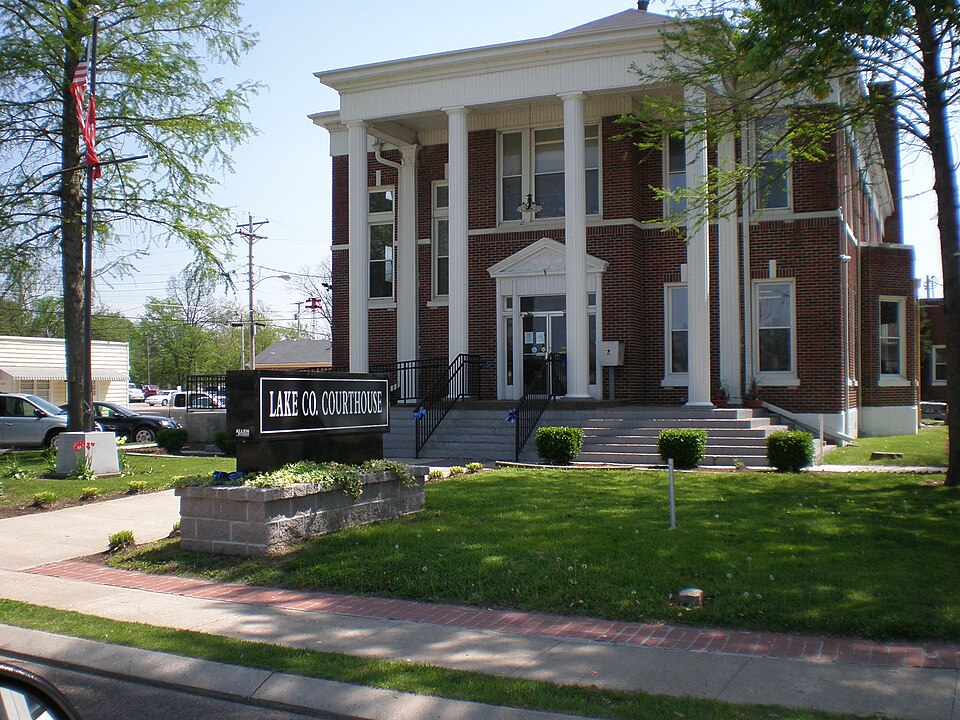
Tiptonville sits near Reelfoot Lake, where the ground is low, wet, and shaped by the last major New Madrid sequence. In strong shaking, saturated soils can settle unevenly and shift in ways that change drainage, damage docks and roads, and complicate shoreline stability around homes and small businesses. The hard part is uncertainty: even after debris is cleared, the land may not behave the same, and rebuilding becomes a careful debate about where it is safe to pour foundations, reconnect utilities, and reopen routes without repeat cracking, while lake-adjacent ground is monitored for settling that can return after heavy rain.
Dyersburg, Tennessee
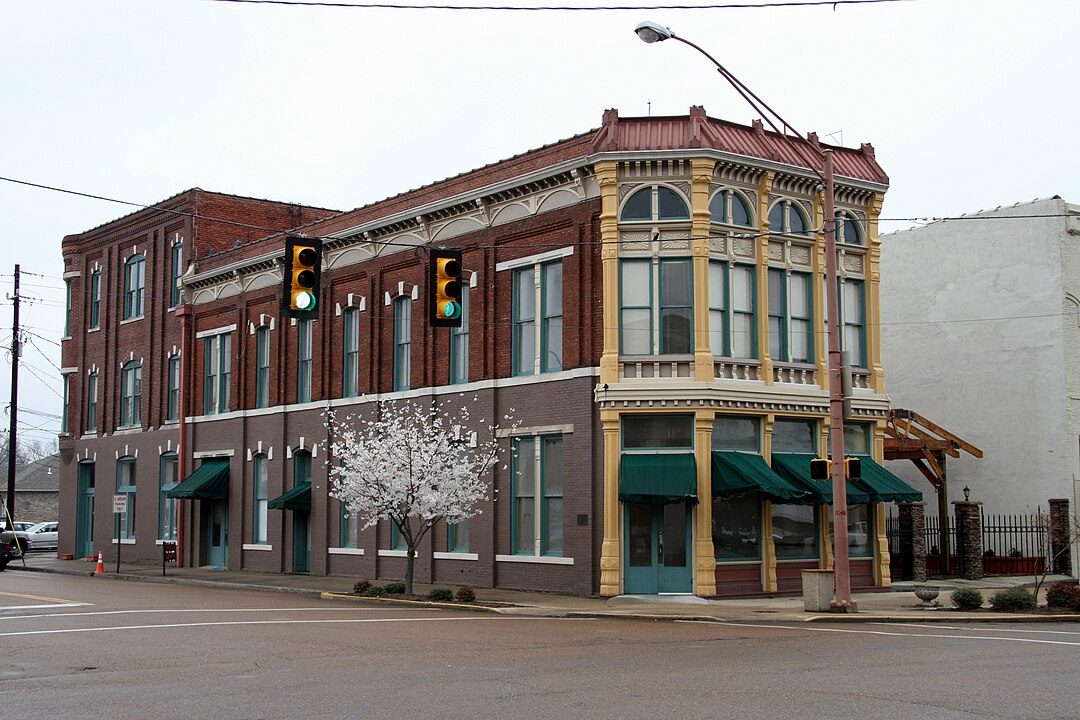
Dyersburg lies close to the Mississippi floodplain, where soil conditions can magnify shaking and punish foundations built for calmer ground. A major quake could damage bridges, rail crossings, and industrial corridors, slowing evacuation and also slowing the steady flow of supplies that recovery depends on, including parts for water and power systems. When transportation is limited, repairs cannot move quickly and employers can’t resume normal operations, so the town’s loss is measured in weeks of interrupted life: closed schools, limited fuel, and a long queue for inspections, housing shortages and utility crews rotating across counties.
Memphis, Tennessee
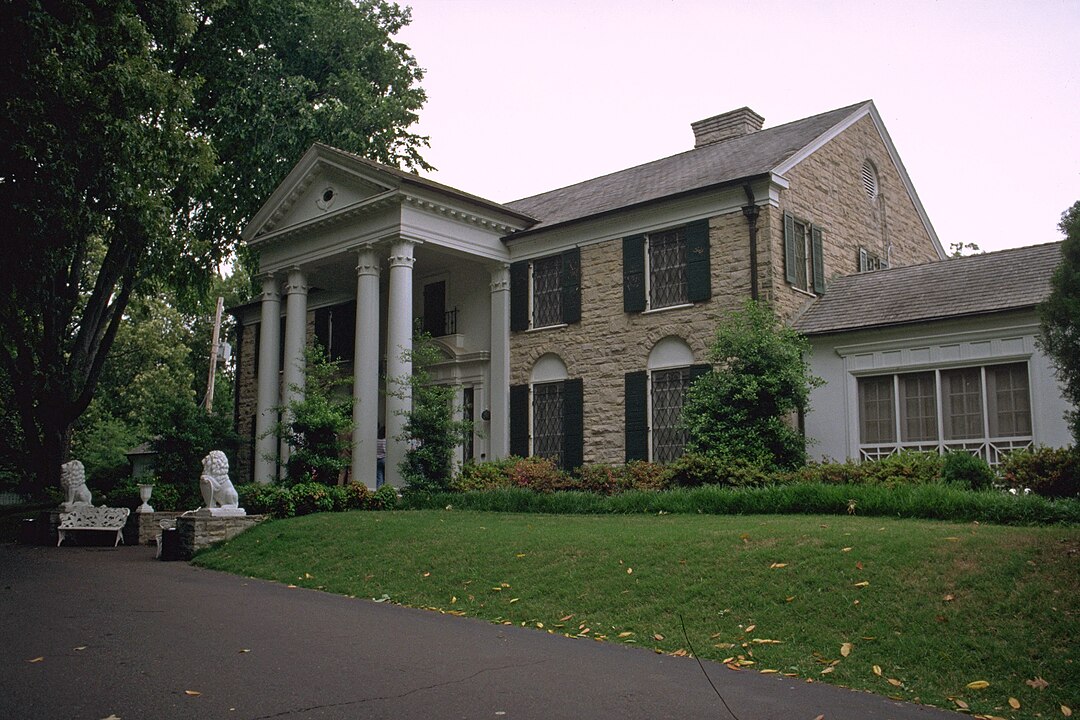
Memphis is the hub, which means its vulnerability becomes a regional problem immediately. A severe New Madrid earthquake could disrupt water and power networks, strain bridges and port facilities, and damage older buildings across neighborhoods that were never designed for long, rolling motion or prolonged aftershocks. Even if many structures remain standing, widespread outages can raise public health risks and force nonstop triage, and when Memphis slows, surrounding towns lose access to specialized care, distribution centers, and payrolls all at once, and the region’s recovery timetable starts to follow Memphis’ pace.
Cairo, Illinois
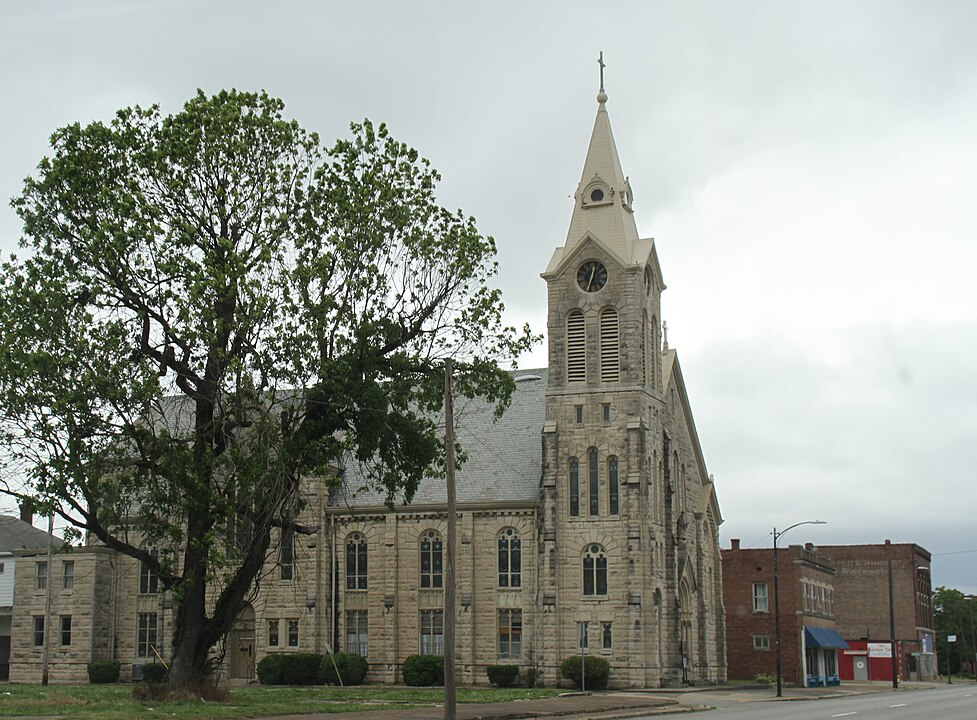
Cairo sits at the meeting point of the Mississippi and Ohio Rivers, a dramatic location that depends on levees, embankments, and reliable approaches in and out of town. Strong shaking could slump riverbank soils, crack protective works, and damage bridge connections or roadbeds that already sit low and exposed, making detours long and uncertain. If key routes are compromised, Cairo can become isolated quickly, and isolation changes everything: emergency aid arrives slower, businesses can’t restock, and residents face hard choices while waiting for utilities, inspections, and safe access, where detours can mean hours, not minutes.
Hickman, Kentucky
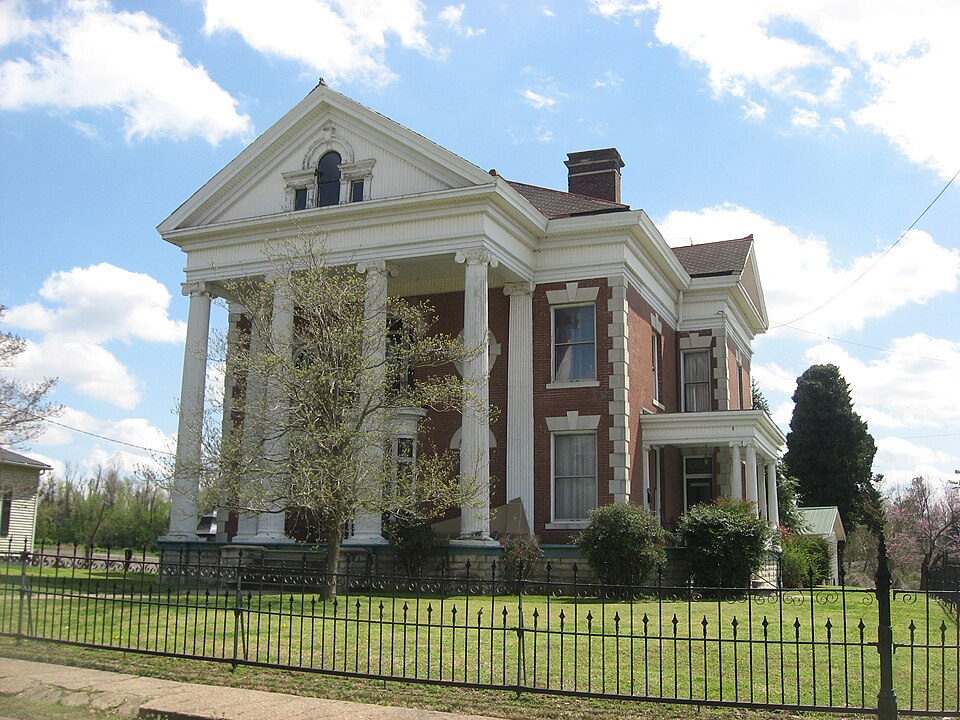
Hickman is a small river town with historic buildings, older utilities, and limited routes tying it to the rest of western Kentucky. Earthquake shaking can stress masonry and foundations, but the deeper risk is losing access if river-adjacent roads warp, if slopes slump, or if port operations pause for safety inspections. When connections thin, every repair takes longer and every supply run becomes uncertain, especially for fuel and medical needs, leaving the town feeling cut off while crews prioritize bigger corridors and bridge repairs nearby, and the river can complicate staging areas for equipment and temporary service lines.
Paducah, Kentucky
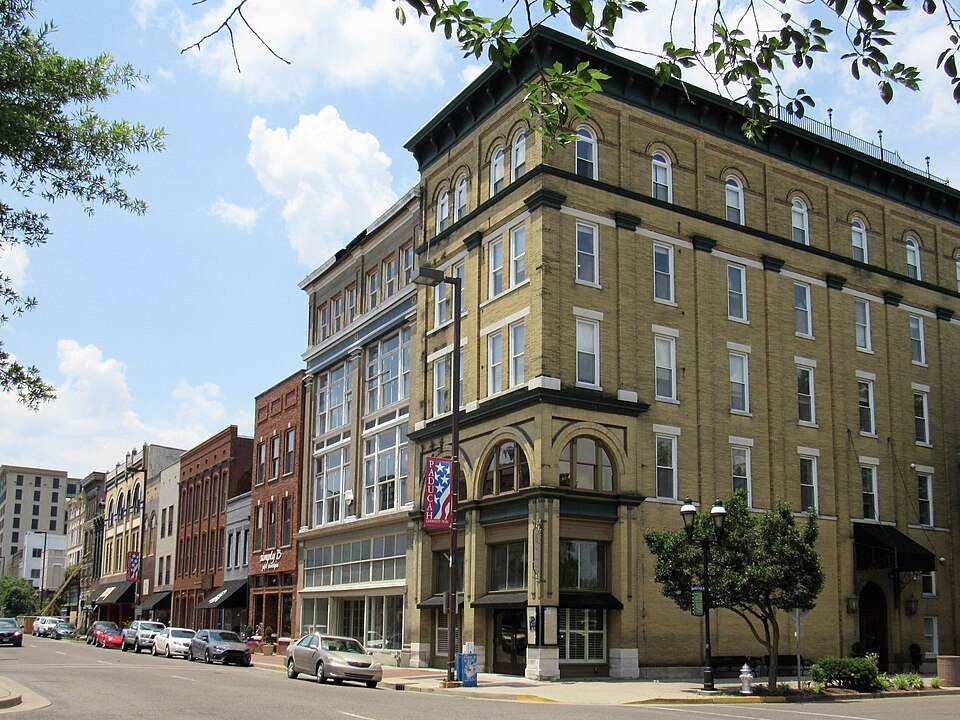
Paducah sits where rivers and transportation corridors meet, making it both vulnerable and essential for regional movement. A strong quake could damage water systems, strain bridges, and disrupt port and rail operations that local jobs and logistics depend on, as neighborhoods face cracked chimneys and shifted foundations. When shipments slow, repairs slow, costs rise, and the aftermath can reshape what the town can afford to restore, creating a longer economic hangover that lingers well after streets are patched and inspections finally clear buildings, and families weigh repairs against relocation when costs outpace insurance checks.