Airports and guidebooks sell certainty, but travel still runs on rumor. Some stories come as warnings traded between seatmates; others are legends polished by souvenir shops until they feel verified. These fables endure because they tame messy reality: a triangle that swallows ships, a wall visible from space, a city supposedly hours from sinking. What lingers is the human need for narrative. A good tale turns delays into destiny and bad weather into meaning. Locals often smile at the exaggerations, then add the context that brochures skip. Even seasoned travelers can carry one stubborn misconception for years, repeating it as fact at dinner. When a myth fades, the place usually gets more interesting, not less.
The Bermuda Triangle Chooses Victims
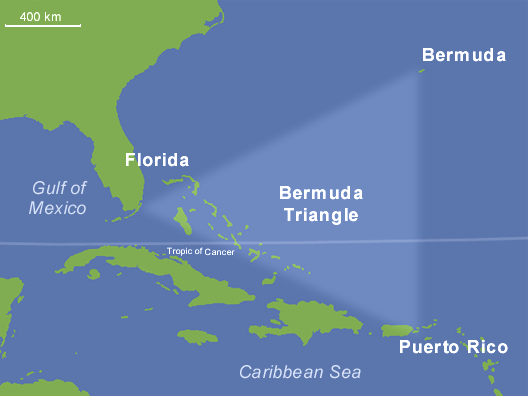
The Bermuda Triangle works as a perfect story machine: storms, shipping lanes, and long stretches of open water, plus a few famous disappearances that get retold without the boring parts. Hurricanes and fast-changing squalls are common in the region, and the Gulf Stream can shove debris and small craft off course, making searches feel eerie when the sea refuses to give clean answers. Add reef shallows, overloaded schedules, tired crews, spotty radio contact, and the simple fact that small mistakes scale up fast offshore, then sprinkle in sensational headlines, and the mystery starts looking like math, not magic. Most trips end quiet
The Great Wall Is Visible From The Moon
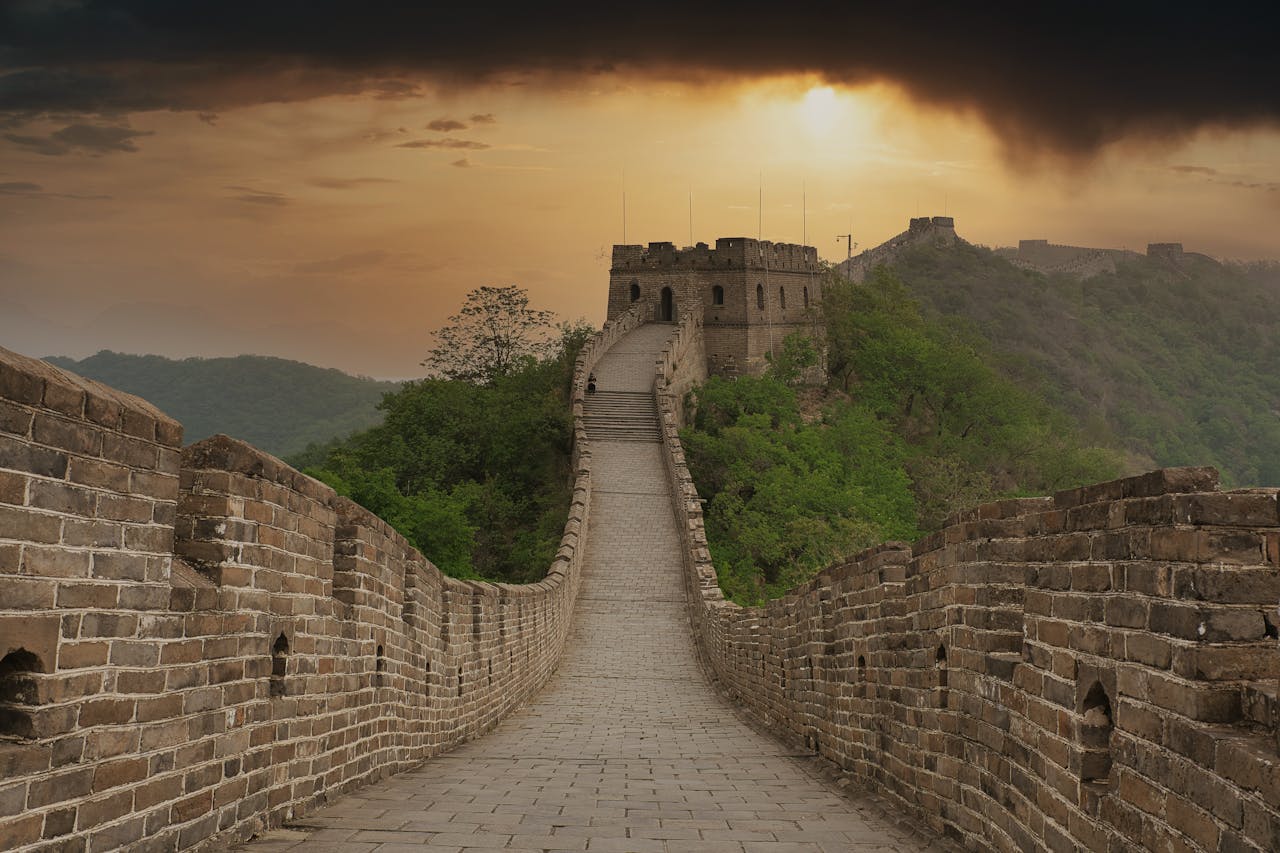
The Great Wall myth survives because it flatters imagination: a human mark so vast it should be visible from the moon. The reality is less romantic and more practical. From low Earth orbit, the wall can be hard to pick out because its colors often match the land around it, haze blurs contrast, and flat lighting turns stone into the same tone as hills and dust. Astronauts have said that even when the route is known, it can vanish into the background, while newer straight lines on the landscape pop first. The wall’s power has never needed a space-viewing trick; it lives in human labor and geography. The legend just adds noise.
Nessie Is Waiting Under Loch Ness
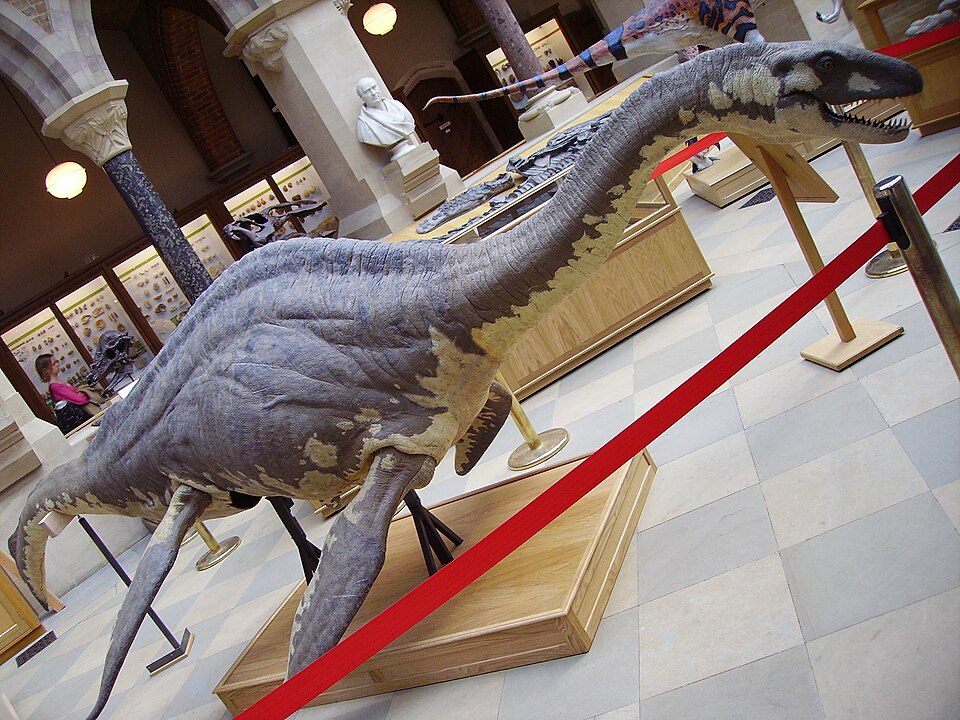
Loch Ness has the kind of scenery that invites a story to move in and never pay rent. Dark water hides depth cues, wind makes odd wakes, and the light can change from silver to slate in minutes, so a floating log can feel like a deliberate signal. The modern boom began in the 1930s, when reports and staged photos turned local folklore into an international obsession, and every ripple since has carried that expectation. Sonar sweeps, photo traps, and patient skeptics have thinned the case without killing the romance. What keeps Nessie alive is not proof, but mood, community pride, and a lake that looks like it could hold a secret.
Venice Will Disappear Any Day Now
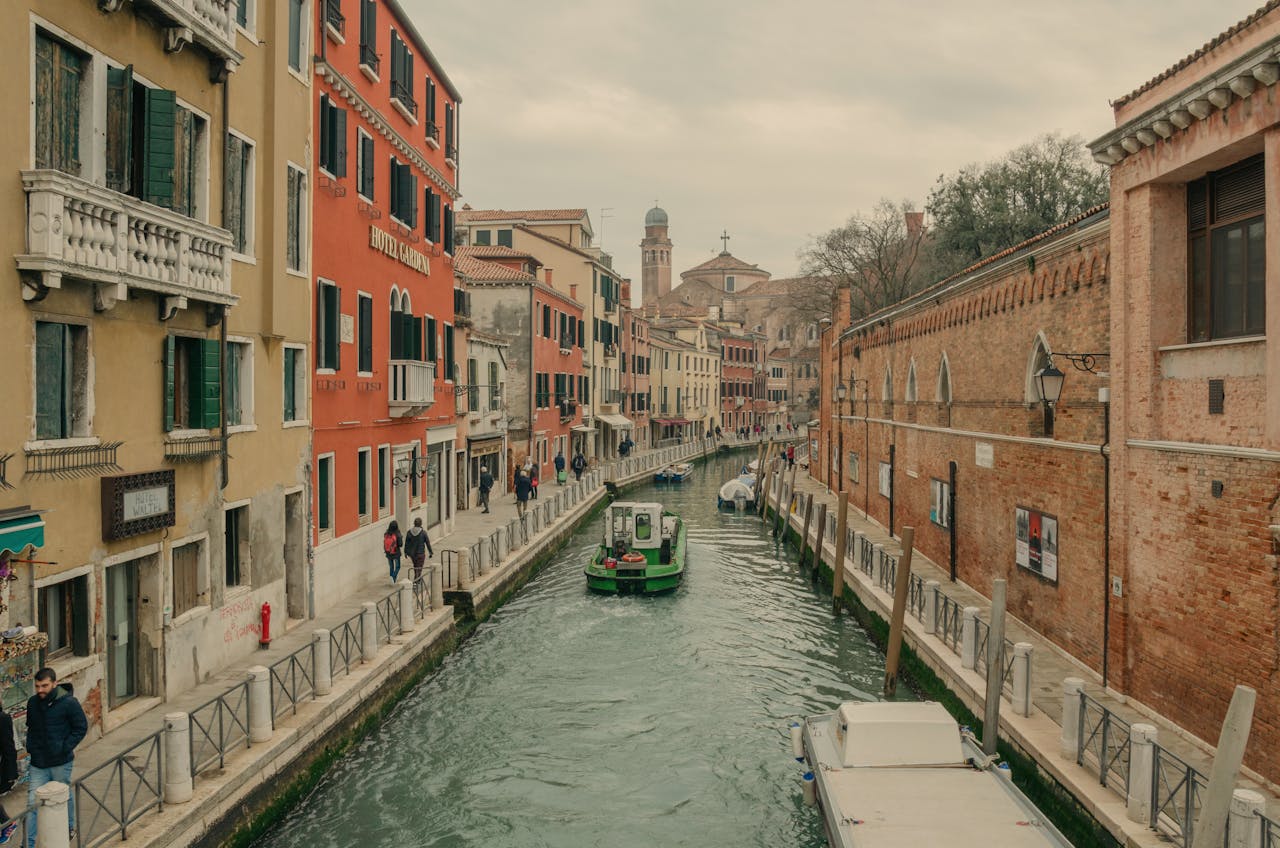
Venice is often described like a countdown timer, as if one bad tide will close the curtains for good. The truth is slower and more complicated: flooding has been part of life for centuries, while sea-level rise, subsidence, and constant foot traffic add new stress to old stone. The city also fights back through restoration, raised walkways, and movable barriers, plus endless arguments about housing, cruise ships, and visitor limits. The fable persists because urgency sells, but Venice’s real story is endurance, a place learning how to live with water while refusing to become only a backdrop. Even the pigeons seem stubborn.
Machu Picchu Was Lost Until 1911
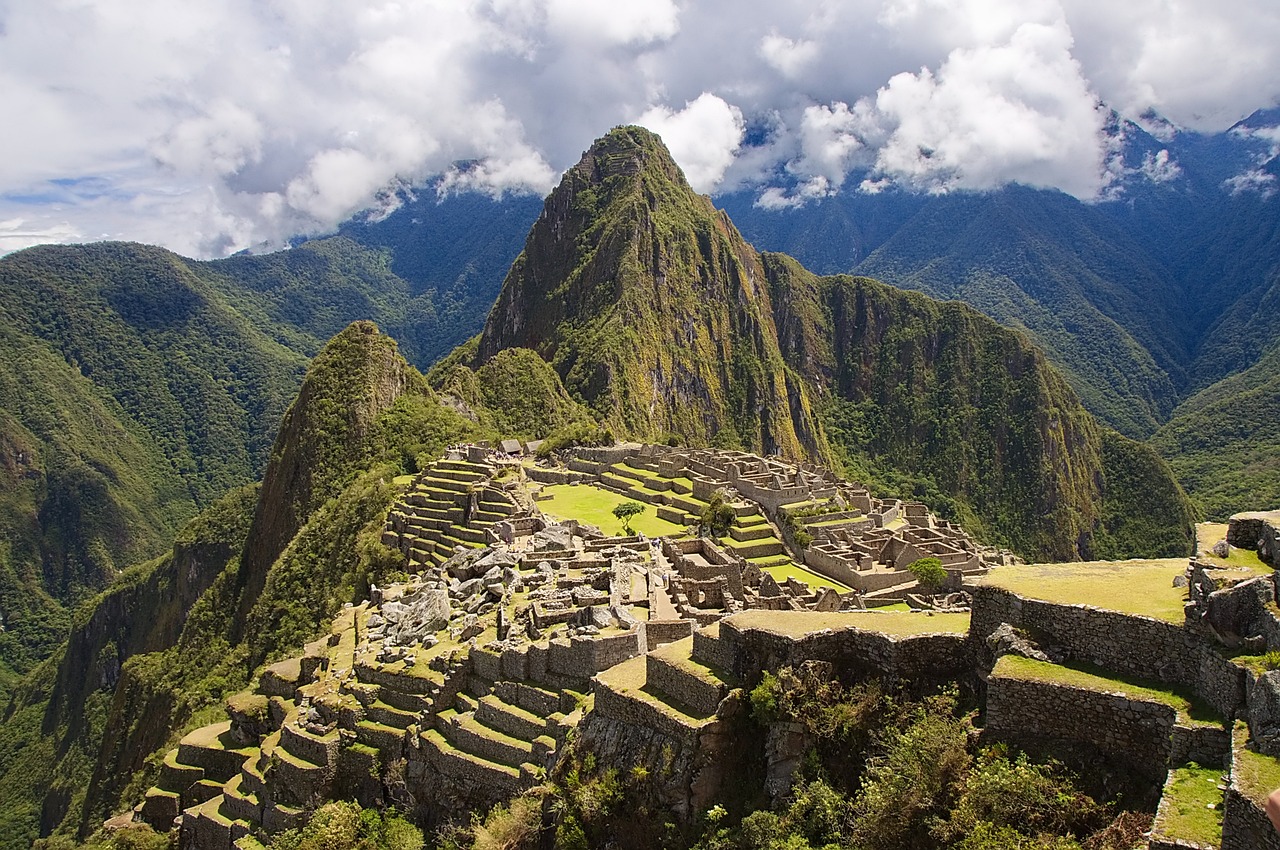
The Machu Picchu tale is usually told as a clean discovery moment in 1911, with a single outsider stepping into a forgotten world. Local reality muddies that hero frame. Families lived and farmed nearby, and local guides led the way, meaning the site was not unknown so much as absent from many foreign maps, museums, and schoolbooks. Global attention came through photography, writing, and institutions that amplified the ruins to a wider audience. The myth lasts because travel loves tidy firsts and because the phrase lost city sells tickets, yet Machu Picchu’s power sits in continuity, not surprise. It was always there, watching.
Europe Never Expects Tips

The no-tipping-in-Europe rule gets passed around like a secret handshake, and it is wrong in the way broad rules usually are. Many places build service into wages and menu prices, yet customs still vary by country, city, and setting, and small tips can be normal when someone has gone out of the way. A café round-up, a few coins for luggage help, or leaving change after attentive table service can be appreciated, while a service charge can signal that nothing extra is expected. The fable survives because it promises an anxiety-free shortcut through etiquette, but reality is situational and readable if attention stays on local cues.
Street Food Abroad Is Always Dangerous

Street food gets blamed for every stomach disaster, as if a cart automatically means danger. Risk is usually about handling, not the zip code of the kitchen: lukewarm storage, cross-contamination, and unwashed hands cause trouble everywhere, including fancy dining rooms. Busy stalls can be safer because ingredients move fast and heat is constant, with grills, woks, and steamers cooking to order in full view of customers. The myth sticks because one bad story travels farther than a hundred good breakfasts, and because caution sounds responsible even when it turns into a reflex instead of a judgment. Reputation tells truth first.
Duty-Free Is Automatically Cheaper

Duty-free shopping sounds like a guarantee, as if removing tax automatically creates value and every shelf hides a secret discount. Airport pricing often bakes in convenience and captive audiences, and exchange rates, bottle sizes, and travel-only bundles make comparisons slippery; some items are cheaper, but many are simply easier to grab when time is short and boredom wants a reward. The myth survives because it turns waiting time into a win and a purchase into proof of savvy, even when baggage weight limits, liquid rules, and customs allowances turn the supposed deal into extra stress, which a quick price benchmark can prevent.
Deserts Always Turn Freezing At Night
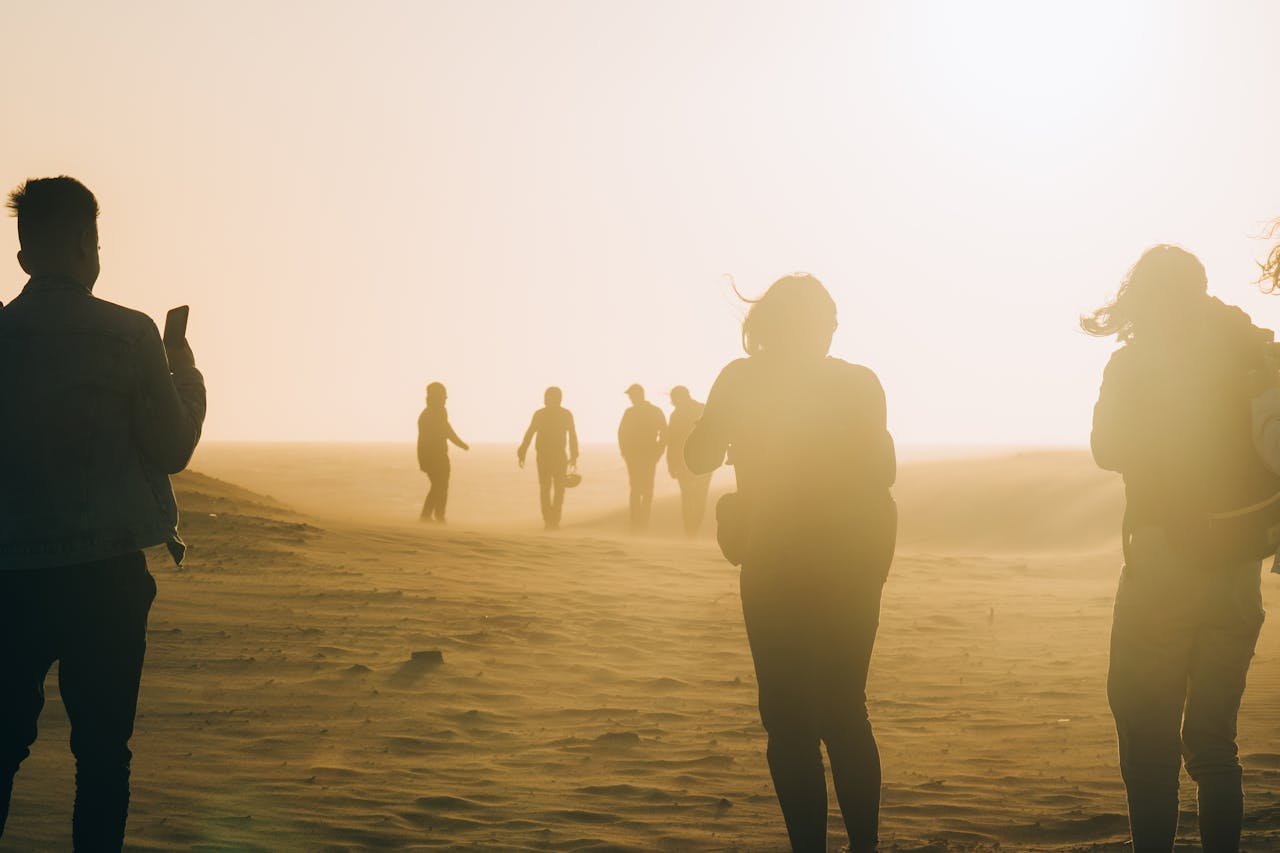
The idea that all deserts freeze every night is cinematic, and it misleads packing lists. Big temperature drops are common in very dry basins where clear skies let heat escape fast, but coastal deserts, humid regions, windy nights, and cloud cover can keep temperatures steadier, with sea air acting like a blanket and vegetation holding warmth close to the ground. Season and elevation matter more than the label, so a high-altitude January camp can bite while a July evening near the shore barely cools, and the myth survives because one cold night rewrites memory into a rule that sounds tidy, dramatic, and easy to repeat.
A Place Is Untouched If It Has No Photos
A newer travel tall tale claims a place is untouched if it has no viral photos, as if silence online equals purity on the ground. Often the absence of images reflects weak signal, language barriers, or communities that prefer privacy around sacred spaces and daily life, and many so-called hidden destinations have hosted visitors quietly for decades without chasing attention. Real impact shows up in permits, trail erosion, water use, trash pickup, traffic, noise, strained services, and rent, not in hashtags, so the honest measure is who sets the rules, who benefits, and whether locals still control the pace and shape of change.