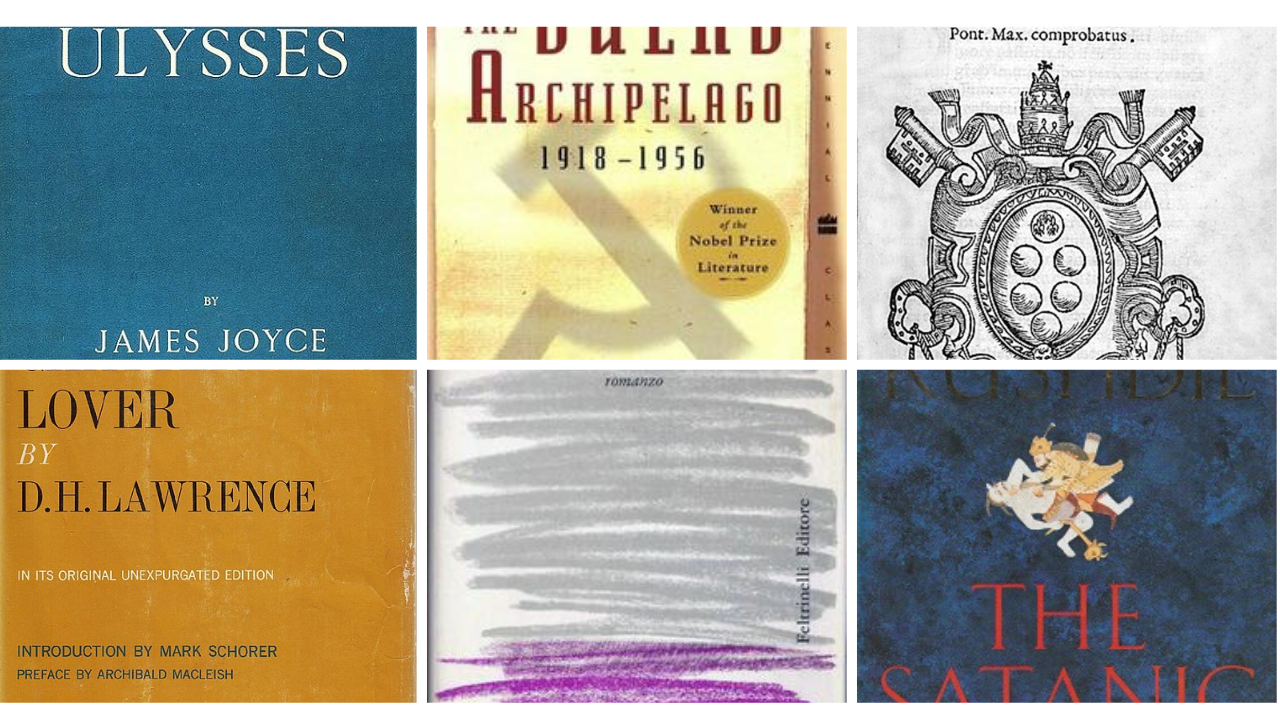
Some books disappear quietly: pulled from shelves, whispered about, and hunted as if ink could infect a nation. Yet bans have always created their own counterculture, built on trust, risk, and the stubborn belief that stories belong to the public. In apartments, back rooms, and improvised reading circles, readers became librarians, and libraries became shelters. A stamped passport, a hand-copied page, or a jacket turned inside out could decide whether a text survived. These hidden collections were rarely grand, still they were practical, intimate, and shaped by fear, friendship, and taste. The same pressures that tried to erase a book often gave it a second life, passed hand to hand until it felt indestructible anyway.
The Index of Forbidden Books and Hidden Cabinets
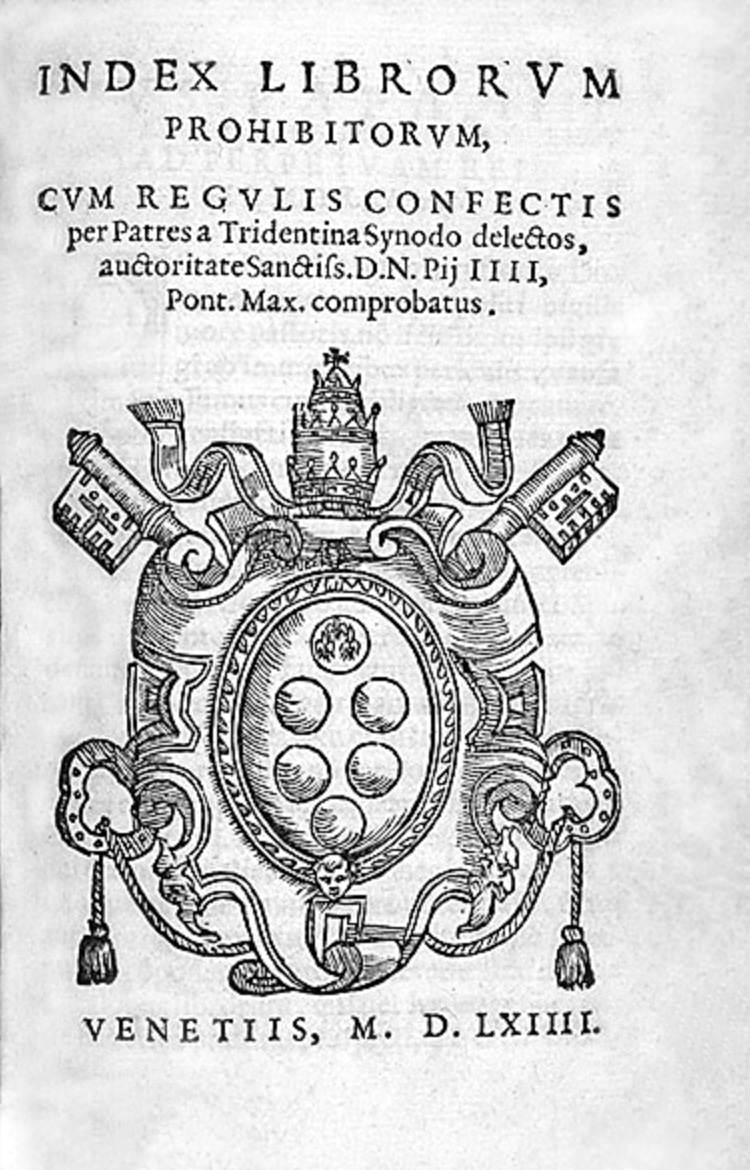
Long before modern border checks, the Catholic Church’s Index of Forbidden Books turned private homes into quiet vaults. Readers hid philosophy, science, and unapproved translations in trunks, behind false panels, or inside covers labeled as harmless sermons, then lent them only to people who could keep a secret, often with rules about when to return them and how to handle the paper without leaving a trace. These micro-libraries ran on discipline: a key kept off-site, titles spoken only in initials, a decoy shelf for visitors, and a shared belief that curiosity should outlast inspections, gossip, and the long grind of fear.
“Doctor Zhivago” and the Apartment Reading Chain
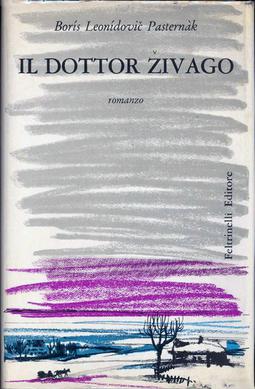
Boris Pasternak’s “Doctor Zhivago” was refused publication in the Soviet Union, so the novel moved through cities like a borrowed heartbeat, timed around roommates, neighbors, and the risk of a sudden search. A single copy might live for weeks in one apartment, then be wrapped in plain paper, slipped into a briefcase, and passed along with a name, a meeting time, and a warning about who could not be trusted. Readers treated the book like a communal utility, retyping chapters to blur a trail, hiding it inside school folders, and keeping the story alive precisely because officials worked so hard to make it vanish completely.
“The Gulag Archipelago” and Carbon-Paper Libraries
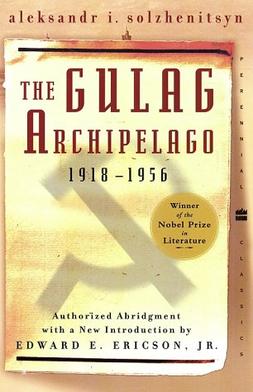
When Aleksandr Solzhenitsyn’s “The Gulag Archipelago” surfaced abroad, it seeped back into the Soviet Union through samizdat, turning typewriters into printing presses. Friends hoarded carbon paper, retyped chapters late at night, and hid bundles in closets, basements, or a neighbor’s spare room, building a scattered library that could not be seized in one sweep. Each copy carried logistics, who would type next, where pages could dry, which stairwell was safe for a handoff, and how to speak about the book without naming it; that decentralization kept the testimony moving long before it could appear openly and circulate again.
“Ulysses” and the Semi-Private Shelf
For years, James Joyce’s “Ulysses” was treated as obscene contraband in the United States, and that pressure pushed it into private reading culture, where a novel could feel like evidence. Copies drifted through sympathetic bookshops and apartments, wrapped in plain jackets, then filed behind safer classics or slipped into a suitcase before an unwelcome visitor arrived, sometimes late. People read it with focus and nerves, trading notes in small circles and choosing memory over underlining, because owning the book could mean seizure; when the 1933 federal decision cleared it, the relief felt like a locked room opening at last.
“Lady Chatterley’s Lover” and the Brown-Paper Loan
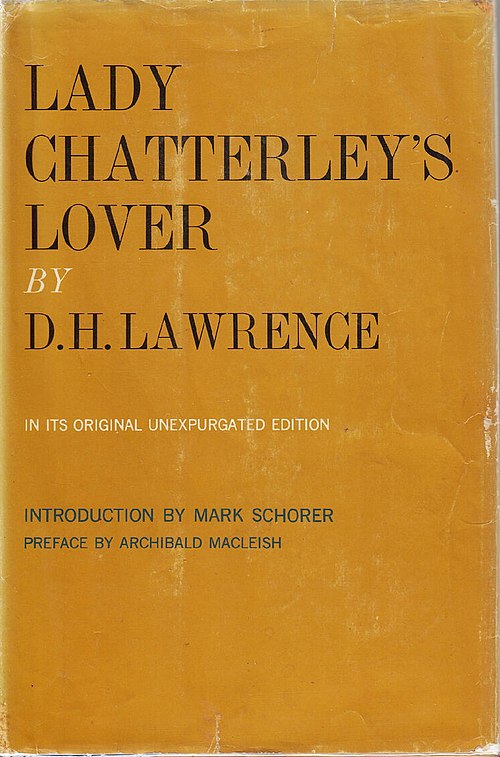
D. H. Lawrence’s “Lady Chatterley’s Lover” spent decades shadowed by bans and bowdlerized editions, so intact copies moved through city flats and student rooms with a sense of shared risk. Booksellers kept it under counters, lending libraries filed it out of view, and private collectors wrapped it in brown paper before handing it over, with strict return dates, no names written down, and short warnings about what to say if questioned. When Penguin’s 1960 obscenity trial ended in acquittal in Britain, the book stopped needing camouflage, but secrecy, careful storage, and guarded conversations had already become part of its story.
“Lolita” and the Quiet Border Crossing
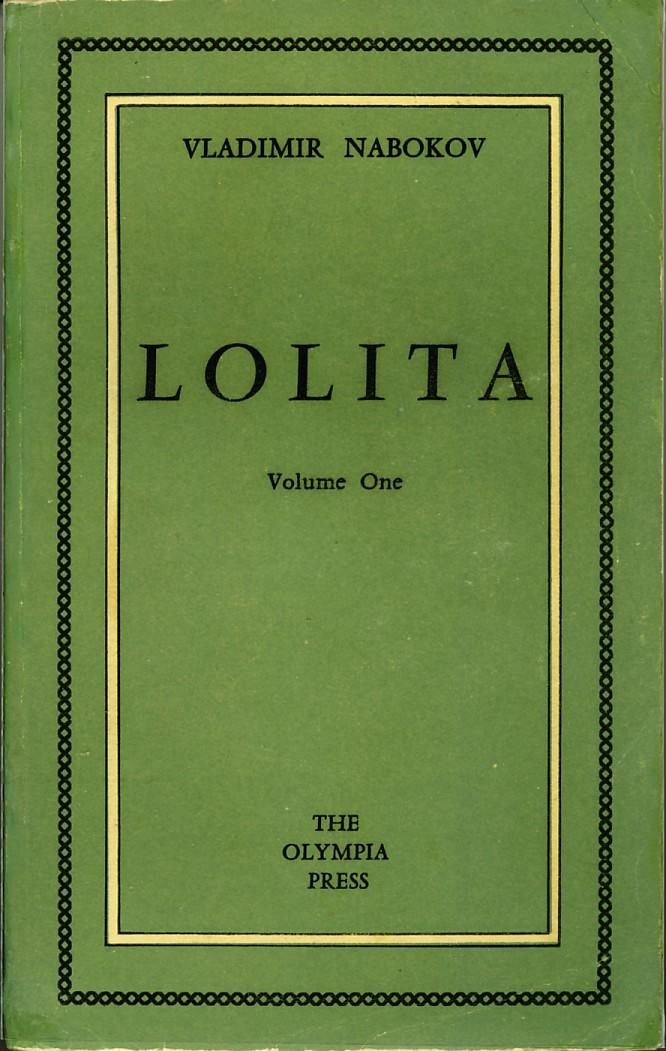
Vladimir Nabokov’s “Lolita” arrived with a Paris imprint and an immediate aura of scandal, which made the early years feel like a test of nerves for booksellers and readers. When officials moved to block it, copies were treated like evidence, kept out of shop windows, slipped across borders in luggage, and sold with blunt advice about customs searches, seized parcels, and local campaigns that could turn a purchase into trouble. Even after bans eased, the book often stayed in back rows at home, read quickly, then shelved where guests would never stumble on it, because controversy has a way of lingering long after paper becomes legal.
“The Satanic Verses” and the Back-Room Stack
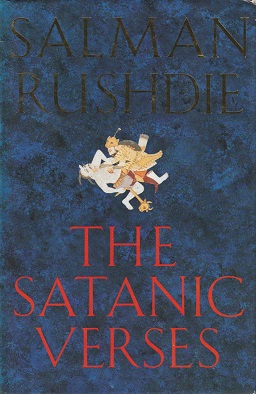
Salman Rushdie’s “The Satanic Verses” triggered bans and boycotts soon after publication and ordinary shelves felt like targets. In places where import was blocked, copies were kept in back rooms for years, personal trunks, or friend-to-friend swaps that avoided attention, often disguised inside other jackets, because mere possession could invite harassment, threats, or violence. In India, where the import ban began in 1988, readers still found the novel through private circulation, and a Delhi court’s Nov. 5, 2024, ruling that the government could not produce the ban notice became a reminder that paperwork can decide a book’s fate.
“Nineteen Eighty-Four” and the Flying Library Route
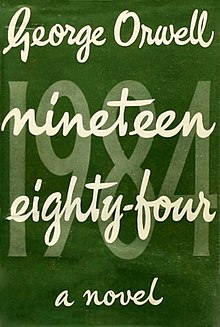
George Orwell’s “Nineteen Eighty-Four” was banned in the Soviet Union until 1988, which made it a natural resident of underground shelves and private cupboards. Translations were smuggled in, copied, and passed along in dissident circles where the language of surveillance felt less like fiction than recognition, and where lending a copy was a moral choice. Across the region, small flying libraries, concealed bundles that moved from city to city, kept forbidden titles circulating with pickup points in parks, coded phone calls, and quick exchanges that left no paper trail, proving ideas can travel even when official stacks are locked.