A slow collective reassessment has arrived around Stuart Little, the small figure who carried childhood lessons and gentle adventures. Readers who once accepted a fuzzy image of a mouse are returning to E.B. White’s original lines and finding something more precise and stranger: a two-inch-tall boy who resembles a mouse. The discovery has spread online and in classrooms, producing a mix of delight, unease, and renewed curiosity about how stories change when they travel through film, toys, and memory. The shift is small and telling; it asks how adults translate odd details for children and what gets lost in translation.
Book Versus Film
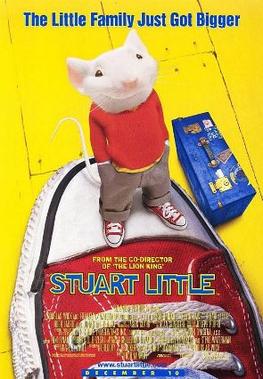
The film leans into a friendly animal hero, which makes sense because visual storytelling rewards tidy categories. The book does not give that comfort. E.B. White describes a child who looks like a mouse, with precise measurements and human manners, and that line flips expectations when readers return to it. Decades of animation, toys, and merchandising simplified Stuart into a literal mouse, so the original phrasing now reads as an uncanny aside that unsettles memory and prompts further questions about editorial and visual choices. Readers now often pause to trace how memory and media interact, and the renewed attention reveals editorial choices once invisible.
Childhood Assumptions

Generations absorbed Stuart through classroom readings, toys, and the movie’s clear animal design, and those cultural artifacts hardened into a mental model that overruled literal text. When adults reread the original lines, the collision between affectionate memory and White’s specific description feels like unearthing a small historical error. That shift produces a sharp, private dissonance: a remembered kindness that turns into a detail demanding explanation about how stories are taught, illustrated, and marketed. Readers now often pause to trace how memory and media interact, and the renewed attention reveals editorial choices once invisible.
Language Of Description

White’s prose lists Stuart’s traits with a spare, observational cadence that reads almost clinical: two inches tall, with a sharp nose, whiskers, and a tail, yet unmistakably a person in miniature. The phrasing resists a tidy categorization and seems designed to linger in the margins between human and animal. Critics argue that the deliberate oddness invites moral questions about belonging and identity in the domestic sphere, and that the discomfort is part of the novel’s careful design rather than a careless aside. Readers now often pause to trace how memory and media interact, and the renewed attention reveals editorial choices once invisible.
Cultural Aftershocks

The revelation rippled through nostalgia culture and literary circles, prompting essays, classroom debates, and reexamined editions that foreground how illustration and editorial framing shaped reception. Libraries and book clubs revisiting White’s lines noticed that artists and publishers historically smoothed such anomalies to make characters saleable and reassuring. Recovering the original specificity forces readers to ask why certain differences were softened and what cultural habits govern which quirks survive into mass memory. Readers now often pause to trace how memory and media interact, and the renewed attention reveals editorial choices once invisible.
Fan Reactions Online

Social feeds filled with disbelief, sardonic humor, and earnest denunciations as readers quoted the book and contrasted it with cinematic imagery. Viral threads and meme exchanges turned private rereadings into a public event, with archival scans and quotations serving as evidence. The collective amusement mixed with a deeper curiosity: people wanted to know when and why Stuart’s textual description became overshadowed by marketing visual shorthand, and why so many recollections proved fragile under the light of the original text. Readers now often pause to trace how memory and media interact, and the renewed attention reveals editorial choices once invisible.
Biology Of Belief

Childhood visual cues like costumes, toys, and film make mental models stick, and cognitive science shows these early models resist correction. The sensory imprint of a cuddly movie mouse overrode the book’s more awkward specificity, and once that image anchored, subsequent encounters were filtered through it. The case highlights how material culture can overwrite text, and how educators and parents exert interpretive power when they choose images over close textual engagement. Readers now often pause to trace how memory and media interact, and the renewed attention reveals editorial choices once invisible.
Modern Readings

Contemporary scholars return to White attentive to difference, assimilation, and domestic belonging; they note that Stuart performs human social roles while his appearance marks him as other. Essays connect the story to broader themes of tolerance and negotiated inclusion, suggesting the text uses domestic routine to stage belonging. By pairing historical context with close reading, modern critics show how editorial choices and visual traditions shaped the common understanding of what Stuart is and why that question matters to readers today. Readers now often pause to trace how memory and media interact, and the renewed attention reveals editorial choices once invisible.