Some Christmas songs never truly disappear. They slip out of radio rotation and into old hymnals, folk archives, and choir folders. Many were once staples at school assemblies, parish evenings, and neighborhood carol walks, then newer favorites crowded them out. What remains is a trail of melodies that still feel alive when they resurface, full of regional flavor and small storytelling details. These ten carols are not lost so much as waiting for someone to sing beyond the usual set.
Masters in This Hall
Once common in English carol books, “Masters in This Hall” gradually slid into the realm of choirs that enjoy long verses and a big, communal refrain. Set to a tune linked to an old French dance, it delivers a direct message: Christmas news belongs in grand rooms as much as in small cottages, and pride should make room for gladness at the table. It fell out of casual singalongs as set lists tightened around the same few standards, yet the chorus still lands like a friendly knock, built for clapping hands, steady tempo, and a room that wants to join in without needing a soloist, just a confident group on the refrain.
Bring a Torch, Jeanette, Isabella
“Bring a Torch, Jeanette, Isabella” once thrived in school pageants and candlelit services because it feels like a scene in motion, not a static hymn. Torchlight, quick footsteps, and a rushing refrain make the story easy to stage, and the lyric even cues singers to soften their voices as the manger comes into view, which suits processions and midnight services. As caroling narrowed to a smaller canon, its Provençal names started to sound unfamiliar, but revived today it still feels vivid, like neighbors gathering fast, turning corners, and arriving together in warm light, breath visible in the cold.
A Virgin Most Pure
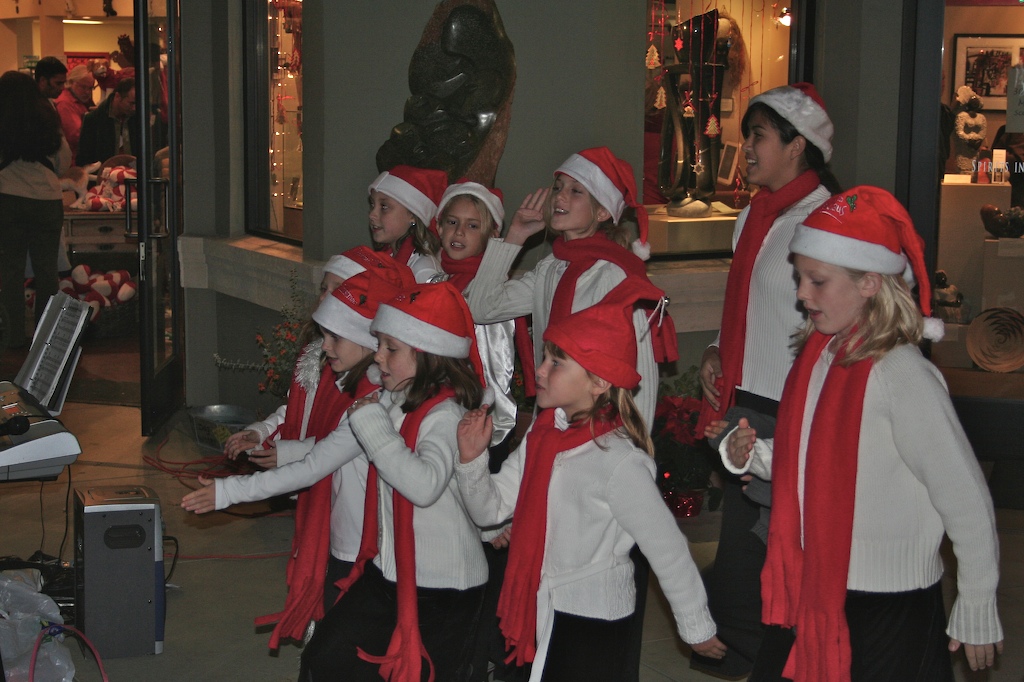
“A Virgin Most Pure” was a steady favorite in British folk and parish tradition, often learned by ear and carried through generations without much fuss or performance polish. The language is old, but the structure is clear, with calm verses that tell the story plainly and a refrain that settles like a steady breath in cold air, making it friendly to mixed voices and small groups. Modern programs often chase instant recognition and shorter runtimes, so it gets skipped, yet it returns beautifully in quiet rooms, where the melody’s patience feels like a reset after louder, faster songs, and the refrain stays in the ear.
A Virgin Unspotted
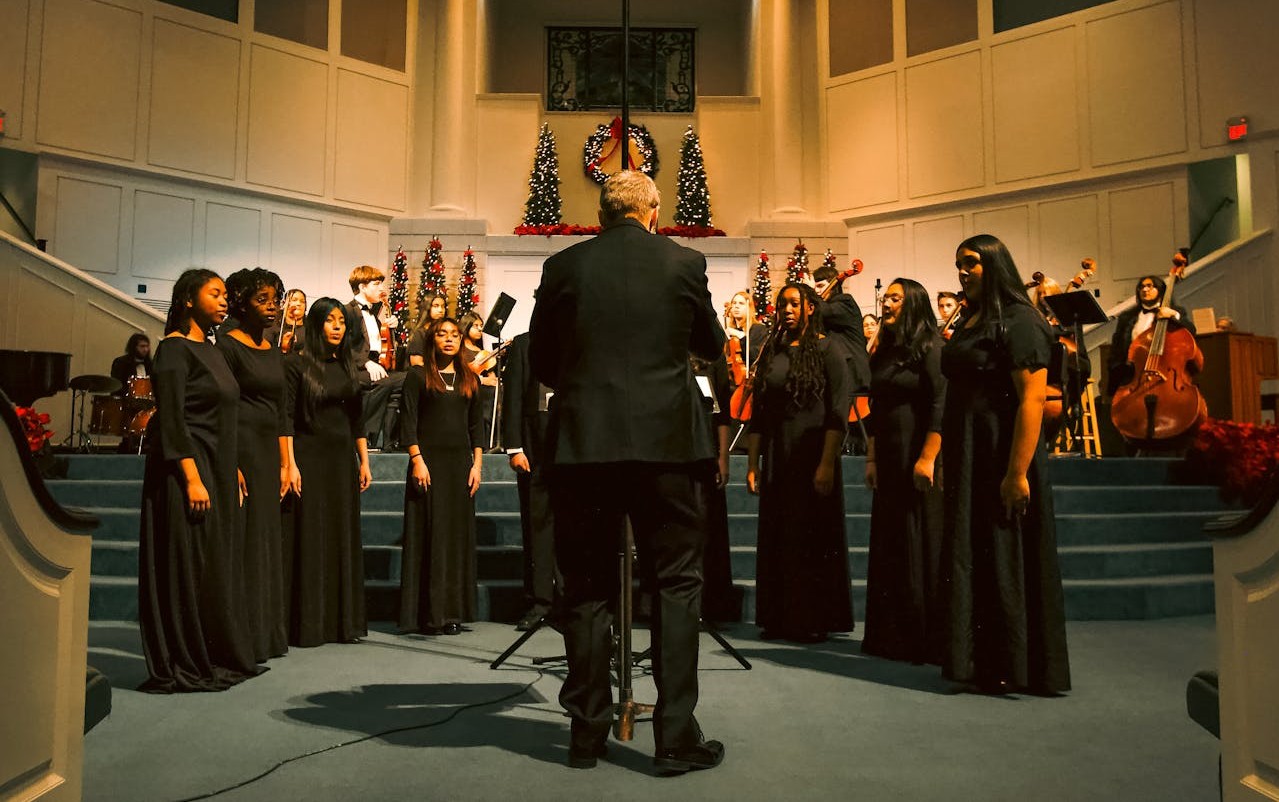
“A Virgin Unspotted” has a stately pull that can sound almost processional when a group commits to it, and that commitment is exactly why it faded from casual caroling. It moves through shifting rhythms and longer phrases that ask for rehearsal, so community sings often pass it over in favor of pieces that can be shouted from memory after one verse. When it is brought back, the bright refrain pays off the effort and changes the room’s posture, less background music, more shared rite, especially in echoing churches where every line carries, the harmony sits high, and the cadence feels ceremonial.
The Cherry-Tree Carol
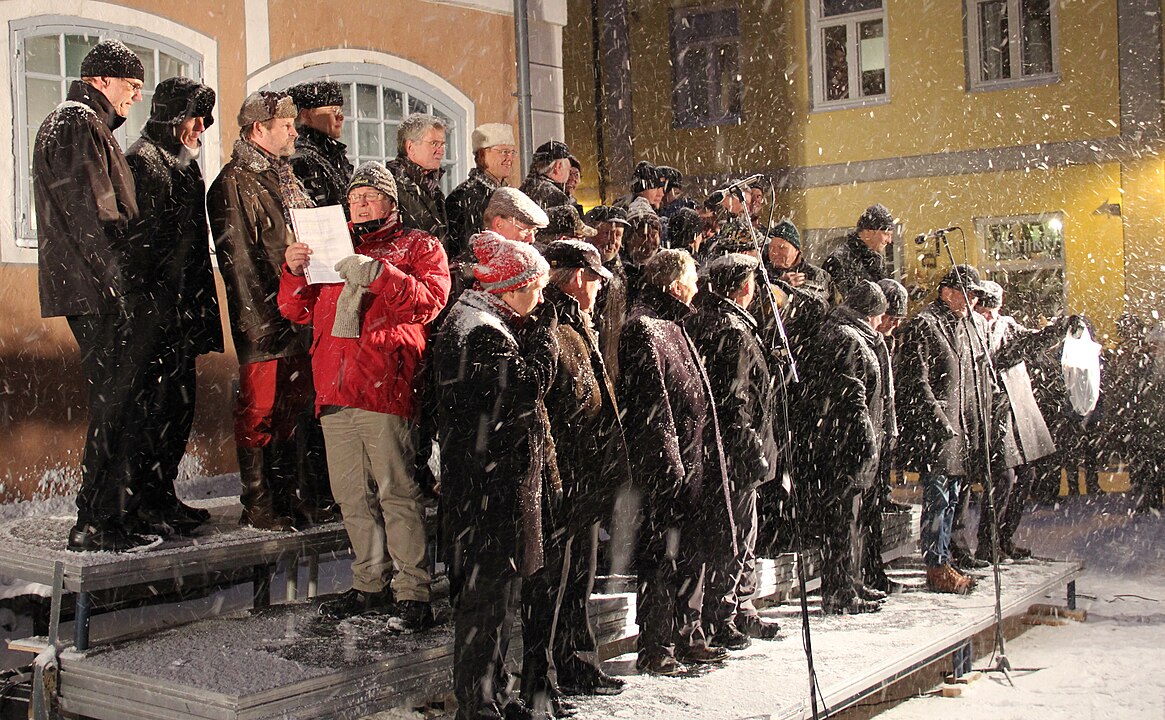
“The Cherry-Tree Carol” is a folk ballad with a narrative stranger than the standard manger scene, which is part of why it slipped from mainstream holiday rotation. It unfolds patiently, inviting listeners to lean in until the miracle arrives with quiet confidence, more hearth tale than stage number, and it rewards singers who can hold a steady, story driven pace. Many groups now choose simpler, sweeter plots for public singing, yet a strong performance restores an older kind of Christmas storytelling, where wonder arrives without rush, the melody stays plain, and the ending lands softly instead of triumphantly.
The Boar’s Head Carol
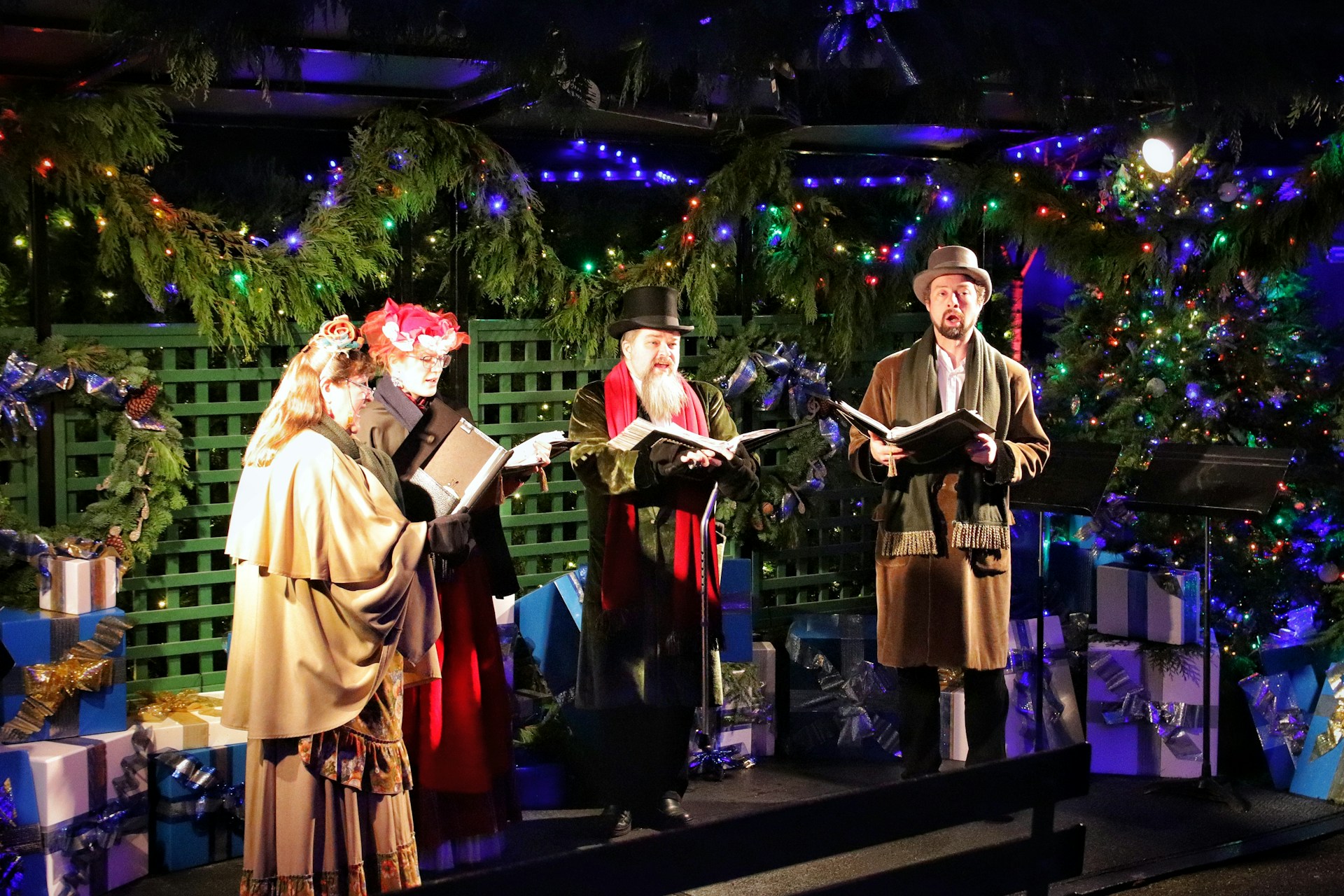
“The Boar’s Head Carol” belongs to the feast as much as the chapel, with a bold marching feel and a Latin refrain that begs for a loud, coordinated response from the whole room. It was once a lively staple in halls and colleges, but it can seem too specific for modern family sings, and its confidence asks for singers who like rhythm, clear accents, and a touch of theater. When it appears, the mood lifts immediately, trading hush for celebration, and it reminds everyone that holiday music once lived beside food, laughter, and a crowded table, not only in solemn pews, but in lively halls where voices echo off wood.
Personent Hodie
“Personent Hodie” carries a medieval brightness that once made it a fixture in choirs and school traditions, especially in places where Latin carols were still part of December by default. The melody is direct and ringing, built for vaulted spaces, and later English versions kept it singable even as pronunciations shifted across regions, decades, and different choral styles. As communities settled on a smaller set of familiar English favorites, it often stayed in concerts instead of living rooms, yet when sung well it still feels instantly festive, like bells clearing the air and pulling attention back to the season.
Down in Yon Forest
“Down in Yon Forest” holds a quiet, woodsy stillness that does not compete well with upbeat carols designed for quick choruses, bright tempos, and loud rooms. It sits between genres, part folk hymn and part devotional poem, which makes it easy to overlook when a program aims for obvious cheer and fast recognition, especially in crowded public sings. Sung with care, it slows the room in the best way, trading sparkle for depth, and leaving behind the feeling of deep winter trees and open sky, the kind of pause that makes the next familiar chorus feel sharper and more grateful, as if silence did part of the work.
Jesus Christ the Apple Tree
“Jesus Christ the Apple Tree” reads like an early American devotional song, simple on the page but rich in orchard imagery and gentle reassurance that feels personal rather than grand. It was widely sung in some communities and later gained new life through choral arrangements, yet it still misses many mainstream carol nights because it avoids the familiar pageant storyline of shepherds, stars, and marching refrains. Instead it offers shelter and sweetness as metaphor, and when a choir revives it the effect is intimate and steady, suited to close harmonies, careful dynamics, and a room that wants to listen as much as it wants to sing.
Sans Day Carol
Collected in Cornwall, “Sans Day Carol” traveled through folk circles and carol books, sometimes under holly themed titles that tie it to older winter customs and village gatherings. It often gets crowded out by better known holly songs, even though its tune is singable and its charm is rooted in place, as if it carries salt air, lantern light, and a pace made for walking. When it returns, it adds texture to the season and hints at how many regional branches Christmas music has, each with its own accent, tempo, and color, waiting for a choir or a group of friends to bring it back without overthinking it.