Prey drive is not a flaw. It is instinct shaped by real work: tracking, flushing, chasing, and grabbing. In modern neighborhoods, that wiring can collide with leashes, bikes, squirrels, and street noise, creating sudden lunges and quick pivots that surprise even attentive owners. High-drive dogs do best with boring structure: secure gear, practiced recall, and outlets that feel like a job. The goal is not to suppress instinct, but to guide it, so walks stay calm and everyone feels confident. These nine breeds are admired for focus and athleticism, but they also reward planning for the moment the chase switch flips.
Belgian Malinois
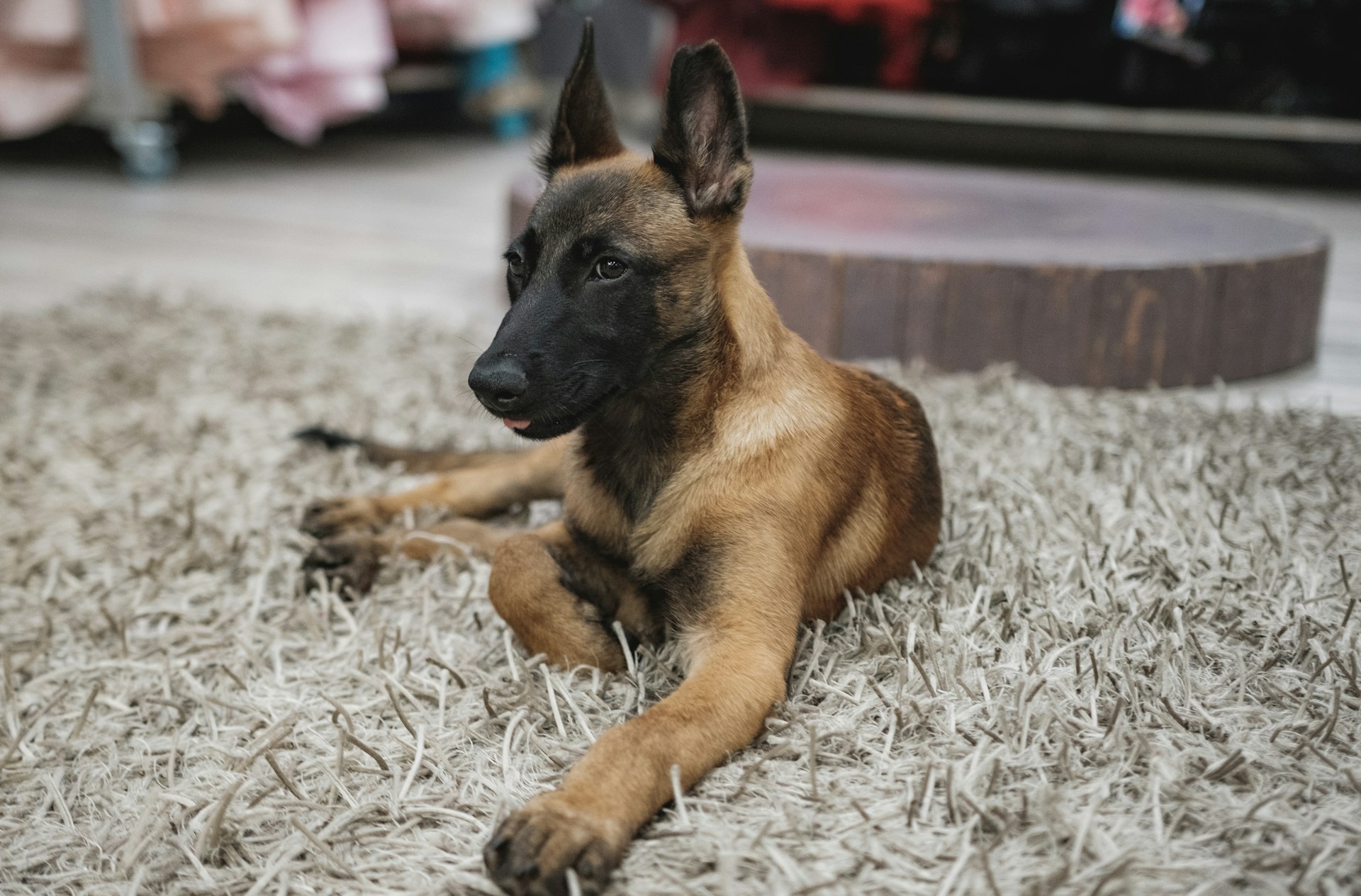
Built for demanding work, the Belgian Malinois can treat motion as an assignment in a split second. A squirrel across a sidewalk, a rabbit in a park, or a fast skateboard can trigger a hard surge that tests leash handling. Mishaps often start with small equipment gaps, like a buckle not fully seated or a gate that does not latch, and then the dog commits with full strength. Households that do well lean on secure harness systems, rehearsed cues under distraction, and structured outlets like tug, tracking, and scent games, so intensity has a safe lane. Calm decompression walks and clear start-stop routines also reduce scanning.
Siberian Husky
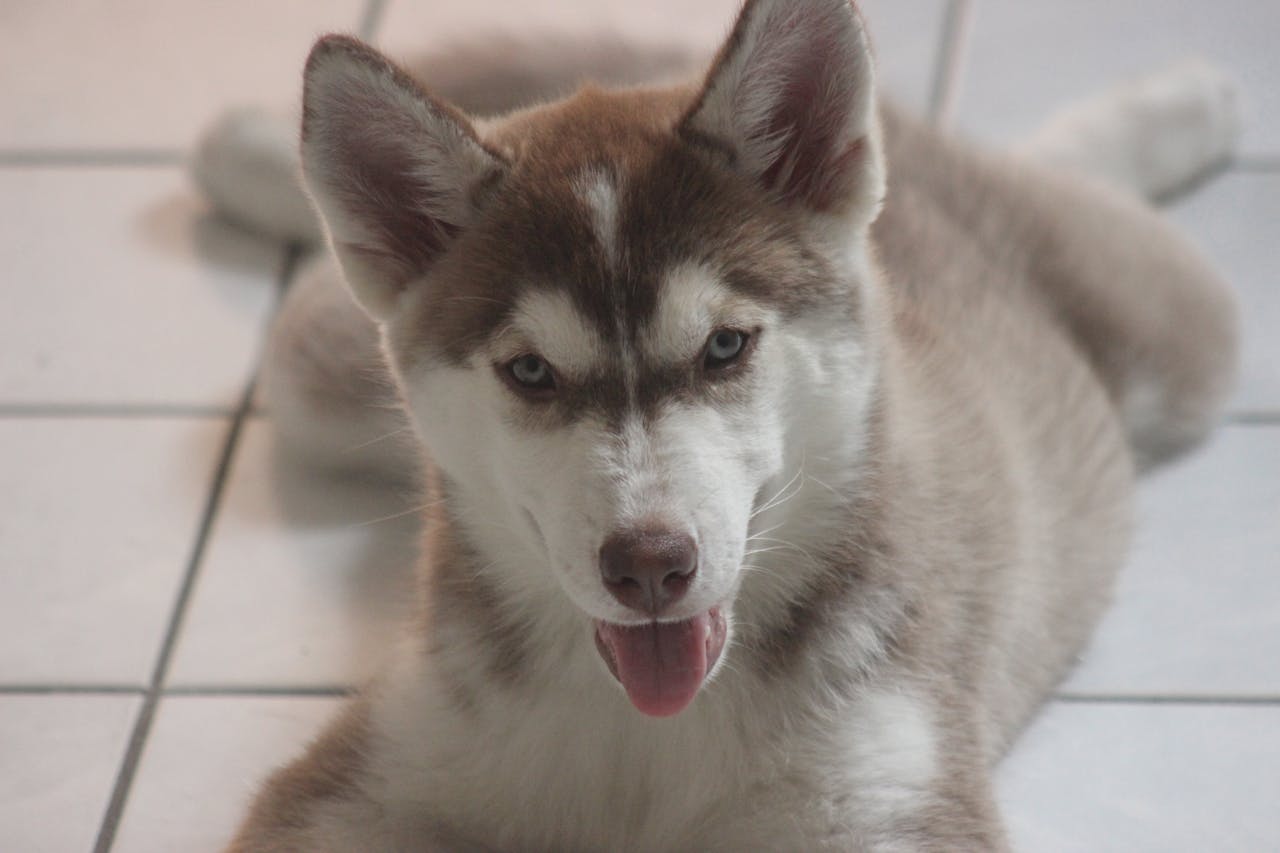
Siberian Huskies combine endurance with independence, and many carry a strong chase instinct that wakes up with small, fast movement. A cat crossing a driveway or a rabbit cutting through brush can trigger a sharp lunge, and once the run starts, recall may not register. Mishaps usually come from ordinary lapses: a door left ajar, a clip not fully closed, or a leash wrapped wrong during a quick stop. Steady setups favor well-fitted harnesses, double attachments, fenced running outlets, and reward-based practice around distractions, so excitement does not turn into a long, stressful search, even at dusk.
Greyhound
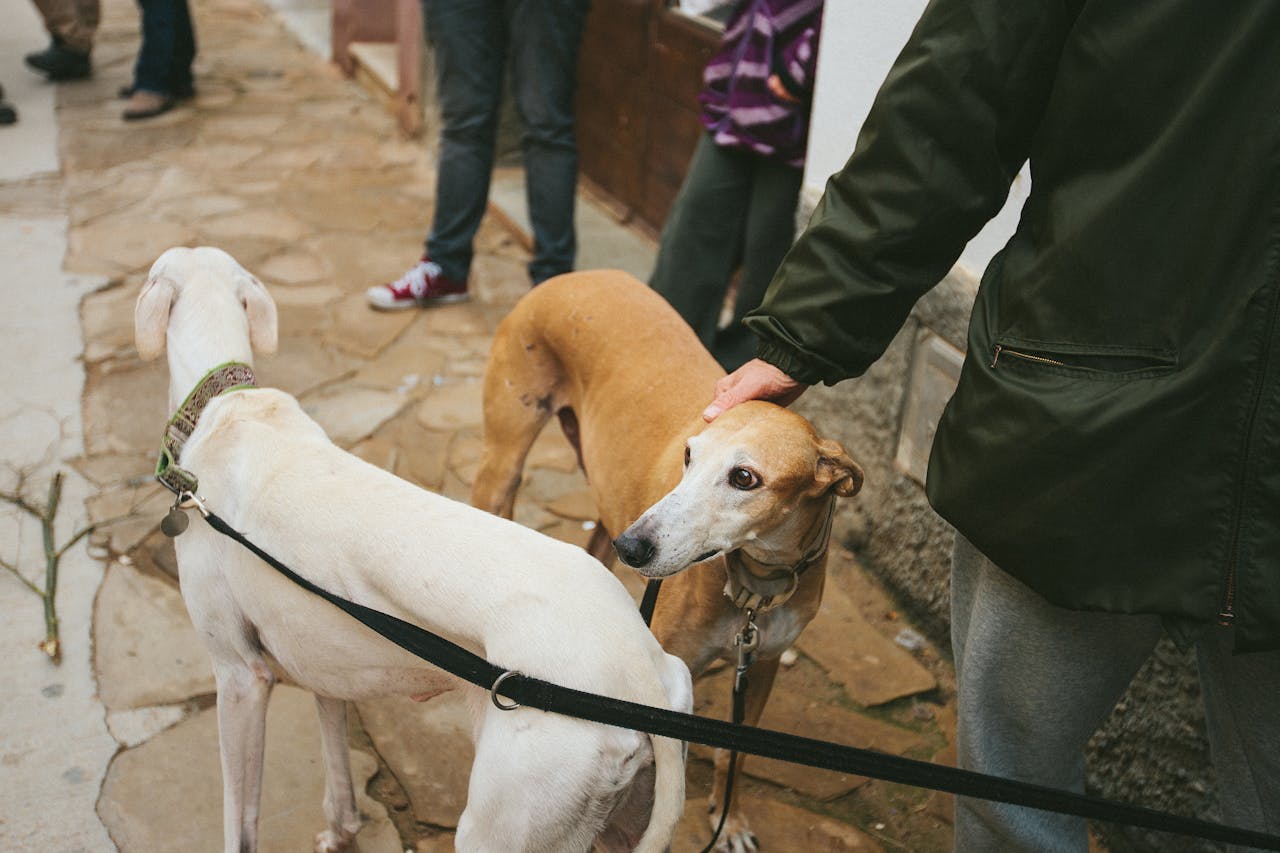
Greyhounds are sight hounds designed to react to movement and accelerate instantly, so a calm stroll can change in a heartbeat. A squirrel crossing open grass, a bird lifting near a curb, or a small dog sprinting in play can flip the switch into straight-line pursuit. The first stride has enough force to pull hands, cause rope-burn, or slip a collar if the setup is loose. Most successful owners manage with secure harnesses, deliberate leash handling, and fenced runs where speed is allowed. Controlled lure-style play and sniff-heavy enrichment help satisfy the chase brain without turning public walks into surprise sprints.
Whippet
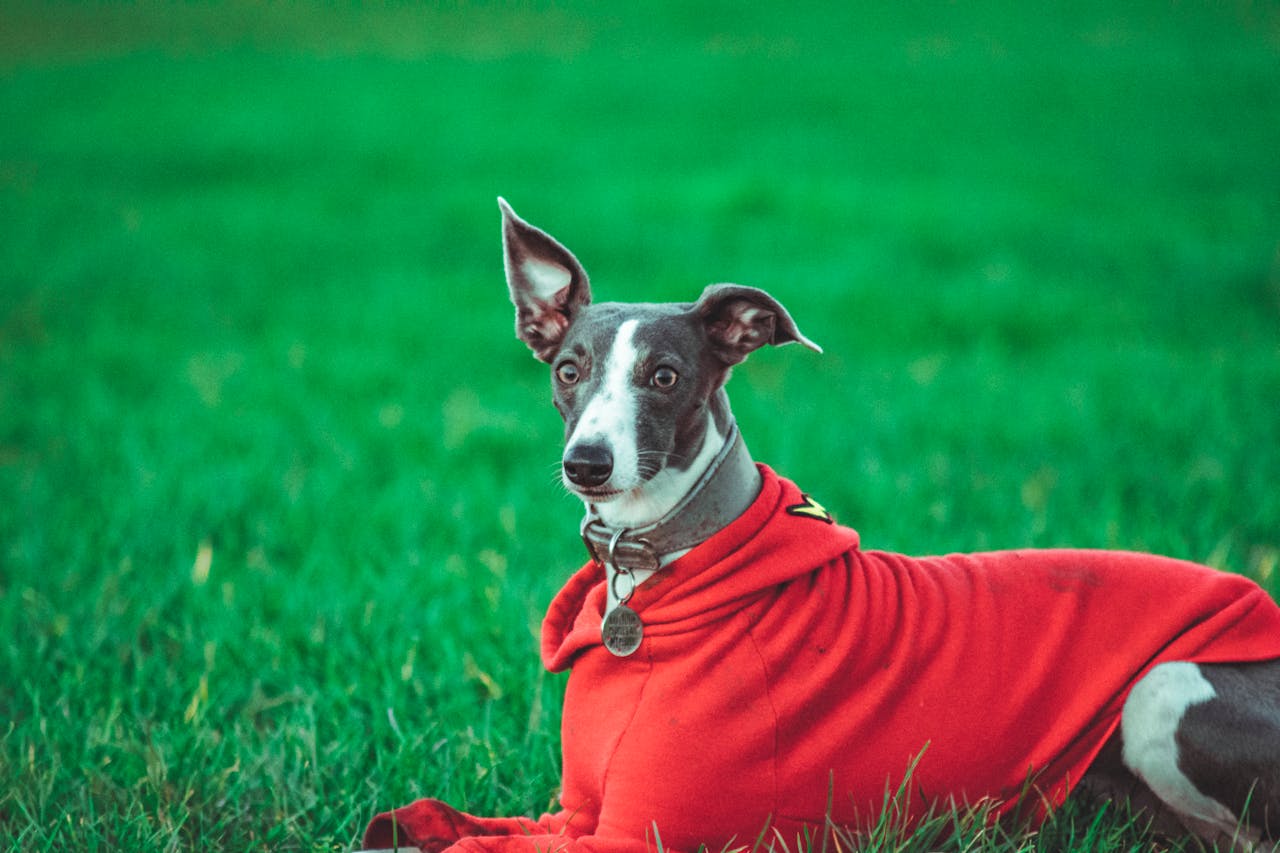
Whippets carry the classic sight hound trigger in a smaller frame, and their quick, springy acceleration can catch people off guard. A bouncing ball, a pigeon lift-off, or a chipmunk along a wall can look like a lure, and a relaxed grip on the lead can turn into a fast dash. Because whippets are light and sensitive to slips and scrapes, mishaps often involve falls, rope-burn hands, or a sudden turn toward a street edge. Calm routines lean on well-fitted harnesses, recall practice around motion, and fenced runs where sprinting is expected. After a good run, many settle into quieter walks with less scanning.
Jack Russell Terrier
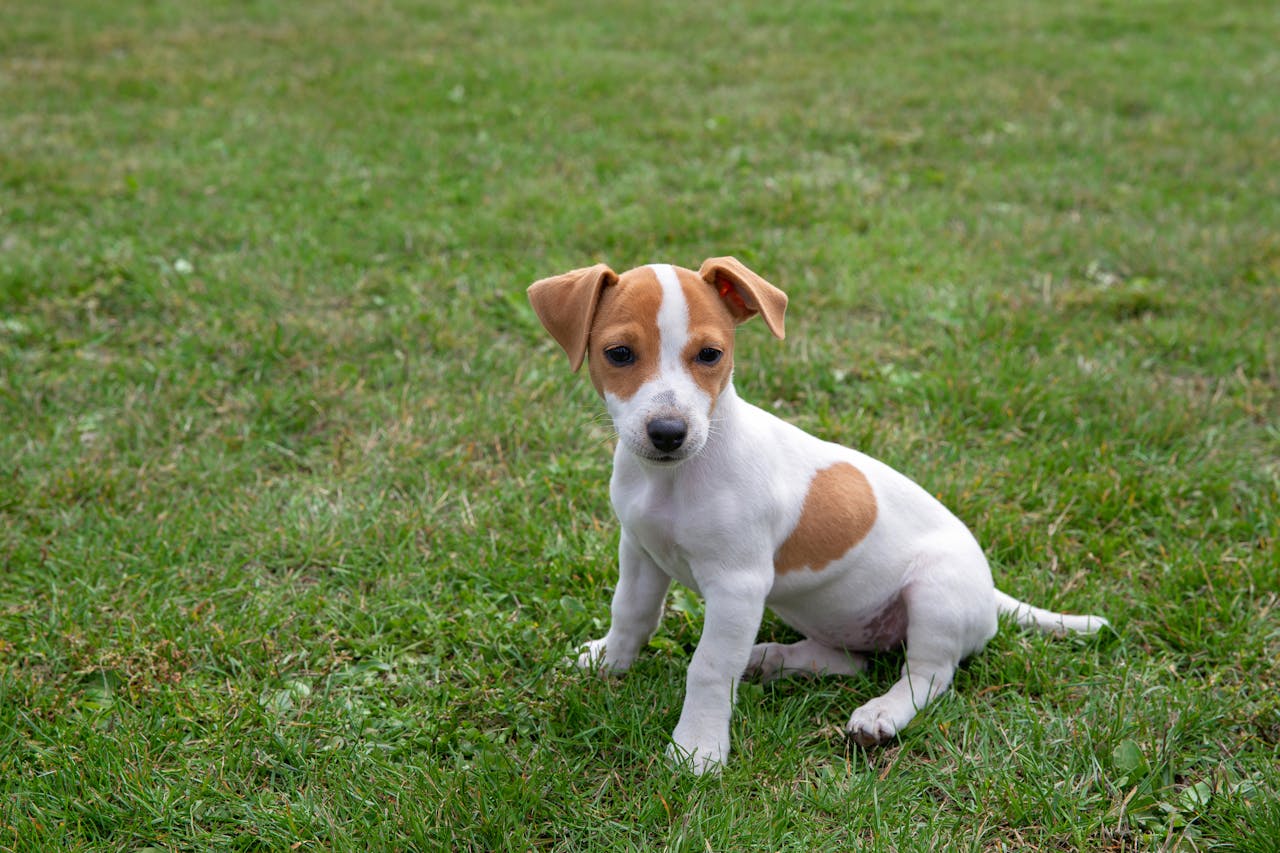
Jack Russell Terriers were developed for vermin work, and that heritage shows up as intense interest in anything that squeaks, scurries, or hides. Mishaps can look small: a terrier digs under a fence, slips through a door gap, or rockets after wildlife, then stays locked in because the task feels rewarding. These dogs also learn patterns fast, so a few successful chases can become a habit. Owners who keep days smooth focus on secure barriers, practiced leash skills, and impulse-control games. Safe outlets like scent trails, flirt-pole sessions, and puzzle feeders give the hunt brain a job without turning every walk into a search mission.
Weimaraner
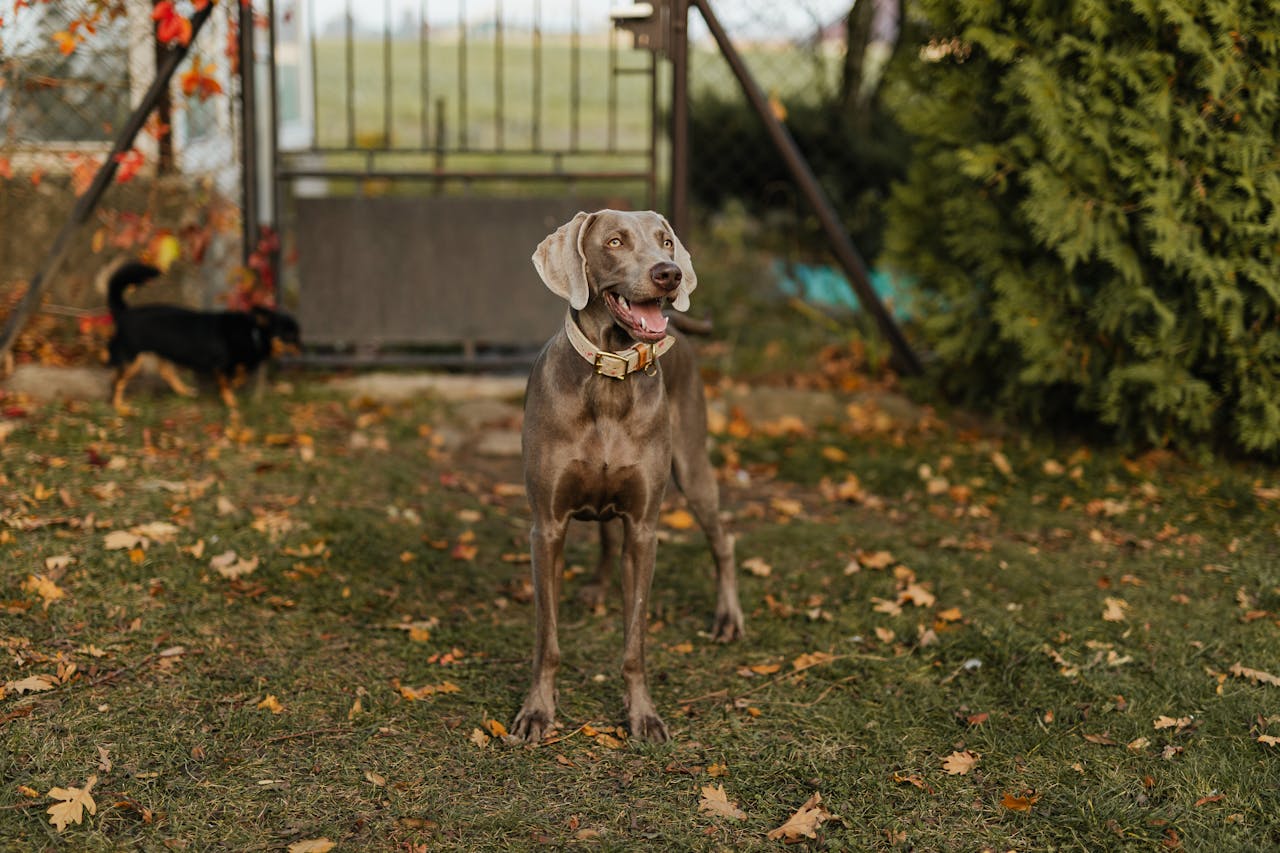
Weimaraners were bred as versatile hunting dogs, and many still carry a strong chase-and-search instinct that blooms outdoors. A flush of birds, a deer scent on the wind, or a runner cutting across a path can turn a polite walk into heavy pulling. Mishaps often happen when energy is underfilled: the dog scans, locks on, and surges, and a tired grip or loose buckle becomes the weak link. Good management pairs stamina outlets with control, using long lines, fenced fields, and recall practice under distraction. Scent games and calm decompression time help, too, because the dog stops self-assigning a chase as the day’s main event.
German Shorthaired Pointer
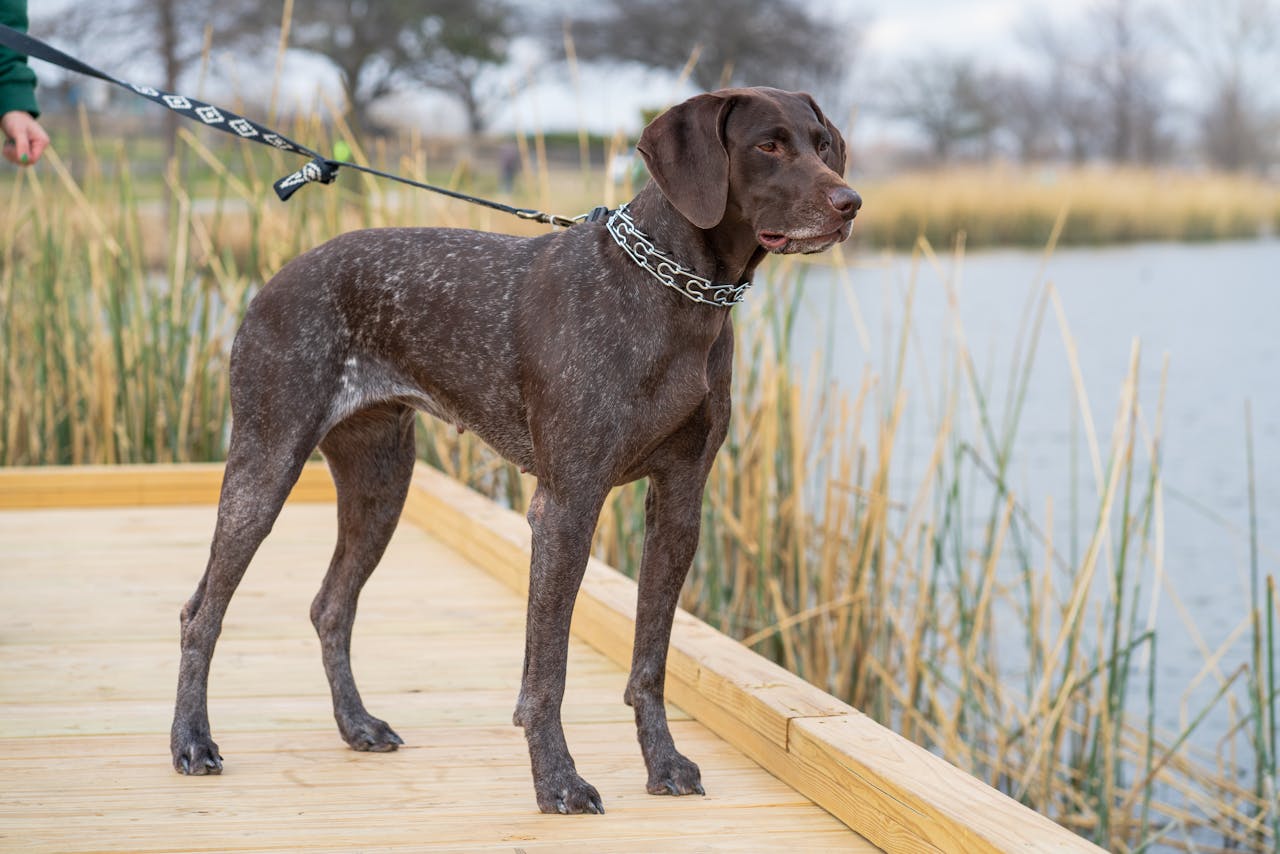
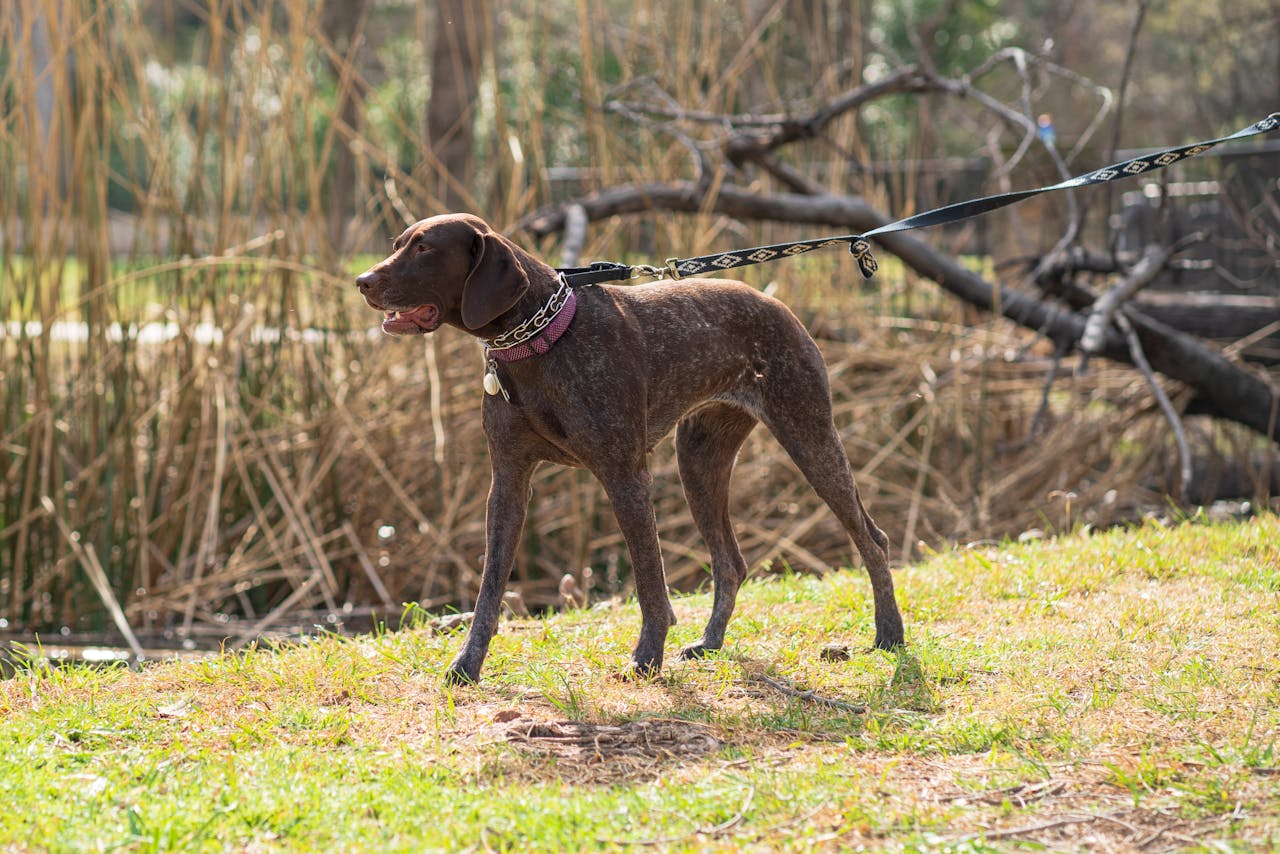
German Shorthaired Pointers are built for range, stamina, and hunting focus, and scent plus motion can override manners quickly. When birds lift or rabbits break cover, a casual off-leash moment can become a wide, fast loop that feels impossible to interrupt. Because these dogs cover ground quickly, one impulse can turn into a long wait and a worried search in brushy edges or open fields. Handlers who do well treat freedom as earned: long lines for practice, fenced spaces for running, and structured scent work that keeps the brain busy while the dog stays reachable. Short, frequent check-ins on walks also reduce the urge to wander far.
Australian Cattle Dog
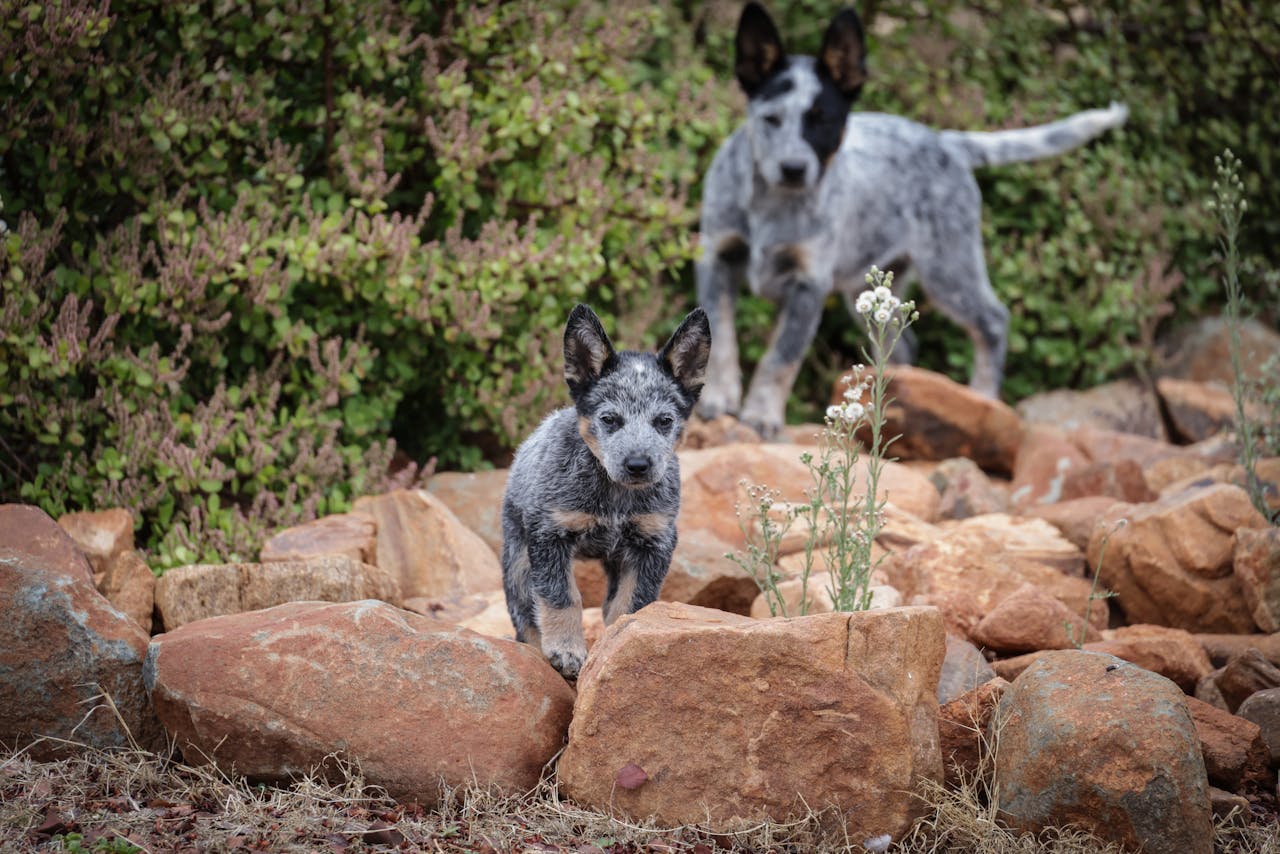
Australian Cattle Dogs are herders, and many show a chase response to fast motion, including bikes, scooters, and running children. The pattern is familiar: the dog watches, locks on, and lunges to control movement, and on a sidewalk that surge can tangle a leash or pull a handler off balance. These moments come from instinct, but they still need a plan. Calm outcomes come from training plus management, including controlled exposure to motion triggers, clear cues that interrupt fixation, and brain-tiring work like scent searches and obedience games. When the dog has a task, the world stops being something to control.
Border Collie
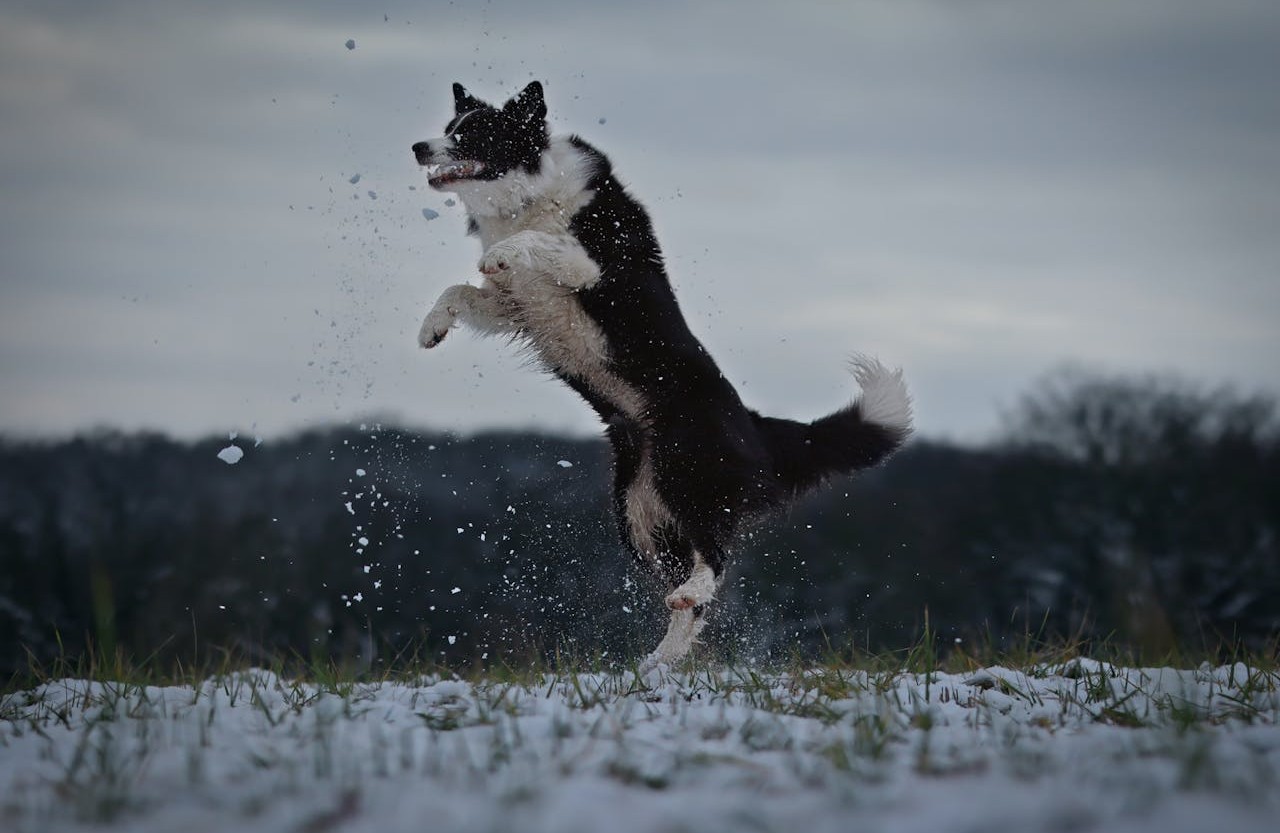
Border Collies are experts at reading movement, and their famous focus can tip into fixation when life offers nonstop motion cues. A squirrel on a fence, a jogger passing close, or a slow-rolling car can trigger stalking and a sudden burst forward. Mishaps happen when someone assumes the dog is only watching, then a leash hand slips or a gate opens for a moment. Because the breed learns patterns quickly, rehearsed chases can become default behavior. Strong recall and impulse control matter, but so do real jobs: herding-style games, trick training, and sniff walks that reduce scanning and keep the mind engaged with the handler’s plan.