
Extreme day trips sound like a clever hack: one big destination, no hotel bill, and a triumphant return before midnight. On paper, the math feels clean and the story sounds bold. In real life, the schedule becomes a chain of deadlines where traffic, parking, weather, and lines control the mood. Meals get squeezed, energy fades at the worst moment, and small delays can erase the best plan. These trips can still work, but only when the itinerary respects how travel actually behaves.
The Math Ignores Real Delays
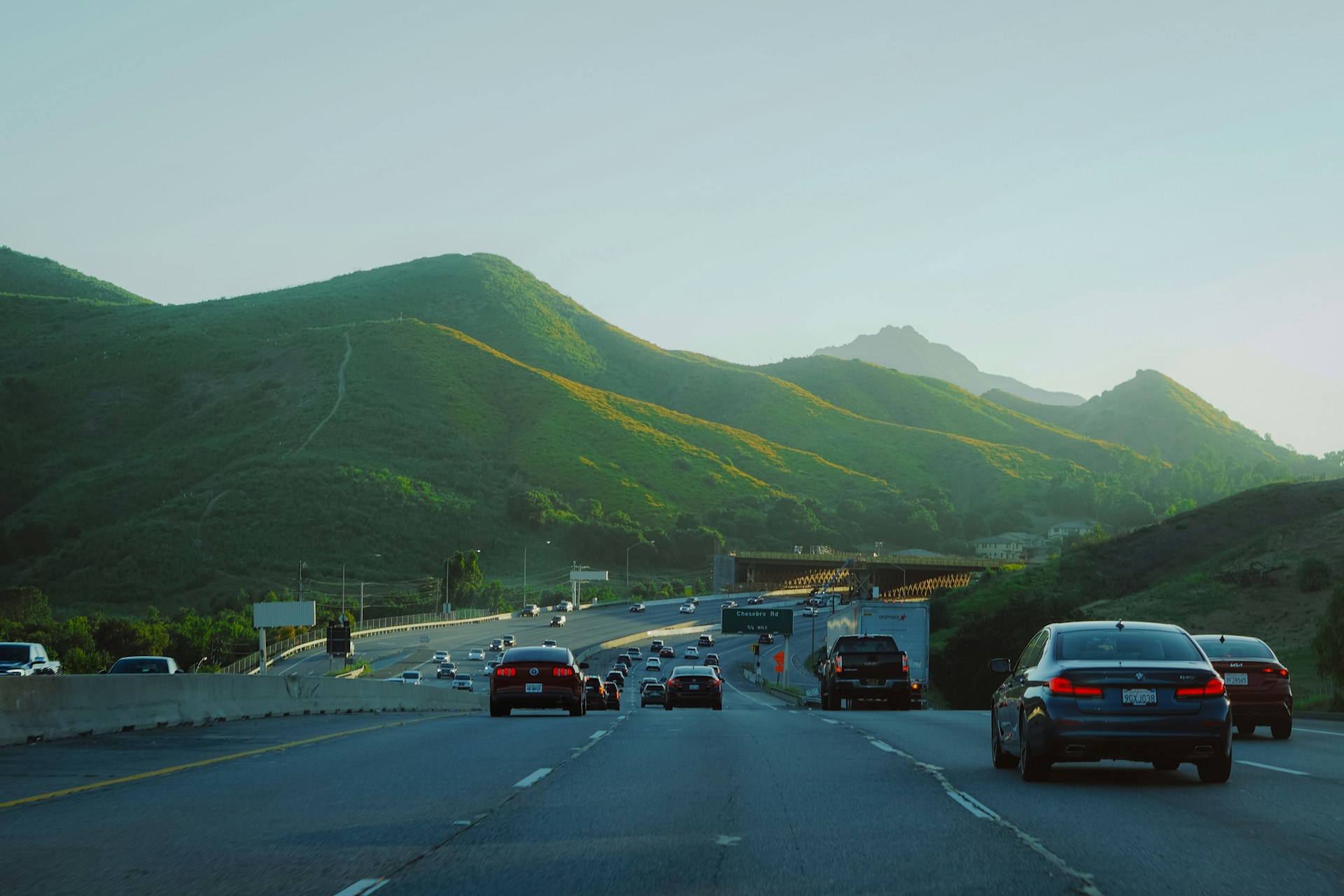
Extreme day trips look efficient on a spreadsheet, but real travel time is never just wheels moving from A to B on an empty road. Parking lots fill, shuttle loops run on their own clock, and one wrong exit can add 25 minutes before anyone even realizes it, then that delay multiplies as queues, crossings, construction cones, and slow town streets stack up behind one another. Add fuel, food, and restroom breaks, and the neat timeline sags, so arrival comes with the sense that the day has already been spent, even though the destination just appeared and still needs energy for walking, waiting, and finding the best spot.
The Early Start Steals the Fun
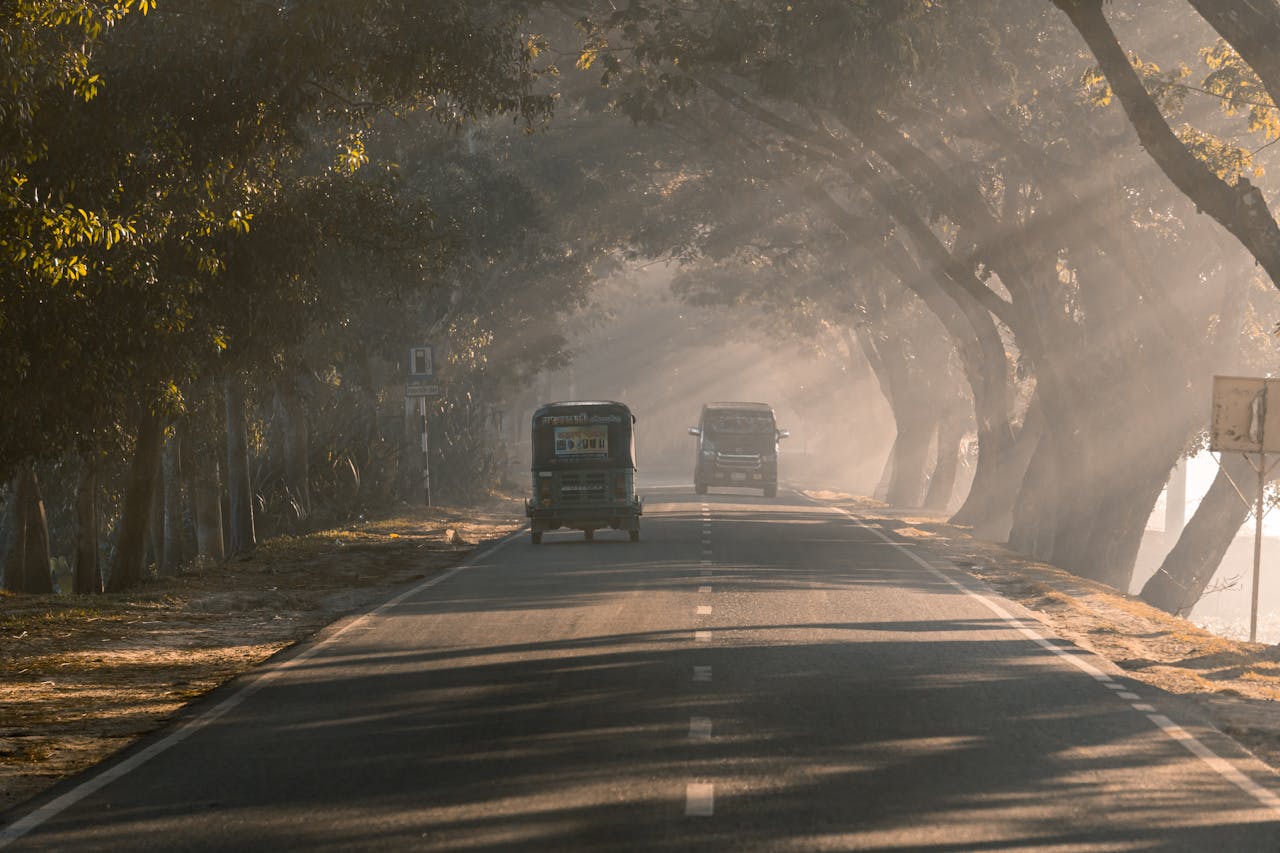
The plan sounds bold until the alarm rings at 3:30 a.m. and the day begins in darkness, with coffee doing the work excitement was supposed to do. That sleep debt follows the schedule, especially when the destination demands hiking, heat, or long walks, because the body never gets a true reset and the brain keeps reaching for shortcuts like skipping meals or rushing photos. By midafternoon, patience thins and decisions get sloppy, so the trip feels accomplished but emotionally flat, like a victory logged by the calendar rather than a day that actually felt calm, present, and worth repeating, even with perfect weather.
Meals Turn Into Logistics

Extreme day trips treat food like a footnote, then hunger turns it into the main problem that shapes every decision and mood. Small towns close kitchens early, park cafés run limited hours, and famous counters build lines that swallow the only free window, forcing meals into snacks, sugary drinks, and rushed bites eaten standing while watching the clock. By evening, the best option is often whatever sits closest to the highway, which leaves the memory tasting like transit instead of the place that was supposed to be the point, and that mismatch lingers longer than expected, like a dull aftertaste.
Weather Has No Room to Negotiate
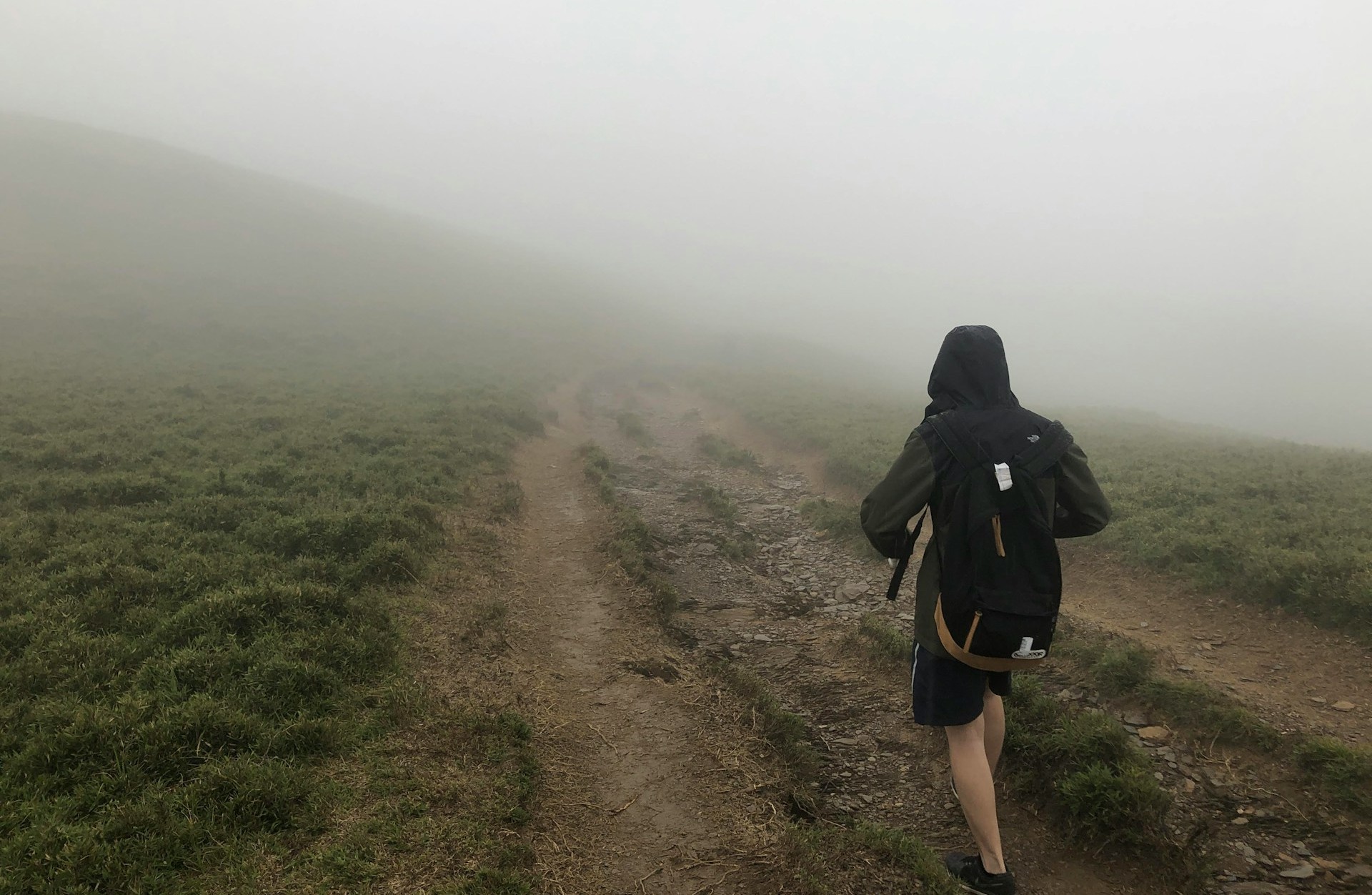
A normal trip can dodge bad weather by shifting plans, but an extreme day trip has no slack to bargain with the forecast. Fog hides viewpoints, wind makes waterfront stops unpleasant, and sudden rain turns a short trail into a slow, wet shuffle, while heat quietly drains attention and makes every stop take longer, from parking to paying to walking back. When conditions change, the response becomes pushing harder, not adapting, and the destination turns into a series of compromises that never quite feels settled, because the return deadline keeps pulling attention away, minute by minute, until it is time to leave.
The Best Hours Belong to Someone Else
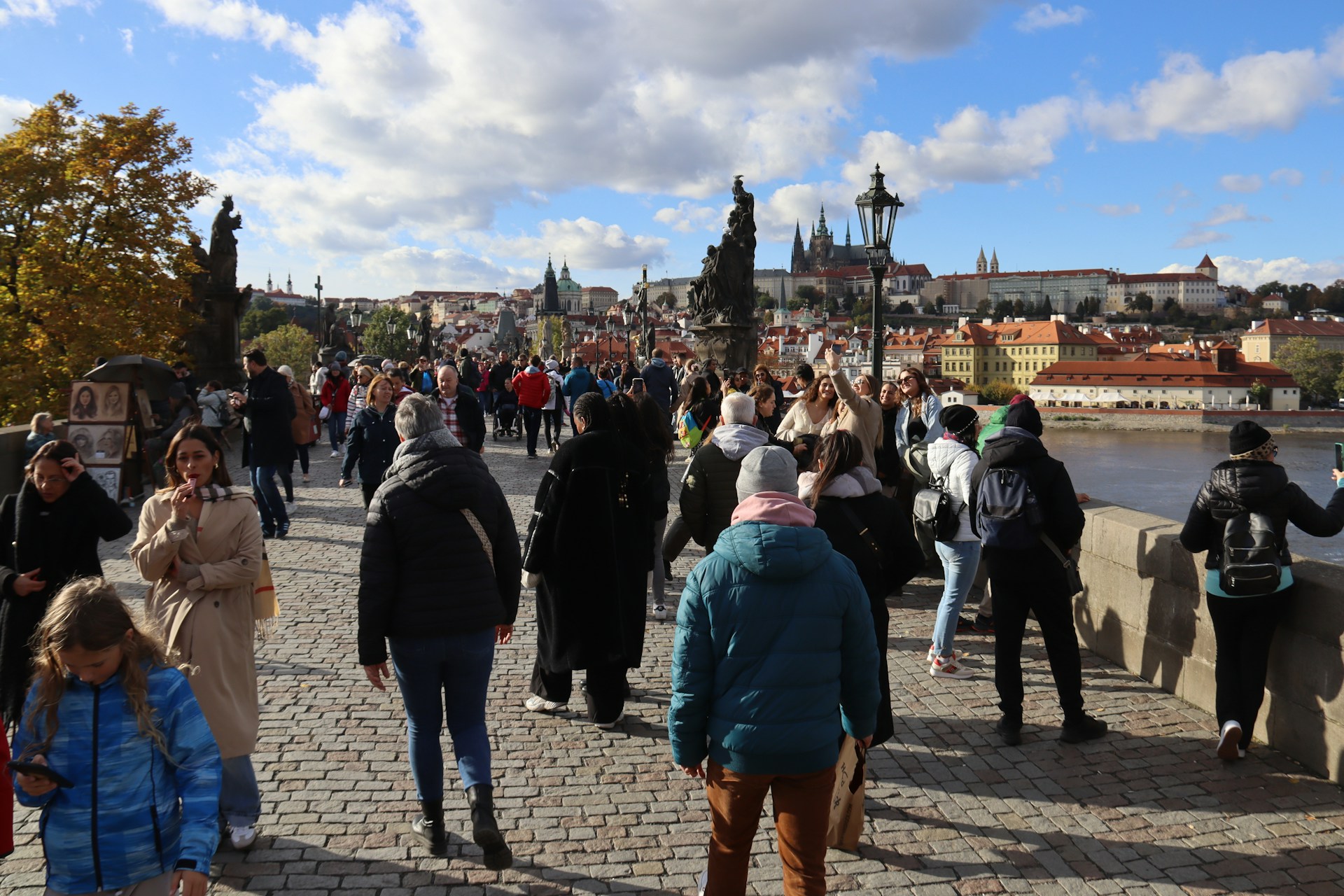
Many places are at their best early, when streets are quiet and light is soft, but extreme day trips often arrive right when lots fill and crowds peak. By the time lines ease and the air cools, the return drive is already looming, so the schedule leaves just as the destination becomes easier to enjoy, with empty benches, smoother traffic flow, and room for slower looking. The result is a timing trap where the day is spent negotiating bottlenecks, then departing at the moment calm finally shows up, which is why one overnight stay can feel like a different trip entirely, with room to notice small things.
One Mishap Becomes the Whole Story

On a packed itinerary, small problems scale up fast because there is no extra time to absorb them without losing something important. A missed train, a closed trailhead, a slow security line, or a dead phone does not just delay the plan, it erases it, and even basic needs like refilling water or finding a restroom can become stressful when every minute is budgeted. That fragility raises tension, so people remember the scramble and the snapping choices, not the view, even when the destination itself was genuinely impressive and deserved a slower pace, with time to wander, sit down, and let the place sink in.
Money Leaks in Small, Annoying Ways
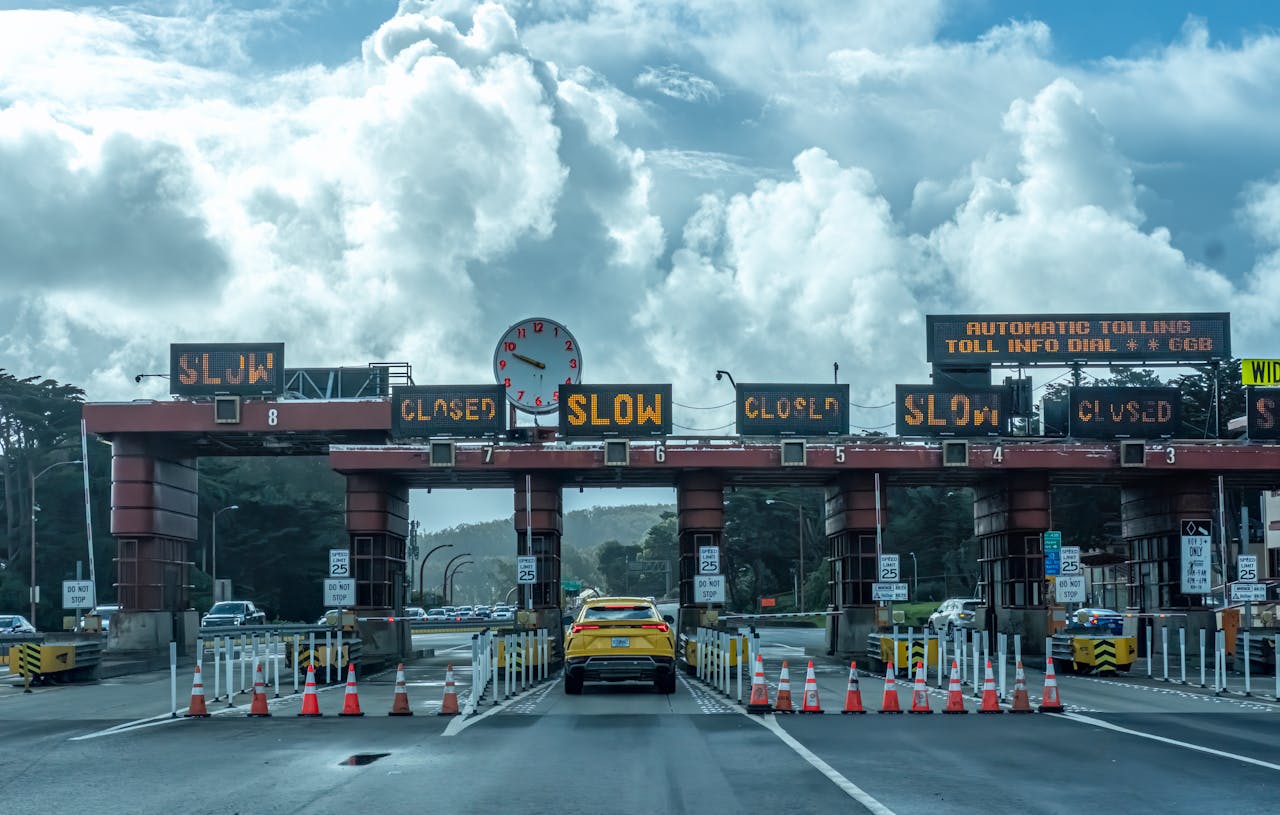
Skipping a hotel looks budget-friendly, but costs leak in through convenience all day long, usually in small amounts that add up fast. Last-minute tolls, pricey parking, surge-priced rides, and grab-and-go meals stack up because there is no time to hunt for better options, and timed entries can force premium tickets, add-on fees, or paid reservations. The final total can rival an overnight trip, with less comfort and fewer hours actually spent in the destination, which makes the spending feel especially irritating on the drive home when everyone is too tired to even talk, which makes the silence feel expensive.
The Body Keeps Its Own Score

Extreme day trips ask the body to be a machine: sit for hours, walk fast, stand in lines, then sit again without a real break. Hydration slips because stopping feels like losing time, feet swell, backs tighten, and even a mild headache can turn a scenic stop into a chore that needs willpower, especially after a long drive with stiff legs. Physical strain narrows attention, so landmarks become checkpoints, and the day ends with pride mixed with the quiet question of why it felt so hard for so little time on site, with recovery taking the next morning too, like a hangover without the fun, and it lingers.
Photos Replace Presence

When time is tight, cameras take over and the goal becomes proof: the sign, the viewpoint, the iconic angle, then back to the car. That rhythm can produce a full album and a thin memory, because there was no room to linger long enough for the place to feel real, to hear the sounds, or to notice the smaller details that give it character. Conversations turn logistical, focused on timing and routes, and the small moments that create attachment, like sitting near water or listening to street music, get cut first, even though those moments are what people miss later, because they are the parts that feel personal.
The Return Drive Feels Longer Than the Outbound
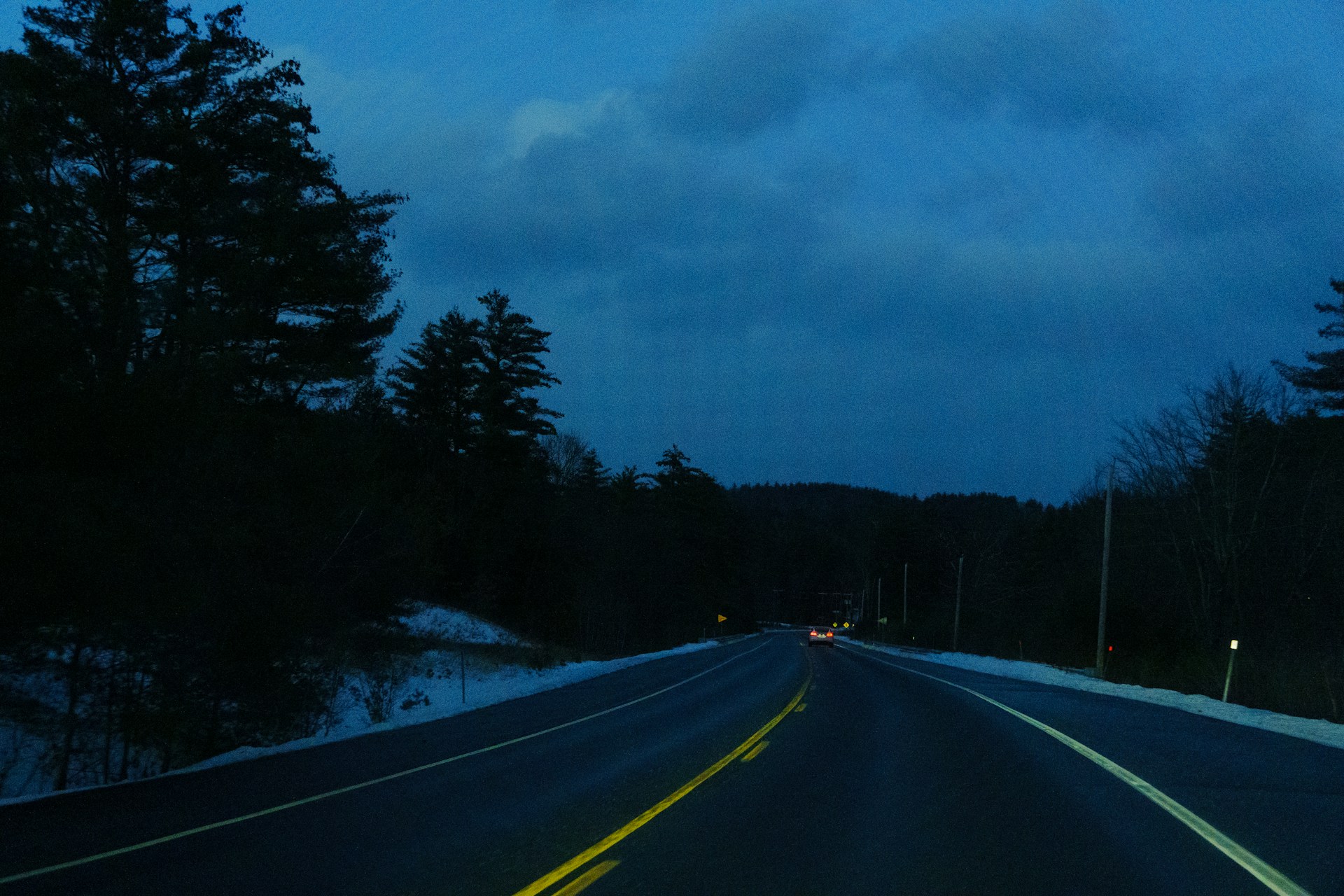
The outbound drive has anticipation, playlists, and the sense that the best part is ahead, so even long miles feel manageable and purposeful. The return drive has fatigue, heavier traffic at predictable hours, and fewer good choices for food or rest, so every mile feels longer, every headlight feels harsh, and every delay feels personal. Late arrival also steals the next morning, turning a one-day plan into a two-day recovery, which is when the supposed efficiency starts to look like a hidden cost that lands on the calendar, not the wallet, and it can ruin the next day’s plans, even if work is waiting.
The Story Sounds Better Than the Experience
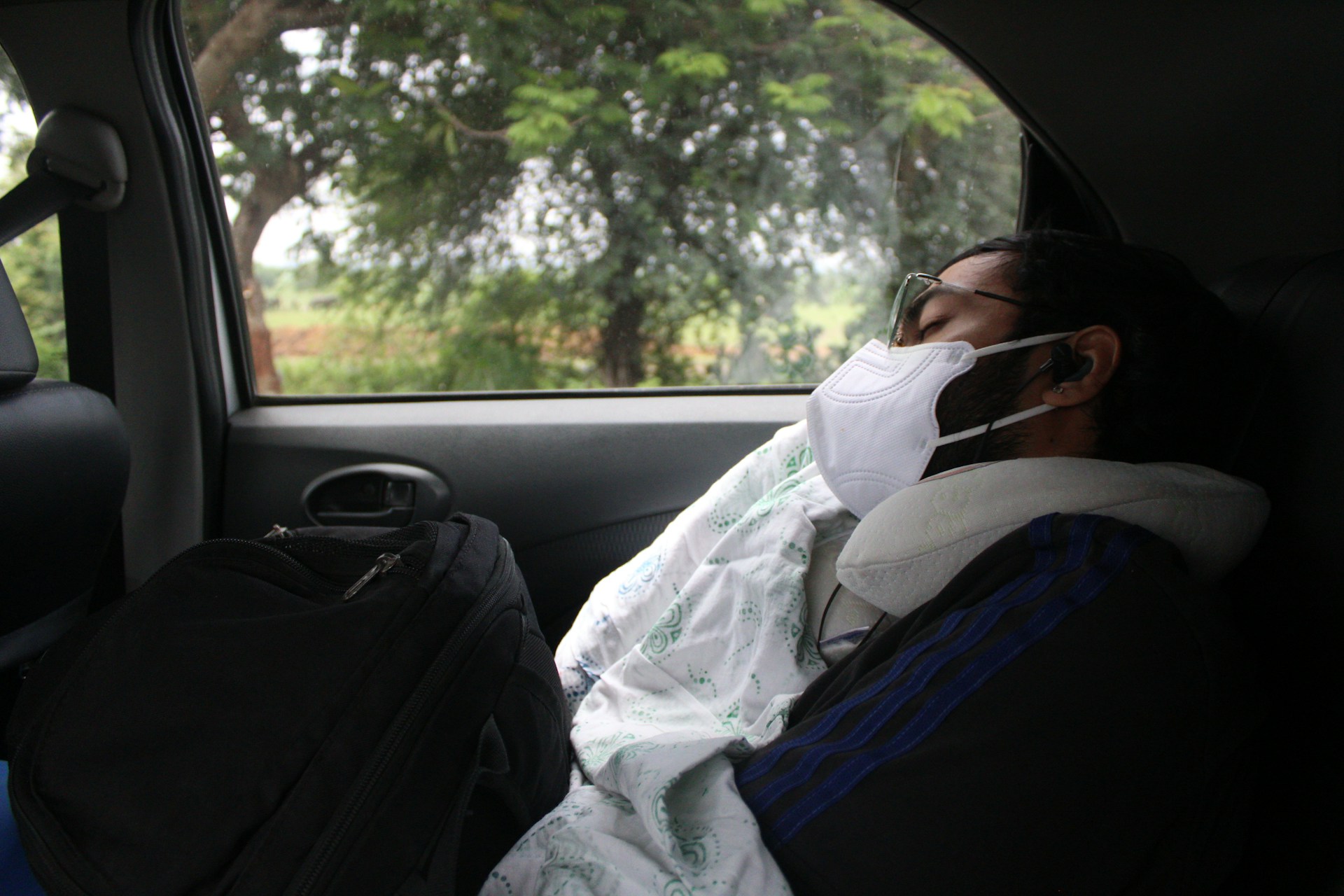
Extreme day trips make a great story in theory: sunrise departure, famous landmark, late-night return, and a proud message sent from the driveway. In practice, the day often becomes clock management, and people remember the mileage, the lines, and the car snacks more than the place itself, because there was no time to settle, wander, or do something unplanned. Give that same destination one overnight, and the mood shifts immediately, with space for a slow meal, a second viewpoint, and a morning that belongs to the location rather than the highway, which is where the trip starts to feel human and enjoyable again.