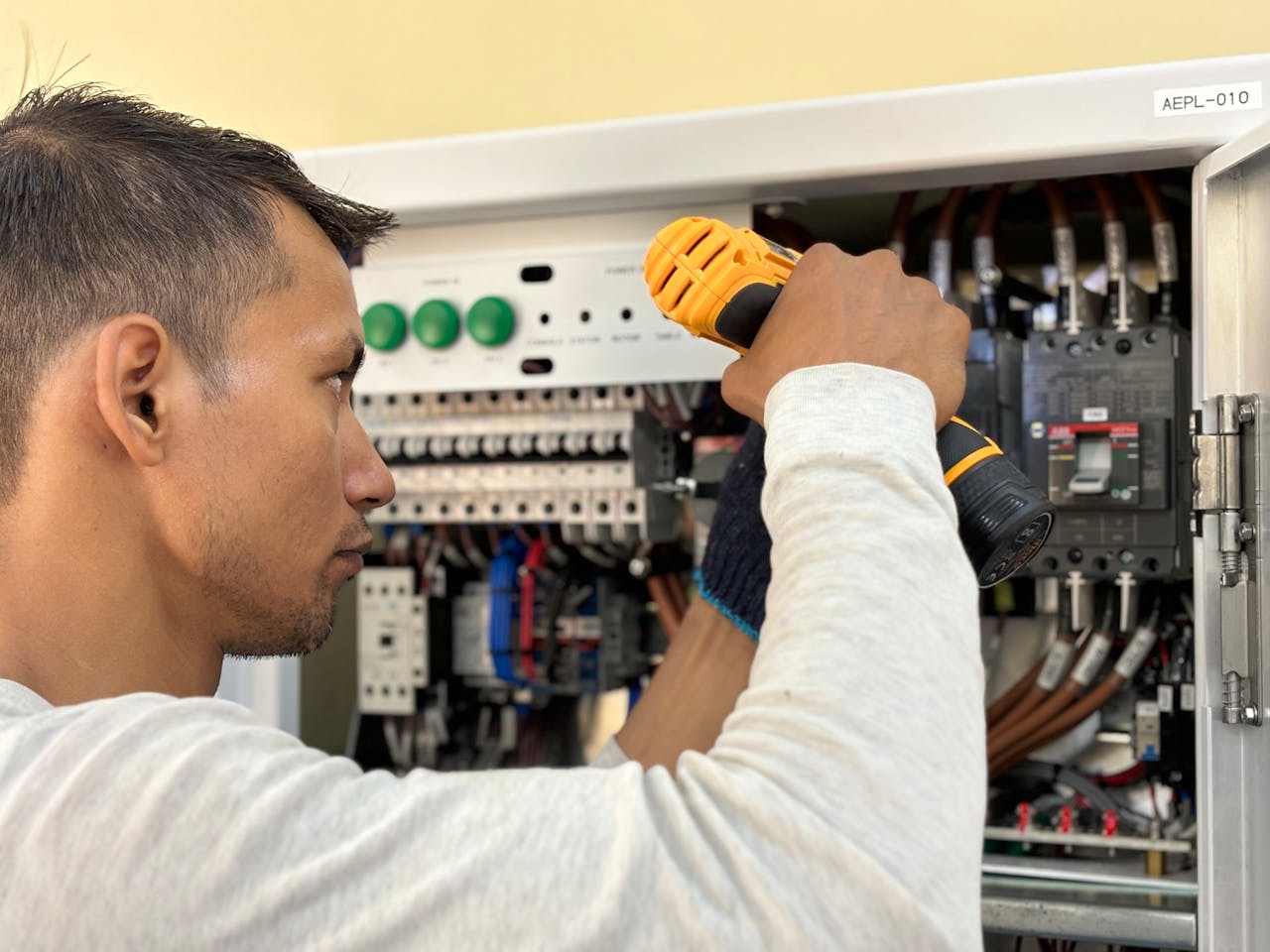
Weekend wiring projects often start with good intentions: a brighter room, a cleaner basement, a new outlet for a growing stack of chargers. In colder months, the stakes rise when space heaters, dehumidifiers, and holiday lights load circuits that were never meant to carry that demand. Inspectors tend to notice the same patterns when DIY work gets rushed or copied from a shaky tutorial. Tiny shortcuts can turn into hidden heat, unreliable grounding, and mystery circuits that make future repairs harder and more expensive. The safest homes usually share one habit: every connection is treated like it matters, because it does.
Hidden Splices Outside Junction Boxes
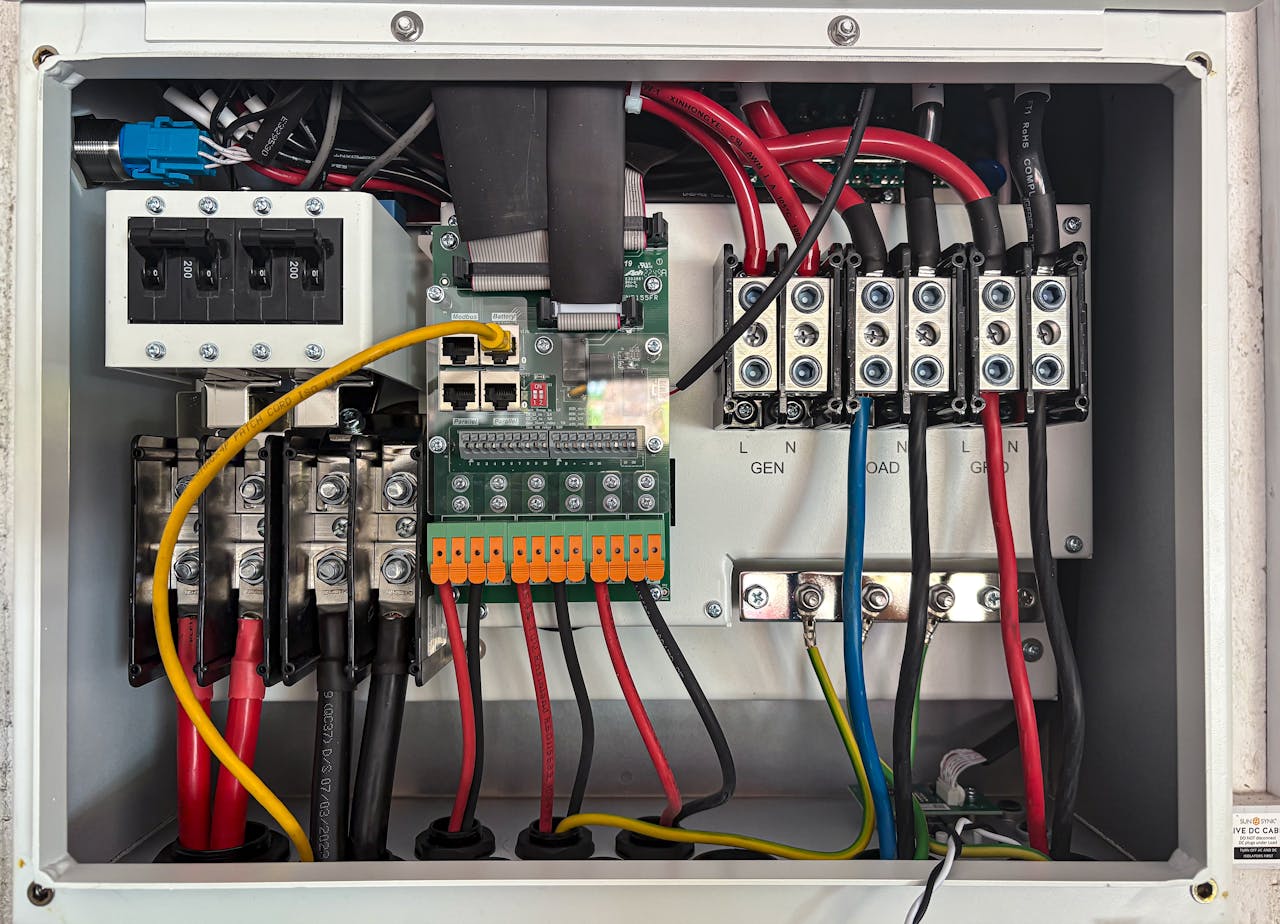
Inspectors regularly find wire splices wrapped in tape and abandoned in walls, attics, crawl spaces, or behind built-ins, where vibration and temperature swings slowly loosen them. A splice belongs inside an approved junction box with a cover and proper cable entry, so the conductors are clamped, the joint is protected from damage, and the connection stays accessible for future testing or repairs without cutting open finished surfaces. When a home’s wiring becomes a trail of hidden joins, small faults can arc, insulation can darken, and troubleshooting turns into expensive guesswork for whoever comes next on a cold night.
Overstuffed Boxes and Missing Clamps
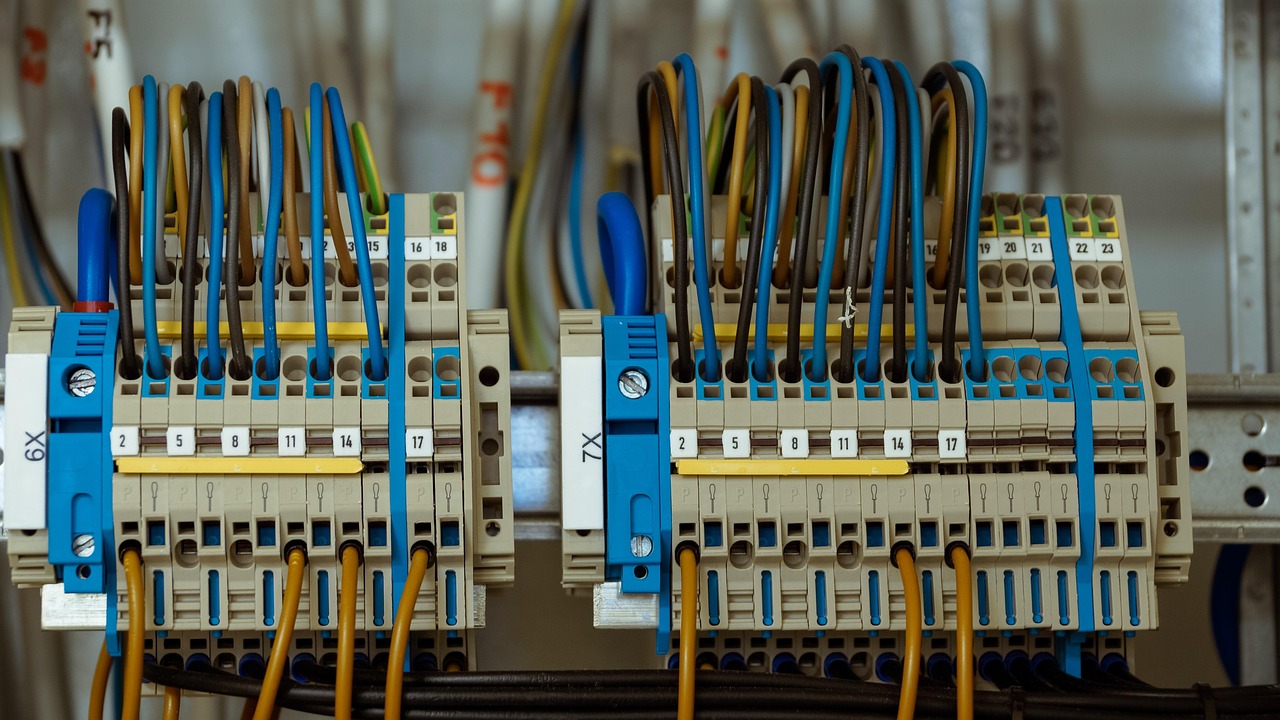
Crowded electrical boxes are a quiet troublemaker: too many conductors, devices, and connectors stuffed into a space that cannot safely shed heat. Inspectors flag box-fill violations, missing cable clamps, and sheathing that ends outside the box, because each detail increases strain on terminals and invites a loose, hot connection. When a switch or receptacle is forced back under spring pressure, insulation can nick, screws can back out, and the cover may never sit flat, leaving gaps where dust and moisture creep in; a deeper box or extension ring is usually the cleaner fix, and it keeps future service simple for everyone.
Double-Tapped Breakers and Lugs
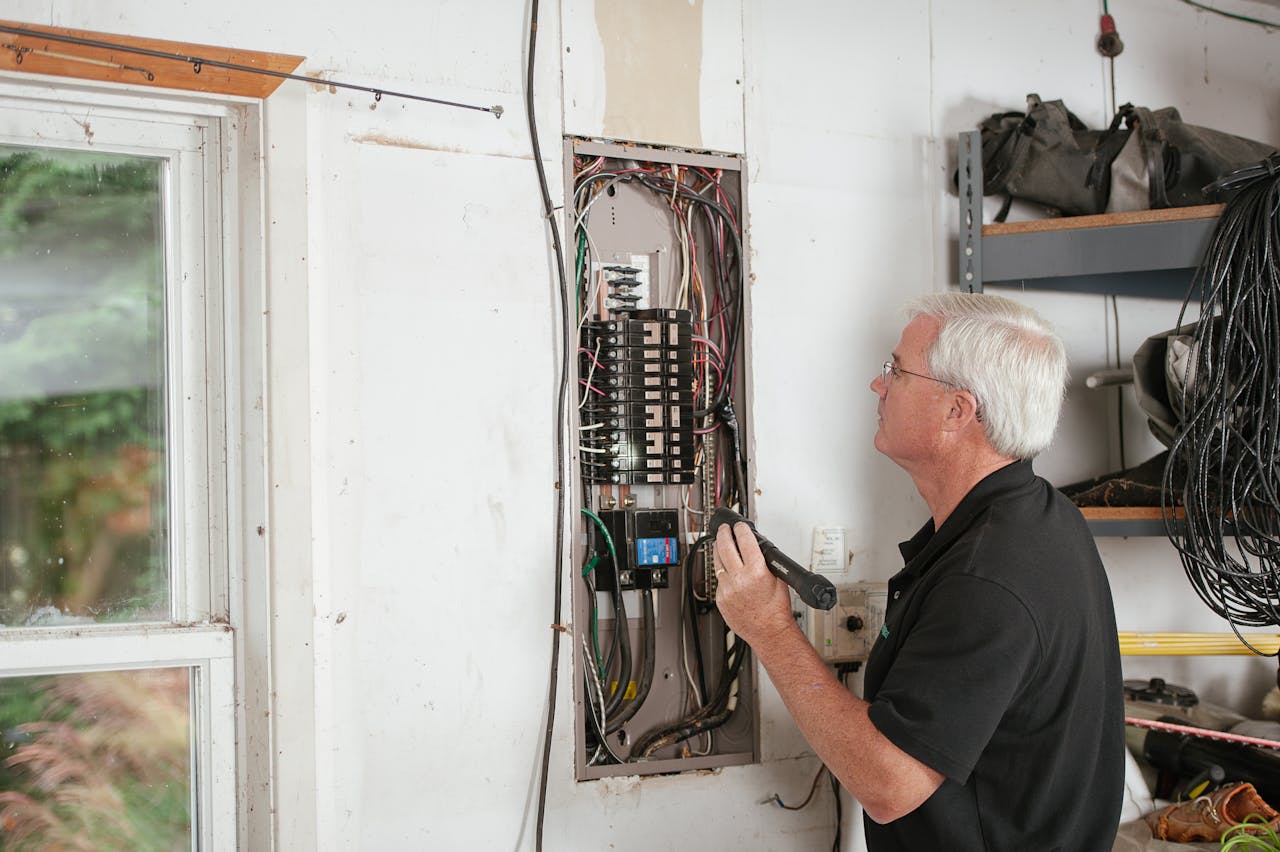
A panel can look tidy and still hide a classic inspector red flag: two wires landed under a breaker or neutral lug that is rated for only one conductor. These double taps often appear after quick add-ons, and the uneven clamping pressure can loosen one wire over time, creating heat and intermittent power that feels like a mystery. The same problem shows up when different wire sizes share a terminal, because the smaller strand can slip, so the safer repair is an approved pigtail, connector, or a breaker specifically listed for multiple conductors, tightened to the manufacturer’s torque spec instead of by feel every time.
Oversized Breakers for Small Wire
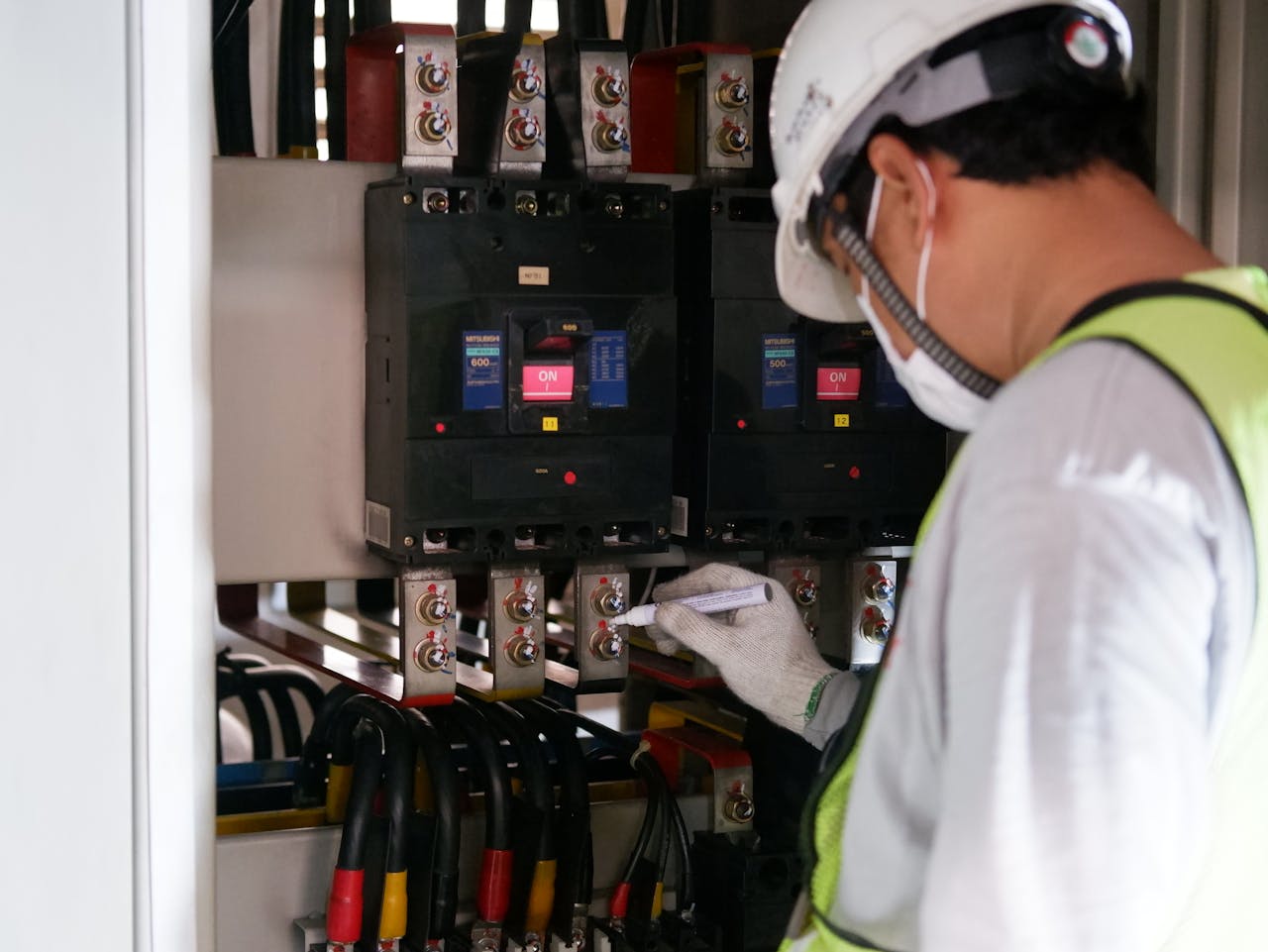
One of the most serious DIY mistakes is a breaker swap that seems practical on the label: replacing a 15-amp breaker with a 20-amp because nuisance trips feel annoying. If the branch wiring is sized for 15 amps, the larger breaker can allow the cable in walls to run hotter than intended before it ever trips, especially when heaters, microwaves, or shop tools hit full load. Inspectors also flag mixed wire gauges on one circuit and oversized fuses in older equipment, because protection must match the smallest conductor; the real fix is reducing load, adding a new circuit, or upgrading correctly with permits when required.
Grounding and Bonding Shortcuts

Grounding errors are easy to miss because lights still work, yet inspectors treat them as a big deal during any sale, insurance review, or major remodel. Common finds include bootleg grounds where neutral and ground are tied together at a receptacle, neutrals and grounds mixed in a subpanel, missing bonding jumpers on metal boxes, and loose or undersized grounding conductors at the service equipment. Those shortcuts can energize metal parts during a fault, confuse GFCI/AFCI behavior, and leave surge protectors less effective, so a correct ground-and-bonding path is the quiet backbone of a safe system for decades.
Reversed Polarity and Neutral Mix-Ups
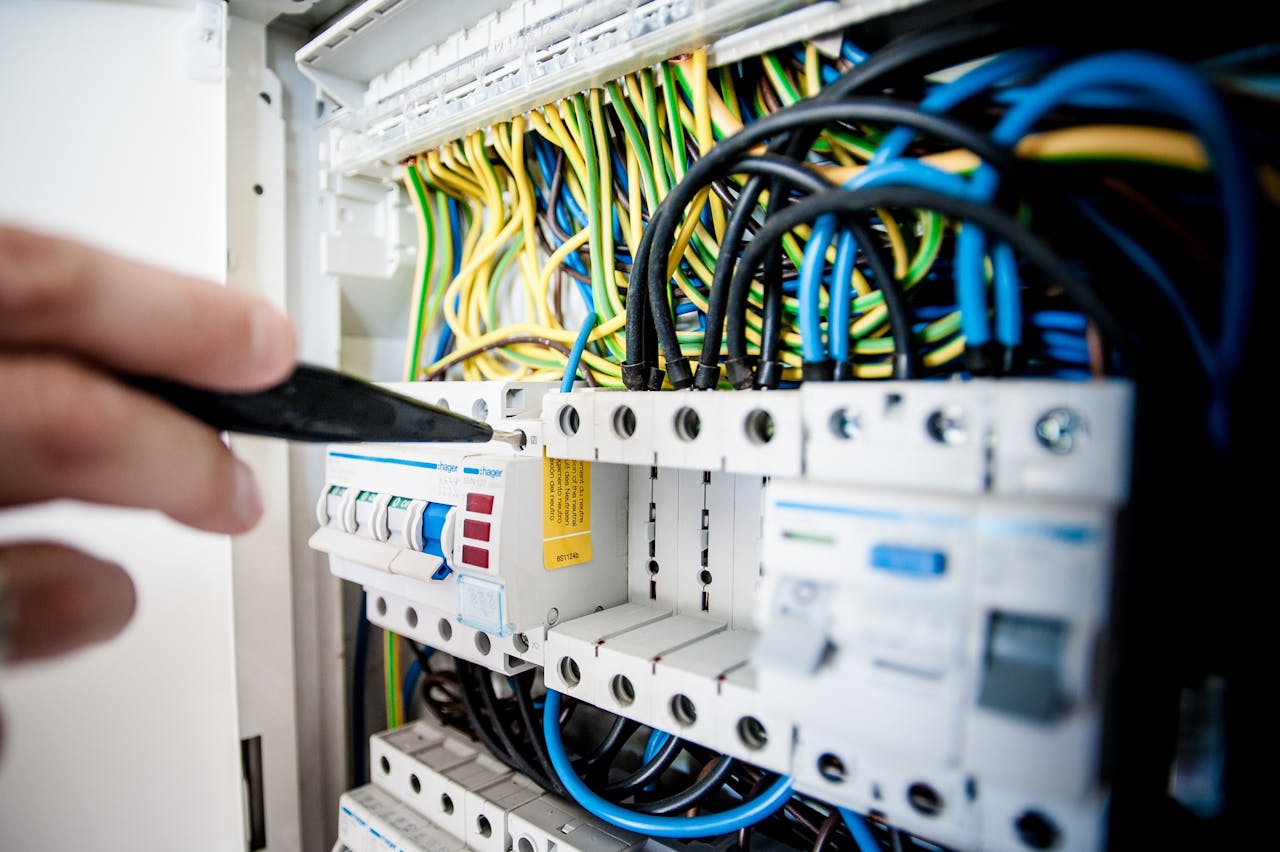
Reversed polarity is a subtle DIY slip: hot and neutral are swapped at a receptacle, so a lamp may run normally while the socket shell or appliance chassis carries voltage. Inspectors also see white wires used as hots without re-identification, neutrals landed on the wrong bar, or multiwire branch circuits altered without keeping the paired breakers handle-tied or on a common trip. These errors can create nuisance trips, confusing readings, and premature appliance wear, and they usually come from skipping a simple tester check after the cover plate goes back on, then copying colors without tracing the circuit end to end.
Missing GFCI and AFCI Protection
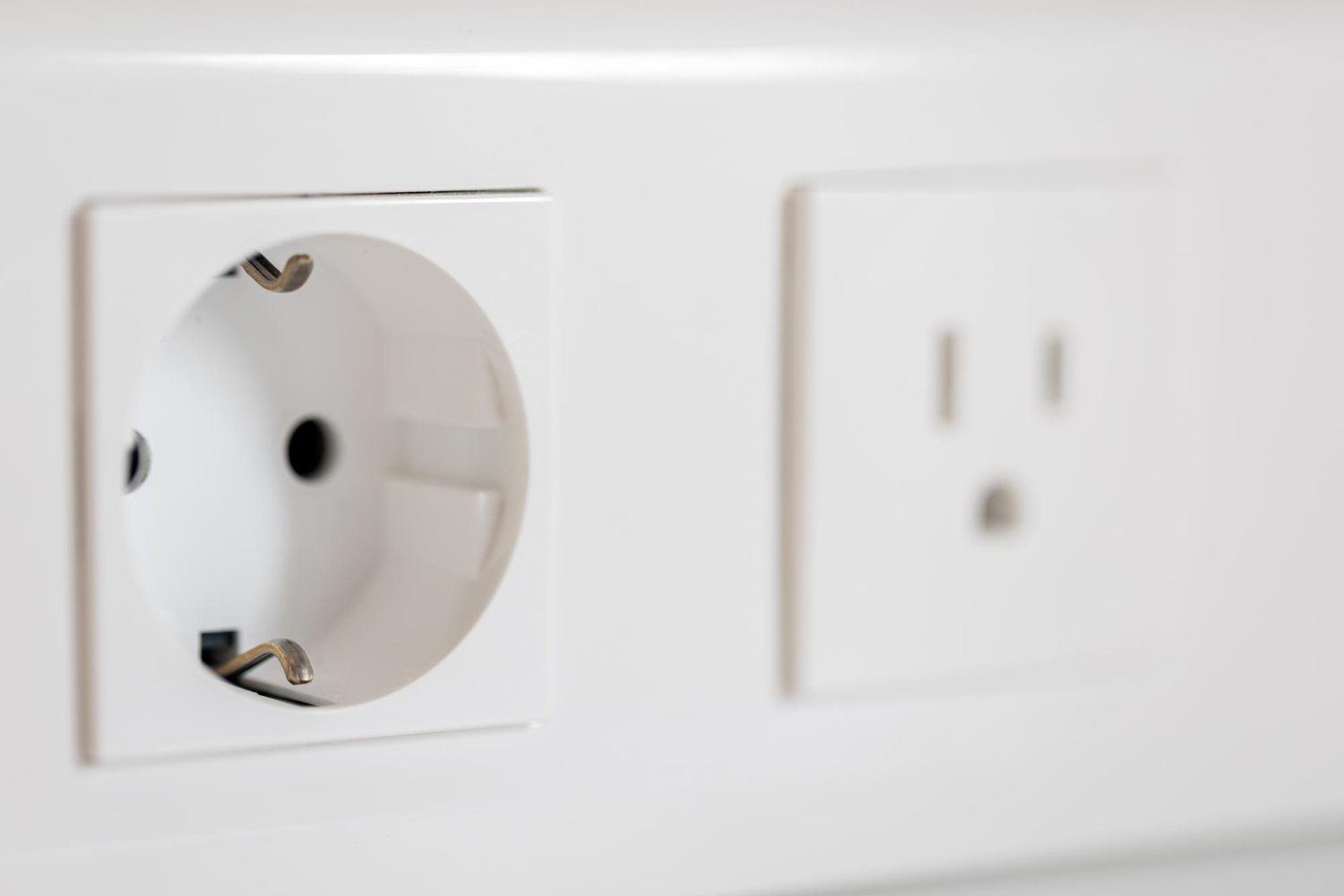
GFCI and AFCI protection is one of the biggest gaps inspectors find after DIY updates, especially when older receptacles are swapped for newer-looking ones. Bathrooms, kitchens, garages, unfinished basements, and outdoor outlets often need GFCI, while many newer circuits also call for AFCI, yet DIY work sometimes leaves only a standard device on the wall or installs protection in a spot that is hard to reset. Miswired line and load terminals on a GFCI can leave downstream outlets unprotected, so inspectors press the test button, use testers, and look for the protection device at the breaker or receptacle before approval.
Loose Terminations and Bad Device Swaps
Loose terminations are a frequent inspection note, and they often start with a quick swap of a receptacle or switch that was never torqued correctly. Backstab connections on some devices, wires wrapped the wrong direction, or conductors not fully seated can create resistance that slowly warms the contact point, and the problem hides until a heavy load is plugged in. Inspectors also watch for aluminum branch wiring handled without CO/ALR-rated devices or listed connectors, because mismatched metals can loosen over time, so a clean, tight termination under the correct screw or clamp is where long-term reliability is built.
Improvised Add-Ons and Exposed Cable
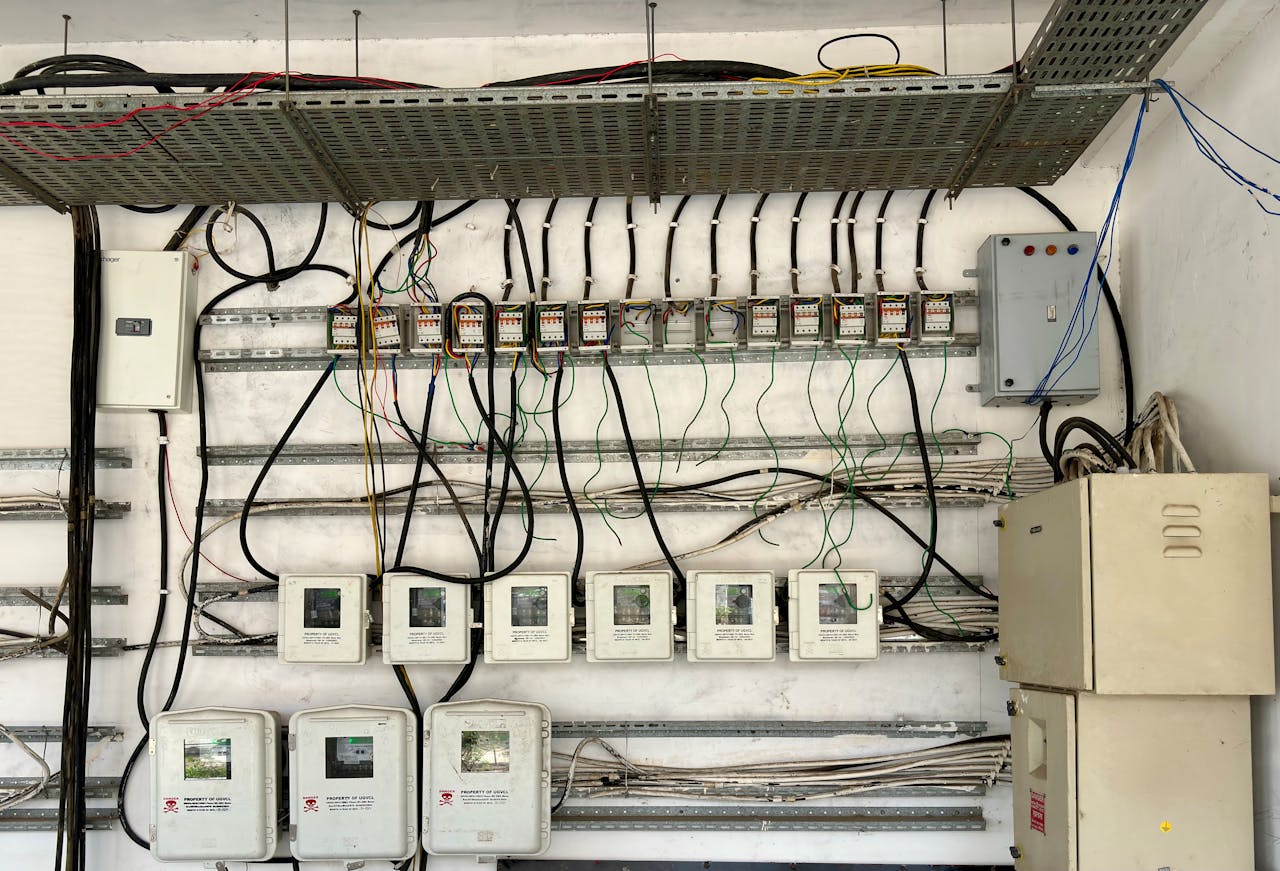
Homeowners sometimes add power the easy way: an extension cord through a wall, lamp cord stapled along a baseboard, or low-voltage wire pressed into service for a real circuit. Inspectors flag these “temporary” solutions when they become permanent, along with nonmetallic cable left exposed where it can be damaged, drilled too close to stud edges without protection plates, or run without proper staples and support. A circuit that is protected, supported, and routed intentionally stays safe and serviceable, while improvised wiring tends to age fast and fail at the worst moment raising questions during inspections and claims.