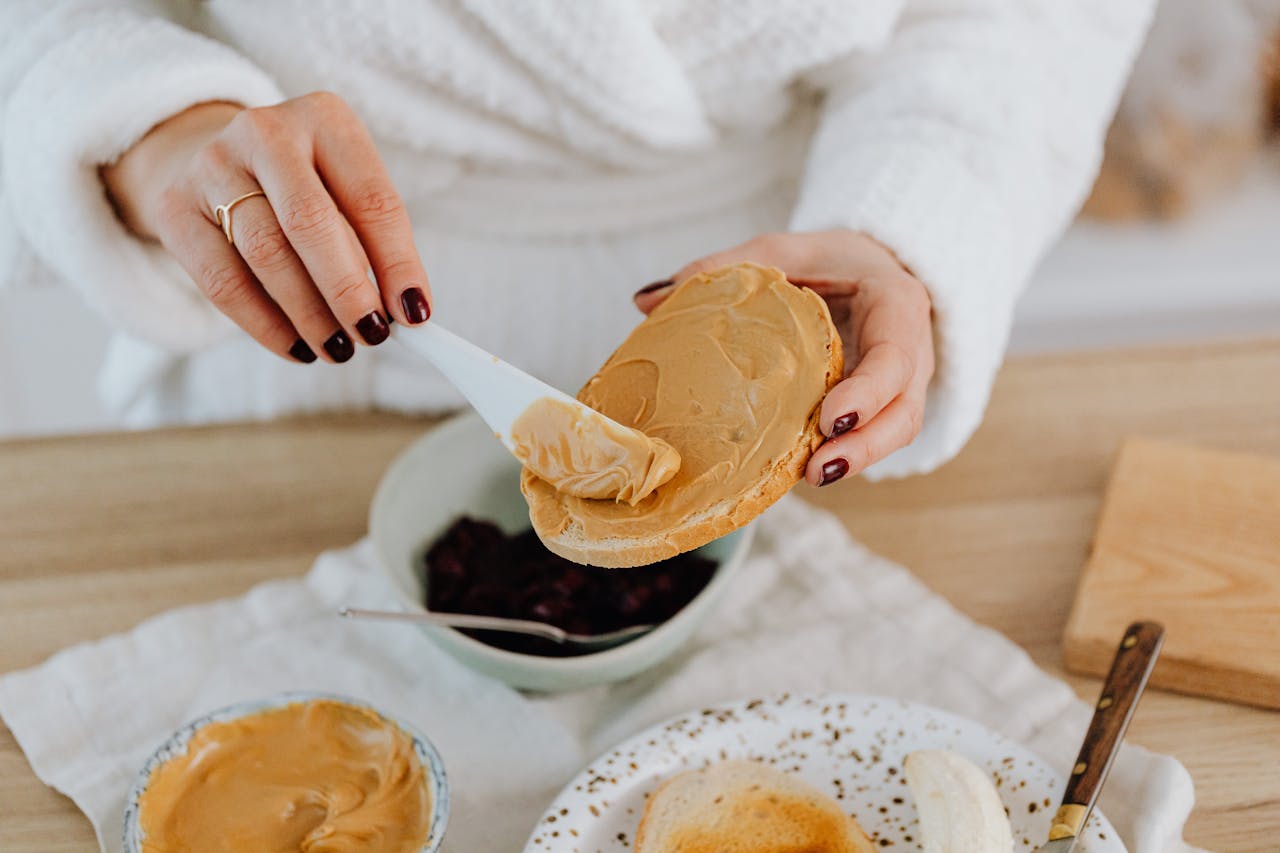
The Great Depression forced American kitchens to become laboratories of thrift, where flavor was coaxed from scraps, starches, and a stubborn hope. Many of those dishes never really disappeared; they lingered in church suppers, family notebooks, and diner menus, ready for another era when budgets tightened and waste felt wrong. Today their return reads less like cosplay and more like common sense: inexpensive ingredients, forgiving techniques, and comfort that lands on cold nights. These are meals built for sharing, stretching, and using whatever is already on hand, quietly, without turning the table into a lecture.
Hoover Stew
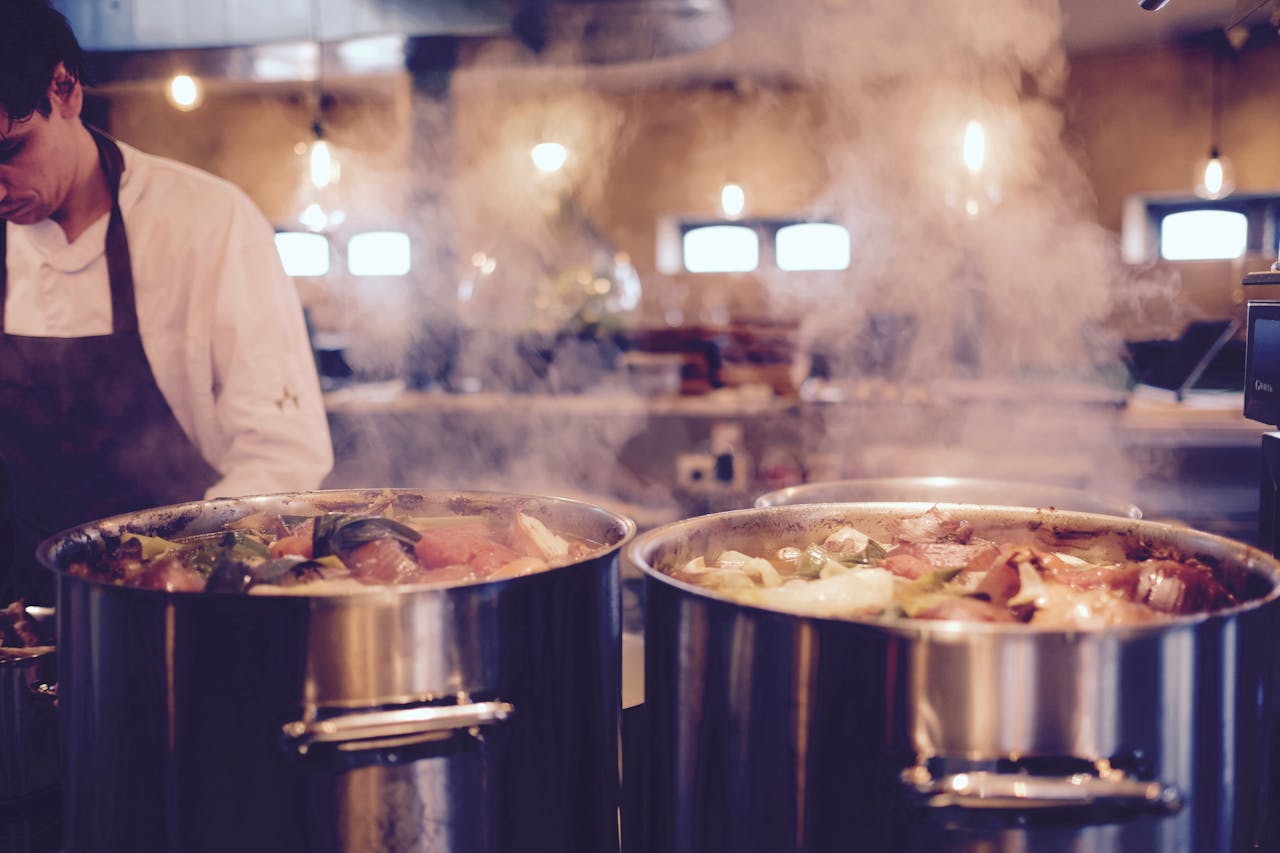
Named for the hard years and cooked in one pot, Hoover stew turns cheap stretchers into dinner with a blunt, comforting honesty that feels oddly modern. Macaroni, canned tomatoes, a few sliced hot dogs, and whatever onion, beans, or frozen vegetables happen to be around simmer into a tangy, smoky broth that clings to the noodles and perfumes the whole kitchen. It is making a comeback because it feeds a crowd within 30 minutes, stretches meat without apology, uses only one pot, welcomes upgrades like paprika, sharp cheddar, or hot sauce, and reheats into a lunch at noon that still tastes deliberate, not desperate.
Vinegar Pie
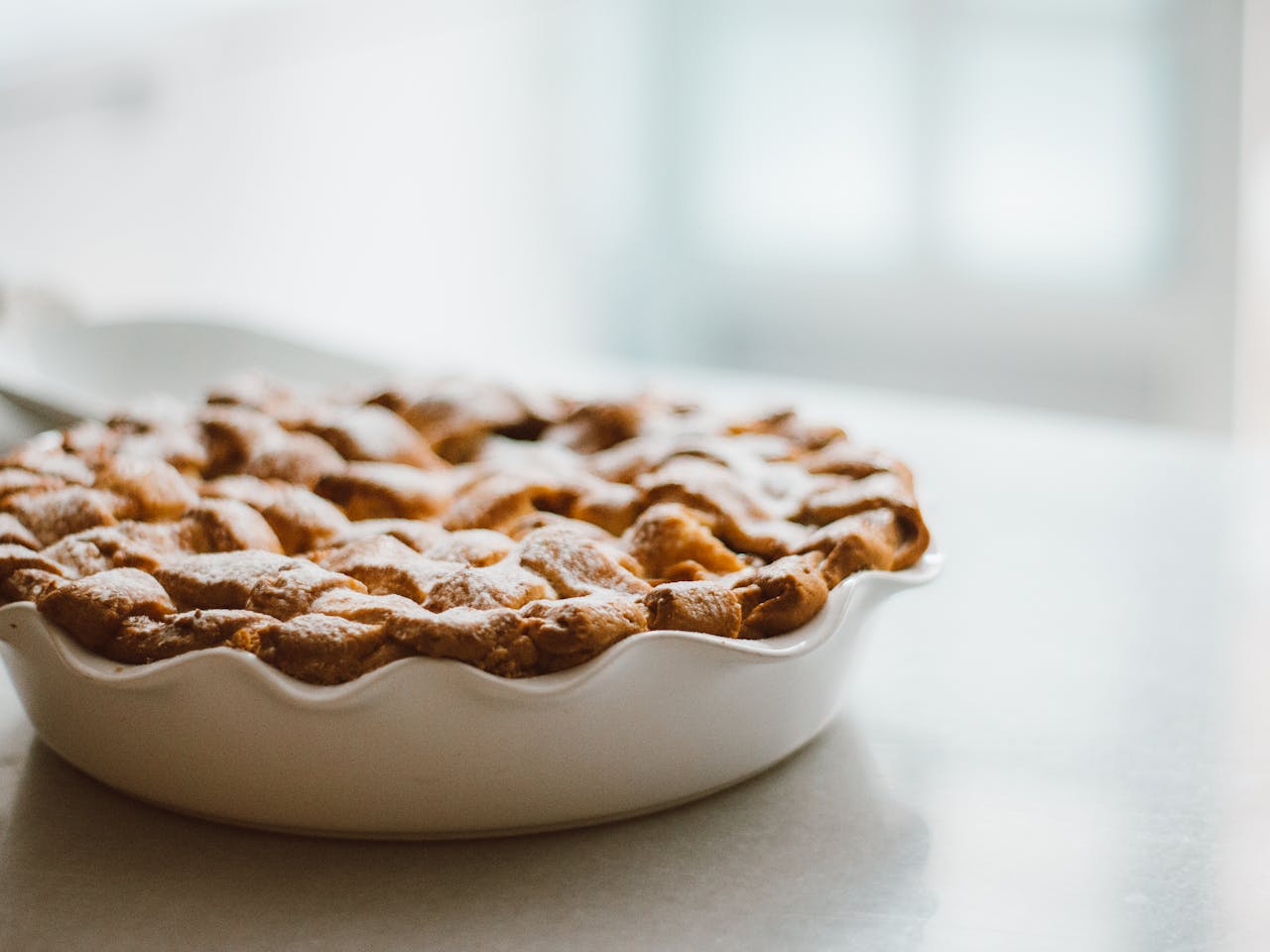
Vinegar pie is the Depression-era magic trick that convinces a thin pantry to behave like a citrus grove, even when fruit feels out of reach on farms and in small towns. A splash of apple cider or white vinegar sharpens sugar, butter, and eggs into a silky custard with a gentle tang, set in a plain crust and baked until the top bronzes and cracks. It is resurfacing in bakeries and home ovens because it is inexpensive, built from staples, and almost impossible to waste; it travels well, slices neatly, and tastes clean and bright when served chilled with a dusting of nutmeg beside strong black coffee on Sunday mornings.
Beans and Cornbread
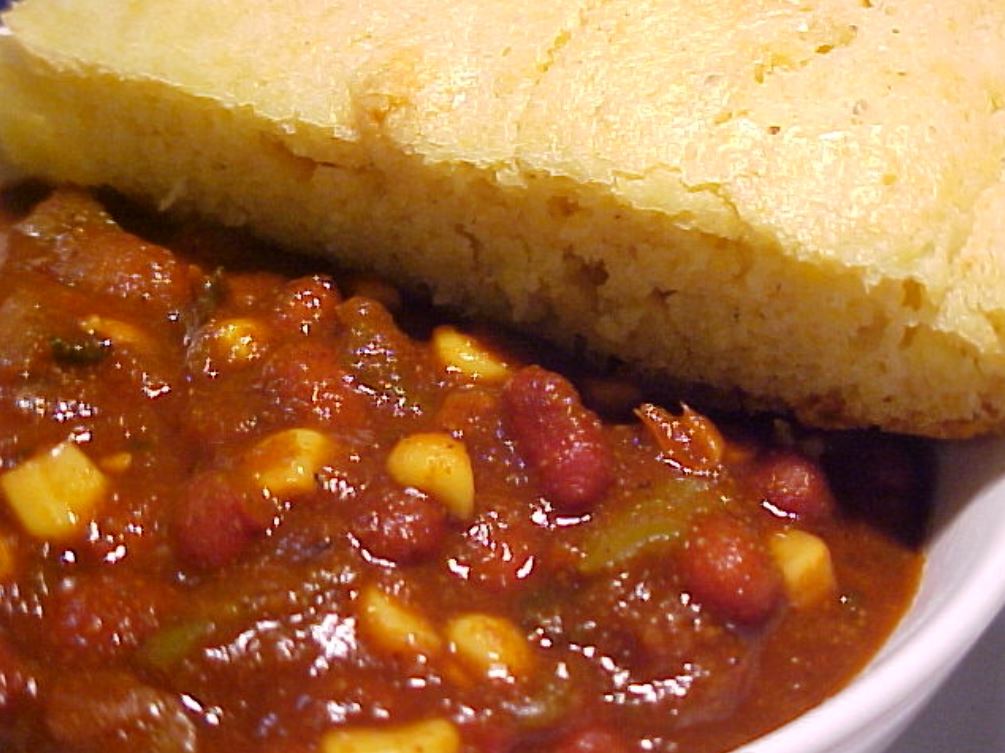
Beans and cornbread carried countless households through the Depression because the ingredients were cheap, filling, and patient on the stove, asking more time than money. Pinto or navy beans simmered with a ham bone, fatback, or just onion, garlic, and a bay leaf, then were ladled over a wedge of skillet cornbread that turned the peppery pot liquor into gravy. The pairing is catching on again as a week-long meal plan, since it reheats beautifully, welcomes meatless batches, stretches across lunches, and tastes complete with chopped scallions, a quick pan of greens, hot sauce, or a splash of vinegar after a long day.
Potato Soup
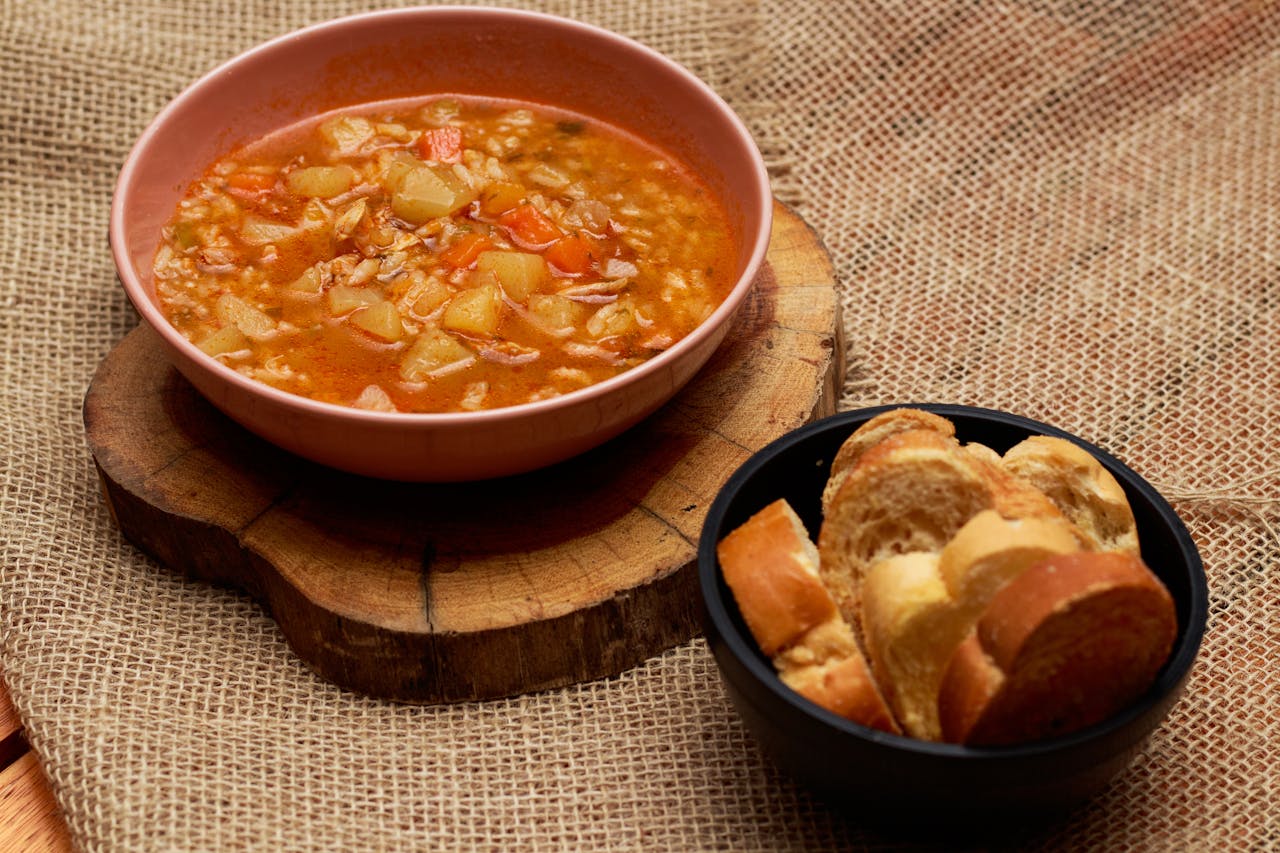
Potato soup was a quiet Depression staple, thickened by the vegetable itself when flour, meat, or cream were scarce, and it rarely asked for anything fancy beyond a hot burner. Diced potatoes simmered with onion and celery until they relaxed, then were mashed back into the pot for body, finished with a knob of butter, a splash of milk, or simply black pepper and salt. It is back in rotation because it makes a full pot from a few pounds of potatoes, takes well to small upgrades like roasted garlic or shredded cheese, and still feels gentle and steady alongside any bread that needs using on a cold night late in the week.
Creamed Chipped Beef on Toast
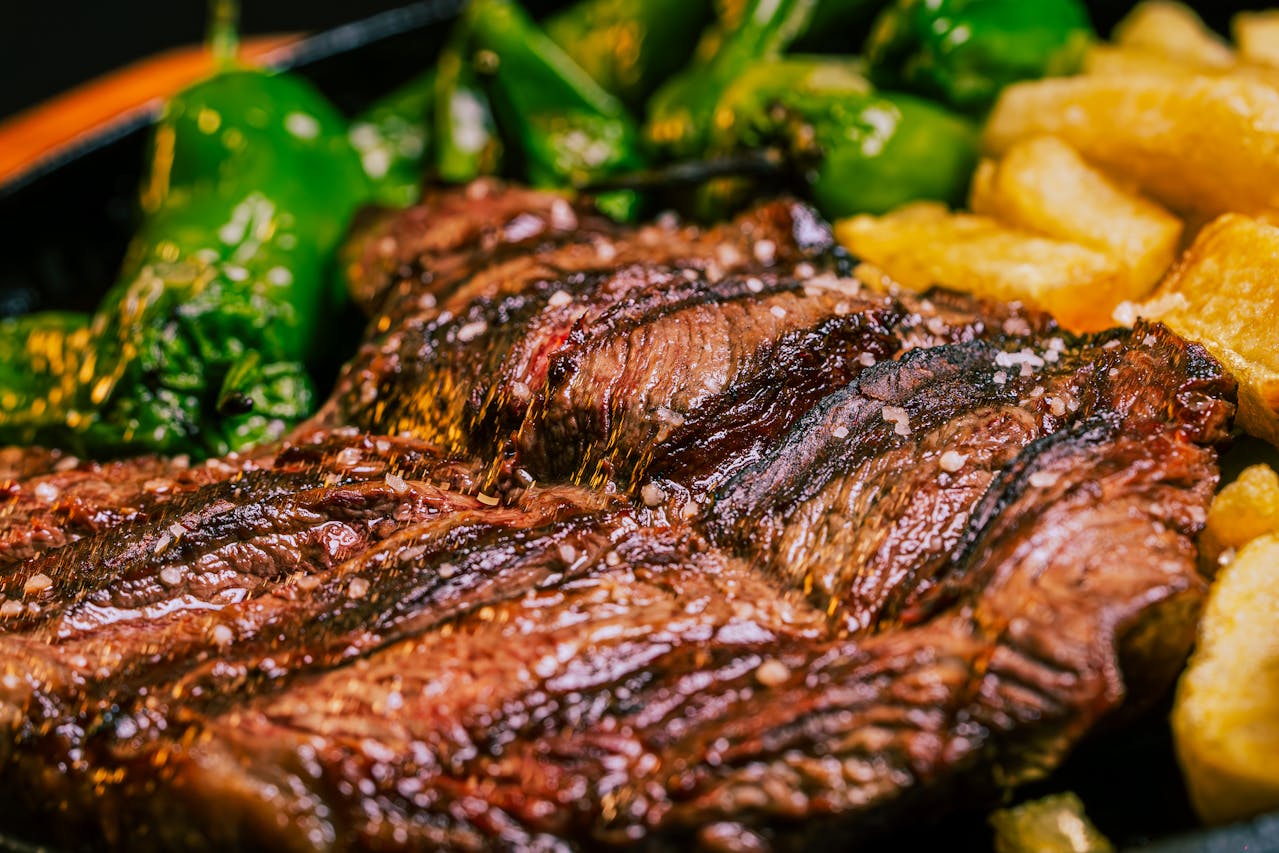
Creamed chipped beef on toast found a place in Depression-era diners and boardinghouses because a little cured meat could flavor a whole pan of sauce, stretching the spend without looking sad. Thin strips of dried beef were warmed in a simple roux with milk until the gravy turned silky and speckled, then poured over toast that soaked up every salty edge and stayed satisfying. It is being rediscovered as a budget comfort meal, finished with lots of black pepper and served with peas or a fried egg, because it reads as old-school cozy and still relies on pantry basics and a few calm minutes at the stove on busy nights.
Mock Apple Pie
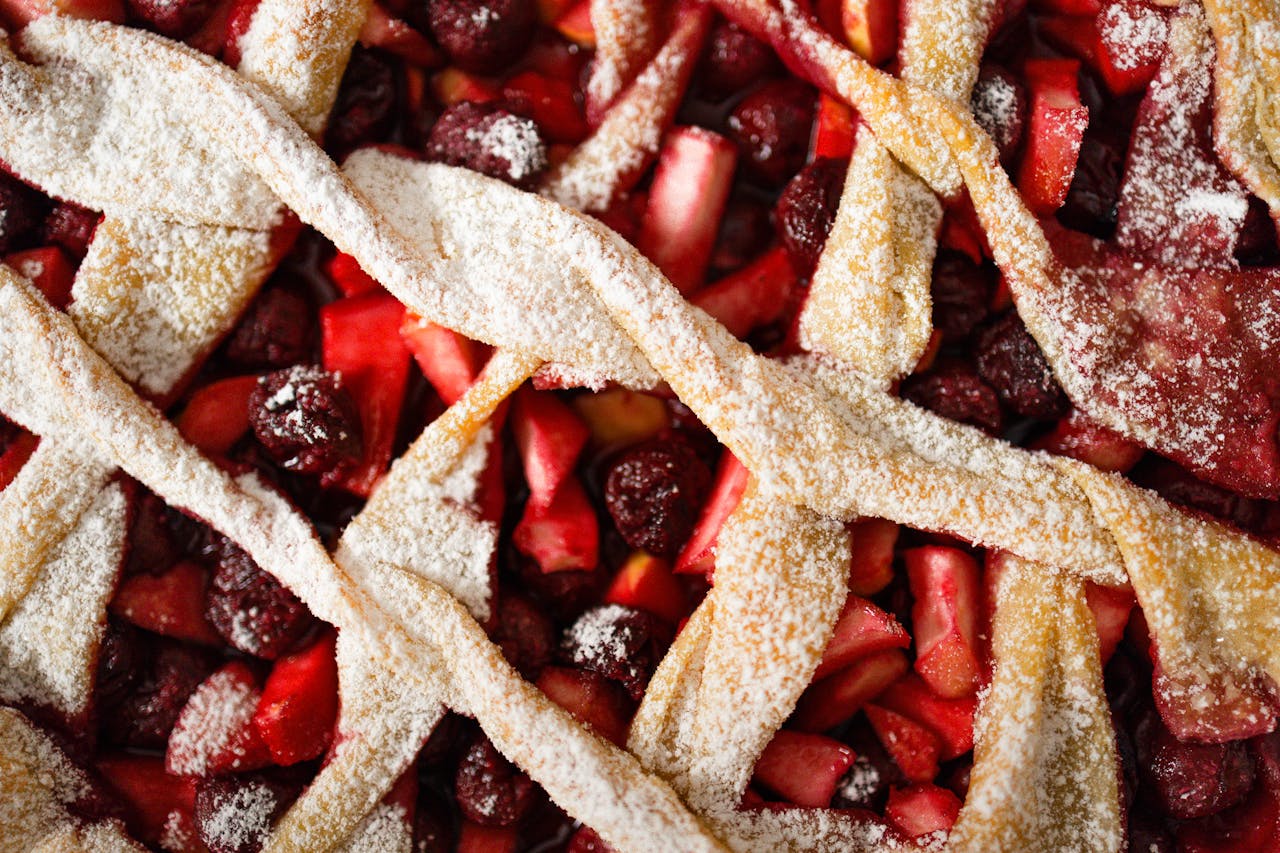
Mock apple pie, famously made with crackers instead of fruit, captures the Depression talent for turning scarcity into theater, then serving it with a straight face. Salted crackers simmer with sugar, cinnamon, and lemon until they soften into an apple-like filling, then bake under a crust that perfumes the kitchen and sets into neat, glossy slices. It is showing up again at bake sales and retro diners because the trick still works, the ingredients are shelf-stable, and the result hits the same warm-spiced note as a traditional pie when apples are pricey or out of season, especially with a spoonful of vanilla ice cream.
Bread Pudding
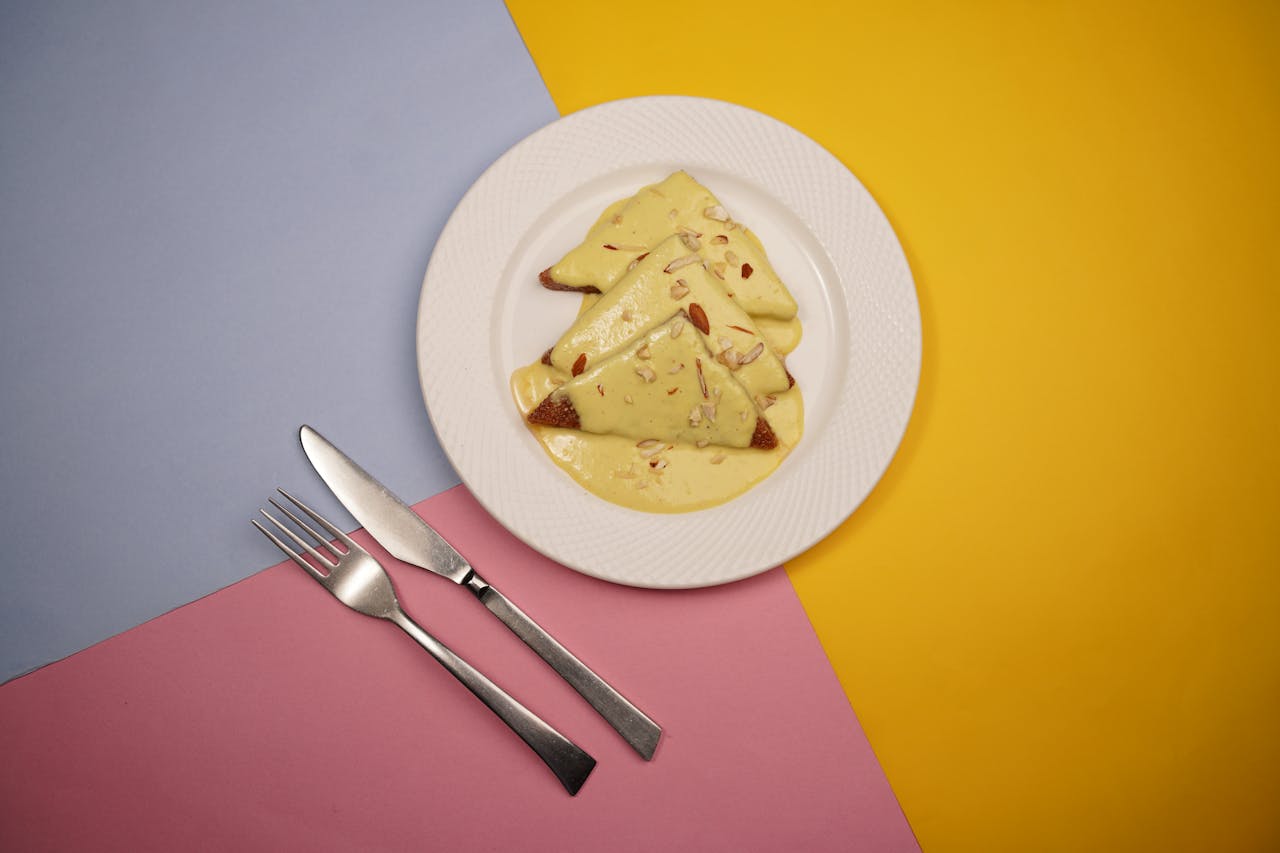
Bread pudding is what happens when thrift meets dessert, a way to rescue stale bread without pretending it was meant to be dry, and it was a familiar comfort in Depression kitchens. Cubes of day-old loaf soak up a custard of milk, eggs, and sugar, then bake into a soft center with crisp edges that smell of vanilla, cinnamon, and browned butter, often finished with a simple drizzle of syrup. It is making a modern comeback in cafés and home kitchens because it welcomes whatever is available, from raisins to chocolate to bruised fruit, and turns leftovers into something that feels quiet, warm, and genuinely generous.
Peanut Butter Bread
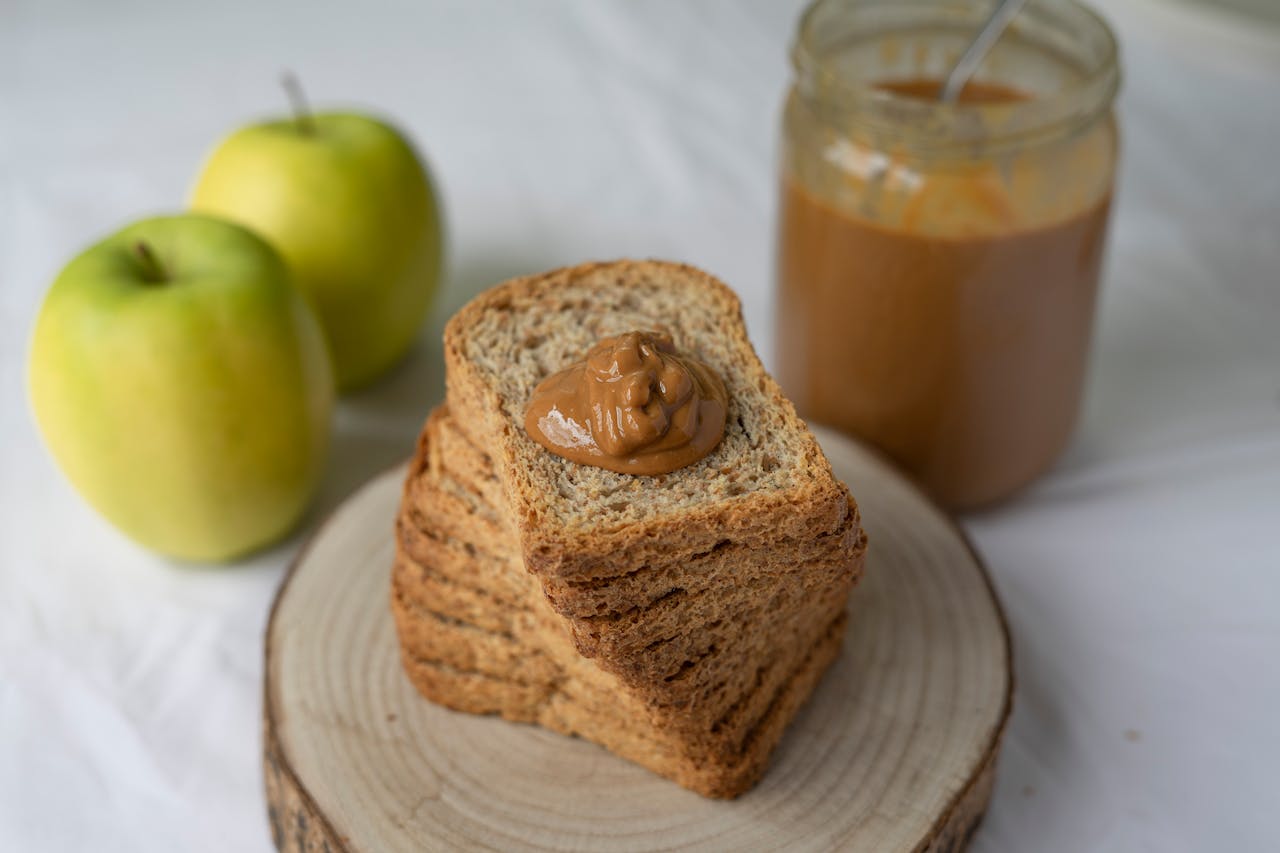
Peanut butter bread came from a Depression-era logic that prized protein and calories, even when eggs, milk, and butter were rationed or simply too costly, and it could be mixed with minimal equipment. The quick bread folds peanut butter into a plain batter, baking up dense, nutty, and faintly sweet, with a sturdy crumb that holds together for lunches, travel days, and late-night snacks. It is returning because it is inexpensive and satisfying on its own, toasts beautifully, freezes in slices, and pairs easily with jam, honey, or sliced bananas when the pantry has a little extra, beside a mug of coffee on chilly mornings.